PRESS RELEASES AND ANNOUNCEMENTS

Key dates

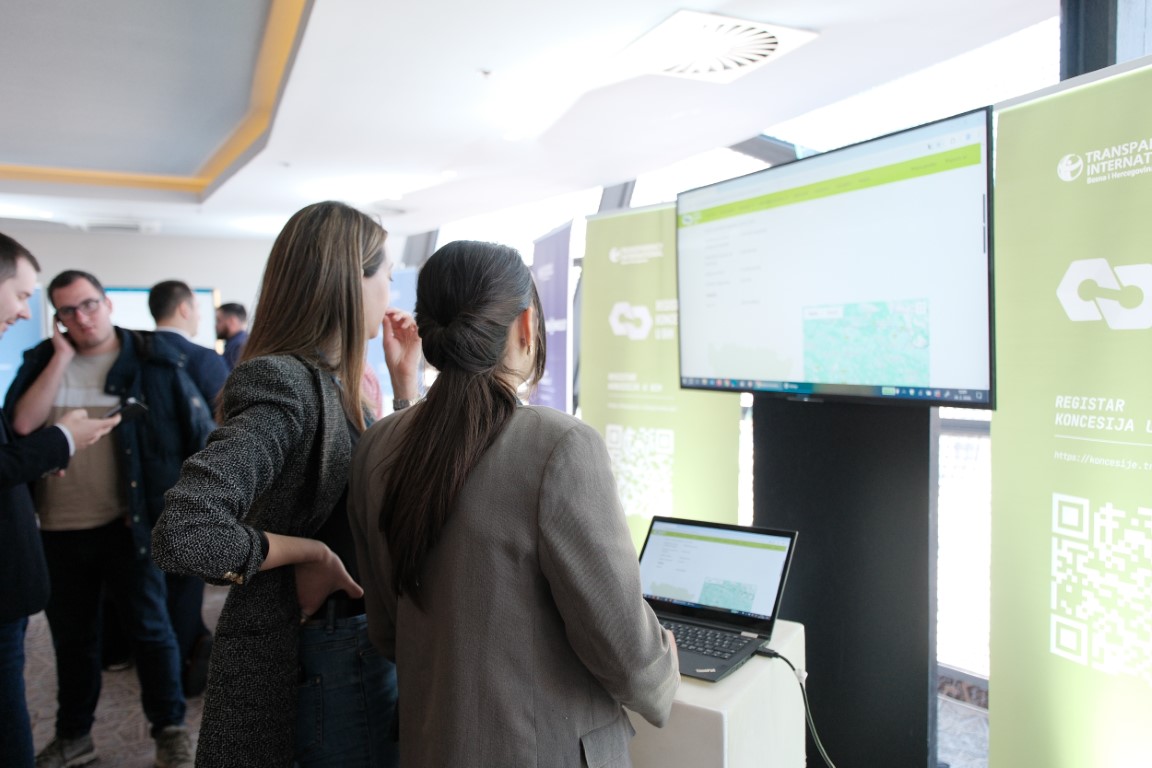
TI BiH Presented 13 Databases That Help Detect Corruption

Sarajevo, 26 February 2025 February 2026. years – Oversight of public spending is crucial for effective anti-corruption efforts, and Transparency International in BiH has...

TI BiH
Izvještaji za Mediae

TI BiH Presented 13 Databases That Help Detect Corruption

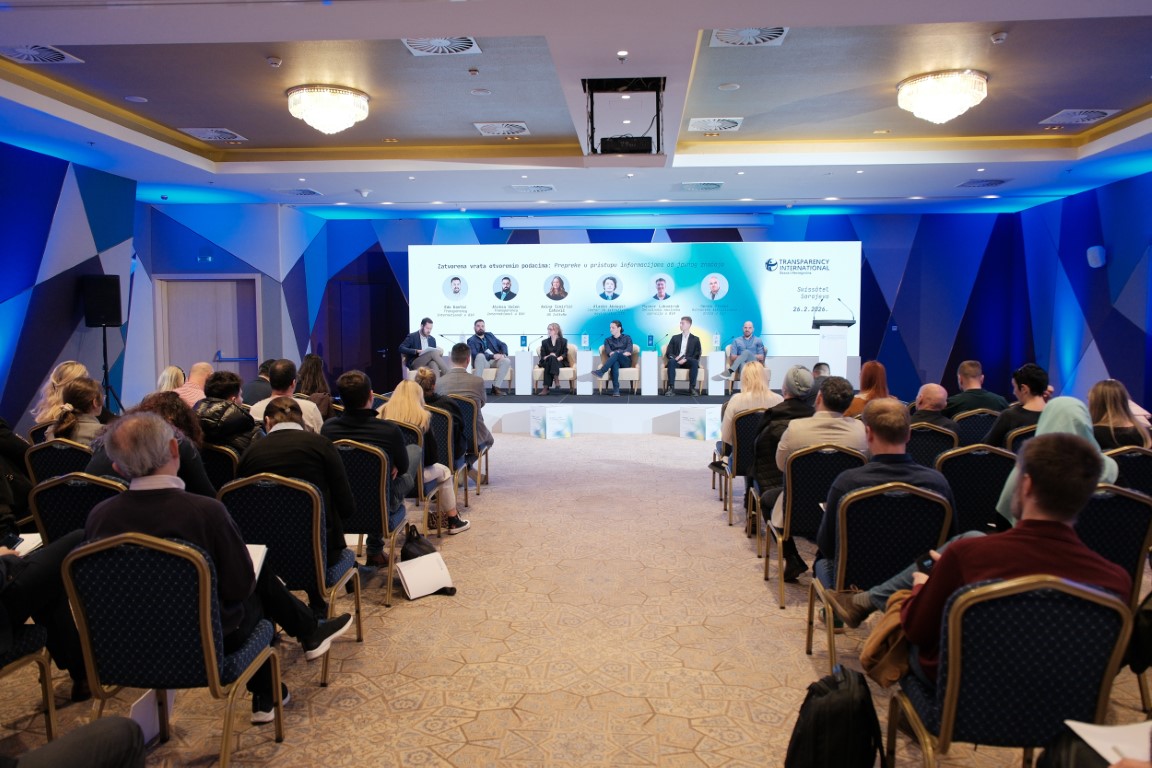
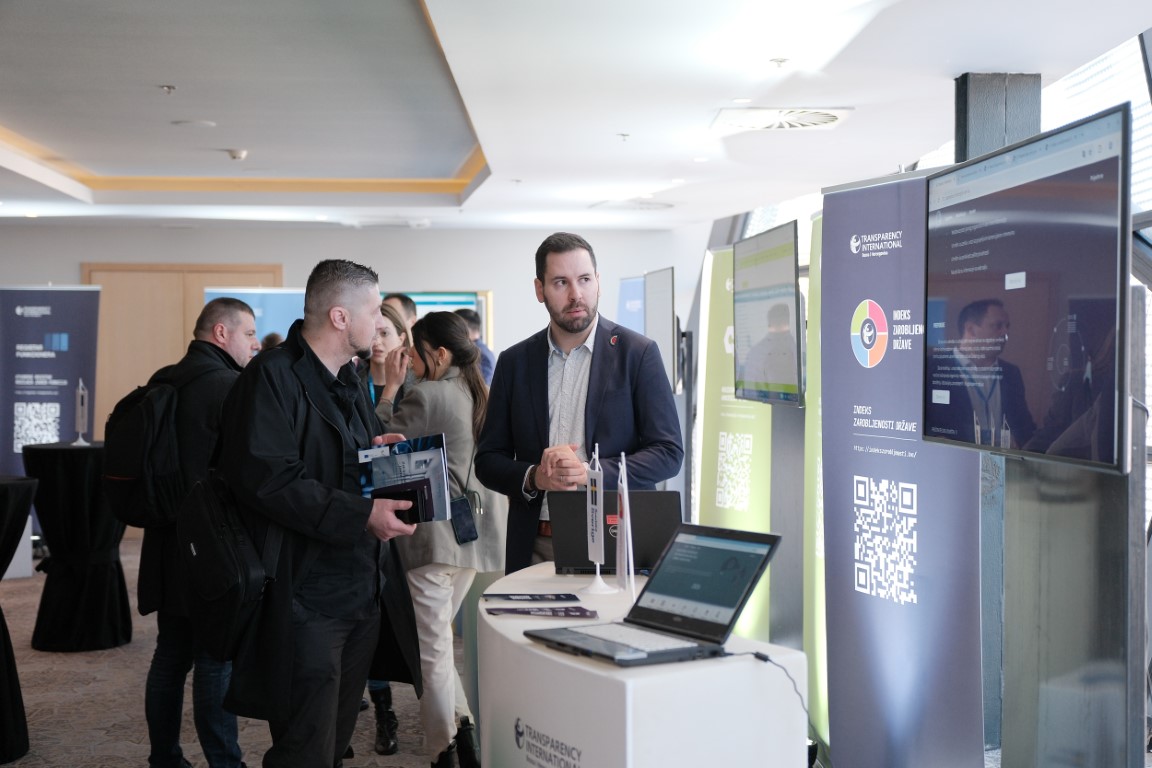
Sarajevo, 26 February 2025 February 2026. years – Oversight of public spending is crucial for effective anti-corruption efforts, and Transparency International in BiH has presented 13 databases that help detect irregularities to all those who wish to monitor and control government operations. On these platforms, media, civil society organizations, activists, and all interested citizens can find out how public money is spent and how much goes to companies connected to elected officials, as nearly 36% of those who declared ownership in private enterprises after general elections have business dealings with the state.

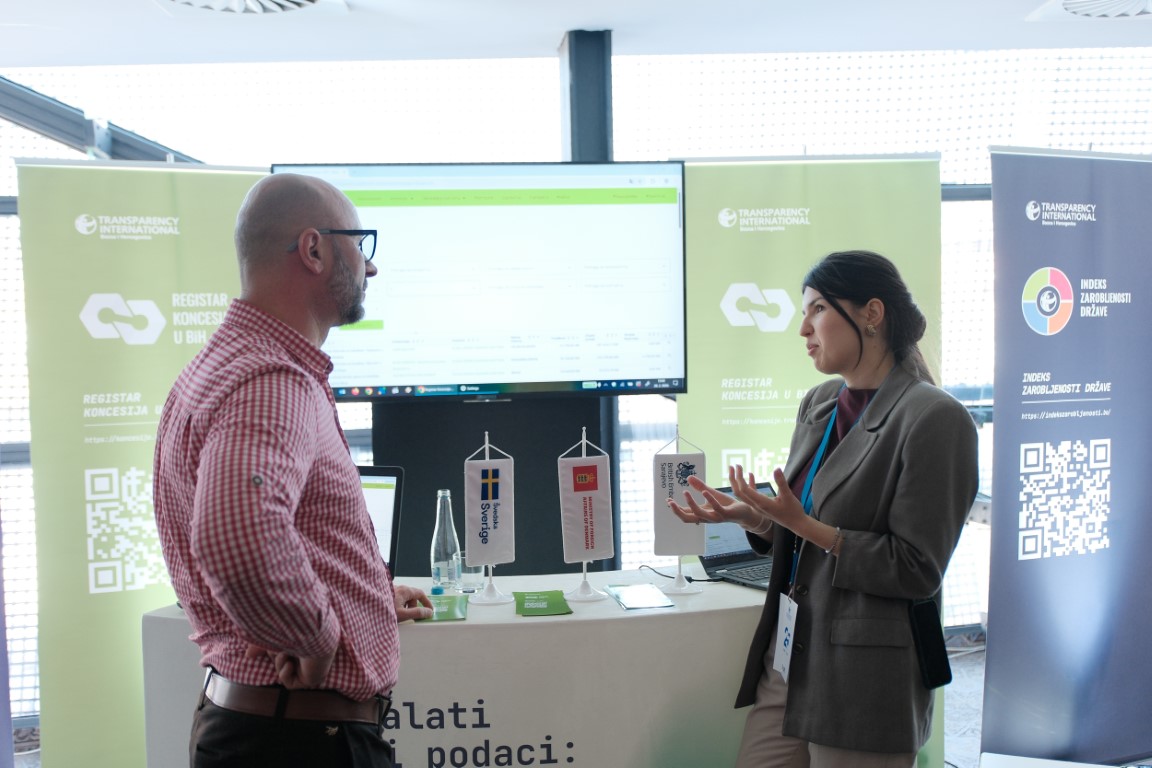
The Register of Public Officials reveals over 300 political leaders who hold multiple positions or head associations funded from the budget, thereby directly violating existing conflict of interest laws. The Concessions Register provides a broader picture of public resource management and politically connected investors, while other databases help uncover their connections with heads of institutions, public enterprises, and establishments.

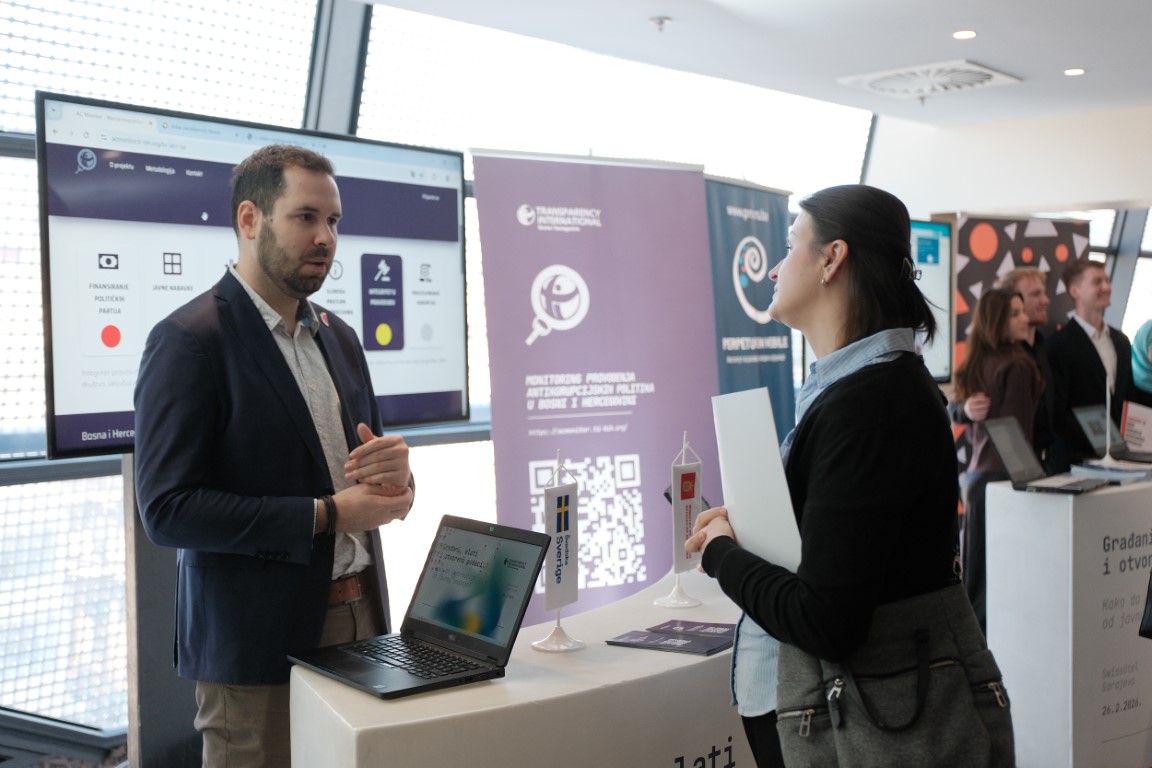
On dedicated platforms, TI BiH has also published data on the transparency of judicial institutions and their results in fighting corruption in terms of the number of investigations, indictments, and convictions for corruption. How closed the system is and how much institutions obstruct oversight is best illustrated by data from the Judiciary Index, according to which as many as 35% of courts and prosecutor’s offices violated the legal deadline for responding to freedom of information requests, 46% of courts do not publish first-instance verdicts, and 85% of prosecutor’s offices conceal plea agreements.

In addition to hiding its work from citizens, the judiciary’s work is characterized by the fact that half of the prosecutor’s offices in BiH do not conduct investigations into high-level corruption at all, which represents a serious blow to the rule of law and the culture of accountability.

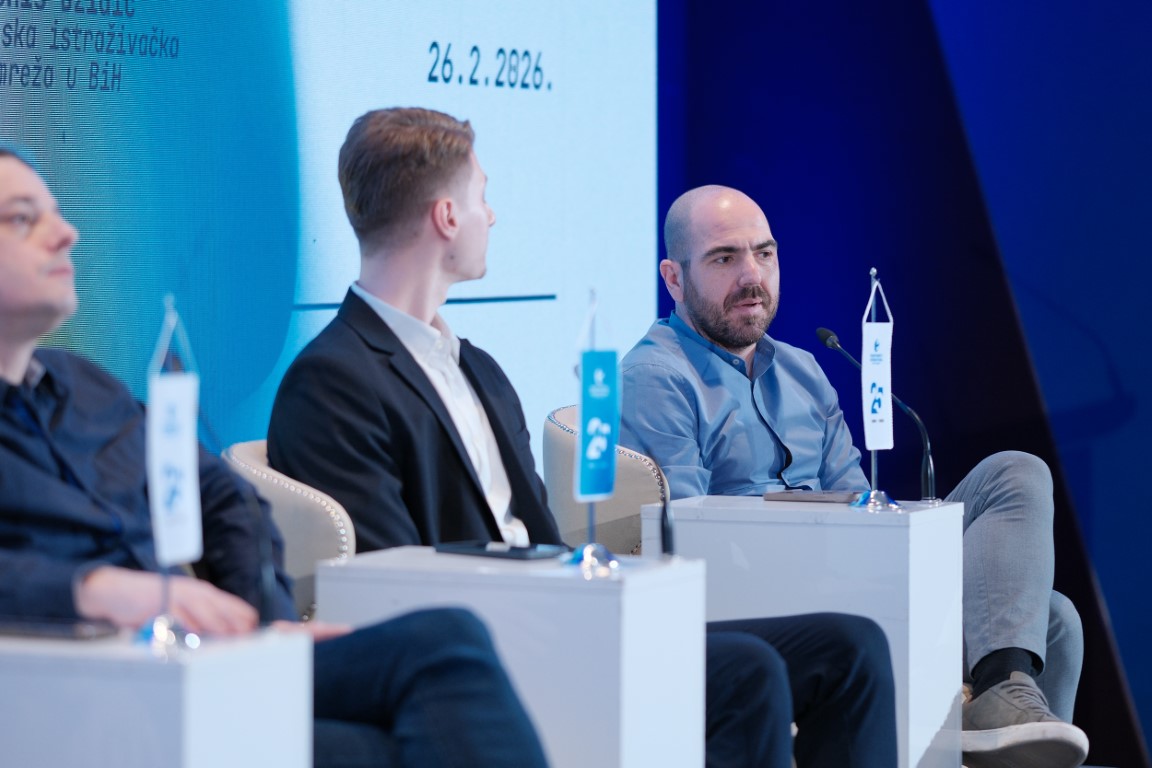
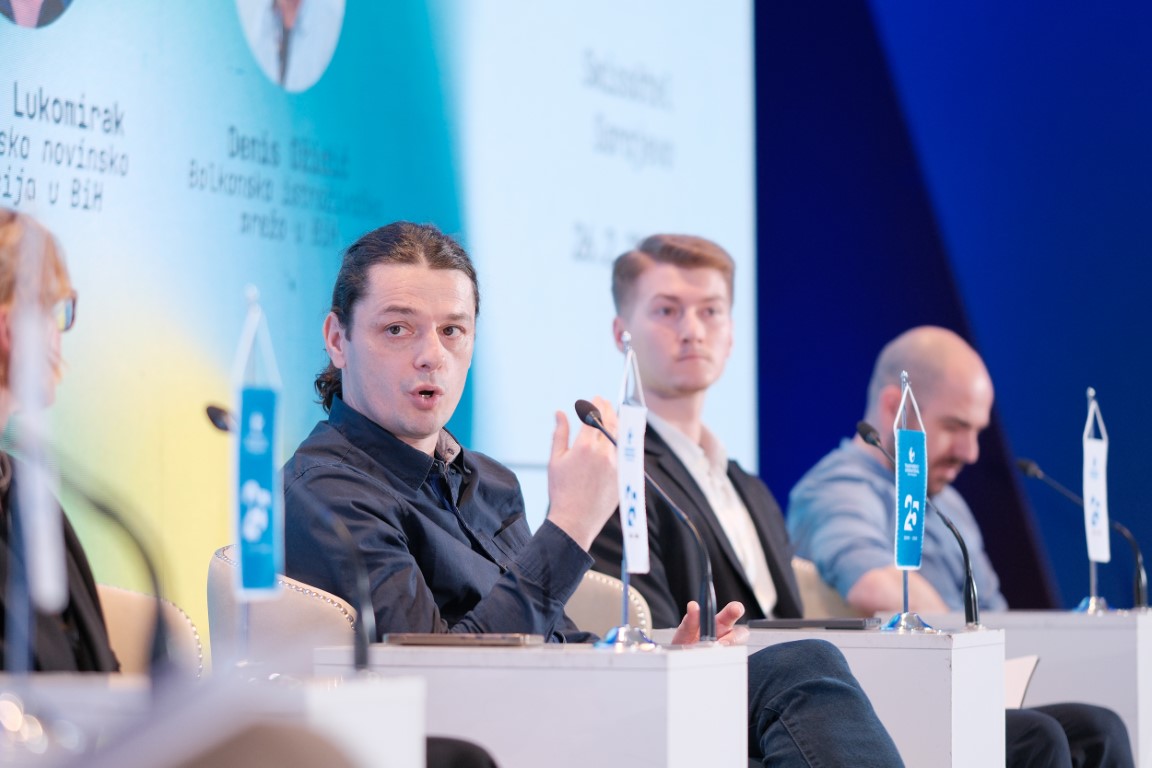
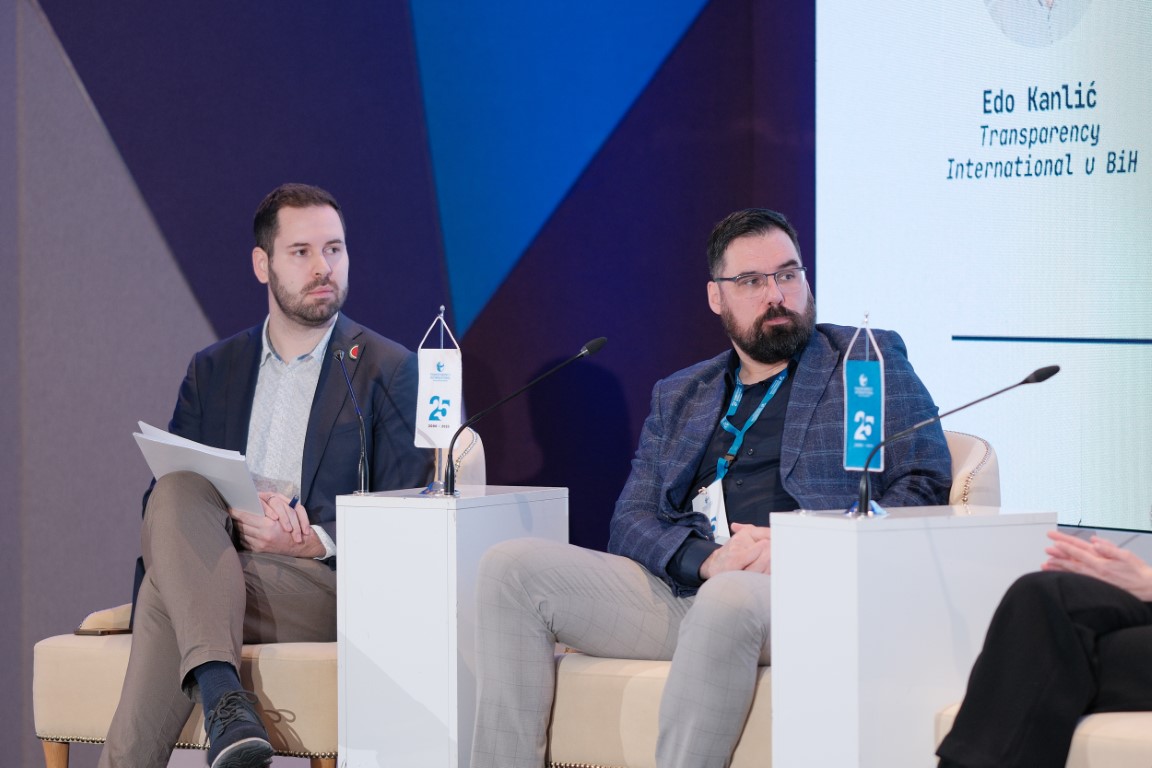
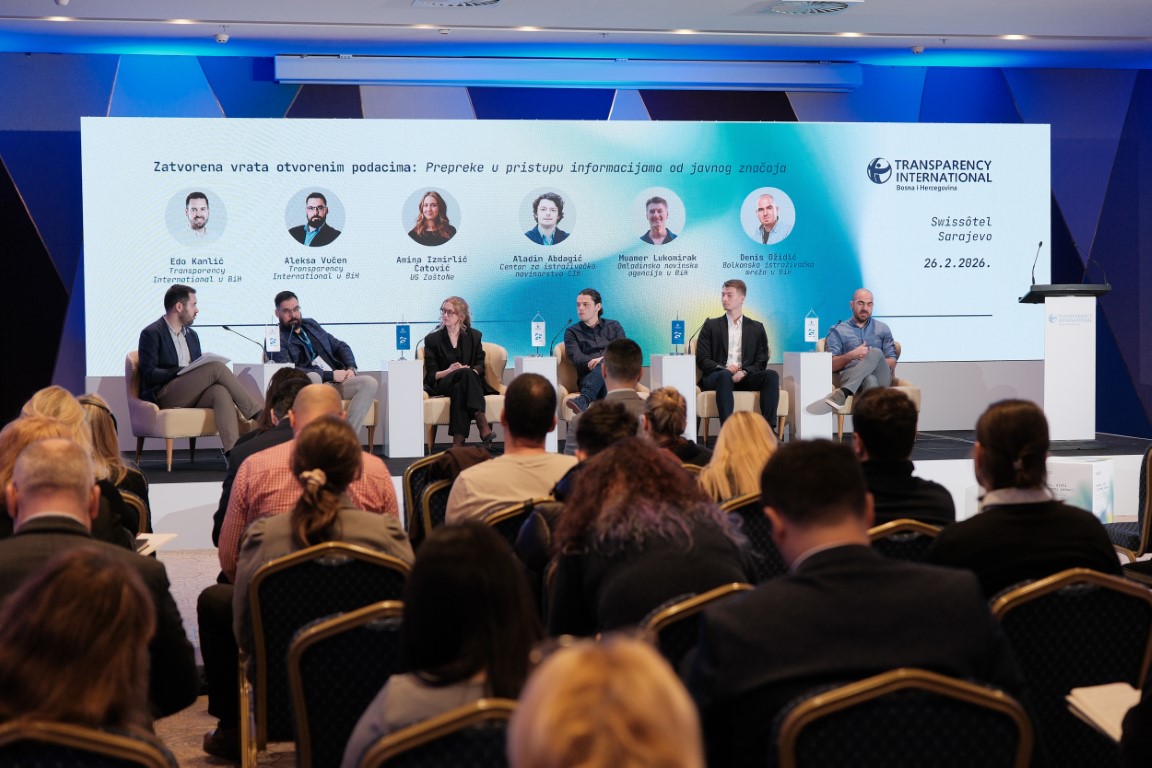
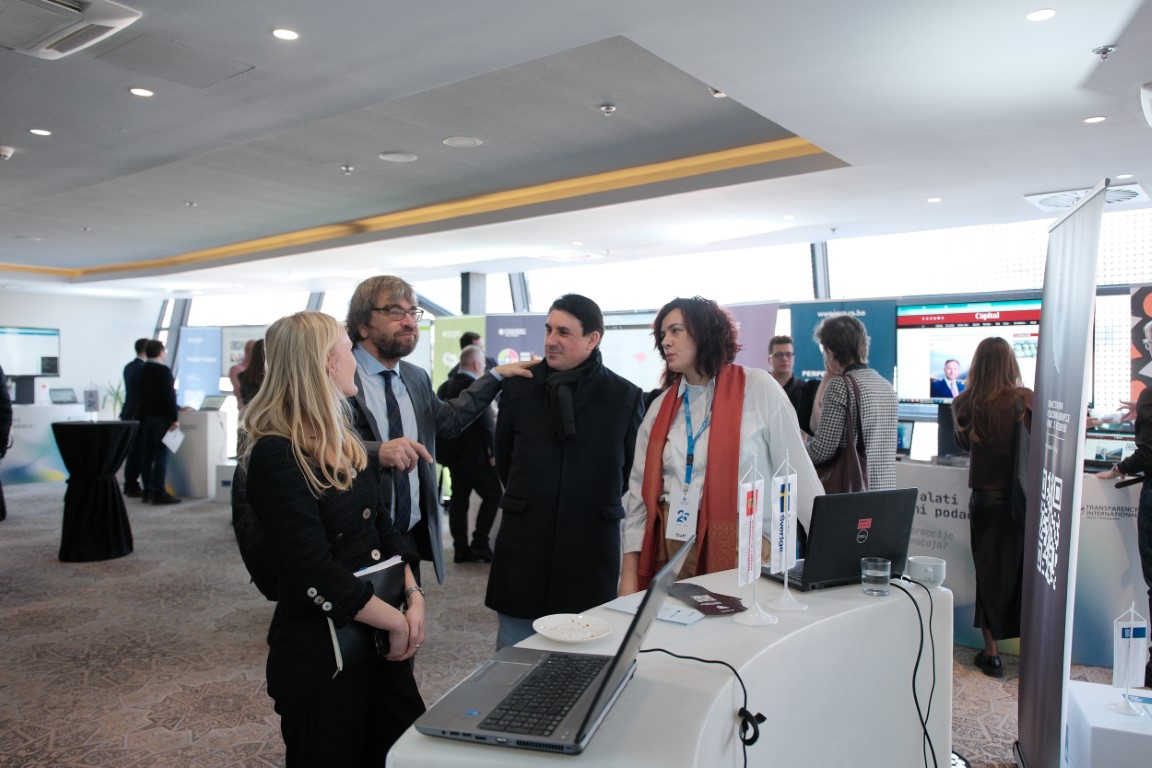
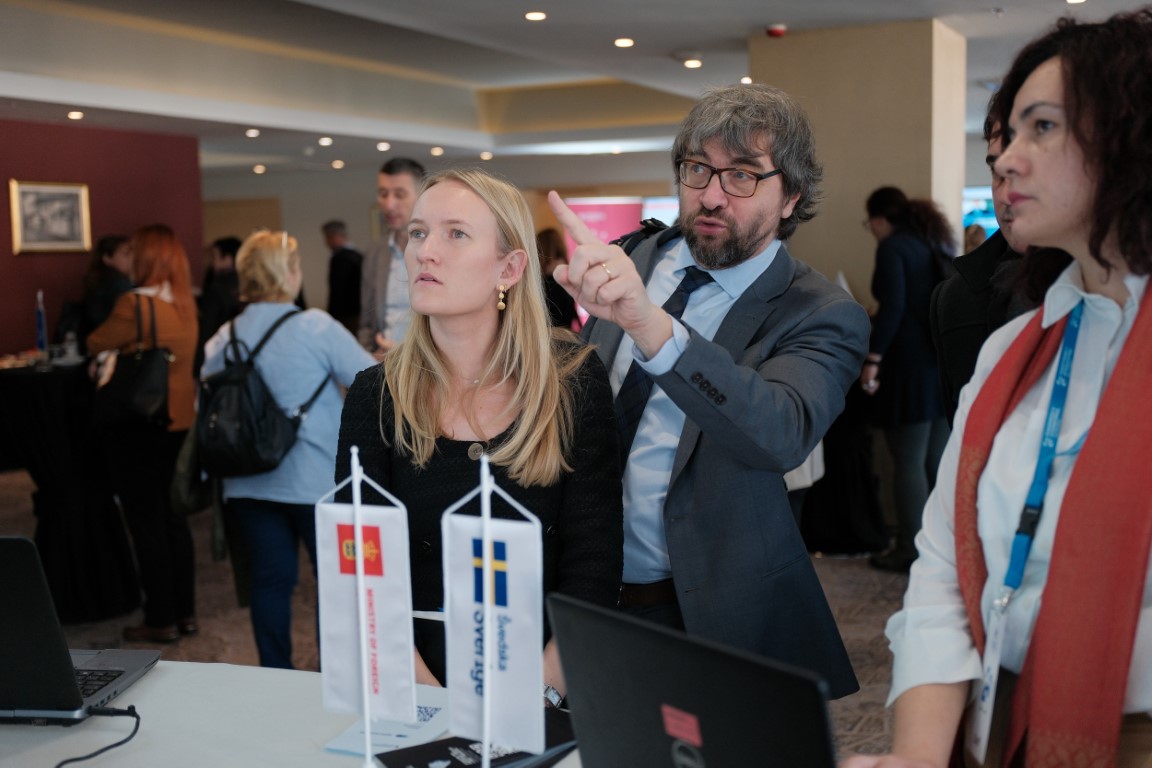
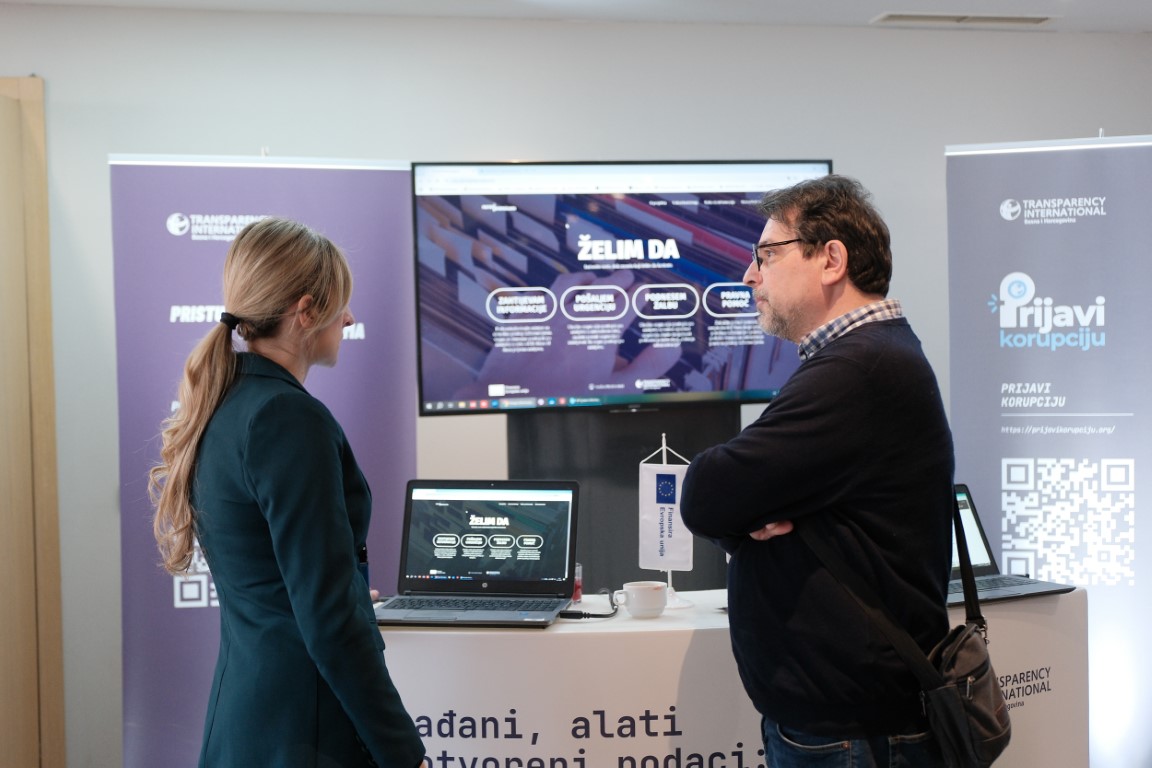
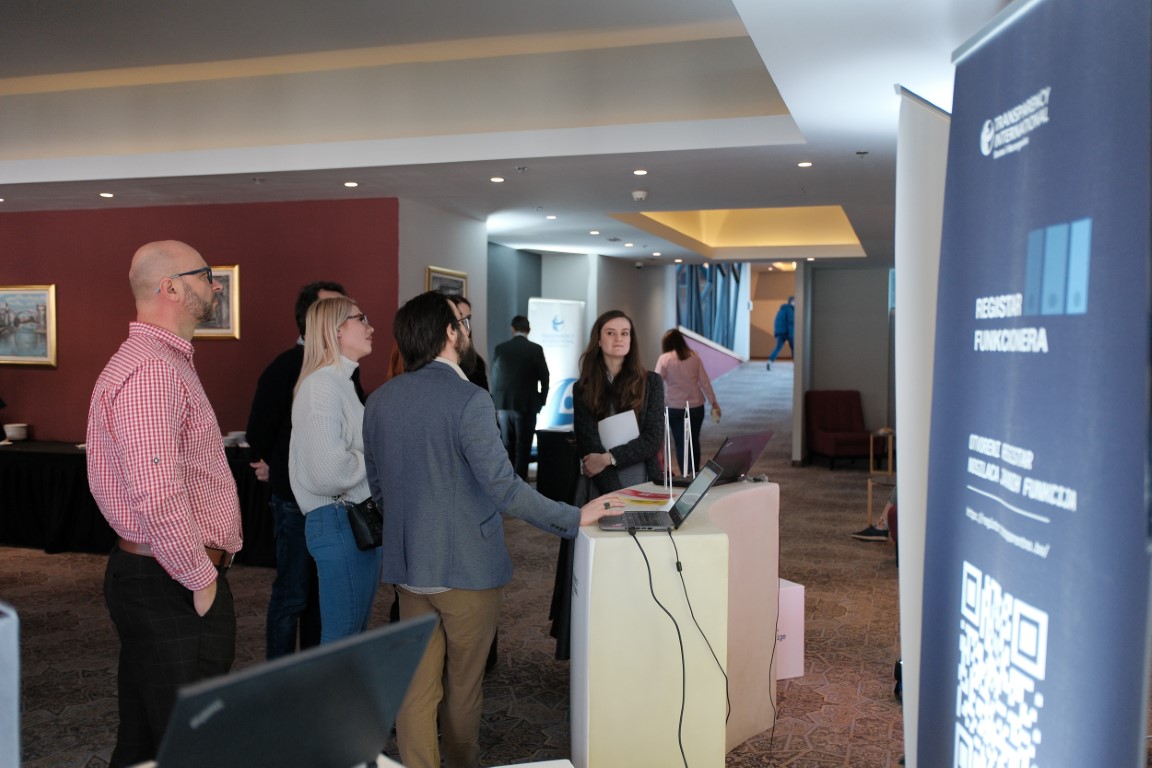
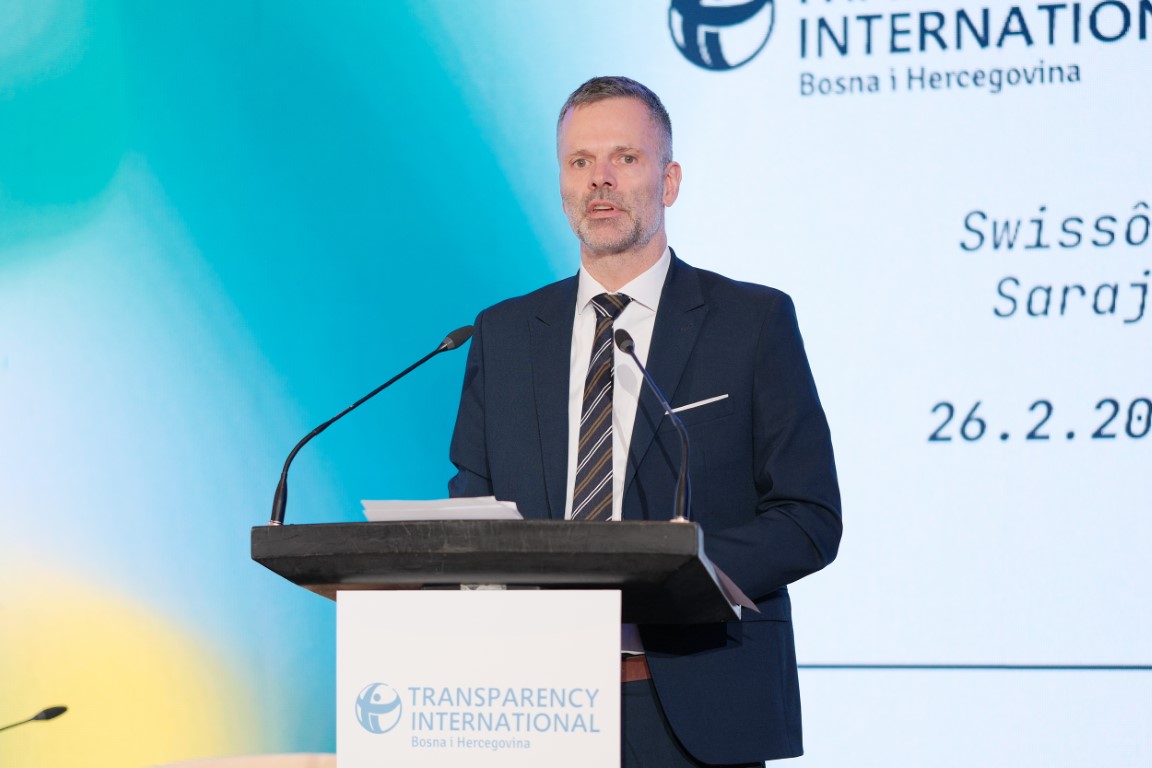
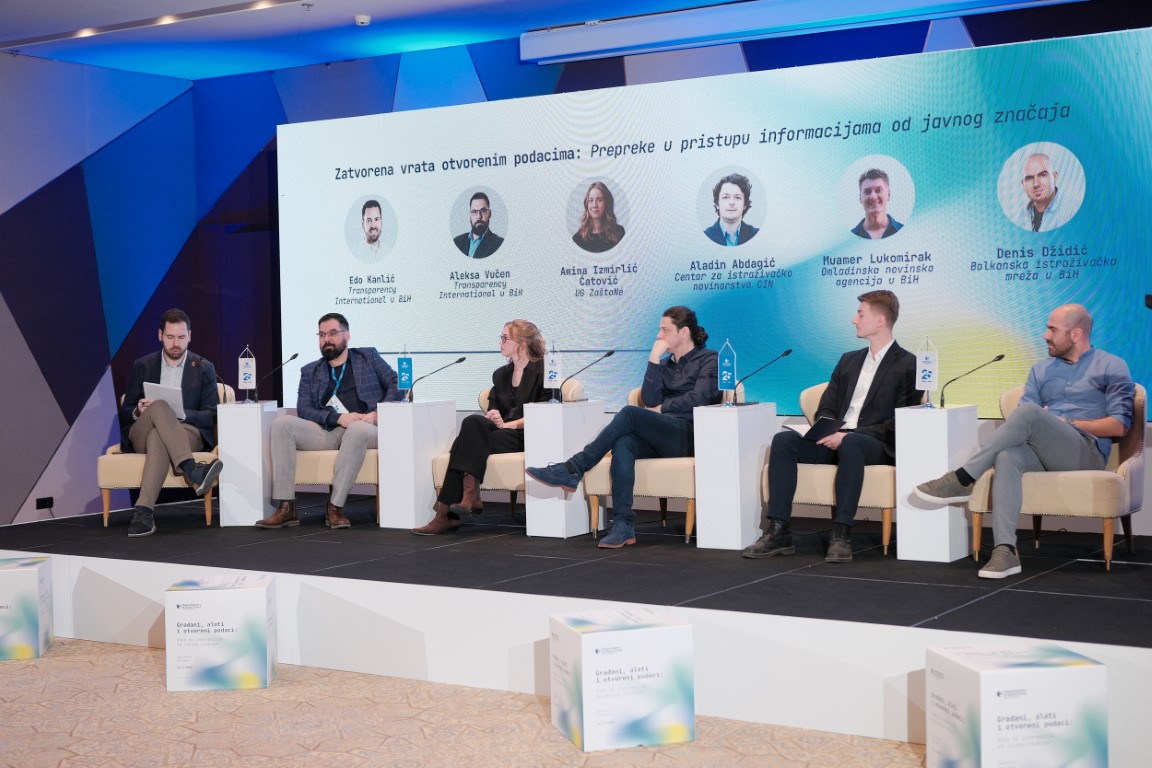
All of this necessitates initiating a broader societal debate on these issues, which was the reason for holding the conference “Citizens, Tools, and Open Data: How to Access Information of Public Interest” organized by Transparency International in Bosnia and Herzegovina (TI BiH) today in Sarajevo. The conference served as an introduction to the TI BiH Expo – an exhibition of databases and tools developed to enable easier access to public information, which is crucial for corruption prevention. That this is a fundamental issue for the European path was also emphasized by H.E. Åge Sandal Møller, Ambassador of Denmark to BiH.

“Transparency and access to information for citizens and media are essential prerequisites of every democratic society. Open data not only strengthens trust in institutions but is also a key tool in fighting corruption and a driver of economic growth. Denmark is a country founded on trust in institutions, and the fight against corruption is essential on Bosnia and Herzegovina’s EU path. Our support aims to encourage civil society efforts whose oversight role is absolutely necessary , stated Ambassador Møller.

The Delegation of the European Union to BiH emphasized that the availability of information of public interest is crucial for empowering citizens in a democracy.

“Therefore, it is of crucial importance for BiH to establish a fair and effective mechanism for monitoring the implementation of laws that guarantee free access to public information, ensure impartial legal remedies, and impose sanctions. The European Union will continue to advocate for cooperation between public institutions, civil society, and media to achieve this , stated Aurelie Valtat, Head of the European Integration, Political Affairs, Media and Information Section at the EU Delegation to BiH.

To facilitate access to information and break down the “wall of silence,” TI BiH has, in addition to the aforementioned information, opened to the public on various platforms data on the operations and management structures of public institutions and enterprises, the distribution of public funds to non-profit organizations, information on the prosecution of corruption and transparency of judicial operations, monitoring of reforms in the field of anti-corruption, as well as various tools for oversight of public fund distribution, strengthening institutional integrity, and accountability of holders of the highest public offices.
Press rls_26_02_2026

Possible Suspension of Timber Exports to the EU: Forests of Una-Sana Canton Victims of Devastation and Poor Laws

Bihać, 24. February 2026. year – While logging plans in Una-Sana Canton are fulfilled at 98%, forest restoration is realized at only 41%, which in the long term leads to the...

TI BiH
Izvještaji za Mediae

Possible Suspension of Timber Exports to the EU: Forests of Una-Sana Canton Victims of Devastation and Poor Laws

Bihać, 24. February 2026. year – While logging plans in Una-Sana Canton are fulfilled at 98%, forest restoration is realized at only 41%, which in the long term leads to the destruction of this resource, Transparency International in BiH (TI BiH) warned today. At the conference on forest law reform, it was emphasized that public enterprises, of which 88% of directors are politically connected, prioritize short-term exploitation over biological sustainability, while the canton, due to outdated fee calculations, loses millions.

Such practices not only devastate forests but also place Bosnia and Herzegovina in real danger of losing the European Union market. Unless digital traceability systems are urgently established and legislation is harmonized with the new EU Regulation on Deforestation-Free Products (EUDR), domestic timber products will not be able to cross the border—this was the key message from the conference “Cantonal Forest Laws: Between Reform and EUDR Requirements”, organized today in Bihać by TI BiH

At the conference, which brought together representatives of the Government and Assembly of Una-Sana Canton (USK), the management of Forest Enterprise “Unsko-sanske šume,” and experts, the concerning effects of the new EU regulation coming into force were presented, expected by the end of 2026. It requires that every timber product possess precise geolocation coordinates (WGS84) of the plot from which the wood originates, as well as proof that there has been no forest degradation at that location since 2020. . This requirement cannot be met from a legal, technical, and operational standpoint, which calls into question timber exports from Bosnia and Herzegovina to the EU, thereby jeopardizing the entire forestry sector.

“Domestic exporters face operational risk because, without a unified information system, they cannot provide valid data on origin to their EU partners. If BiH is classified as a ‘high-risk’ country due to corruption and lack of data, our trucks will undergo rigorous inspections, which threatens the closure of jobs in the timber industry,” emphasized Prof. Dr. Dženan Bećirović from the Faculty of Forestry in Sarajevo, who warned that the current fragmentation of the sector, where the Federation of BiH has no forest law and the cantons have inconsistent regulations and disconnected information systems, prevents the fulfillment of these conditions.

Special focus was placed on the situation in Una-Sana Canton, and TI BiH’s analysis showed that public enterprises in this sector often prioritize short-term revenues over long-term sustainability. Data for 2023. shows that Forest Enterprise “Unsko-sanske šume” realized its logging plan at 98%, while the realization of the reforestation plan amounted to only 41%.

It was also pointed out that the calculation of forest-use fees is problematic. USK charges a fee of 9% on the stumpage price of timber, while in Republika Srpska 10% is charged on a higher base (truck-road price). Due to these differences in calculation and the absence of a federal law, the entire Federation of BiH collects three times less revenue from forest fees compared to RS, although the volume of logging is nearly identical (about 15.8 million KM in the Federation of BiH versus 48.4 million KM in RS in 2023).

TI BiH reiterated the finding that 88% of directors of forest enterprises in BiH are politically connected, which makes this sector prey to party interests instead of a resource for economic development.

Mustafa Ružnić, Prime Minister of USK, underscored that the data on political influence in the forestry sector are unambiguous and represent a clear call for serious action: “It is high time we turned to the profession and put forest management in the service of its sustainability rather than exploitation. That is why we should see the EUDR as an opportunity, not a threat,” he added.

During the panel discussion, it was emphasized that the new Forest Law of USK must also resolve the issue of jurisdiction in the area of forest protection as well as the manner of spending budgetary funds for these purposes, which is currently an open question since the complete transfer of authority to the Cantonal Forestry Administration has not been carried out.

Edvin Alijanović, Minister of the Ministry of Agriculture, Water Management and Forestry of USK, concluded that “our political responsibility is decision-making, but it is equally a professional responsibility to adopt the best solutions that will ensure transparent, accountable, and long-term forest management.”

Recommendations were issued from the conference for the urgent adoption of harmonized regulations, particularly the new Forest Law of USK, which will enable digitalization and timber traceability, depoliticization of management structures in public enterprises, and clear jurisdiction regarding forest protection and control of earmarked spending for forest restoration, in order to prevent further devastation of this resource and ensure the survival of exports.


Press rls_24_02_2026

Women’s Representation Below Legal Threshold, Youth Invisible: Public Financing of Political Parties Does Not Deliver Equality

Sarajevo, 17 February 2026. 2025 – Political parties in Bosnia and Herzegovina have had tens of millions of marks in public funds at their disposal for years, yet this money...

TI BiH
Izvještaji za Mediae

Women’s Representation Below Legal Threshold, Youth Invisible: Public Financing of Political Parties Does Not Deliver Equality

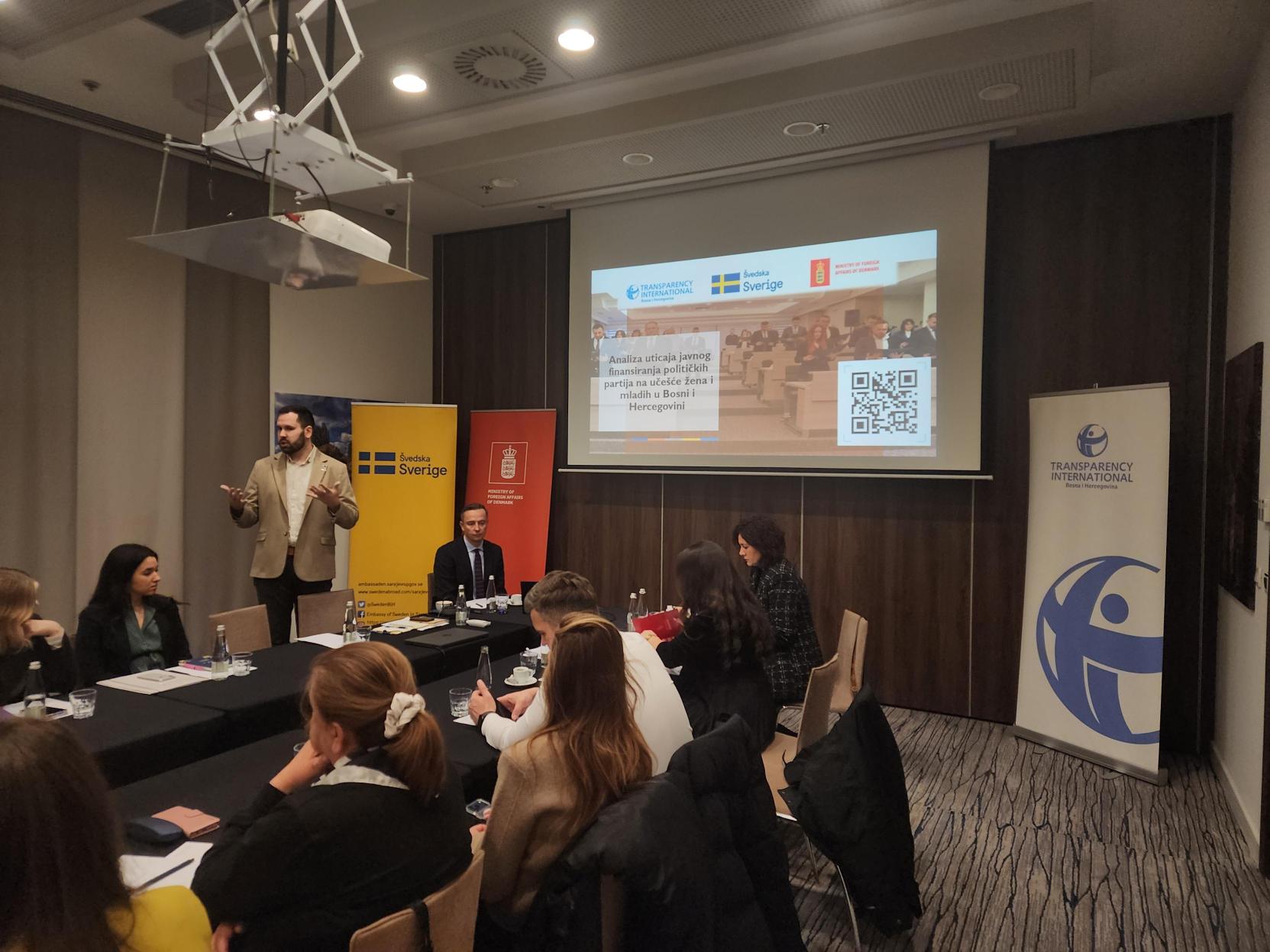
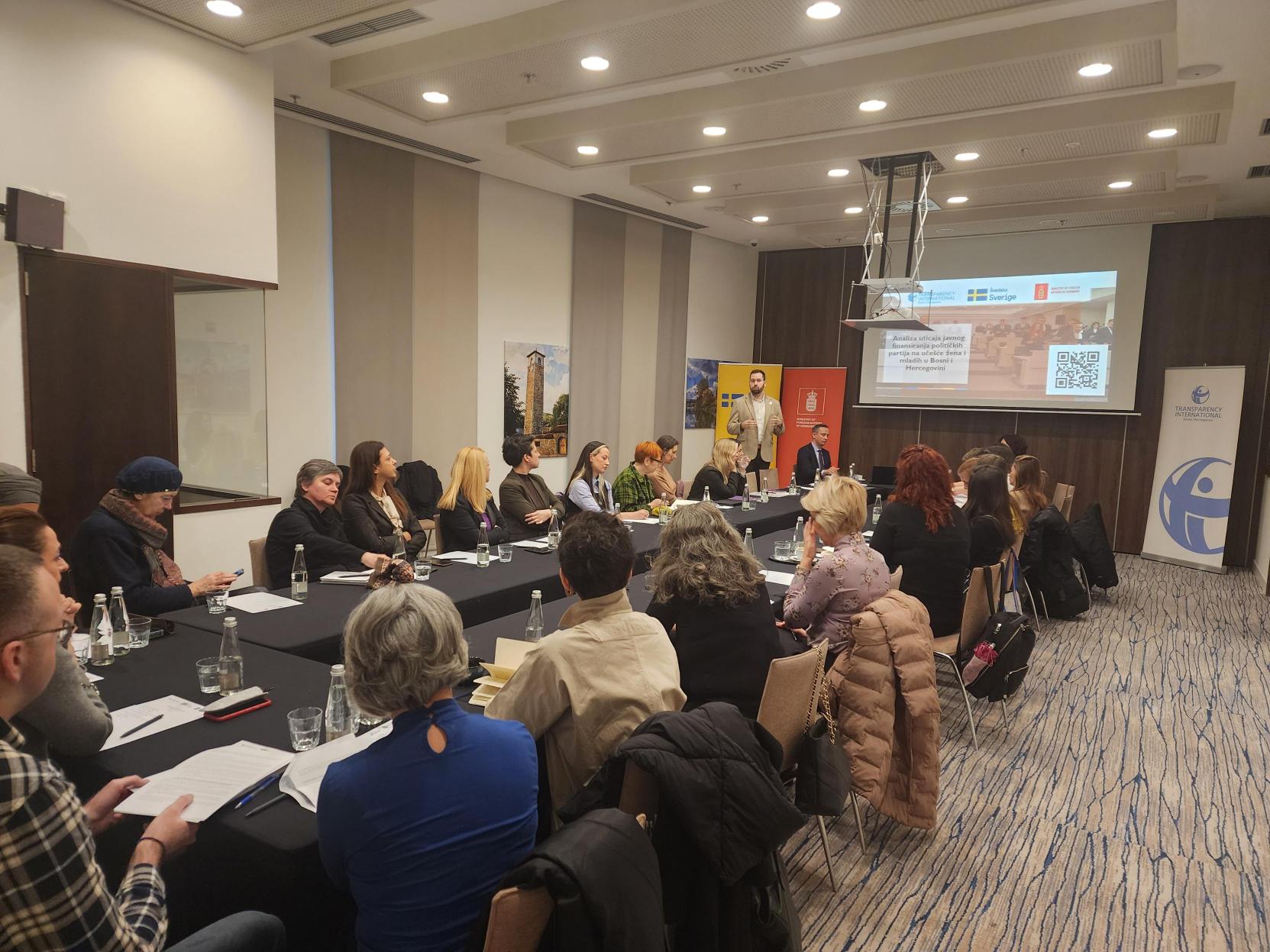
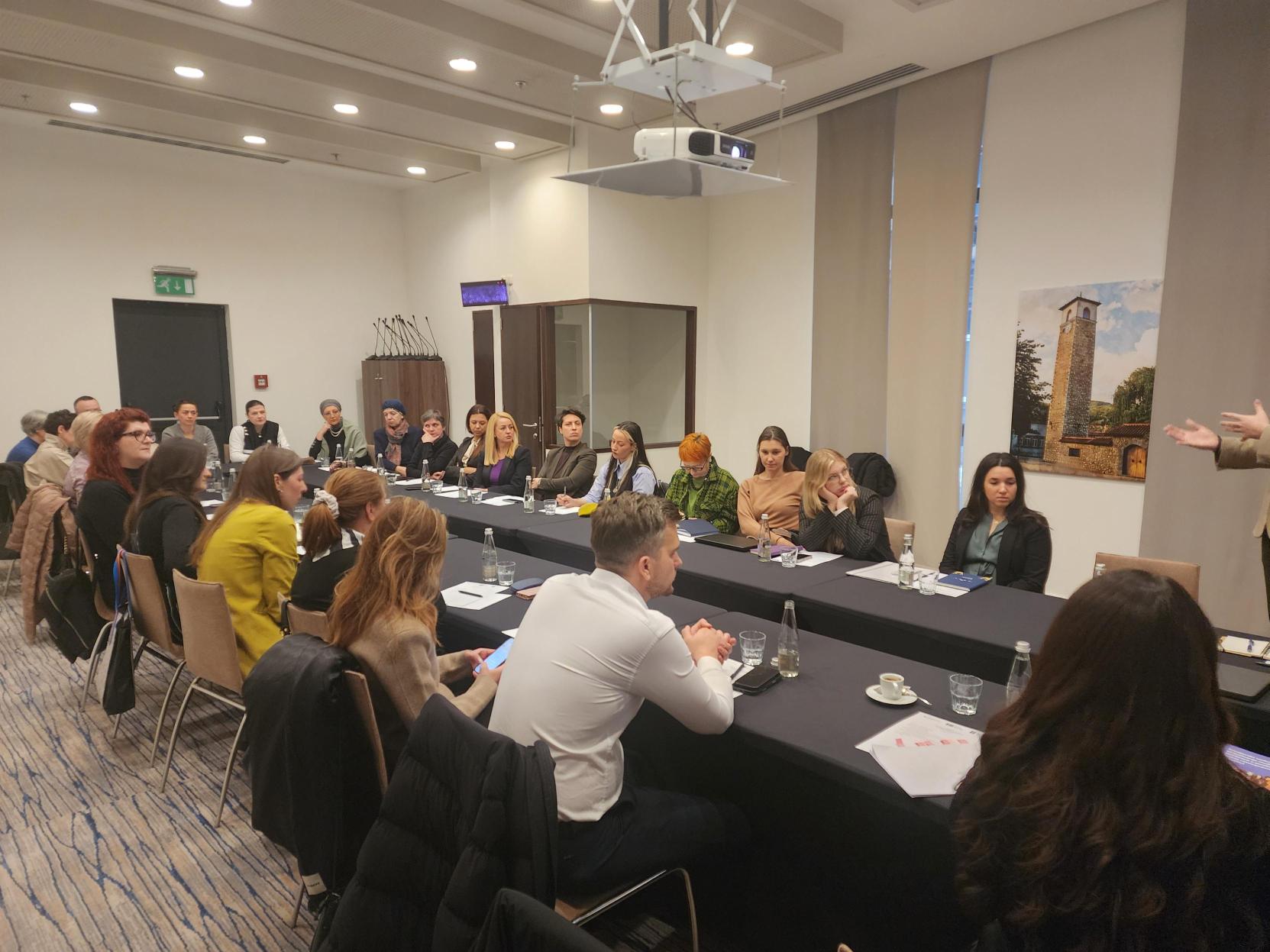
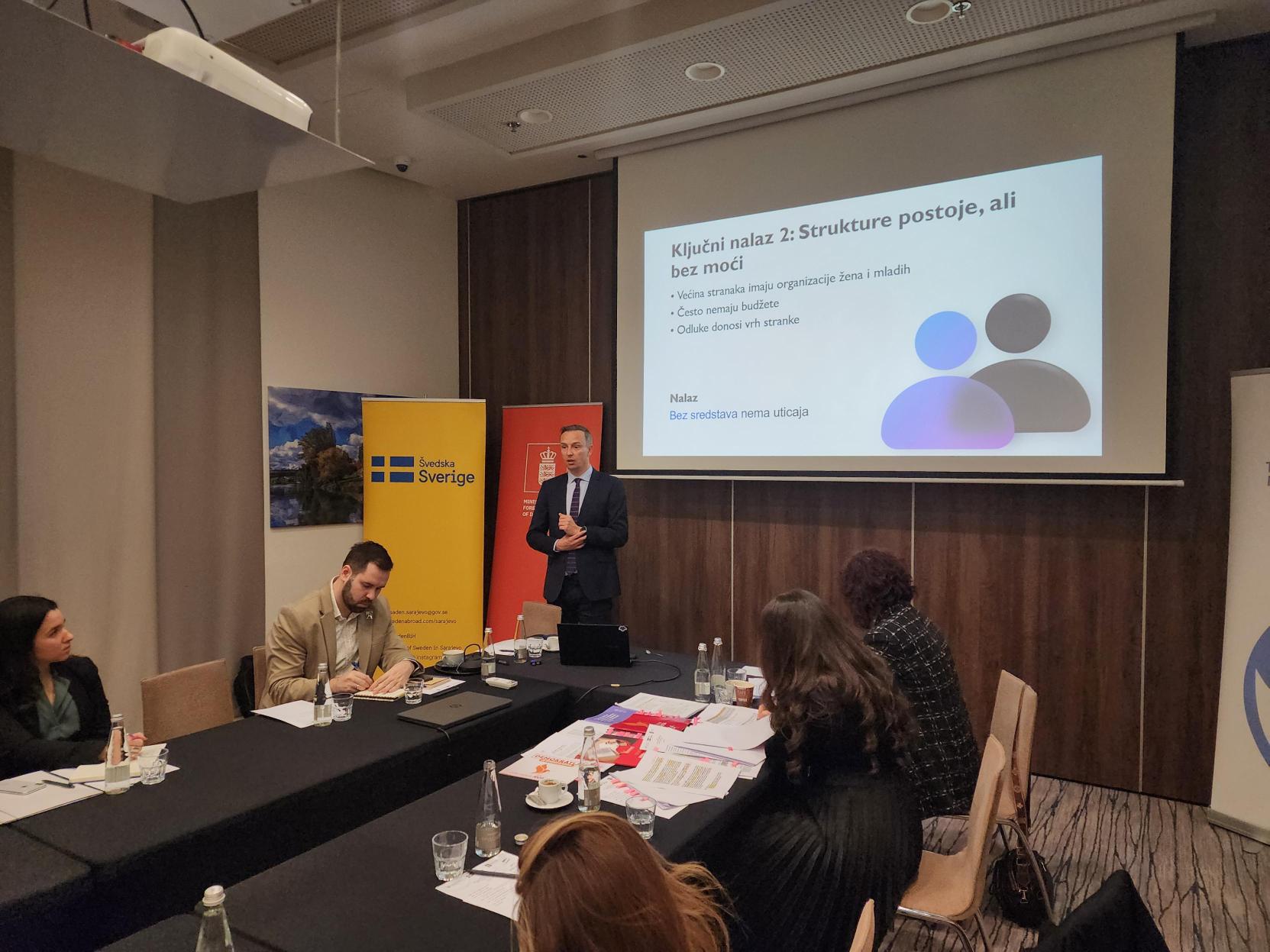
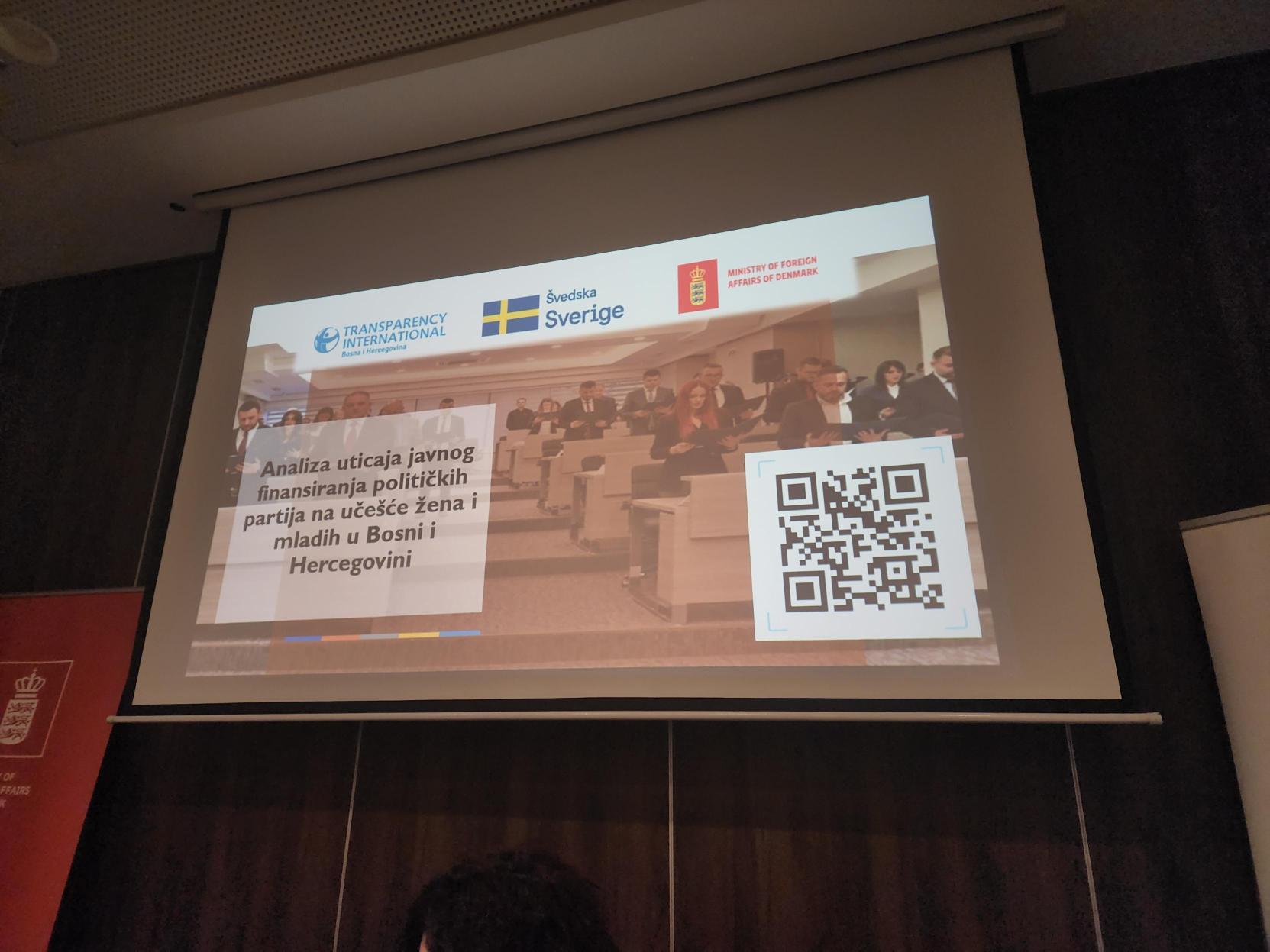
Sarajevo, 17 February 2026. 2025 – Political parties in Bosnia and Herzegovina have had tens of millions of marks in public funds at their disposal for years, yet this money does not contribute to increasing the participation of women and youth in politics, nor is it used transparently and for its intended purpose, according to an analysis by Transparency International in BiH presented today in Sarajevo. Although political parties decide who enters politics and who shapes public policies, the current financing system does not ensure that public funds lead to greater equality, democratization, and inclusion of underrepresented groups.

The study shows that women’s participation in most institutions remains below 30%, even though the law stipulates that their representation must not fall below 40%. Even more concerning is the fact that there are no systematic data on youth participation whatsoever, nor any standards that would guarantee their representation. At the same time, over 70% of political party revenues come from the budget, confirming that public funds represent a key mechanism for the potential transformation of party politics, but this potential has not been utilized.

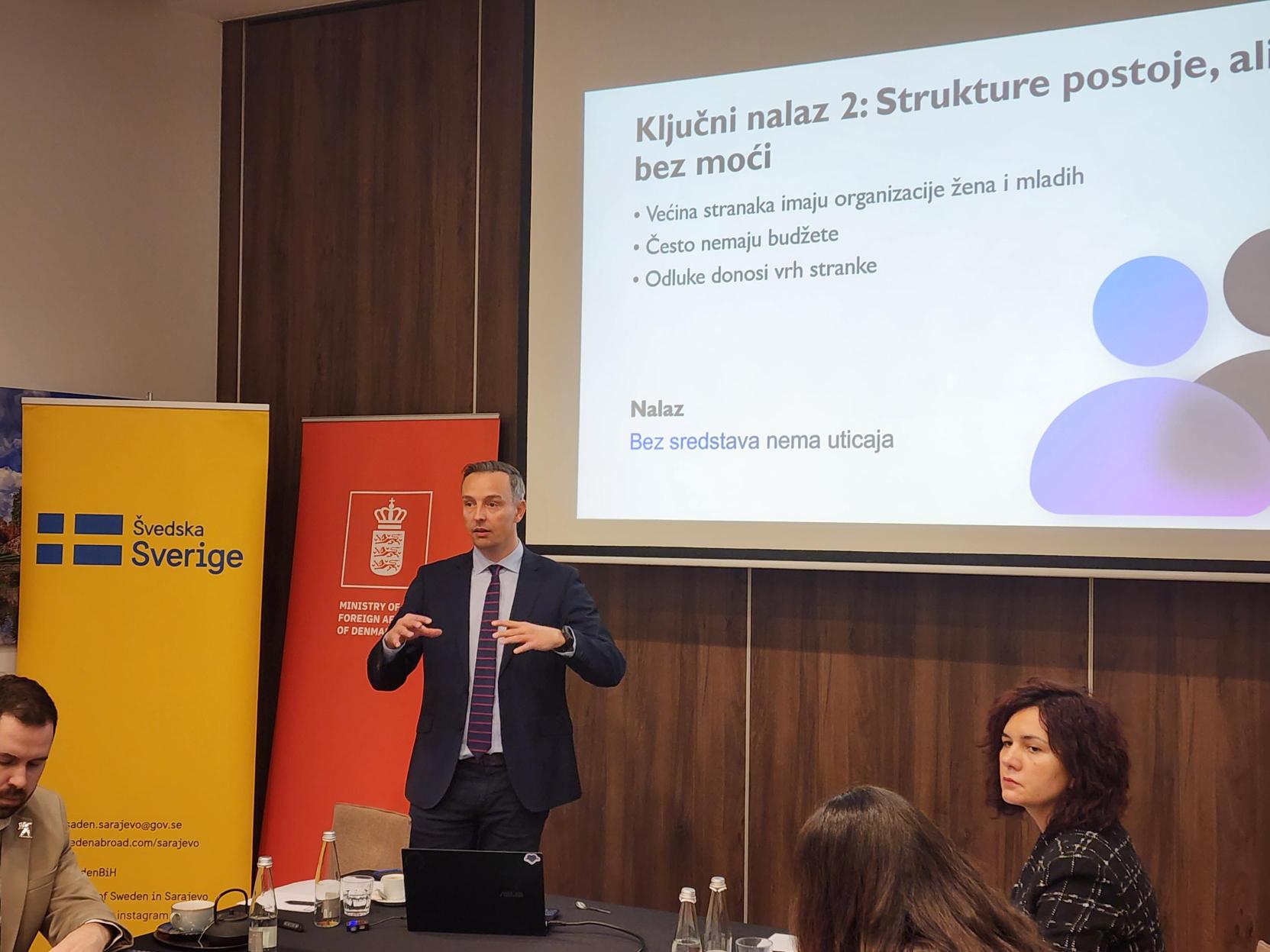
Although public financing exists at all levels of government, there are no clear conditions on how these funds are spent. Additional financing exists for the underrepresented gender, but it has no effect because parties are not required to use these funds for activities that would improve the position of women. Incentive systems do not influence party behavior, and youth are not covered by financial criteria at all. Women’s and youth party organizations exist, but without their own budgets and without real power, while all key decisions remain in the hands of party leadership, leaving other categories without real influence on both the composition of candidate lists and decision-making processes.

An additional problem is the complete lack of transparency—there are no data on how funds are used, no standardized reporting, and oversight mechanisms are extremely weak. Without oversight there is no accountability, which leaves wide room for abuse and prevents the public from knowing whether parties are using funds in accordance with the public interest.

Comparative examples show that other countries use public financing as a tool for change—increasing funds for parties with more women, reducing financing for those that do not respect equality, or introducing mandatory allocation of funds for women and youth. Solutions are therefore known and proven.

Speaking about the study’s findings, the author of the analysis and TI BiH associate Adnan Kadribašić emphasized the significance of the results:

“This study is the first in Bosnia and Herzegovina to clearly show how public money is used in political parties and what this means for gender equality and youth participation. We have shown that more than 70% of financing comes from the budget, but without clear rules and oversight, this money does not lead to greater representation or real change. This is a matter of public interest, because citizens finance political parties. If we are already allocating public funds, we must know what we are getting in return.”

Event participants emphasized that public financing has the potential to be a driver of transformation in political relations, but only if it is linked to results, transparency is introduced, oversight mechanisms are strengthened, and mandatory funds are secured for the work of women’s and youth organizations within parties. Without this, political party financing remains financing of the status quo, not a tool for democratization.

Transparency International in BiH has called on competent institutions to urgently harmonize the legislative framework, introduce clear rules, and establish control mechanisms that will ensure that funds coming from public budgets truly contribute to a more equal and inclusive political system, rather than reproducing existing inequalities.

TI BiH will continue to advocate for reform processes that enable political parties, as key bearers of the democratic order, to become more accountable, transparent, and open to all citizens.

Press rls_17_02_2026

TI-BIH – Analysis of the Impact of Public Financing of Political Parties on the Participation of Women and Youth in Bosnia and Herzegovina


BiH among the four worst-positioned countries in Europe regarding corruption status

Sarajevo, 10. February 2026. year – According to the Corruption Perceptions Index (CPI), Bosnia and Herzegovina is among the four worst-positioned countries in Europe with a...

TI BiH
Izvještaji za Mediae

BiH among the four worst-positioned countries in Europe regarding corruption status

Sarajevo, 10. February 2026. year – According to the Corruption Perceptions Index (CPI), Bosnia and Herzegovina is among the four worst-positioned countries in Europe with a score of 34 out of a possible 100 and ranks 109th globally, sharing this position with Algeria, Nepal, and Indonesia. A minor change of one point higher compared to last year does not alter the picture of multi-year stagnation, as BiH remains at the bottom of Europe where only Russia, Belarus, and Serbia have worse results, with Serbia experiencing a significant decline in recent years due to the consequences of corruption on human lives and the suppression of civil liberties.

The focus of this year’s CPI research was precisely on the consequences that the erosion of democracy has on the state of corruption in a country, as countries with established democratic institutions, free media, and other mechanisms for overseeing government work more effectively combat corruption. In this regard, nothing has changed in BiH compared to previous years, as we are positioned between countries assessed as failed democracies and states bearing the label of dictatorial regimes according to the corruption status measured by CPI. This was particularly influenced by a series of laws in Republika Srpska that during the past year aimed at suppressing freedom of speech and association as well as undermining the legal order.

The global report published alongside the CPI results also focused on transparency in electoral campaign financing, which is of vital importance for protecting the electoral process from corruption. In our context, it is important to note that TI BiH research shows complete darkness prevails in this area, where parties in their latest reports concealed at least 2.6 million KM in campaign costs. In a country where the illusion of democracy prevails, authorities experiencing a legitimacy crisis increasingly seek to control the electoral process, which has been proven through the discovery of massive electoral fraud.

The regional report by Transparency International states that BiH’s progress in combating corruption is hindered by unsuccessful efforts to eliminate political influence on judicial appointments and to effectively regulate the independence and accountability of judges and prosecutors. TI BiH has already pointed to the farce currently accompanying the process of adopting the law on the High Judicial and Prosecutorial Council, where key decision-makers seek to retain mechanisms that enable political control over the judiciary.

Such BiH judiciary in a country at the bottom regarding corruption status continues to have devastating results in prosecuting corruption-related criminal offenses. In such a situation, numerous corruption scandals that marked the past year, such as the Viaduct or Pretis affairs, have not received judicial resolution.

Another critical area that remains problematic is preventing conflicts of interest among public officials, where under the new law at the state level, no sanctions have been imposed, in Republika Srpska conflict of interest has been practically legalized through arbitrary interpretations, and at the FBiH level the law has not been applied for more than 13 years. Therefore, TI BiH recently initiated, with the support of 13 parliamentarians, the adoption of a new conflict of interest law in FBiH, and the parliamentary vote could clearly show which political actors are obstructing key reforms, which is why BiH has been at the bottom of Europe for years.

With this level of corruption, BiH cannot make any steps in European integration, and the government has promised to fulfill most reforms necessary for combating corruption through the reform agenda. However, we continue to see obvious obstructions of reform processes, especially from key actors in power who are experiencing a legitimacy crisis and seek to retain levers of power by resisting democratic processes, through reshaping citizens’ electoral will and placing under political control what remains of independent institutions in this country.

Therefore, TI BiH appeals to all political actors, as well as to the EU and the international community, to provide support for the fight against corruption, as otherwise only further steps toward institutional collapse and suppression of human rights and civil liberties can be expected.

Press rls_10_02_2026

More

TI BiH: Systemic corruption prevents development of renewable energy sector

Sarajevo, February 5, 2026. year – “Systemic corruption and non-transparent occupation of grid capacities by privileged investors have directly pushed numerous citizens...

TI BiH
Izvještaji za Mediae

TI BiH: Systemic corruption prevents development of renewable energy sector

Sarajevo, February 5, 2026. year – “Systemic corruption and non-transparent occupation of grid capacities by privileged investors have directly pushed numerous citizens out of the energy transition and prevented investments in electricity production from renewable energy sources” is the key message from the conference dedicated to corruption prevention in this field, organized today in Sarajevo by Transparency International in BiH.

The analysis presented by TI BiH showed that in recent years, numerous privileged investors have occupied available dynamic quotas, negotiated high purchase prices, and received incentives from funds collected from citizens through electricity bills. The extent to which the struggle for quotas has paid off is demonstrated by the fact that privileged investors who entered the system earlier receive almost six times higher incentives for the same amount of electricity produced than other producers. In the Federation of BiH, only one producer receives about 20% of the total incentives paid annually, and large investors in this field have largely reserved capacities and pushed out small producers.

Corruption risks in this field have now shifted to the grid connection process, where non-transparent capacity reservation for fictitious projects and lack of state planning create new “bottlenecks” that block fair competition and market access. The problem of fictitious projects that “reserve” grid capacities for years by those with privileged information is particularly emphasized, which directly blocks serious investments and threatens the stability of the entire system.

Furthermore, the new entity laws regulating electricity production from renewable sources have not fully resolved the problem of artificial project fragmentation, where large solar parks are divided on paper into numerous small power plants to avoid concluding concession agreements and entering a more favorable incentive system.

To stop this degradation of the sector, conference participants emphasized that the solution lies in urgently introducing aggregation rules into entity laws on renewable energy sources, whereby all connected projects would be treated as one unified facility. This would force investors to assume concession obligations and pay a realistic price for resource use.

Finally, complete digitalization of the process and publication of transparent waiting lists and grid capacities are possible ways to prevent corruption in this field that can protect public interest, bring direct benefits to a greater number of citizens, and enable BiH to achieve strategic goals of increasing electricity production from renewable energy sources.


Press rls_5_02_2026

Get involved

Don't miss it

If you want to receive our announcements immediately after the publication, leave your e-mail address in the field below.