
Women’s Representation Below Legal Threshold, Youth Invisible: Public Financing of Political Parties Does Not Deliver Equality
17 February 2026
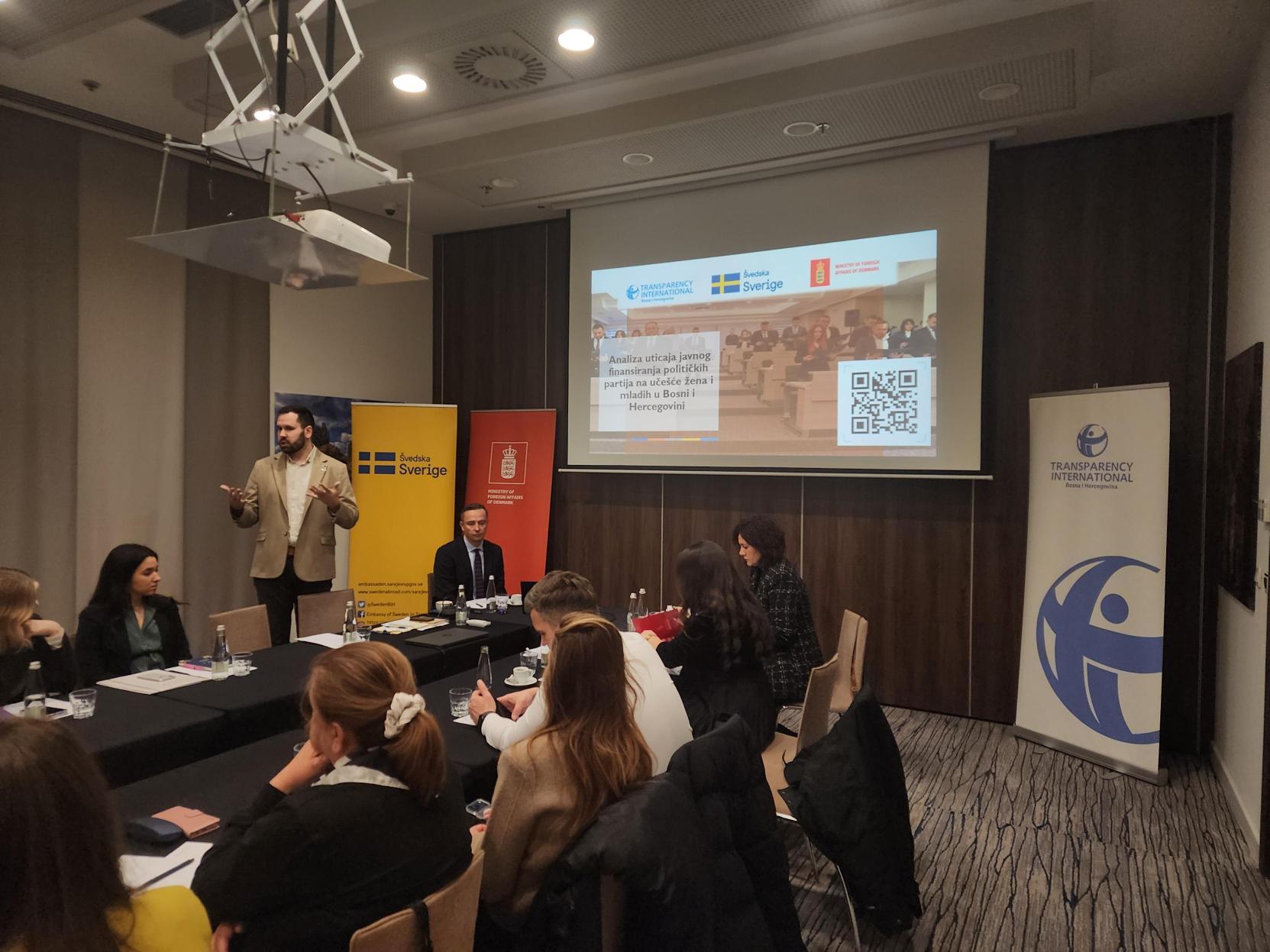
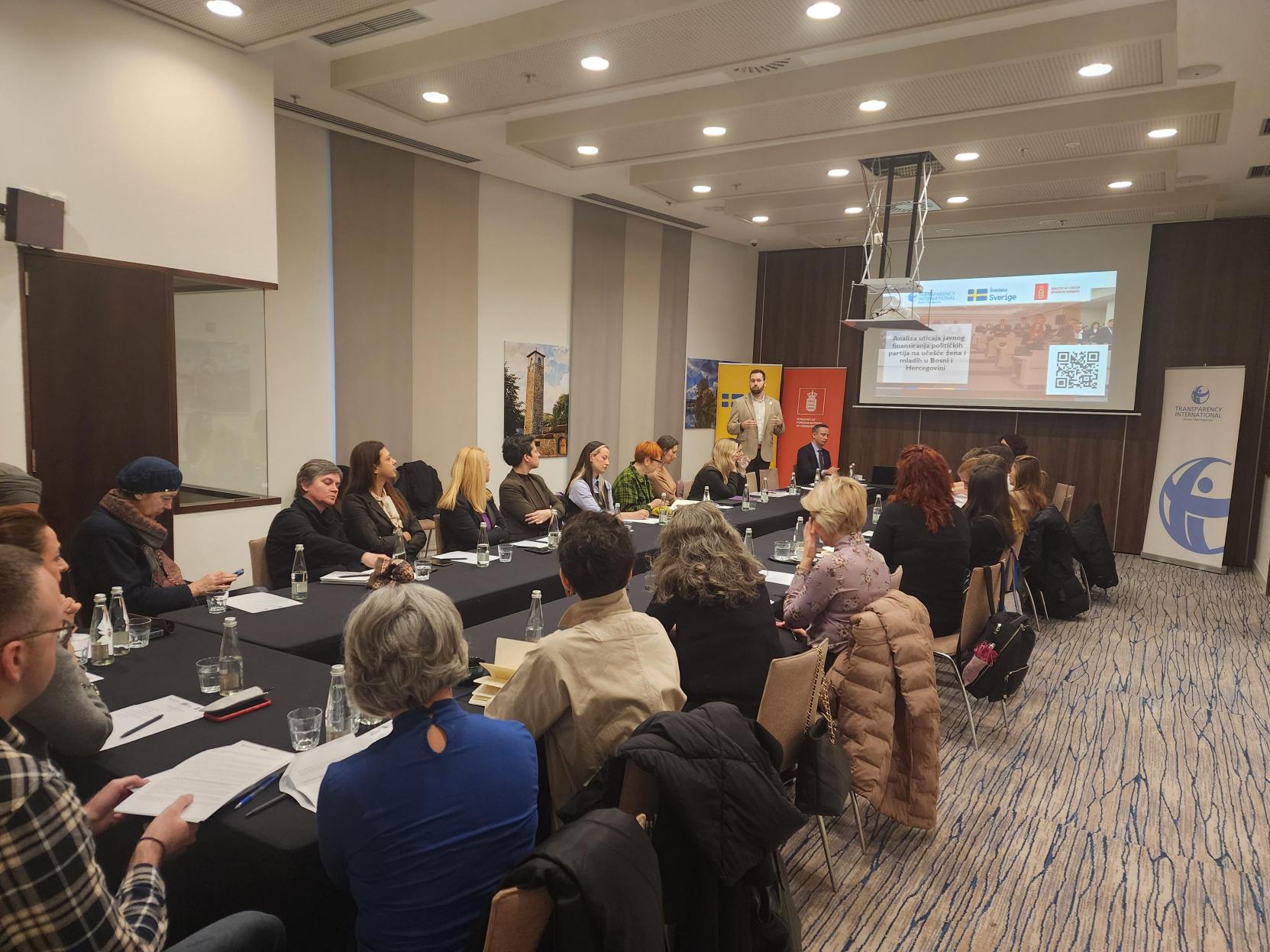
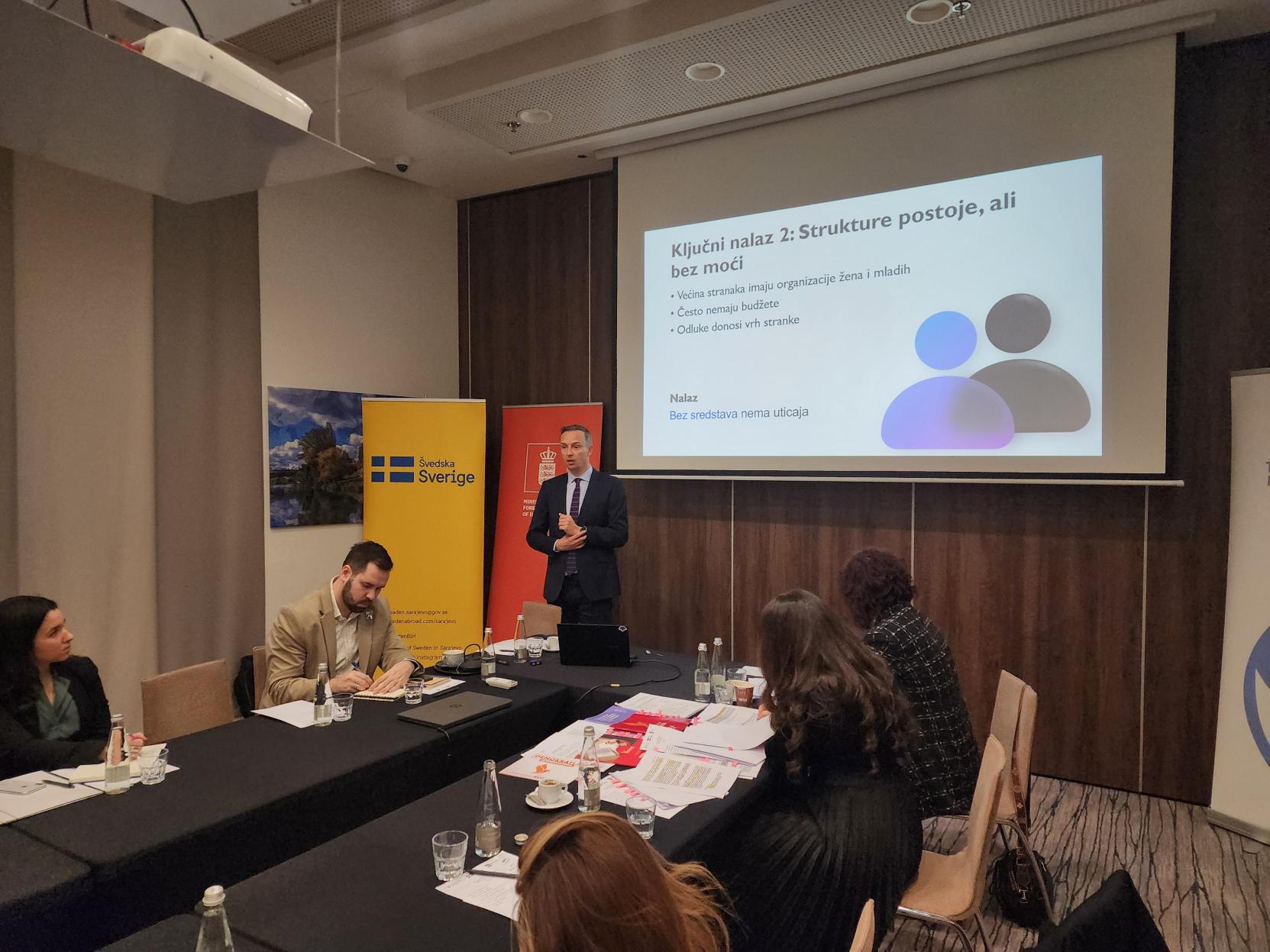
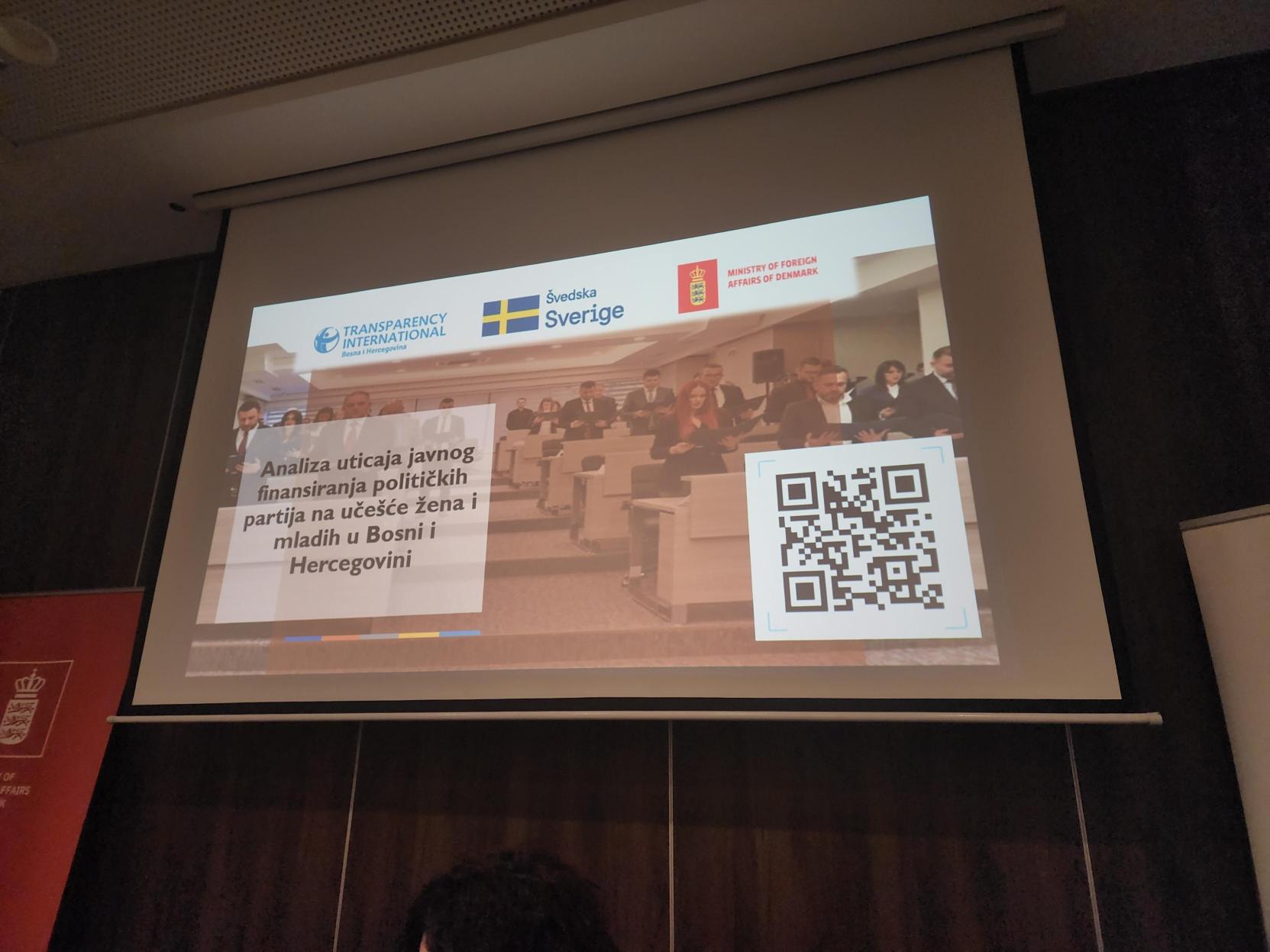
Sarajevo, 17 February 2026. 2025 – Political parties in Bosnia and Herzegovina have had tens of millions of marks in public funds at their disposal for years, yet this money does not contribute to increasing the participation of women and youth in politics, nor is it used transparently and for its intended purpose, according to an analysis by Transparency International in BiH presented today in Sarajevo. Although political parties decide who enters politics and who shapes public policies, the current financing system does not ensure that public funds lead to greater equality, democratization, and inclusion of underrepresented groups.
The study shows that women’s participation in most institutions remains below 30%, even though the law stipulates that their representation must not fall below 40%. Even more concerning is the fact that there are no systematic data on youth participation whatsoever, nor any standards that would guarantee their representation. At the same time, over 70% of political party revenues come from the budget, confirming that public funds represent a key mechanism for the potential transformation of party politics, but this potential has not been utilized.
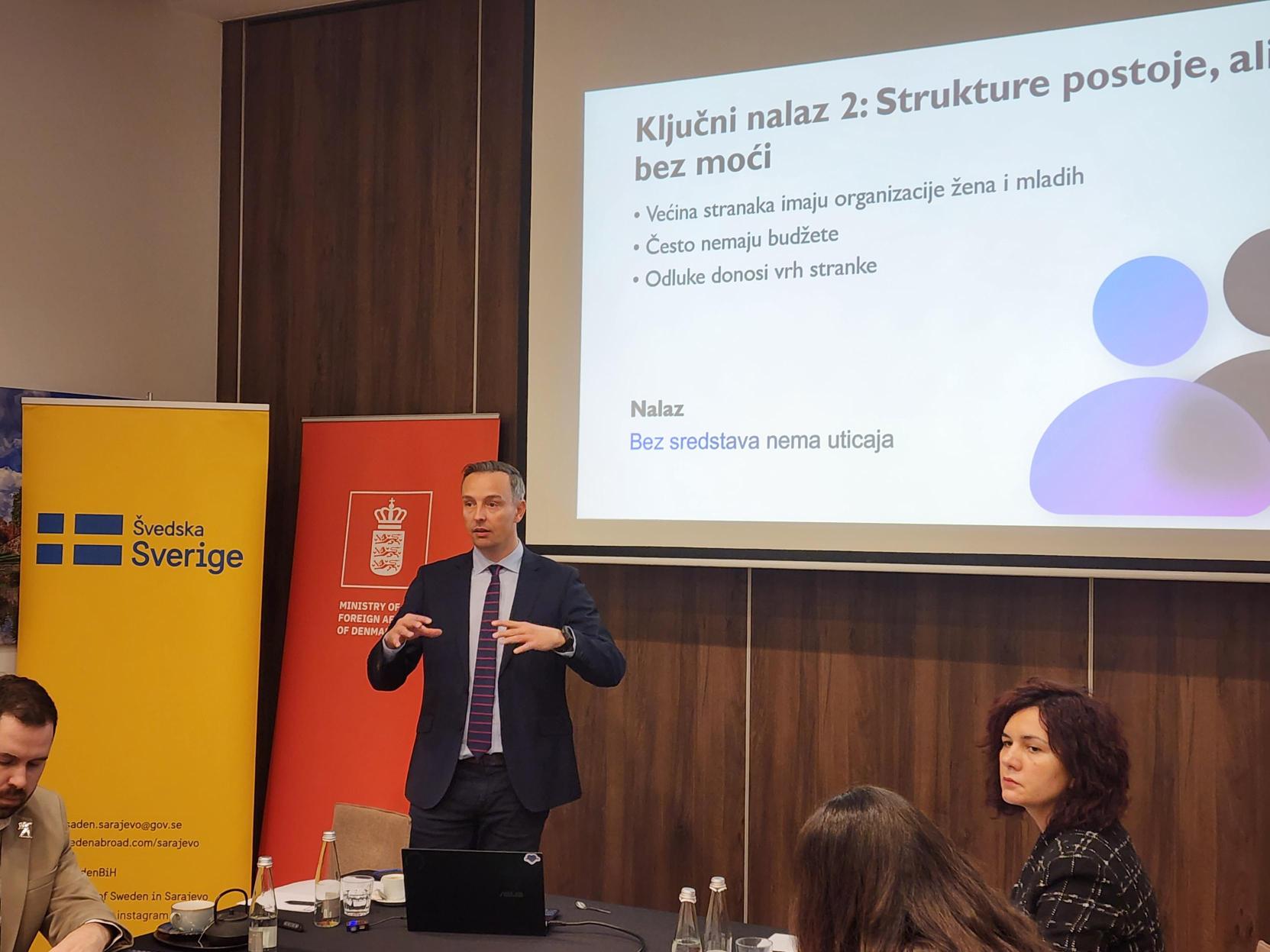
Although public financing exists at all levels of government, there are no clear conditions on how these funds are spent. Additional financing exists for the underrepresented gender, but it has no effect because parties are not required to use these funds for activities that would improve the position of women. Incentive systems do not influence party behavior, and youth are not covered by financial criteria at all. Women’s and youth party organizations exist, but without their own budgets and without real power, while all key decisions remain in the hands of party leadership, leaving other categories without real influence on both the composition of candidate lists and decision-making processes.
An additional problem is the complete lack of transparency—there are no data on how funds are used, no standardized reporting, and oversight mechanisms are extremely weak. Without oversight there is no accountability, which leaves wide room for abuse and prevents the public from knowing whether parties are using funds in accordance with the public interest.
Comparative examples show that other countries use public financing as a tool for change—increasing funds for parties with more women, reducing financing for those that do not respect equality, or introducing mandatory allocation of funds for women and youth. Solutions are therefore known and proven.
Speaking about the study’s findings, the author of the analysis and TI BiH associate Adnan Kadribašić emphasized the significance of the results:
“This study is the first in Bosnia and Herzegovina to clearly show how public money is used in political parties and what this means for gender equality and youth participation. We have shown that more than 70% of financing comes from the budget, but without clear rules and oversight, this money does not lead to greater representation or real change. This is a matter of public interest, because citizens finance political parties. If we are already allocating public funds, we must know what we are getting in return.”
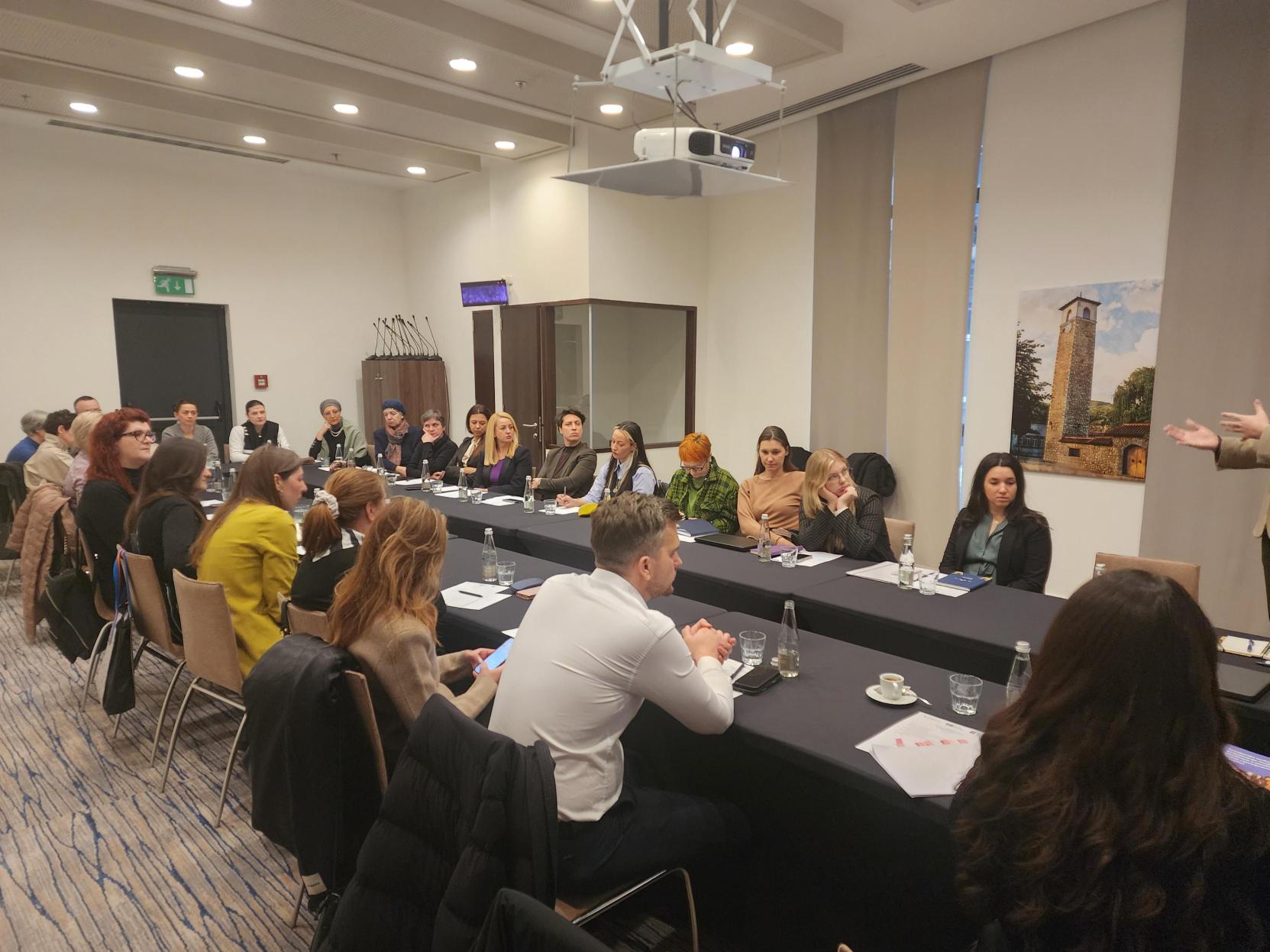
Event participants emphasized that public financing has the potential to be a driver of transformation in political relations, but only if it is linked to results, transparency is introduced, oversight mechanisms are strengthened, and mandatory funds are secured for the work of women’s and youth organizations within parties. Without this, political party financing remains financing of the status quo, not a tool for democratization.
Transparency International in BiH has called on competent institutions to urgently harmonize the legislative framework, introduce clear rules, and establish control mechanisms that will ensure that funds coming from public budgets truly contribute to a more equal and inclusive political system, rather than reproducing existing inequalities.
TI BiH will continue to advocate for reform processes that enable political parties, as key bearers of the democratic order, to become more accountable, transparent, and open to all citizens.
Get involved
Stay tuned
Subscribe to our newsletter and receive periodic notifications about our, announcements, calls and activities via email.
Don't miss it
If you want to receive our announcements immediately after the publication, leave your e-mail address in the field below.