
Level Of State Capture Of BiH: TI BiH Presents The “State Capture Index”, Parties Have Created A Parallel Universe
Sarajevo, December 9th 2025 – Bosnia and Herzegovina can be rated 2 out of a possible 5 on the State Capture Index – meaning that the power of political parties over...
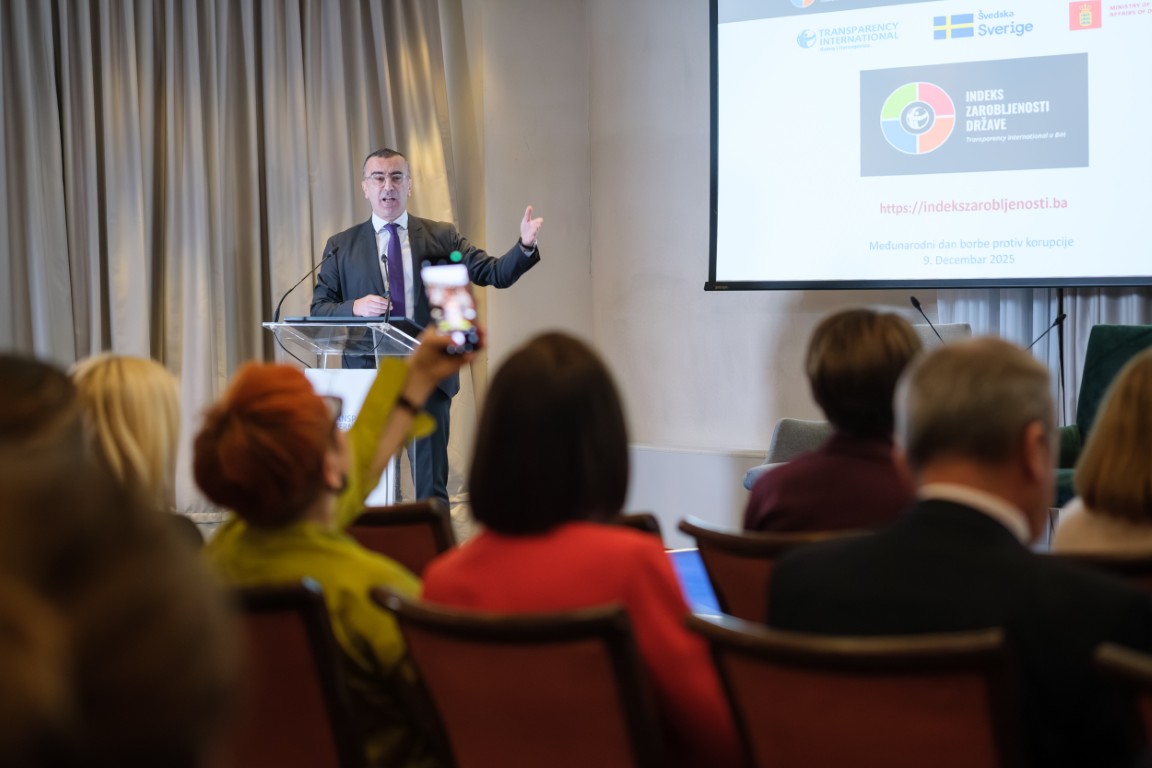
Sarajevo, December 9th 2025 – Bosnia and Herzegovina can be rated 2 out of a possible 5 on the State Capture Index – meaning that the power of political parties over institutions and public resources suppresses citizens’ interests and hinders the proper functioning of the state.
The State Capture Index, presented by Transparency International in BiH (TIBiH) on the occasion of International Anti-Corruption Day, measures key areas such as democratic processes (score 2), decision-making (2.5), accountability (2.5) and the distribution of resources (1.5 – the worst score). It points to serious systemic weaknesses, particularly the dominance of the executive over the legislative branch, which is supposed to oversee the work of the government. This conclusion is also found in the European Commission’s report on BiH, noting that “political authorities have failed to address widespread corruption and have actively hindered progress, leading to prolonged stagnation and increasingly evident signs of state capture.”
The analysis that underpins the Index shows that parties maintain their power by controlling resources and access to employment, keeping institutions under their influence, resulting in the absence of accountability and a weakening democracy. This is further reinforced by the lack of electoral integrity, leaving citizens unsure whether their vote truly counts and reflects their will, while efforts to establish any form of accountability system are systematically undermined. Such a situation allows political parties, through public procurement, concessions and employment in the public sector, to use public resources for the benefit of party networks rather than citizens. In addition, influence over accountability mechanisms—particularly oversight institutions, law-enforcement bodies and the judiciary—leads to selective enforcement of the law, while impunity remains widespread in BiH.
Moreover, the research finds that the media and civil society, although formally recognised as oversight actors in a democratic society, operate in a restricted environment, without real possibilities to fulfil their role in protecting the public interest and creating pressure for more accountable governance.
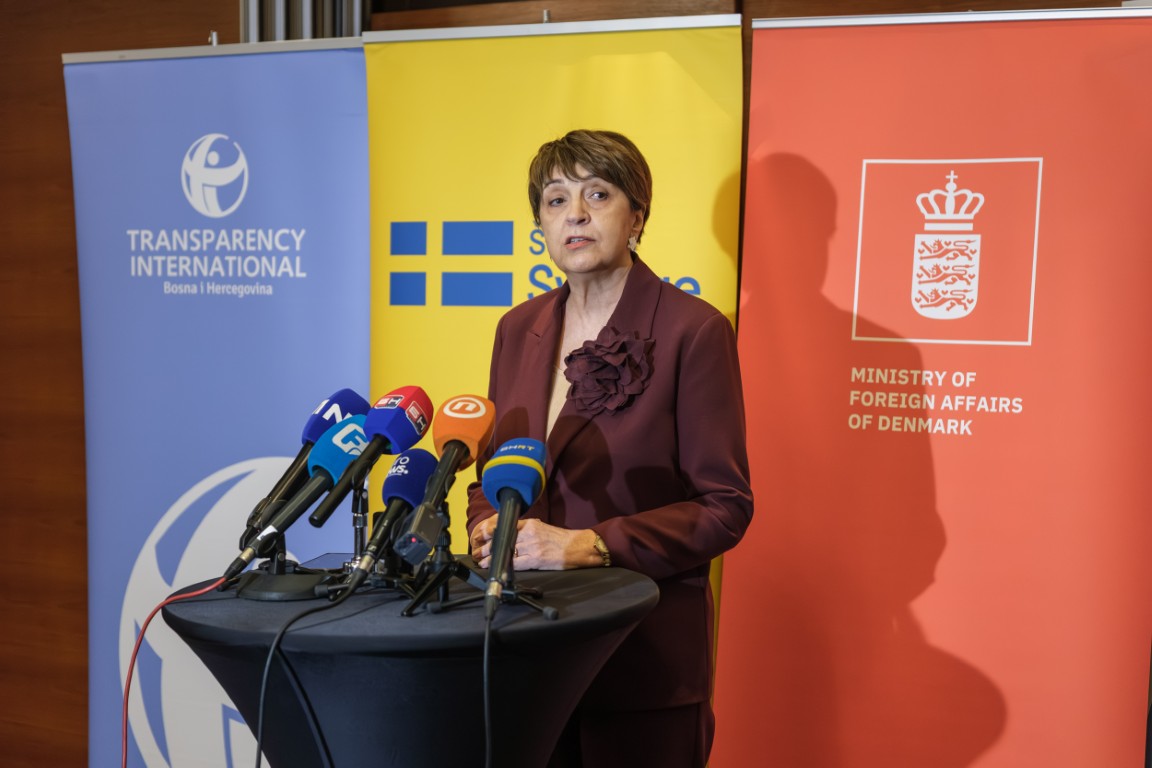
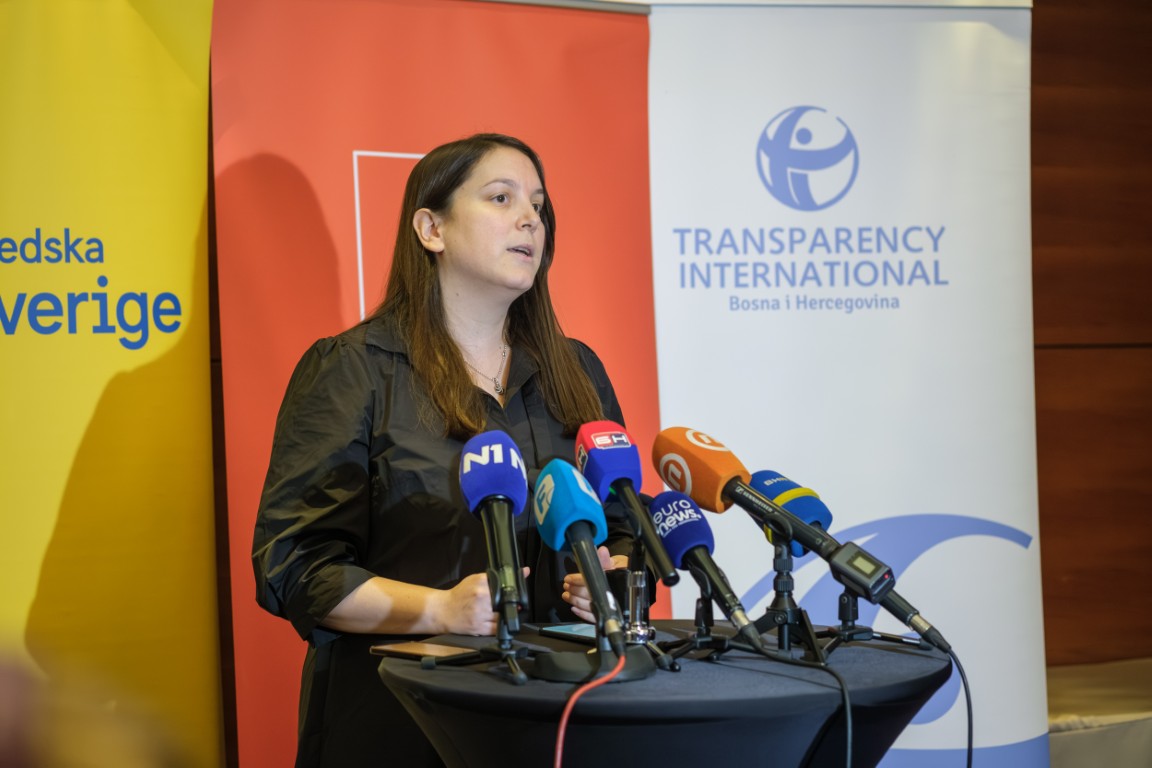
“We can describe the phenomenon of state capture as a parallel universe that is informal and operates alongside the official, institutional one. In that universe, parties dictate employment, manage state-owned companies and decide on tenders and concessions — in short, they divide resources. In this way, loyalty is rewarded and the system of state capture is maintained,” said Srđan Blagovčanin, lead author of the research and a member of TI BiH.
Blagovčanin stressed that the way out of this situation must follow two key directions: “We need to limit the power of political parties through their democratization, but also reduce the ‘spoils’ they control — by rationalizing the public sector, which is the source of their power,” he added, emphasising that political leaders cannot be expected to give up control over public resources voluntarily, which is why change must come from outside their control — from citizens, the private sector and civil society.
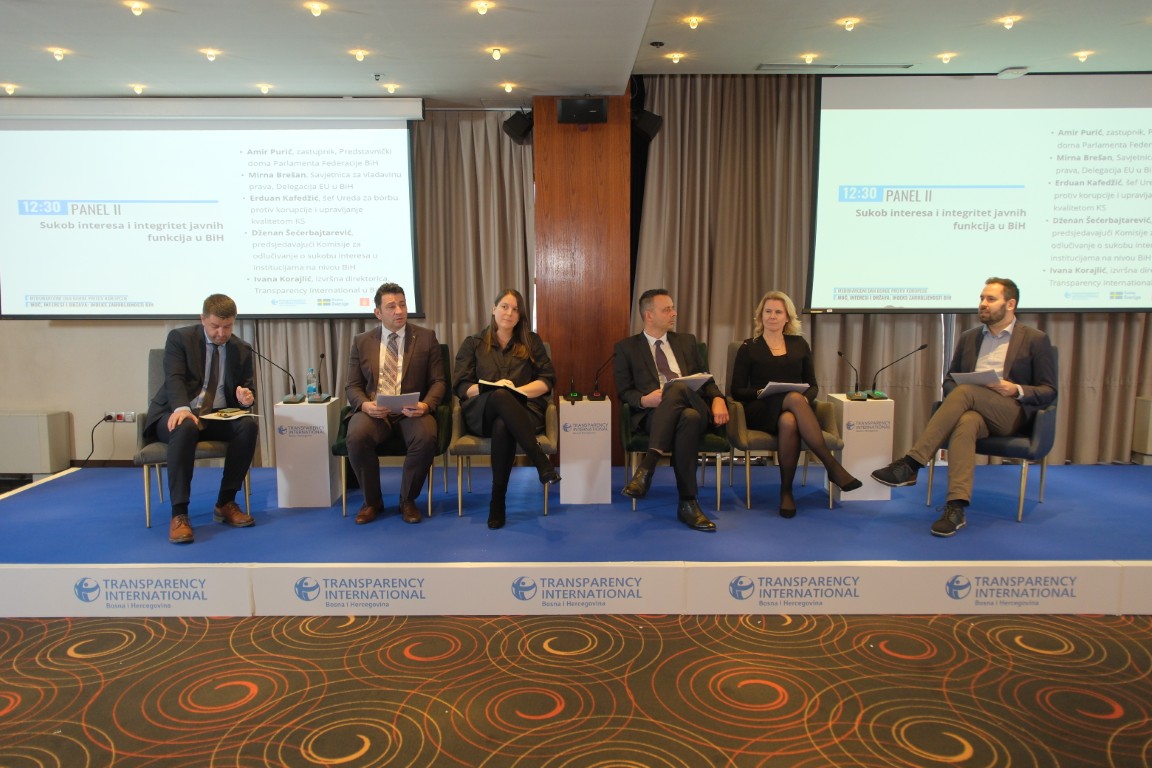
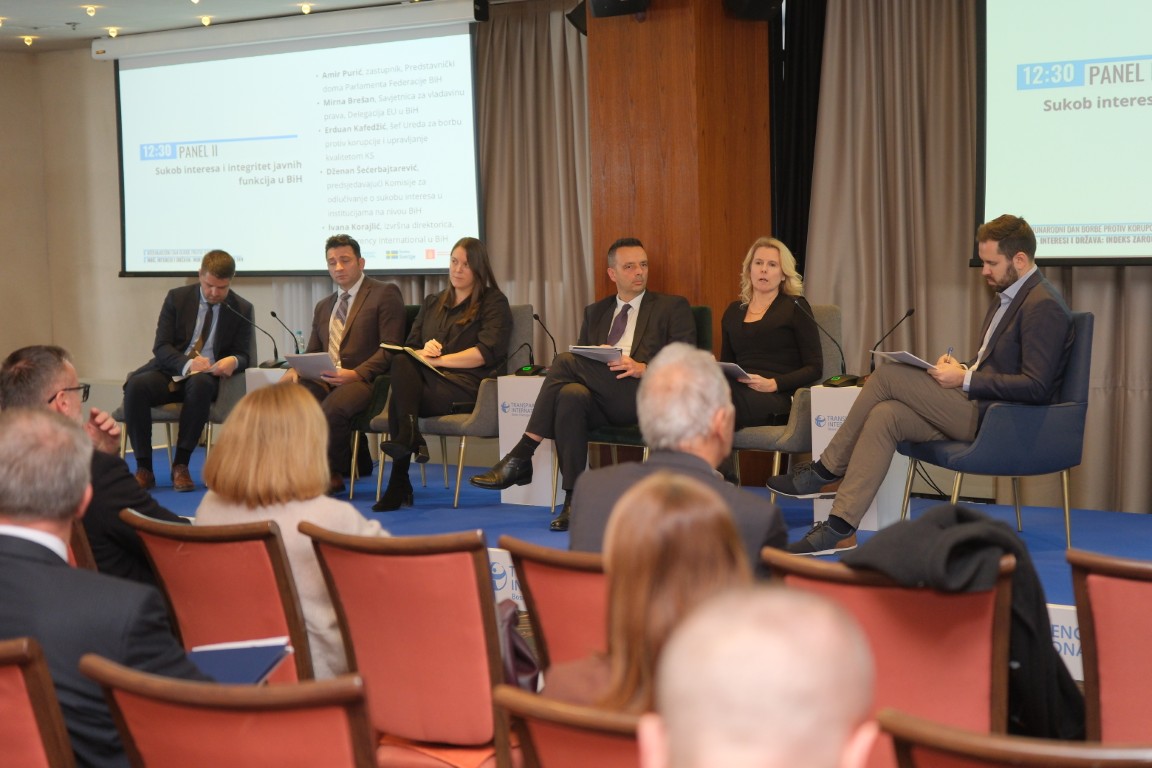
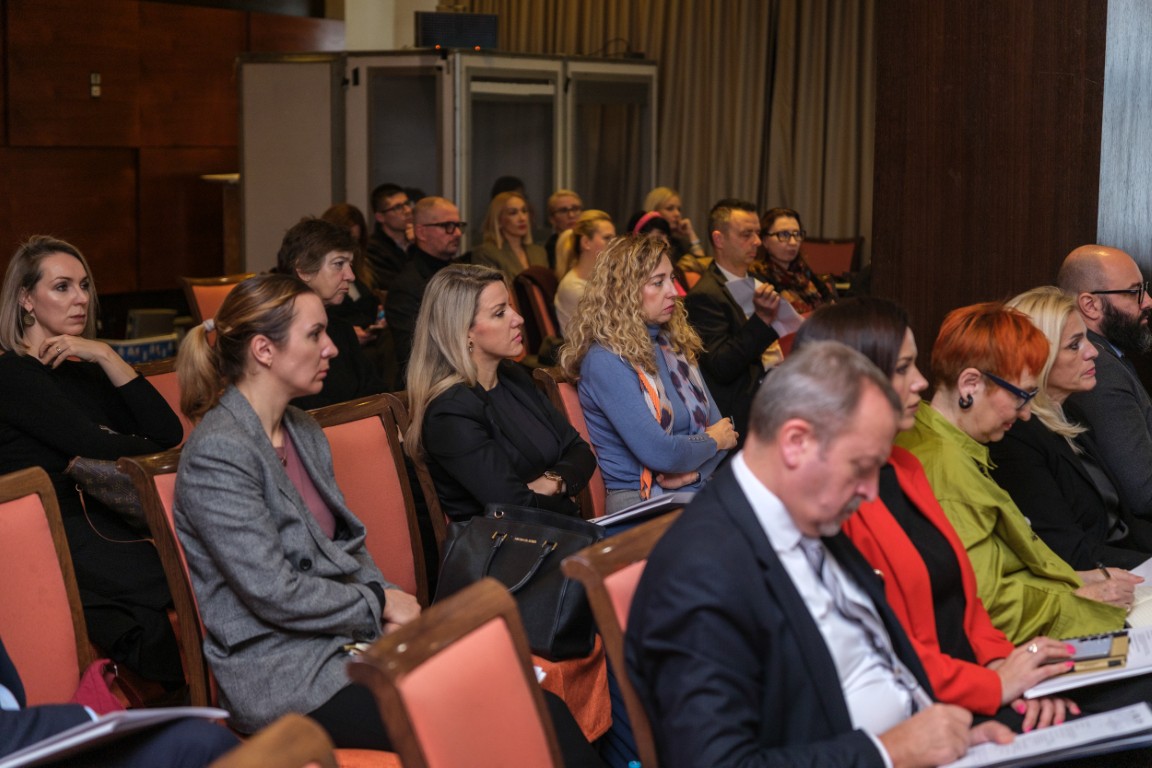
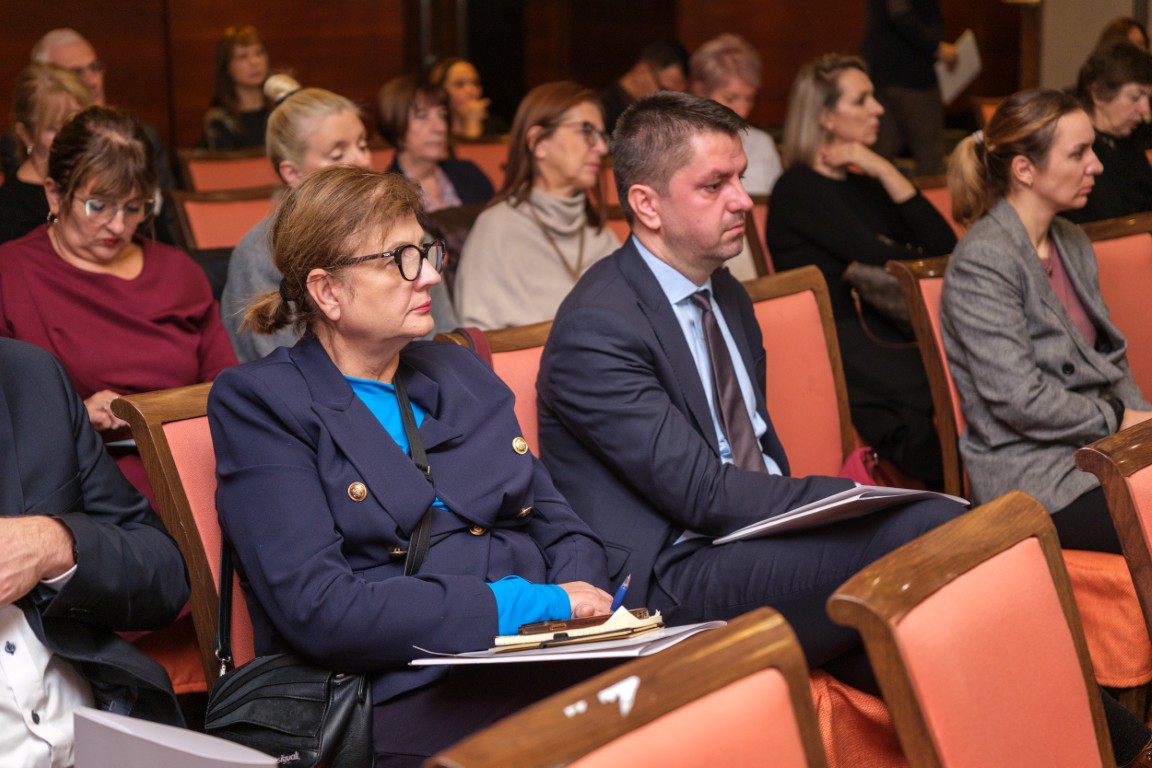
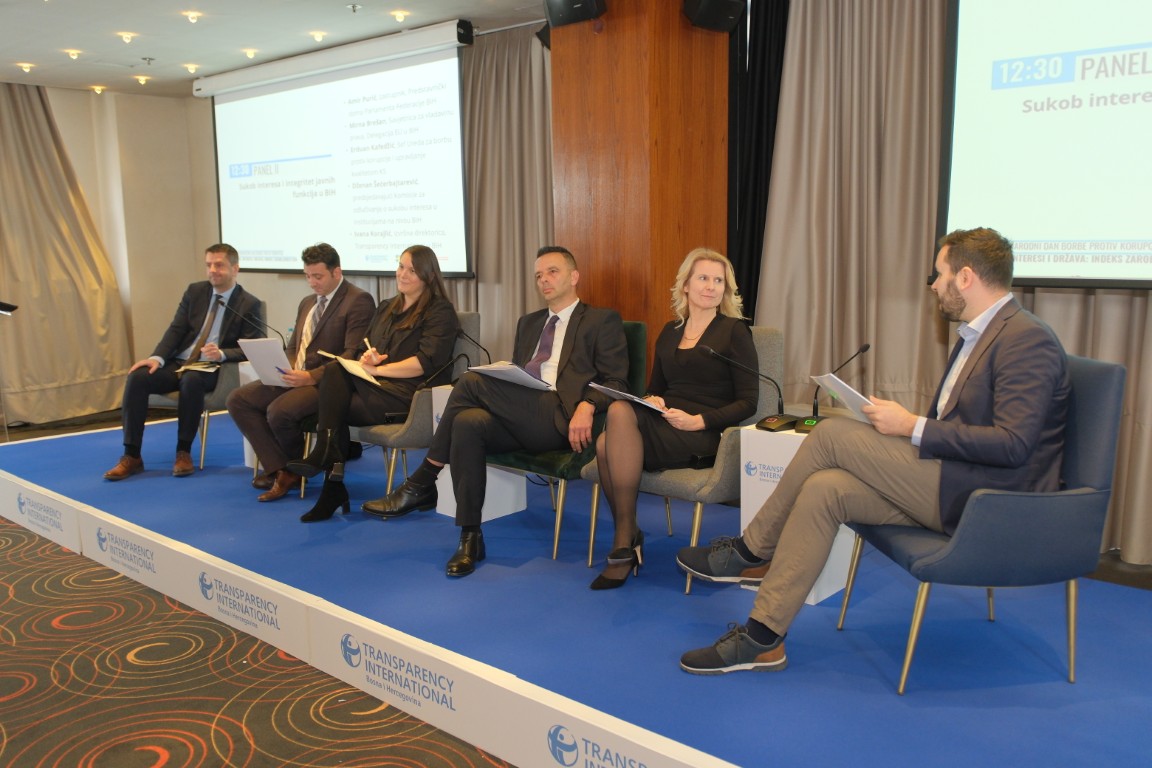
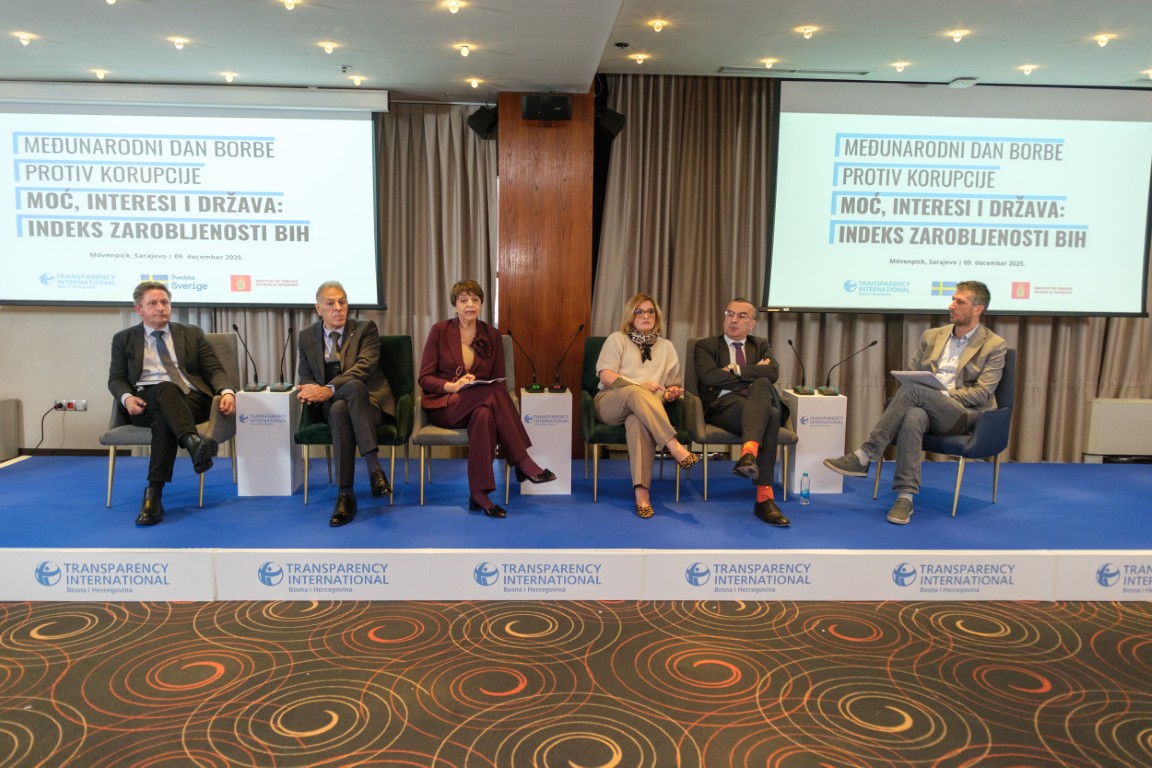
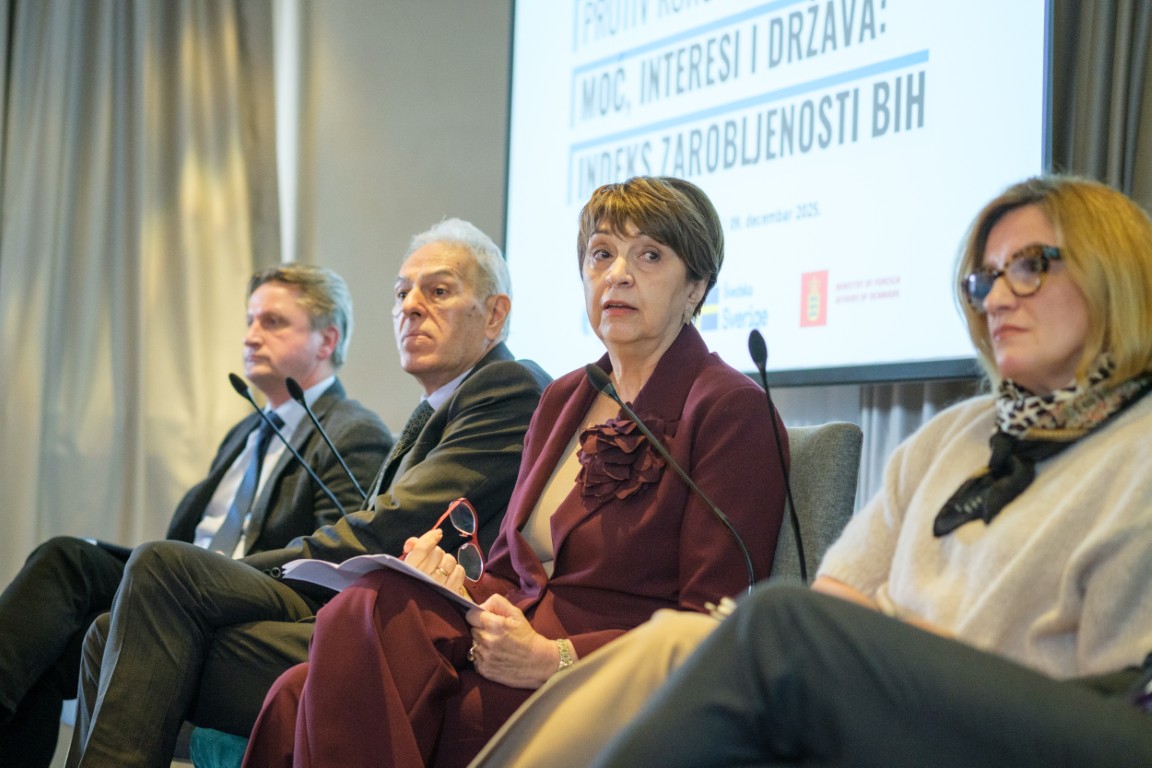
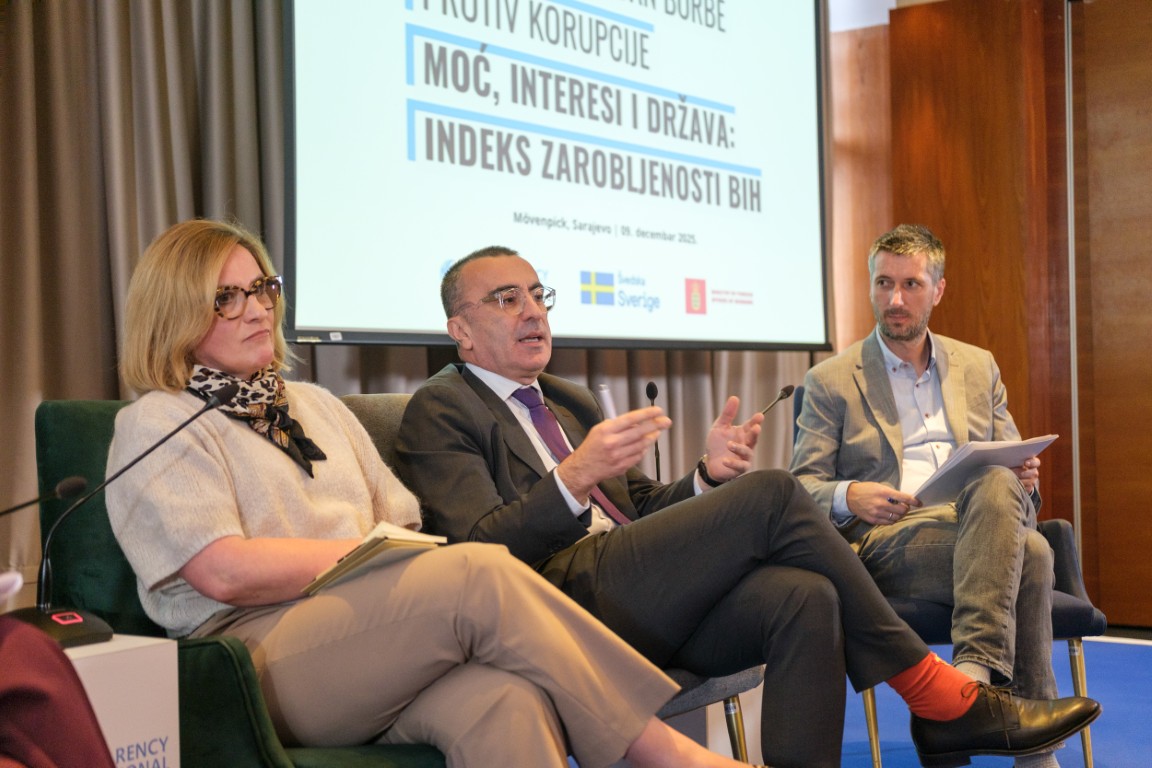
Because of these findings, part of the discussion at the conference “Power, Interests and the State: BiH State Capture Index”, organised with the support of Sweden and Denmark to mark 9 December, International Anti-Corruption Day, focused on establishing an effective system for preventing conflict of interest. On this occasion, an initiative and proposals were presented for a new Conflict of Interest Law at the Federation of BiH level, which has not been applied since 2013 and has been pending adoption for years. The proposals focus on establishing an independent body to enforce the law, creating a unified system for verifying asset declarations, and preventing private interests from influencing decision-making by public officials.
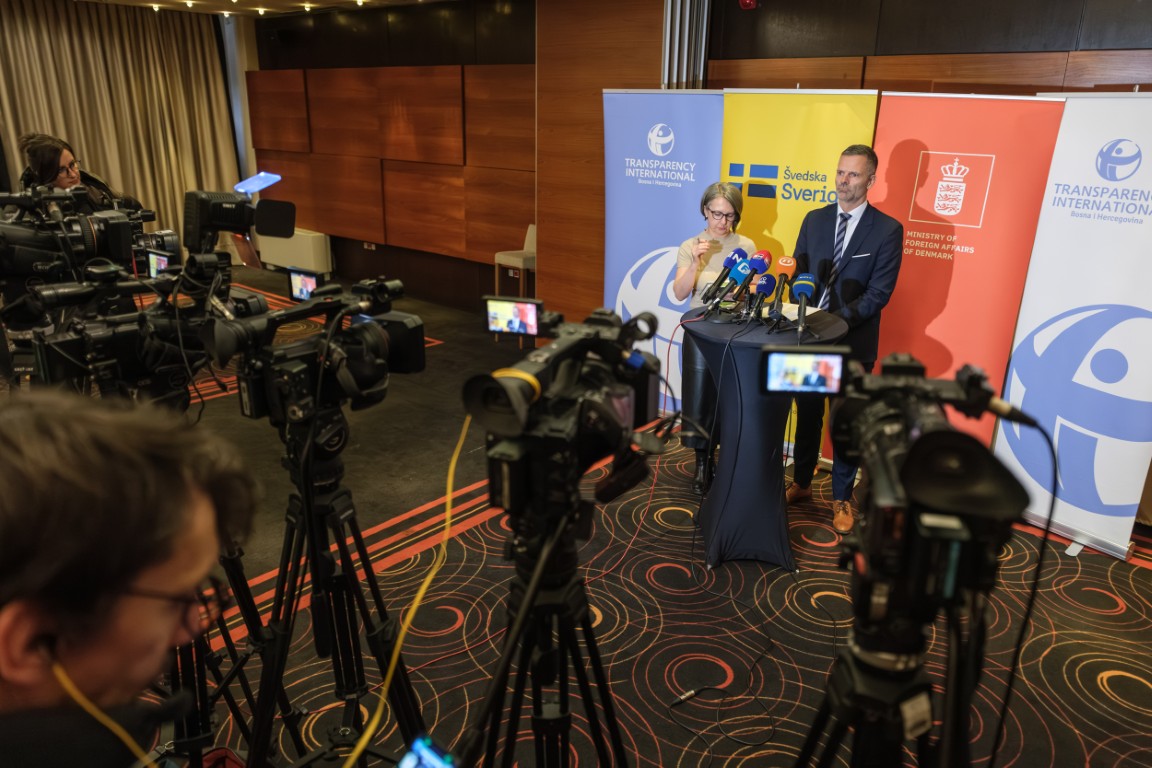
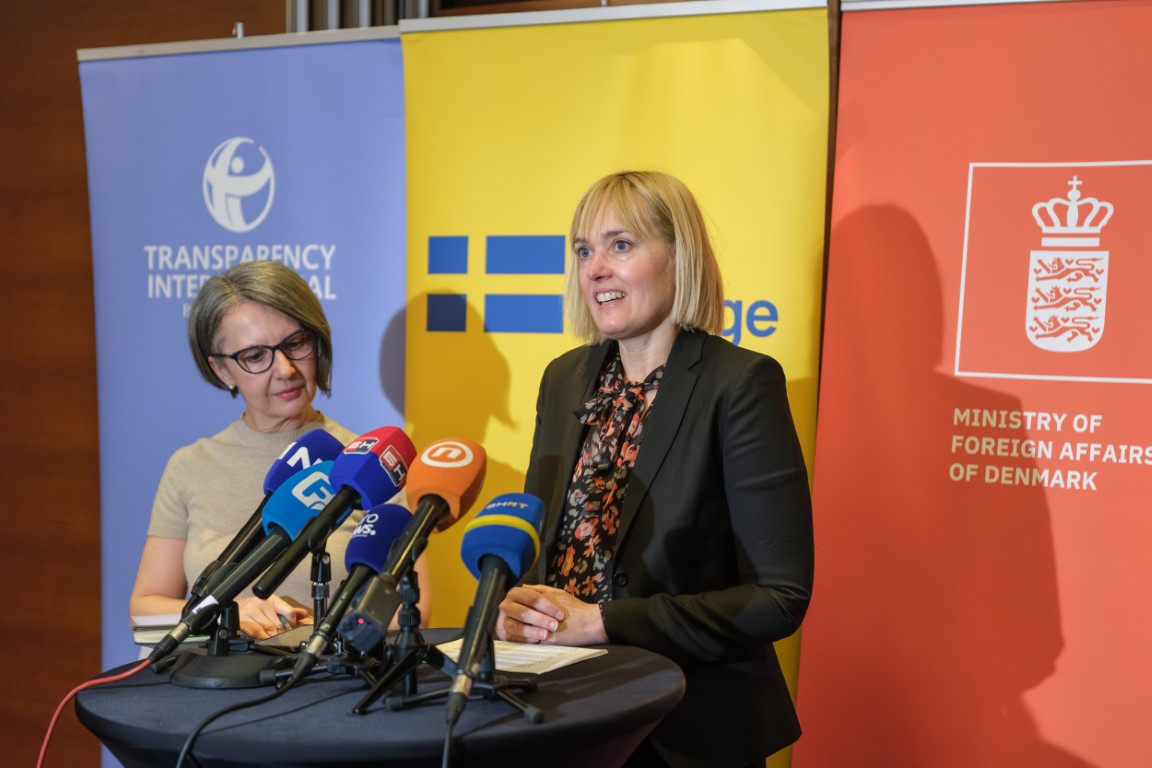
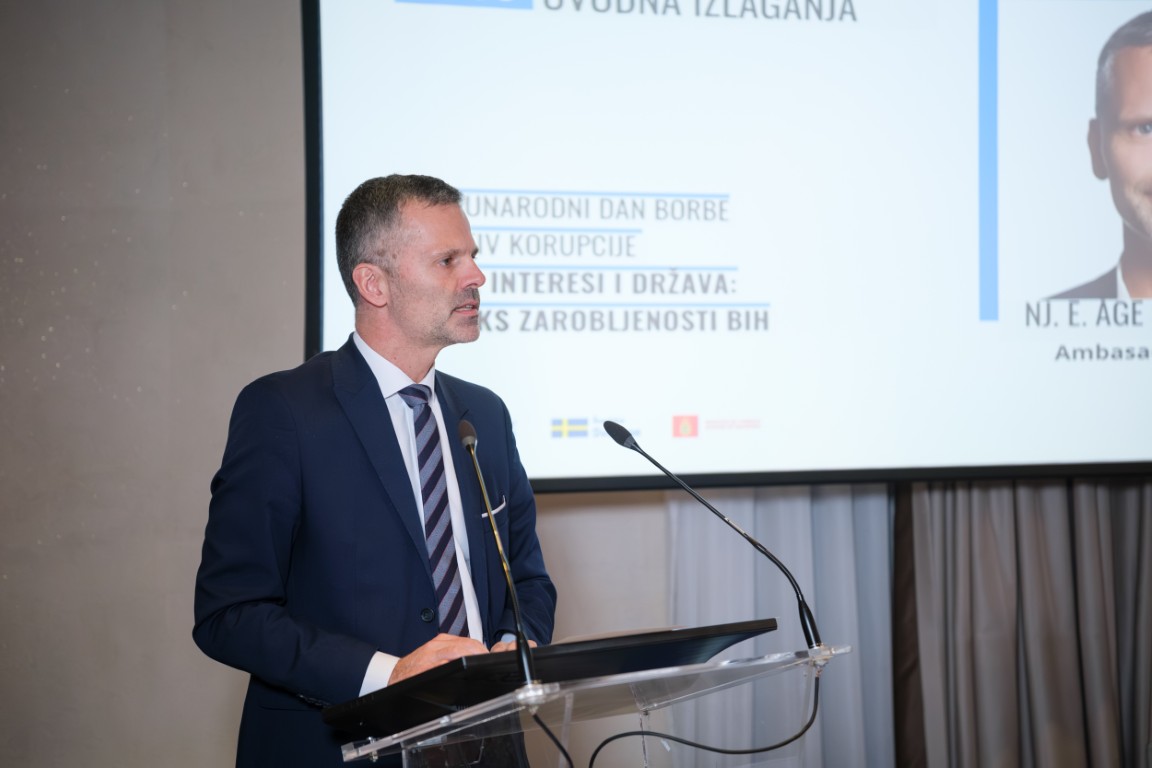
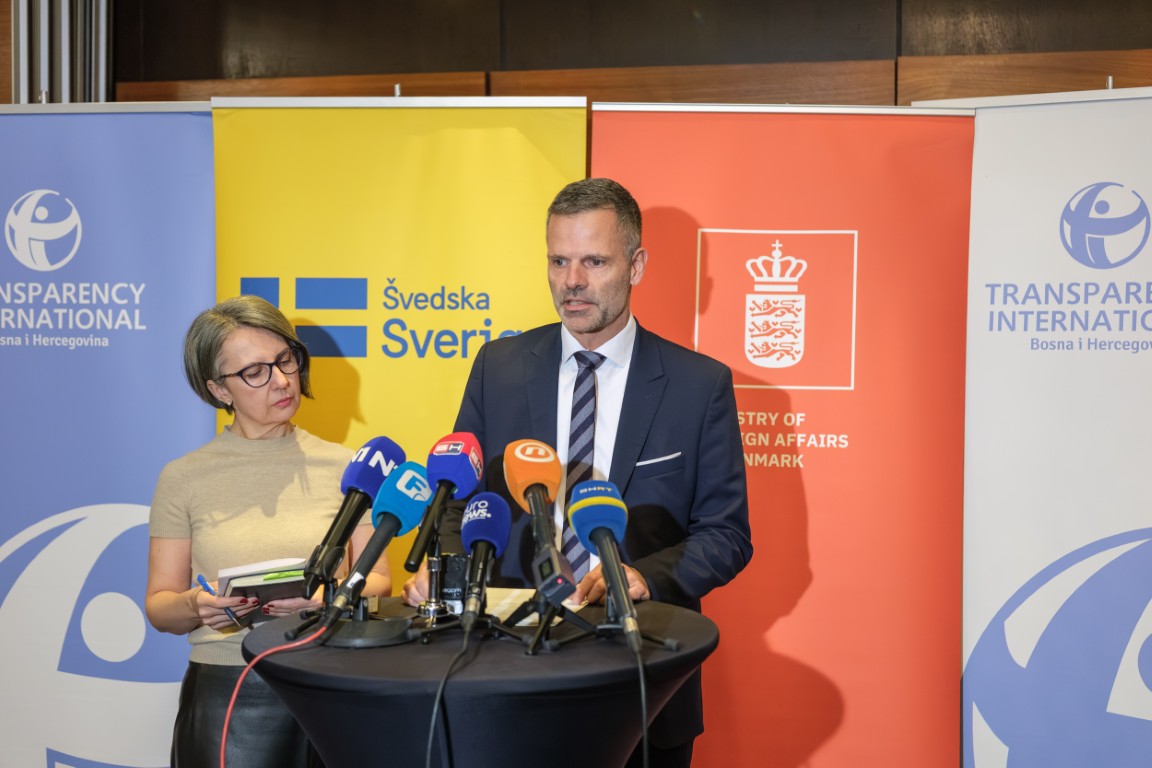
“The lack of transparency that lies at the heart of this problem threatens to undermine our efforts altogether, with dire consequences for citizens. Strengthening transparency, and rooting out corruption, is essential to realise Bosnia and Herzegovina’s progress towards EU integration.” said H.E. Åge Sandal Møller, Ambassador of Denmark to Bosnia and Herzegovina, which together with Sweden supported the conference and the research itself.
Sara Lindegren, Deputy Ambassador of Sweden to Bosnia and Herzegovina, noted in her address that “Corruption remains one of the greatest threats to the progress of Bosnia and Herzegovina. The recent European Commission country report sends a serious warning: corruption is growing, and institutions are increasingly exposed to political influence,” adding that signs of state capture and a lack of progress in key areas, from the judiciary to public administration and electoral integrity, demand urgent action.
Read more
Get involved
Stay tuned
Subscribe to our newsletter and receive periodic notifications about our, announcements, calls and activities via email.
Don't miss it
If you want to receive our announcements immediately after the publication, leave your e-mail address in the field below.