PRESS RELEASES AND ANNOUNCEMENTS

Key dates

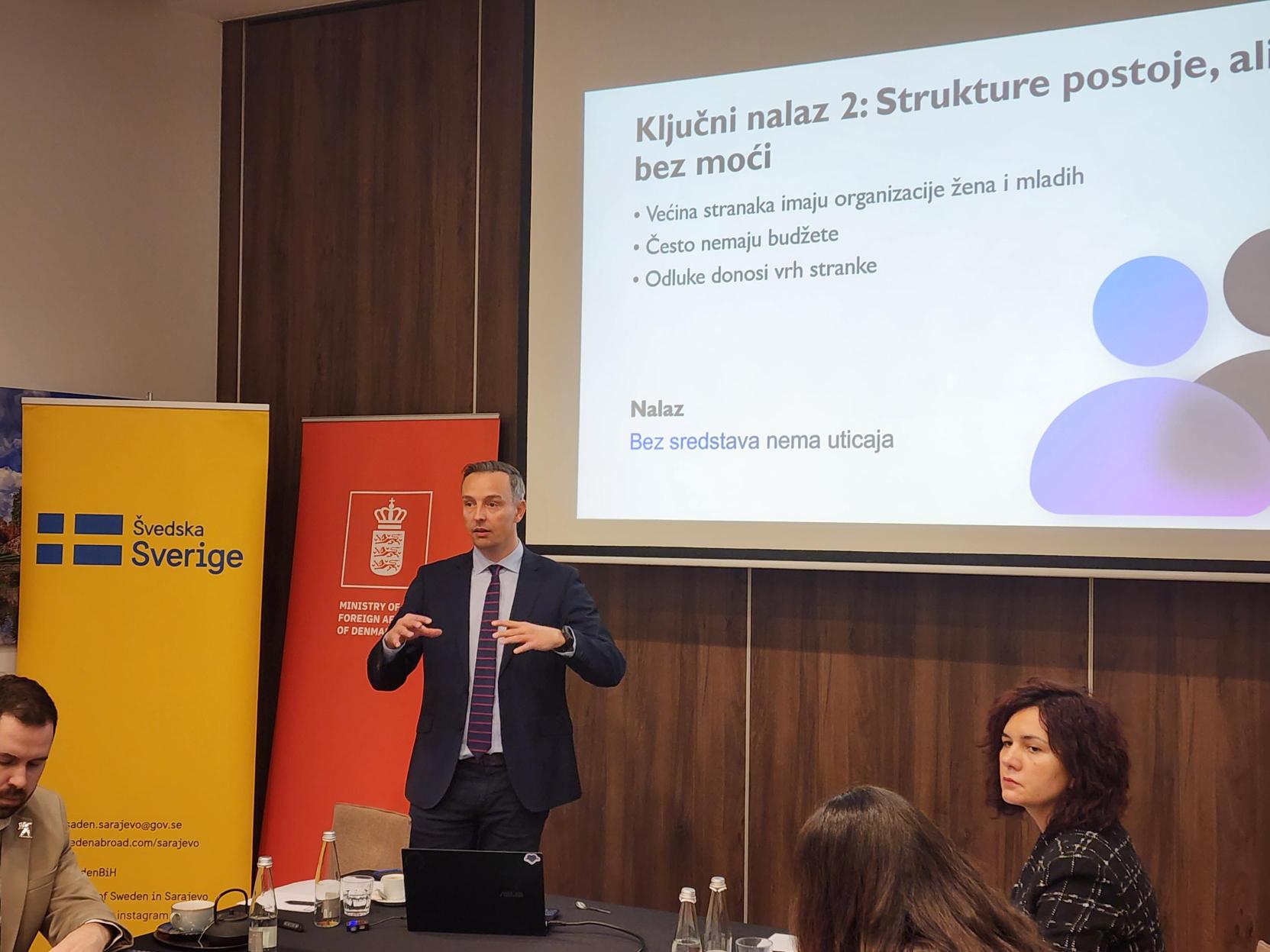
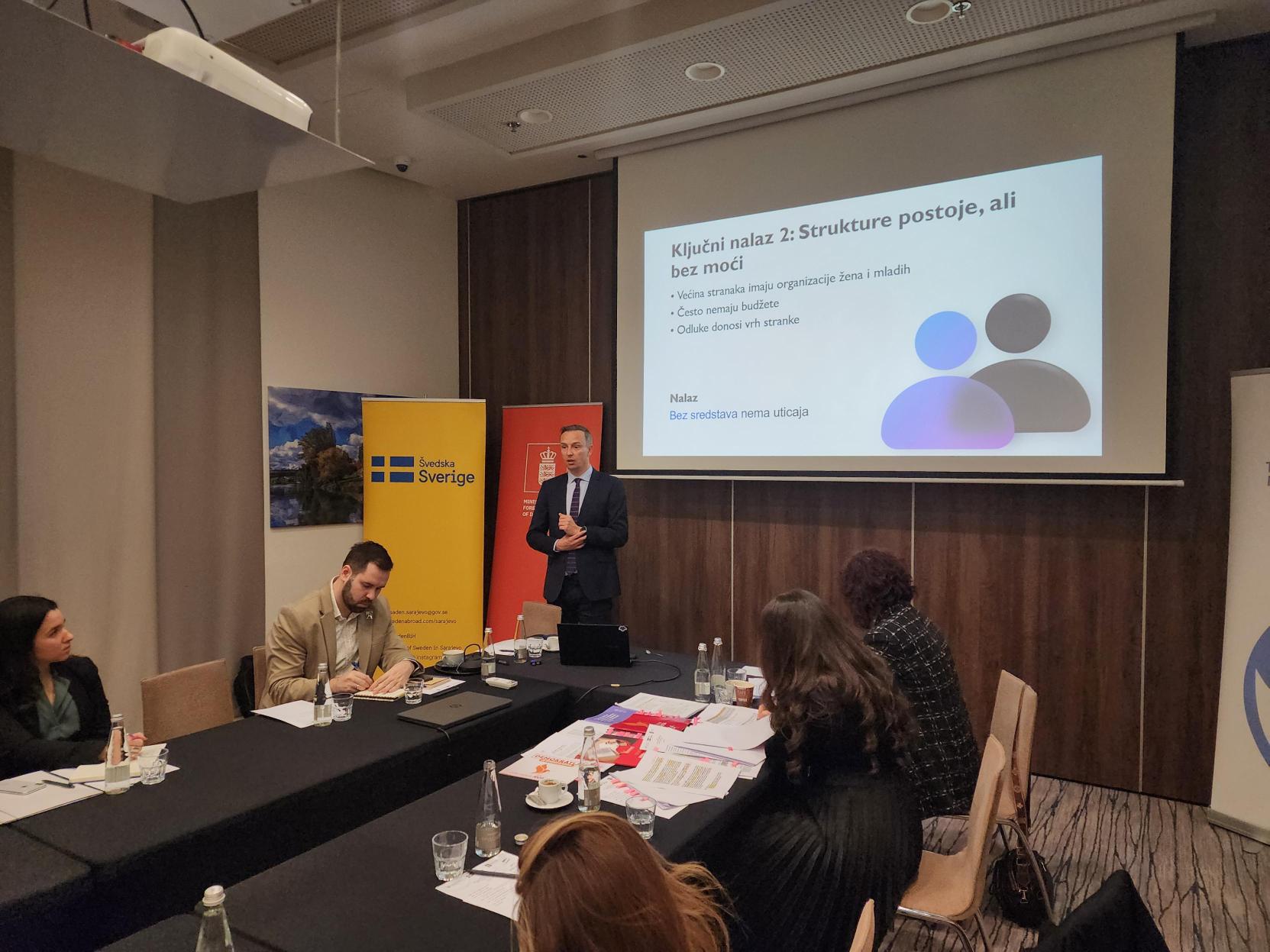
Women’s Representation Below Legal Threshold, Youth Invisible: Public Financing of Political Parties Does Not Deliver Equality

Sarajevo, 17 February 2026. 2025 – Political parties in Bosnia and Herzegovina have had tens of millions of marks in public funds at their disposal for years, yet this money...

TI BiH
Izvještaji za Mediae

Women’s Representation Below Legal Threshold, Youth Invisible: Public Financing of Political Parties Does Not Deliver Equality

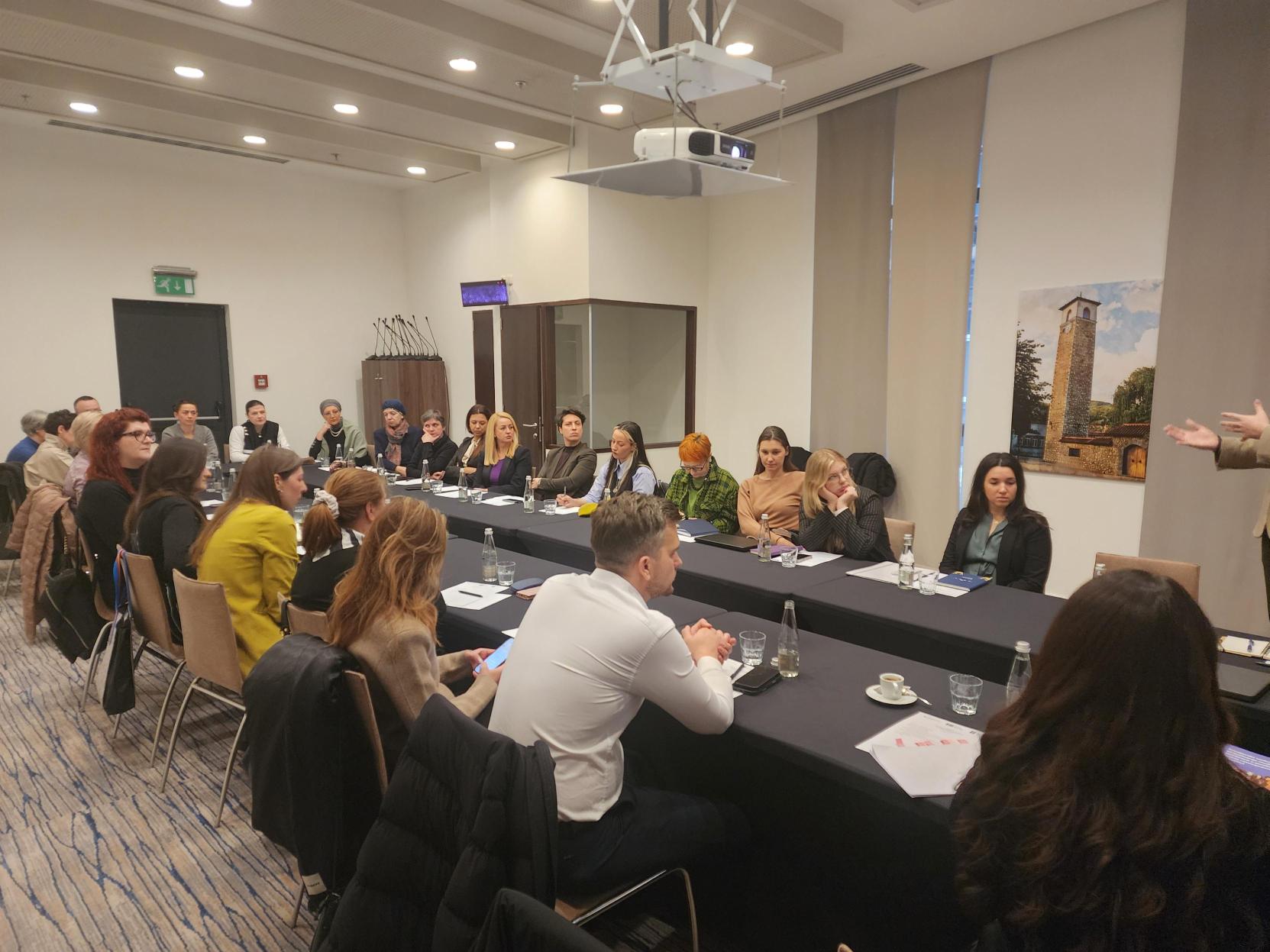
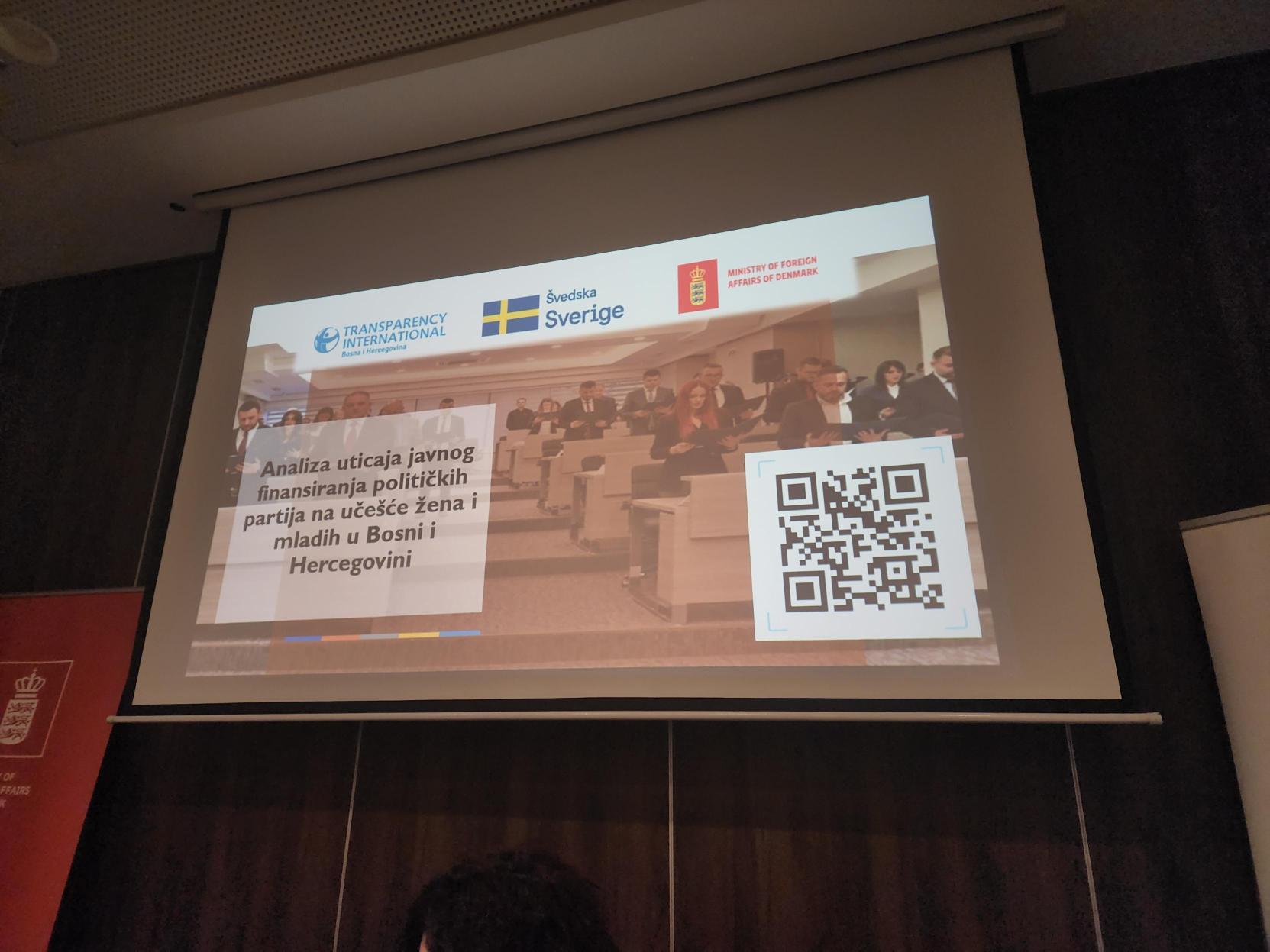
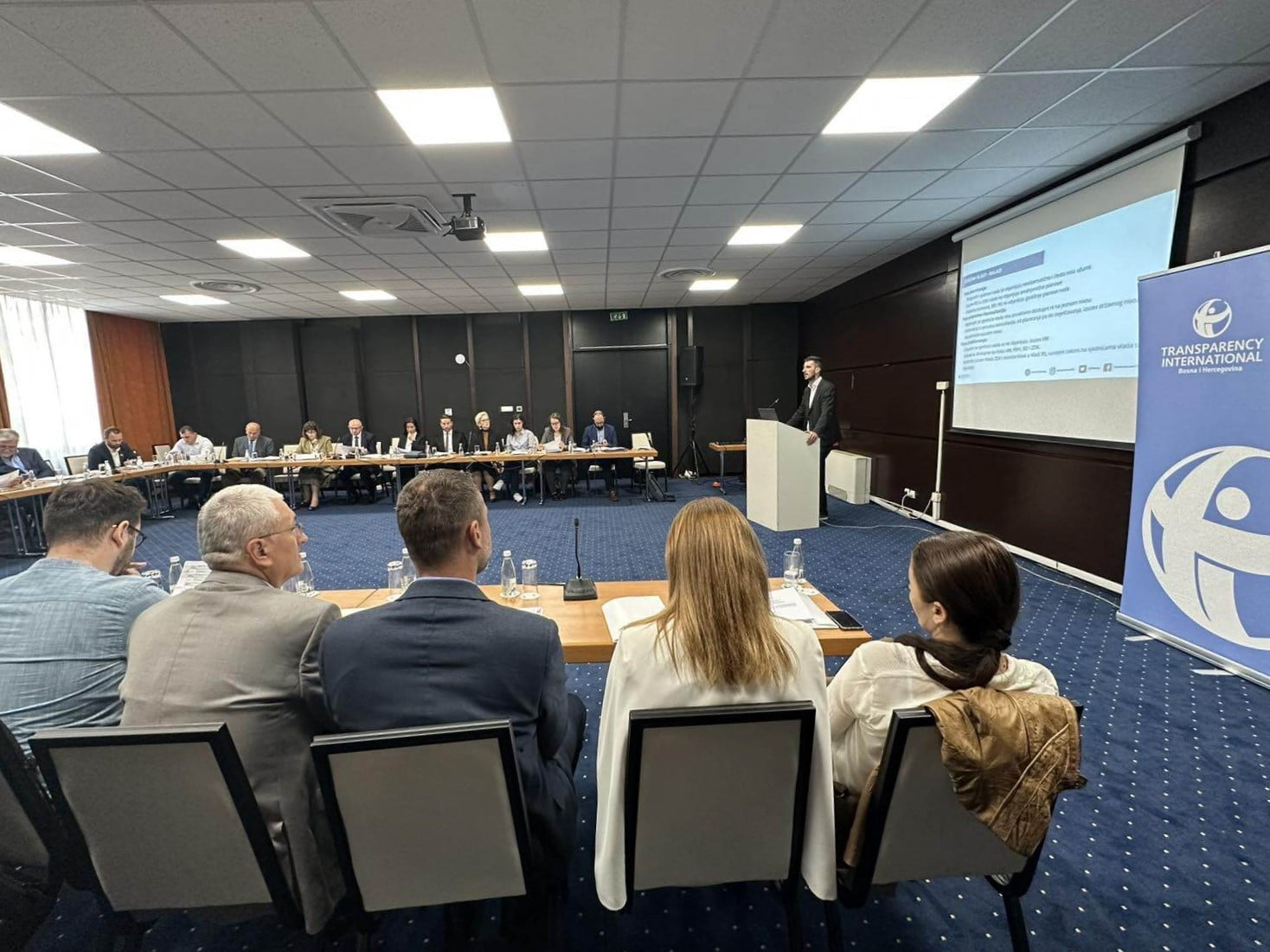
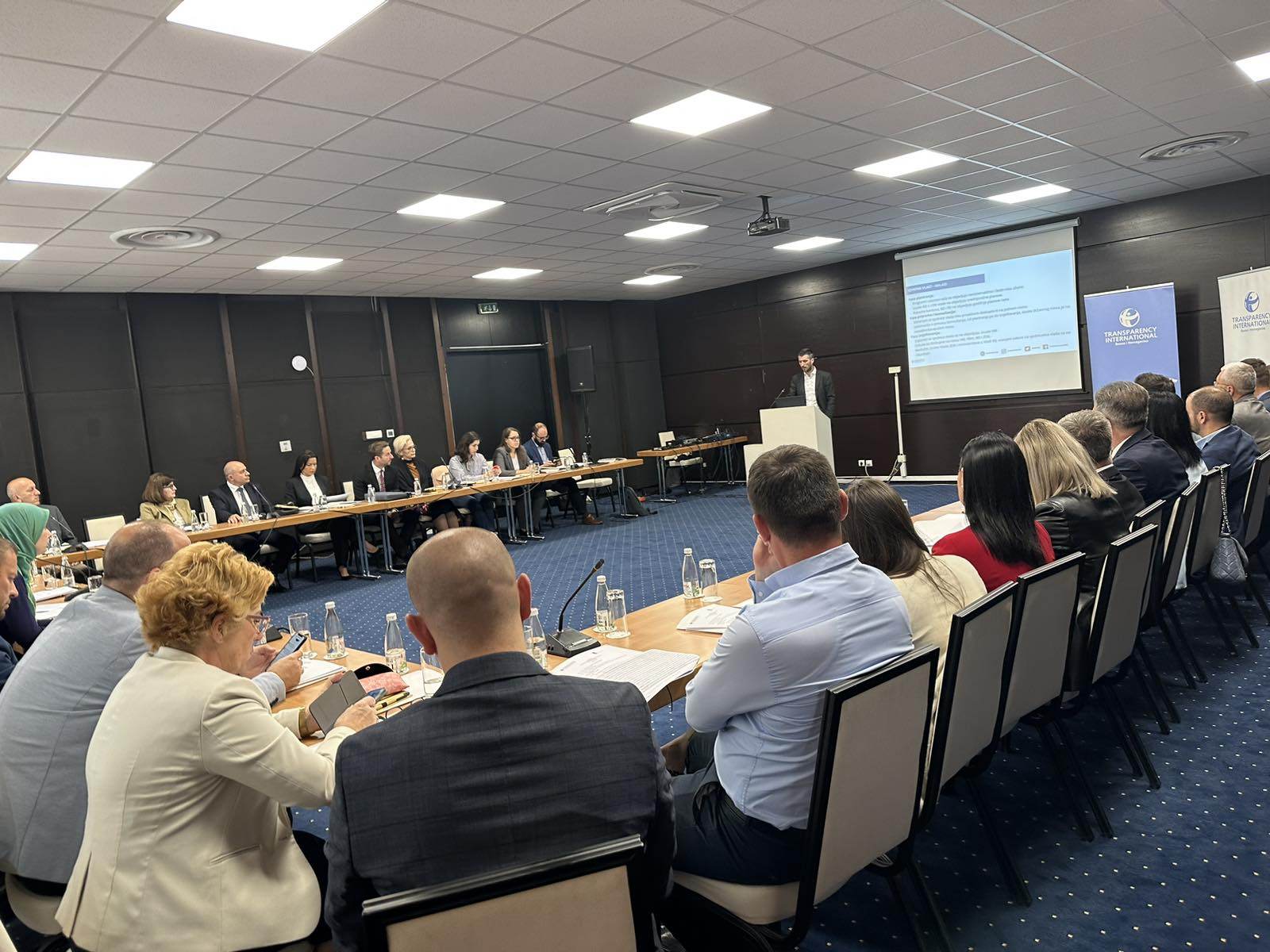
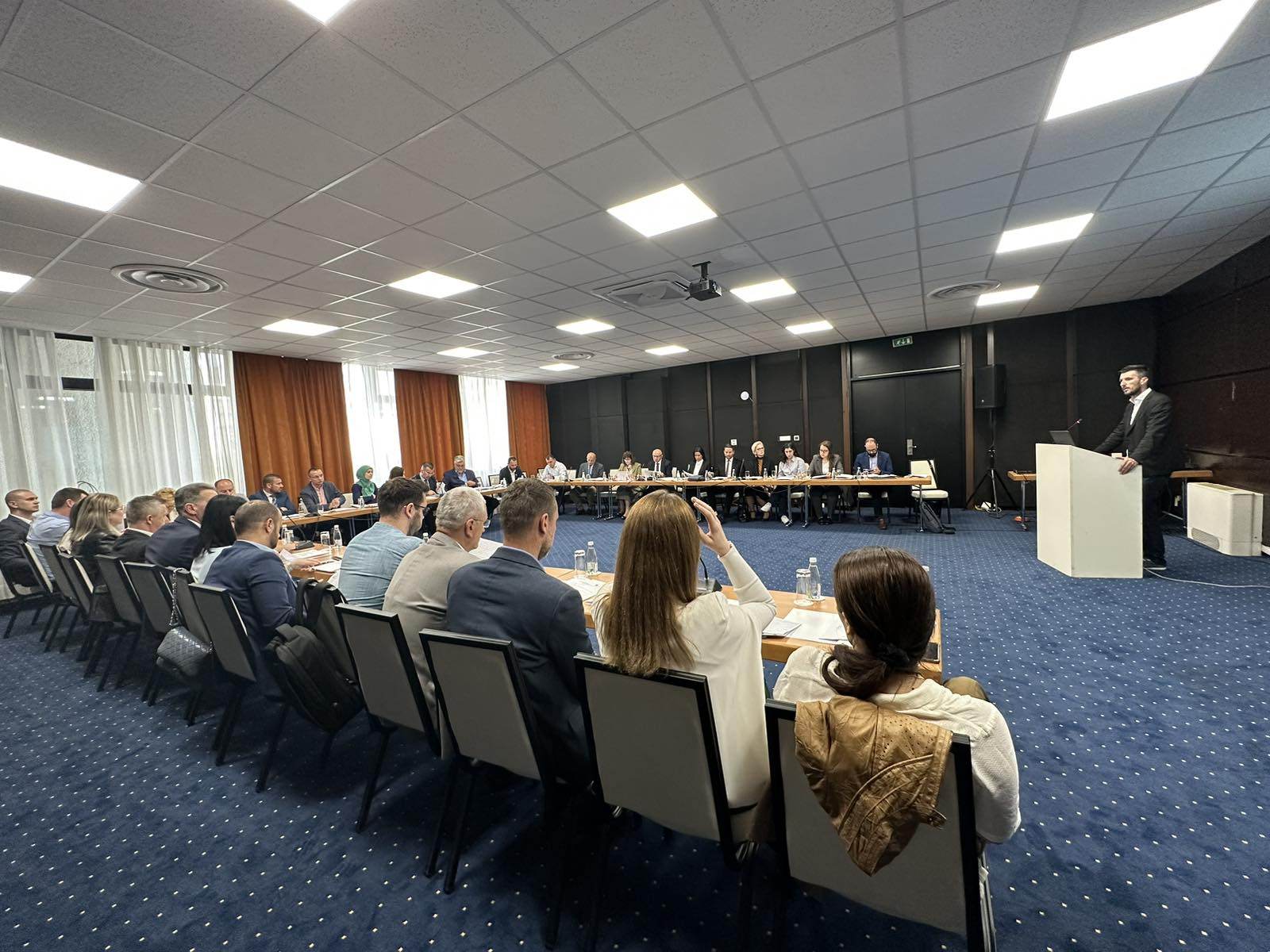
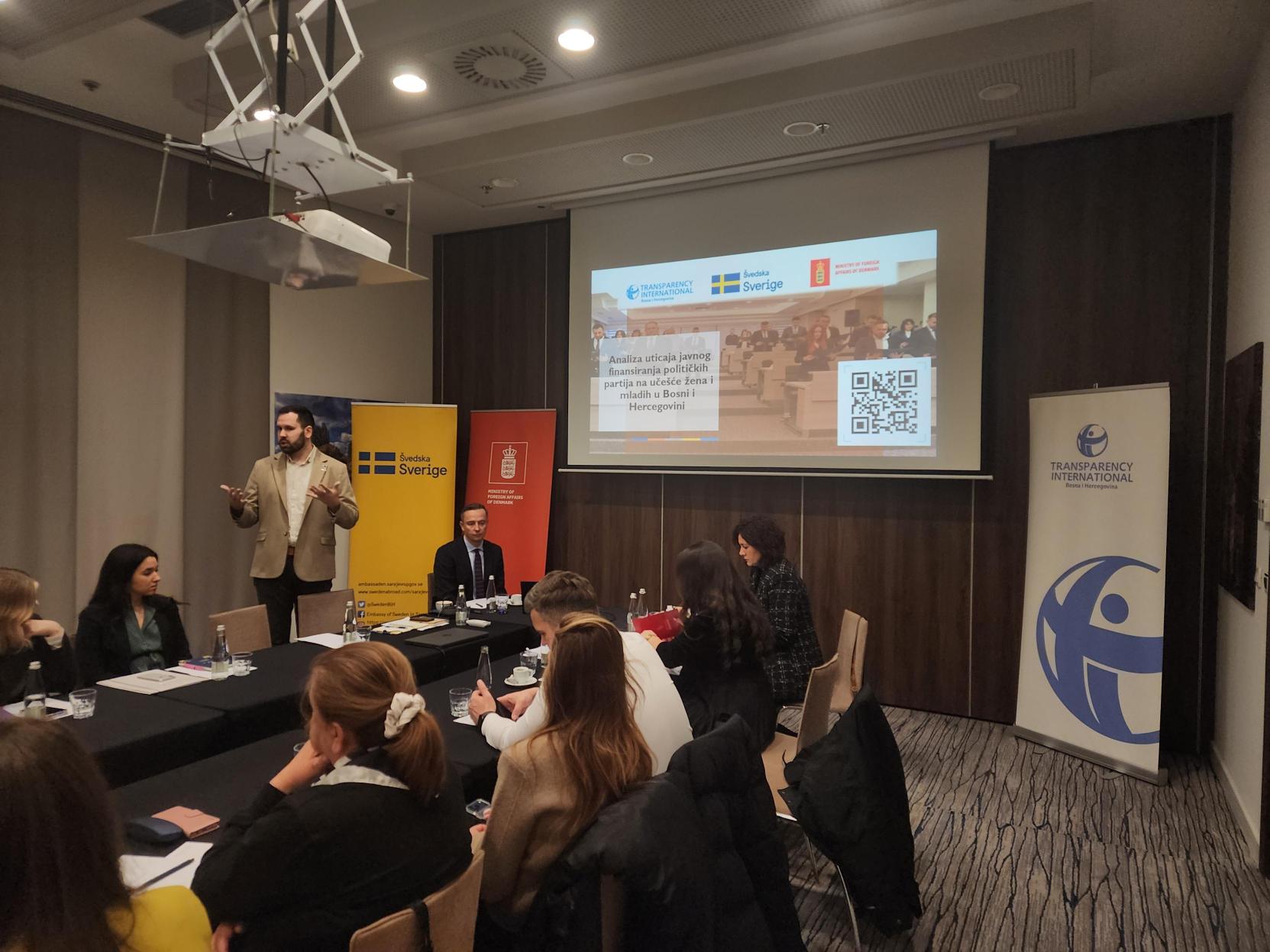
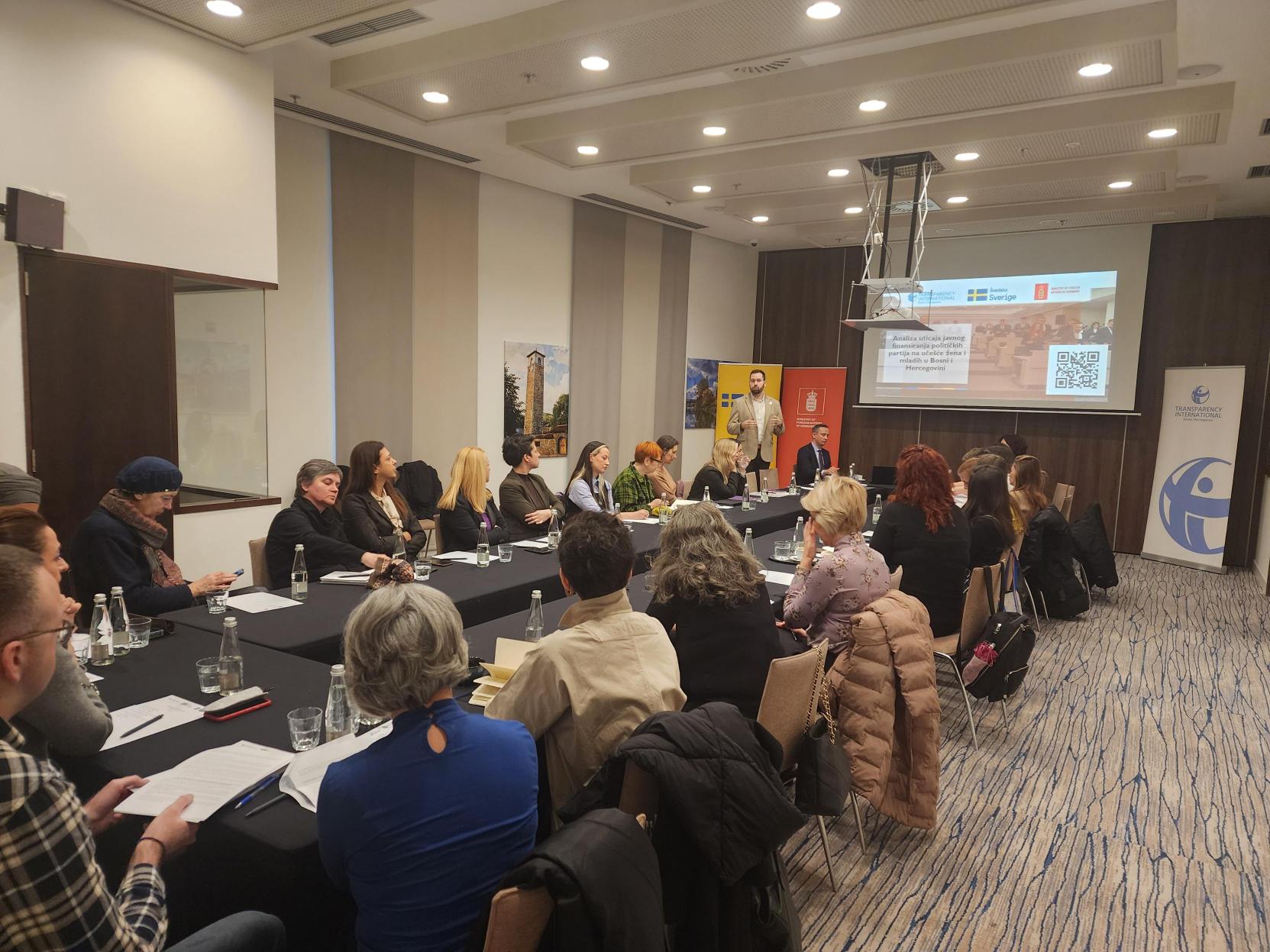
Sarajevo, 17 February 2026. 2025 – Political parties in Bosnia and Herzegovina have had tens of millions of marks in public funds at their disposal for years, yet this money does not contribute to increasing the participation of women and youth in politics, nor is it used transparently and for its intended purpose, according to an analysis by Transparency International in BiH presented today in Sarajevo. Although political parties decide who enters politics and who shapes public policies, the current financing system does not ensure that public funds lead to greater equality, democratization, and inclusion of underrepresented groups.

The study shows that women’s participation in most institutions remains below 30%, even though the law stipulates that their representation must not fall below 40%. Even more concerning is the fact that there are no systematic data on youth participation whatsoever, nor any standards that would guarantee their representation. At the same time, over 70% of political party revenues come from the budget, confirming that public funds represent a key mechanism for the potential transformation of party politics, but this potential has not been utilized.

Although public financing exists at all levels of government, there are no clear conditions on how these funds are spent. Additional financing exists for the underrepresented gender, but it has no effect because parties are not required to use these funds for activities that would improve the position of women. Incentive systems do not influence party behavior, and youth are not covered by financial criteria at all. Women’s and youth party organizations exist, but without their own budgets and without real power, while all key decisions remain in the hands of party leadership, leaving other categories without real influence on both the composition of candidate lists and decision-making processes.

An additional problem is the complete lack of transparency—there are no data on how funds are used, no standardized reporting, and oversight mechanisms are extremely weak. Without oversight there is no accountability, which leaves wide room for abuse and prevents the public from knowing whether parties are using funds in accordance with the public interest.

Comparative examples show that other countries use public financing as a tool for change—increasing funds for parties with more women, reducing financing for those that do not respect equality, or introducing mandatory allocation of funds for women and youth. Solutions are therefore known and proven.

Speaking about the study’s findings, the author of the analysis and TI BiH associate Adnan Kadribašić emphasized the significance of the results:

“This study is the first in Bosnia and Herzegovina to clearly show how public money is used in political parties and what this means for gender equality and youth participation. We have shown that more than 70% of financing comes from the budget, but without clear rules and oversight, this money does not lead to greater representation or real change. This is a matter of public interest, because citizens finance political parties. If we are already allocating public funds, we must know what we are getting in return.”

Event participants emphasized that public financing has the potential to be a driver of transformation in political relations, but only if it is linked to results, transparency is introduced, oversight mechanisms are strengthened, and mandatory funds are secured for the work of women’s and youth organizations within parties. Without this, political party financing remains financing of the status quo, not a tool for democratization.

Transparency International in BiH has called on competent institutions to urgently harmonize the legislative framework, introduce clear rules, and establish control mechanisms that will ensure that funds coming from public budgets truly contribute to a more equal and inclusive political system, rather than reproducing existing inequalities.

TI BiH will continue to advocate for reform processes that enable political parties, as key bearers of the democratic order, to become more accountable, transparent, and open to all citizens.
Press rls_17_02_2026

TI-BIH – Analysis of the Impact of Public Financing of Political Parties on the Participation of Women and Youth in Bosnia and Herzegovina


Politics and Private Business: Nearly 20% of Companies Owned by Elected Officials Do Business with the State

Banja Luka, 30. December 2025. year – Institutions at all levels of government in Bosnia and Herzegovina have awarded over 27,000 public procurement contracts to companies that...

TI BiH
Izvještaji za Mediae

Politics and Private Business: Nearly 20% of Companies Owned by Elected Officials Do Business with the State

Banja Luka, 30. December 2025. year – Institutions at all levels of government in Bosnia and Herzegovina have awarded over 27,000 public procurement contracts to companies that supported political parties with donations in some election cycles from 2018 to the present. The total value of these tenders exceeds one billion convertible marks, most commonly awarded in areas such as alarm system monitoring services, security services, restaurant and catering services, and the organization of educational seminars.

Cross-referencing the asset declarations of politicians submitted to the Central Election Commission and public procurement data shows that 19.8% of elected officials, who declare ownership of private companies in their asset declarations, have conducted business with the state through awarded tenders. This percentage is 36.4% for officials elected in 2022, indicating a systemic conflict of interest problem that deepens during their term. The data available on the “Integrity Watch BiH” platform illustrate the high degree of connection between political parties, their donors, and the institutions managing the distribution of public funds.

One example of a contract that clearly illustrates this practice is the case of the Minister for Human Rights and Refugees of BiH, Sevlid Hurtić, against whom Transparency International in BiH (TIBiH) filed a complaint for conflict of interest because his private company received multimillion-dollar contracts from budget-funded institutions. The Commission for Deciding on Conflicts of Interest determined only two years after the complaint that Minister Hurtić was in a conflict of interest and imposed a sanction, although in the meantime, his company continued to indirectly participate in public procurements through other legal entities.

An analysis of over 930,000 public procurement procedures in recent years conducted by TI BiH shows that companies owned by some elected officials in BiH received 2,450 contracts, while more than two-thirds or 76.9% of all tenders were awarded through direct agreements with suppliers, without the possibility of competition and participation from competitors.

Political parties record the most donations precisely in election years, while companies that received tenders account for about 10% of total donations to parties. This is only a small portion of the funds that parties report, given that previous research by TI BiH has shown that parties largely do not report donations.

What is particularly important to emphasize is that the data on ownership of business entities by politicians are limited to elected officials who submitted asset data to the Central Election Commission and do not include appointed individuals and all companies over which politicians have beneficial ownership, transferring ownership to third parties.

These phenomena are monitored by the “Integrity Watch BiH” platform, which provides a visual and analytical overview of public procurement procedures, searches for donations to political parties, and insight into the asset declarations of elected officials, all of which provide an overview of the mechanisms through which public resources are put at the service of private and party interests.

These findings are just another of many pieces of evidence that in BiH, as an example of a state whose institutions are captured, business success depends solely on connections with political parties and their leaders, who enable their donors – clients – unrestricted access to contracts through the public procurement system.

TI BiH calls on the media, researchers, and citizens to use Integrity Watch BiH as a tool that, by connecting three different data sources: reports from the Public Procurement Agency of BiH, financial reports of political parties, and asset declarations of elected officials, enables the detection of corrupt patterns and connections that have been capturing institutions and undermining the budget of BiH for decades.

Amendments to the package of laws regulating the banking sector represent the most direct capture of the RS institutions

Banja Luka, July 3, 2024 – Urgent changes to the laws that regulate the banking sector and the work of the Investment Development Bank of the Republic of Srpska (IRB RS) ...

TI BiH
Izvještaji za Mediae

Amendments to the package of laws regulating the banking sector represent the most direct capture of the RS institutions

Banja Luka, July 3, 2024 – Urgent changes to the laws that regulate the banking sector and the work of the Investment Development Bank of the Republic of Srpska (IRB RS)  lead to the direct capture of the institutional framework by private interests and directly threaten the functioning of the entire banking system in the RS, and exposes the IRB to high risk.

Proposals amending the provisions of the Law on Banks of Republika Srpska, the Law on Investment and Development Bank, and the Law on Internal Payment Transactions were put on the agenda the day before the session itself at the request of the RS Government through urgent procedure, which confirms the suspicion that accelerated procedures are put in place to exclude the public from the decision-making process, thus endangering the public interest and the interest of the citizens of Republika Srpska.

Such changes are contrary to the primary purpose and role of the IRB RS, and it can be concluded that they favor the narrow particular interests of the ruling regime in the RS and cronyist business structures adjacent to it, which enjoyed a privileged status.

Until now, the IRB RS has functioned in a completely non-transparent manner, so the MPs waited for the reports of this institution for several years, from 2015 to 2019, which deprived the public of information about claims worth 180 million, which were eventually bought for 32 million by the private company because the IRB RS was unable to collect them.

The dangerous intentions of the ruling regime, which are aimed at the complete mastery and capture of the decision-making process in matters of vital importance for citizens, are also evidenced by the proposal to amend the Law on Geological Surveys, which was also presented to parliamentarians, and which deprives local communities of the opportunity to prevent exploitation natural raw materials that threaten their environment.

Taken as a whole, the proposed changes not only threaten the independence and stability of the IRB as a catalyst for economic growth, but also call into question the sustainability of payment transactions of all business entities in the Republic of Srpska, banks that do business with the IRB, and natural persons who are users of credit and other funds placed through this institution.

Transparency International calls on the Government of Republika Srpska to withdraw the mentioned proposals and the MPs to reject these changes, which do not have the character of a general legal framework that works for the benefit of citizens, but allow the institutions of society to be put at the service of a group of powerful people who want to preserve their wealth acquired through corrupt activities and avoid sanctions for such behavior.

The Study of National Integrity Presented: BiH recorded a decline in key sectors important for combating corruption

Sarajevo, April 23, 2024 In the last eight years, Bosnia and Herzegovina has recorded a decline in integrity in key areas that are important for combating corruption, according to...

TI BiH
Izvještaji za Mediae

The Study of National Integrity Presented: BiH recorded a decline in key sectors important for combating corruption

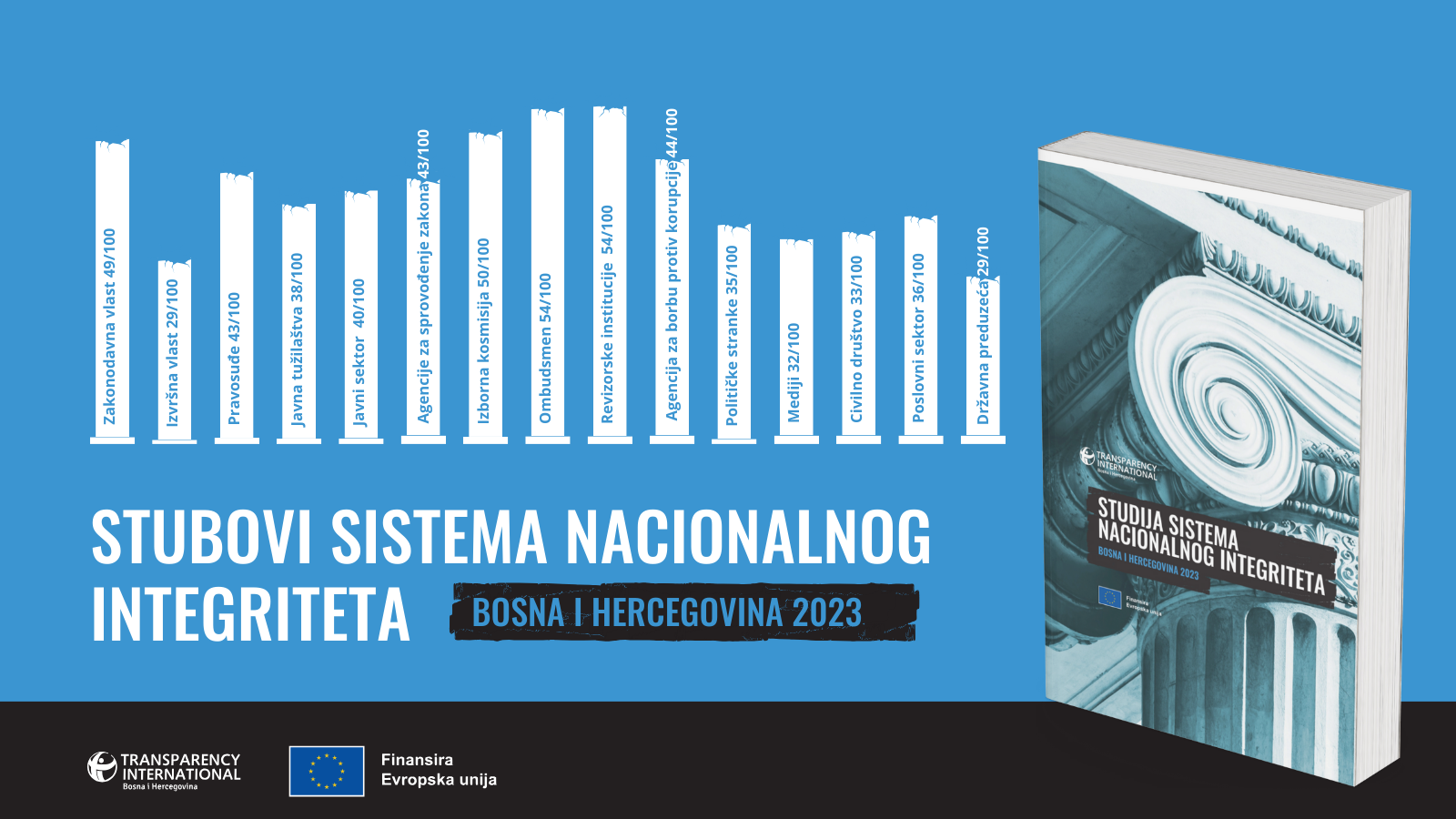
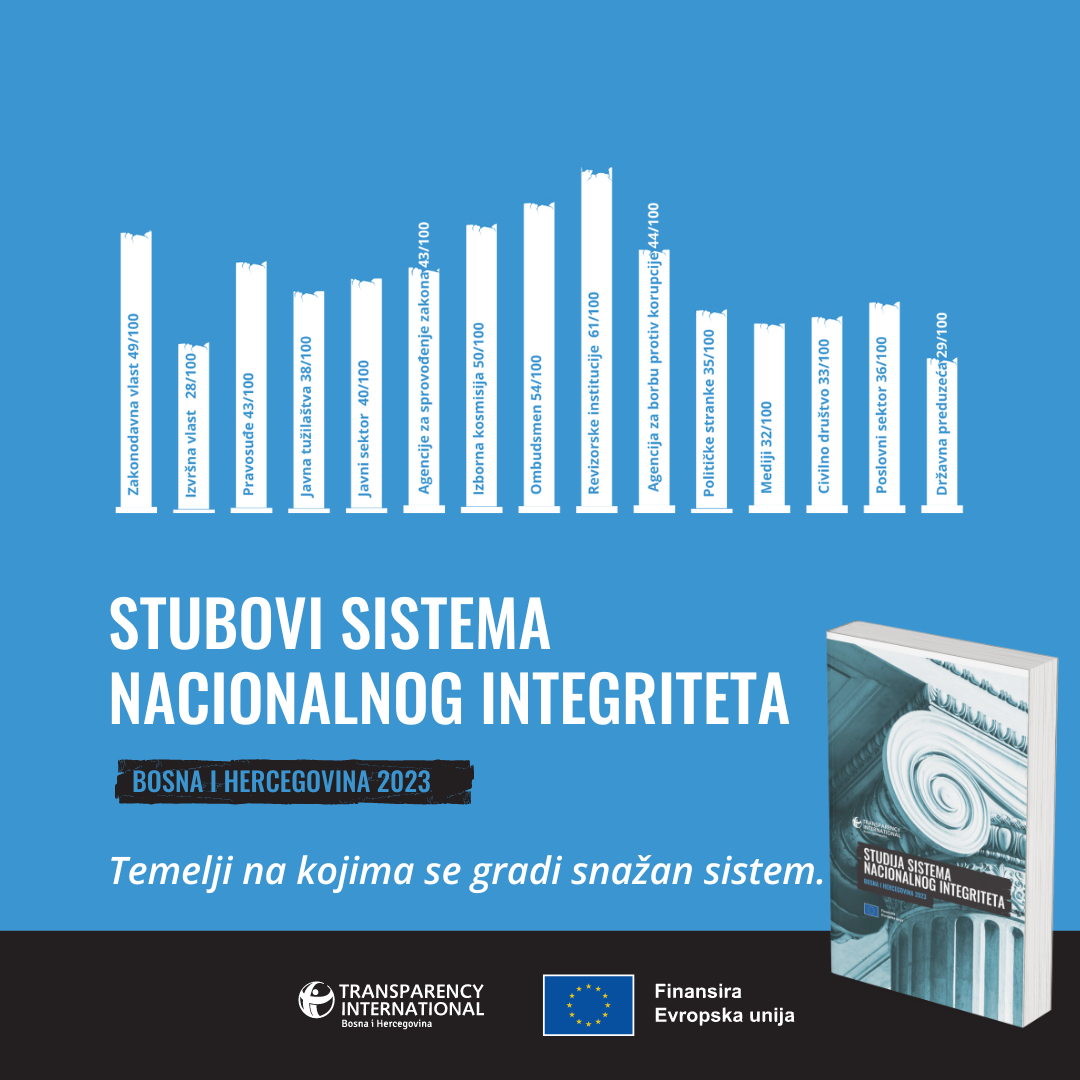
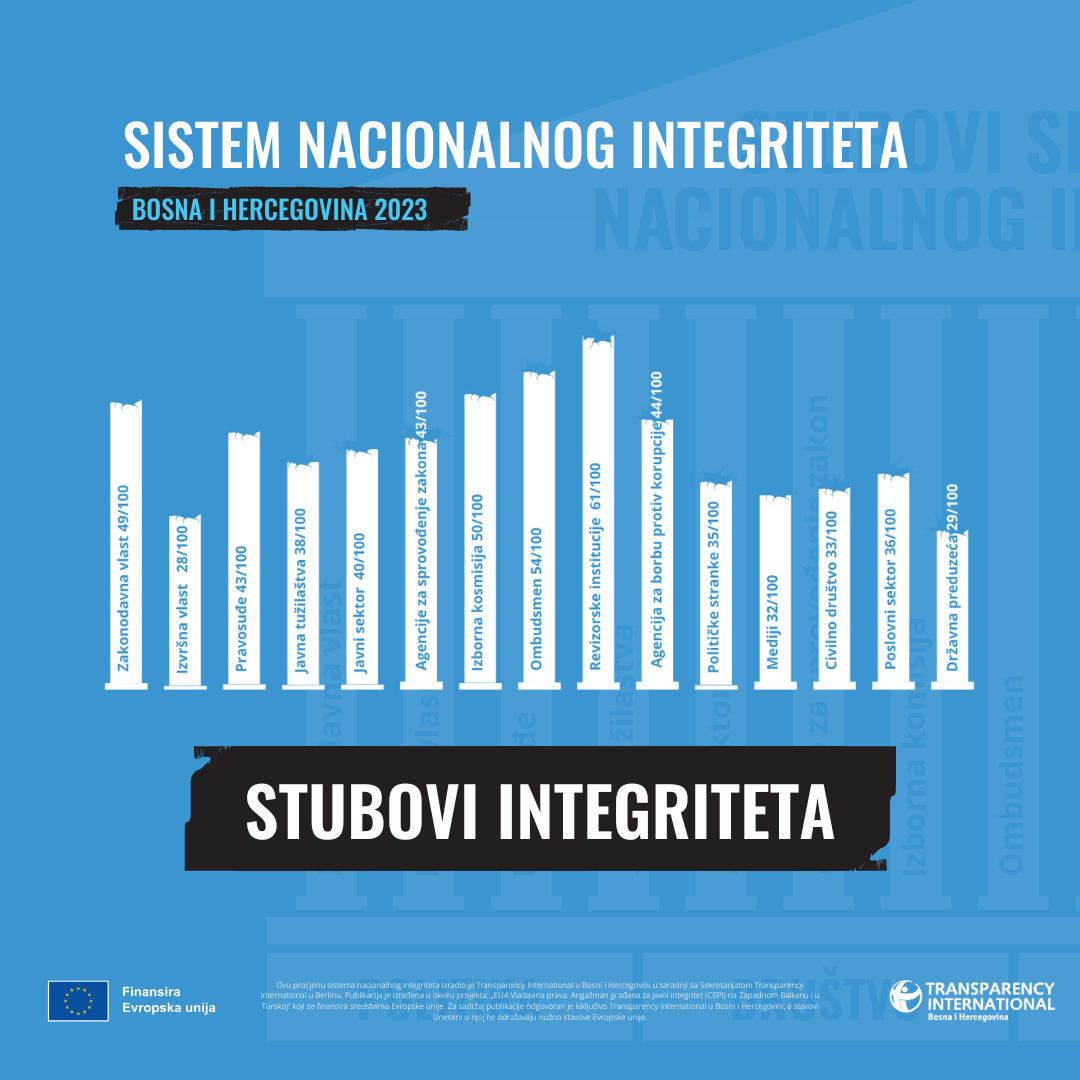
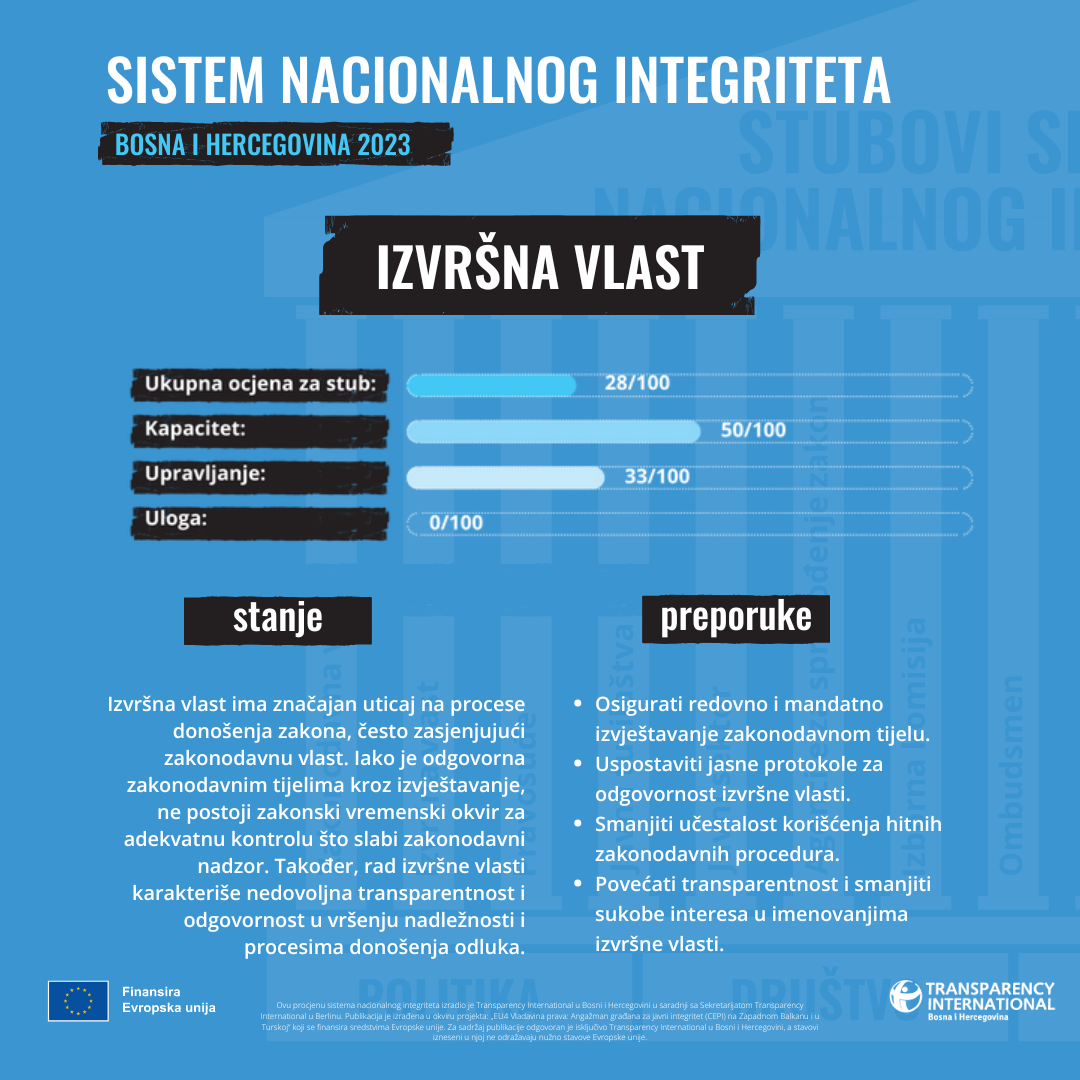
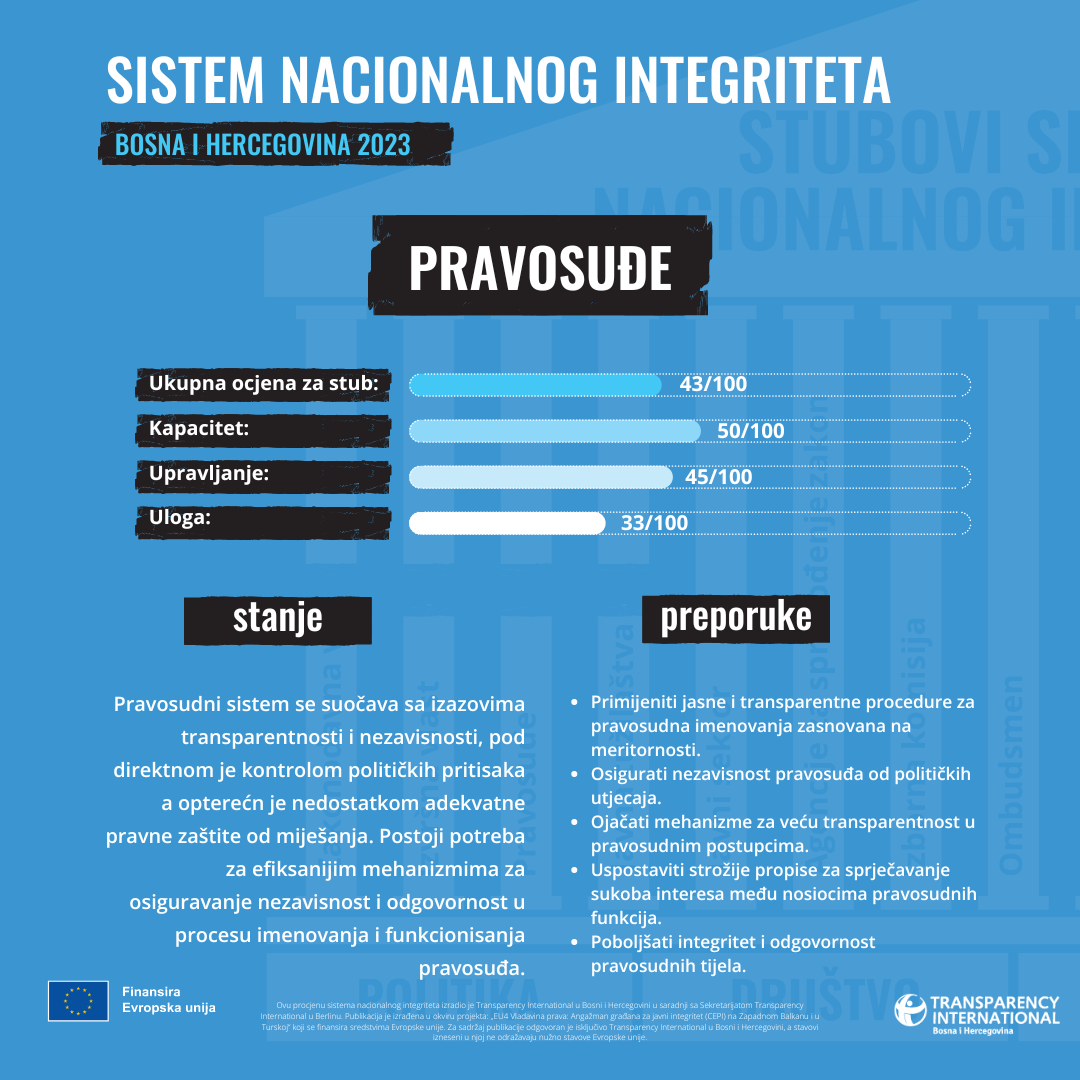
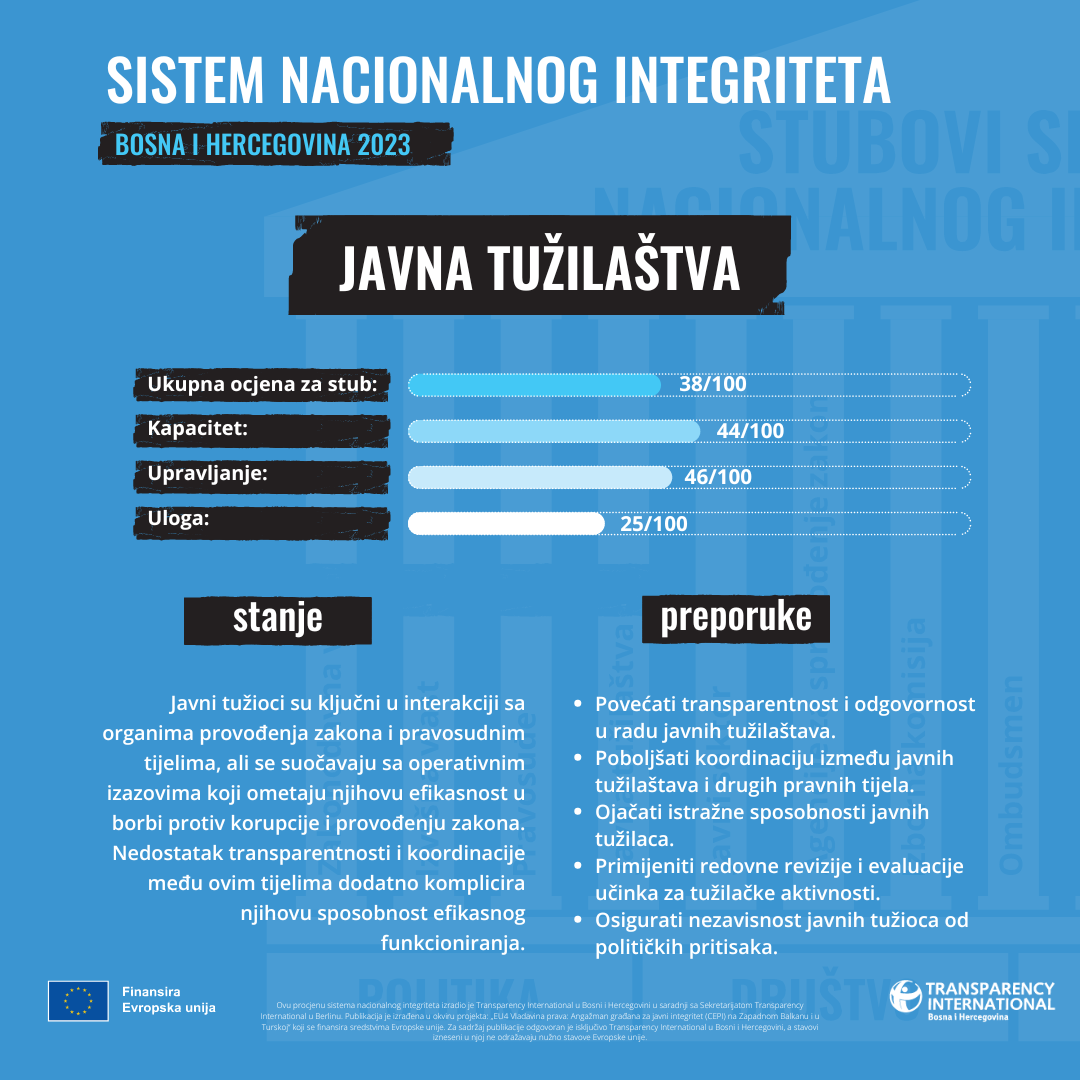
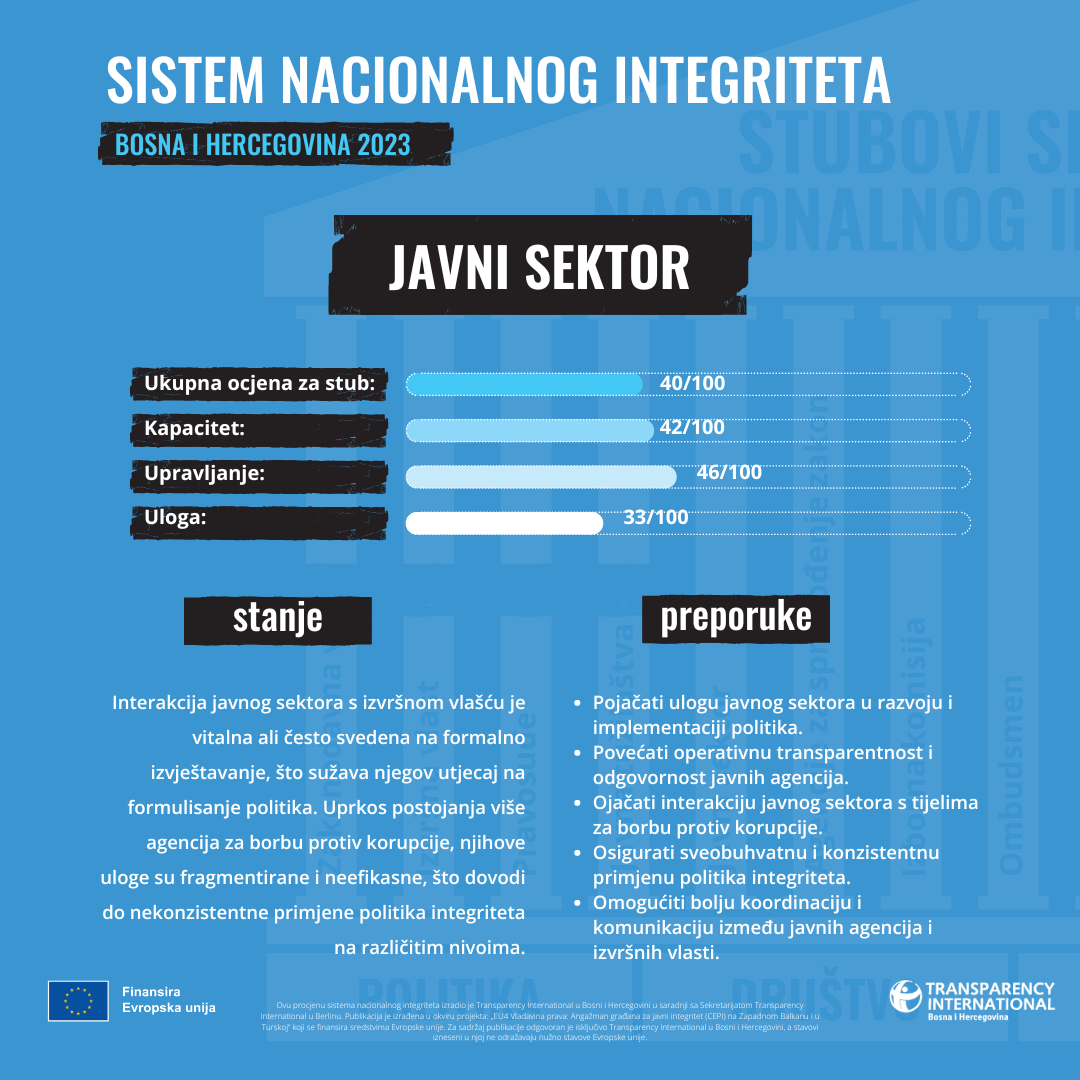
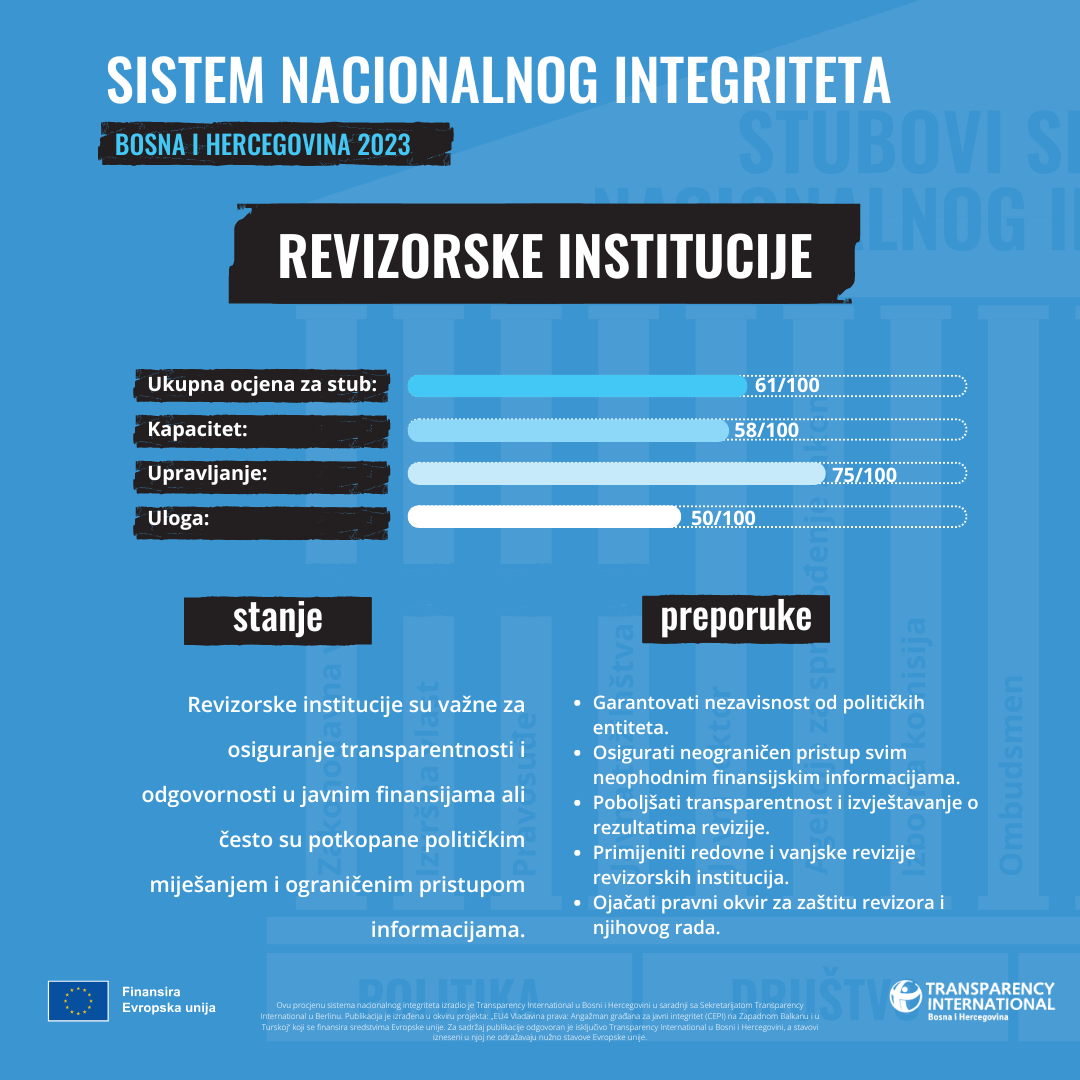
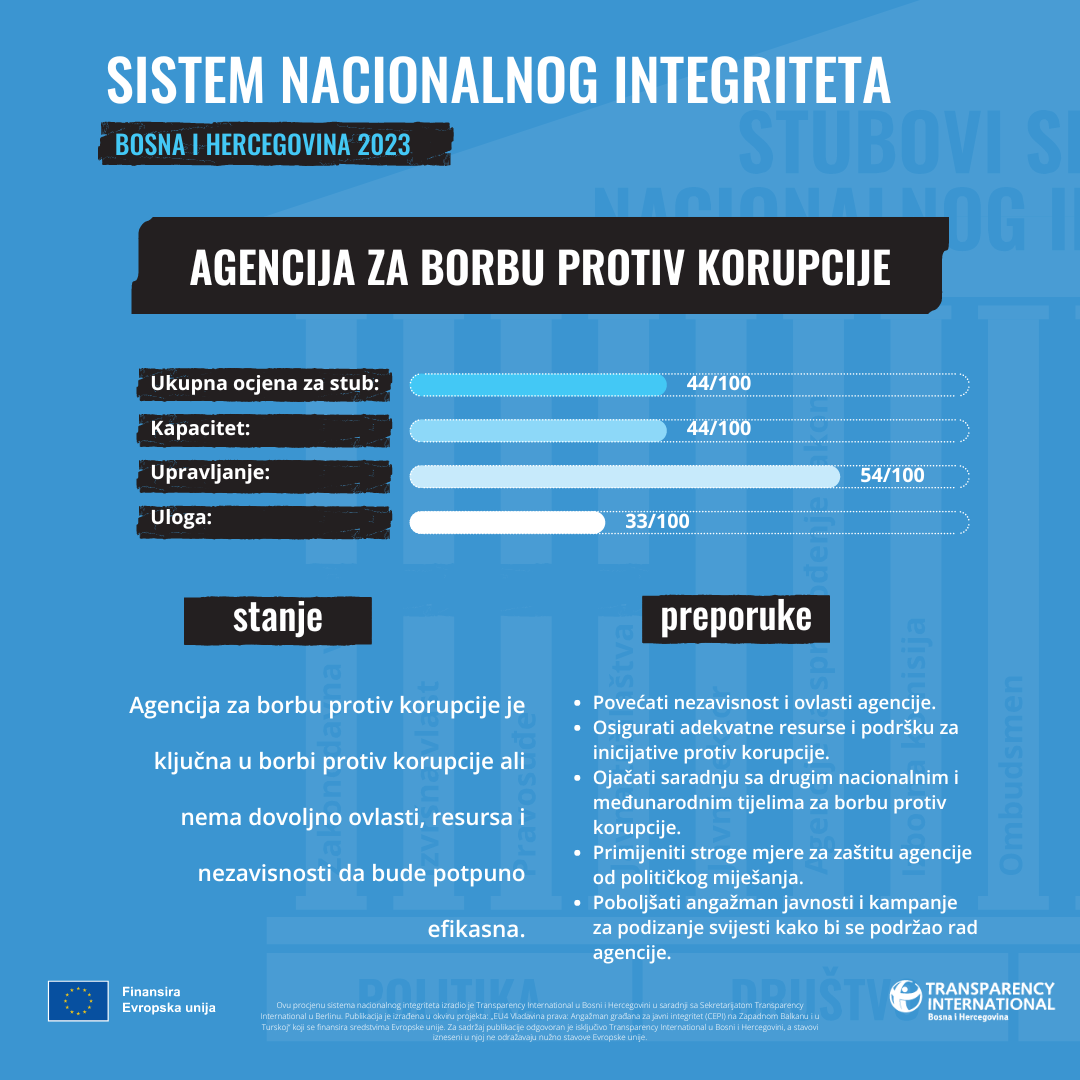
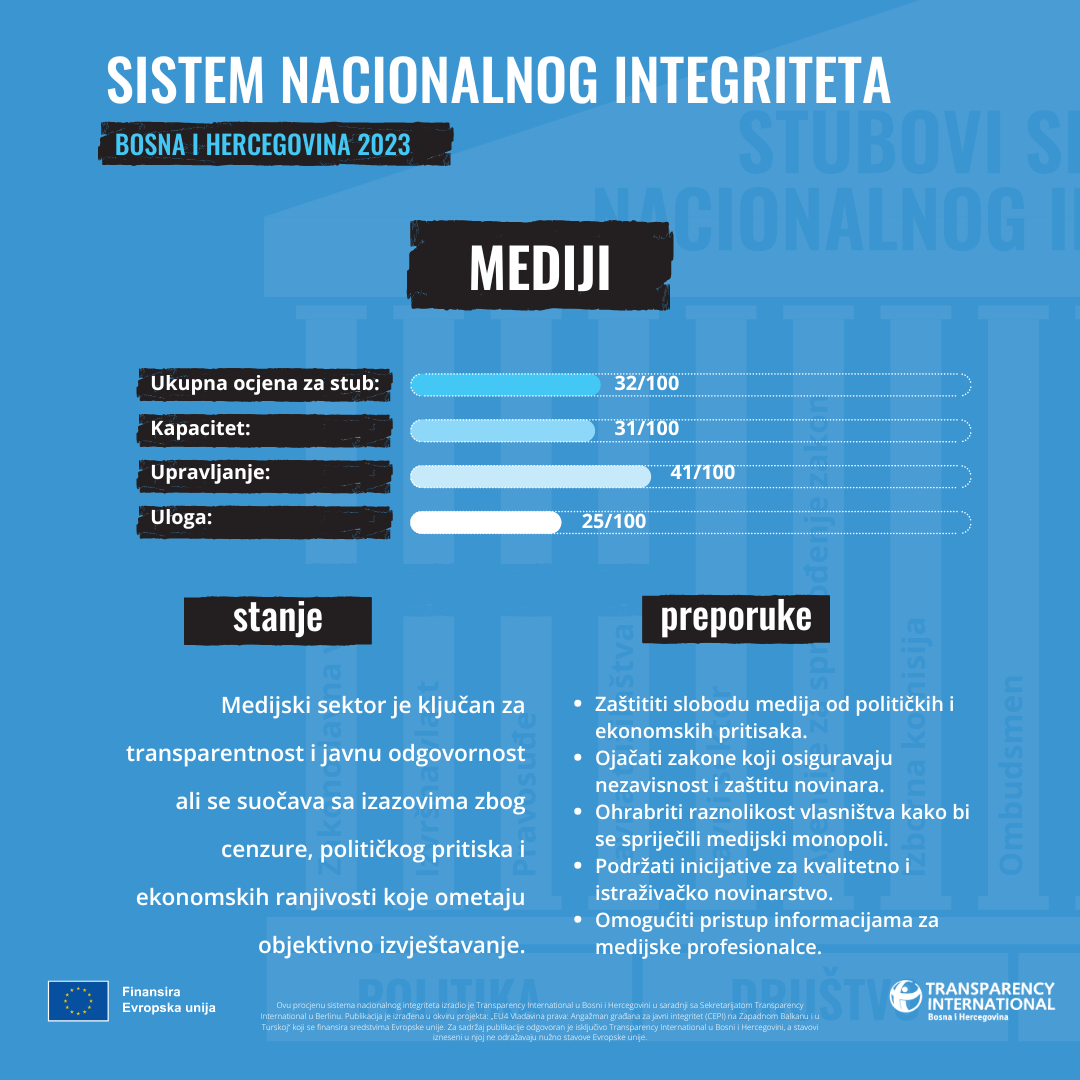
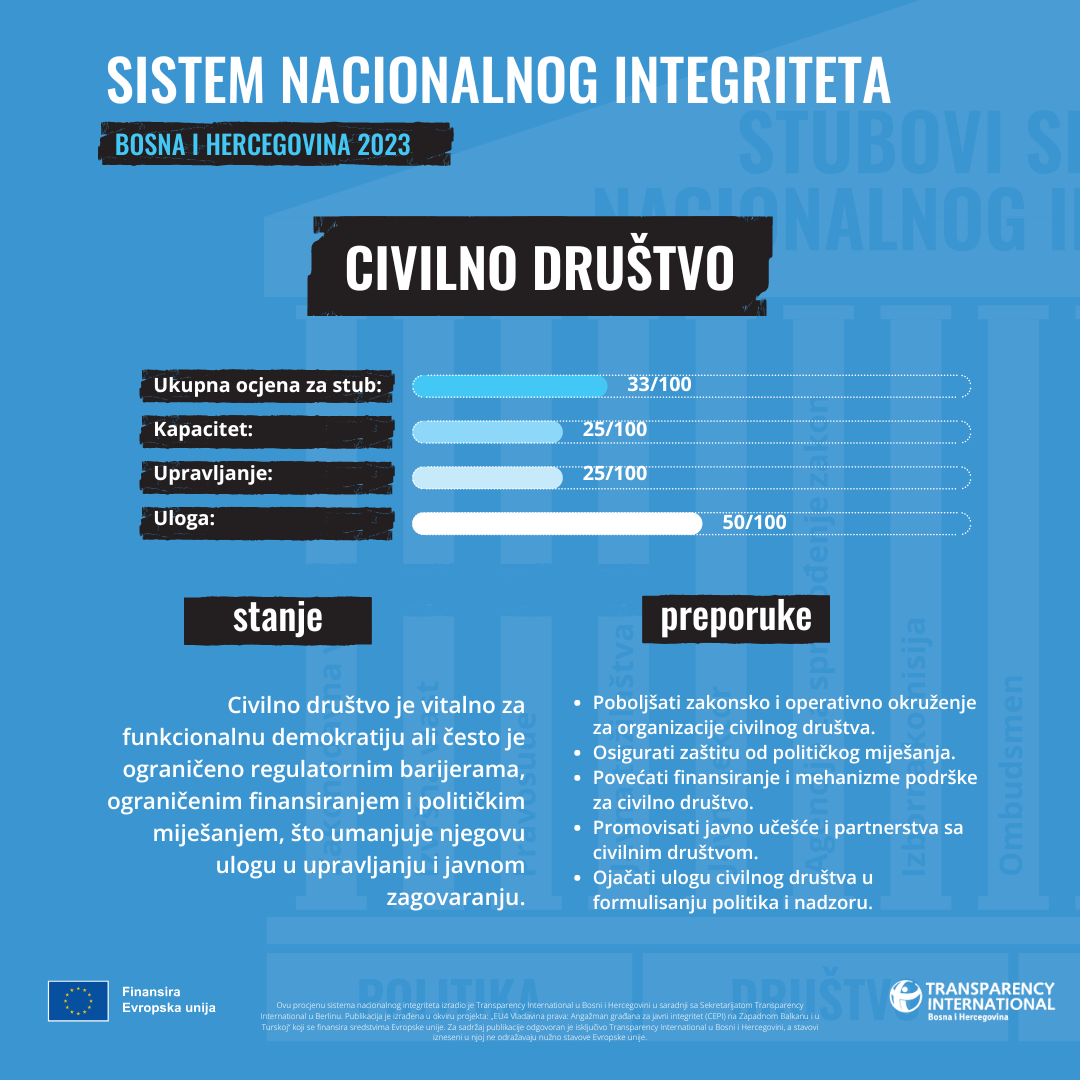
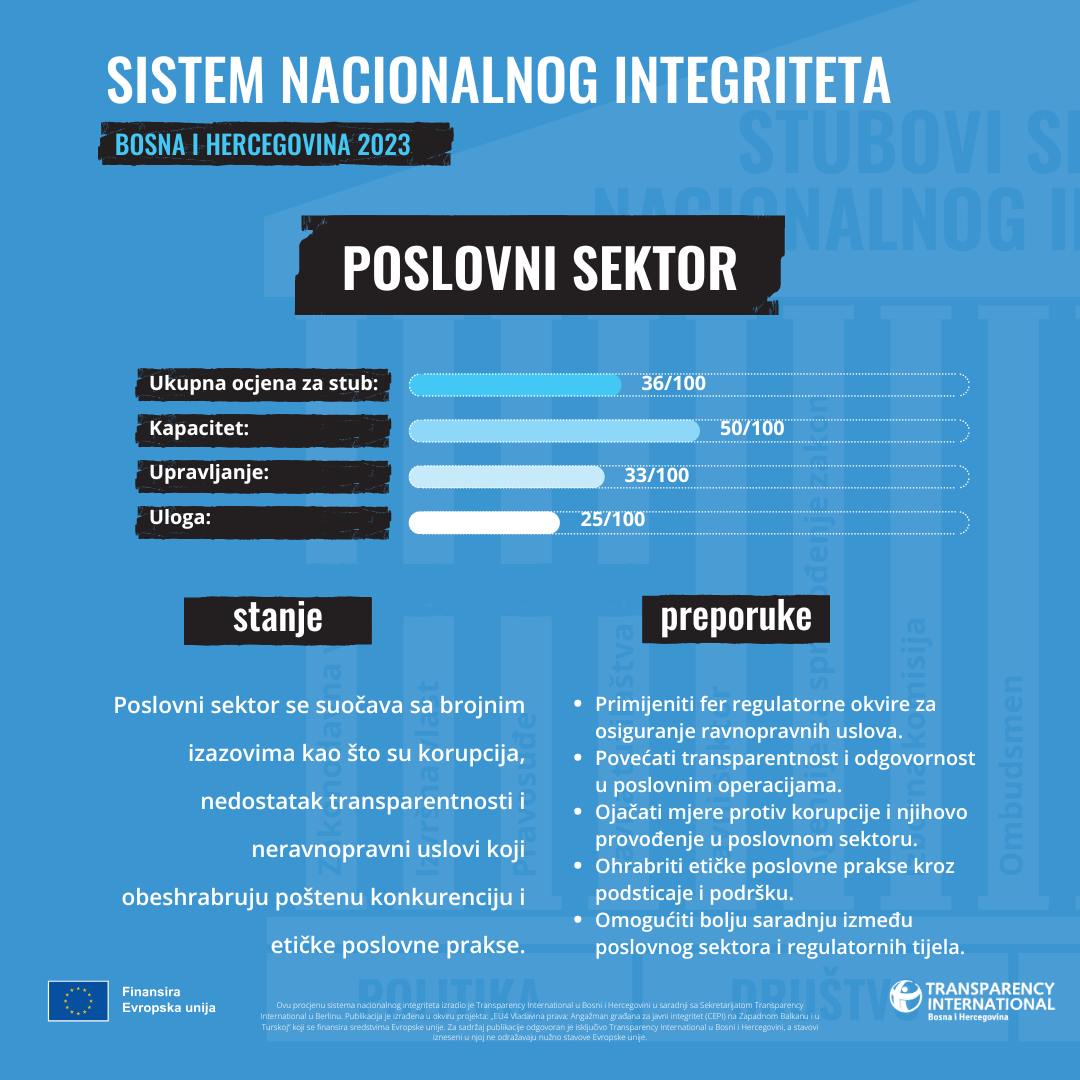
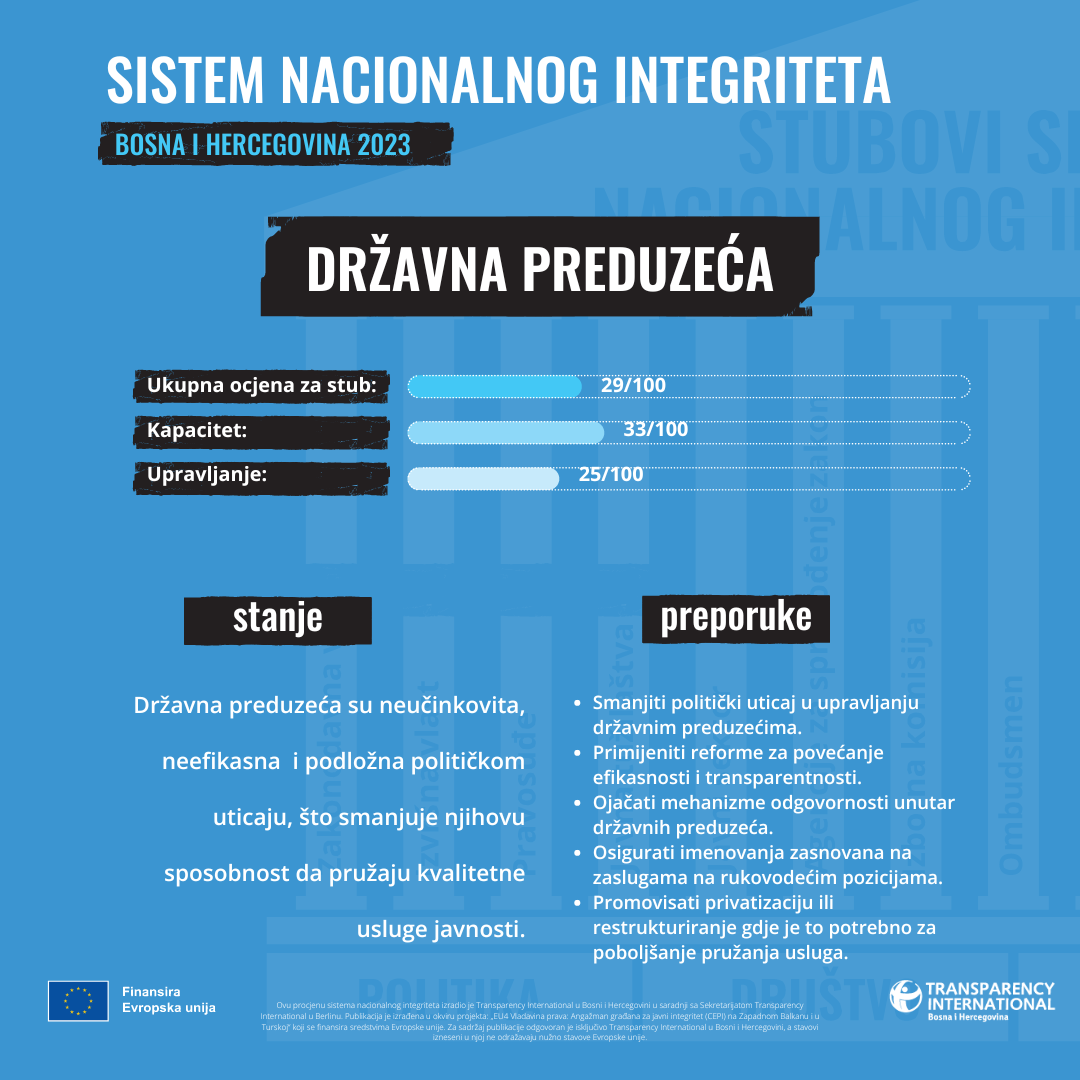
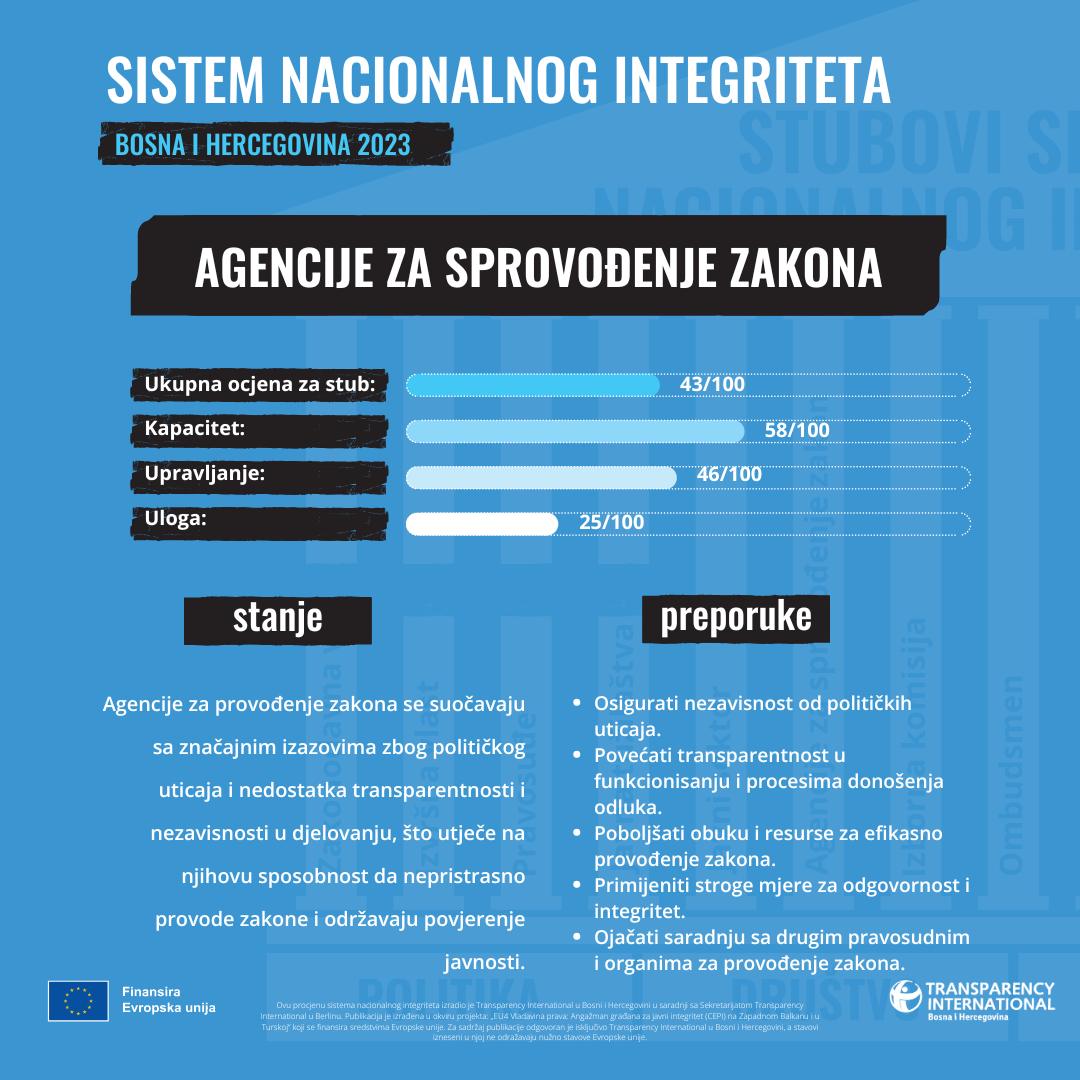
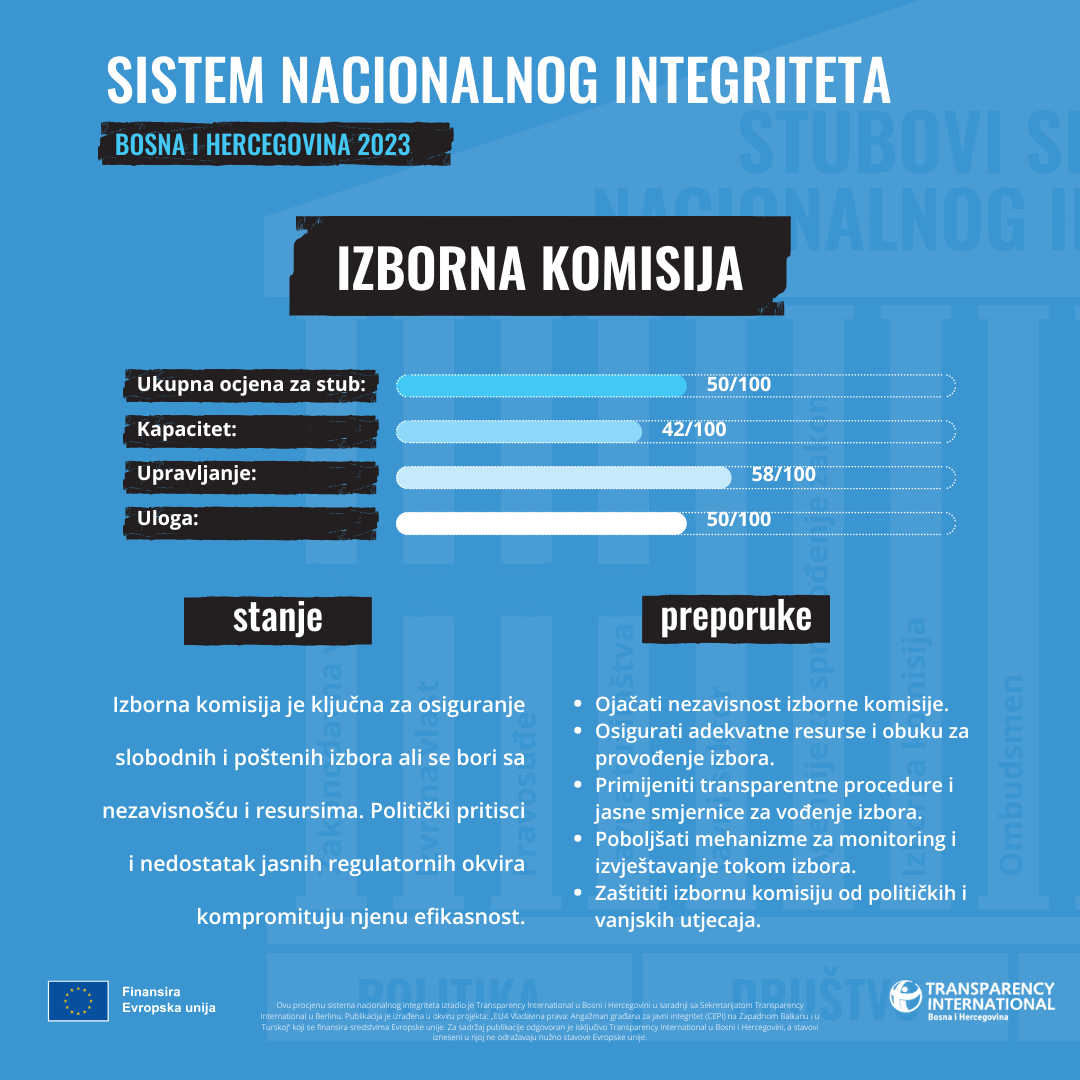
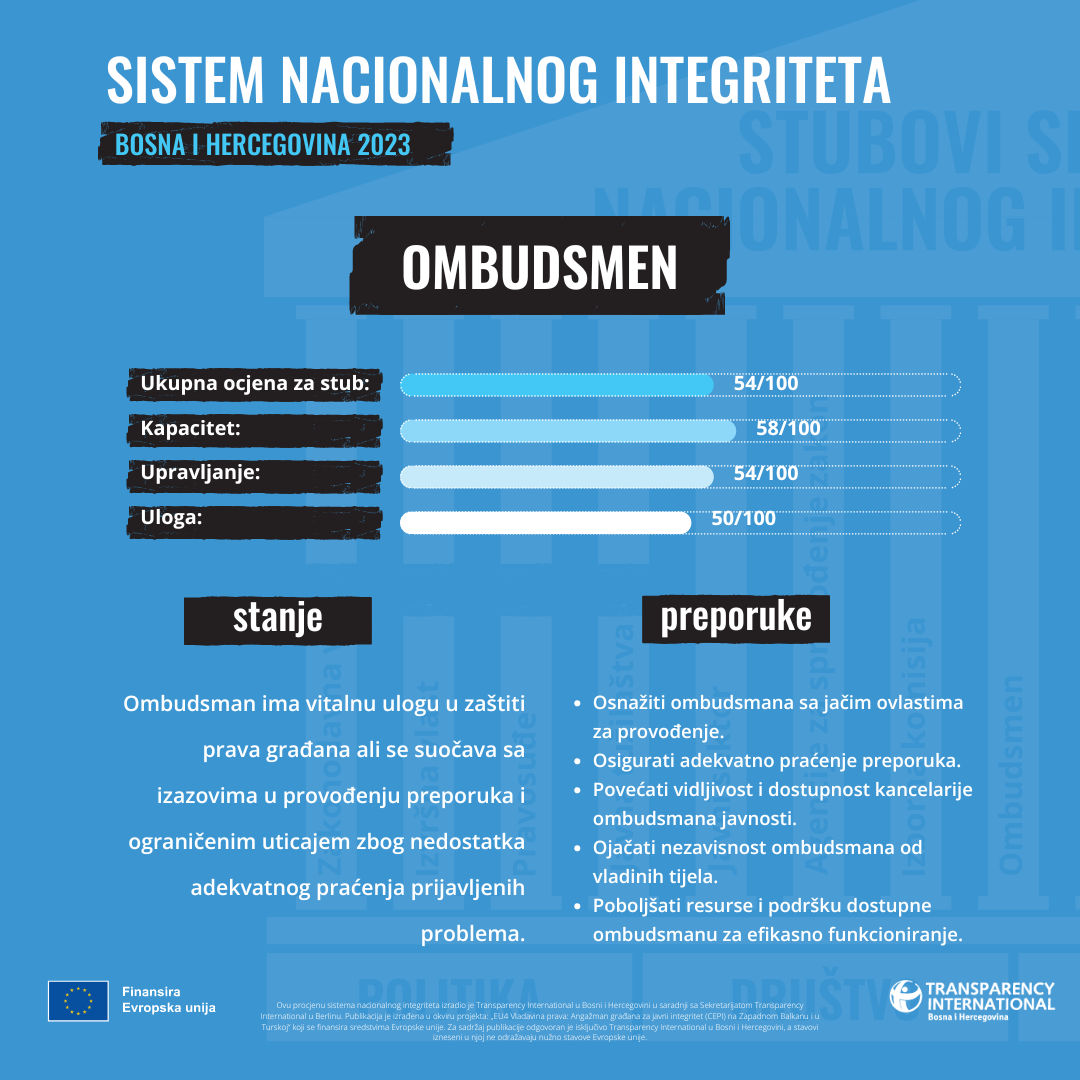
Sarajevo, April 23, 2024 In the last eight years, Bosnia and Herzegovina has recorded a decline in integrity in key areas that are important for combating corruption, according to the National Integrity Study (NIS) presented by Transparency International in BiH (TI BIH) on Tuesday, April 23 in Sarajevo. The integrity ratings of key institutions such as APIK declined between 2015 and 2023, while the biggest decline was recorded in the areas of public enterprise management, media freedom and civil society due to the authorities’ increasing efforts to suppress public criticism.

Most of the recommendations from the previous NIS related to the state of affairs in key sectors such as the work of the judiciary, prosecution of corruption, public sector, election administration or audit institutions have not been fulfilled, and significant deteriorations have been recorded both in the legal framework and in implementation.

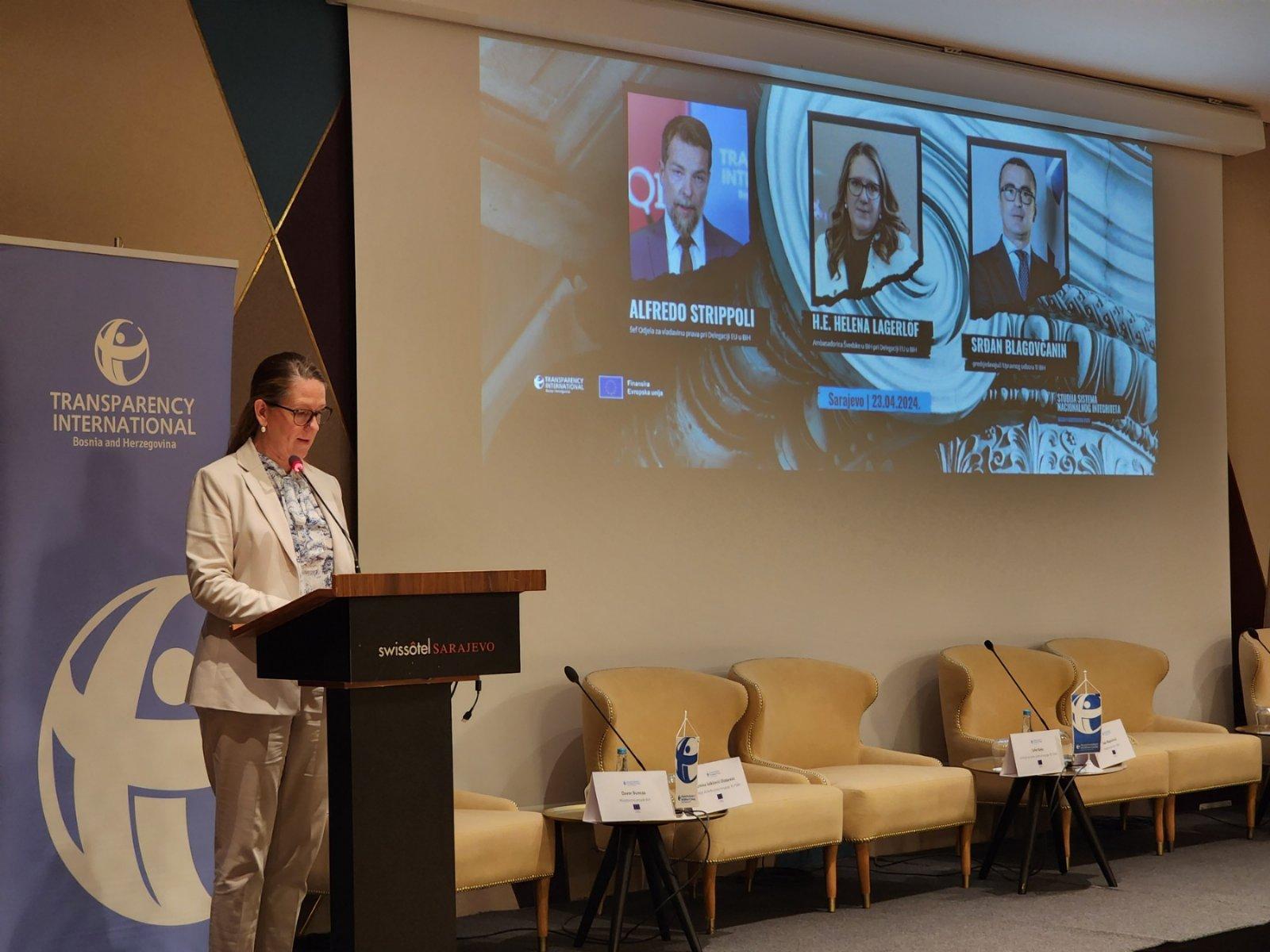
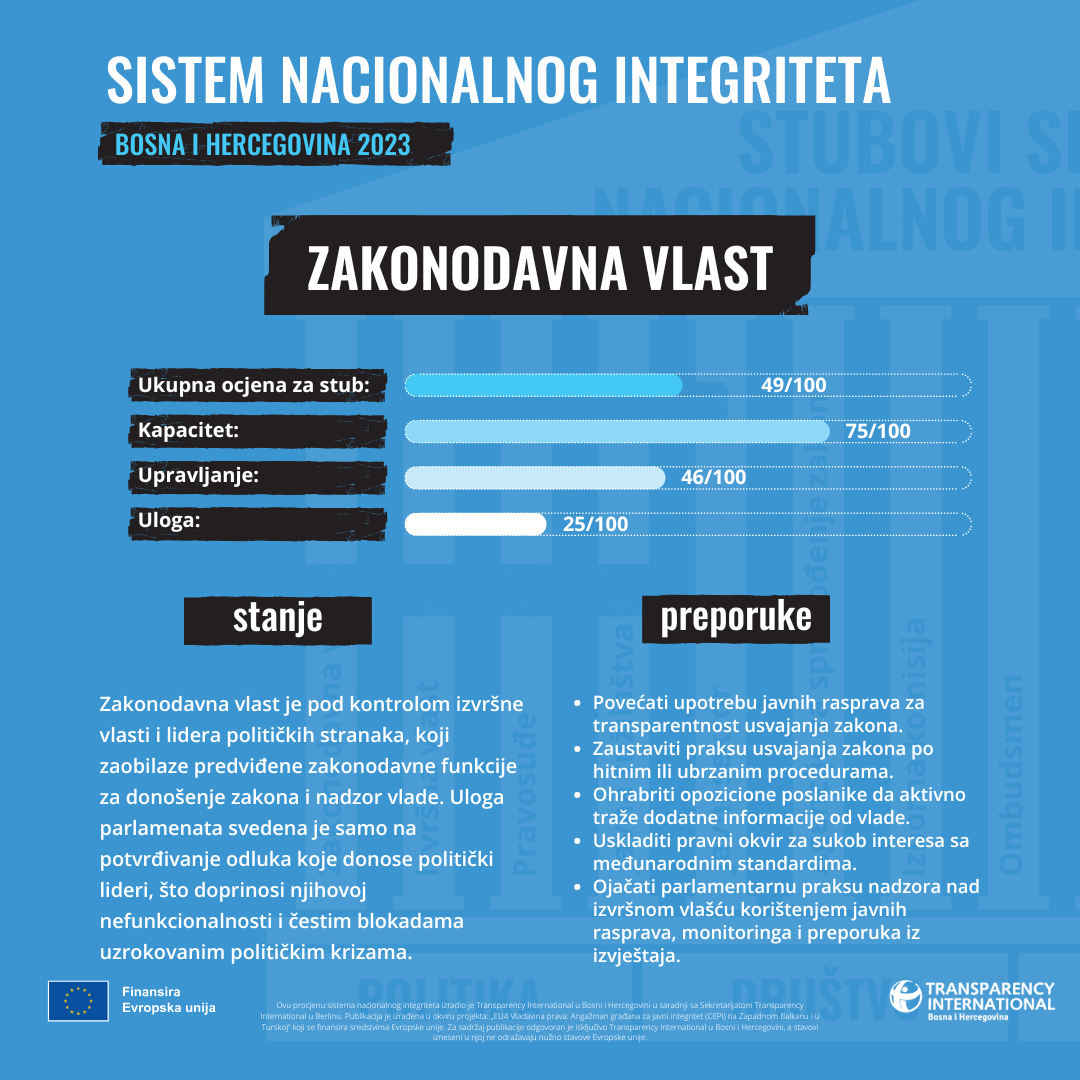
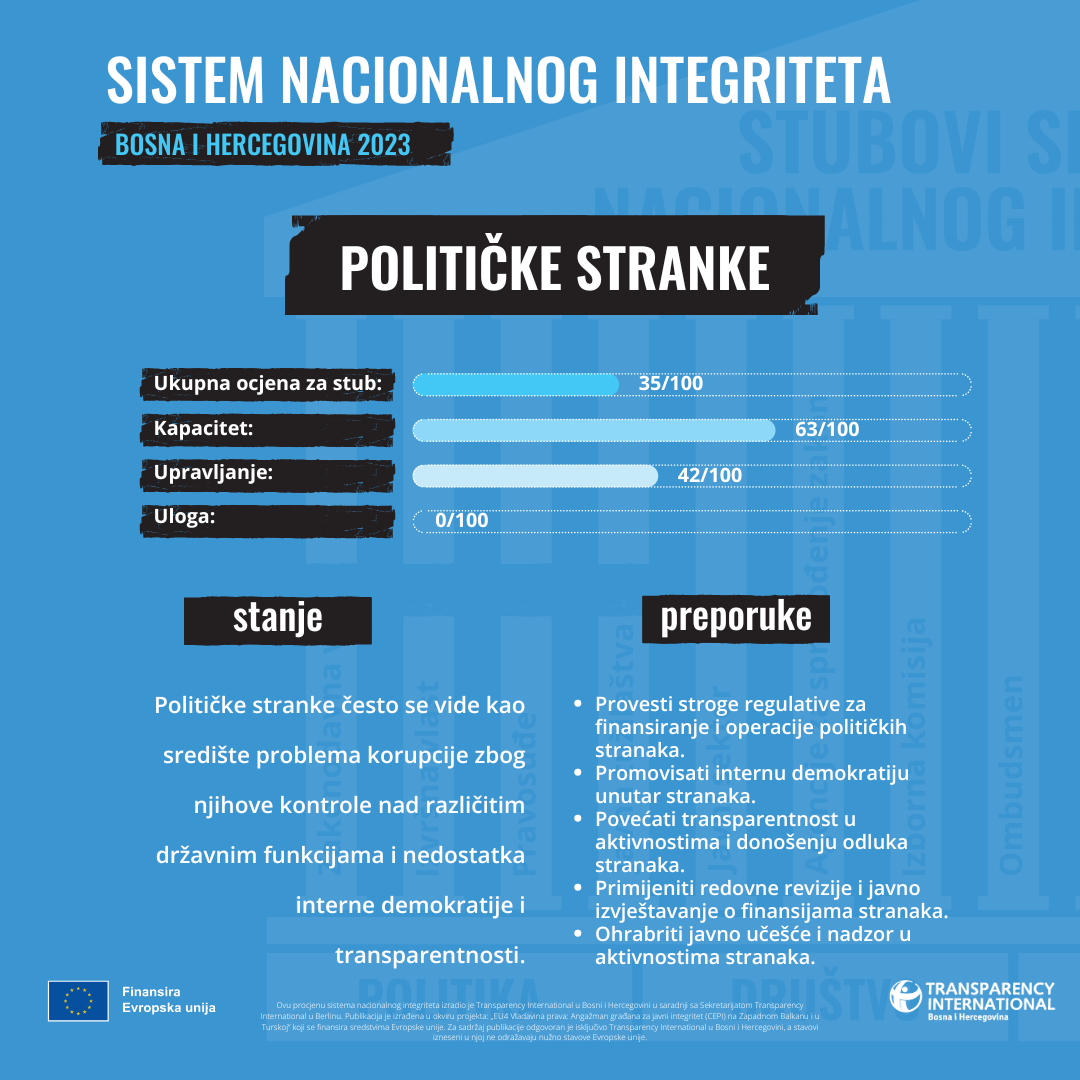
“NIS provides an in-depth analysis of all social pillars and identifies areas and places where urgent change is needed. The three main and supposedly independent branches of government: legislative, executive and judicial – are subject to the strong dominance of the second pillar, the political parties. The continuous tight control of political parties over institutions and very rigid control of staff recruitment is noticeable “, Srđan Blagovčanin, chairman of the board of directors of TI BiH said at the opening of the conference.

In a series of international reports, BiH has been labeled as a captive state where key institutions are under the control of the ruling elites, and the few remaining independent and critical voices have been silenced by placing those institutions under party control. The latest attacks on the electoral administration and the entire electoral system of the country are of particular concern.

“Sweden’s support in ensuring free and fair elections, the rule of law and freedom of expression in BiH means more than ever today because the country is experiencing a step backwards in some of these areas, which we regret. After the opening of accession negotiations, the EU expects BiH to fulfill its obligations and take steps towards a less corrupt and more transparent society. ” said H.E. Helena Lagerlöf, Ambassador of Sweden to Bosnia and Herzegovina.

The results of the Study indicate that certain positive steps that institutions in BiH have made in the recent period, such as the adoption of new legal solutions such as the Law on the Prevention of Conflict of Interest, have yet to demonstrate their reform effectiveness through practical application.

“The assessment indicates that BiH must improve the accountability and transparency of the public sector, including the management of public finances, transparent budgets, the prohibition of conflicts of interest and the depoliticization of public administration. Despite the numerous unresolved challenges highlighted throughout the Study, there were a number of positive developments that led the European Commission to recommend and the European Council to decide on the opening of accession negotiations with Bosnia and Herzegovina last month. ” said Alfredo Strippoli, head of the Rule of Law Section at the EU Office in Bosnia and Herzegovina. “Some of these long-awaited reforms are yet to produce the expected result as efforts to implement them are ongoing,” Strippoli added.

Various organizations dedicated to the fight against corruption, along with the media, civil society and the private sector, faced significant challenges, finding themselves excluded from the social and political discourse. This situation, together with the difficulties faced by the institutions evaluated in this Study, significantly affected the emigration of highly qualified individuals, which represents a significant problem of brain drain in the country.

In order to stop these negative trends, it is necessary to improve the accountability and transparency of the public sector in BiH through better management of public finances, transparent budgets, prohibition of conflicts of interest and depoliticization of the administration, which are key recommendations from this year’s NIS.

Press rls_24.04.24_


Additional content

Photo gallery

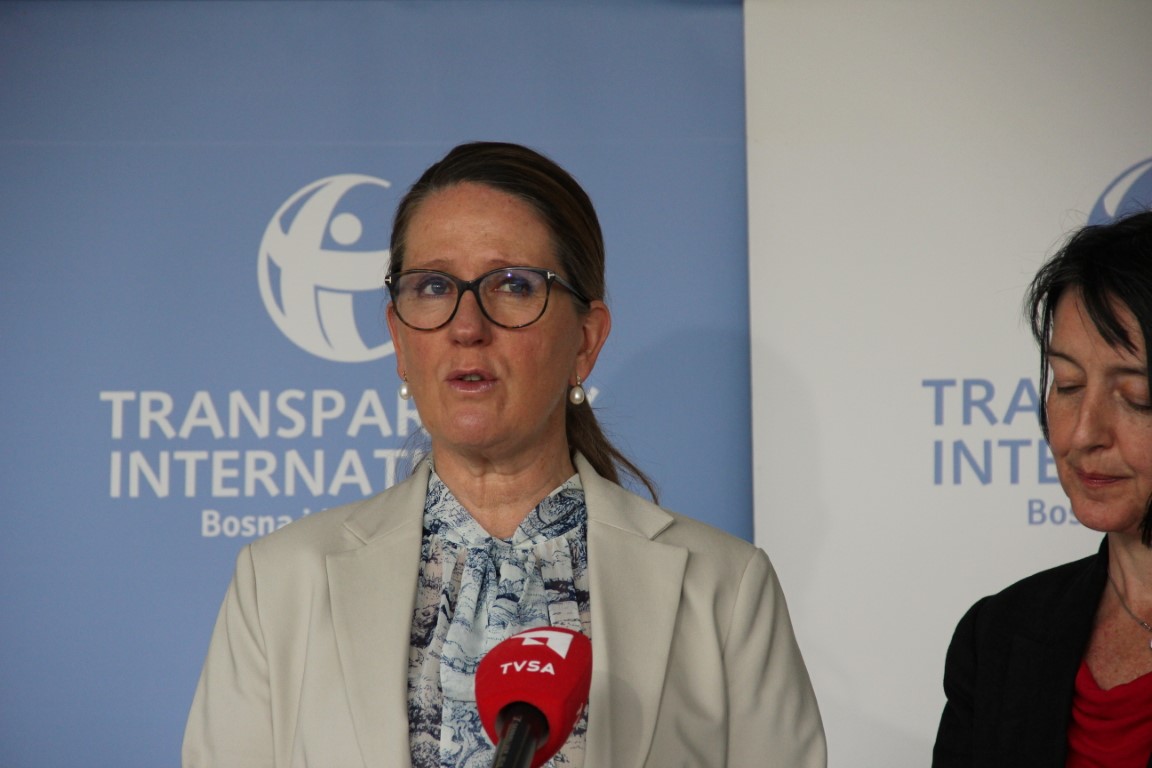
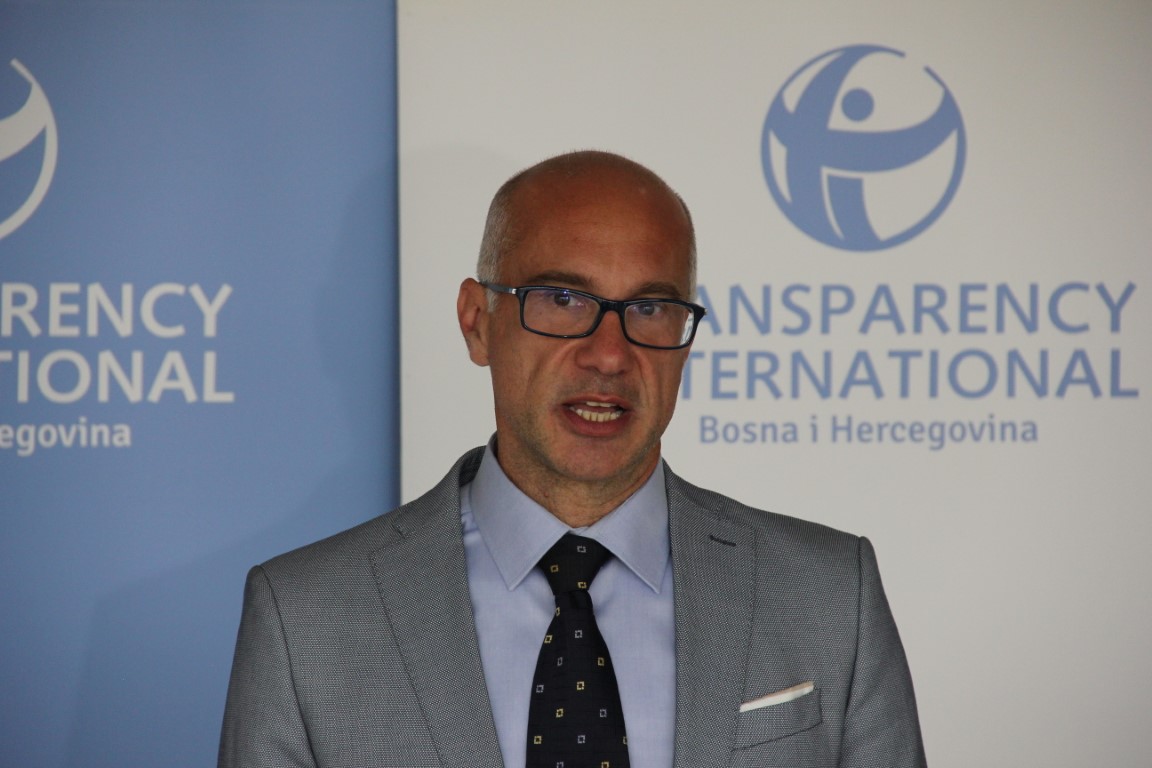
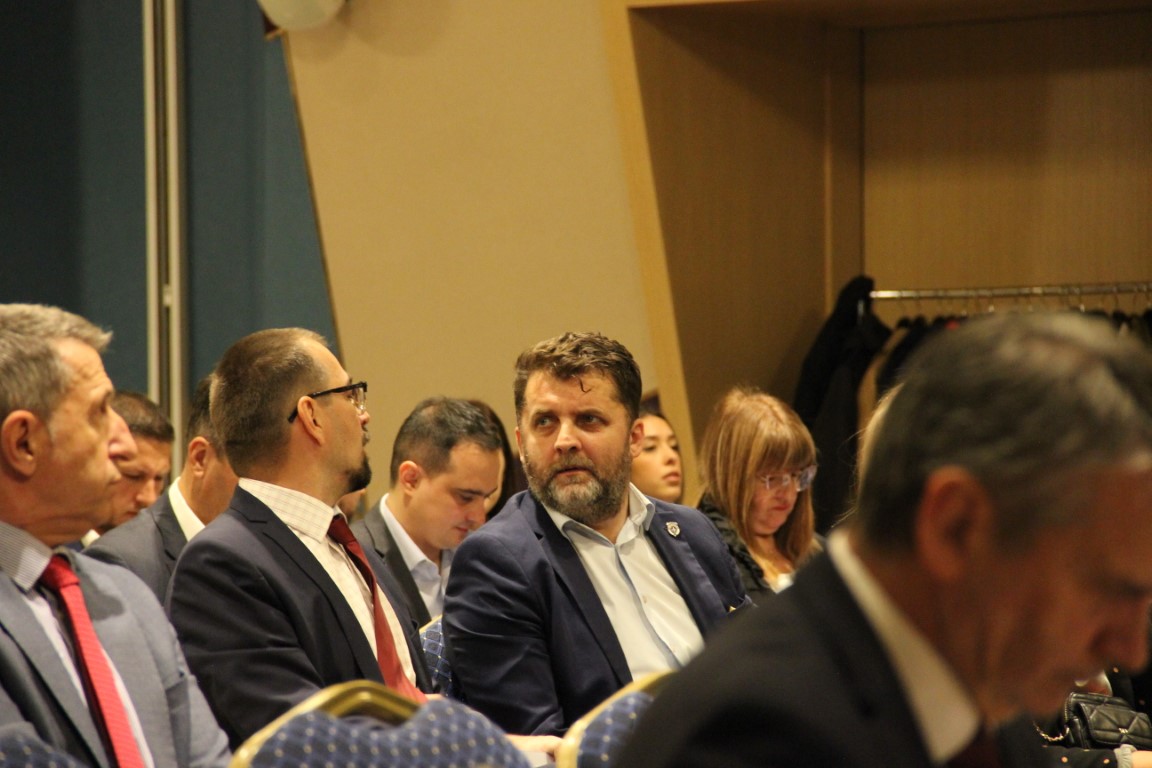
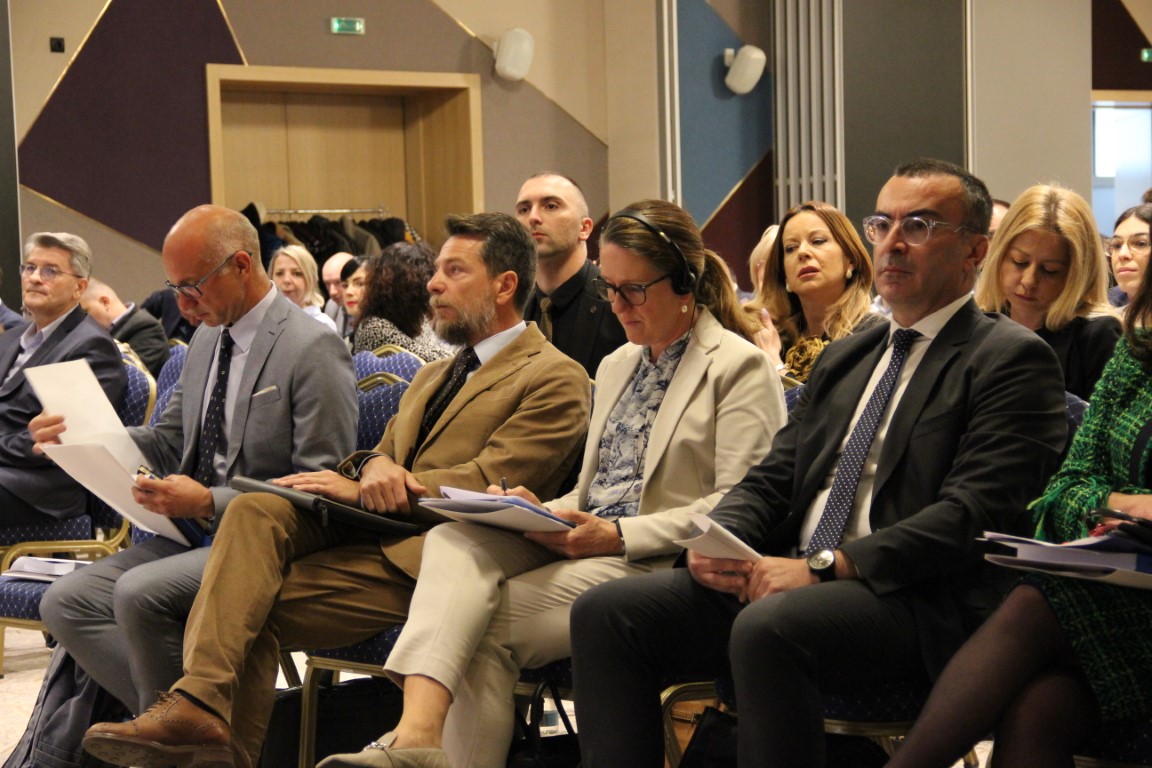
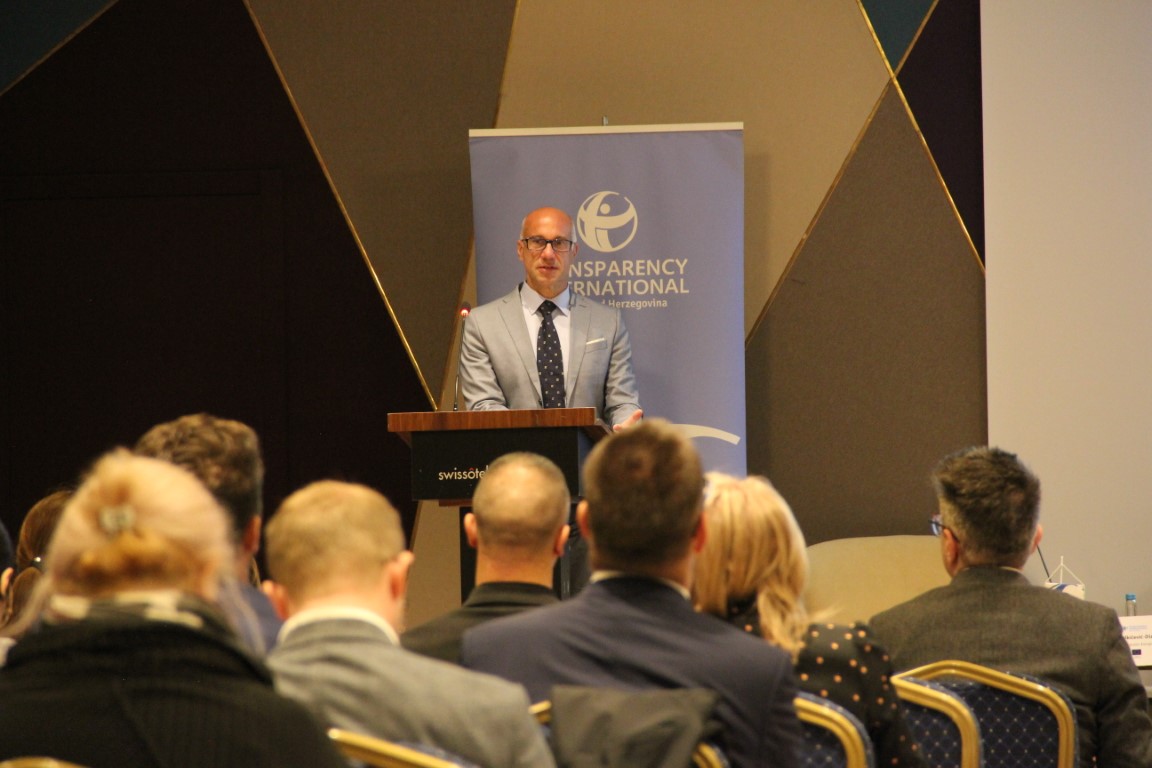
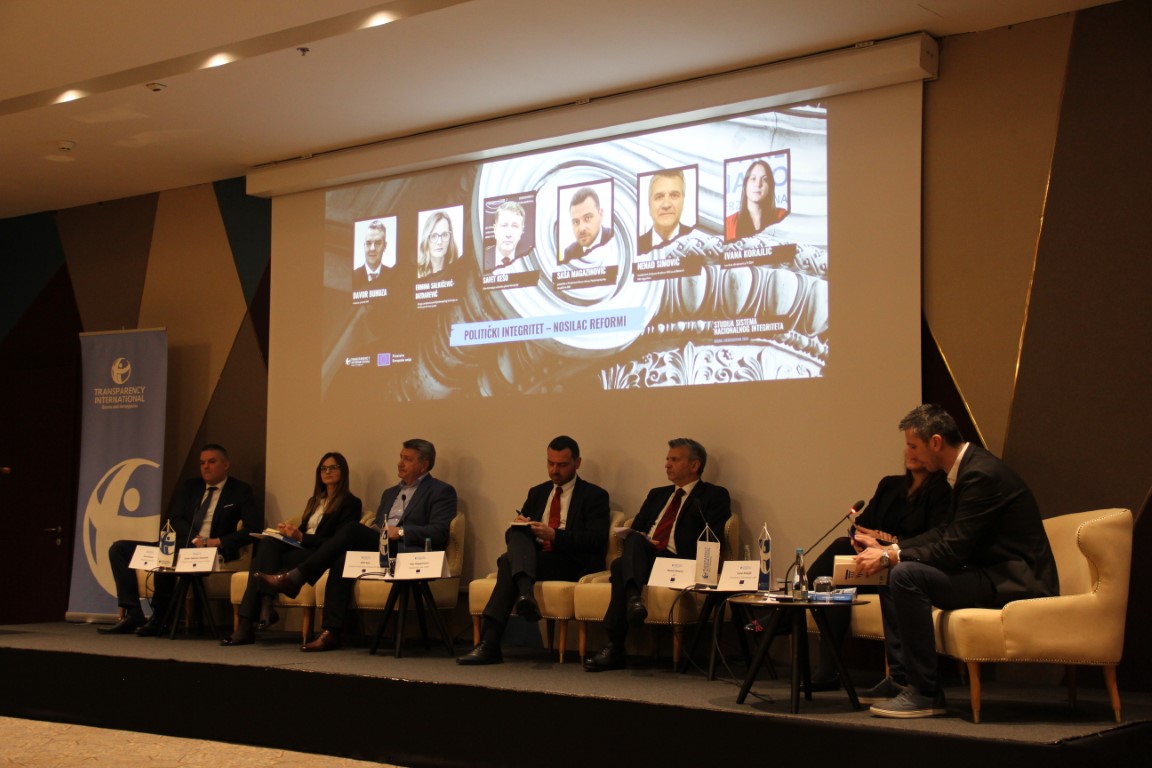
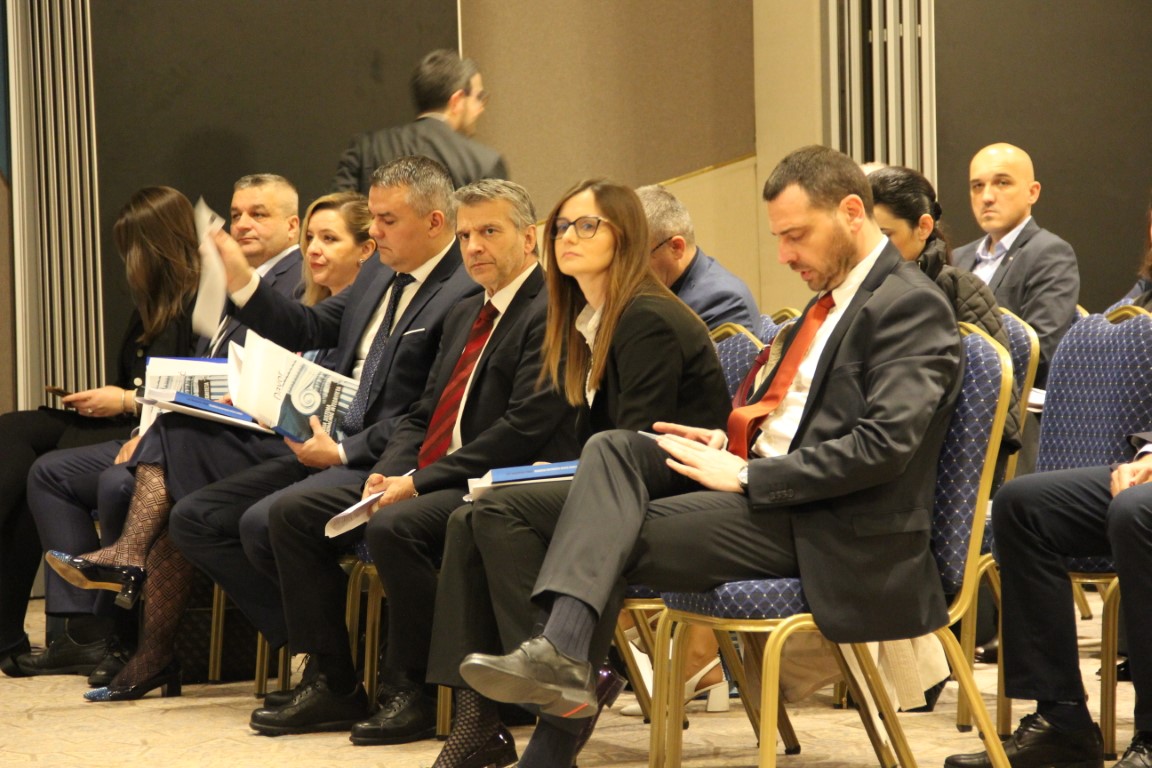
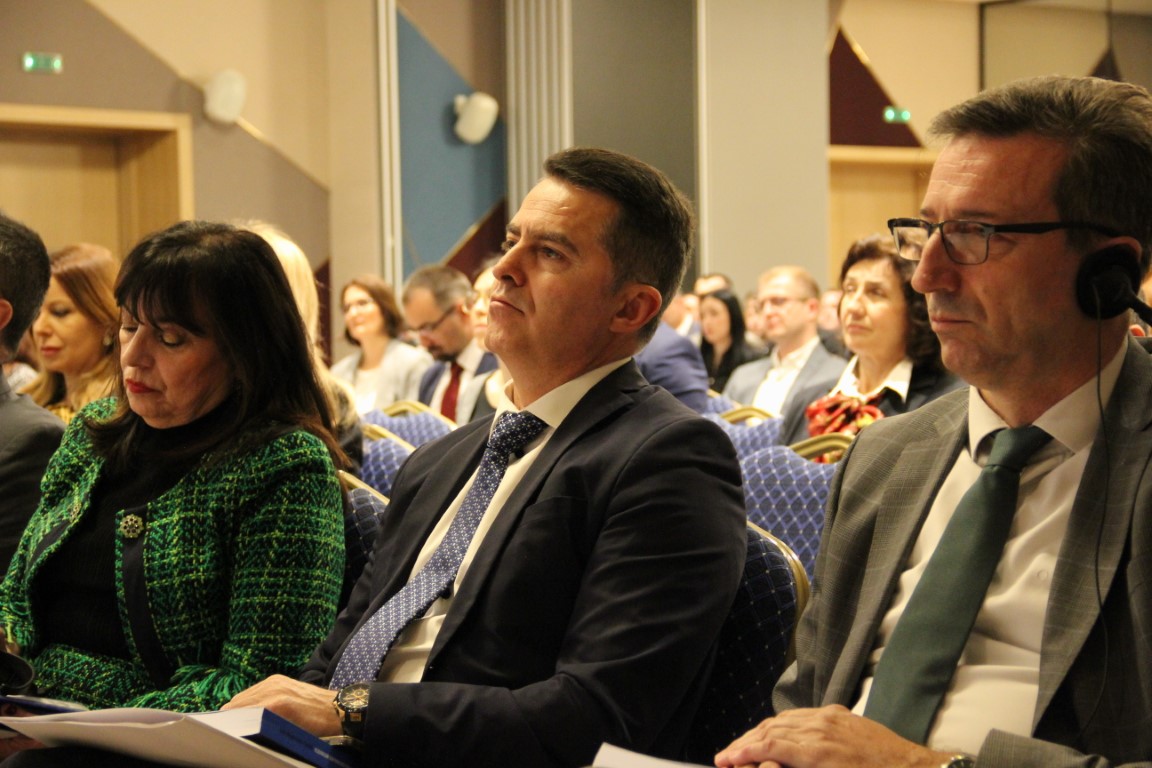
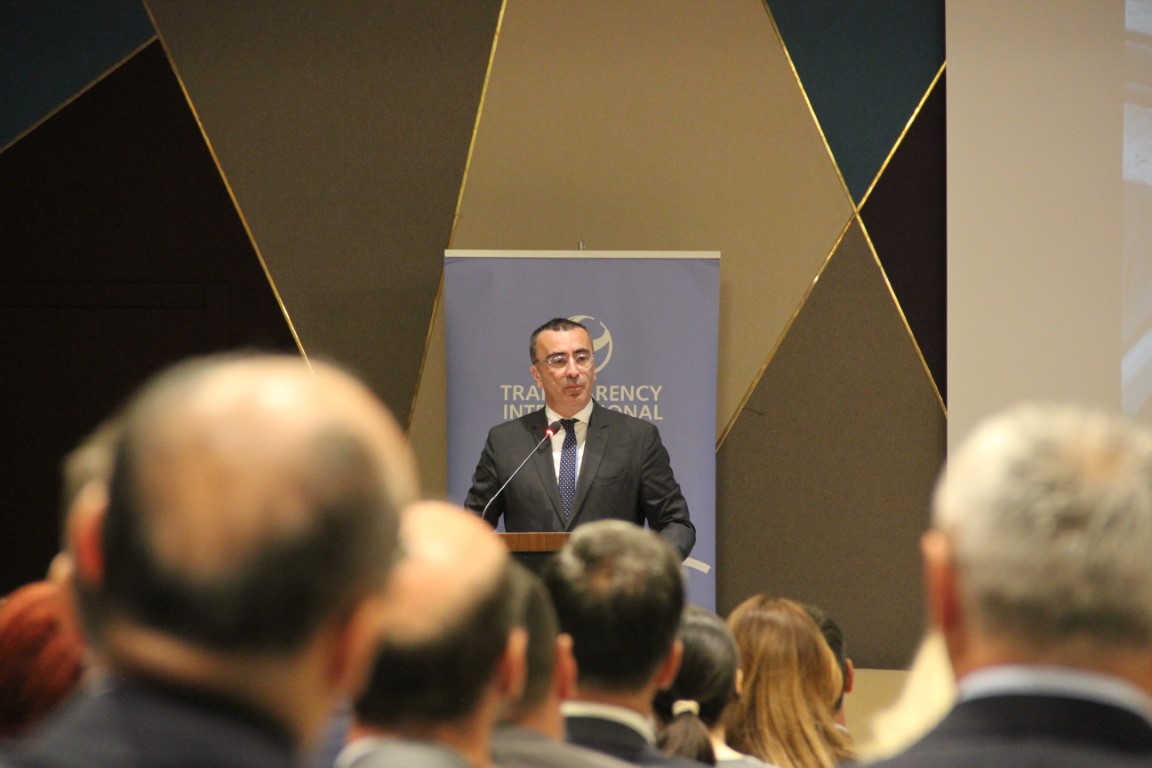
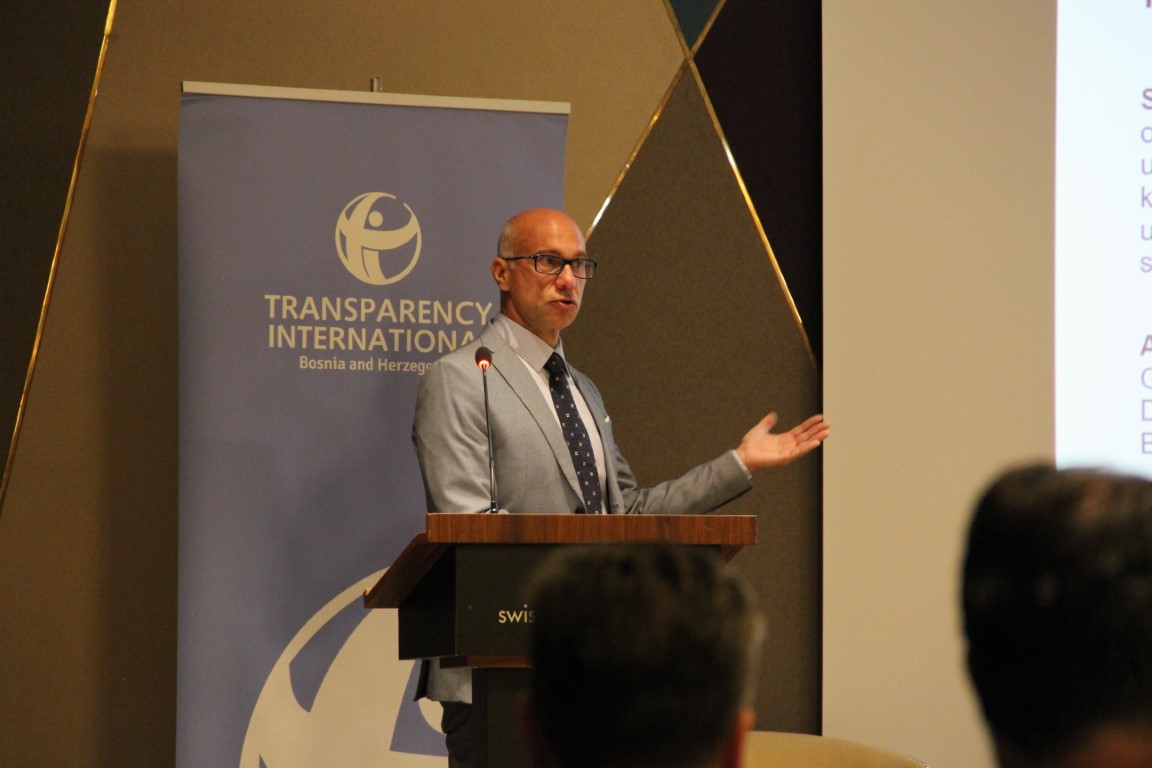
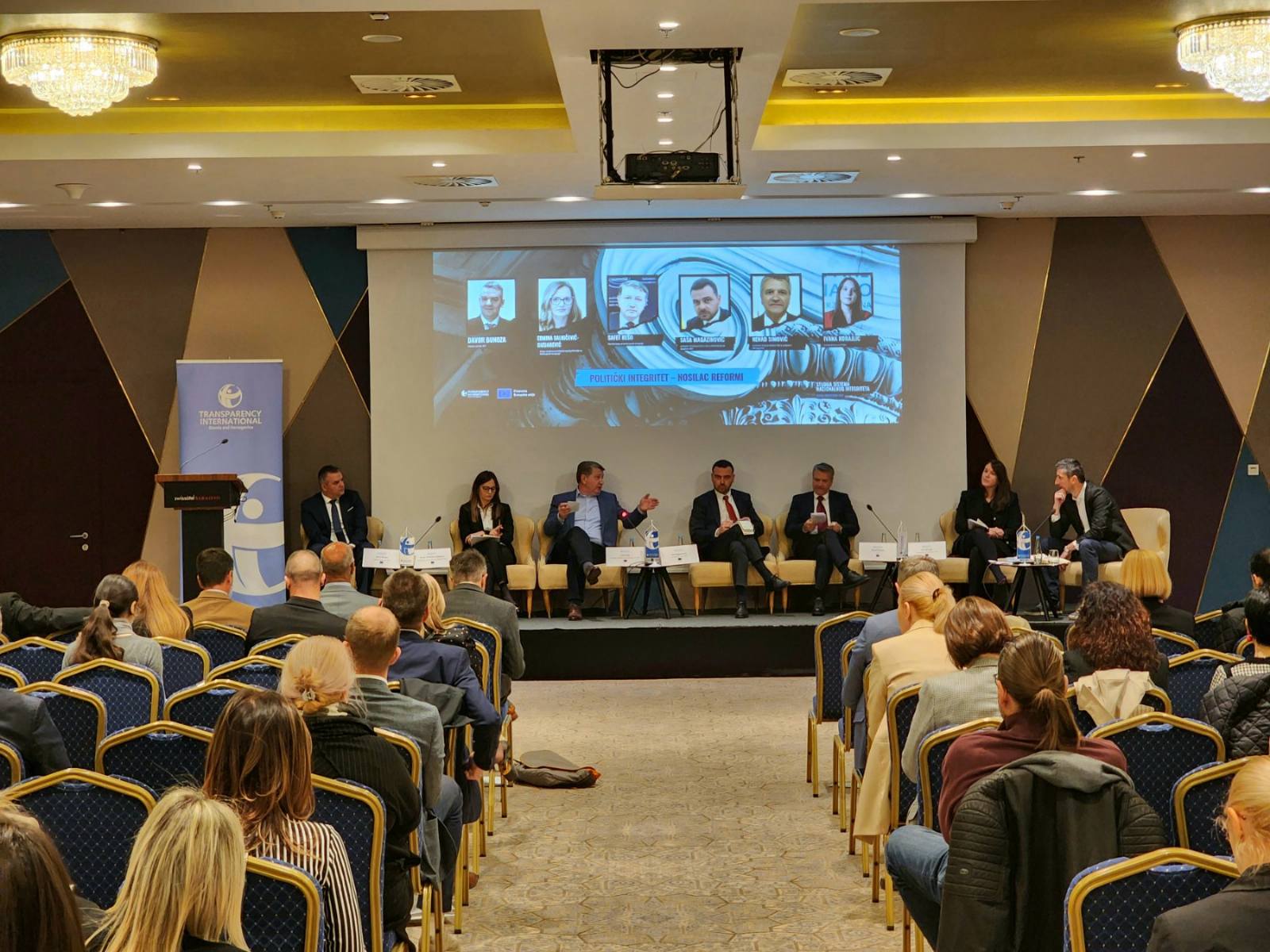
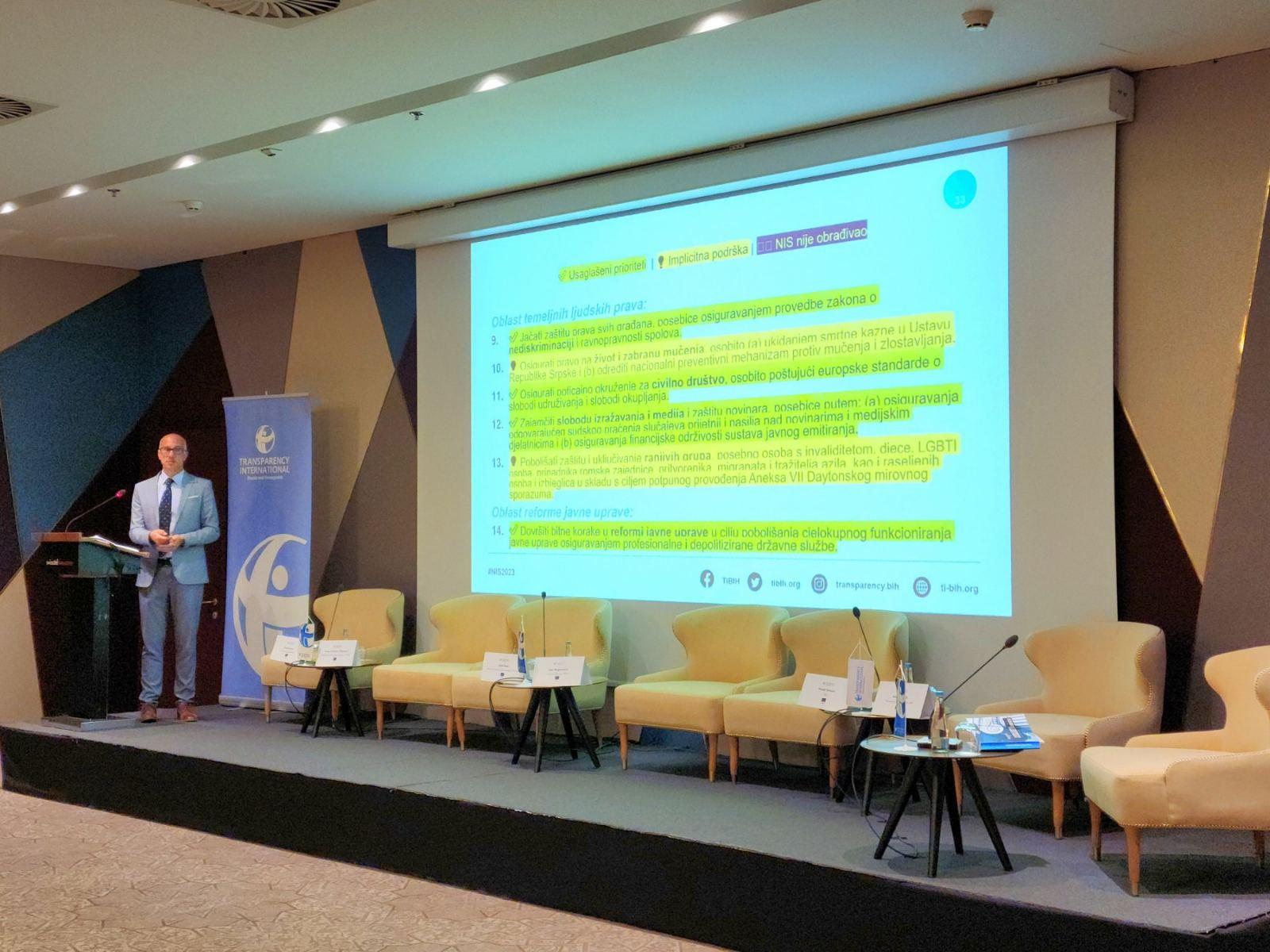
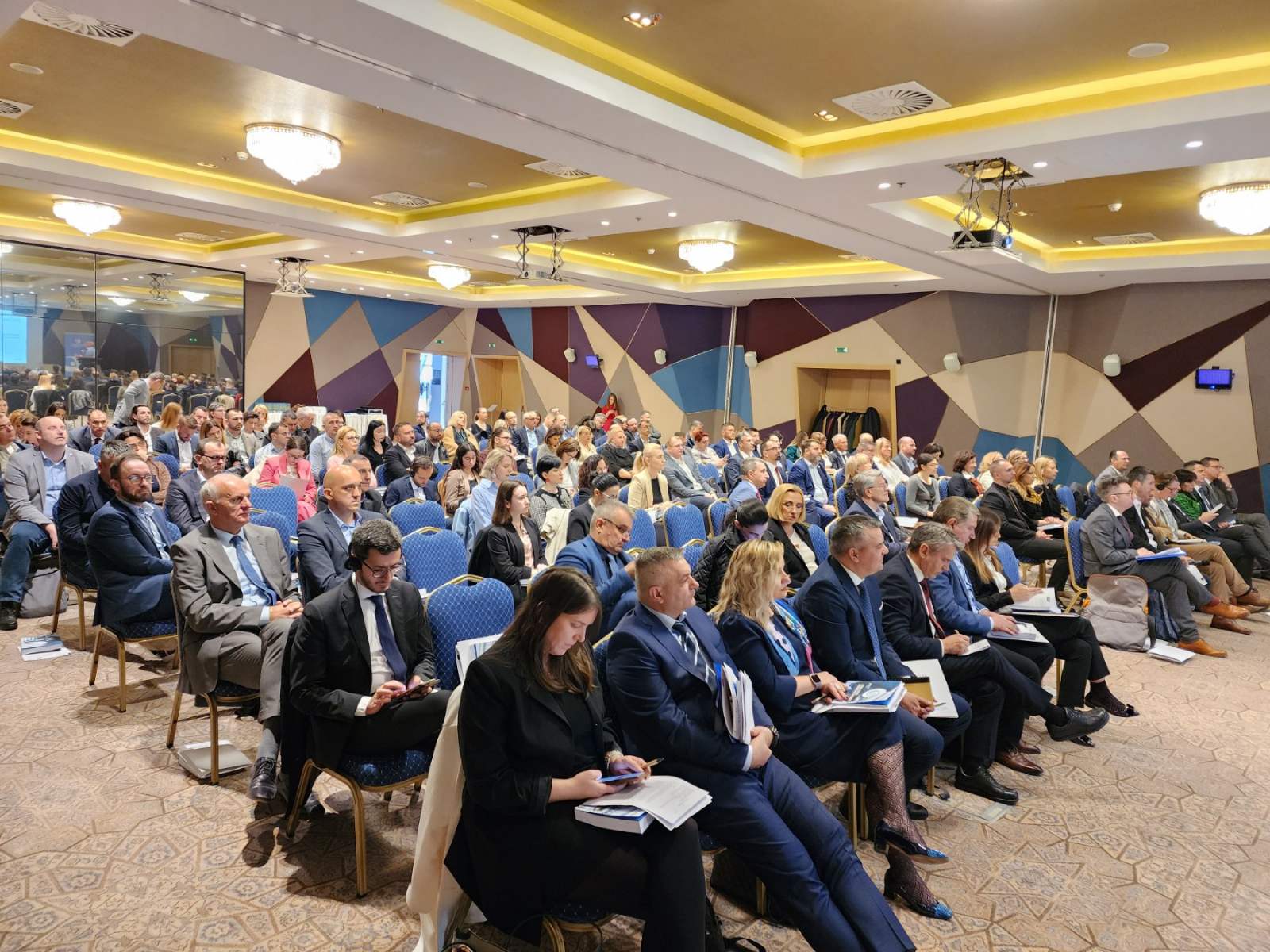
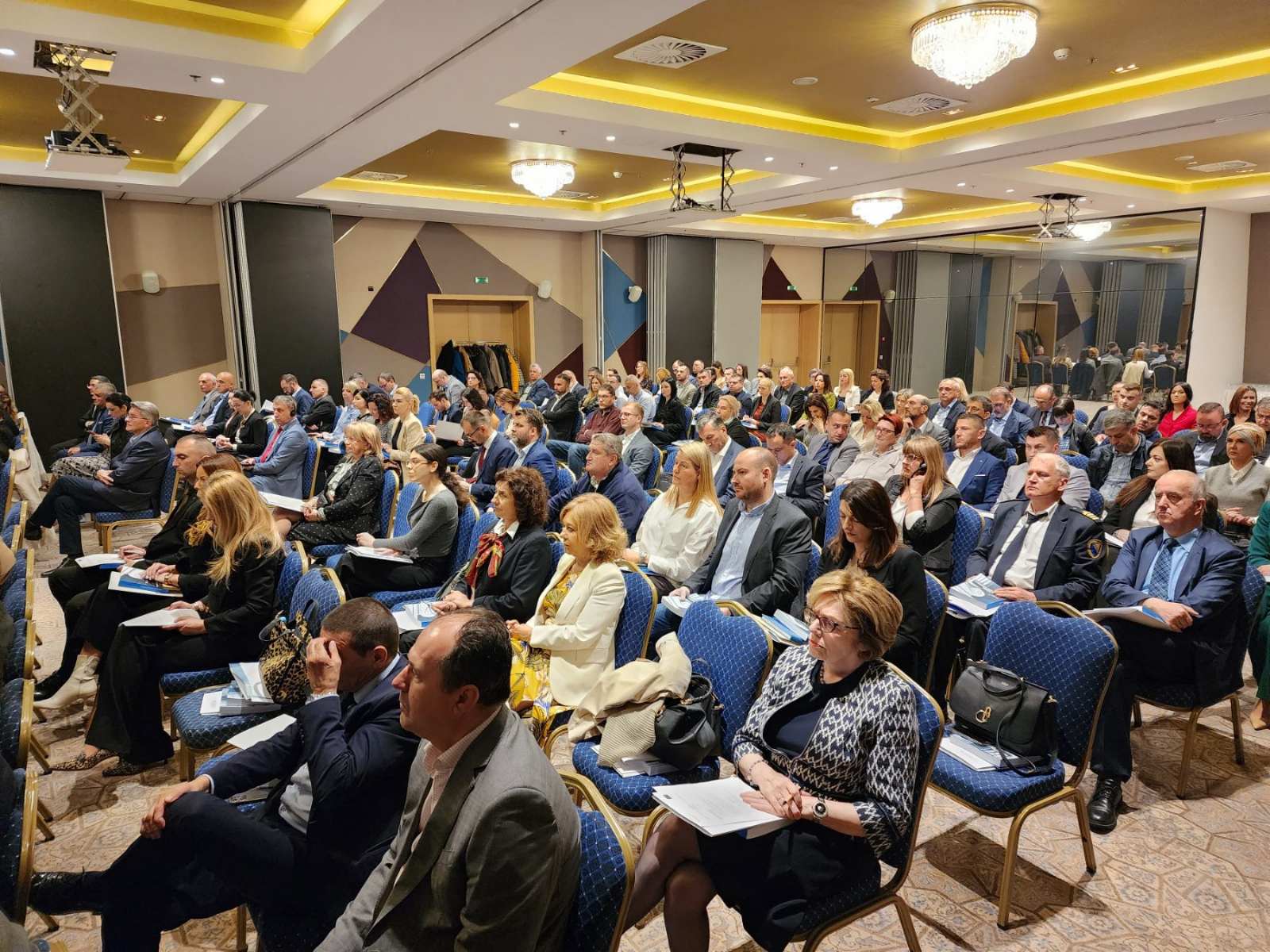
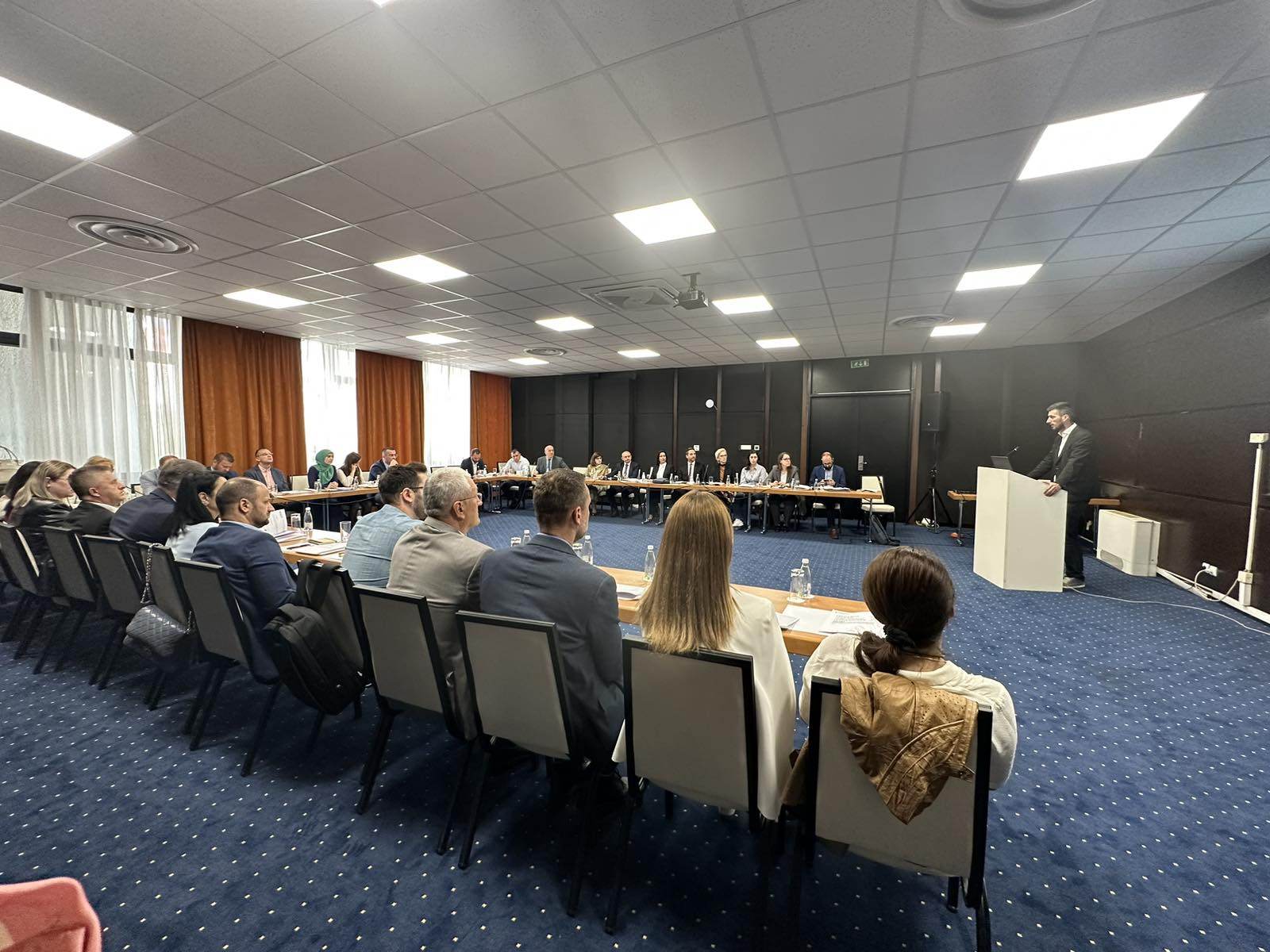
Photos from the event “Presentation of the National Integrity (NIS) Study: Strengthening Resistance to Corruption” held on April 23, 2024 at the Swissotel Sarajevo.

NIS BiH 2023

Promotional material


The Low Level of Transparency of Institutions Undermines Citizens’ Confidence in their Work

Sarajevo, June 14, 2023 – The work of governments and assemblies of cantons, entities and parliaments at the state level in Bosnia and Herzegovina is insufficiently public,...

TI BiH
Izvještaji za Mediae

The Low Level of Transparency of Institutions Undermines Citizens’ Confidence in their Work

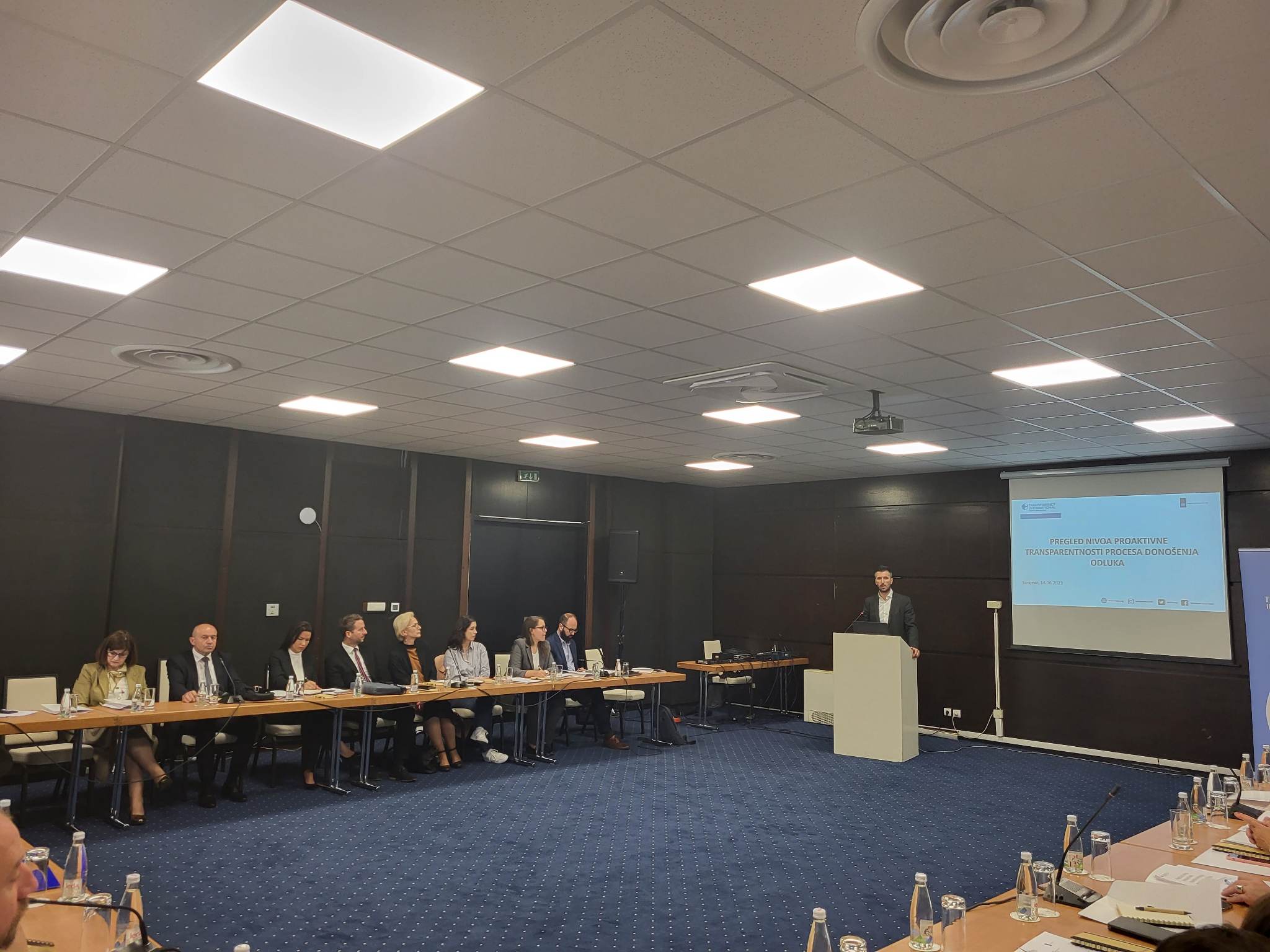
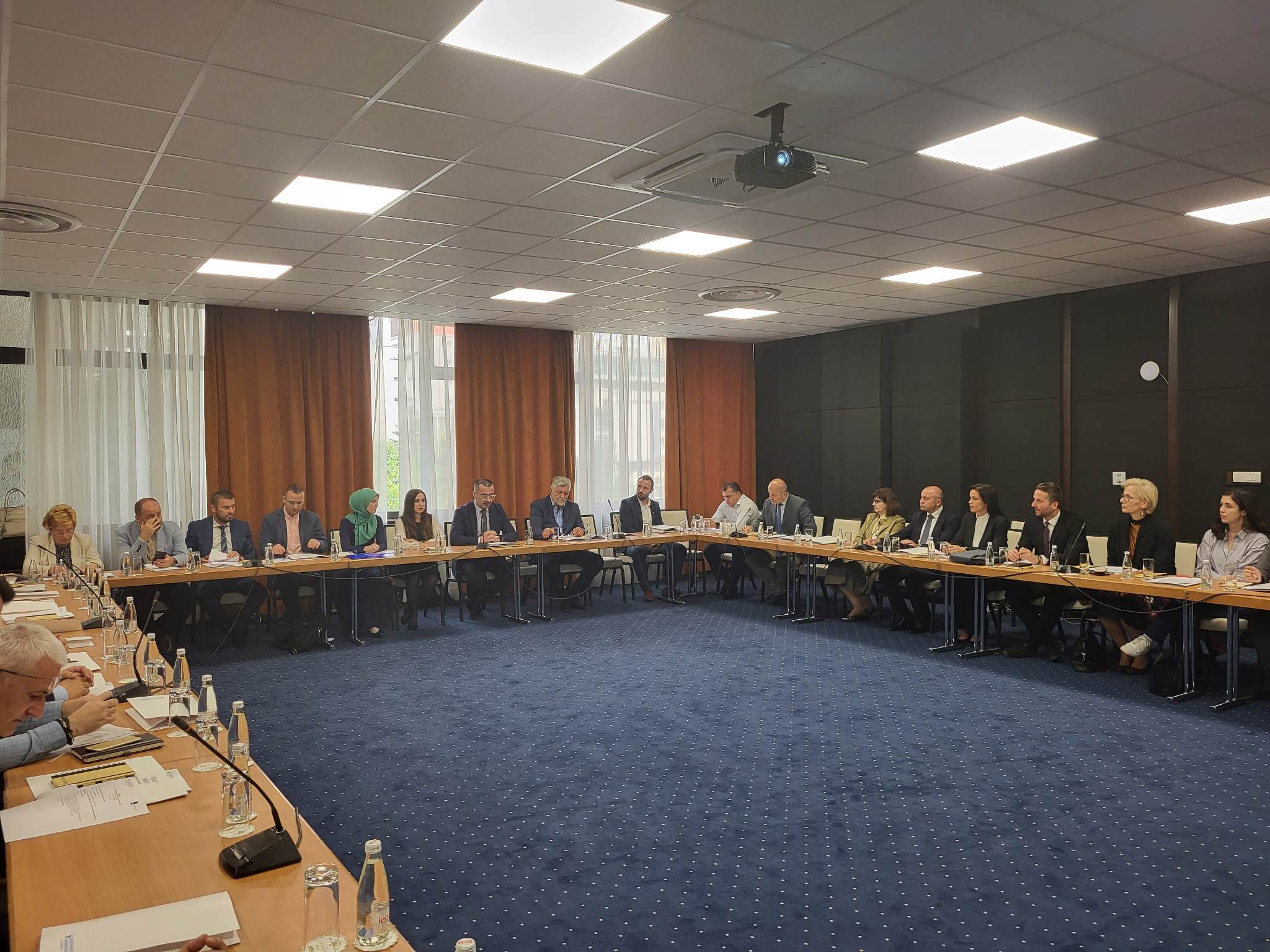
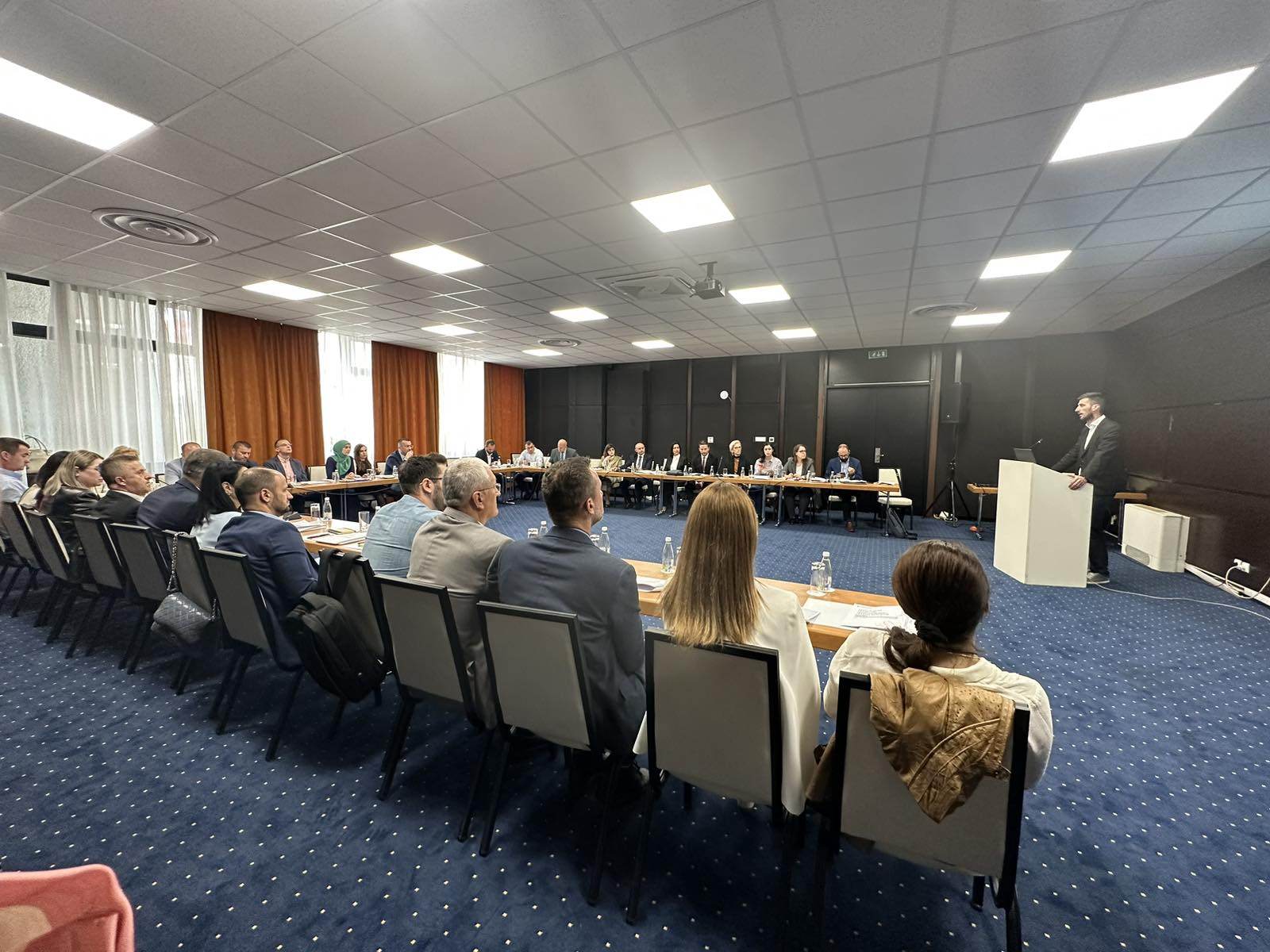
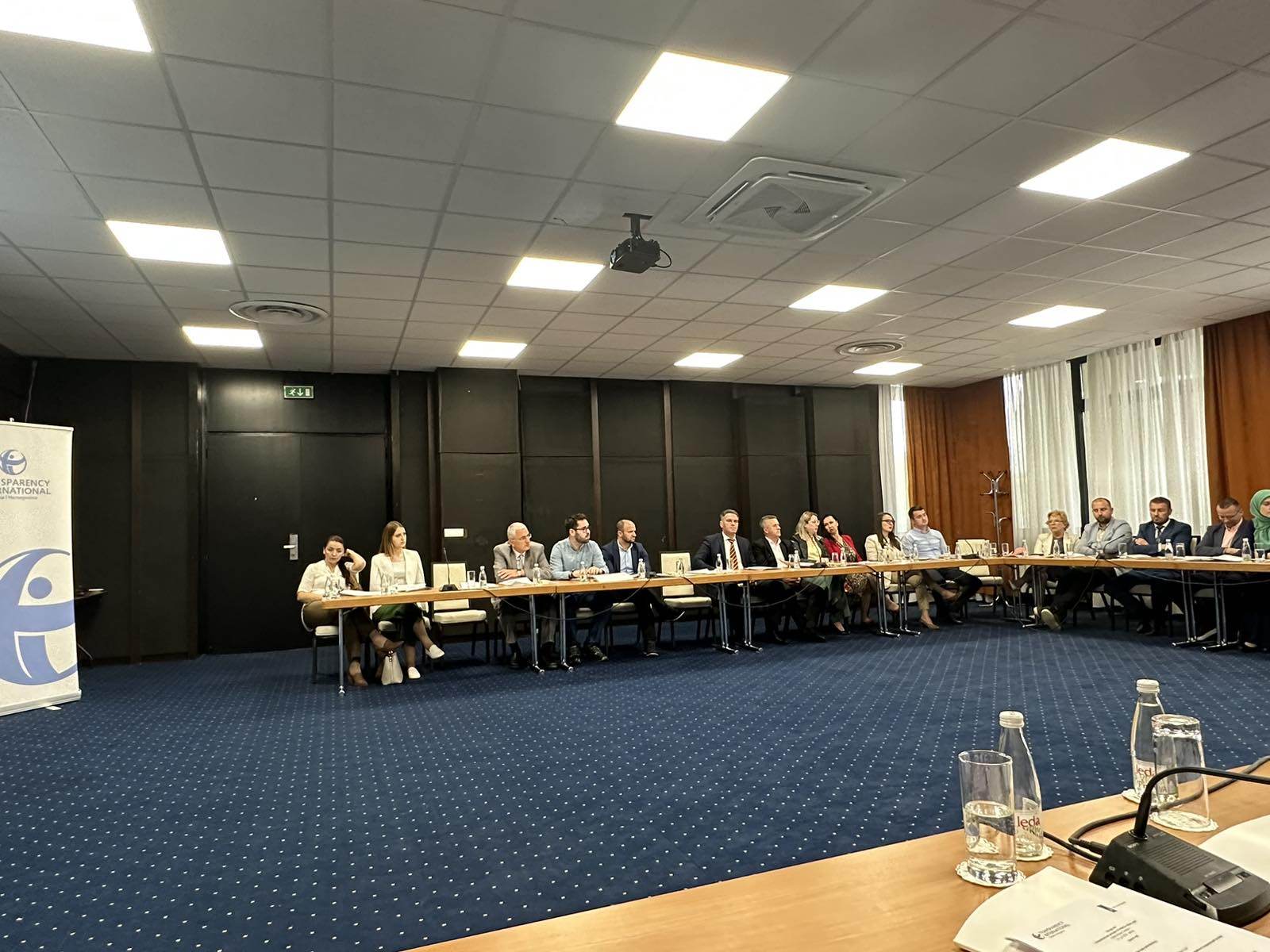
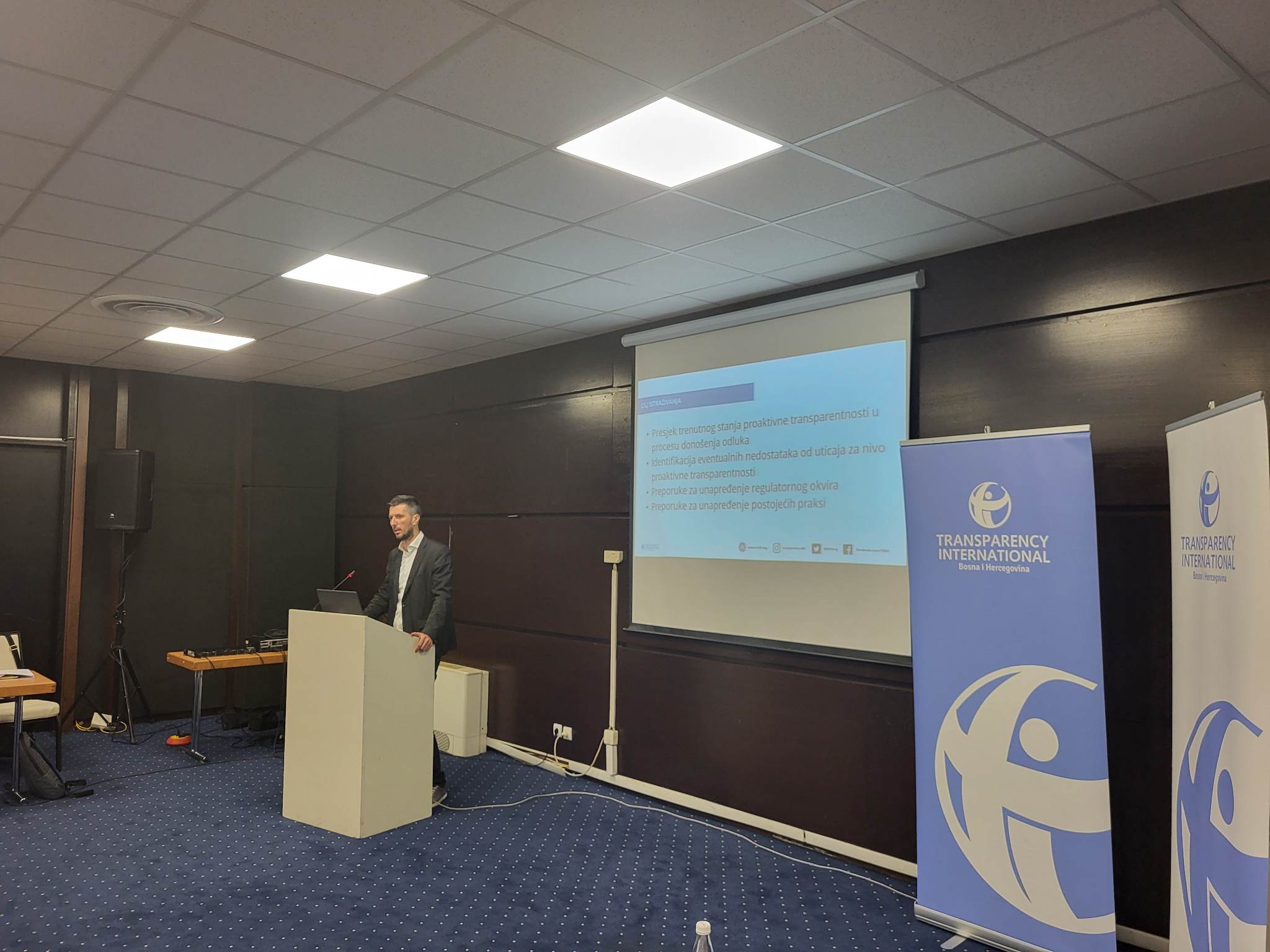
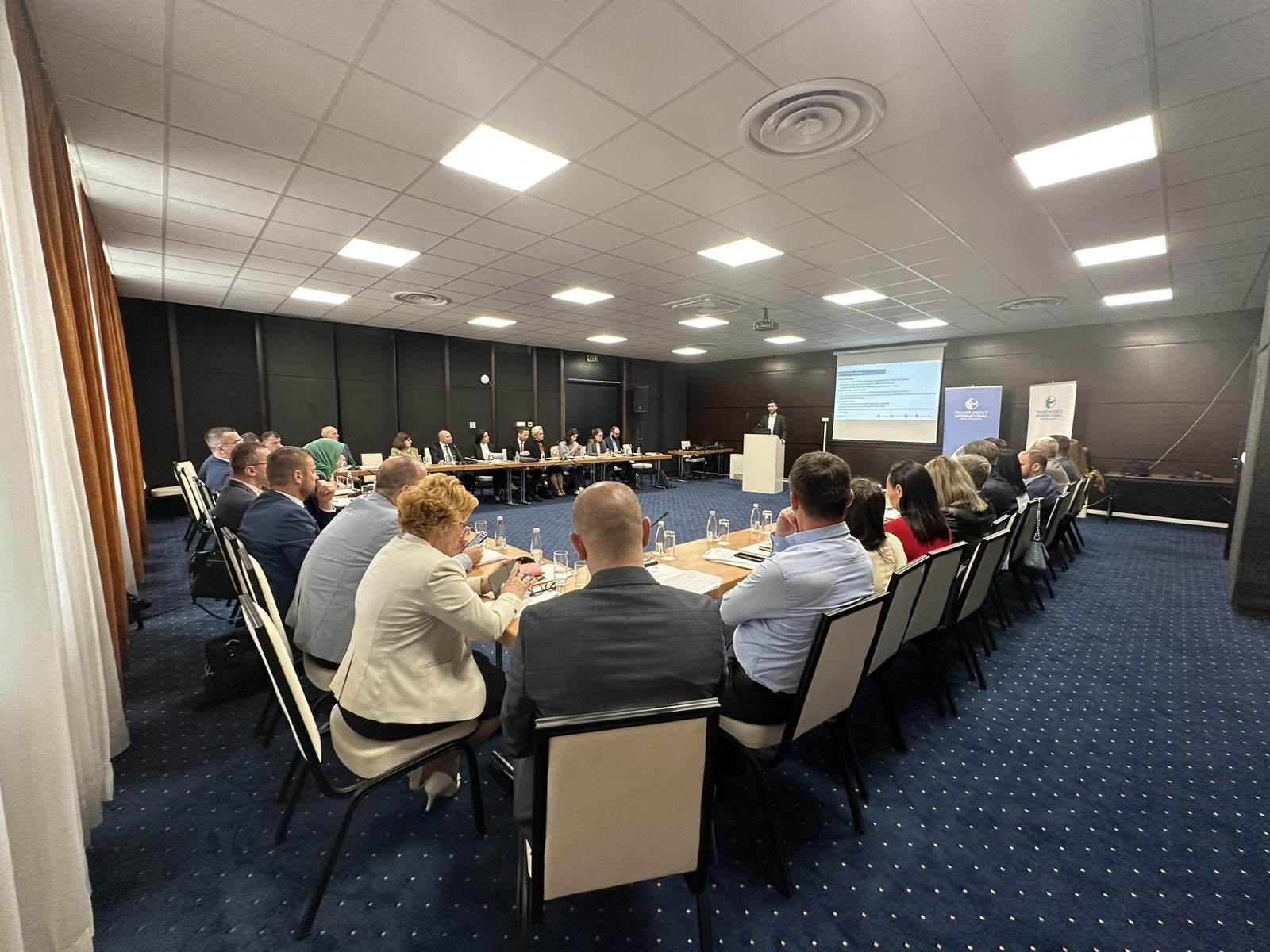
Sarajevo, June 14, 2023 – The work of governments and assemblies of cantons, entities and parliaments at the state level in Bosnia and Herzegovina is insufficiently public, which denies the possibility of citizens’ participation in the control of their work and the decision-making process,which is why there is growing distrust in the work of institutions as well as room for corruption, is the message of the round table entitled“Transparency of the decision-making process in BiH”held today in Sarajevo in the organization of Transparency International in BiH.

At the round table, which was organized with the support of the Embassy of the Kingdom of the Netherlands, presented are the results of the research published as part of the analysis entitled“Overview of the Level of Proactive Transparency of the Decision-Making Process” which included the institutions of the executive and legislative authorities at the cantonal, entity and BiH levels, indicating the worrying lack of transparency of public bodies throughout Bosnia and Herzegovina.

The research showed that no government in Bosnia and Herzegovina regularly publishes materials from the held sessions on its internet presentations, while the Council of Ministers and the Government of the Posavina Canton are one of the two institutions of executive power whose minutes from the held sessions are published in a timely manner and are available to citizens.
This data, as well as the fact that only 5 out of 14 governments in Bosnia and Herzegovina regularly announce decisions on their official sites, indicates that citizens in Bosnia and Herzegovina are not adequately informed about the decisions of the executive authorities that directly affect them, which reduces the degree of public trust in their work.

Legislative bodies throughout BiH do not show any better state of proactive transparency either, since the research showed that the assemblies of cantons, entities, as well as both houses of the Parliament of BiH do not regularly publish plans or reports on public debates, i.e. hearings, and reports on their work are regularly published by only 5 of 16 legislative bodies at the observed levels of government in BiH.

An overview of the level of proactive transparency of the decision-making process shows that in BiH there are governments whose activities the public is insufficiently familiar with, while citizens are denied information on key stages in the work of parliaments, which adversely affects citizens’ trust in institutions and reduces their ability to protect their interests, which in total increases the space for corruption.

“The publication of data and reports on the work of institutions, but also on decision-making processes is what is disputed,”said Srđan Blagovčanin, Chairman of the Board of Directors of Transparency International in Bosnia and Herzegovina, noting that it should not be emphasized how important proactive transparency is for strengthening political responsibility at all levels in Bosnia and Herzegovina, but also for enabling citizens to participate in decision-making processes.

“We have a glaring example at the state level, which is actually the practice, that the proposed laws, when they pass the Council of Ministers, are not actually published, and there we have a situation where the public practically has no insight into the form and in which text these laws were adopted. An example is the recently adopted Law on the High Judicial and Prosecutorial Council of Bosnia and Herzegovina, which is among 14 priorities, and we, as a public, still have no insight into the text in which it was adopted”, explained Blagovčanin, adding that such practice must be changed.

To this end, TI BiH put forward proposals for strengthening the standards of proactive transparency, which include the improvement of the legal framework that treats the area of access to information at all levels in BiH, the recognition of examples of good practice in the application of proactive transparency standards and their implementation, and the establishment of various electronic tools and open standards data for all levels of government in Bosnia and Herzegovina.

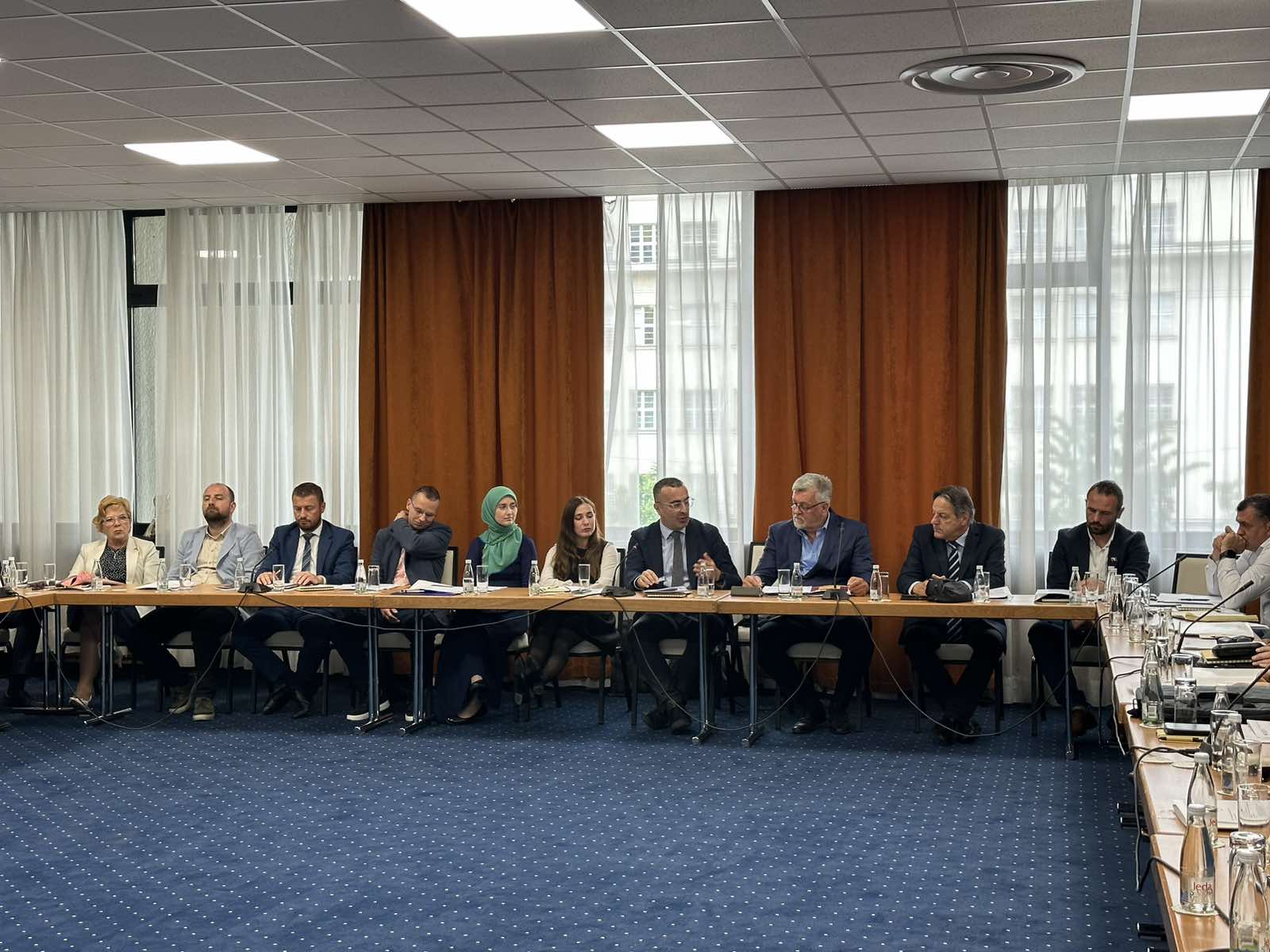
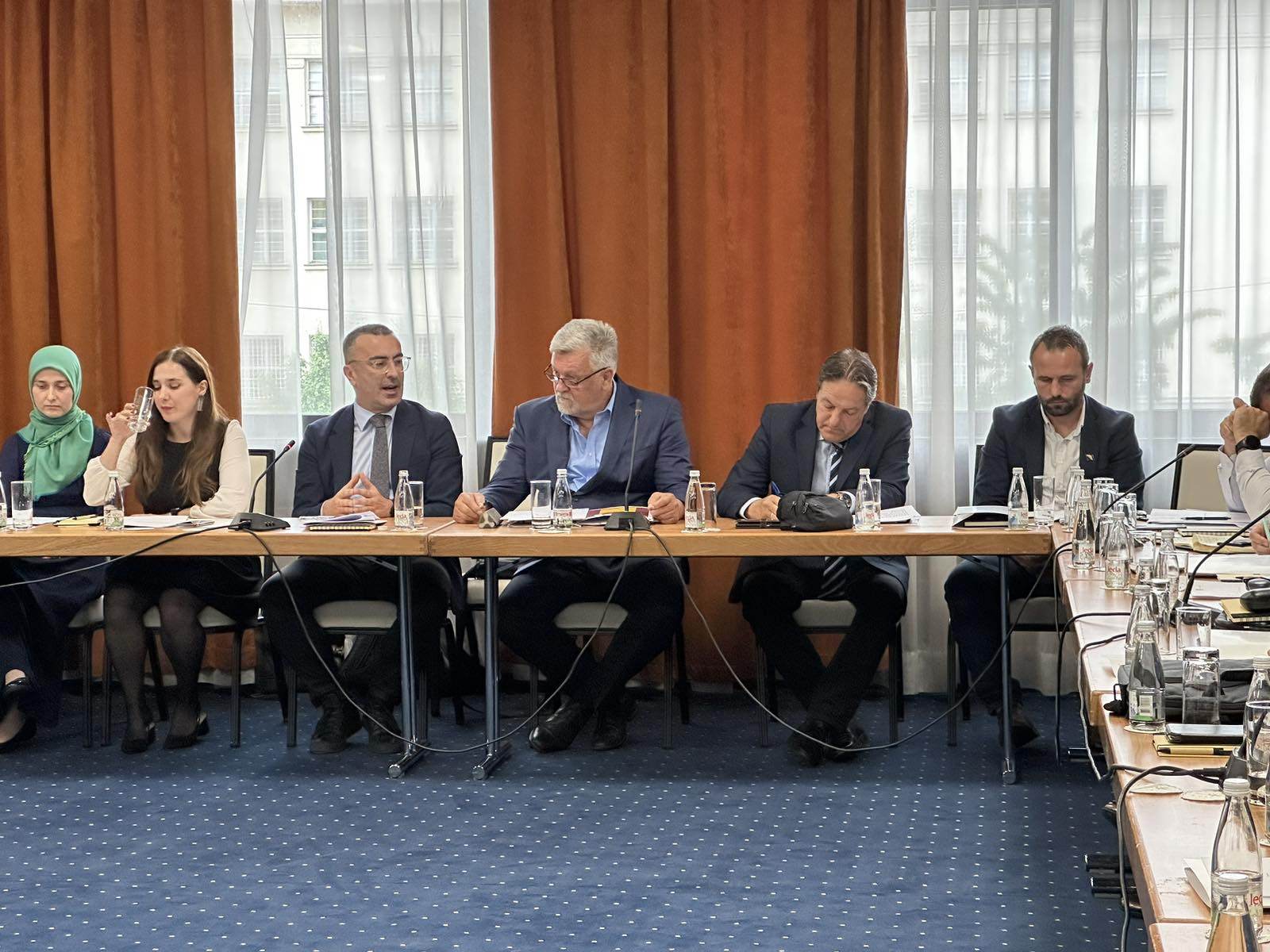
The round table brought together representatives of relevant institutions from all levels of government in BiH, international institutions, civil society organizations and the media, who were presented with the importance of proactive transparency as a way for citizens to achieve a greater degree of participation in the work of the legislative and executive authorities, but also to strenghten the responsibility and integrity of the public sector as key assumptions for combating corruption.

Press rls_14.06.23_

TI BiH sent an initiative to the RS Ministry of Education and Culture: Exclude policy from school management

Transparency International in Bosnia and Herzegovina (TI BiH) has sent an initiative to the RS Ministry of Education and Culture to change the law in the field of education in order to reduce the Government's political influence on school management and employment.

Banja Luka, 29. June 2021 – Transparency International in Bosnia and Herzegovina (TI BIH) sent an initiative to the Ministry of Education and Culture of Republika Srpska to...

TI BiH
Izvještaji za Mediae

TI BiH sent an initiative to the RS Ministry of Education and Culture: Exclude policy from school management

Banja Luka, 29. June 2021 – Transparency International in Bosnia and Herzegovina (TI BIH) sent an initiative to the Ministry of Education and Culture of Republika Srpska to amend the existing laws on primary and secondary education in order to reduce political influence on the election process and the work of school governing bodies.

TI BiH Center for Legal Aid in the Fight against Corruption receives an increasing number of complaints from teachers, parents and students who are dissatisfied with frequent changes in teaching staff, lack of competition in employment, nepotism and increasingly obvious examples of party employment in schools in Republika Srpska.

Due to these phenomena that negatively affect the quality of education and which recently led to protests from parents and even boycotts of teaching, TI BiH sent an initiative to the authorities with the aim of considering a different model of management in school institutions.
The initiative proposed a package of measures aimed at reducing the impact of policies in school management and establishing the principles of merits, quality and democratic control. Some of the measures include:

  • Provide that the School Board as a heterogeneous and participatory governing body has a key role to play in the selection and appointment of primary and secondary school principals. Prior or subsequent approval may be required from the Minister, but the School Board must play a key role.
  • Introduce as an obligation that candidates for the position of director must submit with the application for the competition a proposal of the work program for the term of office for which they are applying. Require candidates to submit a work program proposal to the School Board.
  • Provide that the School Board must request an expert opinion on the quality of the work program of the candidate for the position of director from the Republic Pedagogical Institute.
  • Exclude the Government from the decision-making process or the procedure for electing and appointing school principals.
  • Limit the director’s term to a maximum of two consecutive terms, or anticipate that a maximum of two five-year terms are possible at all.
  • The term of office should be five years as a form of guarantee of political neutrality.

The initiative was also sent to members of the Education Committee of the RS National Assembly, all parliamentary clubs and the RS Republic Pedagogical Institute, thus launching an advocacy campaign called “Politicians, get out of class!” With the aim of eliminating corruption risks in educational institutions.

Due to growing dissatisfaction with the quality of education, TI BiH expects the authorities to consider the proposed solutions and initiate procedures to amend the law in order to achieve a better model of school management in the Republika Srpska through a public debate that should include the academic community.

Press rls-29.06.2021

Presentation of the City of Mostar Integrity System Assessment

Banja Luka, 15th November 2015. — The main goal of the assessment was the analysis of the efficiency of procedures and mechanisms for the promotion of transparency, liability...

TI BiH
Izvještaji za Mediae

Presentation of the City of Mostar Integrity System Assessment

Banja Luka, 15th November 2015. — The main goal of the assessment was the analysis of the efficiency of procedures and mechanisms for the promotion of transparency, liability and integrity in order to fight corruption at local level, offering at the same time recommendations for their further improvement.

TI  BiH and the City of Mostar are organizing a public presentation of the study results which will be attended by the key actors of the City of Mostar (Mayor, officials, representatives of NGOs and the media) who will discuss the results and recommendations for the improvement of transparency, liability and good governance in the City of Mostar.

Presentation will be held on Monday, 16th November 2015, at 09.30h in the premises of the City Hall of the City of Mostar.

Press rls 15.11.2015.

Financial (ir) responsibility of Brcko District institutions is the weakest link in the integrity system

TI BiH presented the findings of the Brčko District Integrity System Study, which indicate a worrying level of corruption in the District, and insufficient will and efficiency in...

TI BiH
Izvještaji za Mediae

Financial (ir) responsibility of Brcko District institutions is the weakest link in the integrity system

Get involved

Don't miss it

If you want to receive our announcements immediately after the publication, leave your e-mail address in the field below.