
International Right to Know Day: Citizens’ right to information must be fully guaranteed
30 September 2025
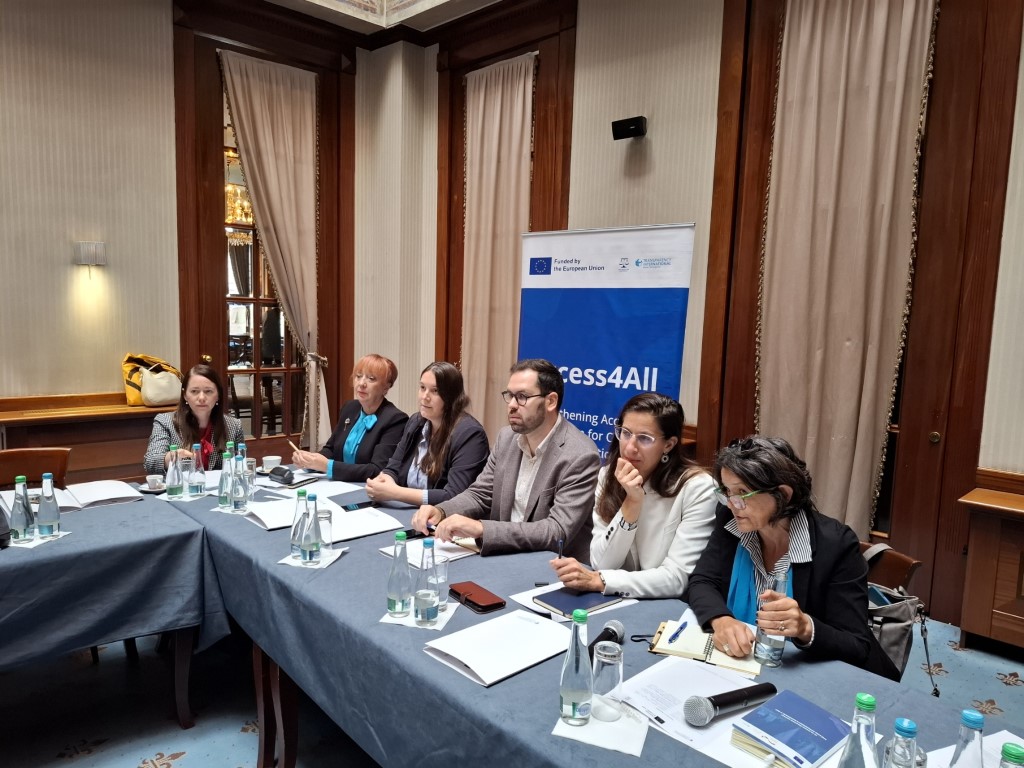
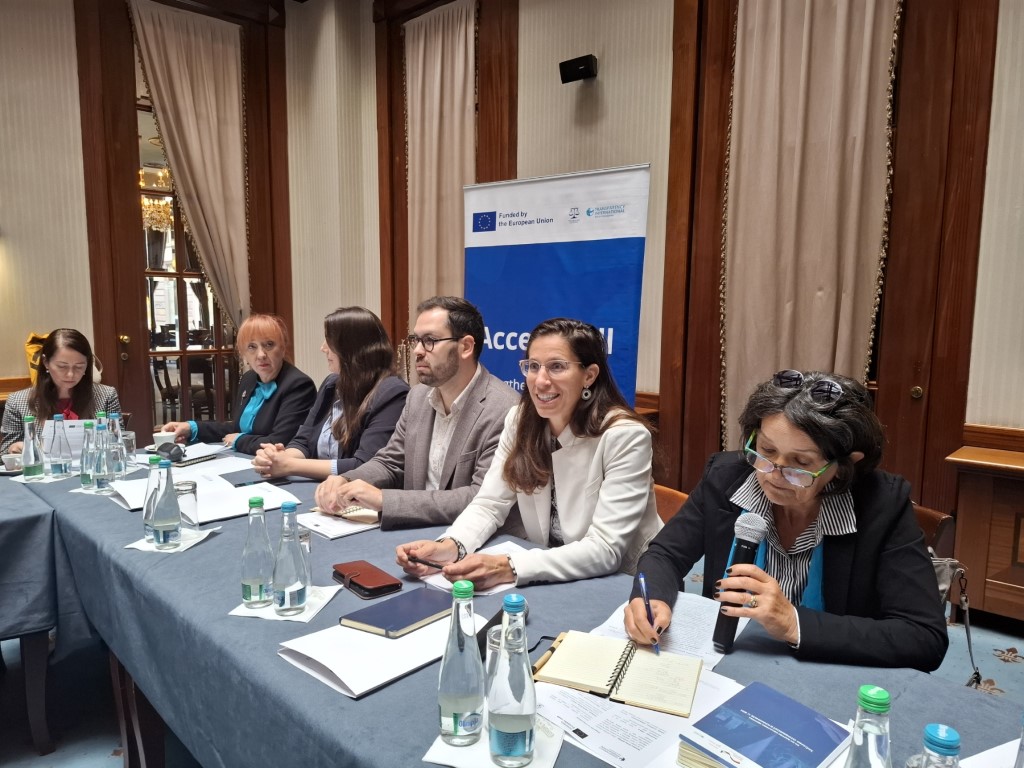
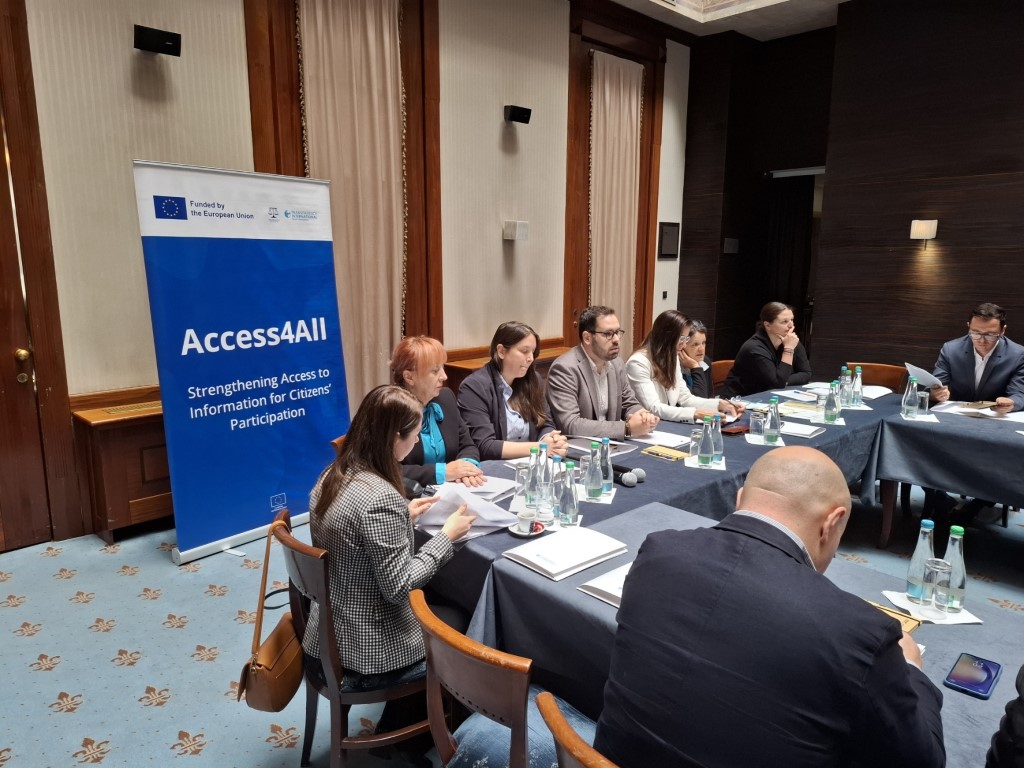
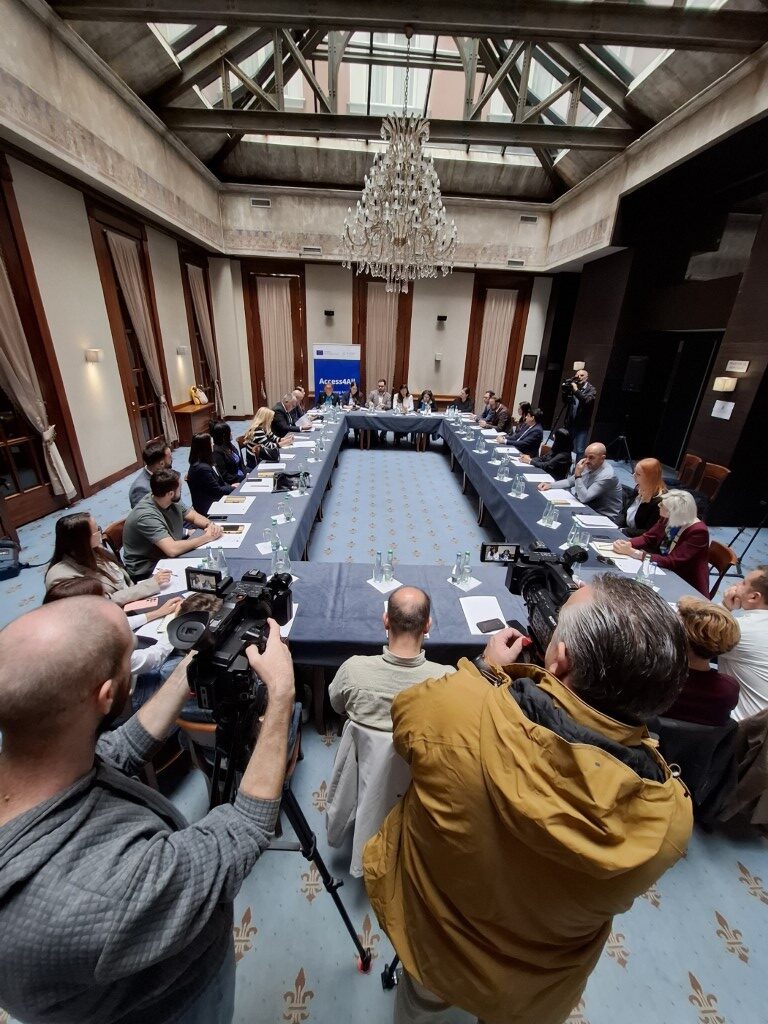
Sarajevo, September 30, 2025 – A weak legal framework at all levels still allows institutions to hide information of public interest, undermining transparency and reducing the accountability of public institutions. The new law at the BiH level, presented as reformative, has brought new challenges in implementation, as warned by civil society organizations. This was conveyed at a round table organized by Transparency International in BiH and the association Your Rights BiH, with the support of the European Union, on the occasion of International Right to Know Day.
The gathering presented initiatives to improve the legal framework at all levels of government, in response to the practice where institutions used legal loopholes to prolong disputes, did not consistently comply with court decisions, and restricted public access to information crucial for promoting transparency and accountability.
At the entity level, institutions are still not required to proactively and regularly publish key information of public importance such as budgets, contracts, reports, while the new law at the state level still does not yield the expected results. Therefore, the initiative proposes measures to address key shortcomings of the legal framework:
- In RS and FBiH, introduce provisions on proactive transparency, prescribe inspection oversight, misdemeanor provisions, and fines for violations of the law.
- At the BiH level, prescribe sanctions for non-compliance with legally prescribed deadlines, change the policy of imposing fines, and establish an independent second-instance decision-making mechanism for appeals.
In Brčko District, a particular challenge remains the absence of a law regulating this area for two years.
The adoption of a new law at the BiH level has brought certain improvements, including provisions on proactive transparency. At the same time, it has created new grounds on which institutions can deny access to information, raising concerns that information of public importance may remain inaccessible to citizens and the media. An Appeals Council was also established within the BiH Council of Ministers, questioning the independence of this body.
According to TI BiH data from the beginning of 2024 to June 2025, the Council received 108 appeals, of which 12 were dismissed, 20 were upheld, while in 62 cases the appeal was rejected. So far, 15 administrative disputes have been initiated against the Council’s decisions, and the BiH Court has issued two judgments, one accepting the lawsuit and one rejecting it.
- These indicators clearly show that the existing second-instance mechanism for protecting the right to access information is not sufficiently functional and independent, and its engagement in improving legal protection is completely lacking. We call on the competent institutions to establish an independent and impartial body to decide on appeals in access to information procedures, in accordance with best practices in the region and international recommendations, as stated by TI BiH.
The gathering highlighted that BiH still faces serious challenges in implementing the freedom of information law, including inconsistency in decision-making, institutional delays, and a lack of proactive transparency. Participants exchanged experiences and presented proposals for improving the law, aiming to strengthen institutional accountability and ensure consistent application of this right at all levels of government.
Aurelie Valtat, Head of the Sector for European Integration, Political Affairs, Media, and Information at the EU Delegation in BiH, stated: “The European Union has long supported reforms that strengthen transparency, accountability, and good governance in Bosnia and Herzegovina. The new state Freedom of Information Act must be translated into real practice, not remain just a dead letter. To this end, with our support, Transparency International BiH and Your Rights BiH have developed an online platform that facilitates the submission and tracking of information access requests. We call on institutions, civil society, and the media to seize this moment to make transparency a reality for all citizens.”
Initiatives to improve the laws regulating this area will be submitted to governments and legislative bodies at all levels. Representatives of the media and civil society organizations, who submit the majority of requests to institutions, called on the authorities to ensure a transparent process and avoid repeating the shortcomings observed during the adoption of the law at the state level.
Get involved
Stay tuned
Subscribe to our newsletter and receive periodic notifications about our, announcements, calls and activities via email.
Don't miss it
If you want to receive our announcements immediately after the publication, leave your e-mail address in the field below.