
Double Anniversary: 30 Years Since Dayton and 25 Years of Transparency International in BiH
Transparency International in Bosnia and Herzegovina (TI BiH) marked in Sarajevo the 30th anniversary of the signing of the Dayton Peace Agreement and 25 years of the...
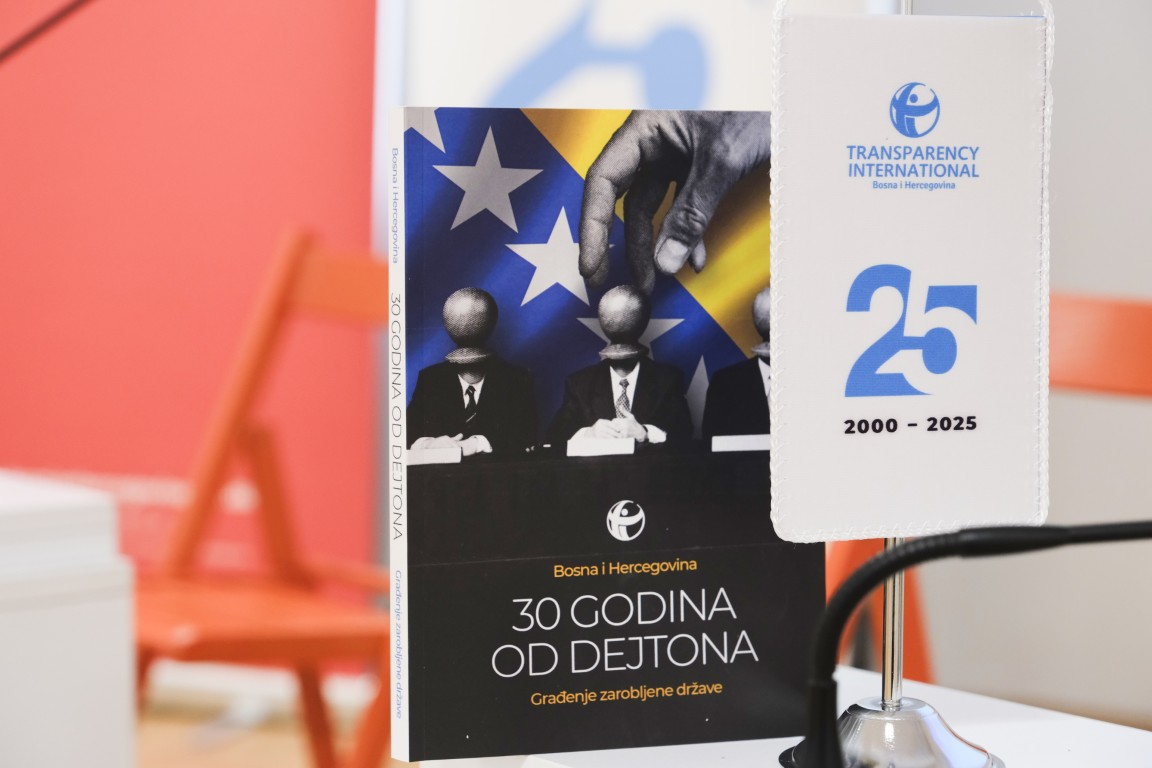
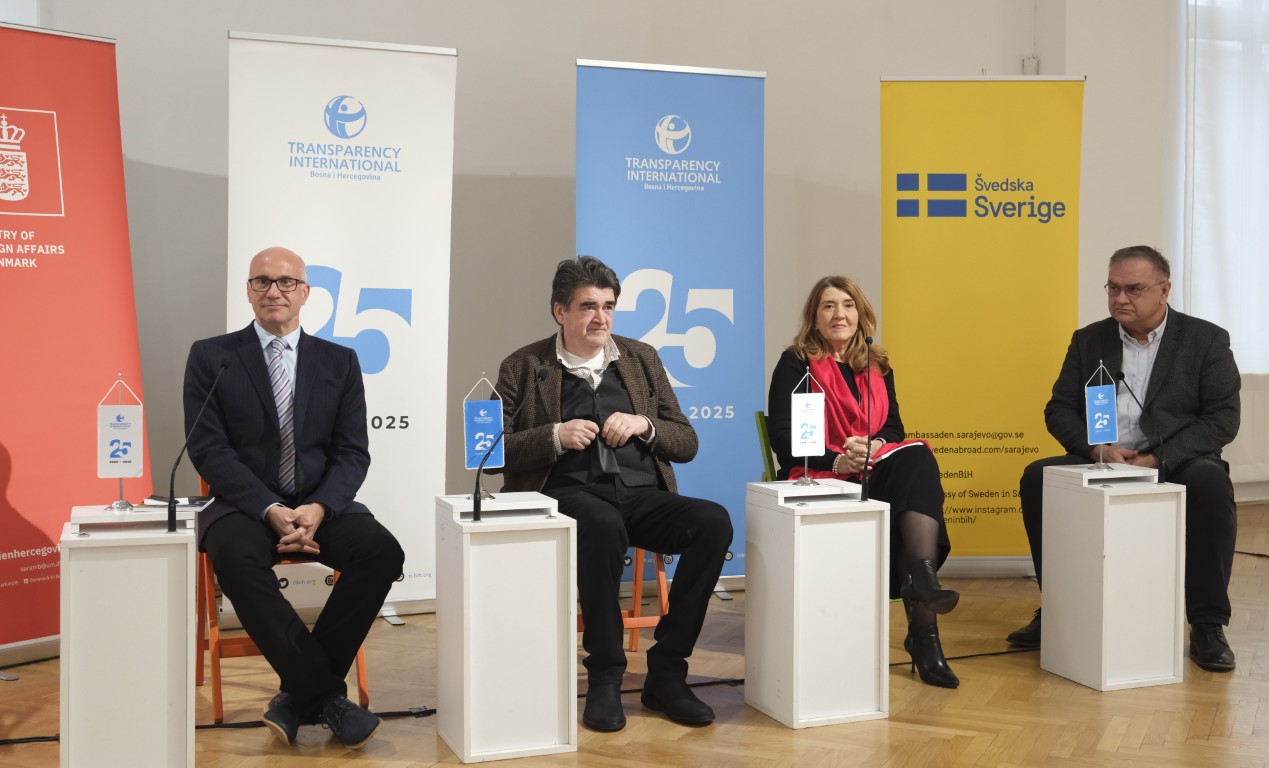
Transparency International in Bosnia and Herzegovina (TI BiH) marked in Sarajevo the 30th anniversary of the signing of the Dayton Peace Agreement and 25 years of the organization’s work through a panel discussion “30 Years After Dayton – How to Build a Society Without Captured Institutions.” The event was dedicated to examining political, institutional, and anti-corruption processes in post-Dayton BiH, as well as celebrating a quarter-century of TI BiH’s continuous fight against systemic corruption.
As part of the event, TI BiH presented the analysis “BiH 30 Years After Dayton – Building a Captured State”, which shows how corruption over the three decades since the war has become a key mechanism for capturing institutions, weakening the rule of law, and privatizing public resources. The analysis also provides an overview of TI BiH’s activities during this period, with a look at possible scenarios for the development of Bosnia and Herzegovina in the coming decades.
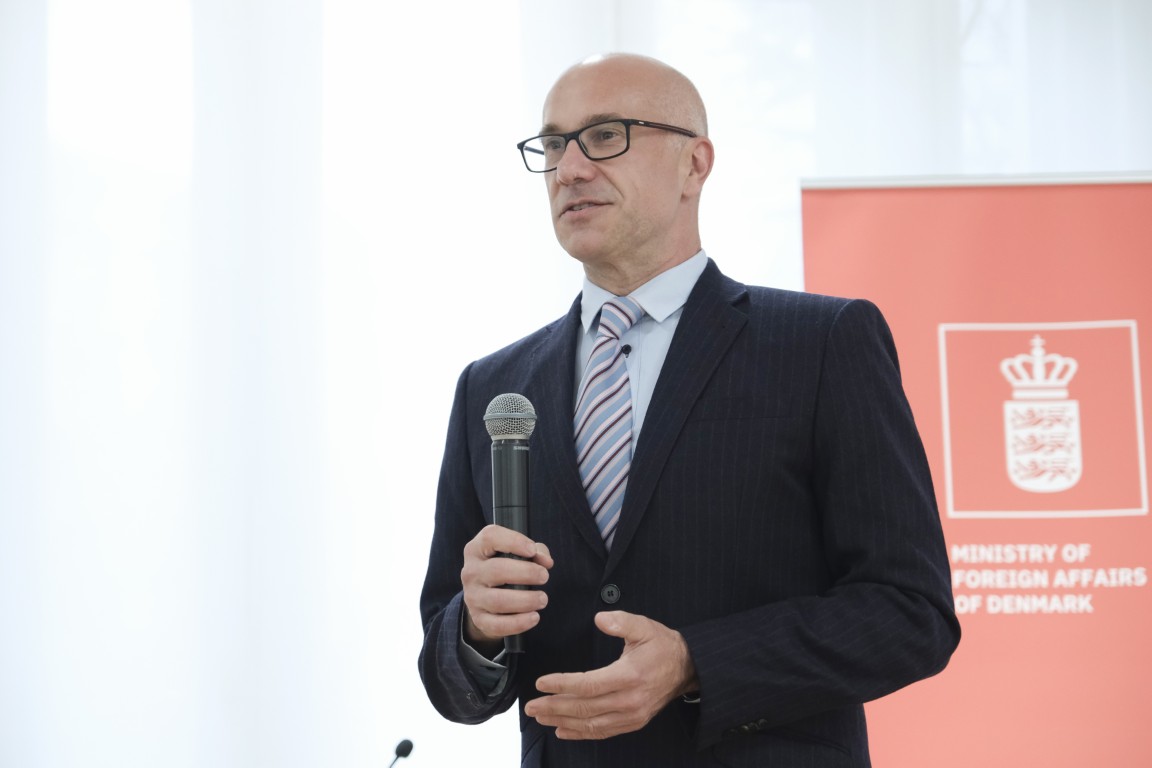
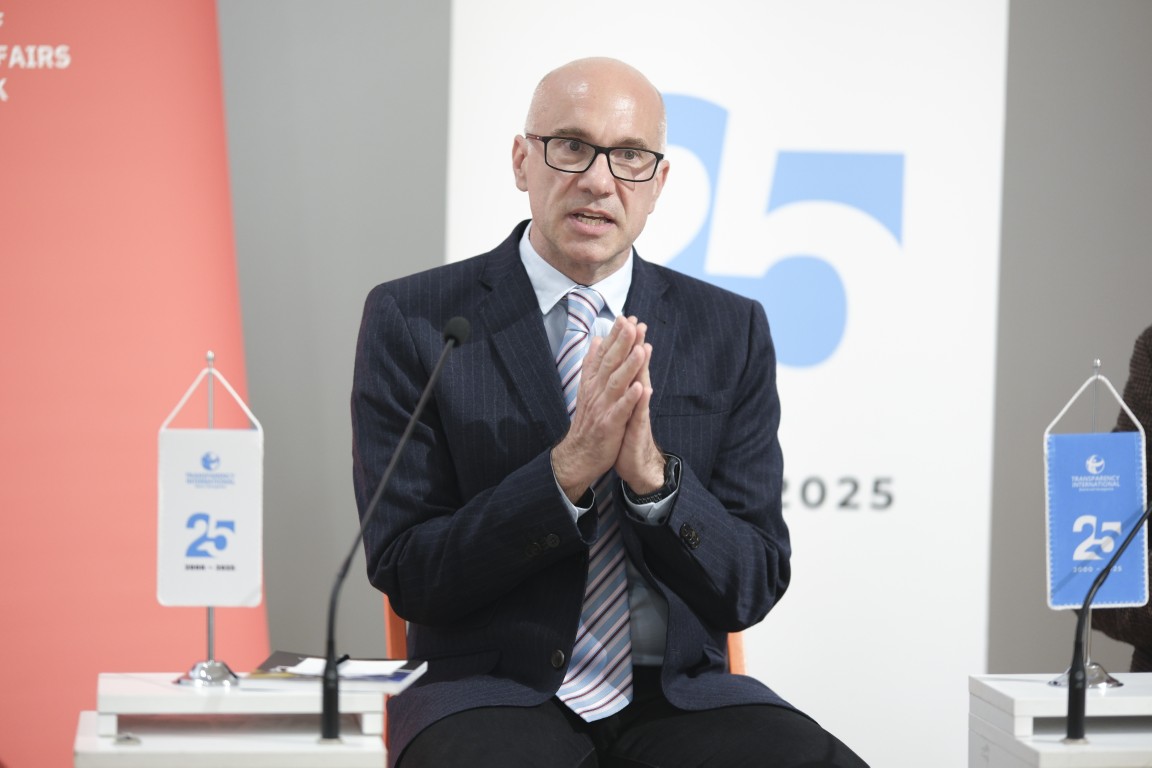
Chairman of the TI BiH Board of Directors, Boris Divjak, emphasized that this double anniversary marks both peace and a long-standing fight for accountable governance, as well as the extent of the damage caused by corruption. He highlighted that over the past 25 years, TI BiH has documented and exposed cases where billions of convertible marks ended up in private pockets, and that the fight against corruption remains a key prerequisite for preserving the state and the dignity of its citizens.
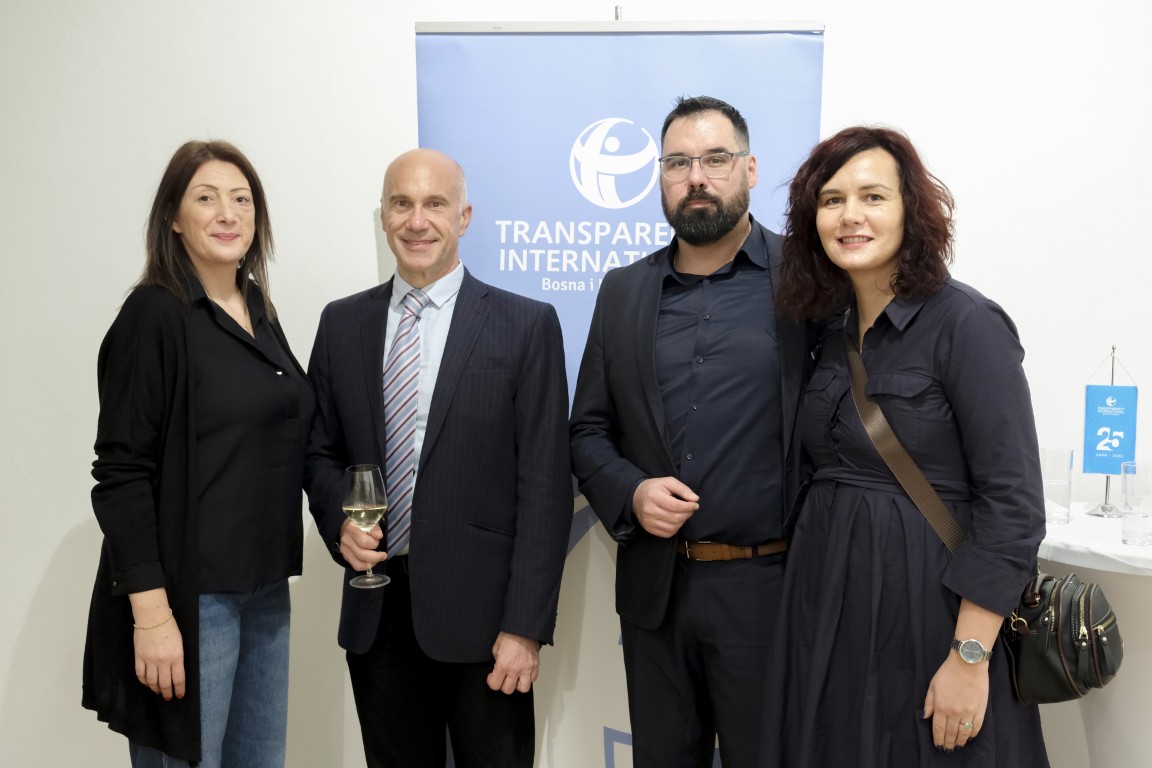
On the occasion of the 25th anniversary of the founding of Transparency International in BiH, a film was shown at the event summarizing the organization’s key moments – from the first investigations and public warnings about systemic corruption, through strategic litigation and advocacy for reforms, to continuous support for citizens in their fight for their rights. The film reminded of TI BiH’s role as one of the few organizations that has consistently pointed out abuses of power and demanded accountability from public officials for a quarter of a century.
Presenting the analysis, Srđan Blagovčanin from TI BiH pointed out that political clientelism, impunity for corruption, and weak institutions have become structural characteristics of the system, and that without substantial reforms and strong public pressure, lasting changes cannot be expected.
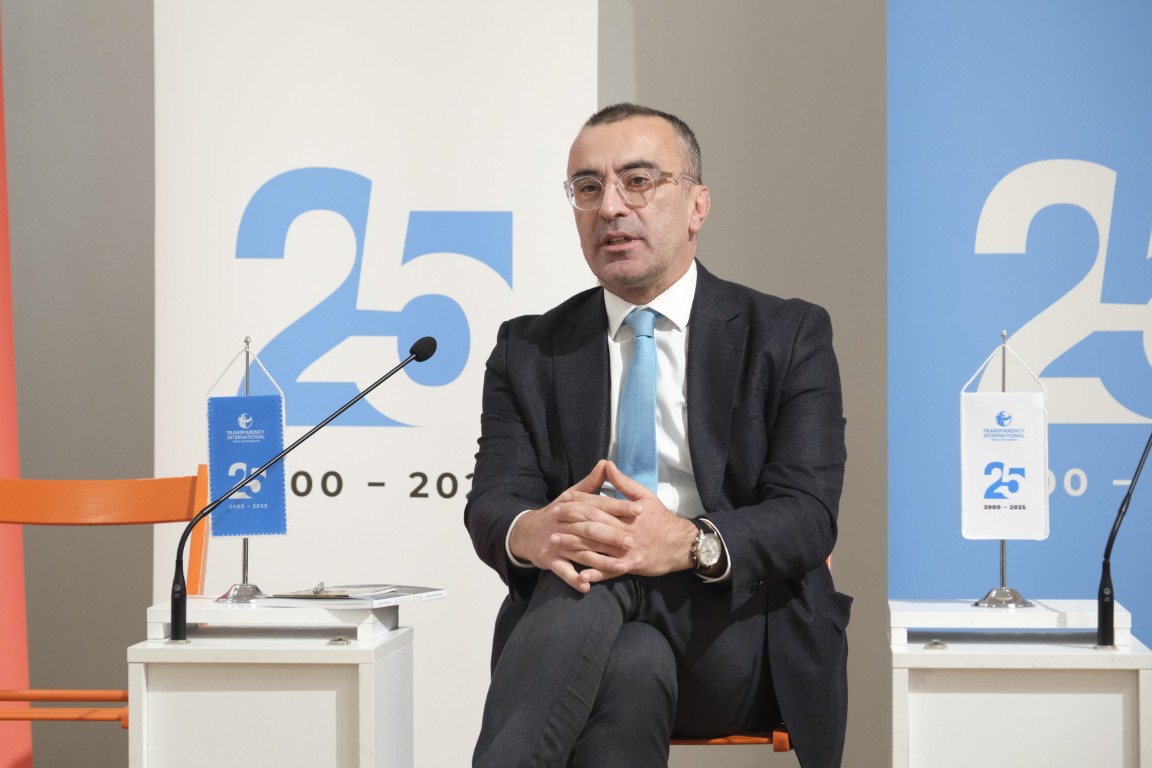
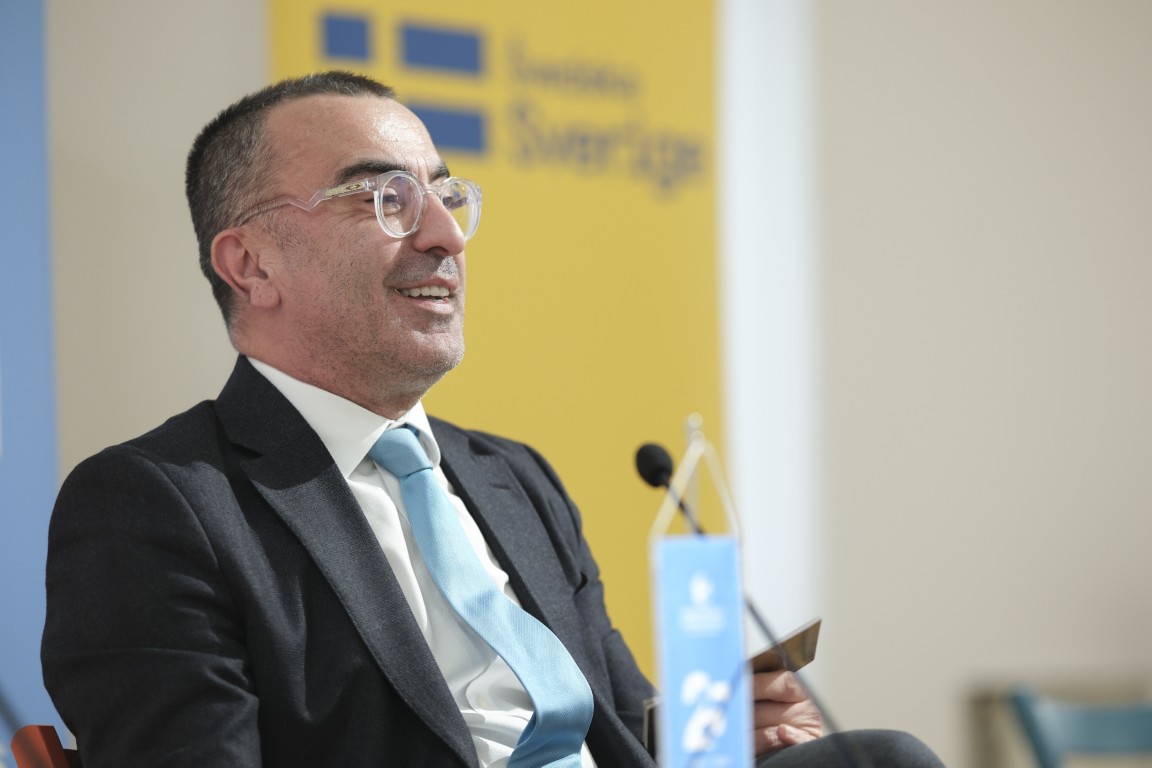
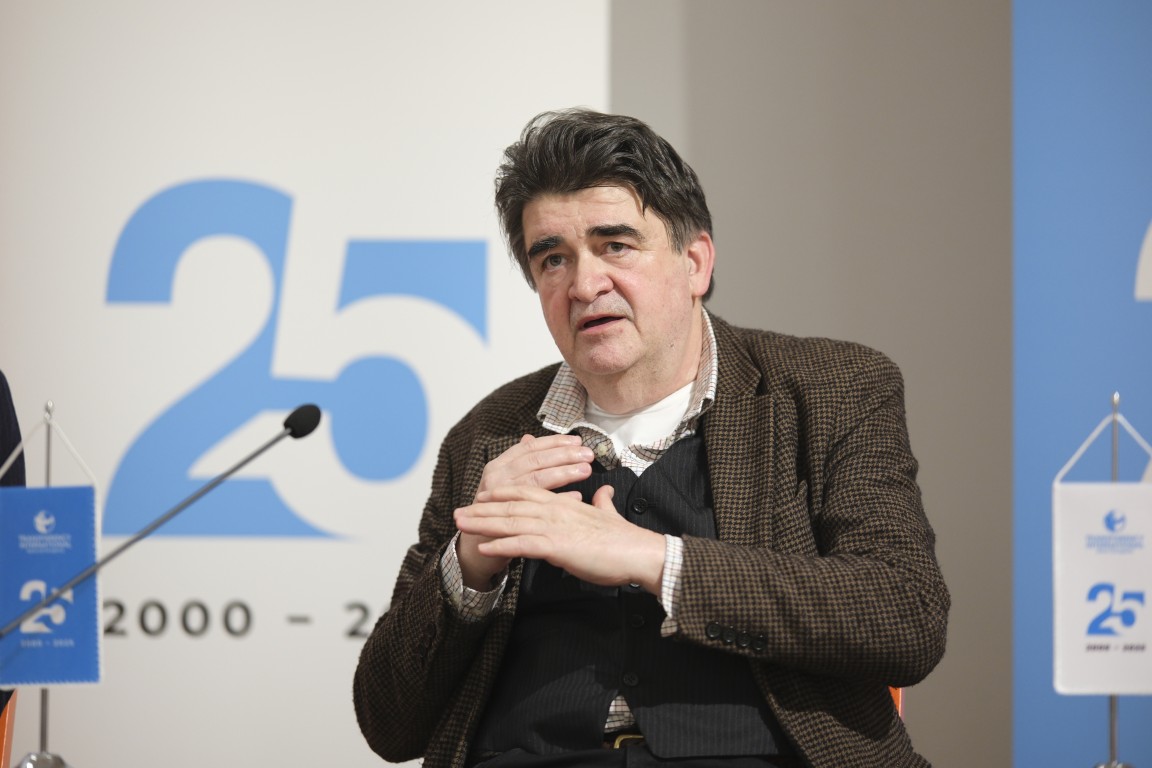
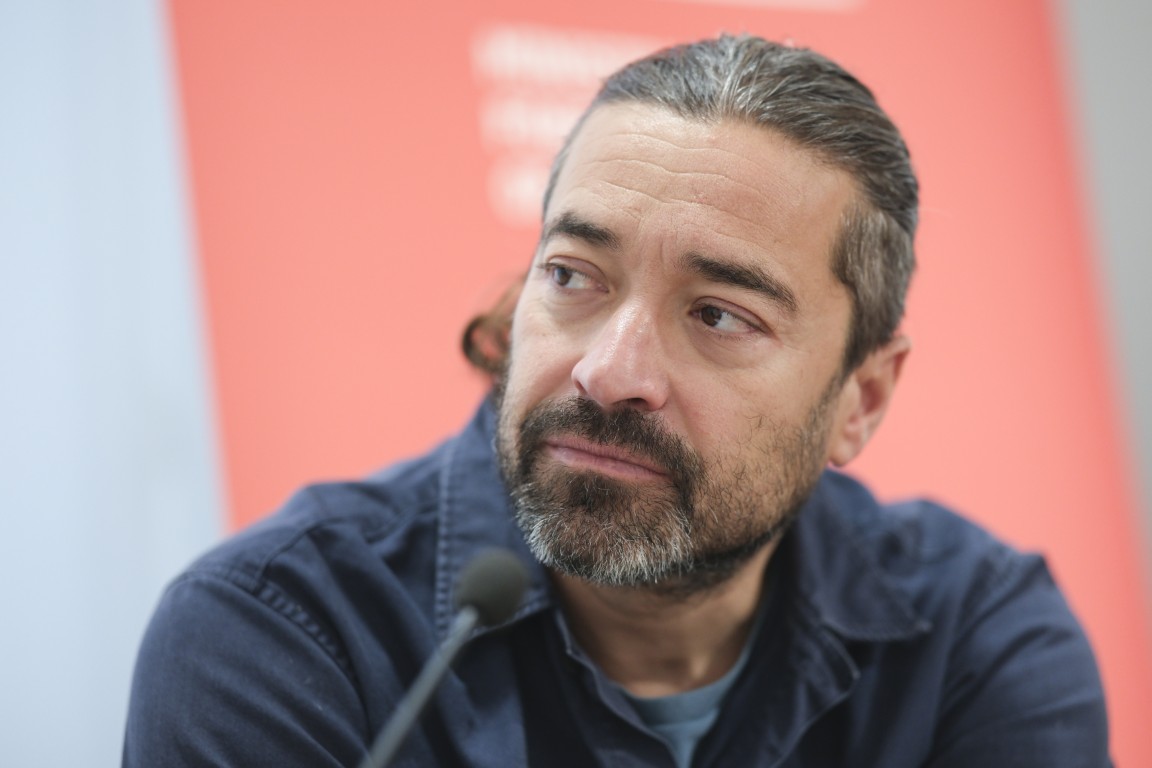
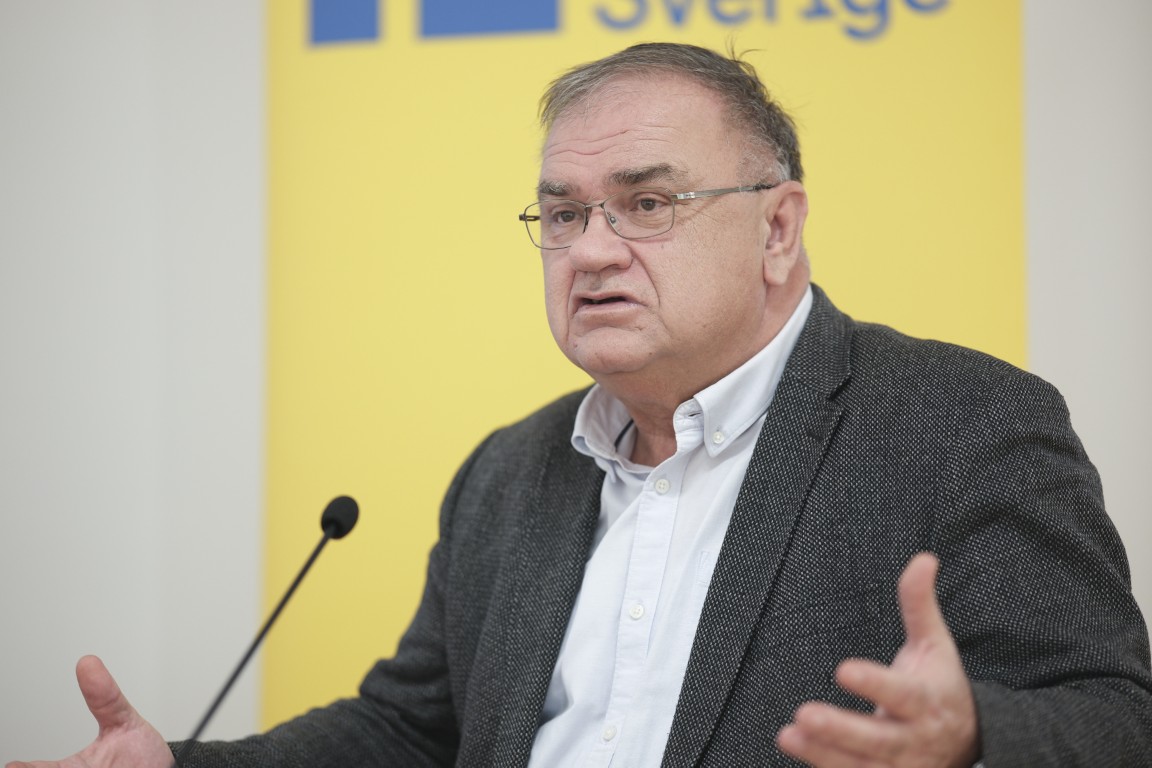
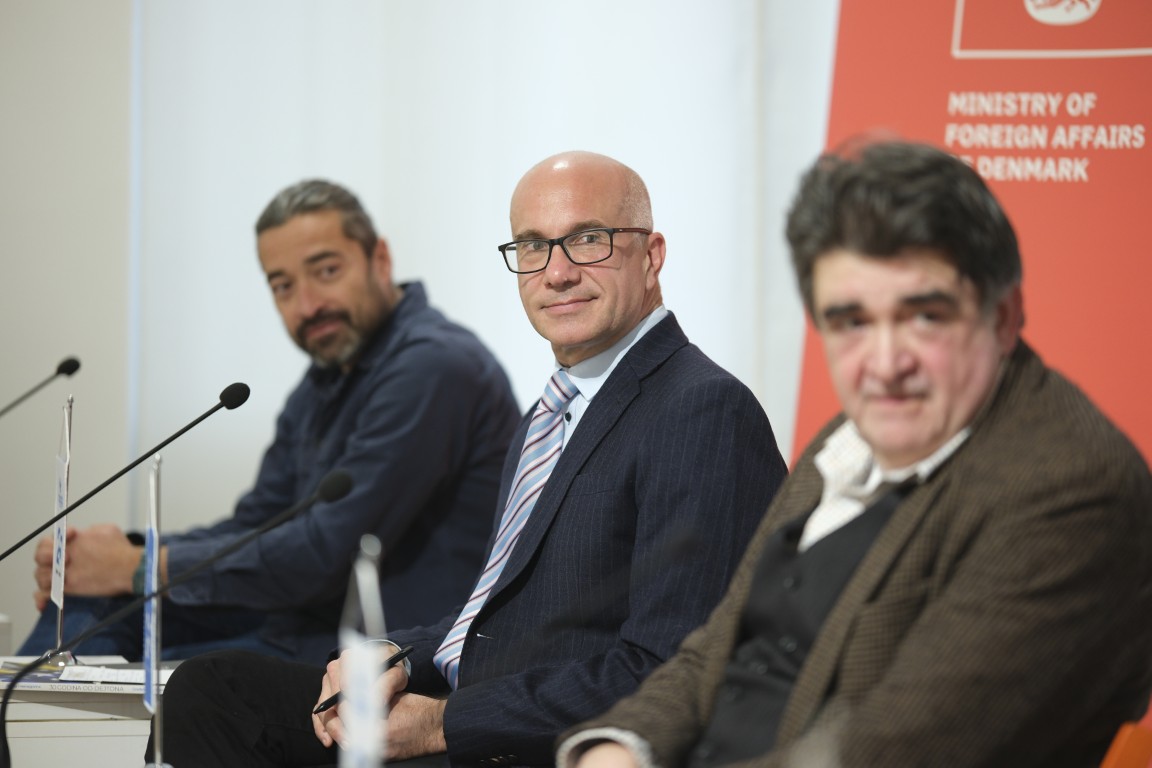
The panel discussion included Mladen Ivanić, former member of the BiH Presidency, Vildana Selimbegović, Editor-in-Chief of Oslobođenje, Dragan Markovina, historian and publicist, Nerzuk Ćurak, professor at the Faculty of Political Sciences in Sarajevo, and Boris Divjak. The panelists agreed that the Dayton Peace Agreement still represents the basic framework of stability, but that political elites have been abusing institutions and avoiding genuine acceptance of the rules on which the state is based for 30 years.
It was concluded that marking 30 years since Dayton and 25 years of TI BiH’s work is an opportunity not only to reflect on the past but also to clearly pose questions about the future: will the coming decades bring strengthening of institutions and real control of corruption, or a continuation of the state’s capture and political irresponsibility.
Panel Discussion:







Reception and Film Screening:
























Read more

Get involved
Stay tuned
Subscribe to our newsletter and receive periodic notifications about our, announcements, calls and activities via email.
Don't miss it
If you want to receive our announcements immediately after the publication, leave your e-mail address in the field below.