
Conversion decisions covered nearly 29 km² of forests; the public often does not know why or in whose favor
23 September 2026
Sarajevo, 23 September 2026 – In Bosnia and Herzegovina (BiH), during the period from 2014 to 2024, a total of 2,863.46 hectares of forests and forest land—equivalent to 29 square kilometers—were covered by 1,398 recorded conversion permits. Of this, 18.6 km2 pertains to Republika Srpska, where 977 permits were recorded, and 10 km2 to the Federation of BiH, where 421 permits were recorded, according to research by the Foundation Atelier for Social Change – ACT and Transparency International in Bosnia and Herzegovina (TI BiH).
More than half of the recorded area—approximately 1,645 hectares or 57 percent—was converted for the realization of concession agreements, and the research shows that the public often lacks access to decisions, expert documentation, and justifications from which it could be determined why the conversion was approved, who benefits from it, and what obligations the investor assumes.
In Republika Srpska, 1,072 hectares of forest were cut down for concession purposes, while in the Federation of BiH that area is half as large, approximately 573 hectares over ten years. An interesting finding is that the area covered by decisions in FBiH grew from 87.19 ha in 2017 to 163.1 ha in 2018, which is nearly a doubling, for which two wind farms in Canton 10 are primarily responsible. These are the “Široka Draga” facilities on the territories of the municipalities of Livno, Tomislavgrad, and Posušje, and “Slovinj” near Glamoč, for the construction of which 70% of the total forest territory ceded for the realization of concession agreements in BiH in 2018 was converted.
The data also show pronounced territorial concentration: around 85 percent of the recorded area converted in the Federation of BiH is located in three cantons—namely, Zenica-Doboj Canton (ZDK), Herzegovina-Neretva Canton (HNK), and West Herzegovina Canton (HŽ).
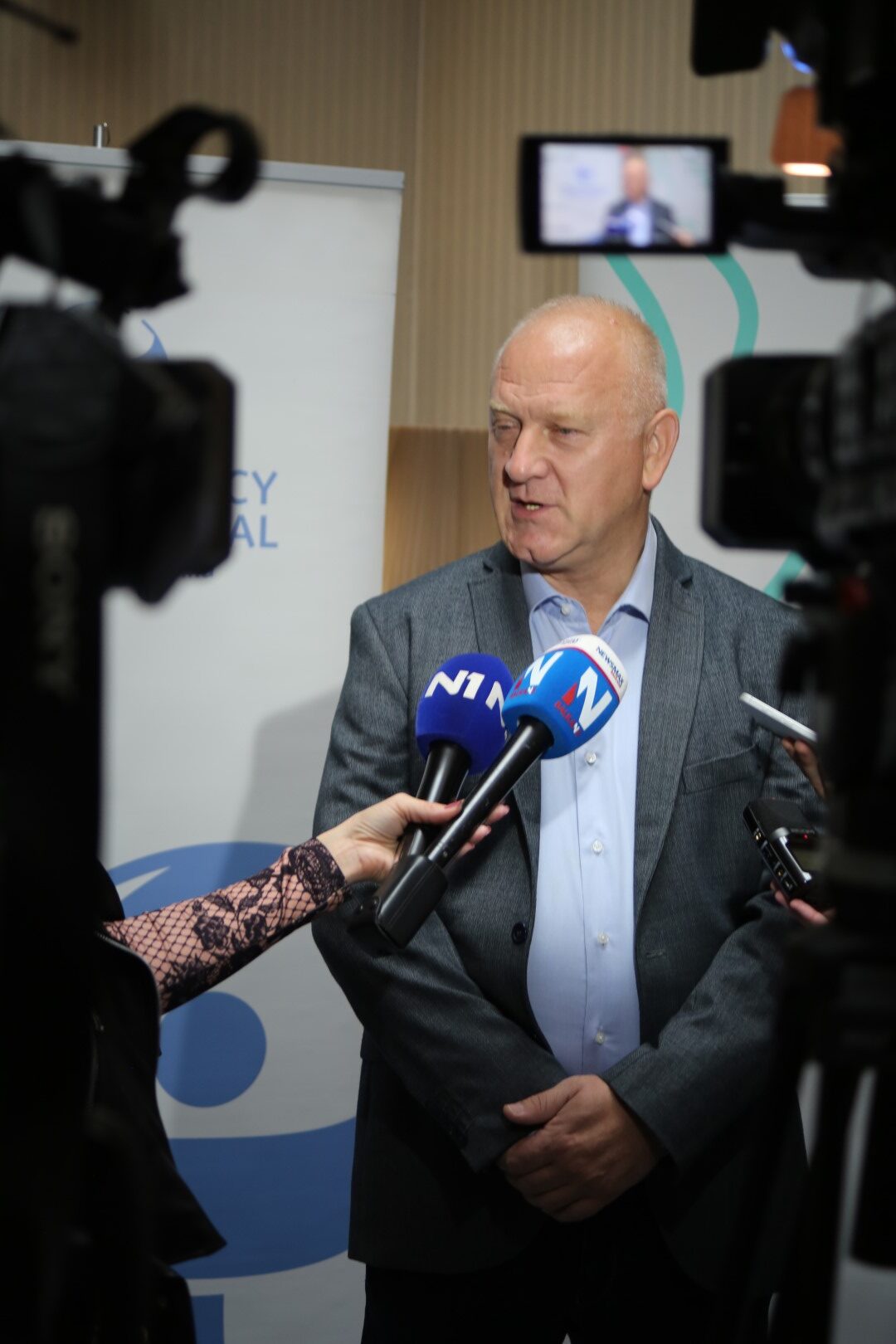
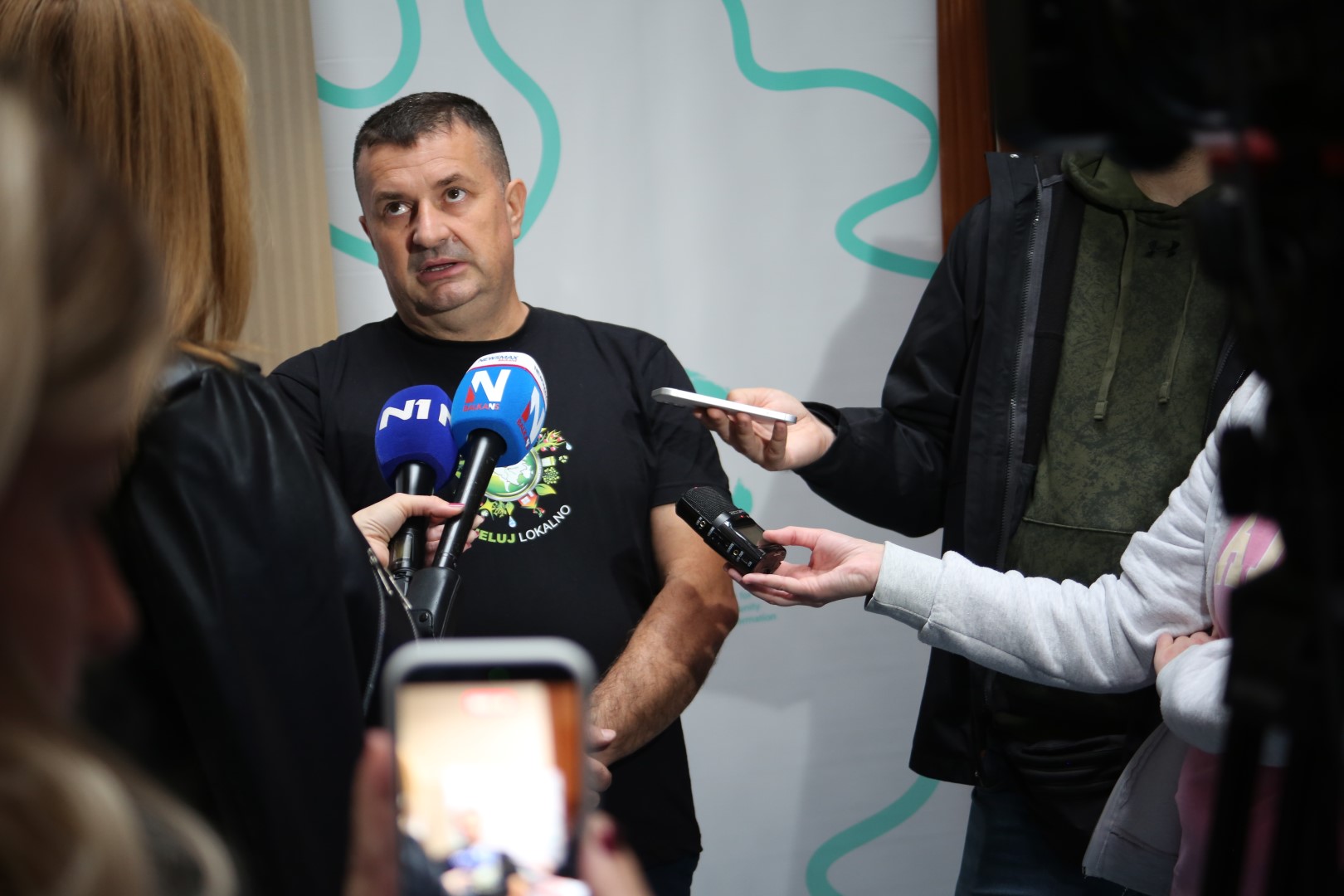
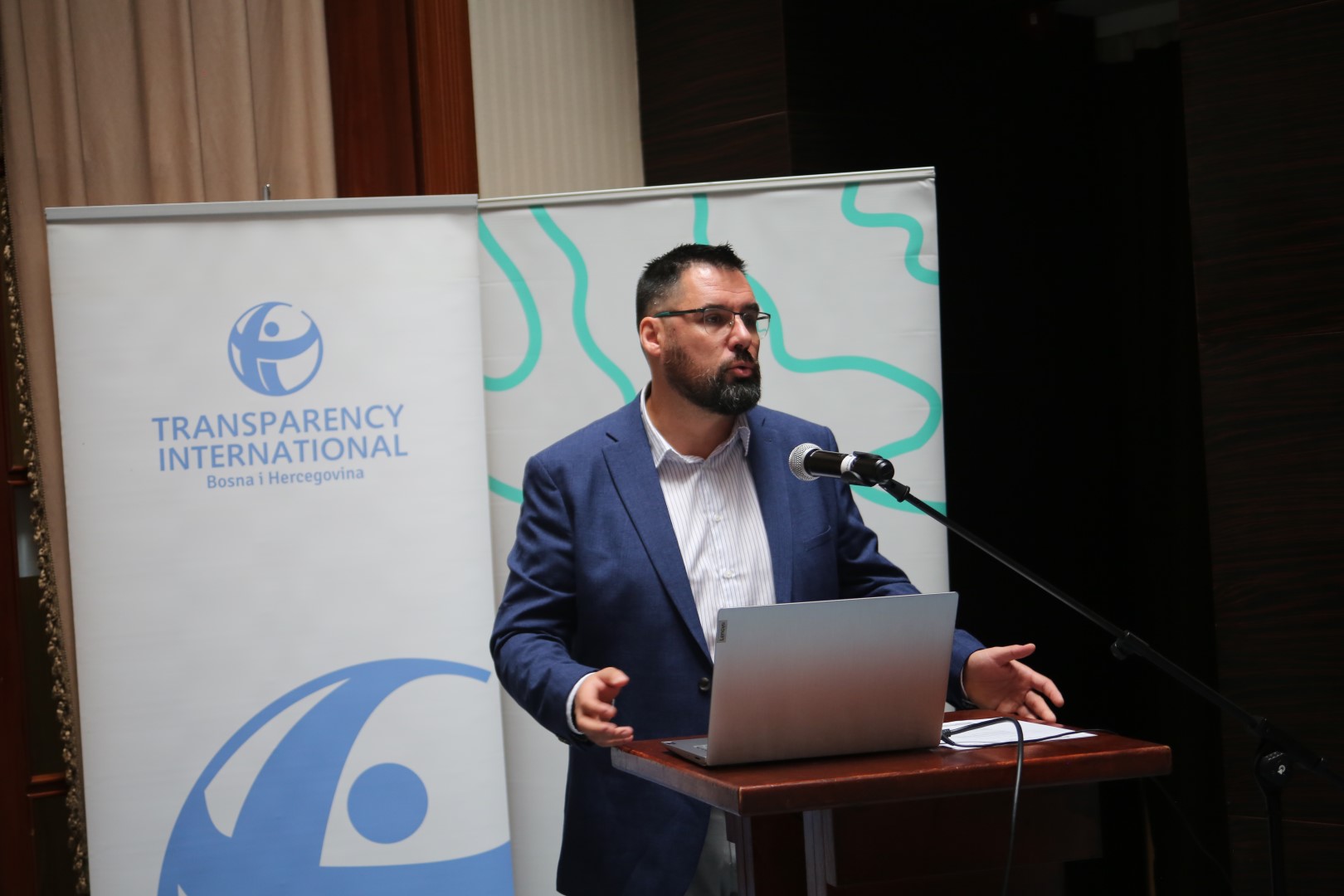
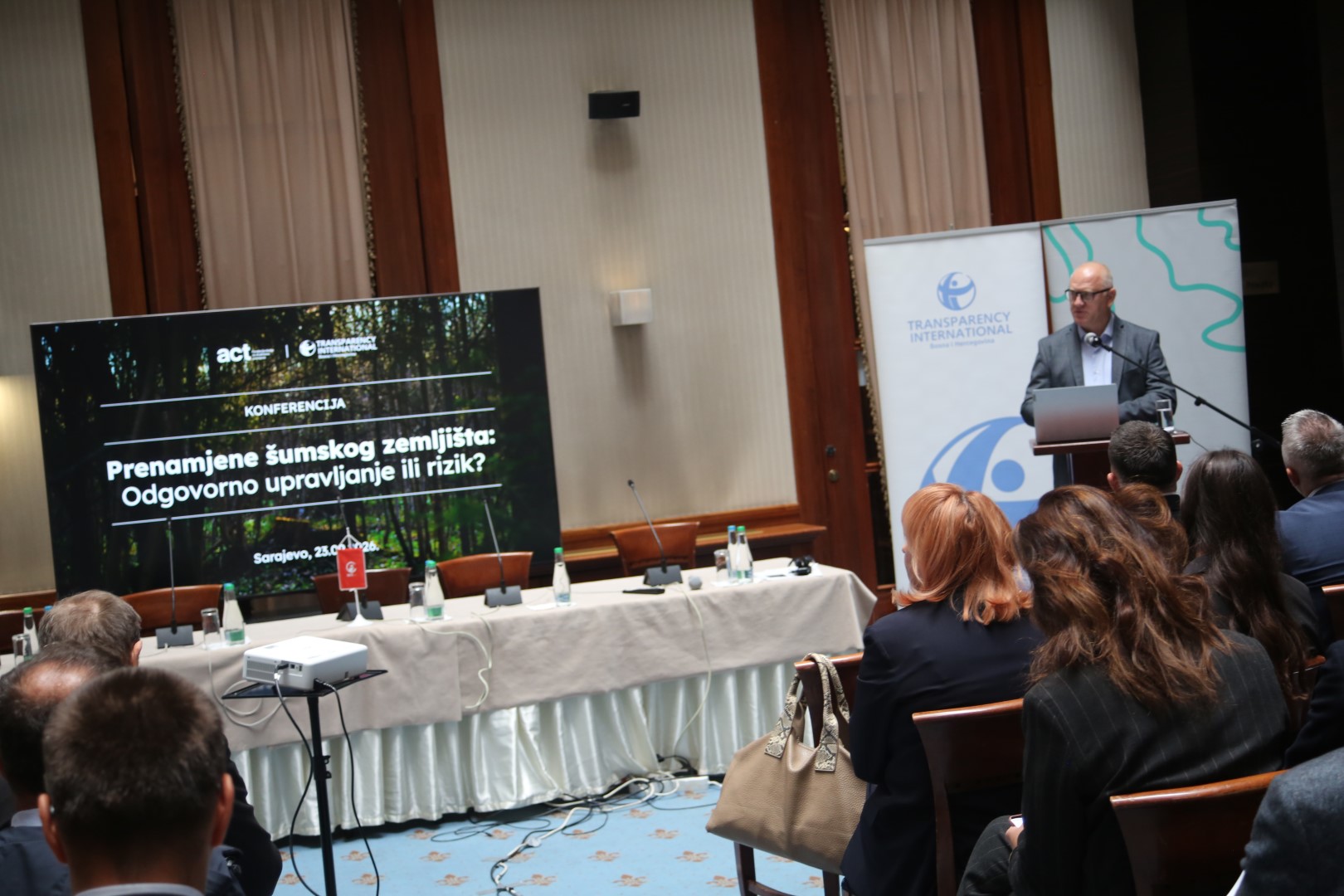
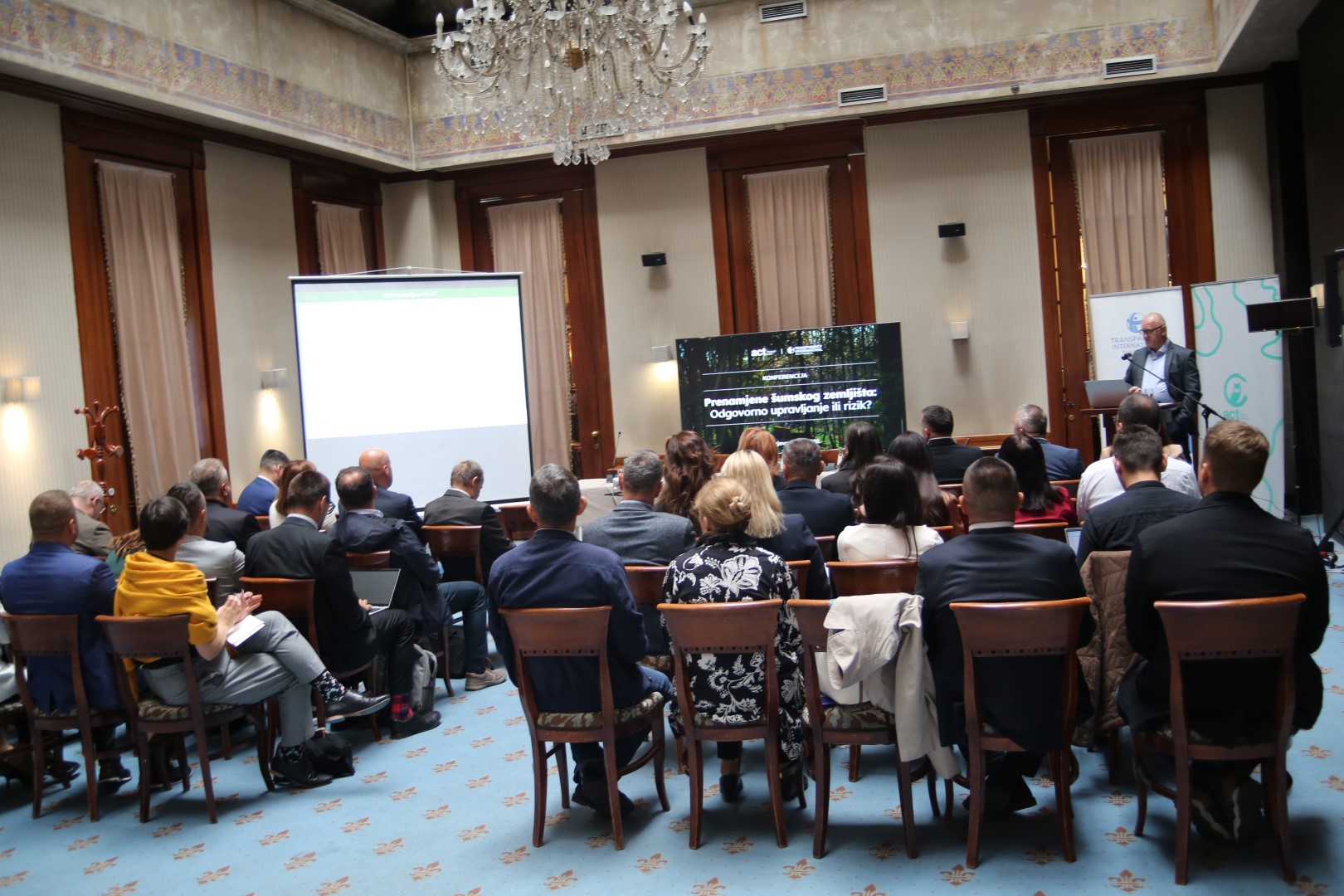
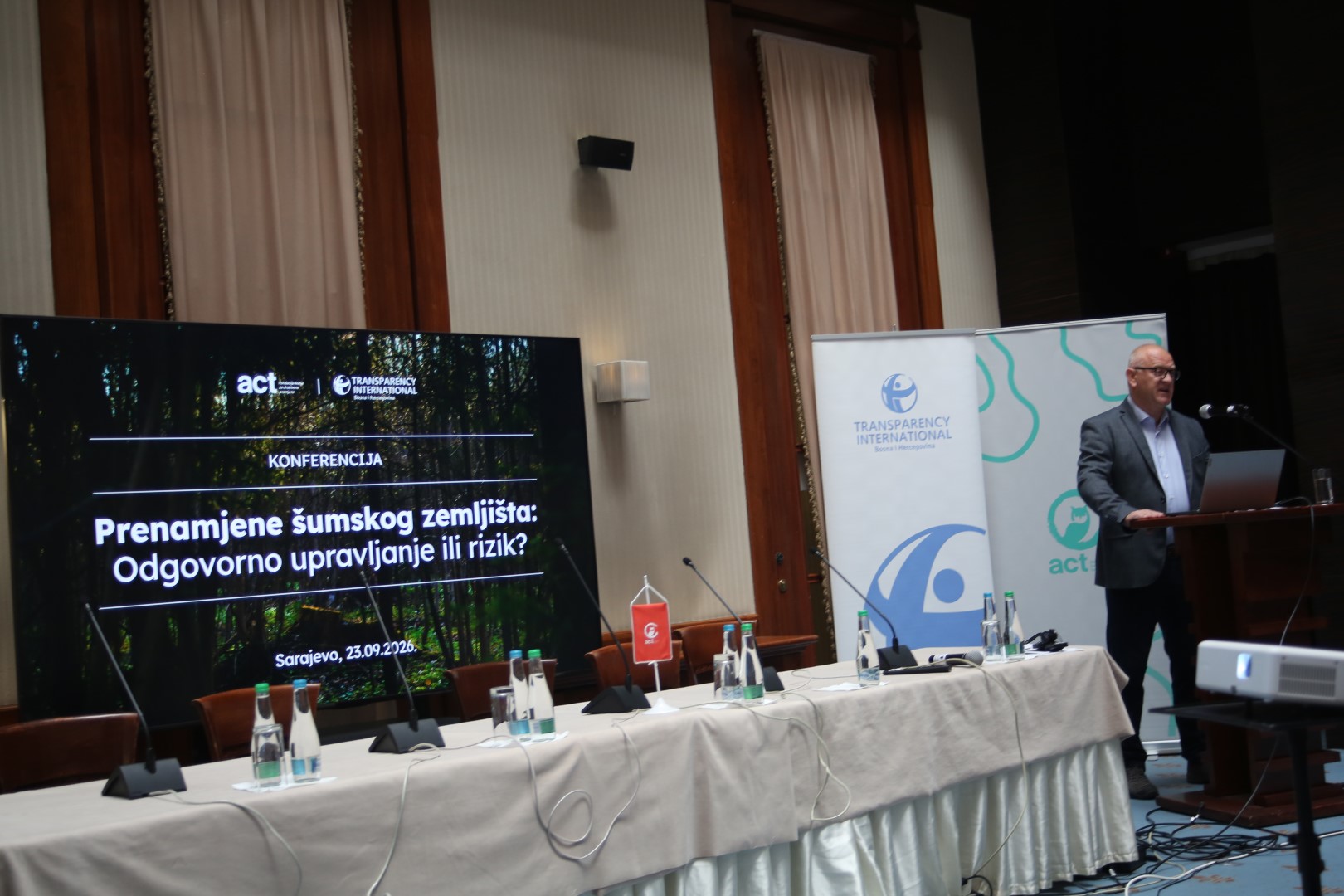
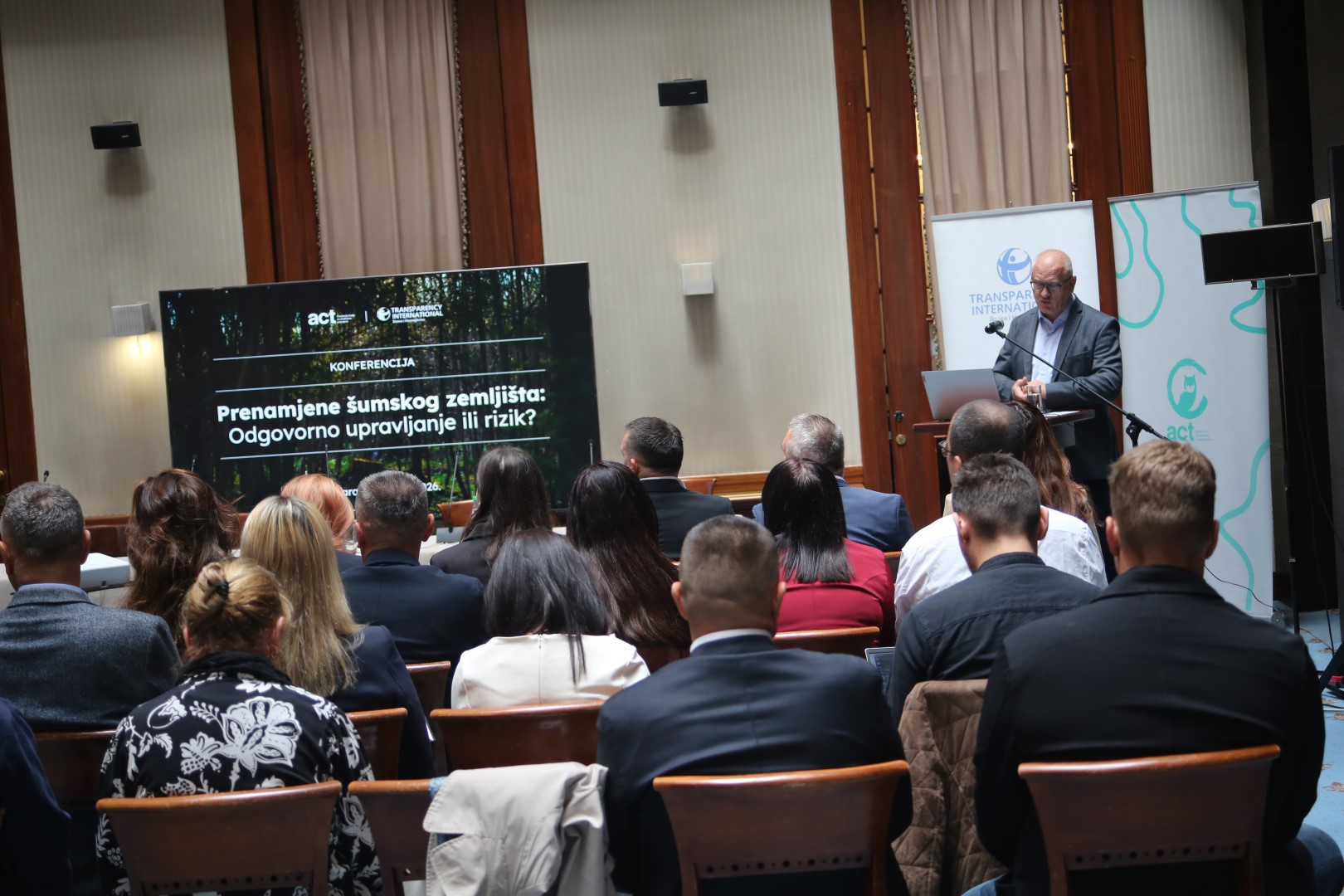
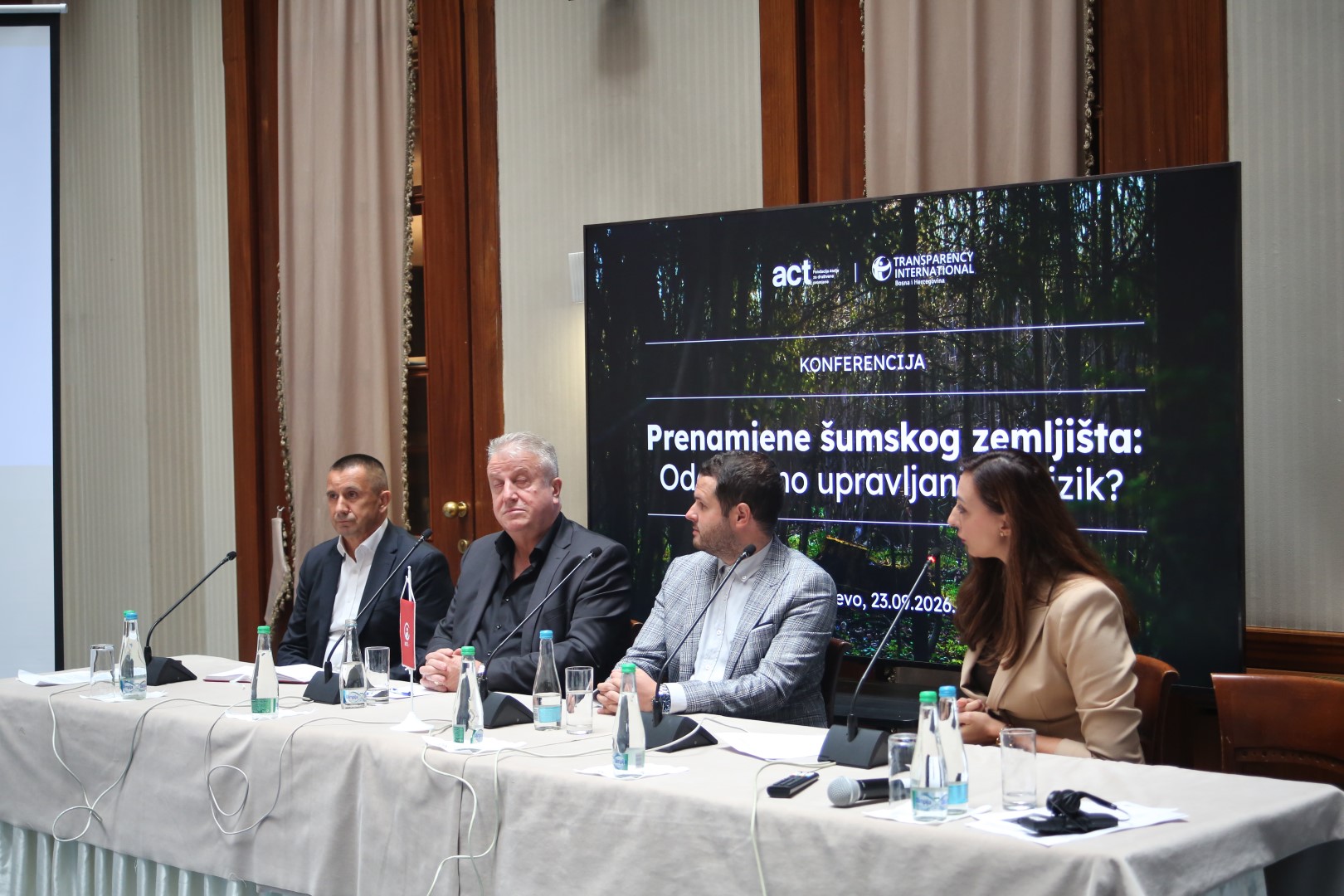
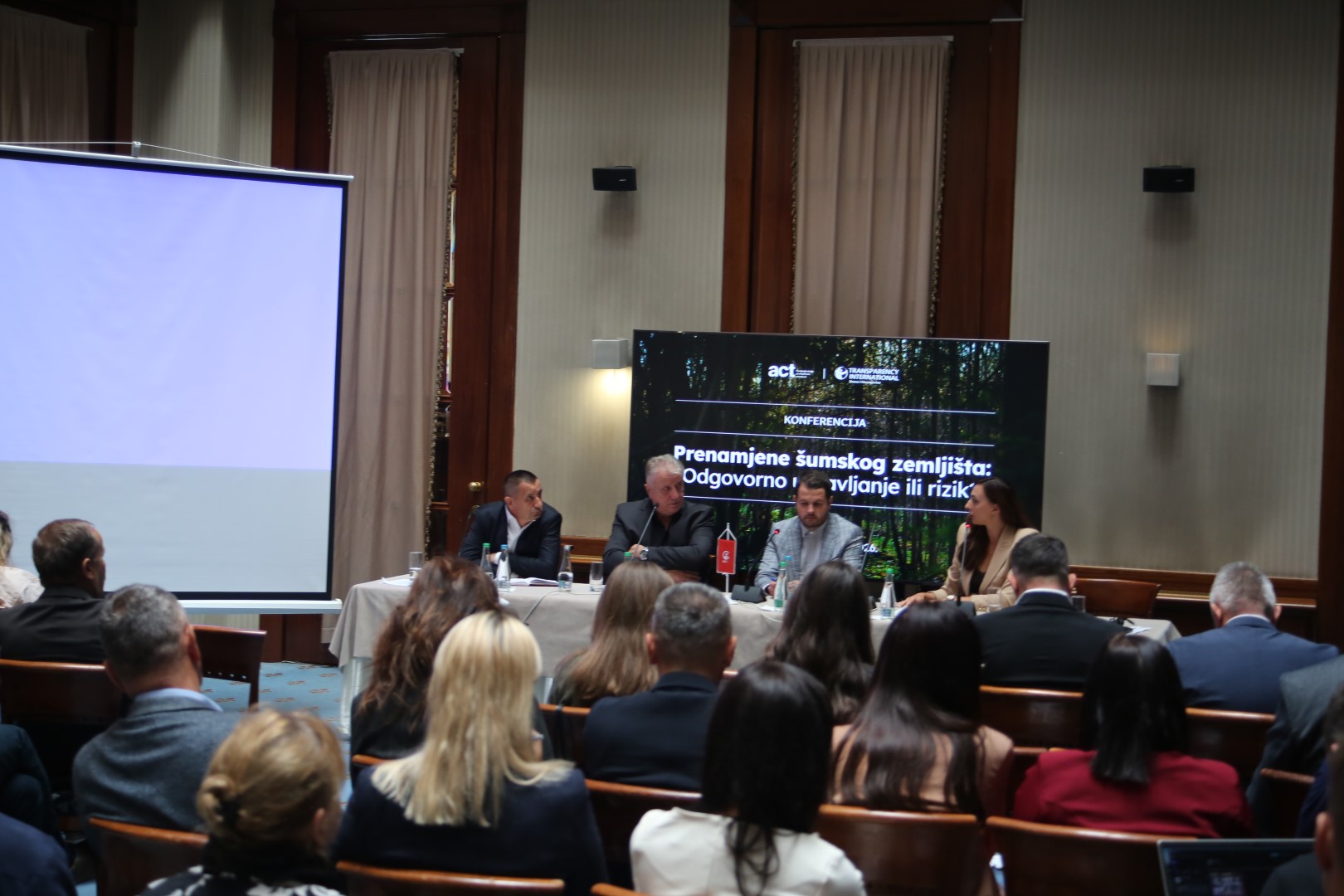
The research, which was presented at the conference “Conversion of Forest Land: Responsible Management or Risk?” in Sarajevo, in addition to areas, also states that conversion procedures are regulated by different regulations and practices, while citizens and local communities are not enabled to familiarize themselves with the future intervention and its consequences before a decision is made and to submit objections to the planned projects.
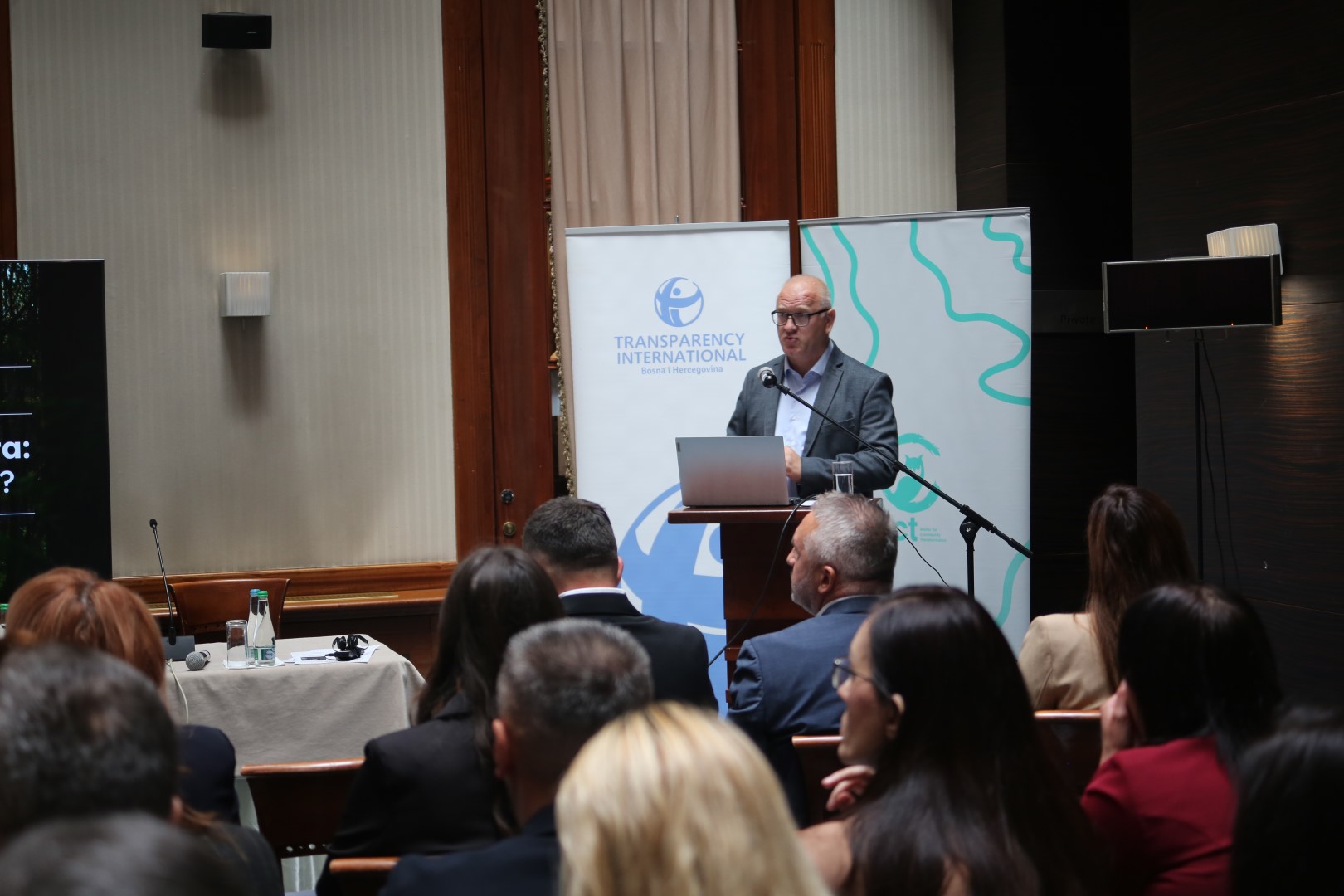
Bosnia and Herzegovina is a complex state in which we have 3.3 million hectares under forests and forest land, yet we do not have a state-level forestry law that would, in accordance with the principles of forestry science and practice, establish at least basic and common principles for forest management and administration. Instead, we have two parts: one in which a forestry law exists and which is fully centralized, and another in which there is no law and which is decentralized in the sense of forestry legislation existing at the cantonal level , stated Mersudin Avdibegović, who presented the Analysis of Forestry Legislation, adding that, although the data on conversion do not show that BiH stands out from the average of countries in the region or beyond, public participation in these processes is not at a level that satisfies legitimate interest, which is further aggravated by the absence of a methodology for calculating the value of forests, forest land, and all ecosystem functions.
The problem is particularly pronounced in the case of concessions realized on territory covered by forest, given that this area in BiH is regulated by 14 different laws and where earlier research has shown that institutions do not maintain complete and up-to-date registers nor publish sufficient data on contracts, fees, arrears, and the fulfillment of concessionaires’ obligations. When a concession project also requires the conversion of forest land, the public’s ability to gain insight into the economic benefit of the project and its ecological and social consequences is significantly diminished, while transparency is virtually nonexistent.
The need for clearer rules is also highlighted by the case of land conversion connected to the “Rupice” mine in Vareš, a project that has attracted significant public attention and concern due to its impact on the environment and water sources as well as human health. The Constitutional Court of BiH determined in 2024 that the decision of the Government of FBiH on the temporary use of forest land for the realization of the concession agreement is not in accordance with the Constitution of BiH because the Government was not competent to dispose of state property.
That decision, however, did not resolve the broader problem of informing the public in individual forest conversion procedures and their inclusion in the process itself.
In order to make part of the information available, TI BiH has developed a Concessions Register, which, in addition to data on concessions, also displays collected data on acts approving the conversion of forest land, the areas affected, and the scope of conversion by entity and year, enabling genuine public oversight and the beginning of strengthened transparency in this area.
ACT and TI BiH call on the competent institutions to publish all conversion decisions, data on the area, ownership, and future purpose of the land, justification of the public interest, the amounts of fees, and the obligations of investors. Citizens and local communities must be enabled to participate before a decision is made, and regulations should establish clear criteria for conversion and effective oversight of the fulfillment of obligations.
In addition, it is urgently necessary to adopt forestry laws in the Federation of BiH and in the Herzegovina-Neretva Canton, so that the area of forest management in this BiH entity and canton is brought under legal frameworks and harmonized with the rest of BiH.
Get involved
Stay tuned
Subscribe to our newsletter and receive periodic notifications about our, announcements, calls and activities via email.
Don't miss it
If you want to receive our announcements immediately after the publication, leave your e-mail address in the field below.