PRESS RELEASES AND ANNOUNCEMENTS

Key dates

Without reforms, BiH loses one billion marks from the Growth Plan by the end of the year. Marta Kos: There will be no extension of this deadline

Sarajevo, 29. April 2026 . Bosnia and Herzegovina faces the risk of permanently losing 373.9 of the total 976.6 million euros available to it through the Growth Plan for the...

TI BiH
Izvještaji za Mediae

Without reforms, BiH loses one billion marks from the Growth Plan by the end of the year. Marta Kos: There will be no extension of this deadline

Sarajevo, 29. April 2026 . Bosnia and Herzegovina faces the risk of permanently losing 373.9 of the total 976.6 million euros available to it through the Growth Plan for the Western Balkans if it does not implement reforms in the areas of strengthening the rule of law, judicial integrity, preventing conflicts of interest, and protecting whistleblowers by the end of the year, as it committed to under the Reform Agenda.

While warnings from the EU indicate that deadlines will no longer be extended, BiH has already been sanctioned with a 10% reduction in available funds due to delays, meaning that 108 million euros will be invested elsewhere instead of in development and infrastructure projects in BiH, and further procrastination means not only the loss of nearly one billion marks, but also further erosion of credibility on the European path.

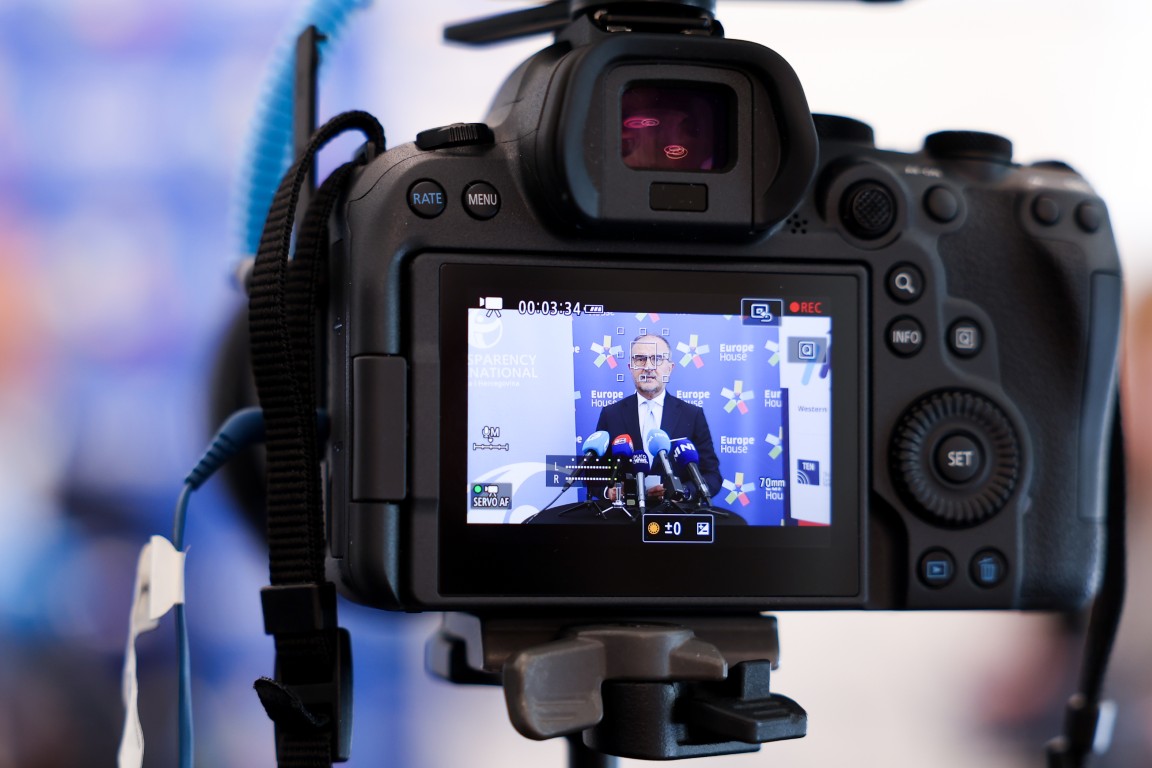
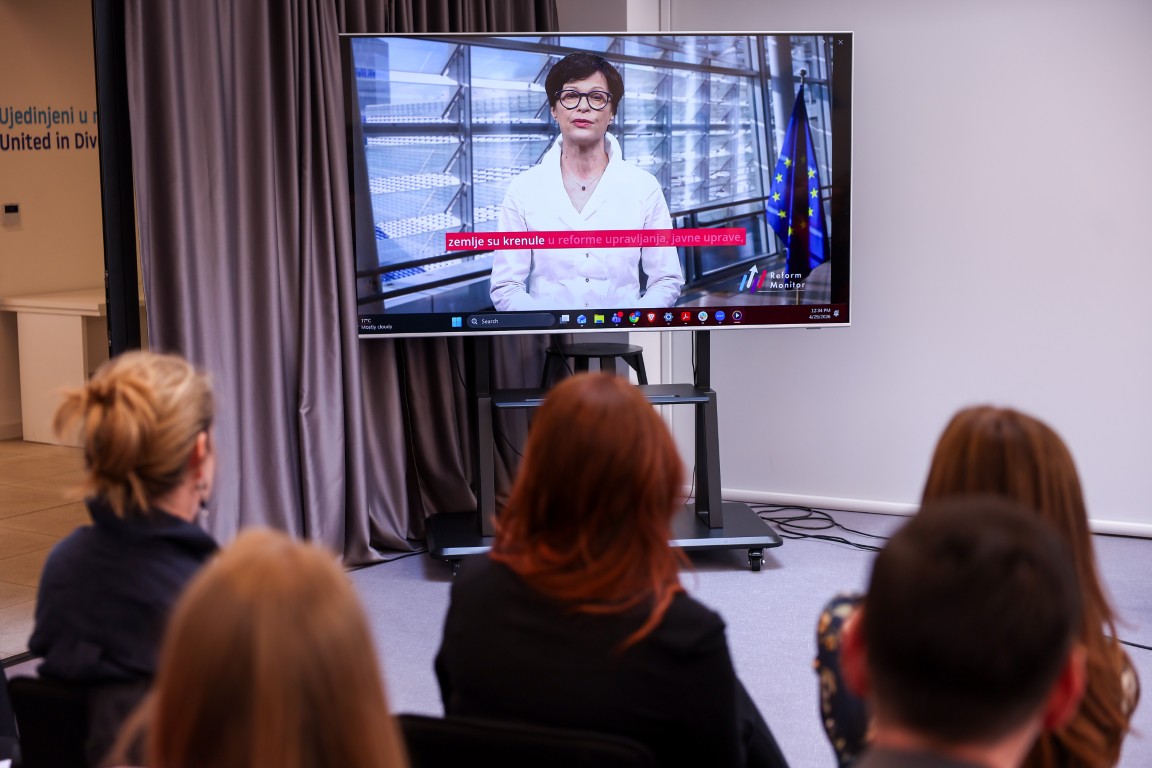
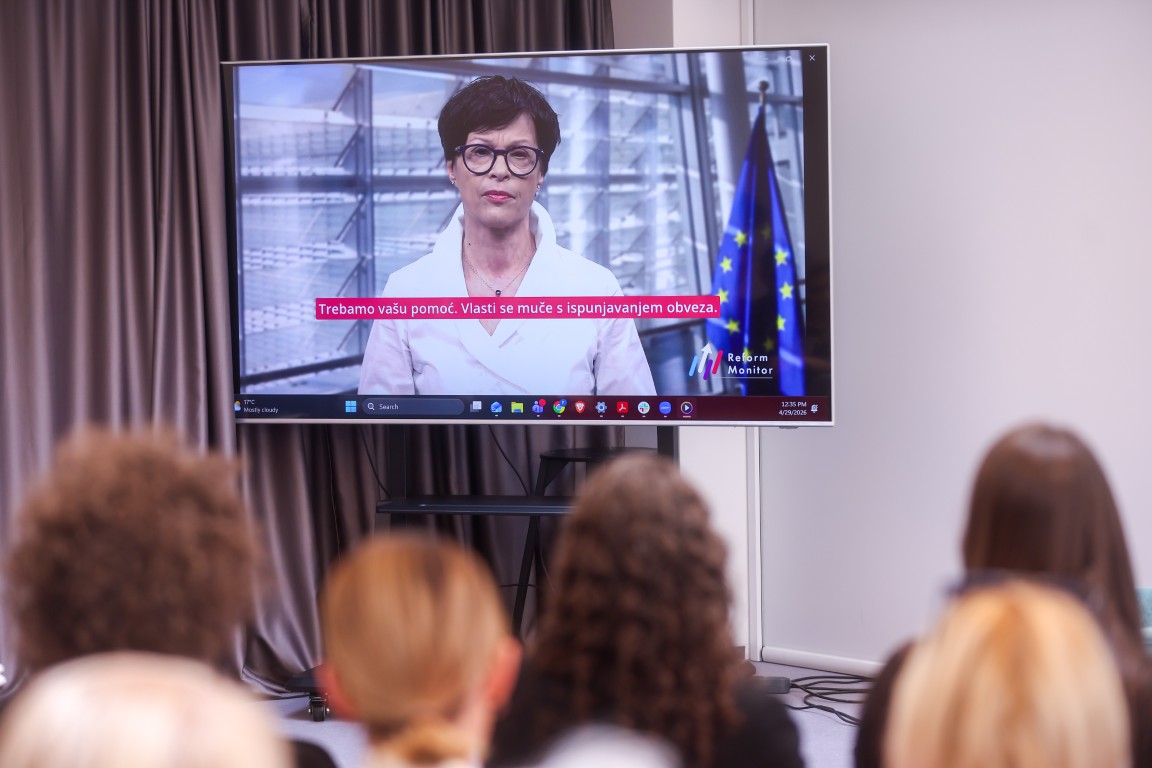
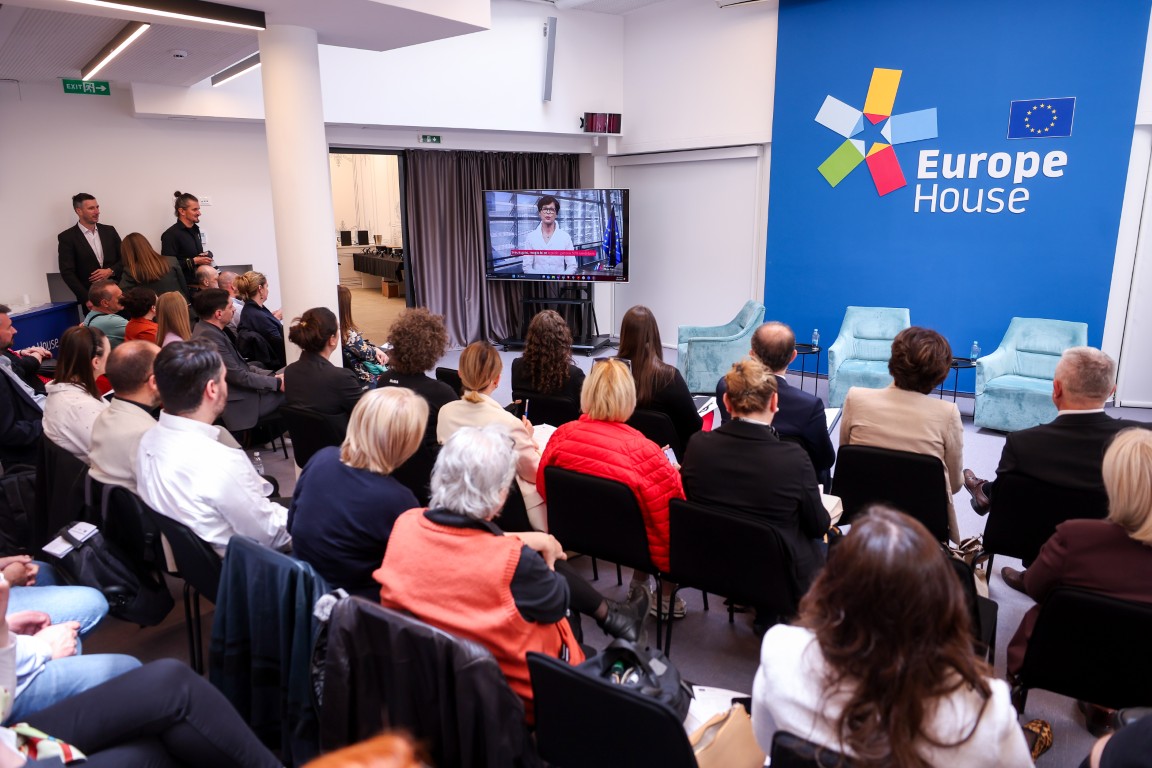
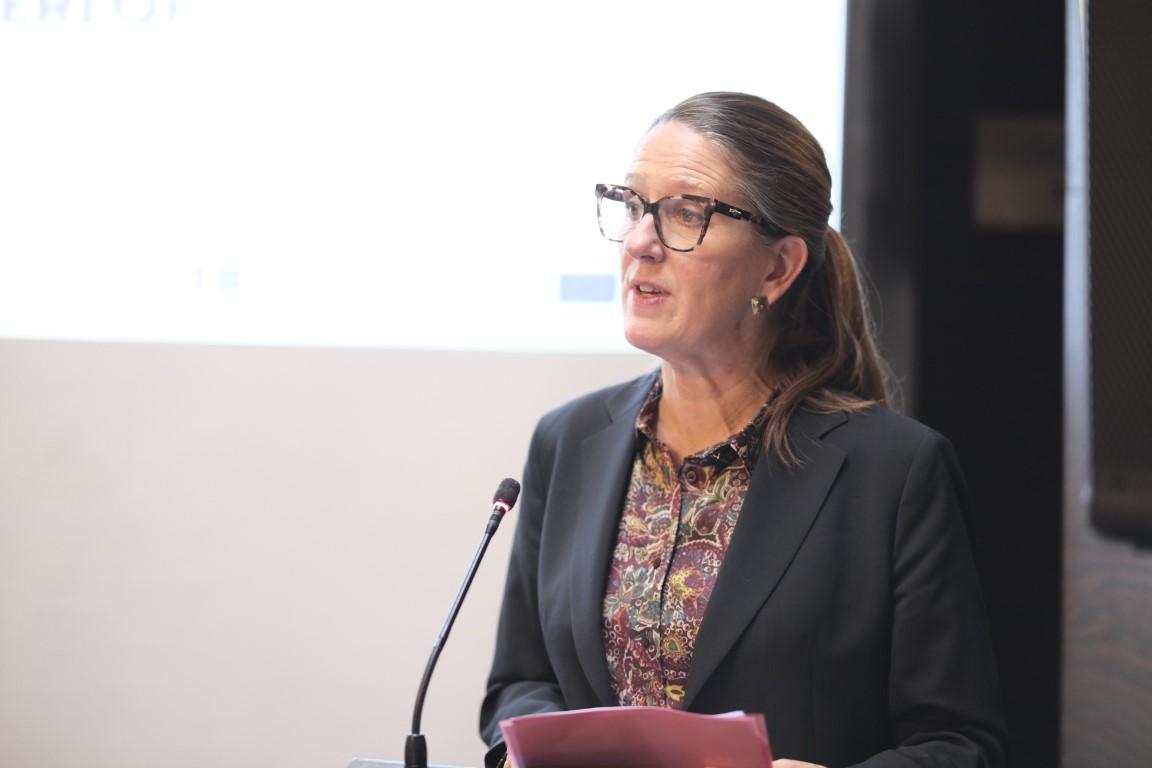
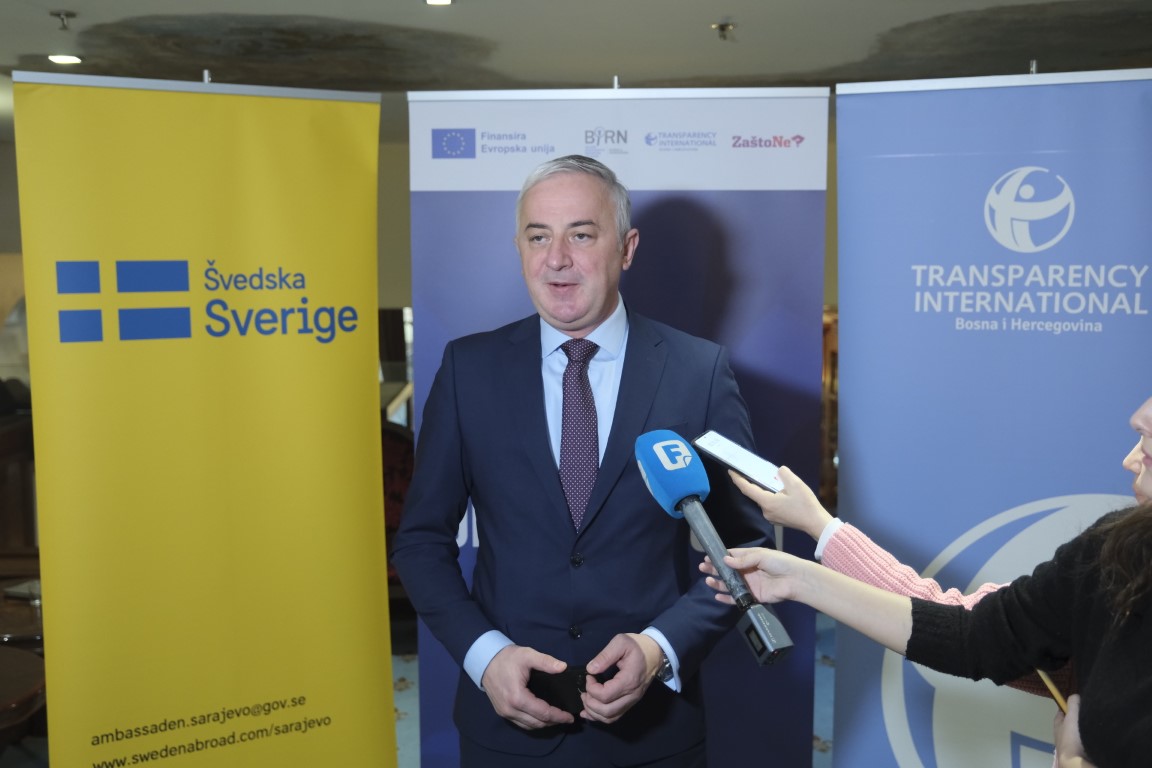
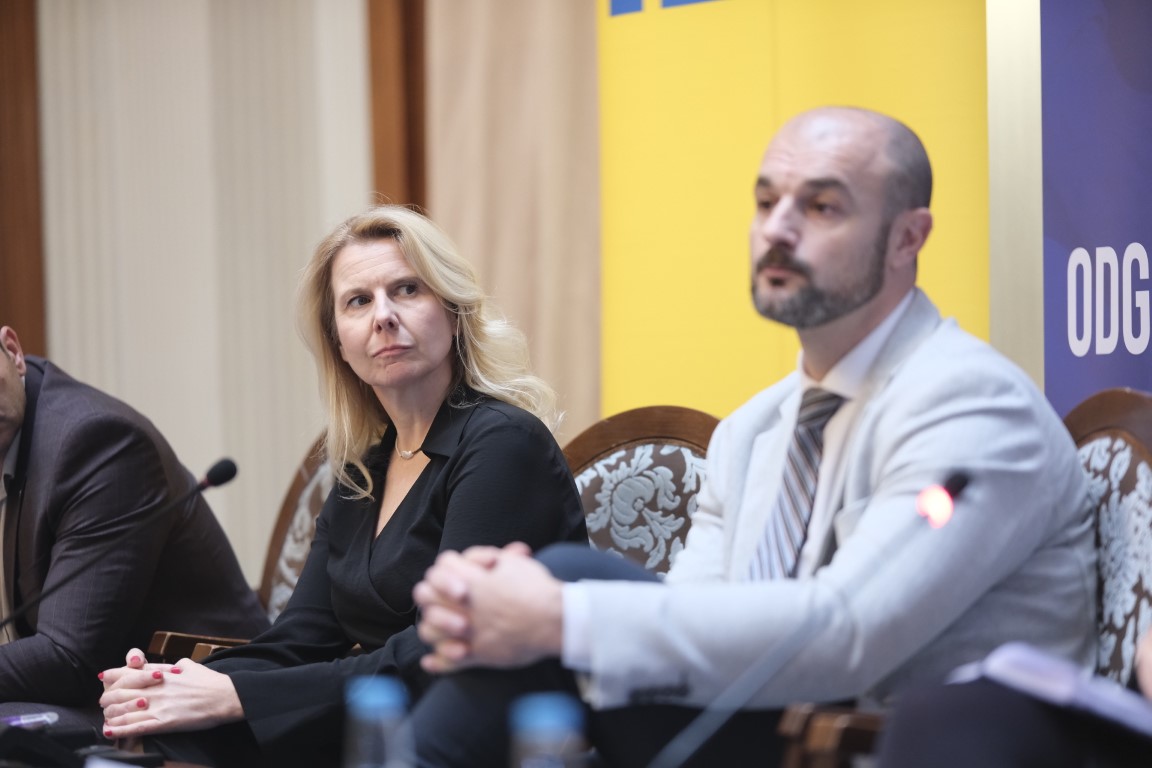
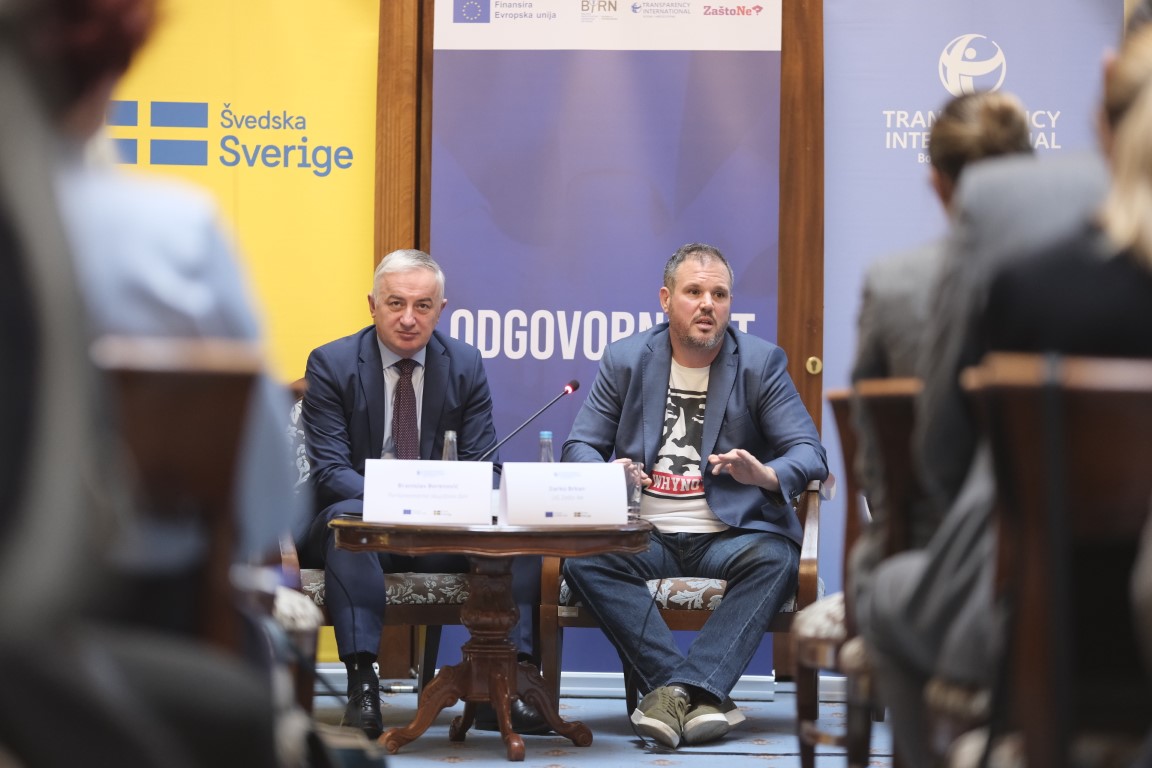
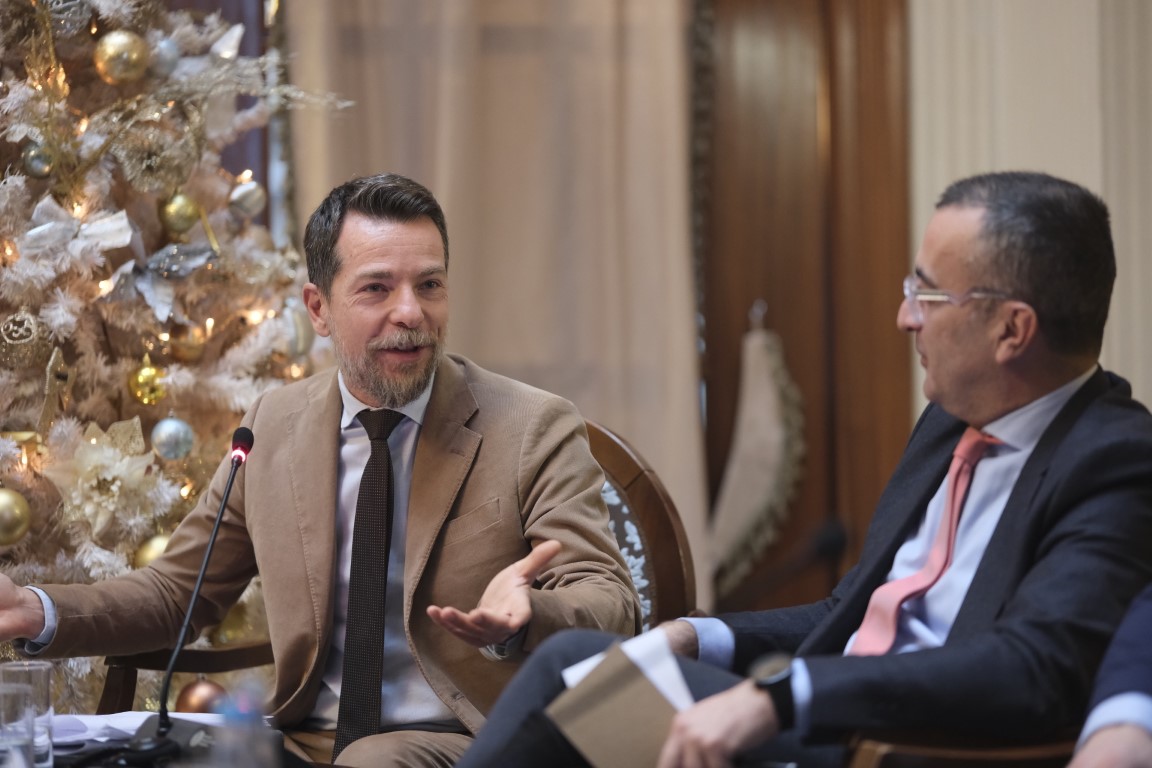
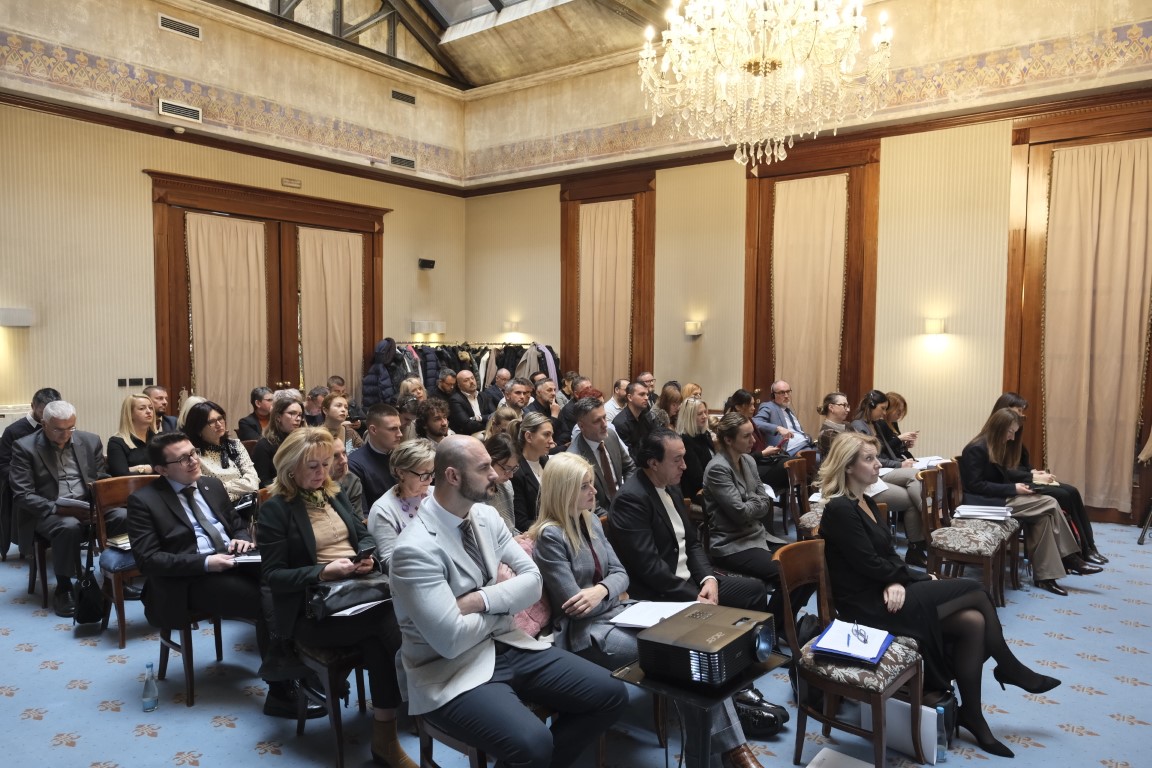
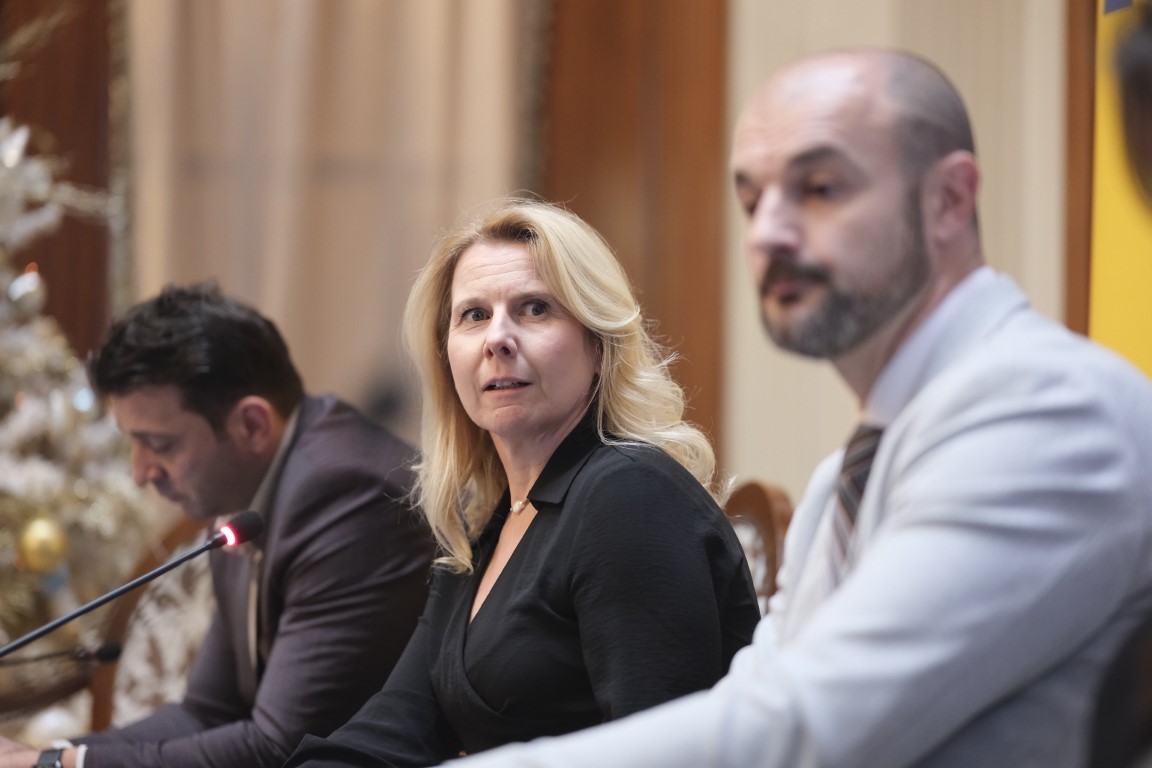
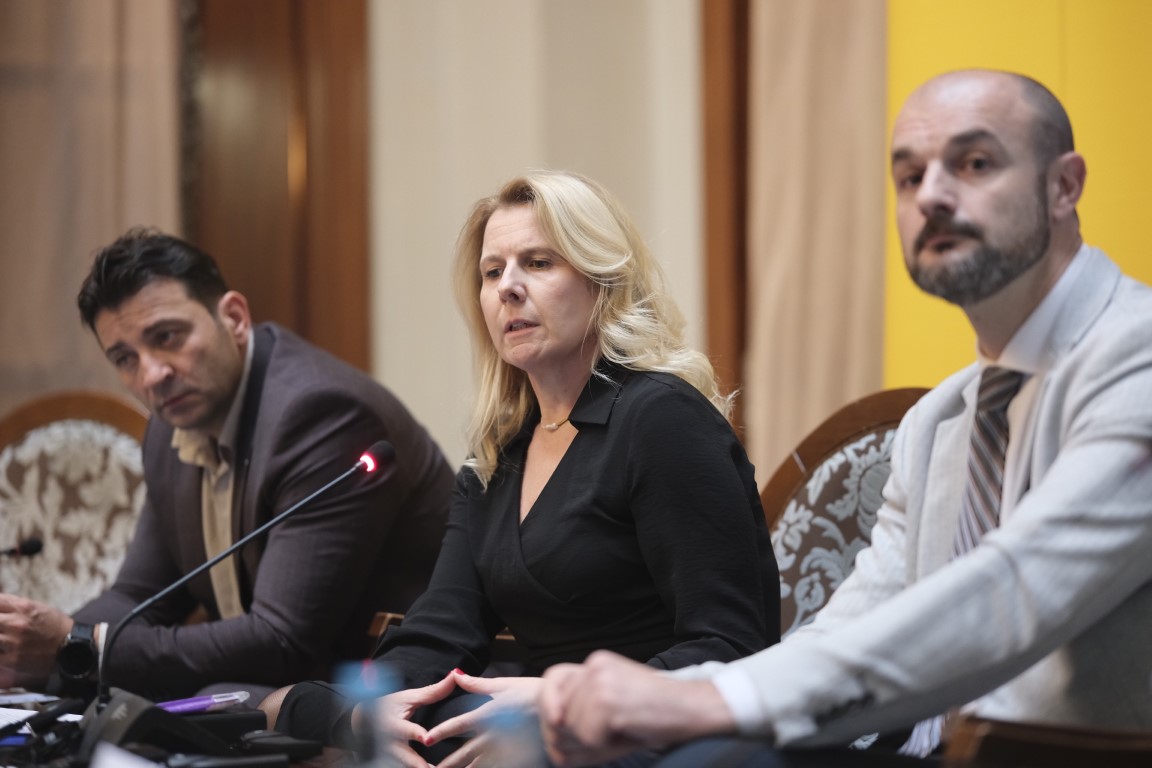
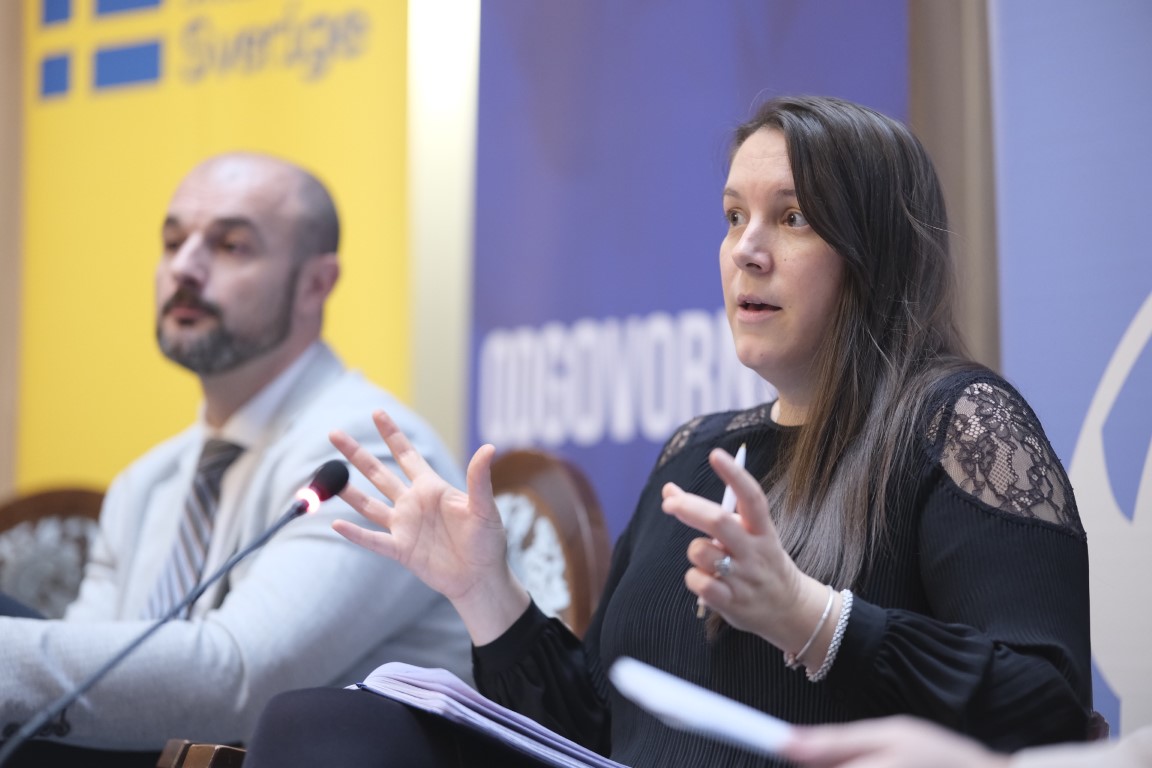
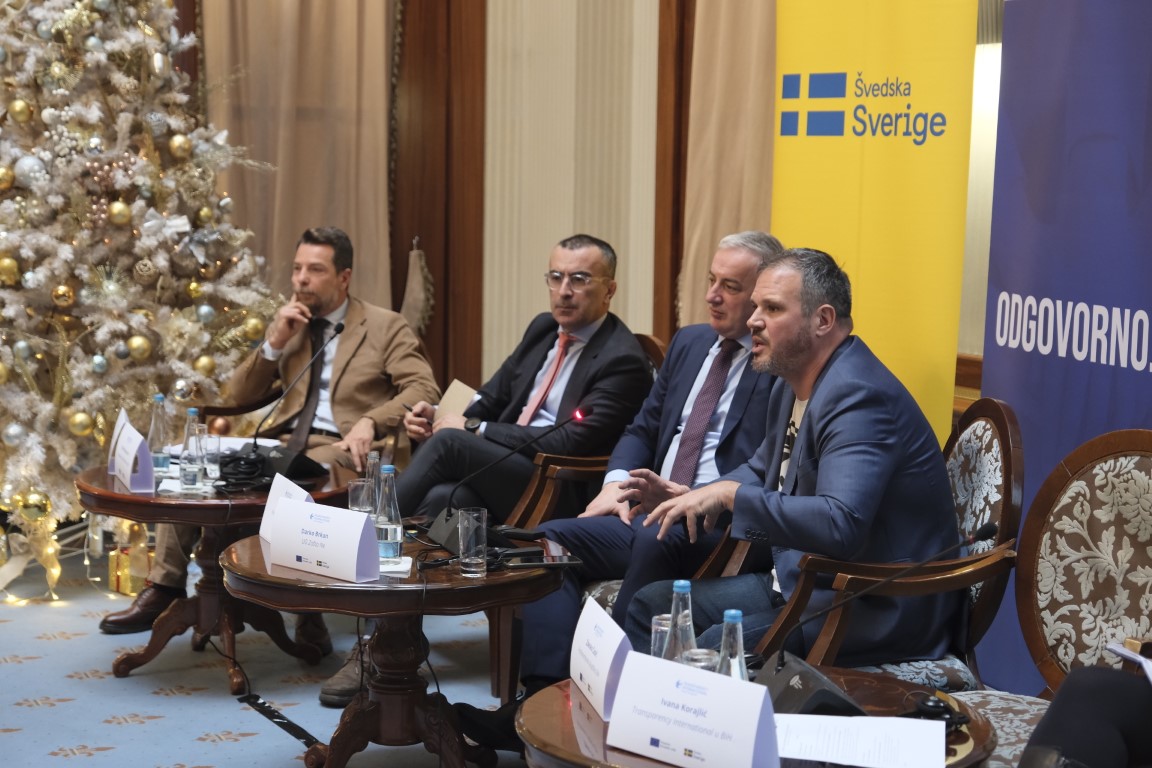
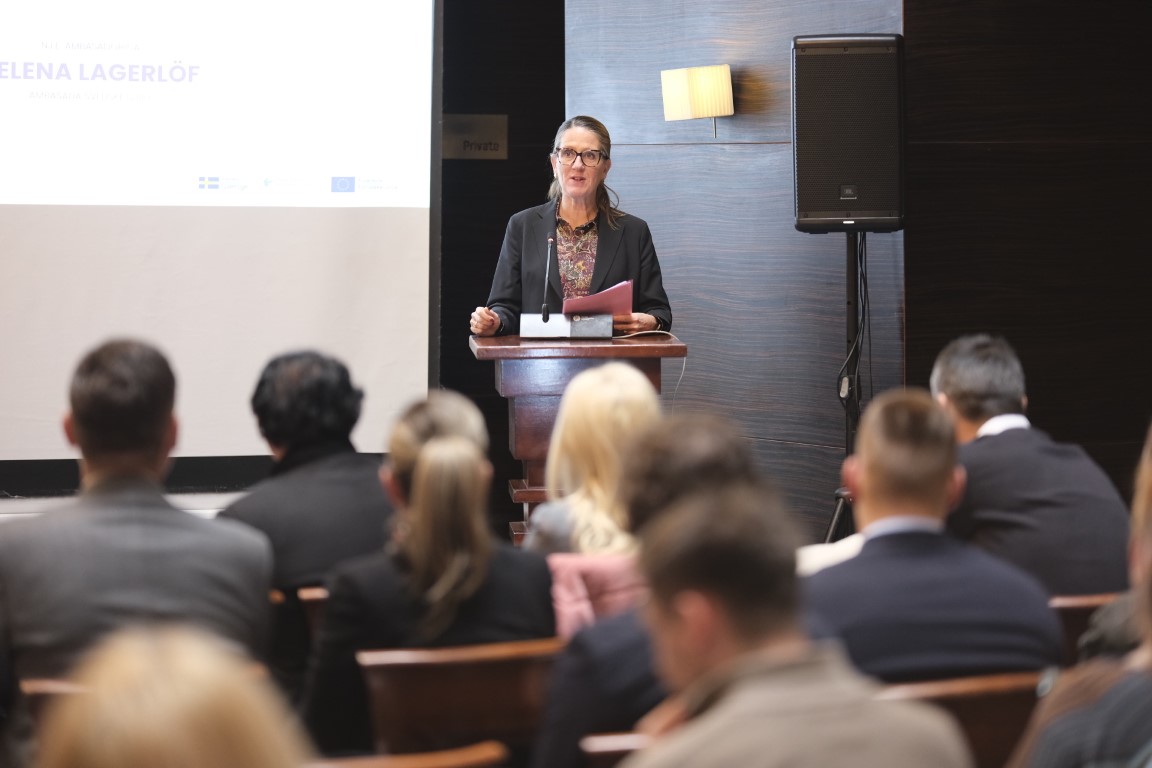
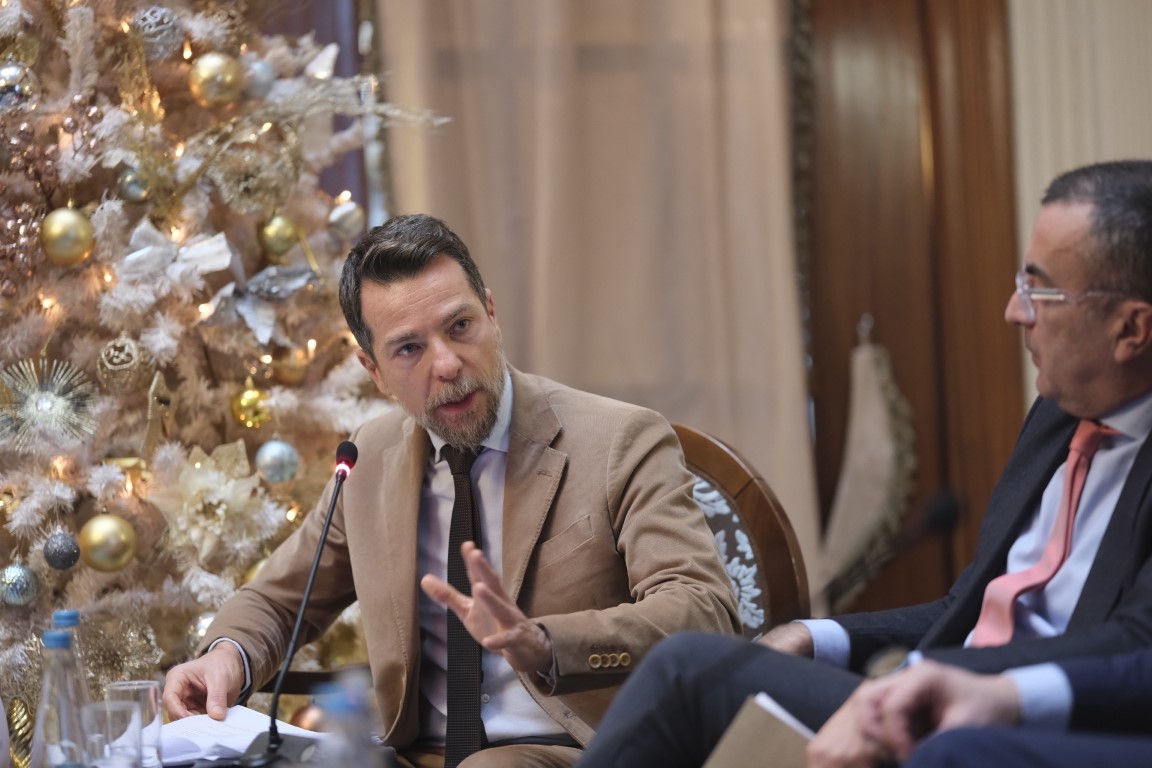
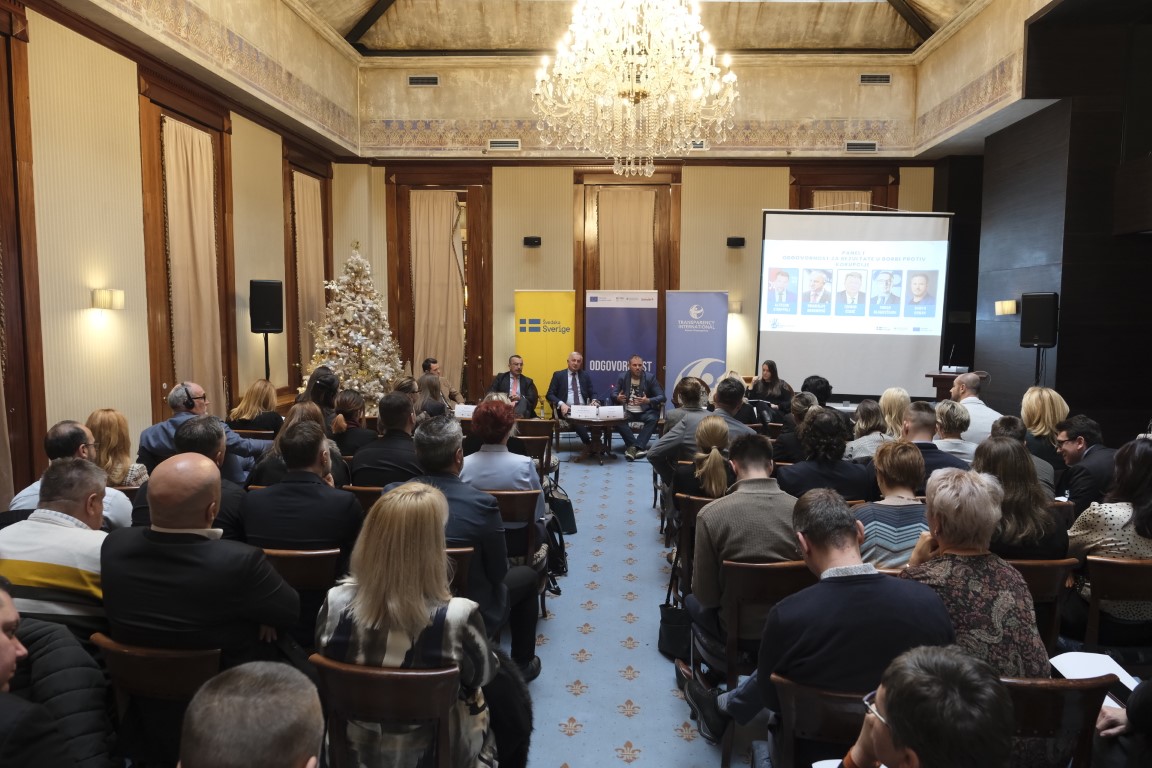
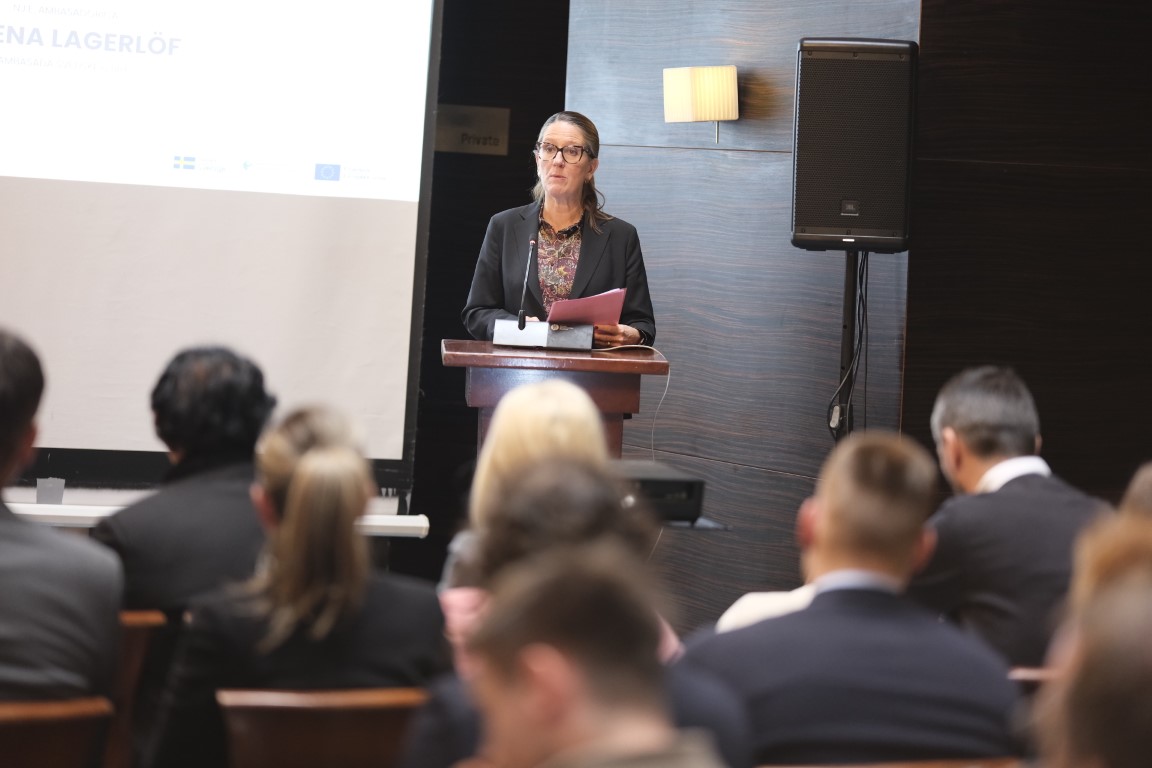
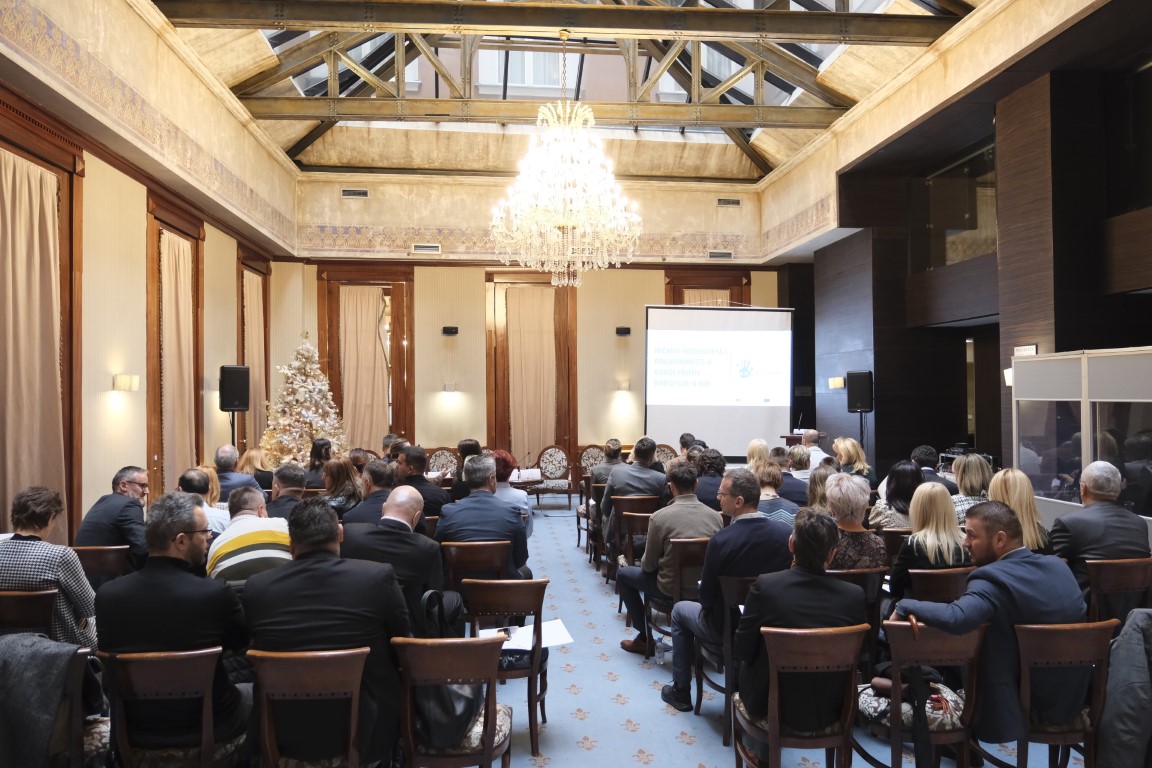
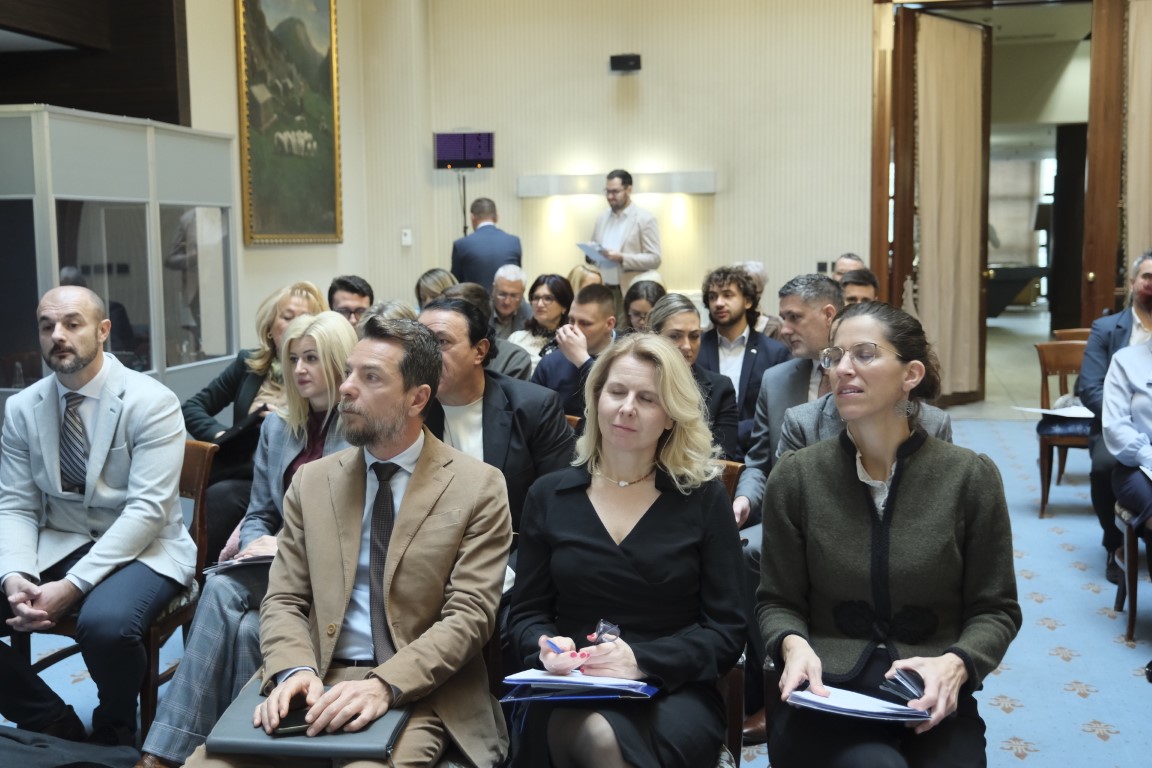
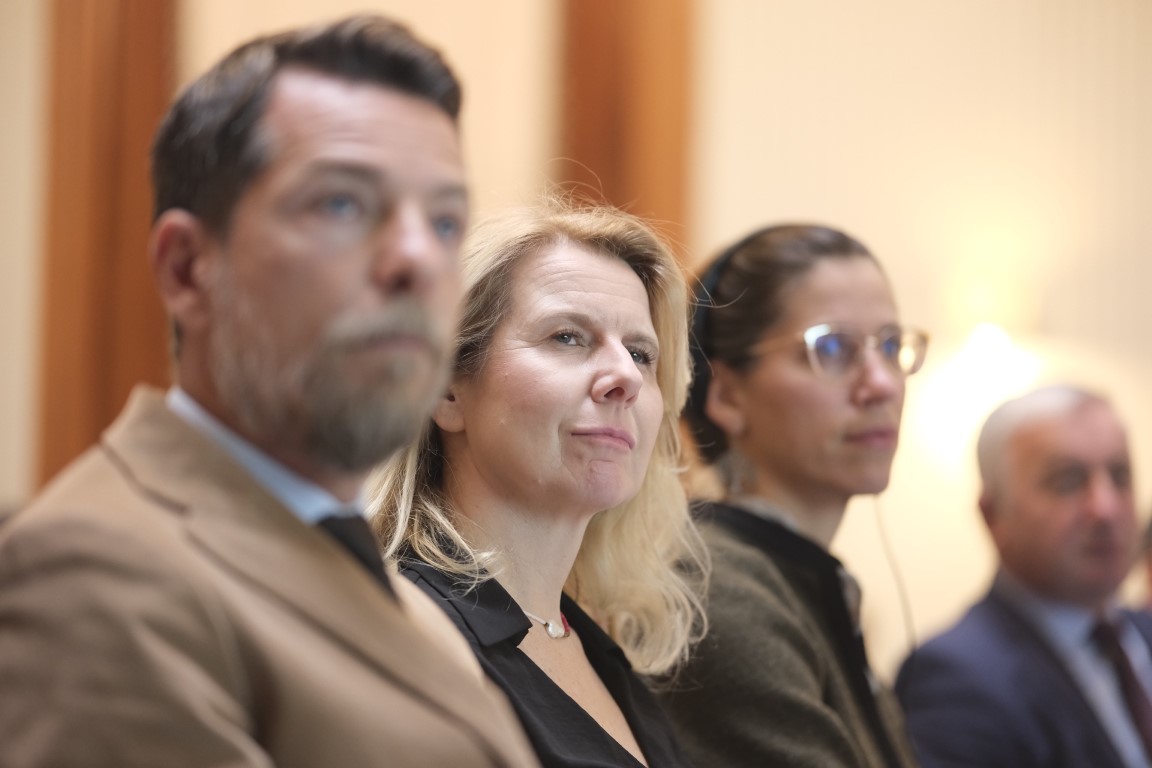
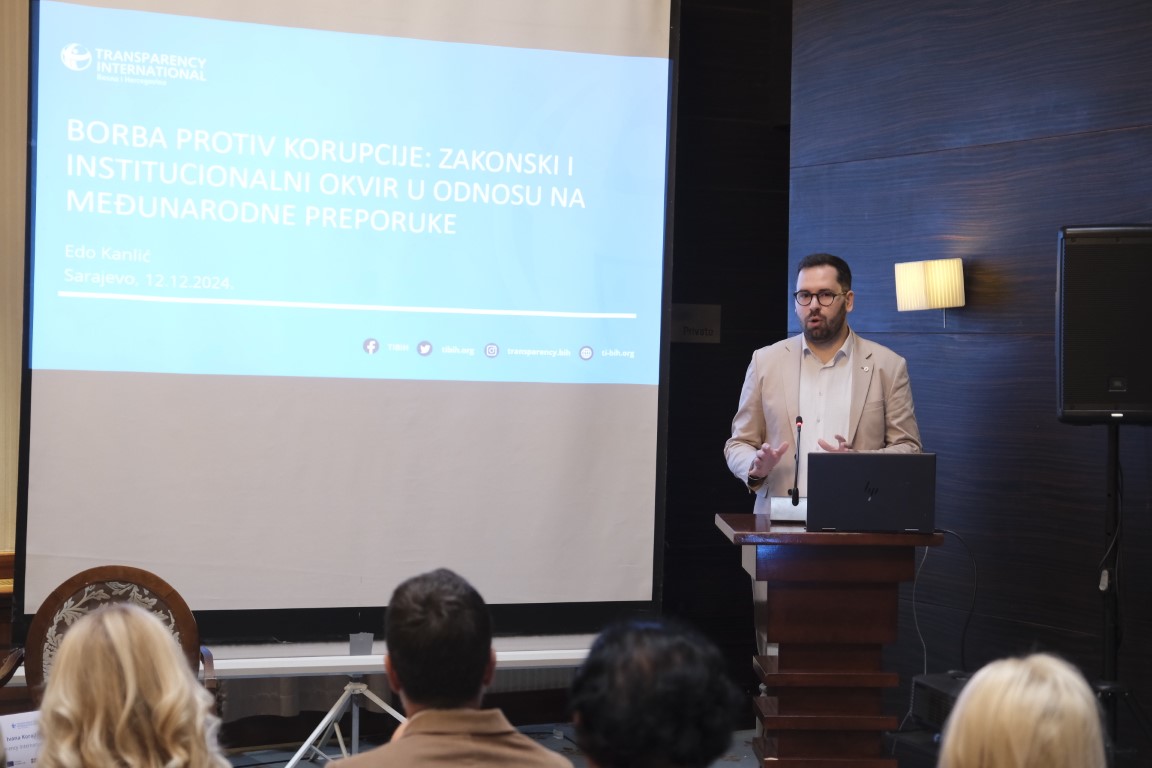
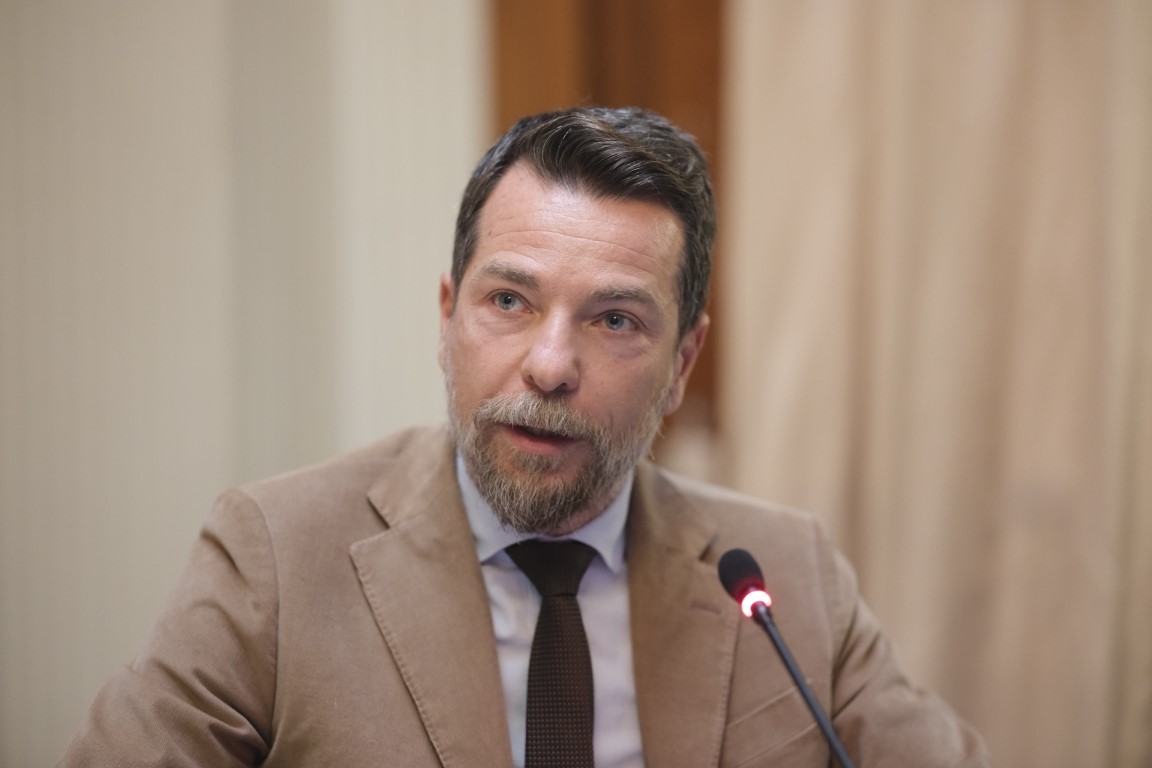
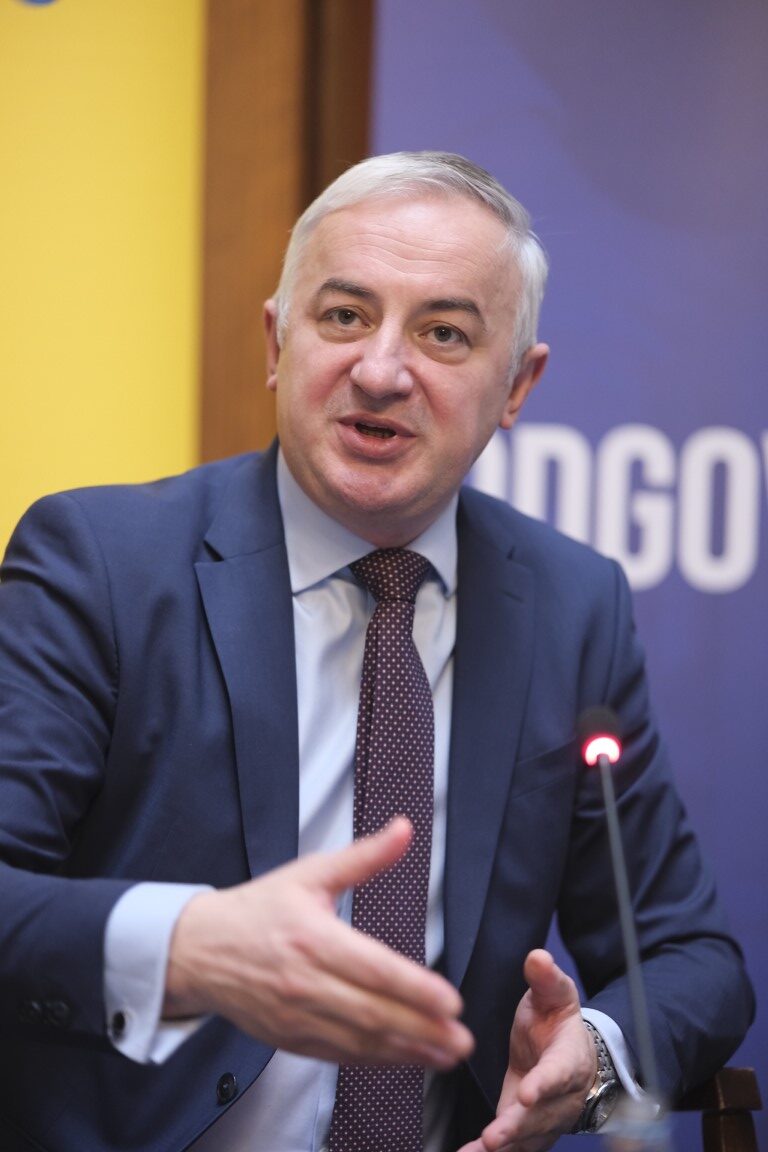
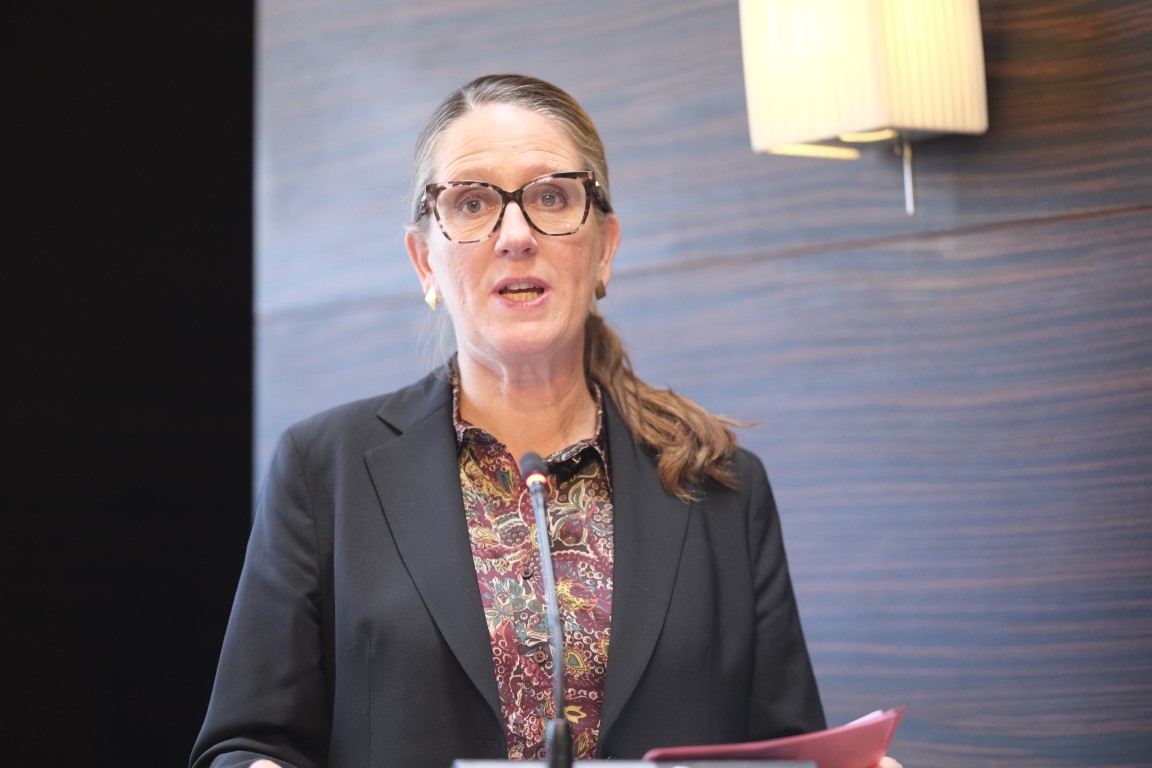
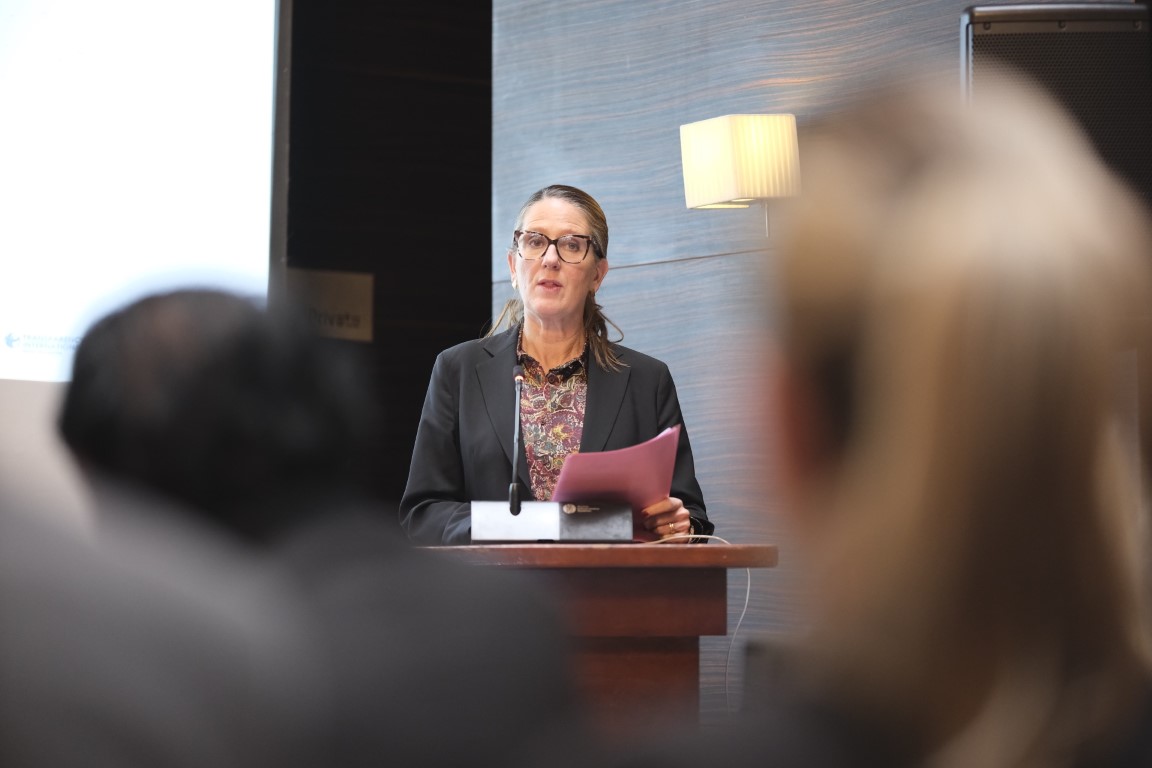
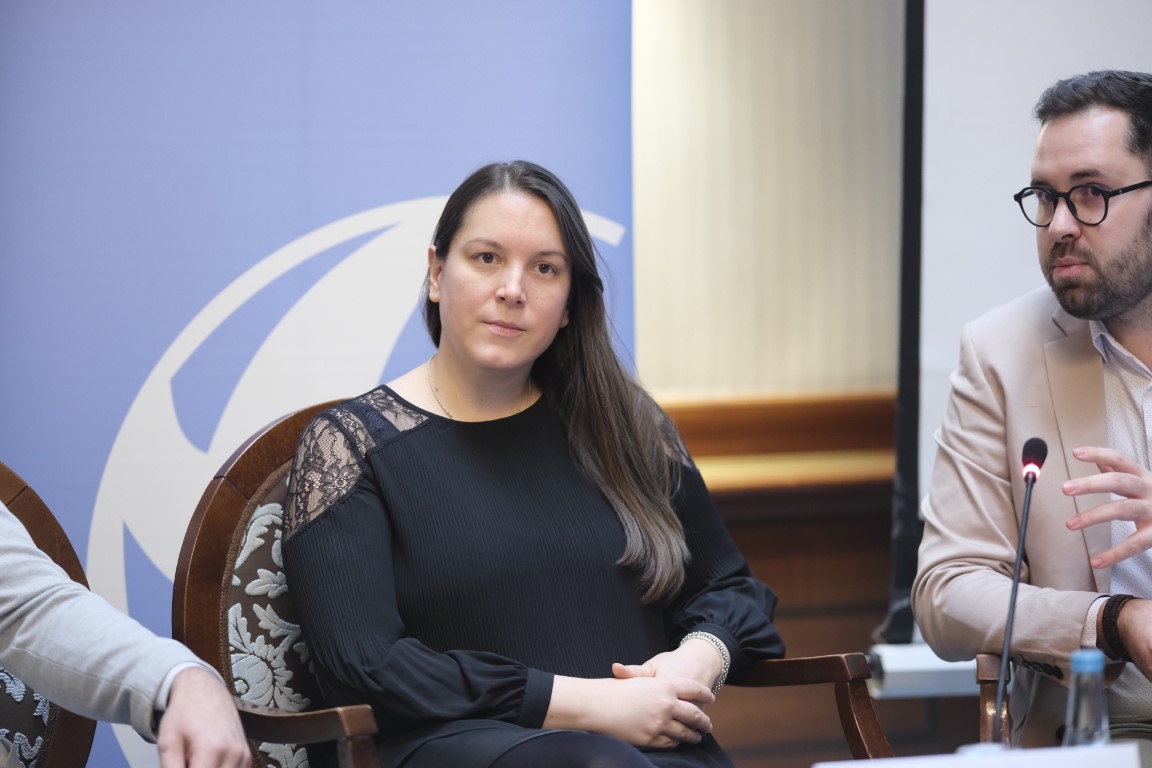
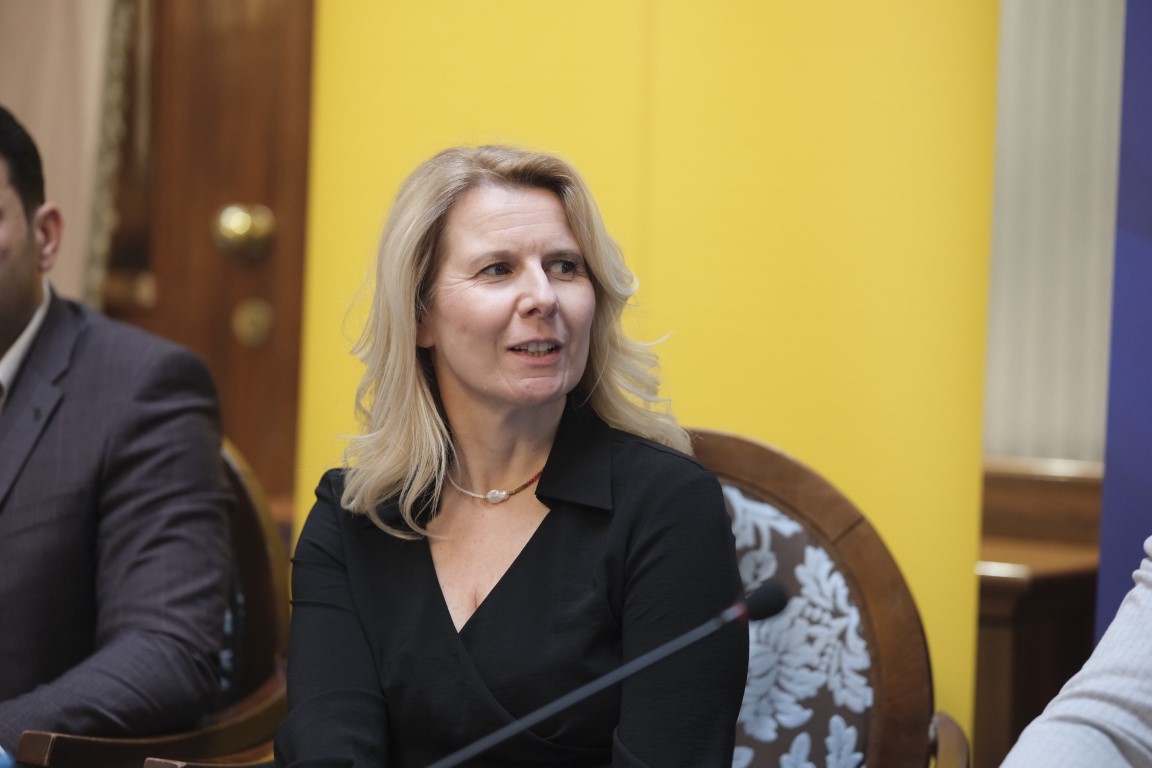
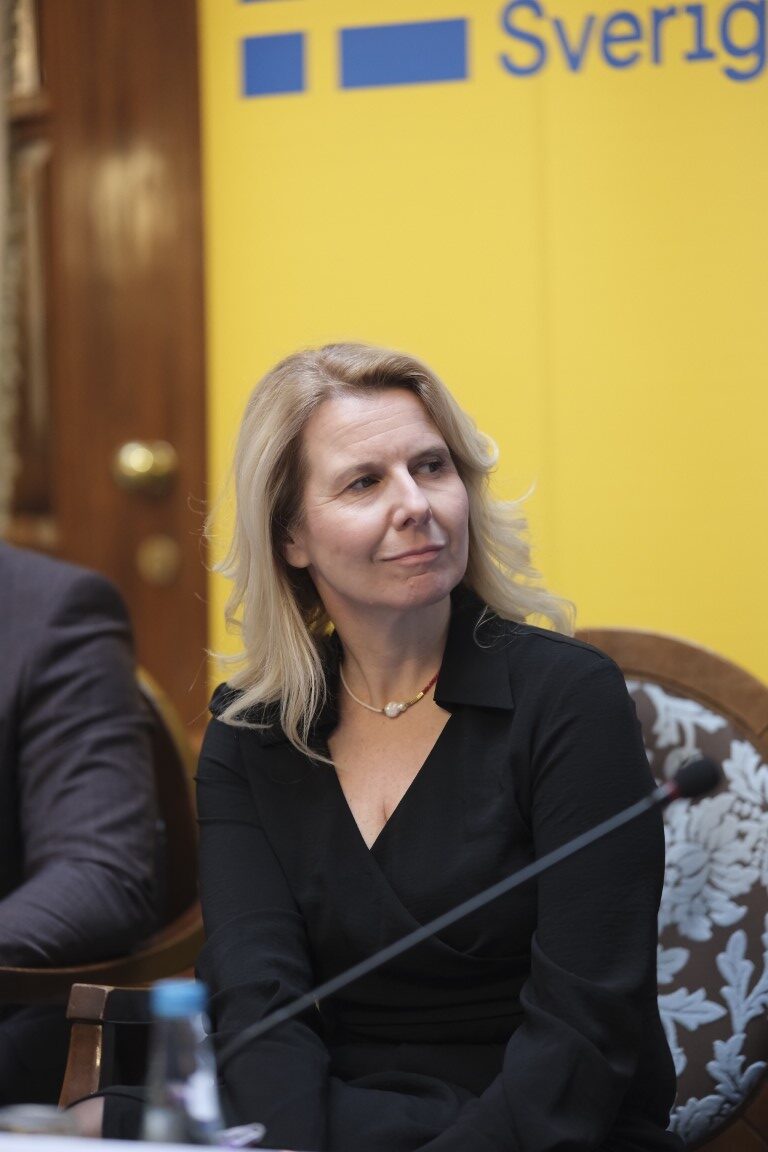
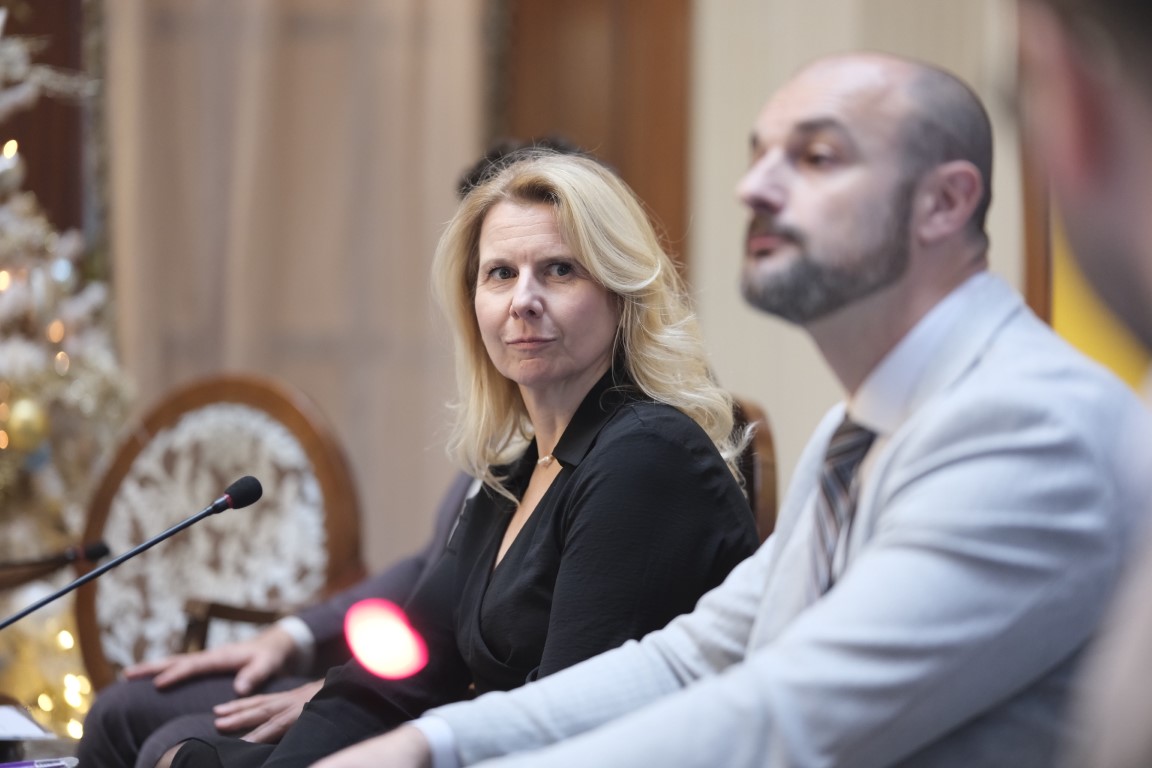
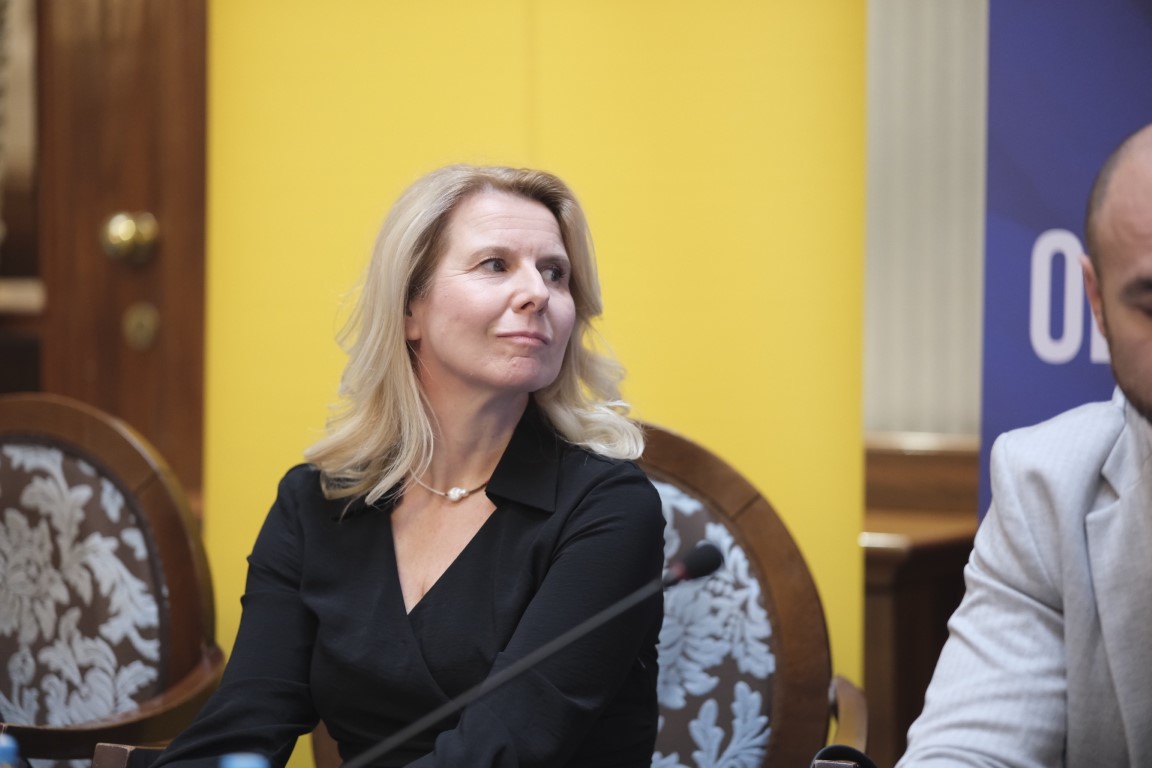
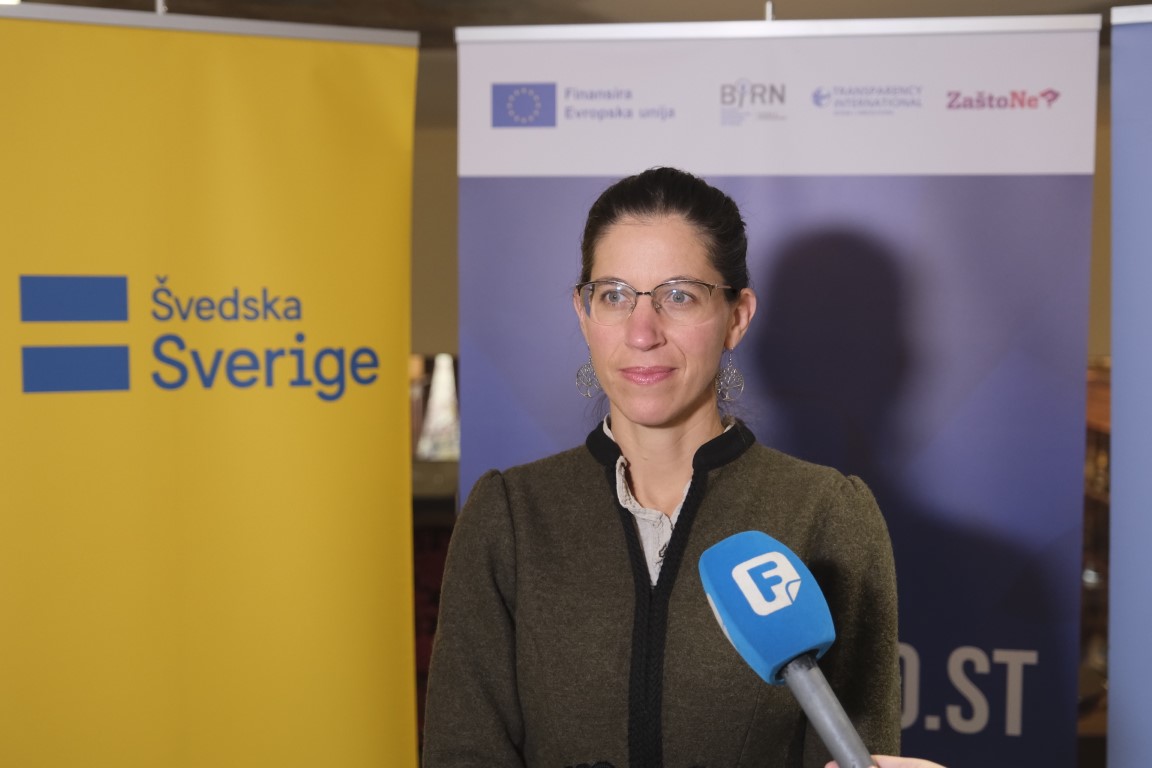
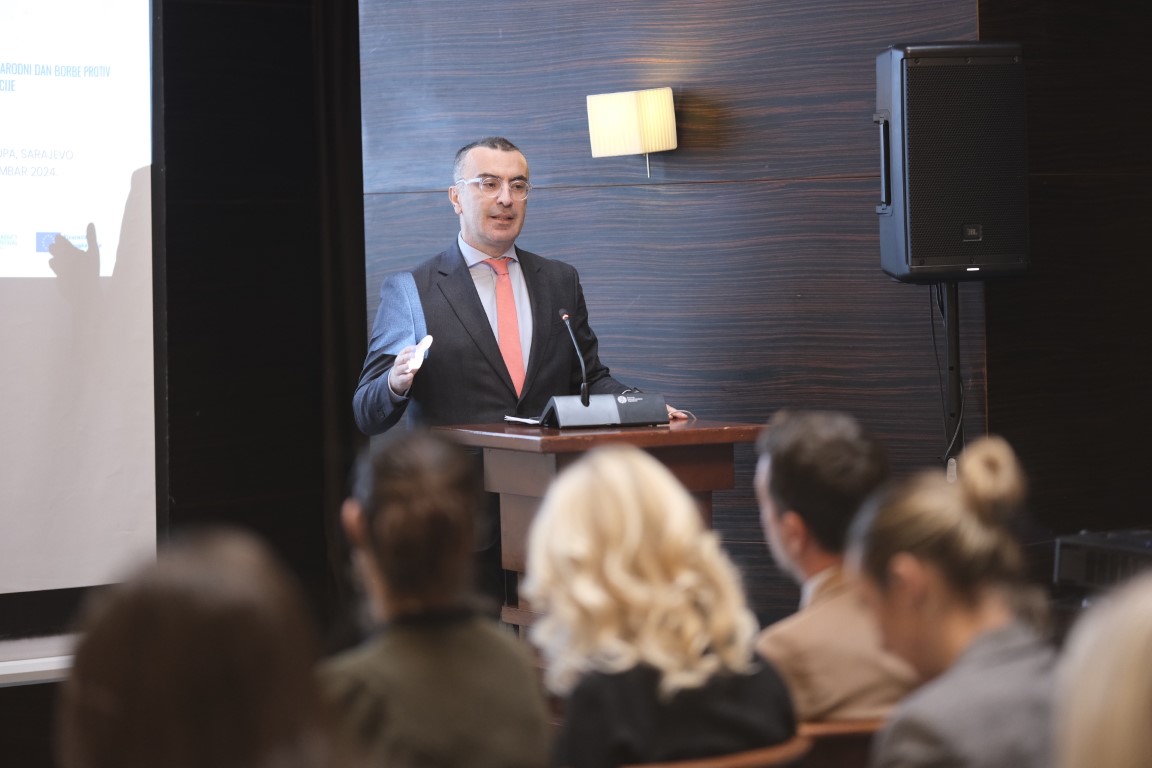
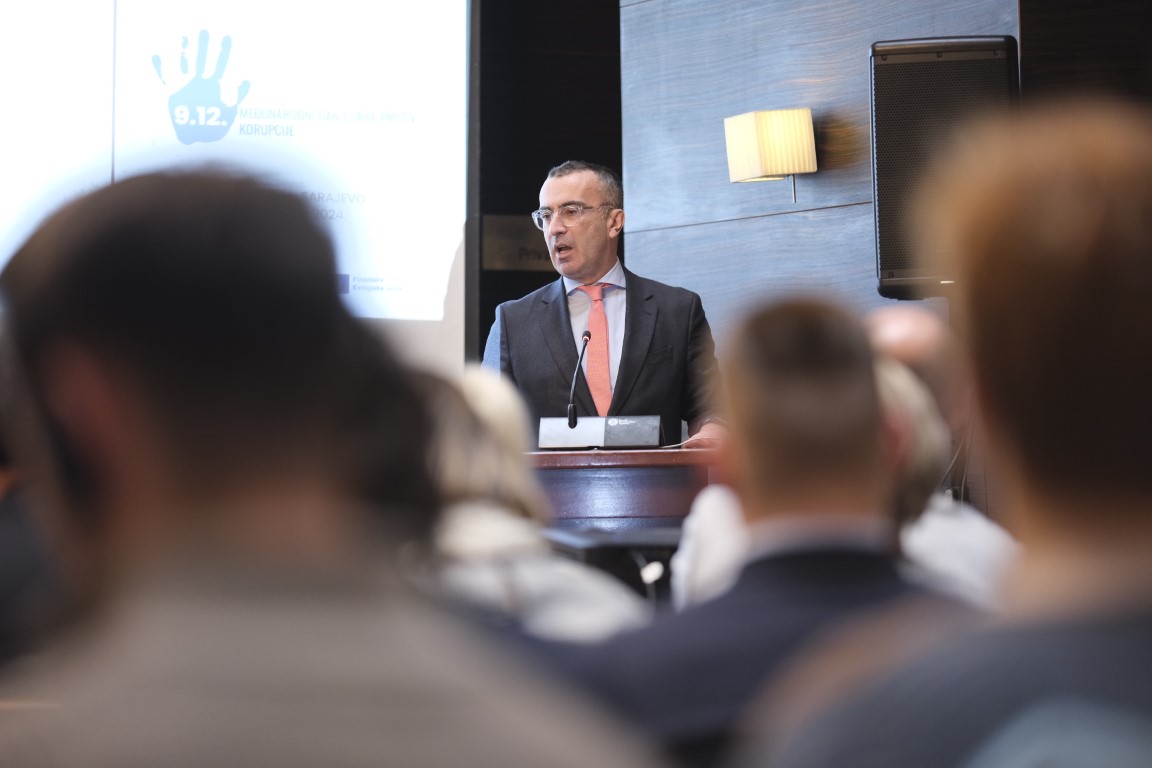
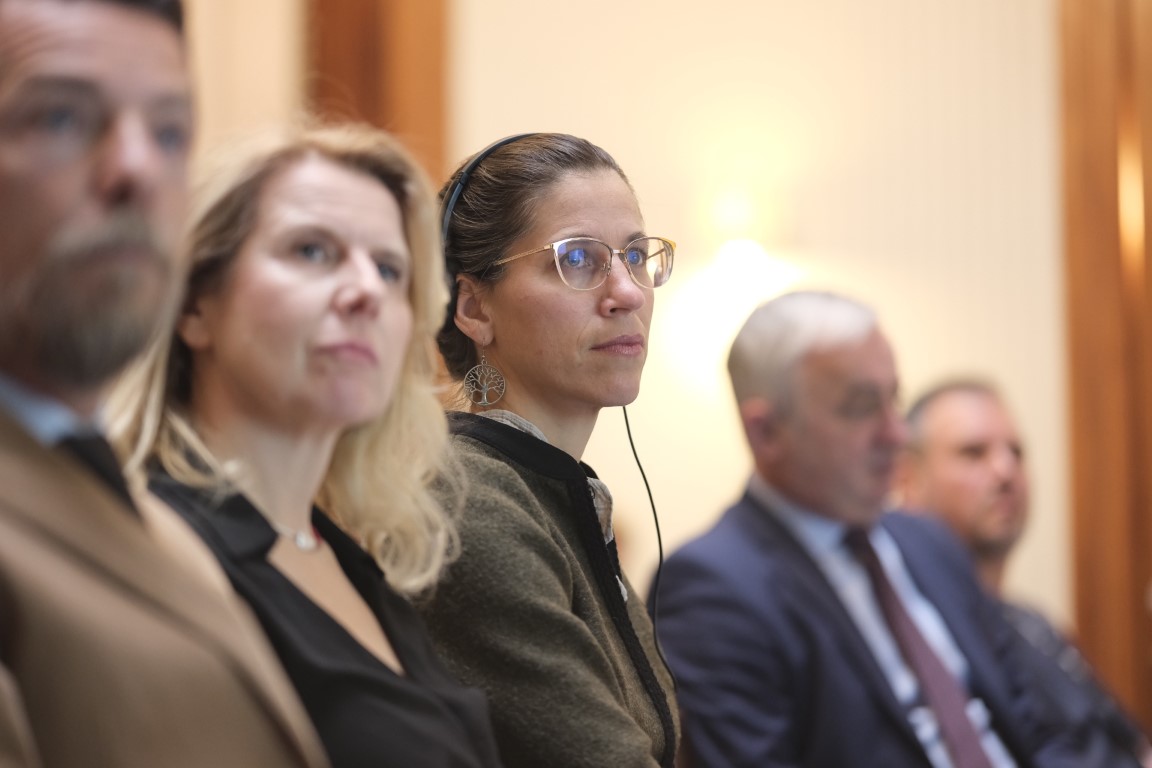
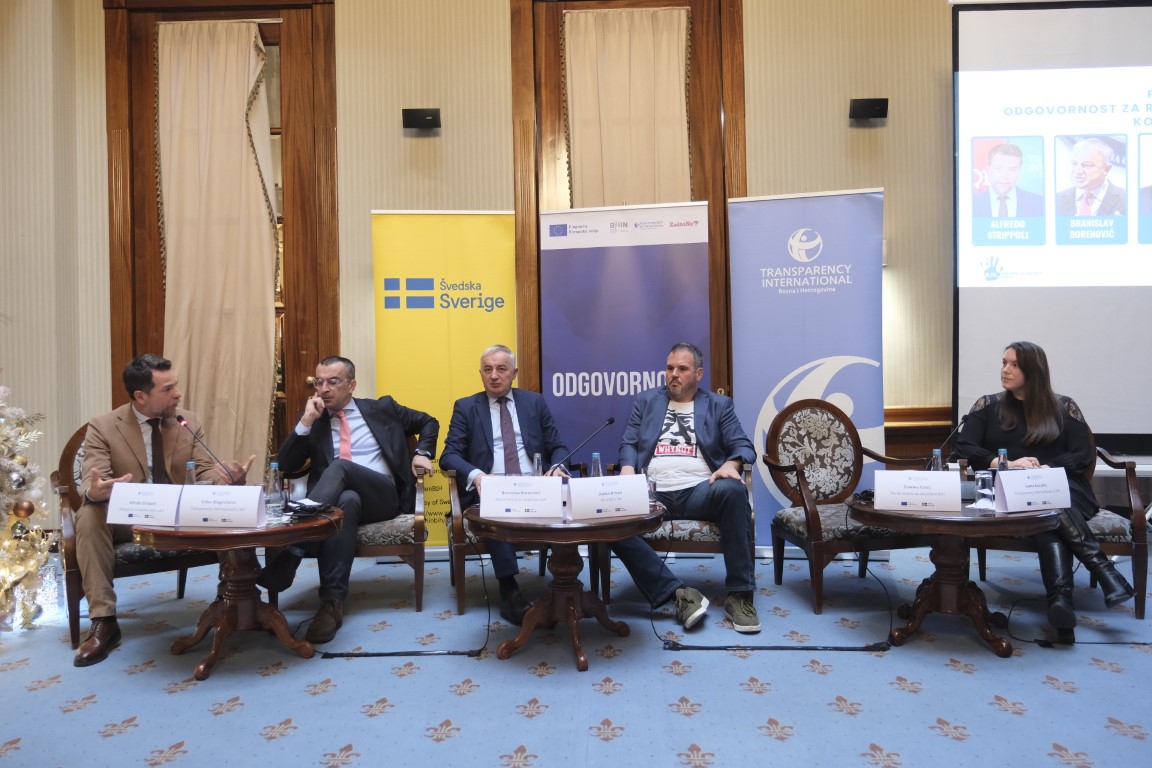
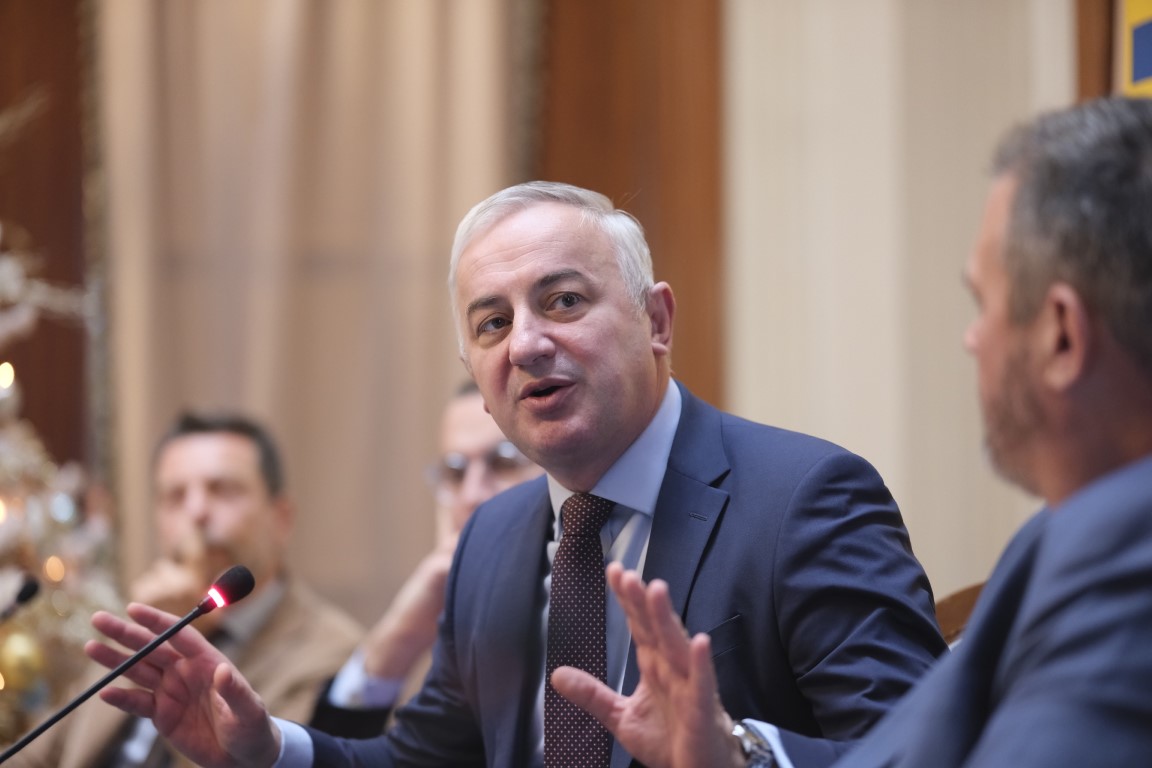
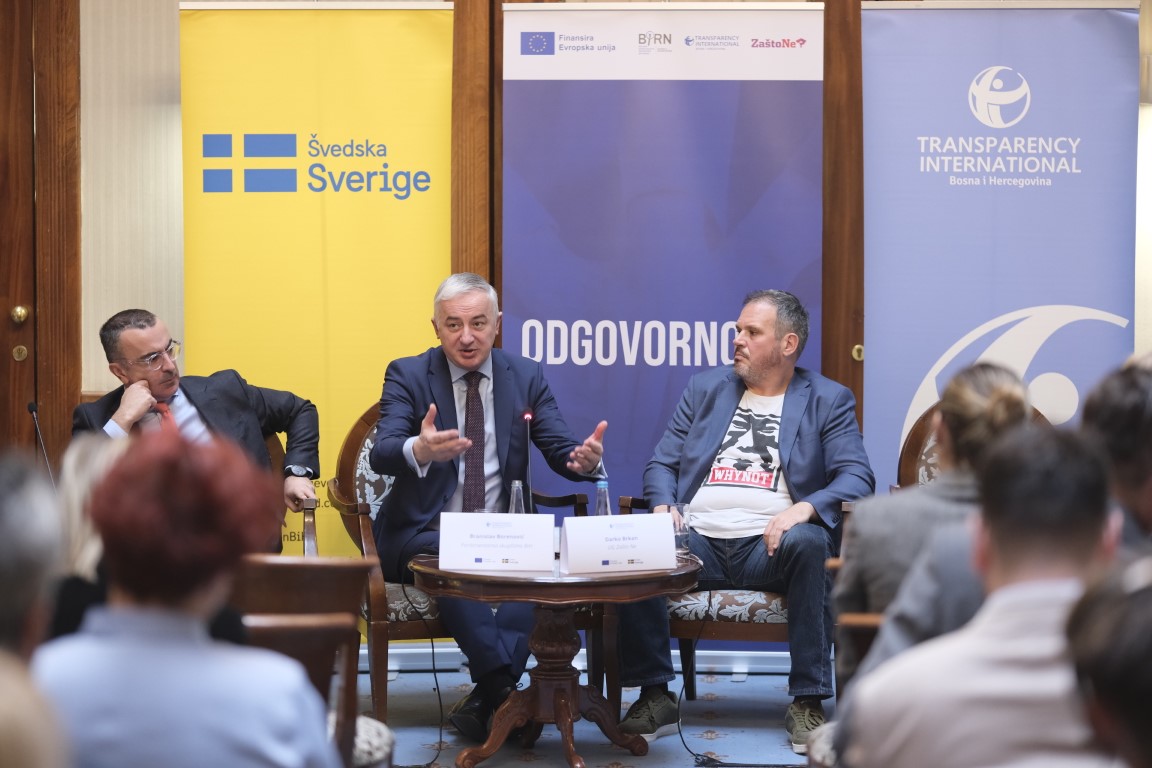
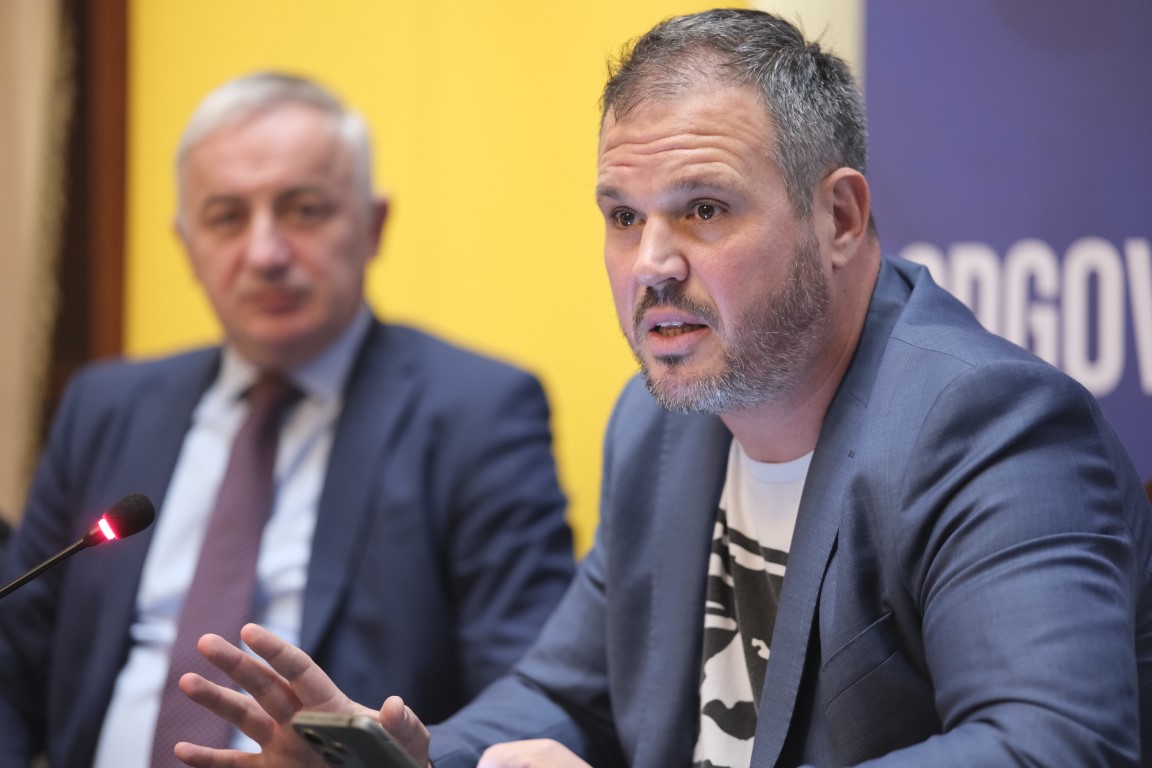
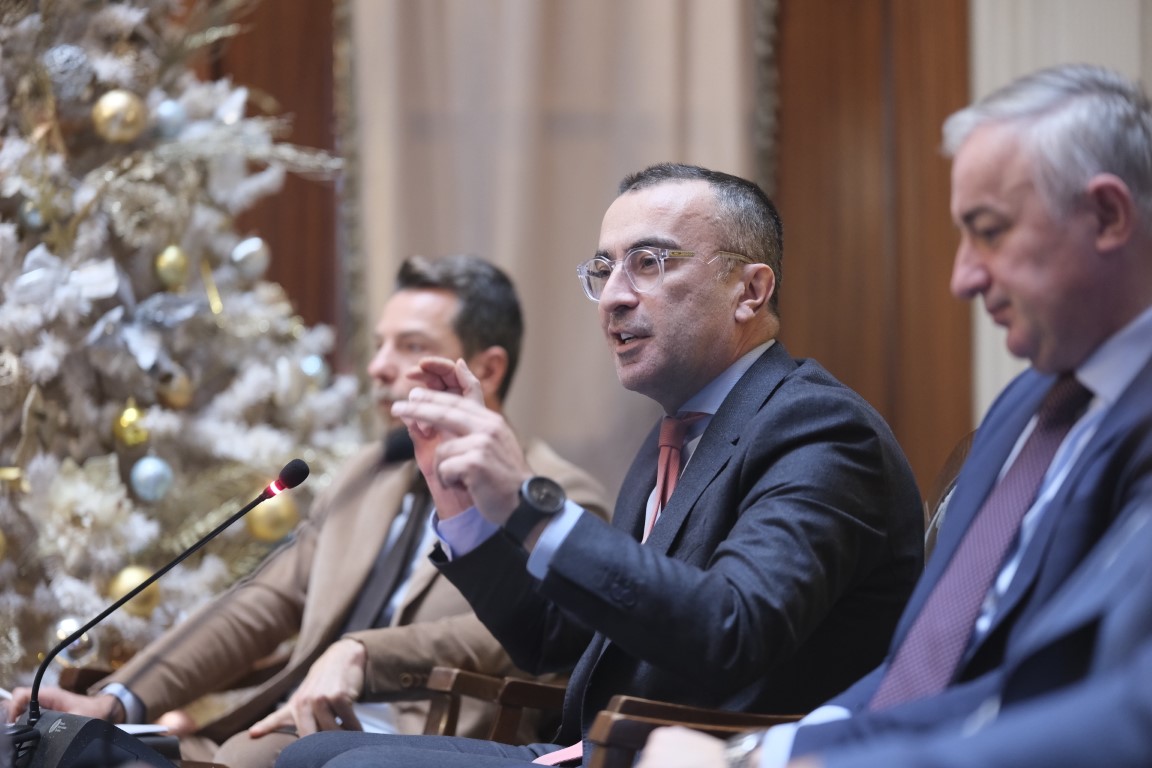
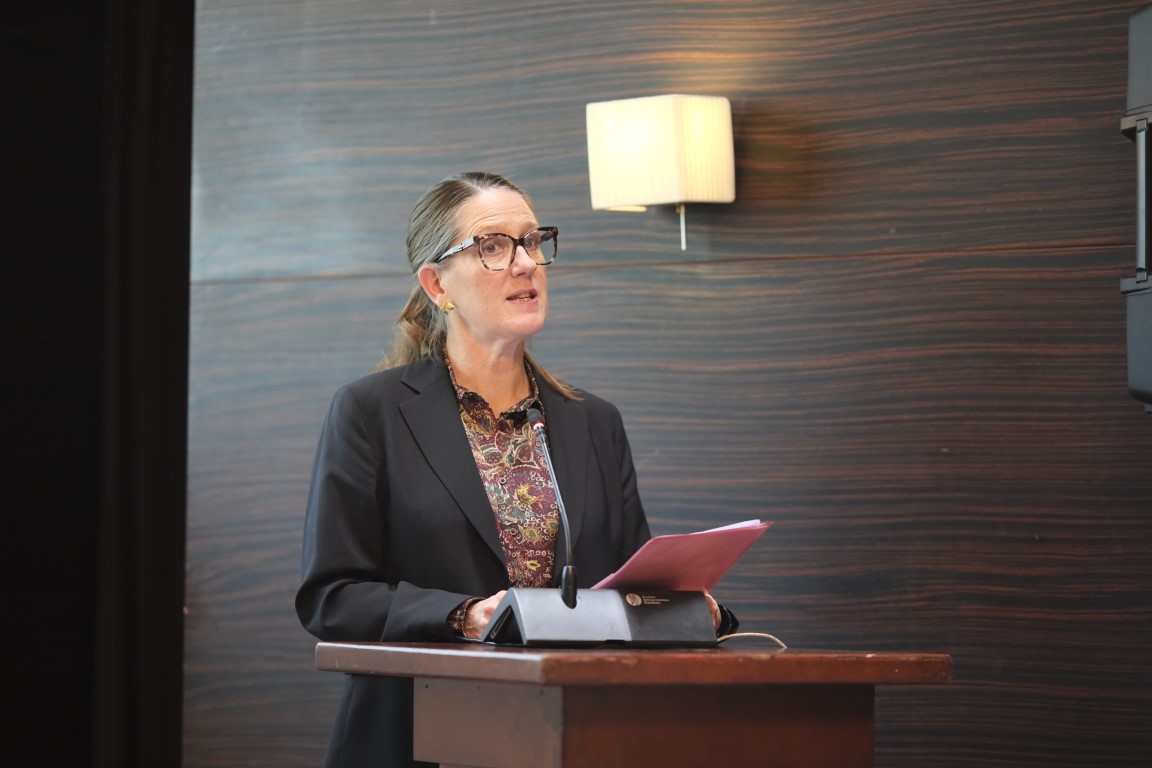
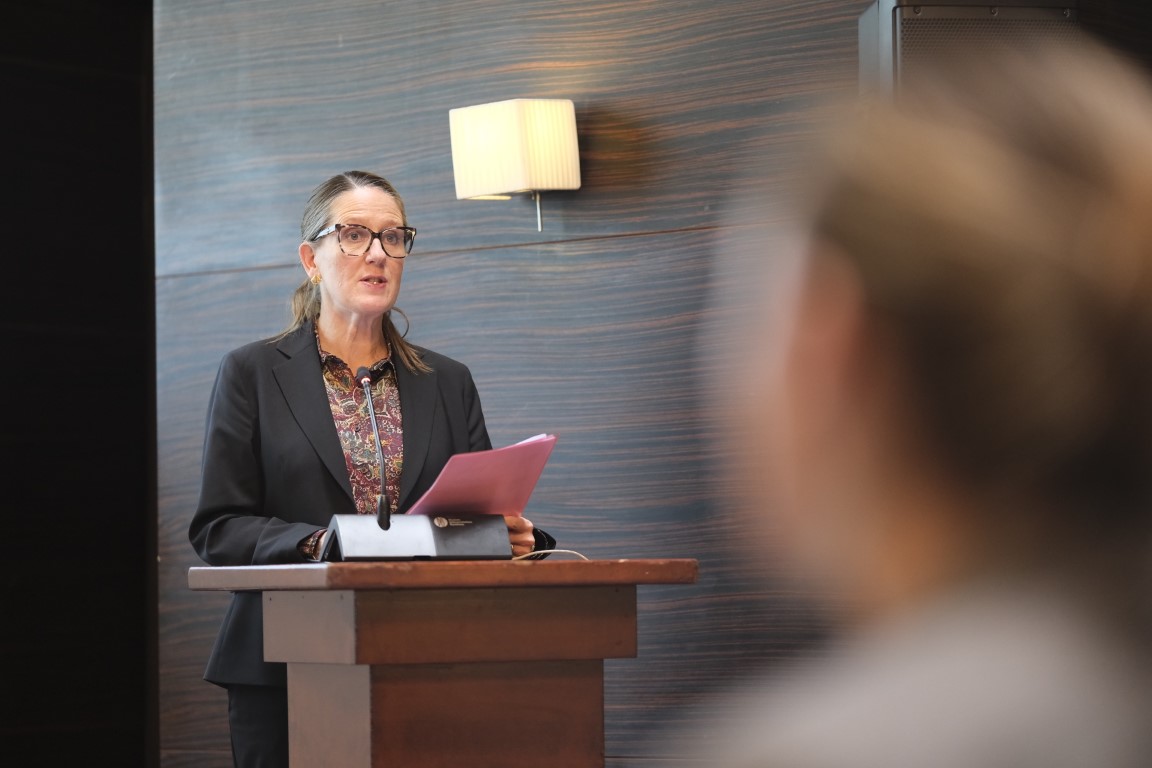
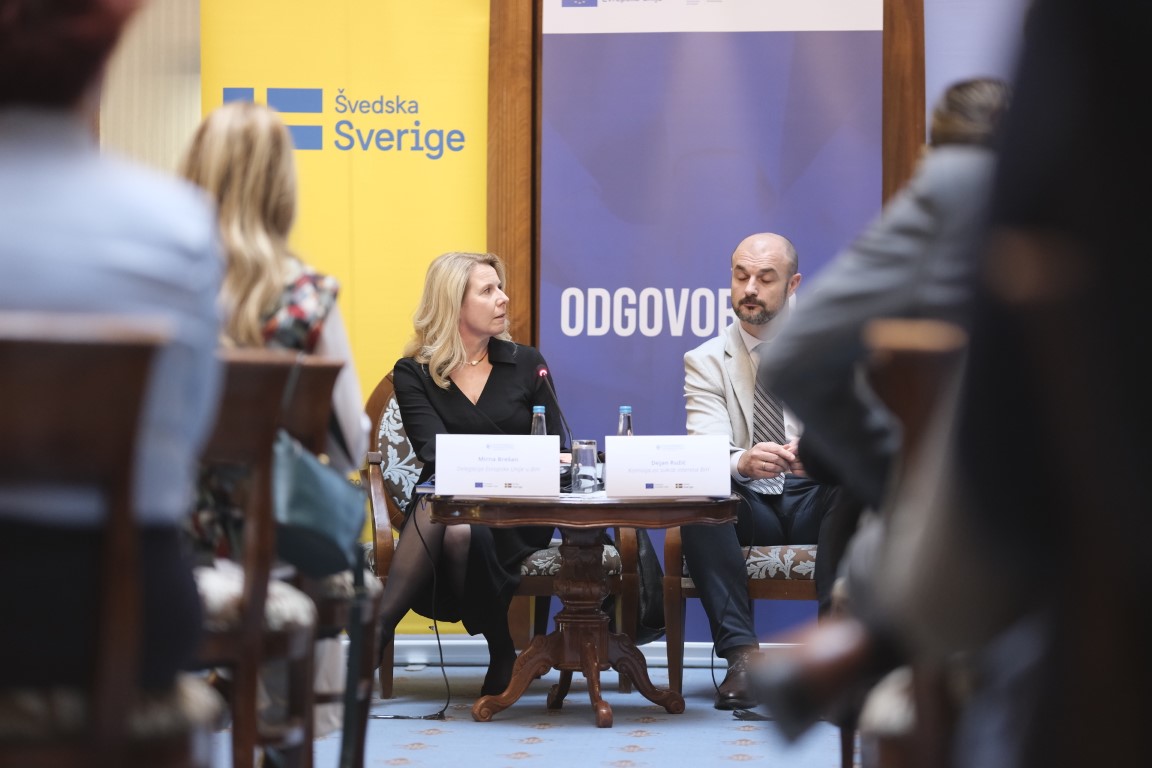
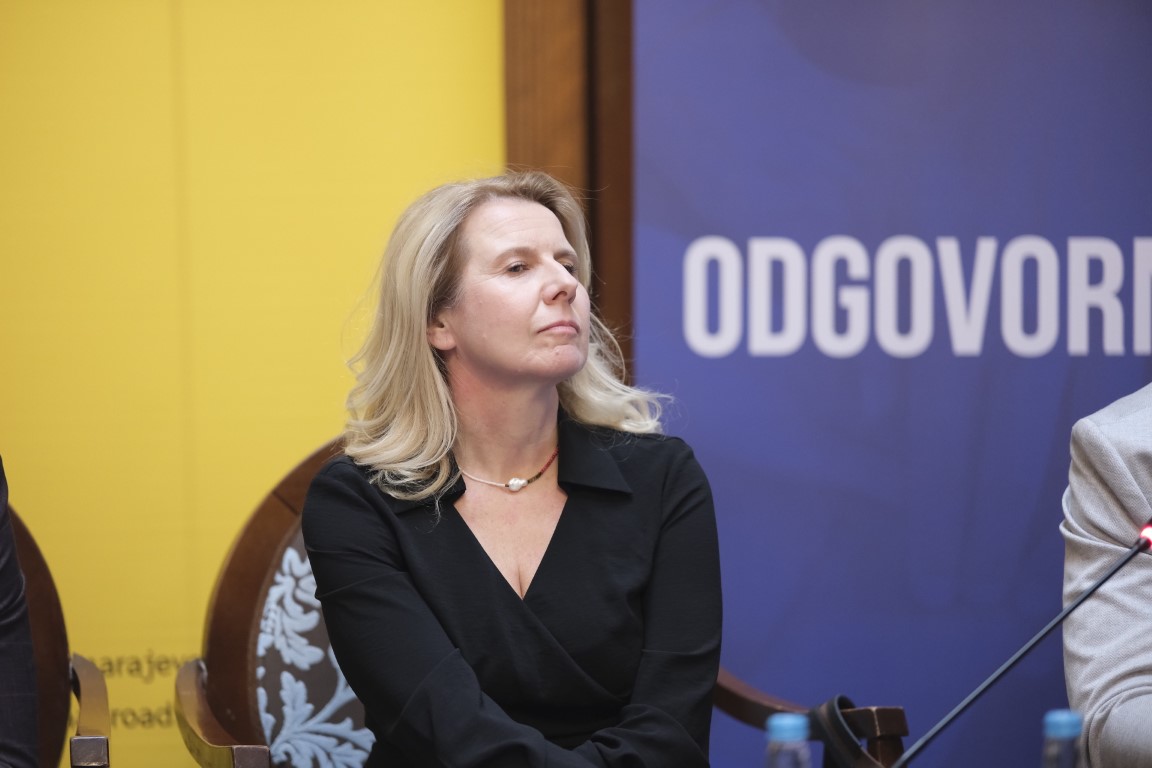
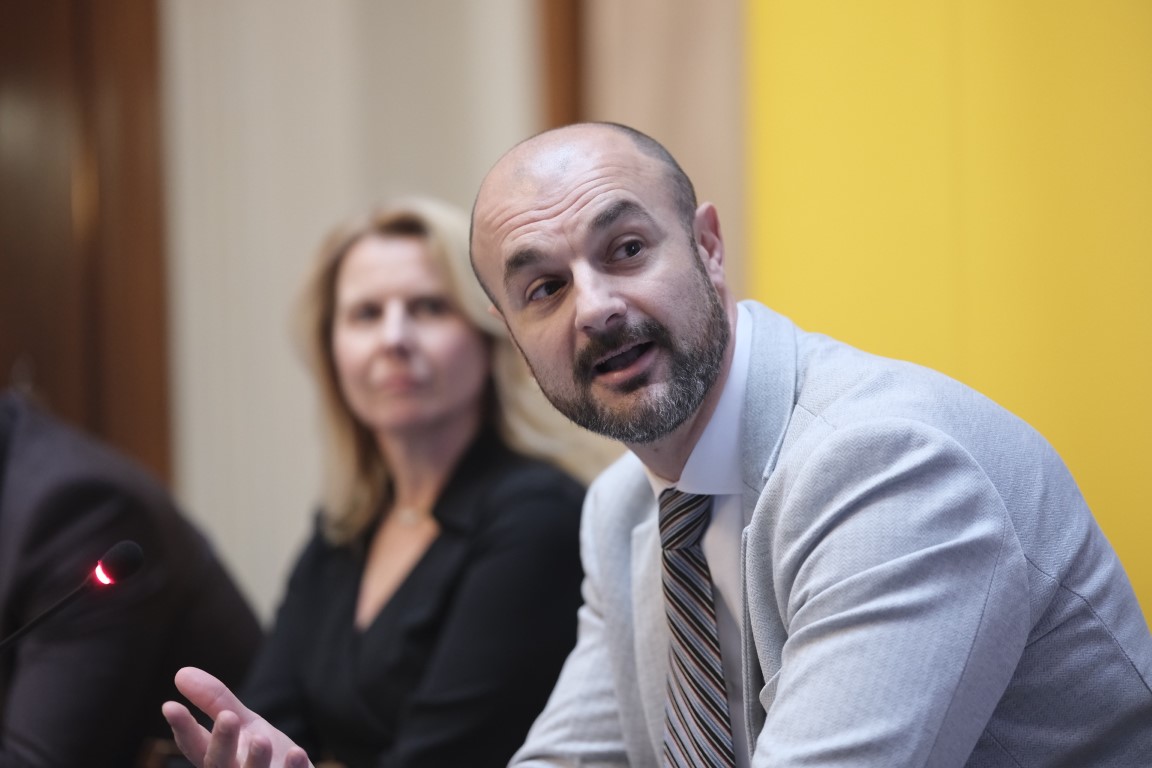
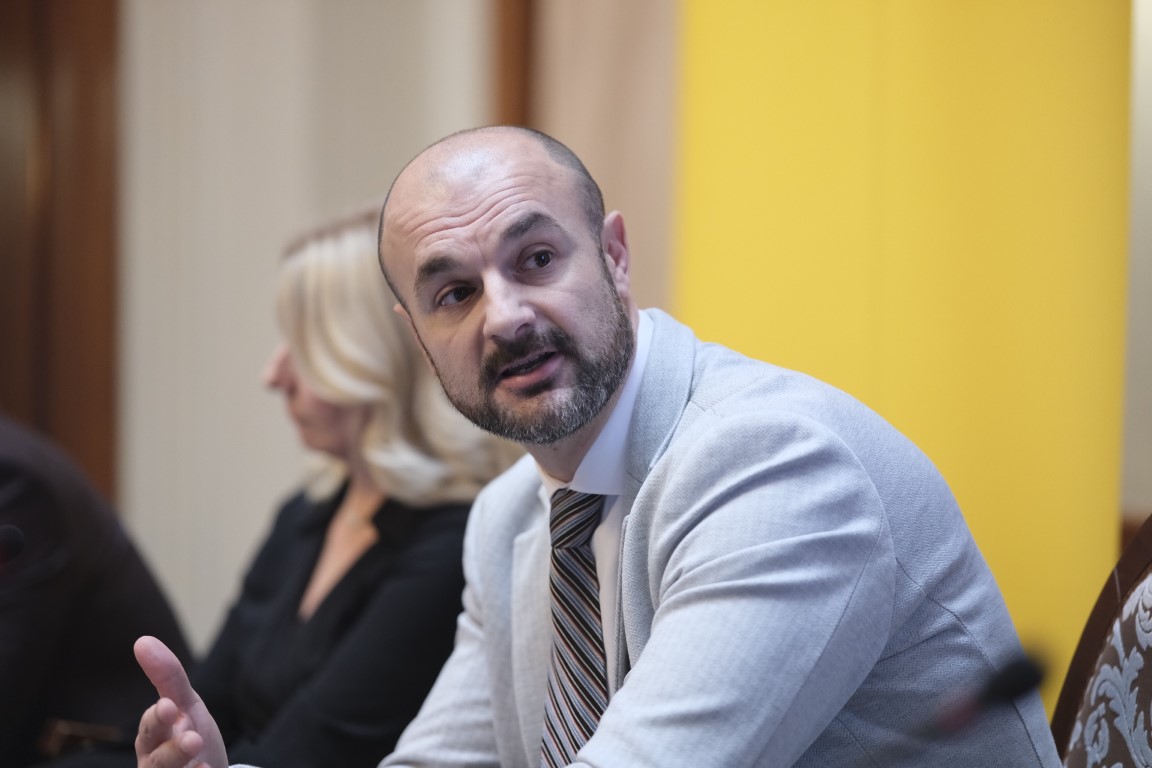
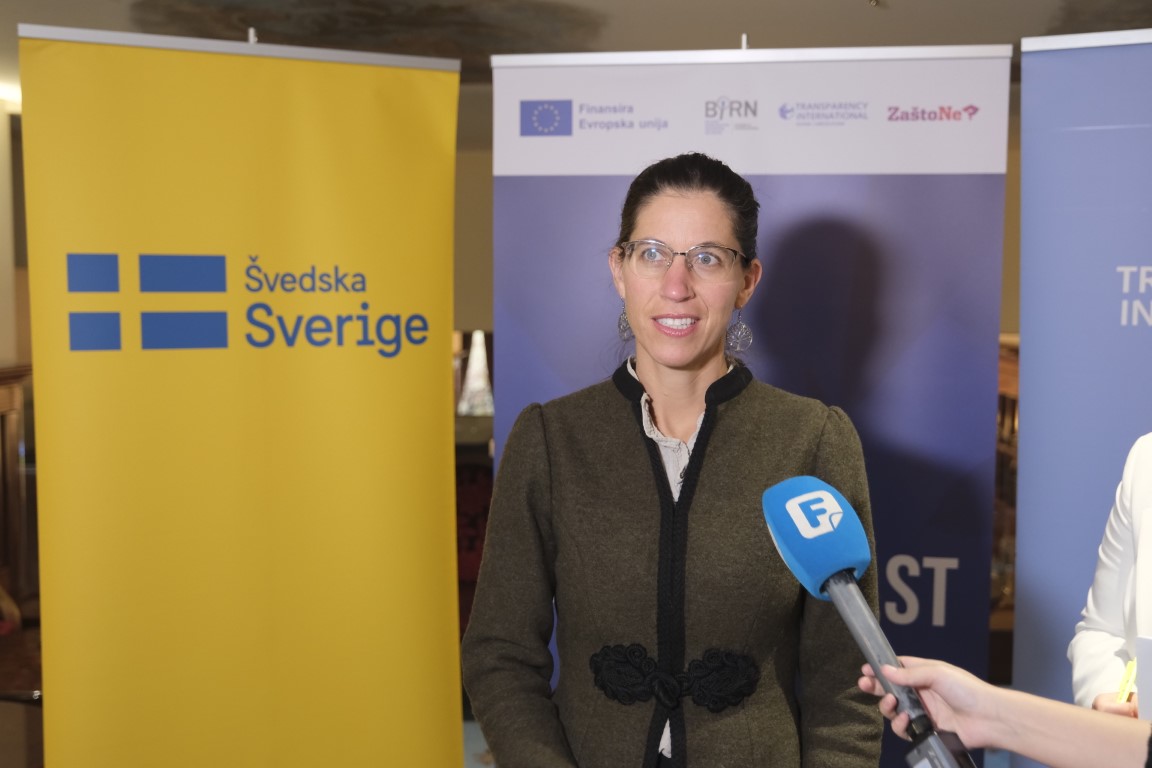
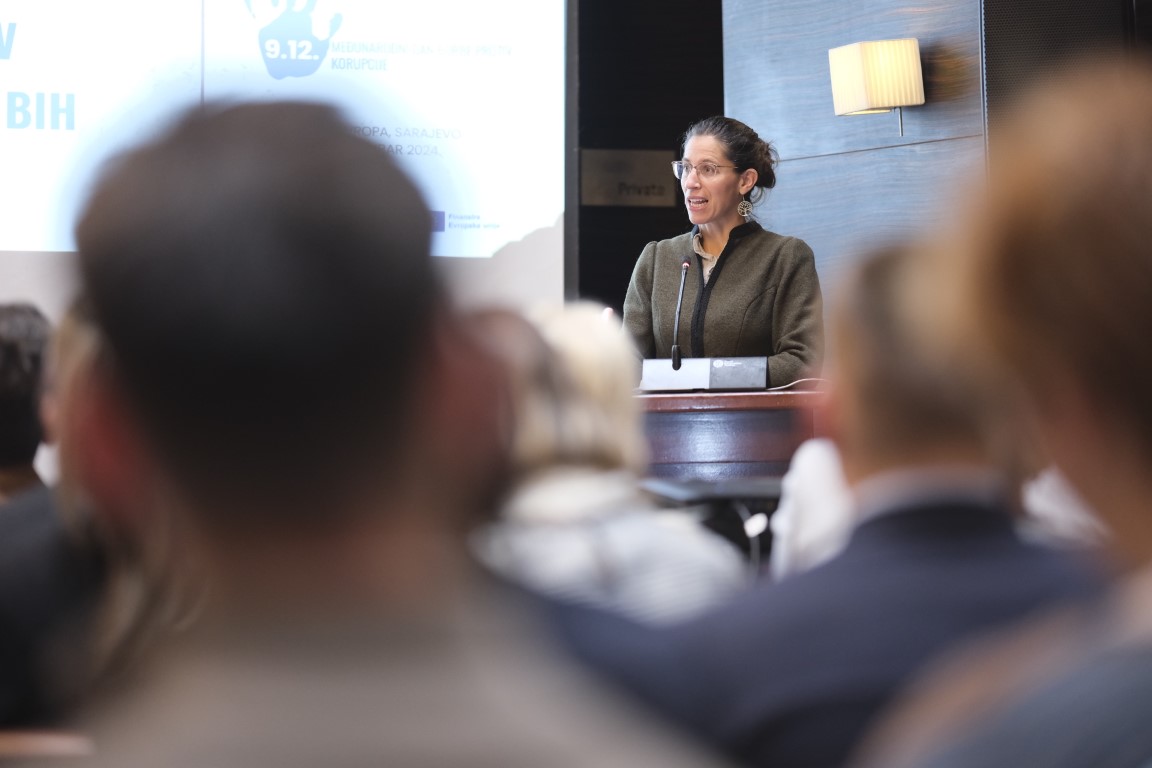
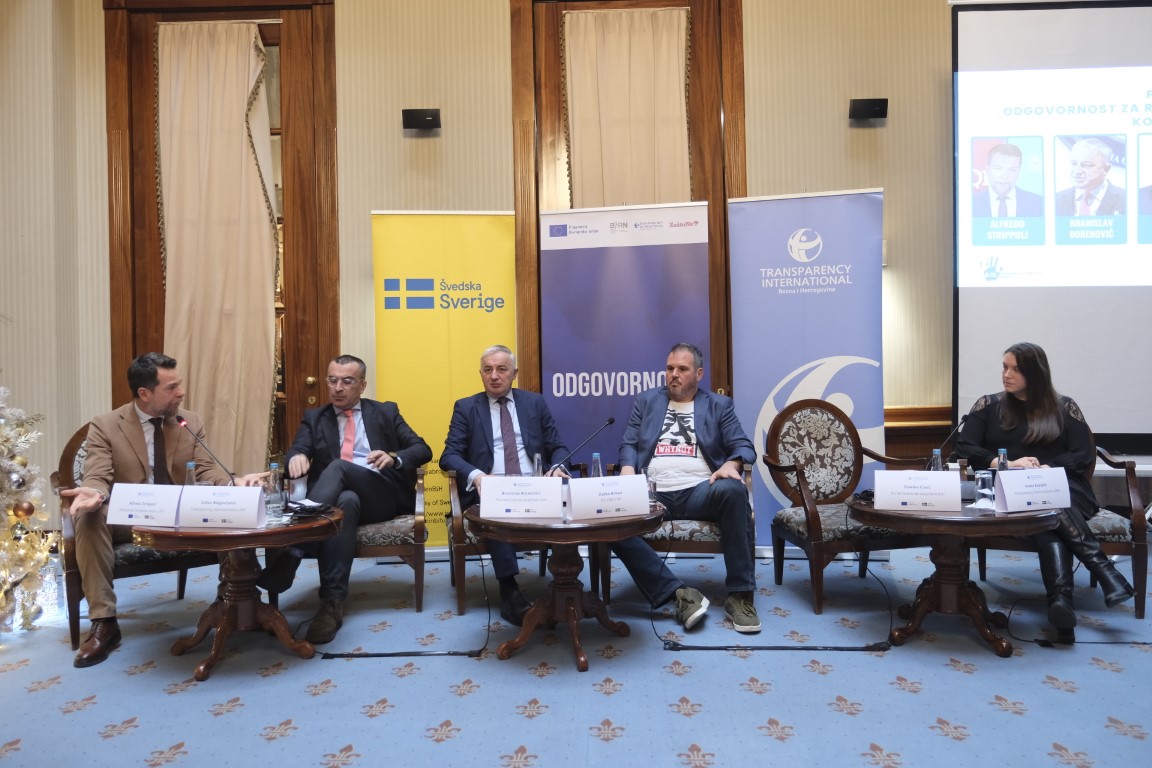
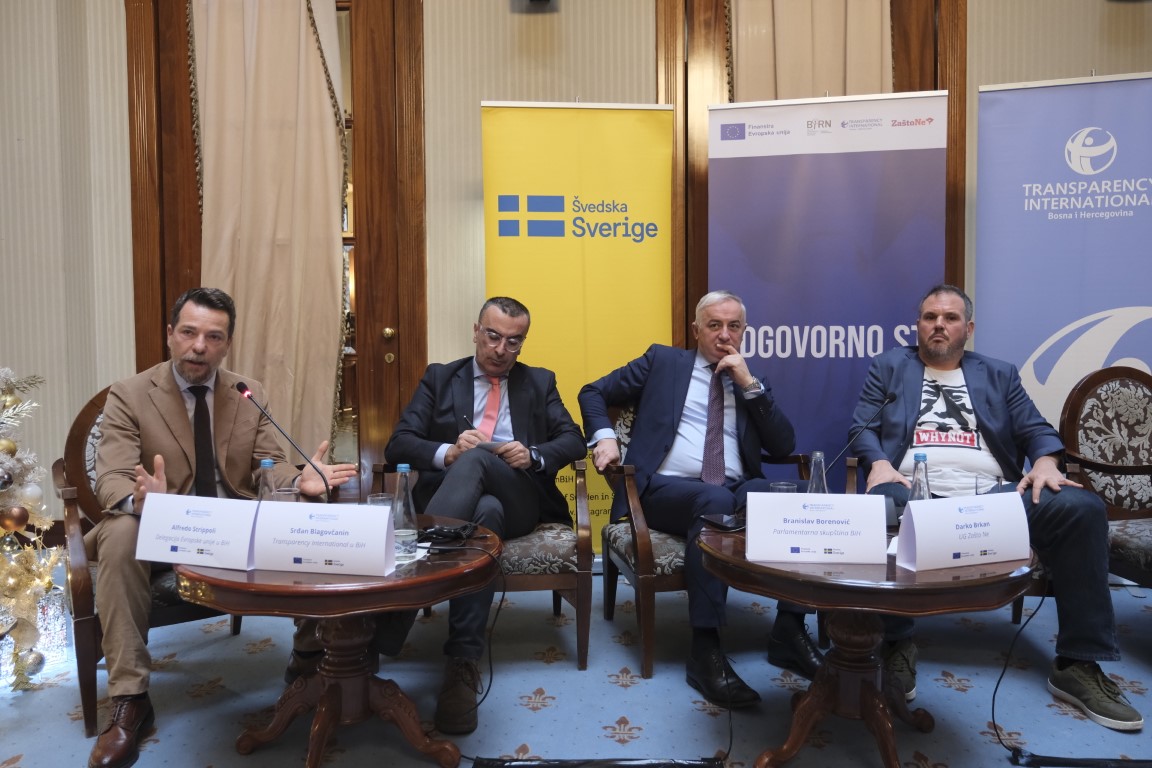
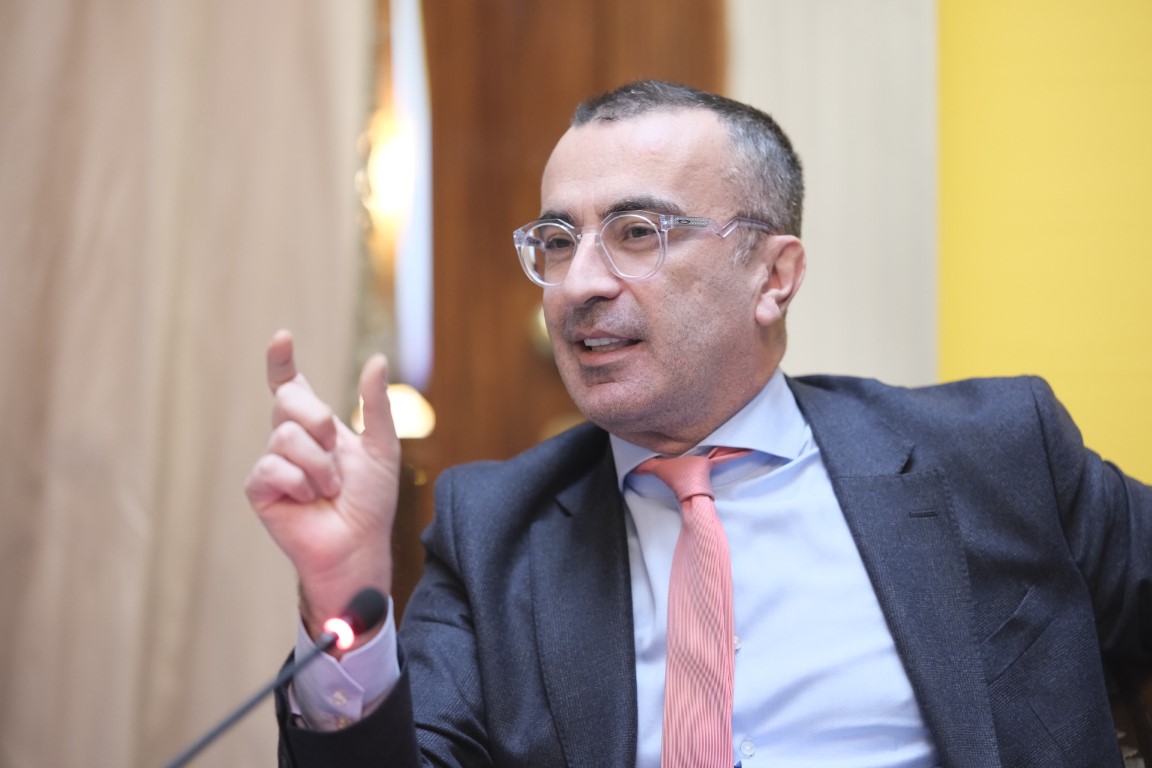
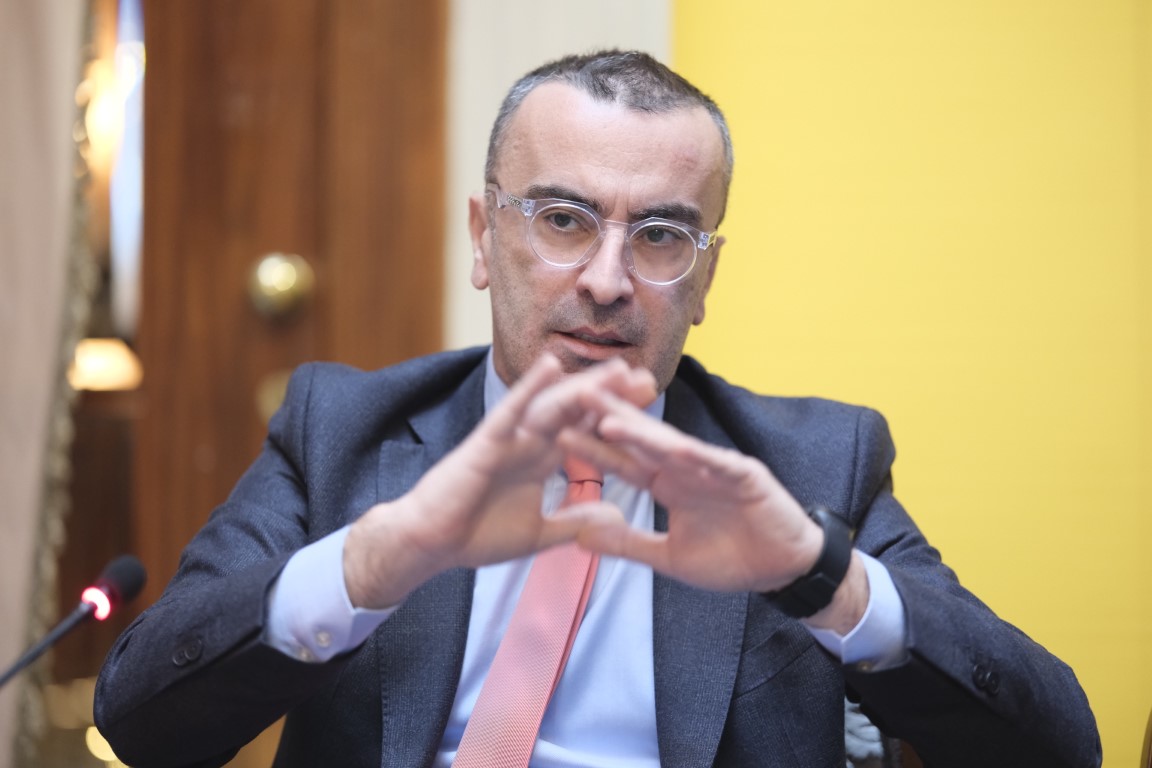
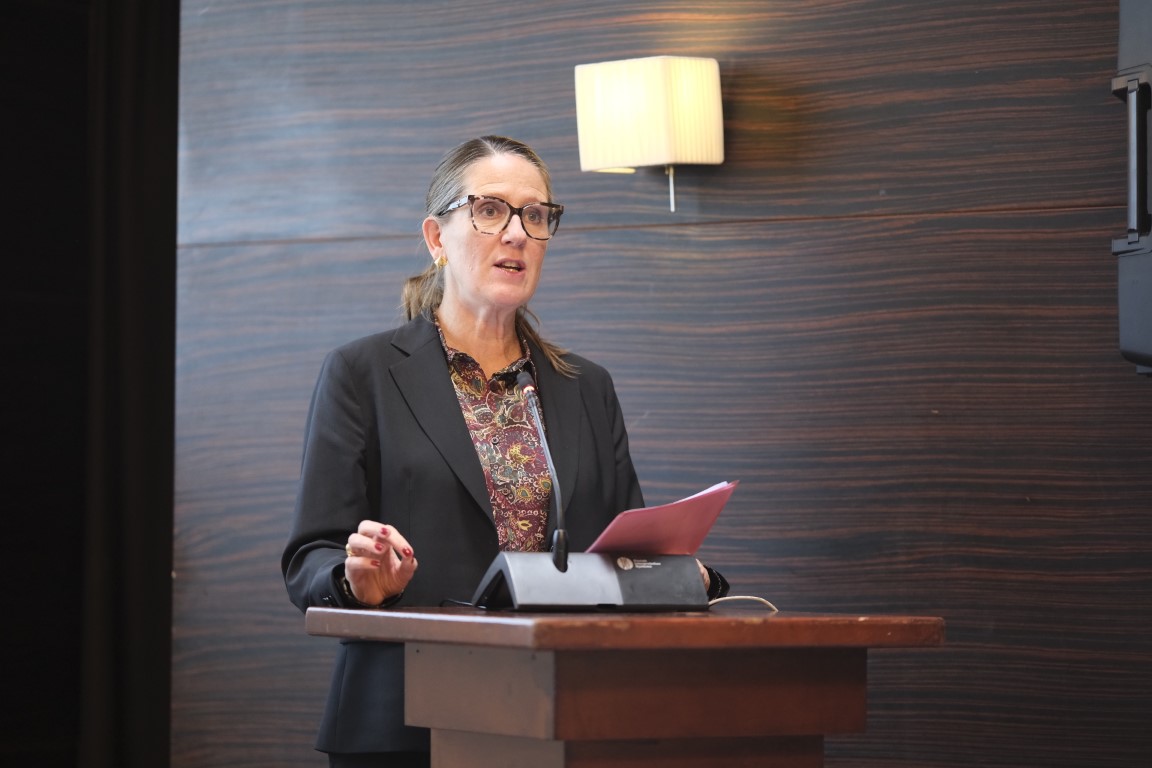
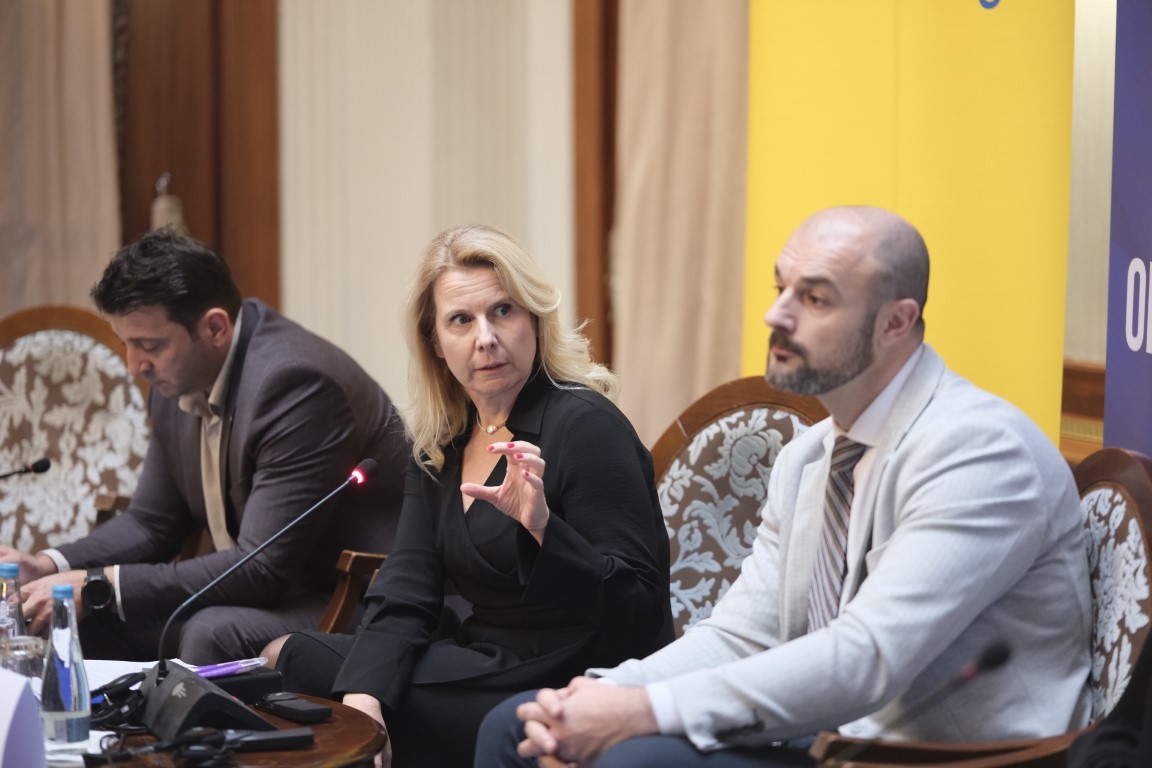
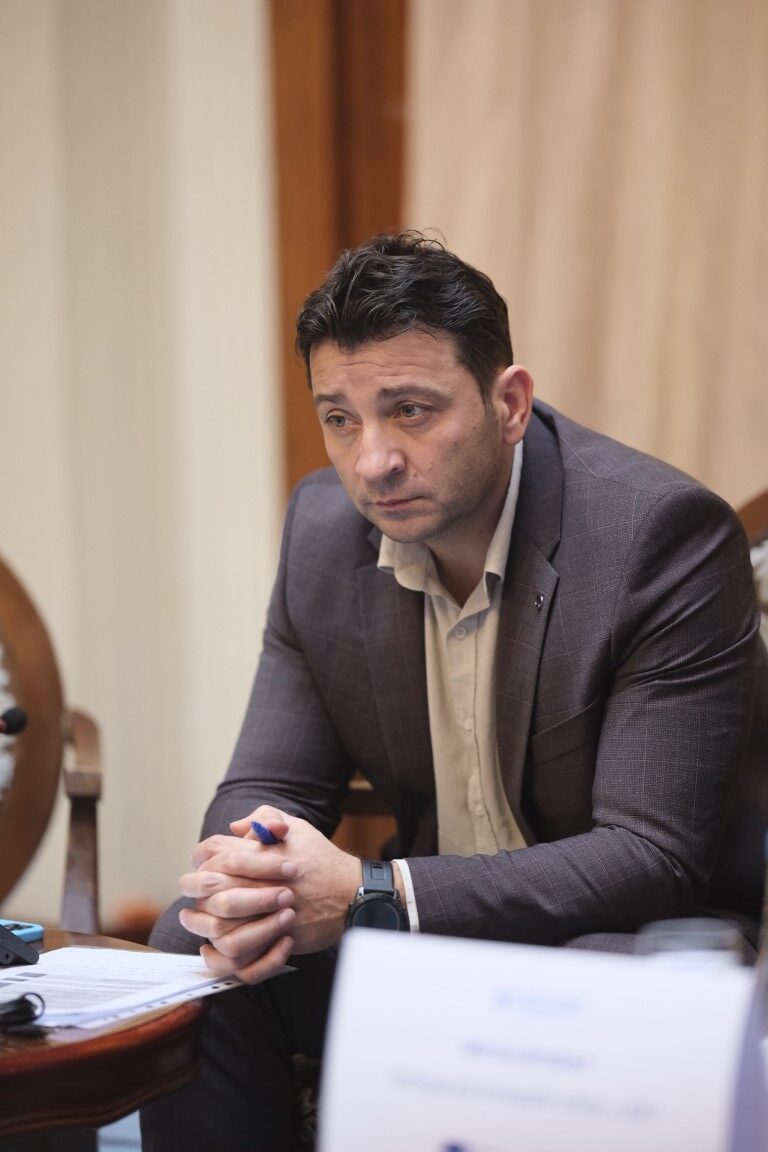
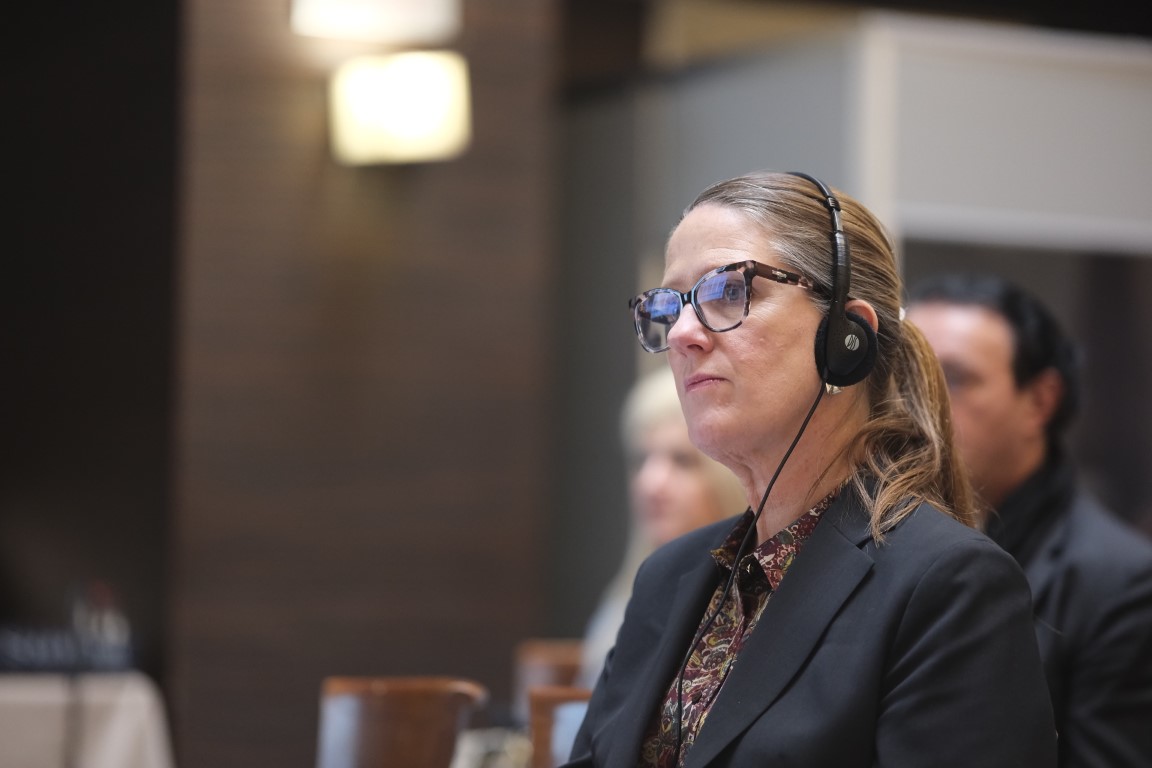
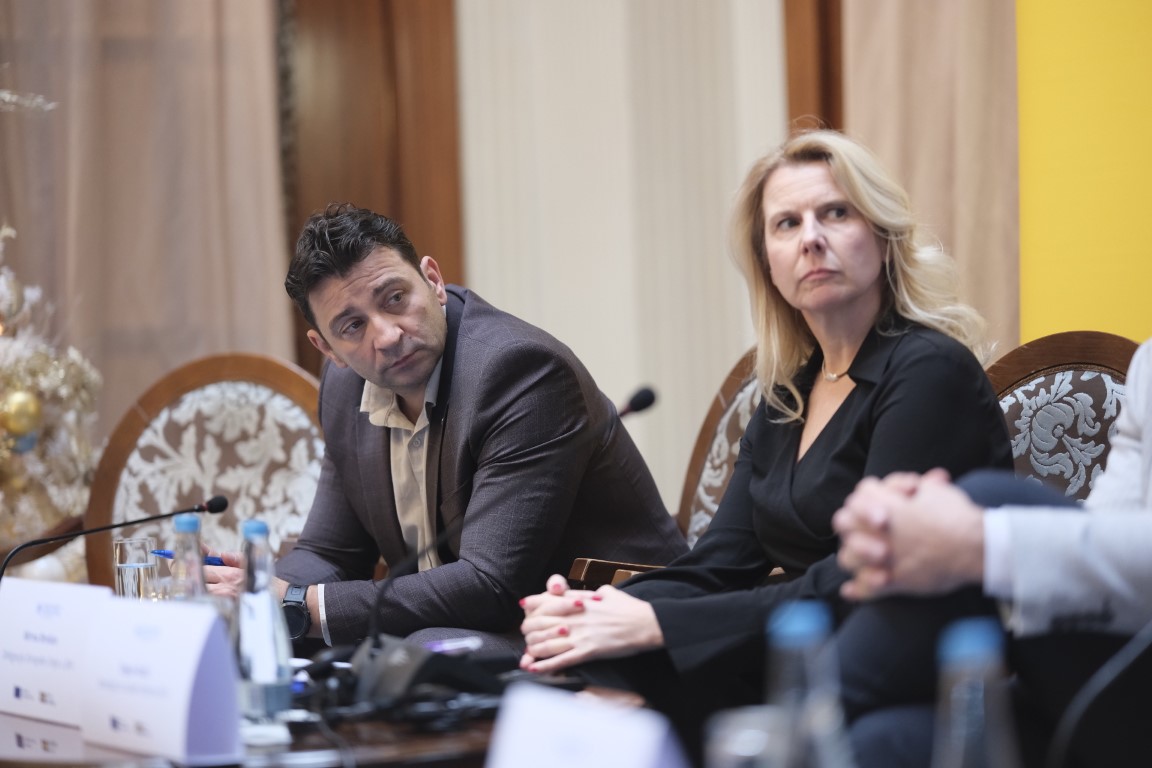
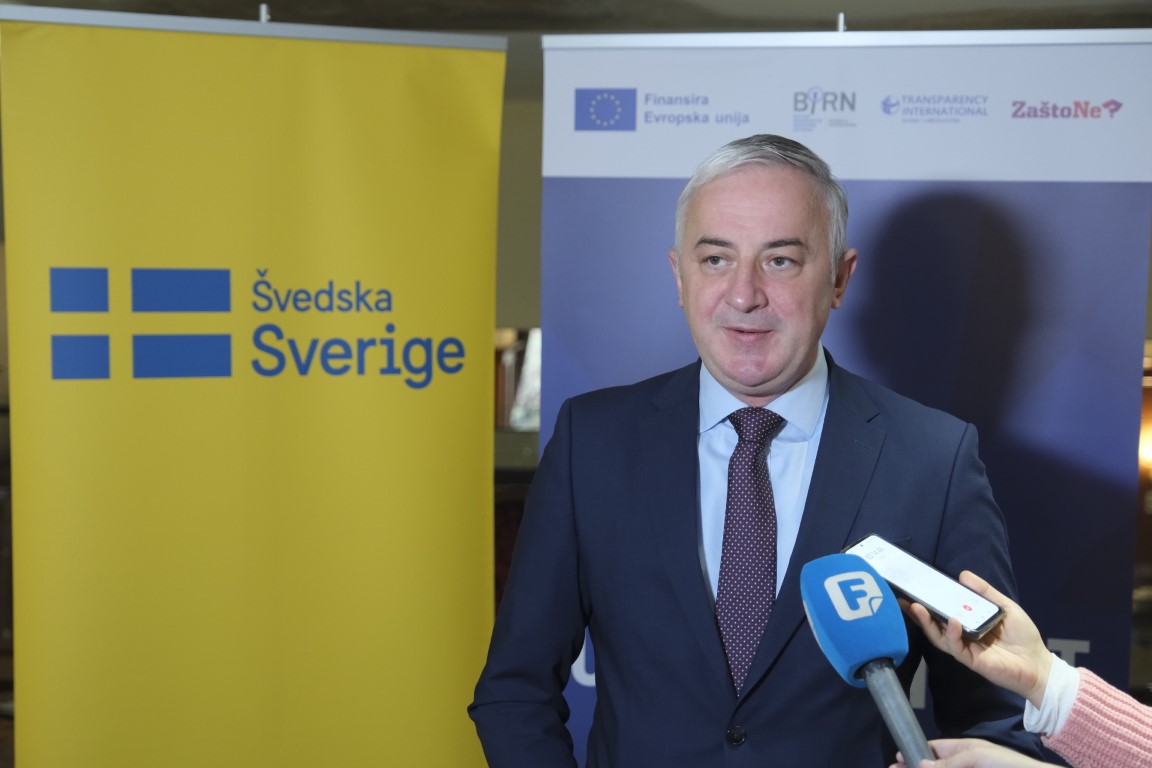
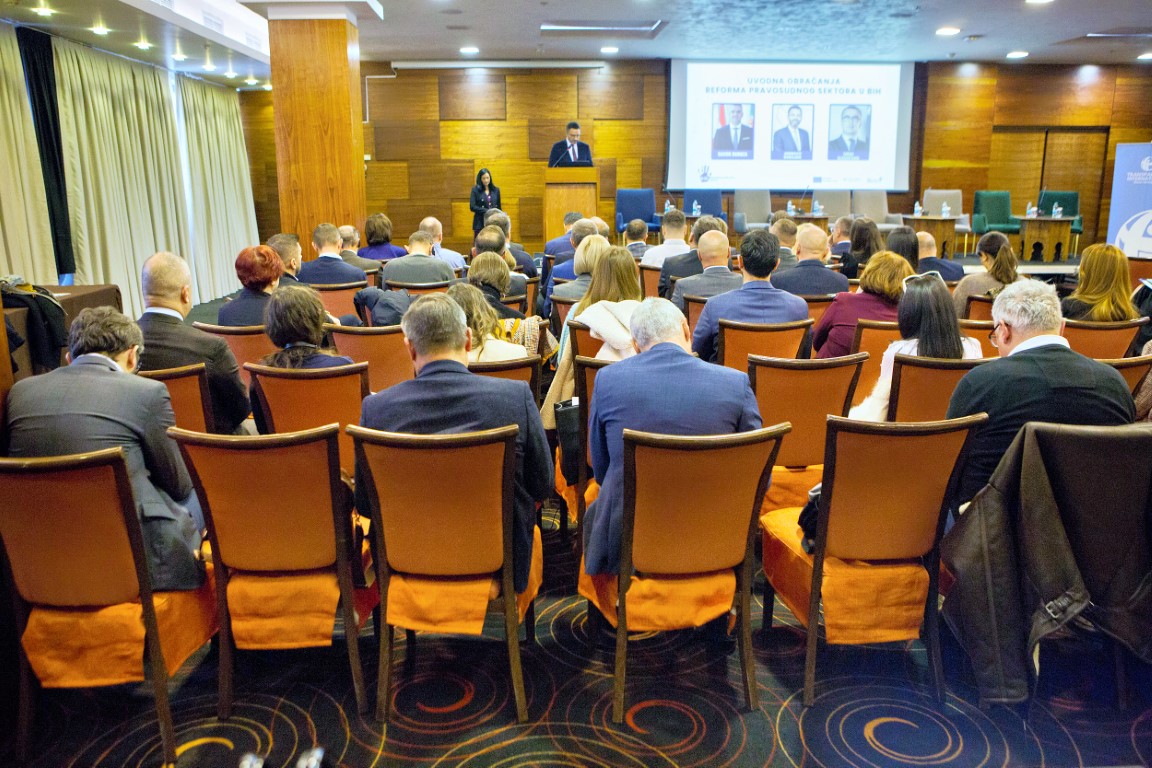
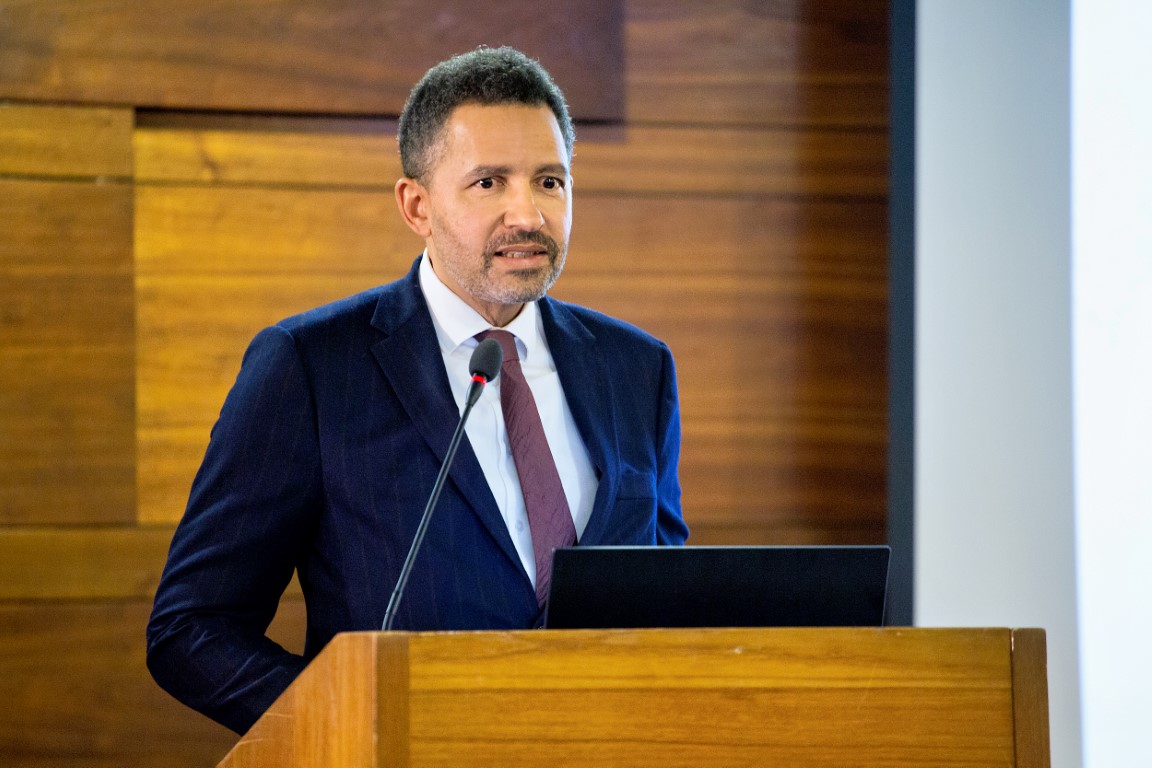
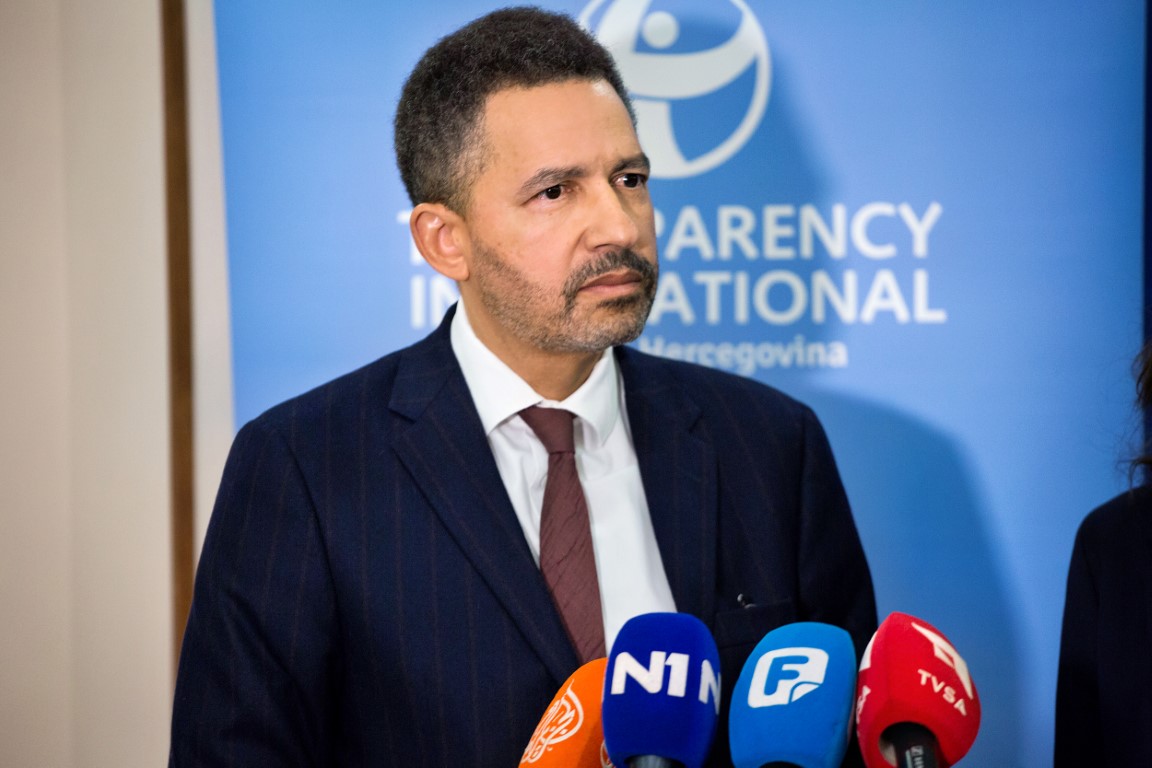
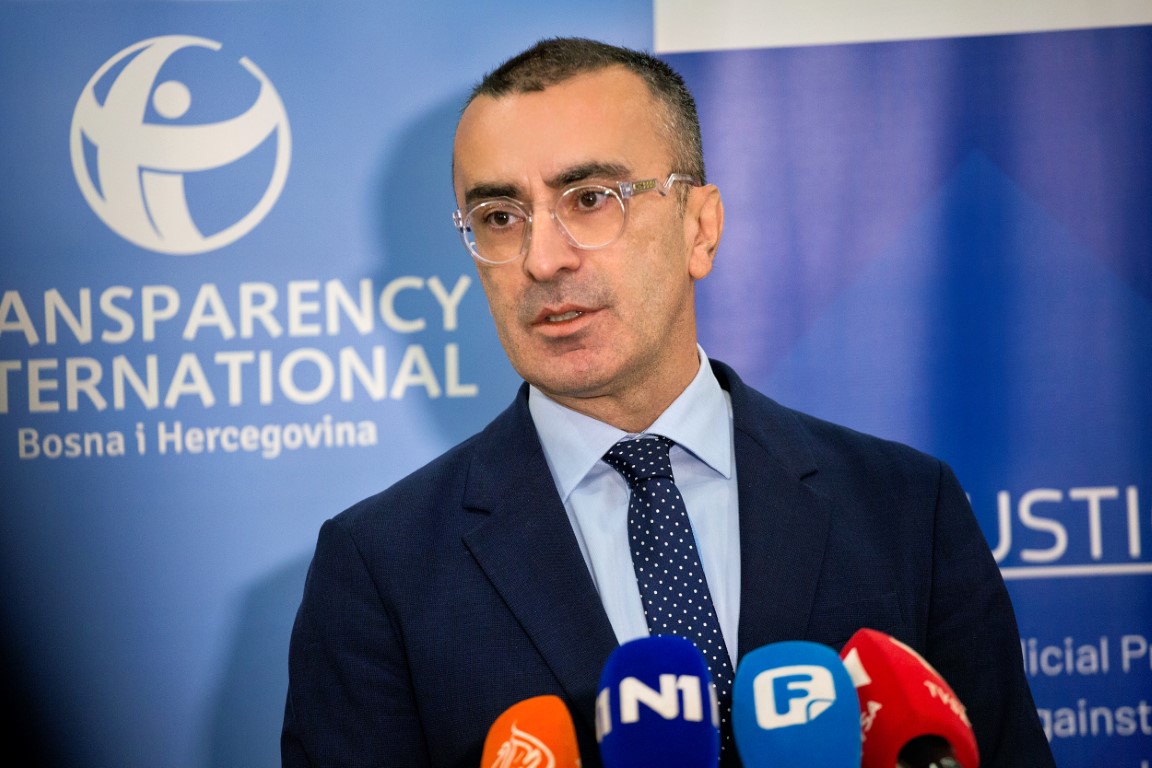
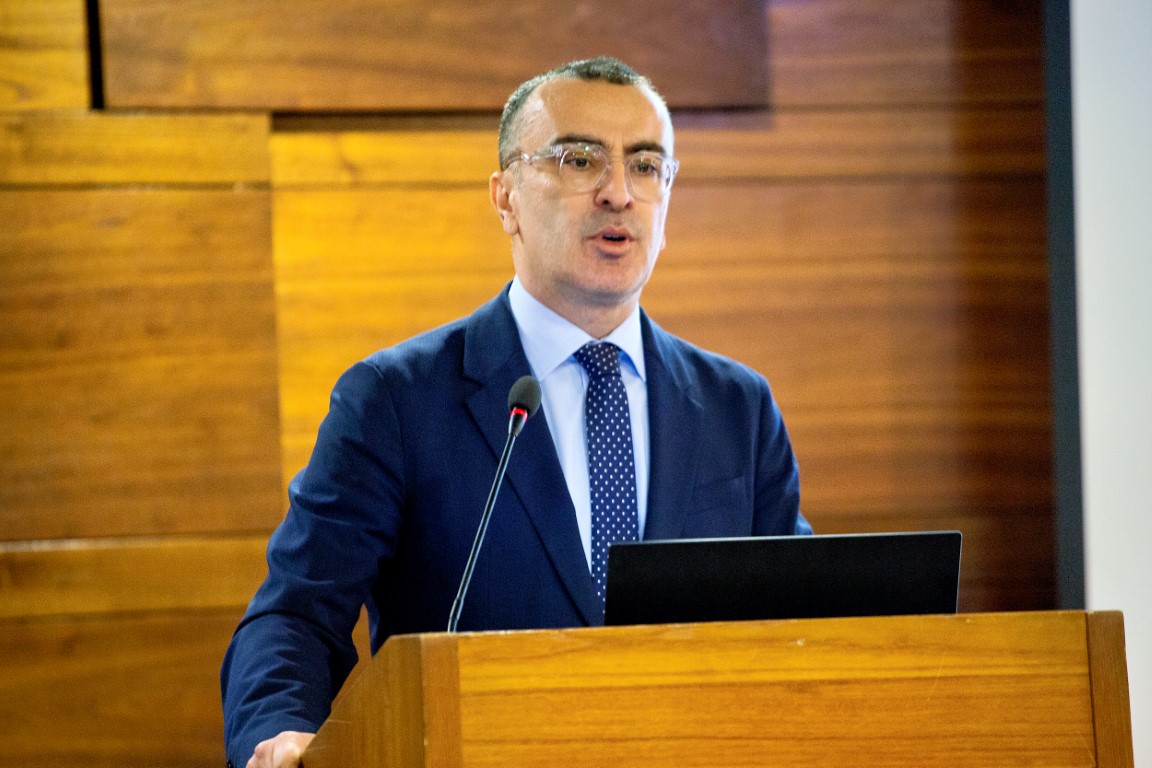
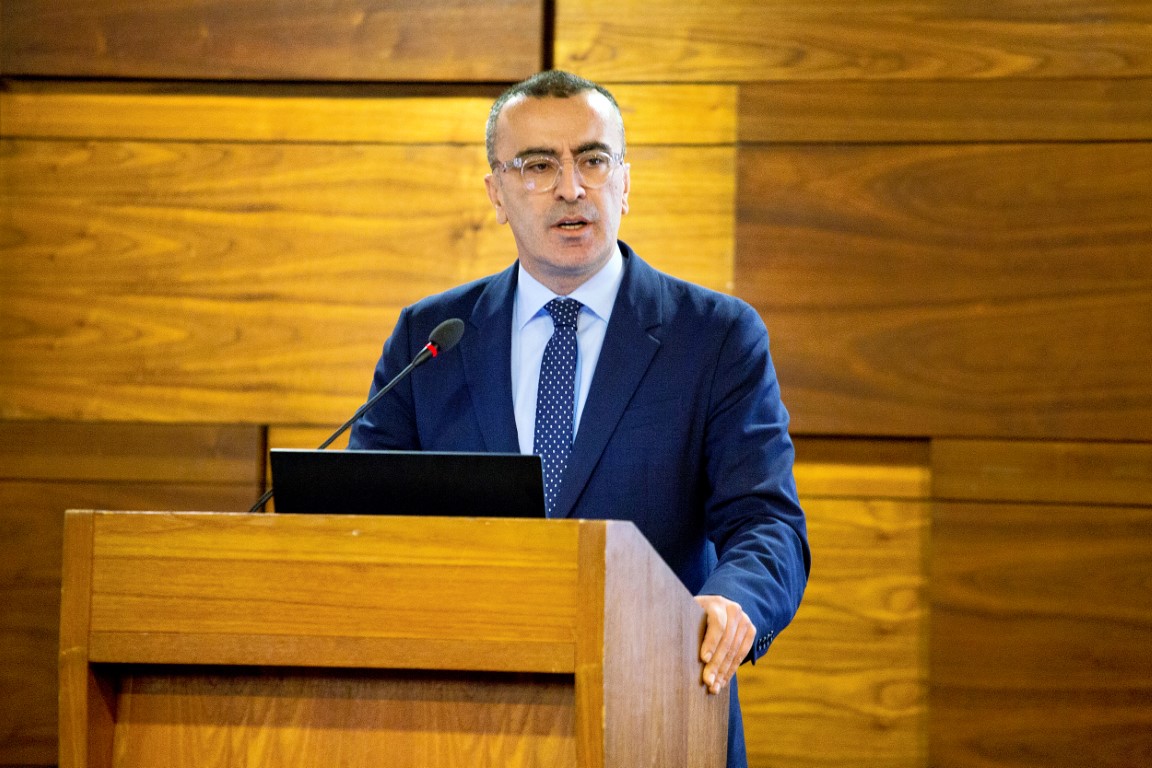
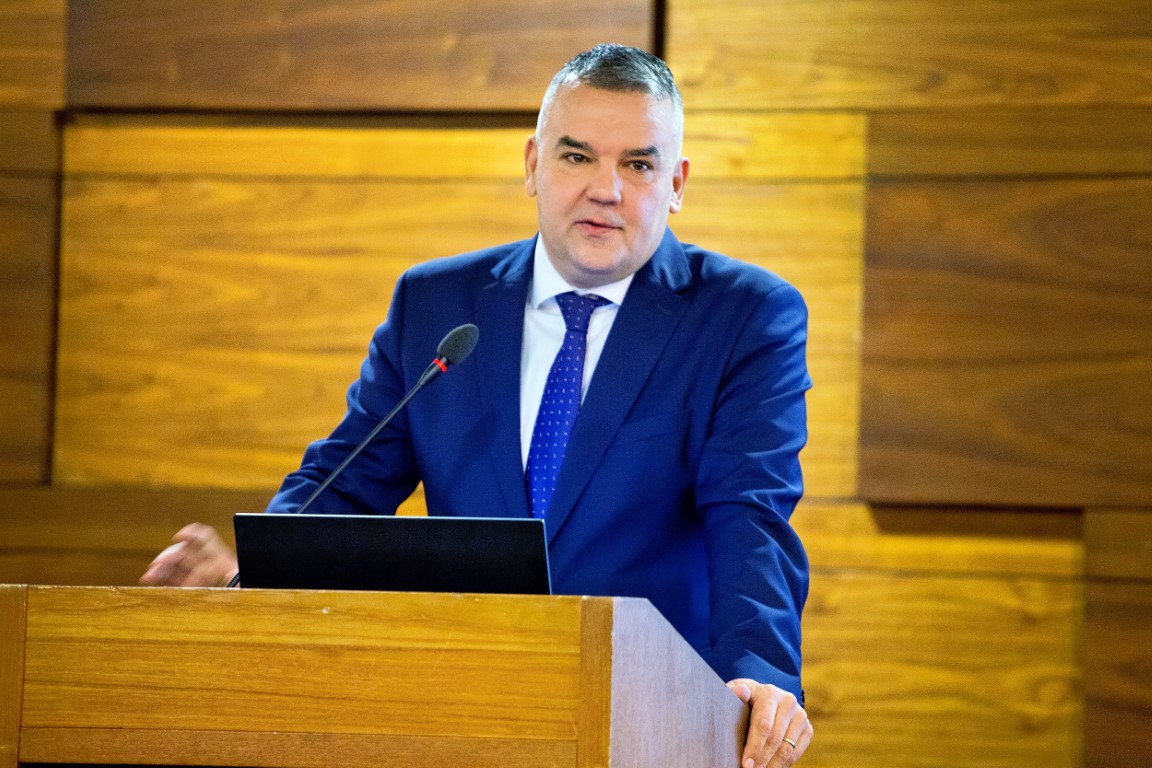
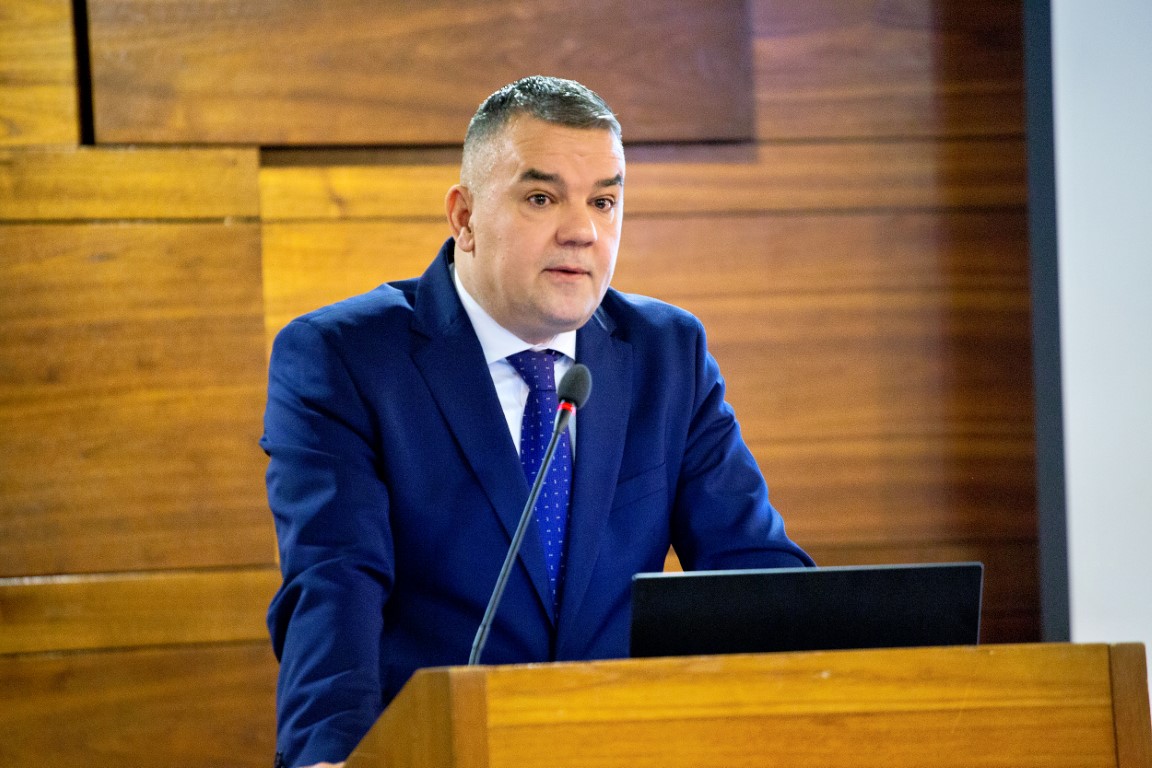
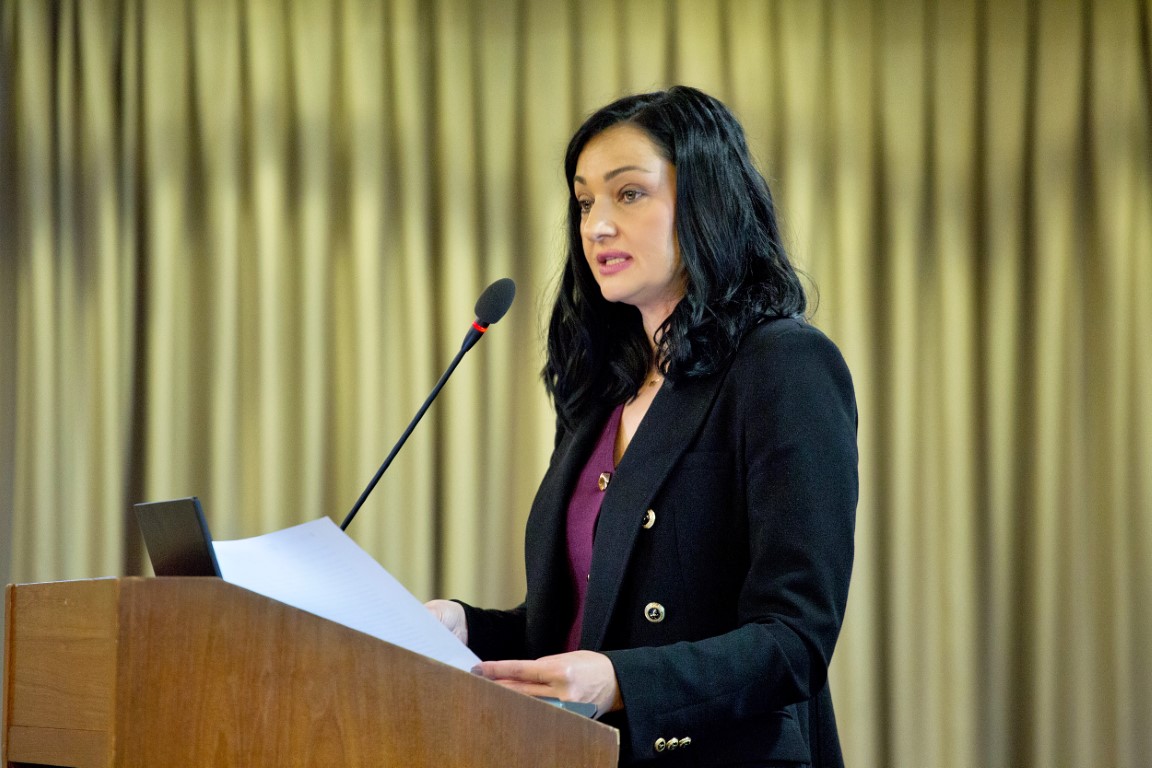
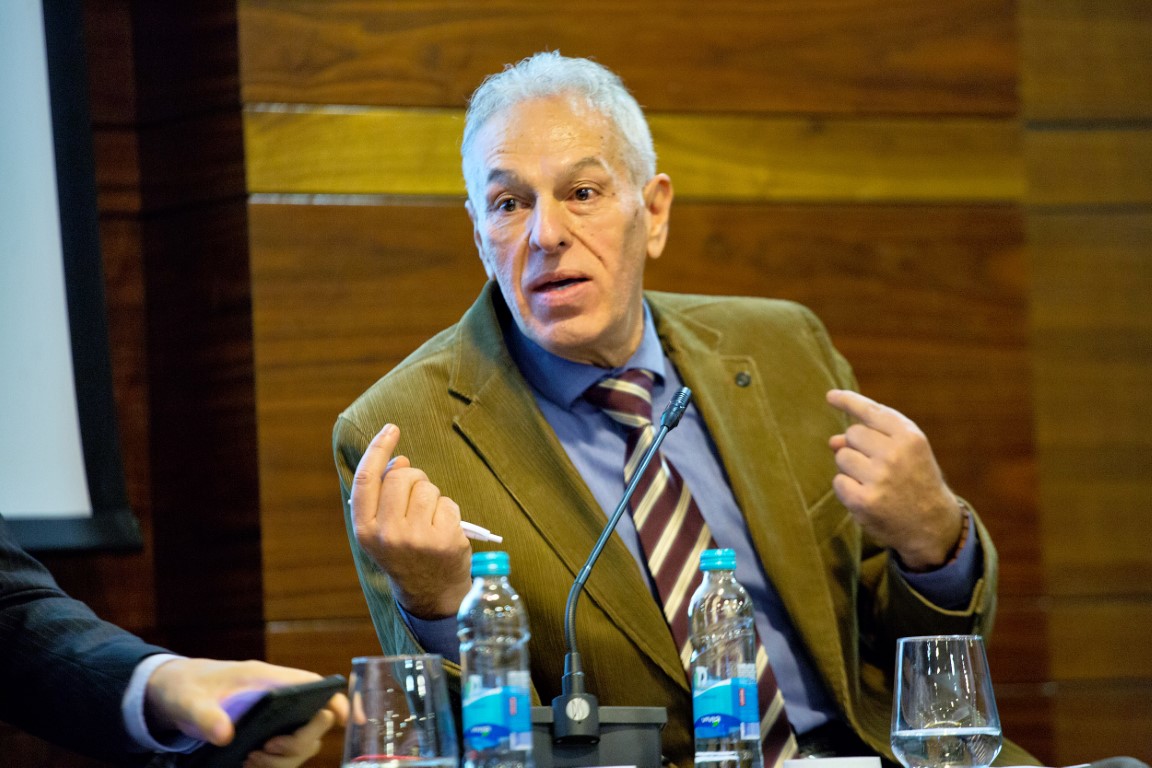
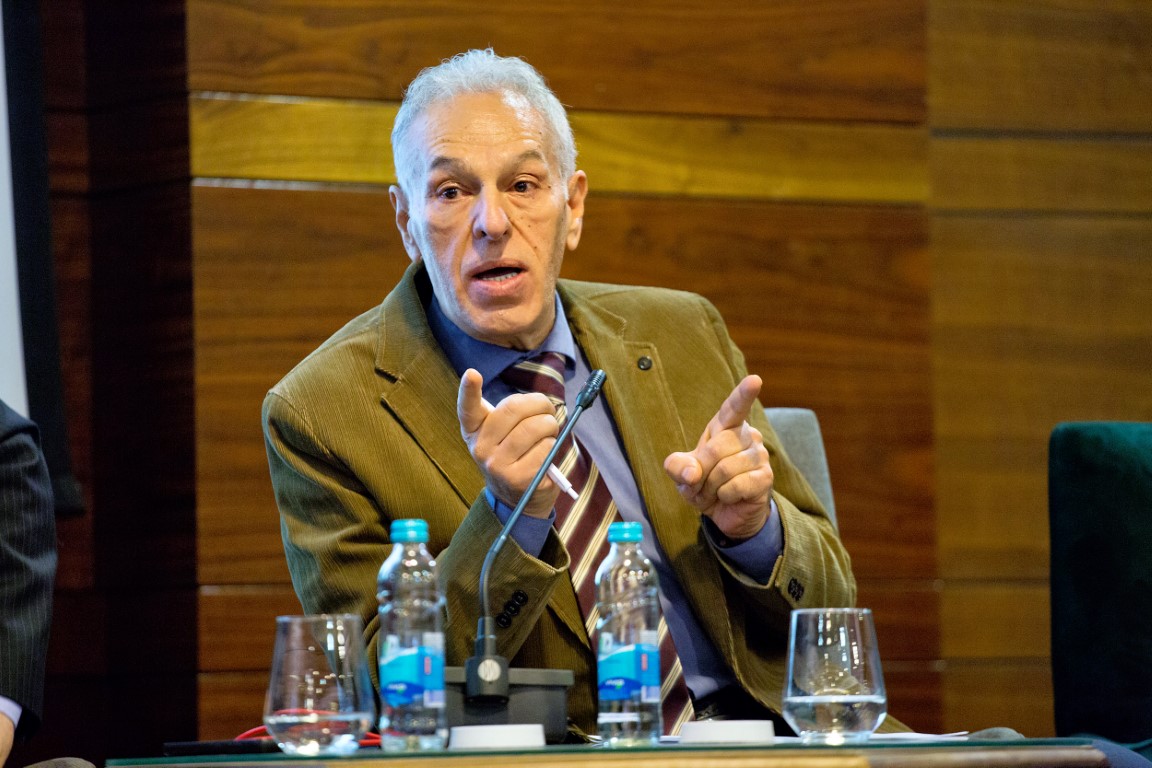
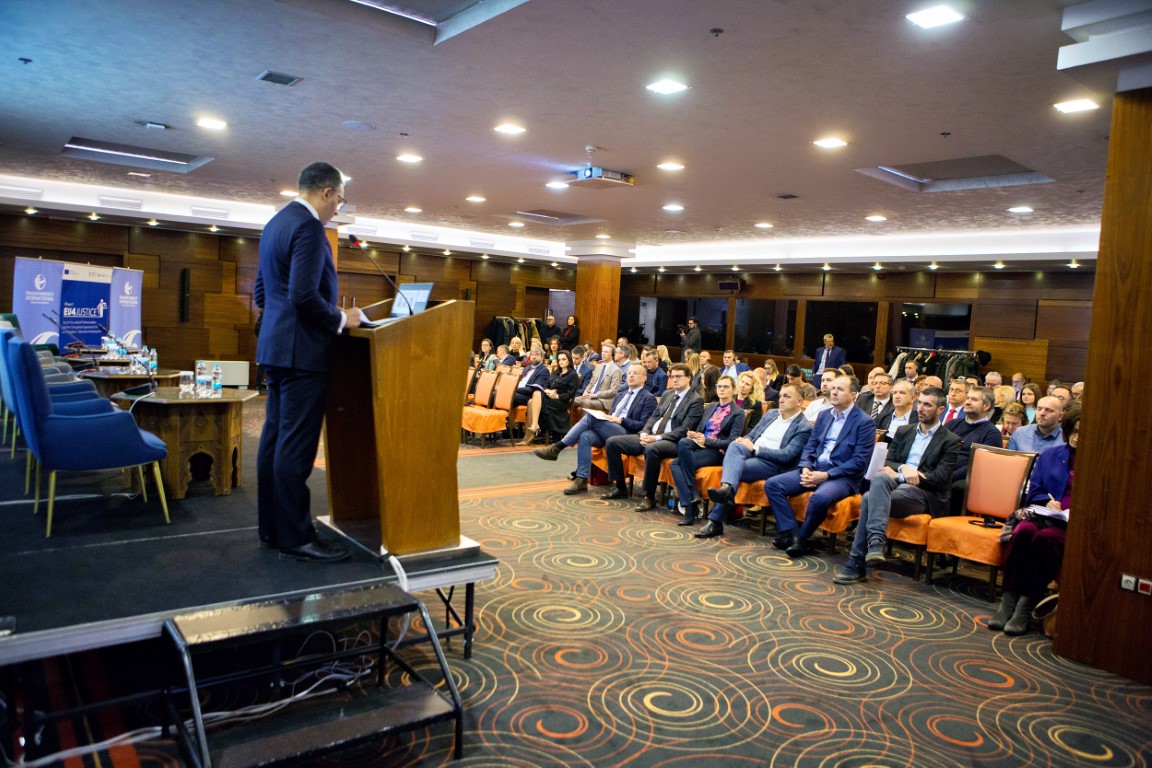
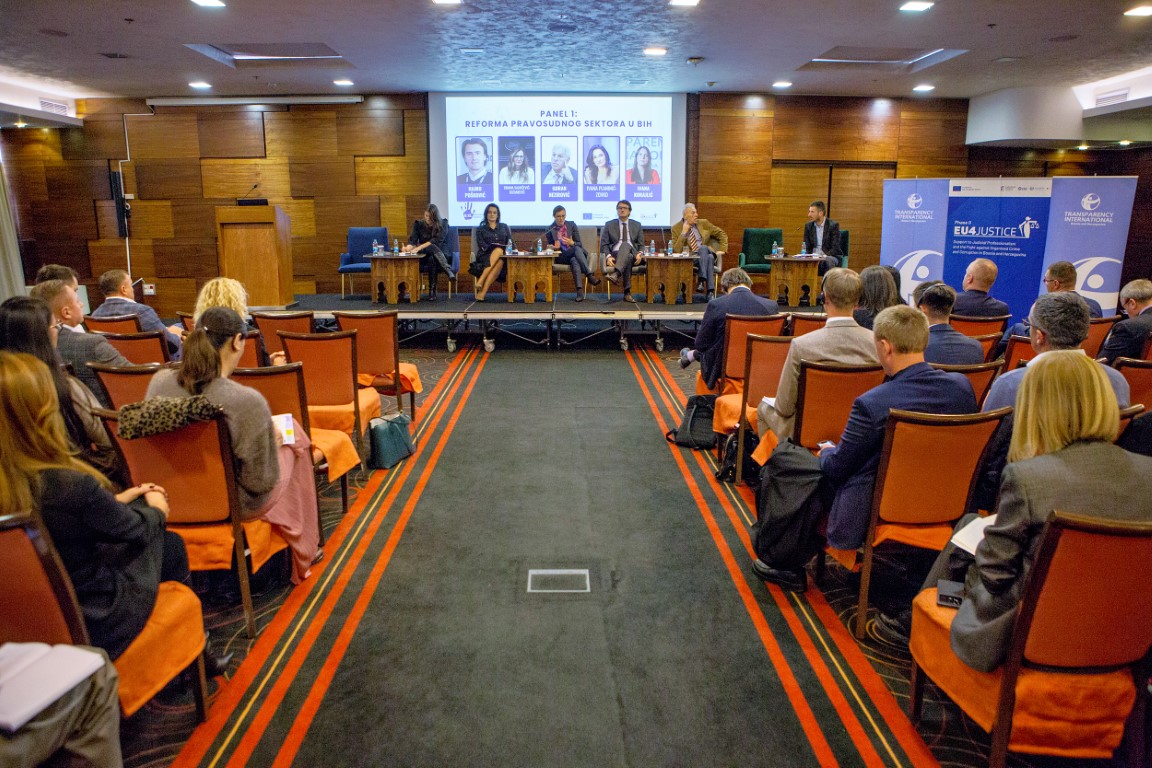
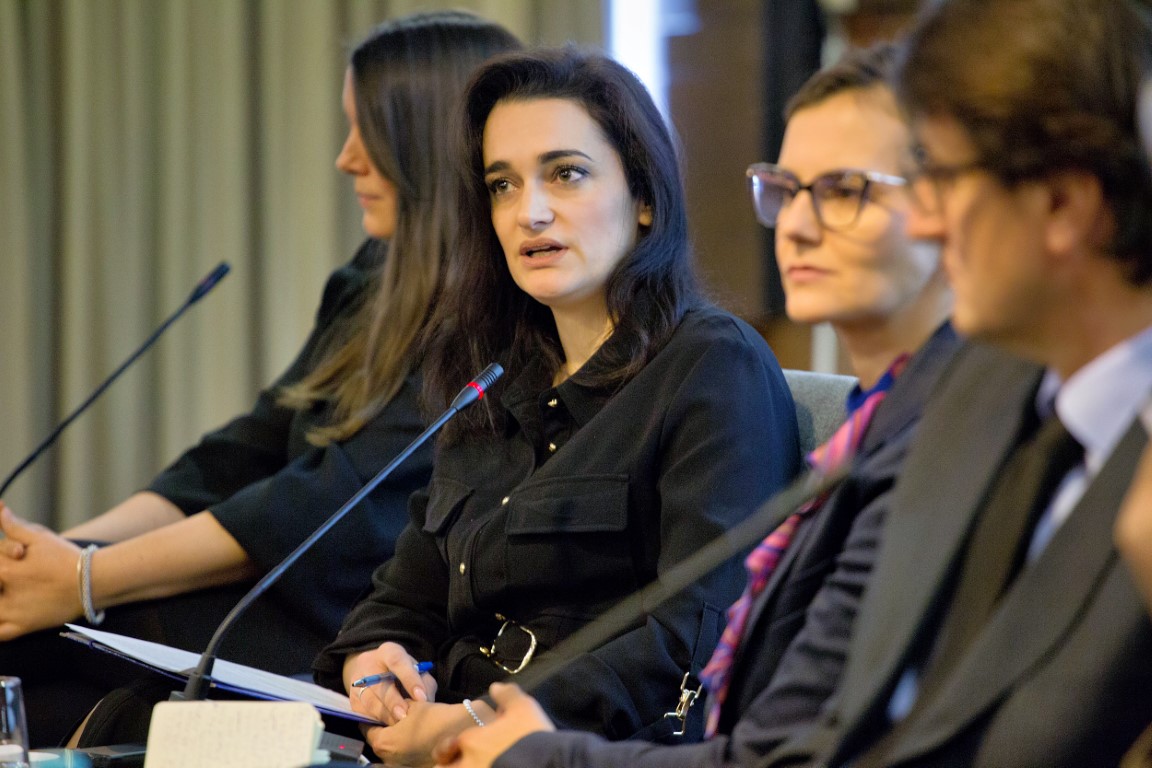
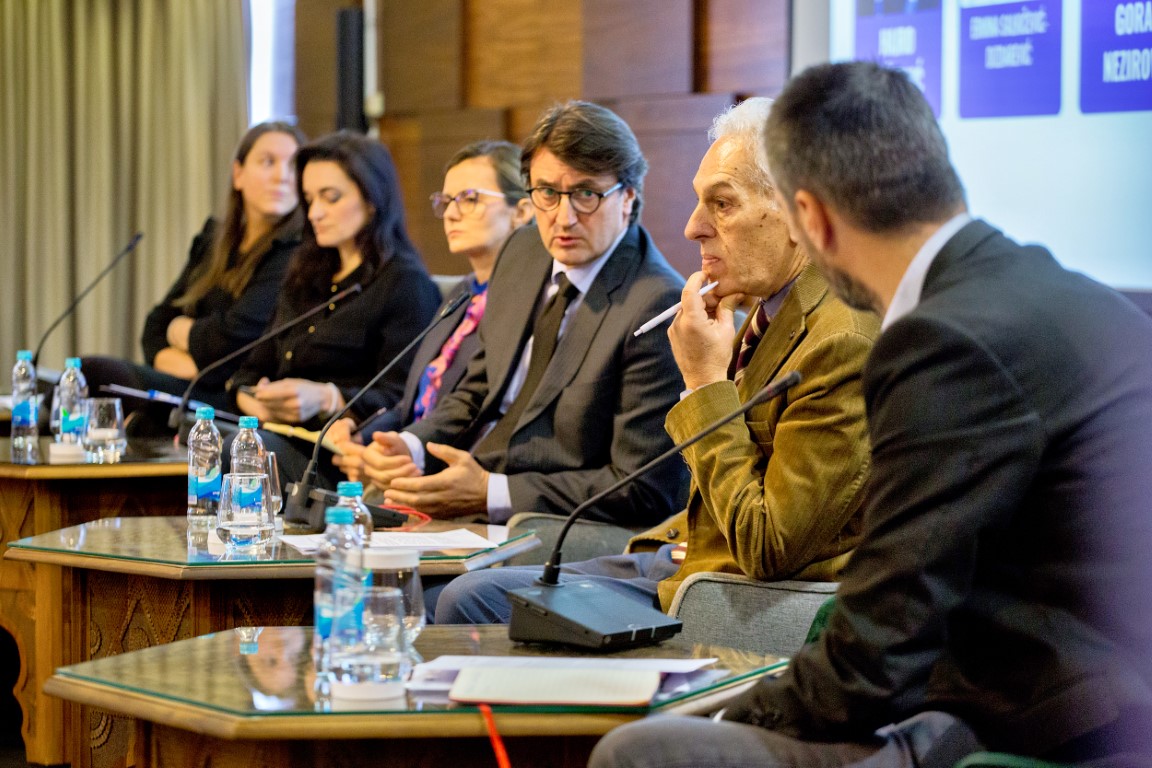
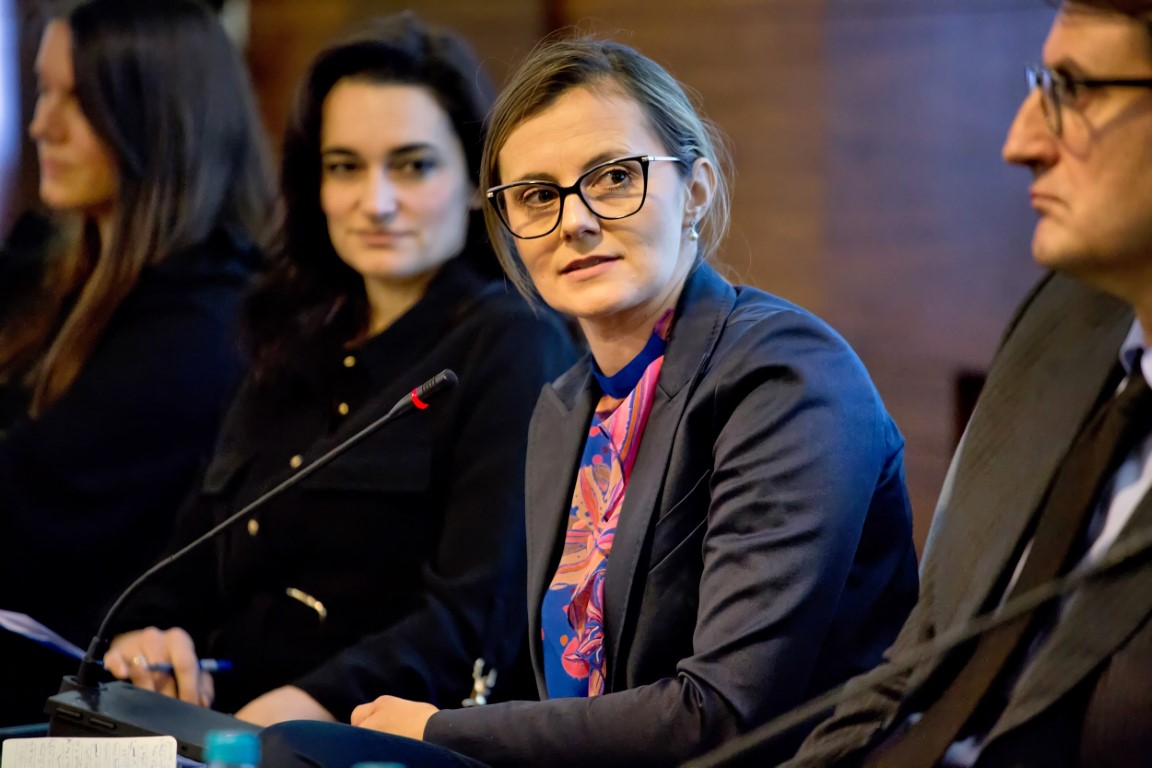
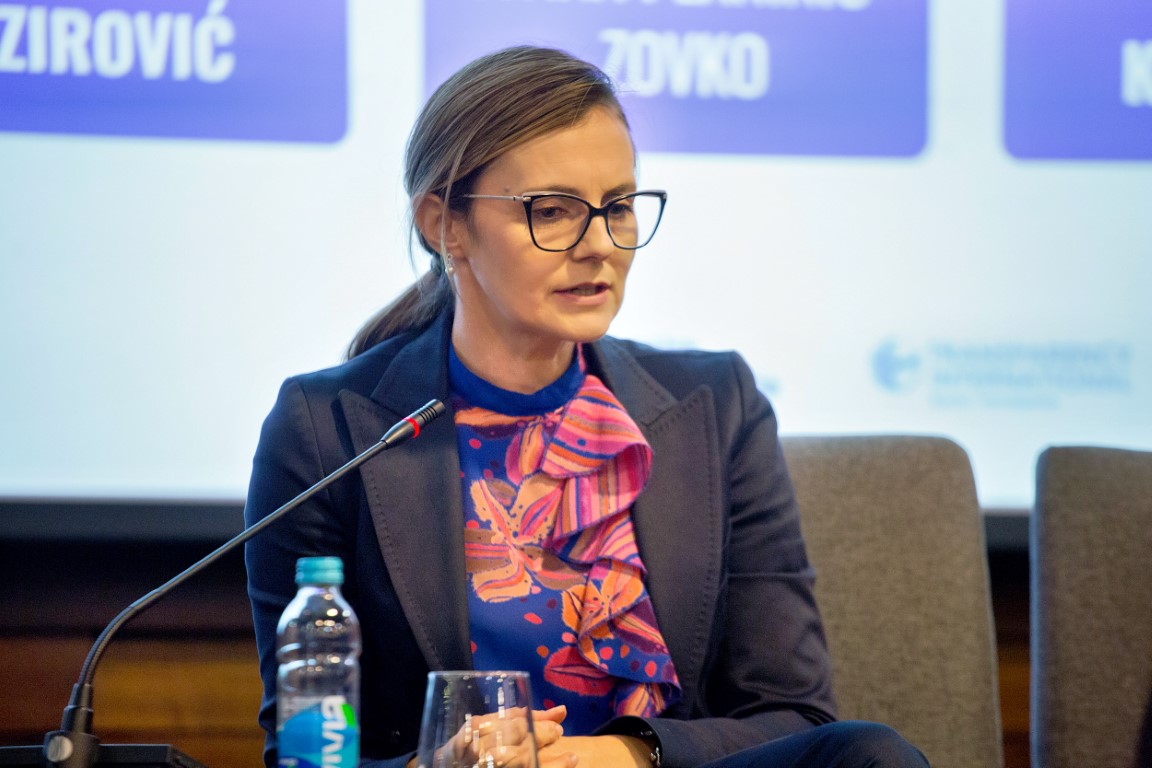
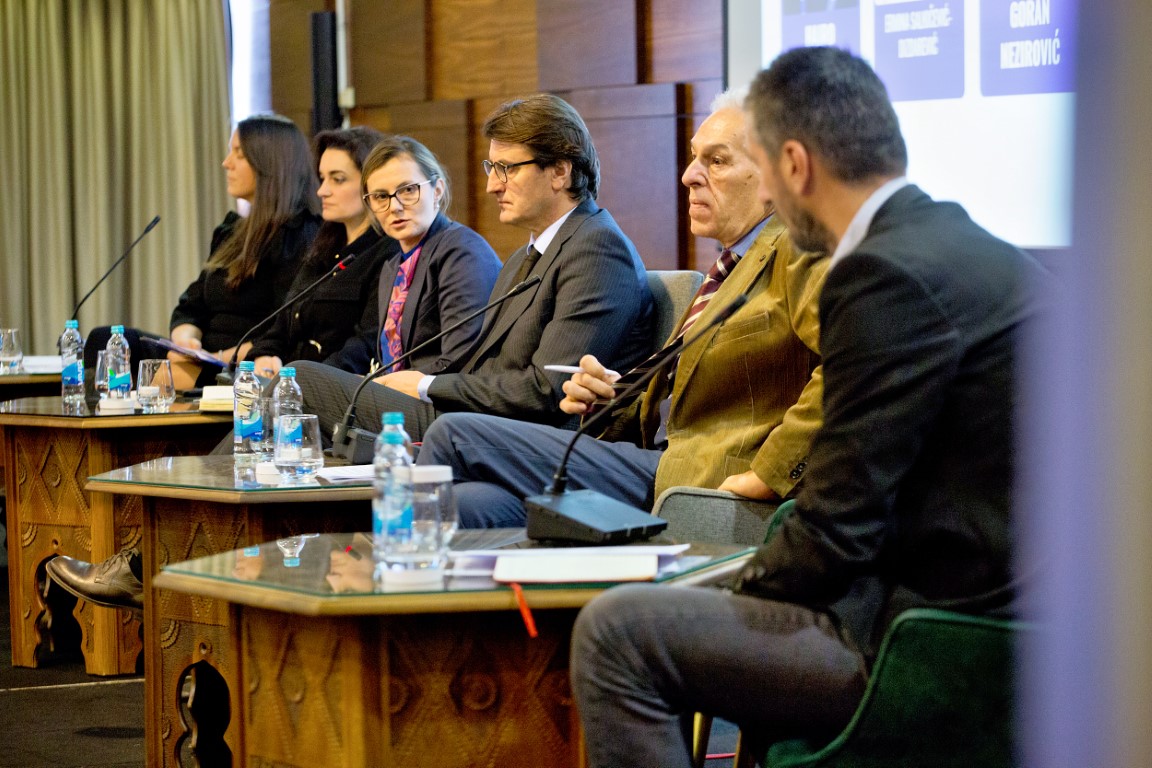
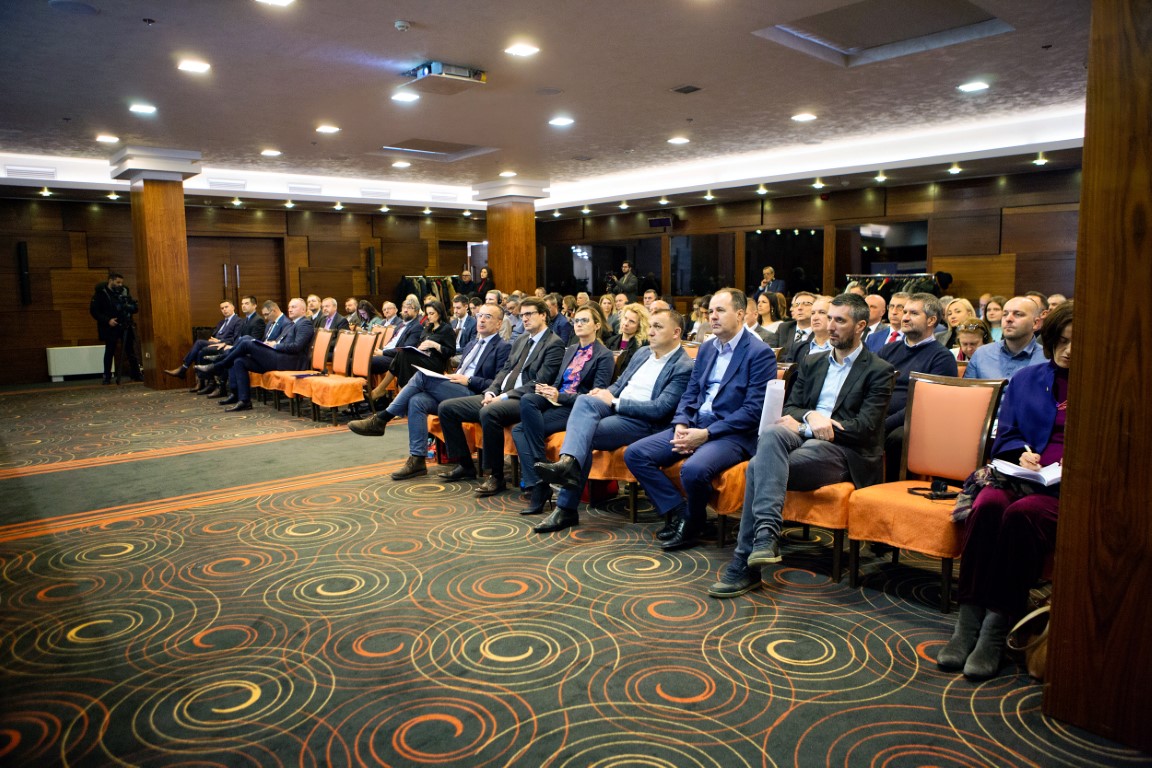
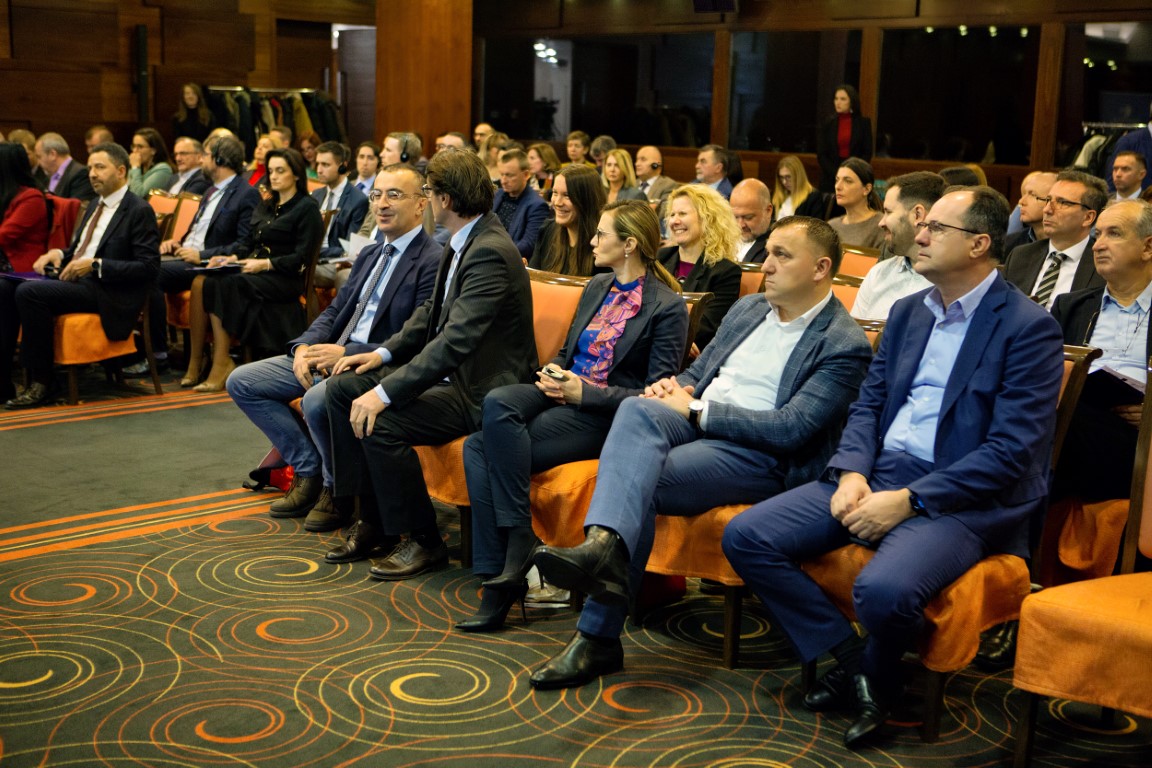
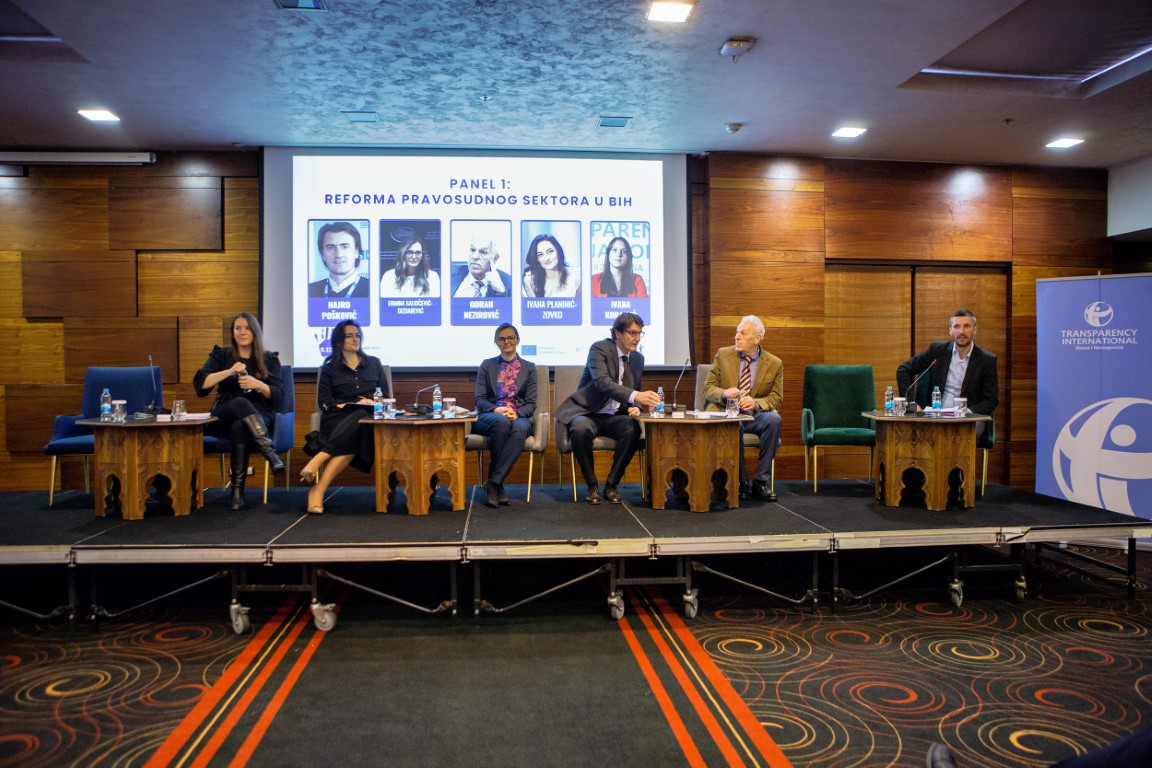
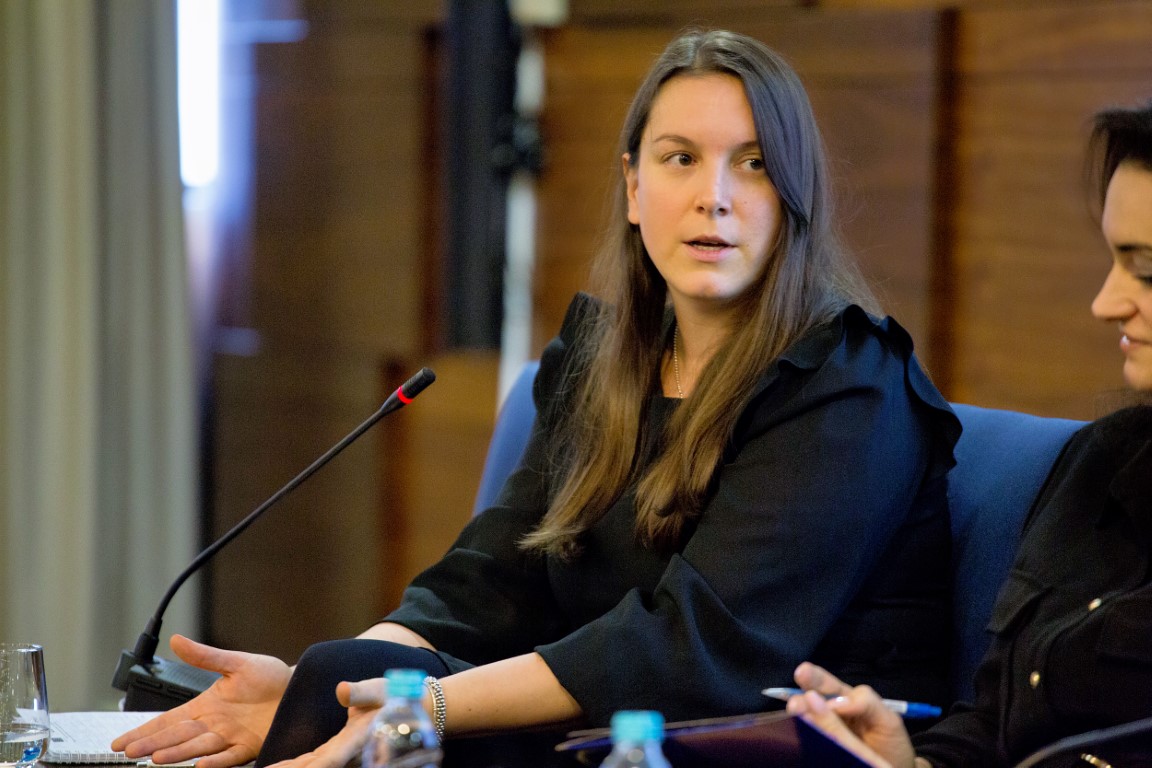
“Just last week, I sent a letter to the authorities, warning that Bosnia and Herzegovina risks losing hundreds of millions of euros if the necessary reforms are not implemented by December 2026. years” emphasized Marta Kos, European Commissioner for Enlargement, in a video message at the opening of the First Consultative Forum on the Implementation of the Reform Agenda in BiH (CONFRA BiH), organized today in Sarajevo by Transparency International in Bosnia and Herzegovina (TI BiH).

She added that there will be no extension of this deadline, warning that “almost 50 percent of the funds (977 million convertible marks) could be lost” and reminded that countries in the region have launched necessary reforms in governance, public administration, the private sector, energy, human capital, and the rule of law, after which the promised funds followed.

Unlike them, Bosnia and Herzegovina, where public focus has been too long on the amount of available funds rather than on the obligations that must be fulfilled, has still not signed and ratified the agreement on accession to the Reform and Growth Instrument and the loan agreement, which are prerequisites for using the 976.6 million euros.

However, inaction also carries its own cost. Namely, in the absence of reforms, Bosnia and Herzegovina risks losing 373 million euros from the funds allocated under the Growth Plan, in addition to the 108 million euros it lost last year.

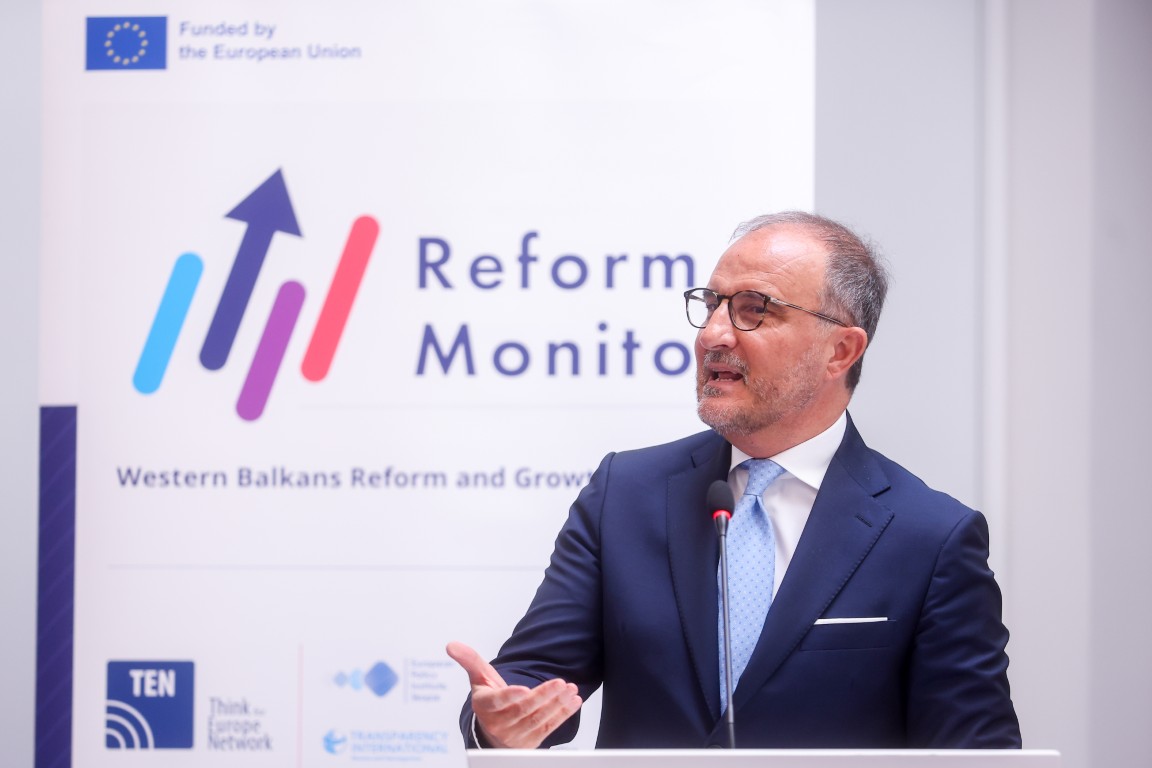
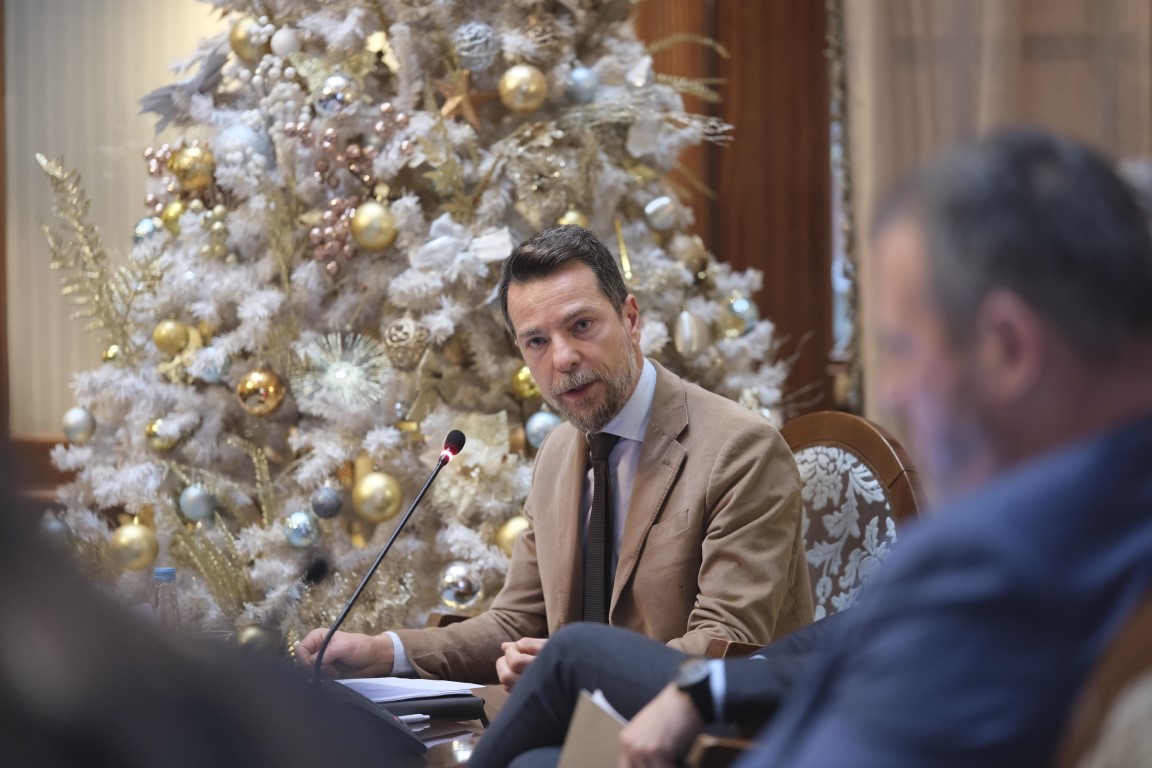
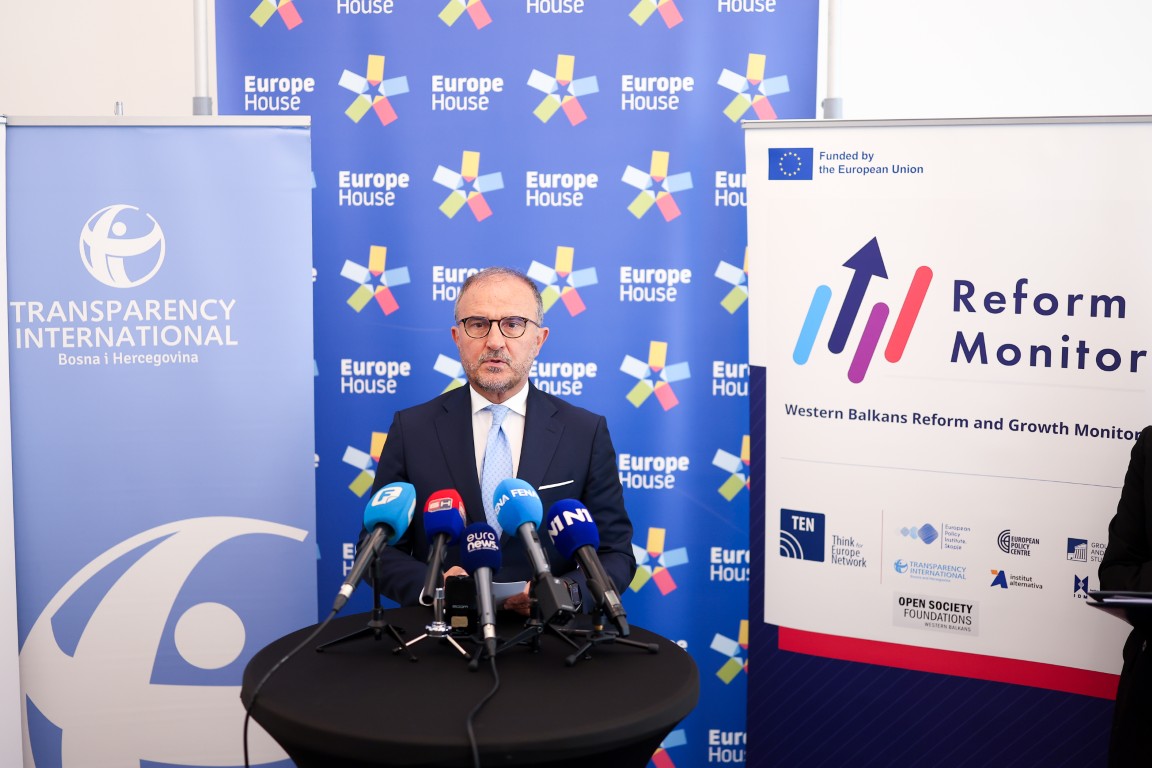
“The reforms in the Reform Agenda are the blueprint for an economic transformation in this country – one that will help it to use its considerable economic potential. This country has an educated population, a proud industrial tradition and is geographically located in the heart of Europe close to the European Single Market.” stated Luigi Soreca, Head of the EU Delegation to Bosnia and Herzegovina, adding that these advantages are not being utilized sufficiently.

“The education system needs urgent reform. Much of BiH’s industry relies on ageing technology, and needs to be modernised, including to take advantage of the clean energy revolution. BiH may be geographically close to the European Single Market, but barriers still exist to accessing it. The reforms in the Reform Agenda help bring these barriers down and move this country closer to receiving the benefits of EU membership. There is however also a cost to inaction – in the absence of reforms, regrettably, Bosnia and Herzegovina is at risk of losing EUR 373 million from its allocation under the Growth Plan, in addition to the EUR 108 million it lost last year” Soreca added.

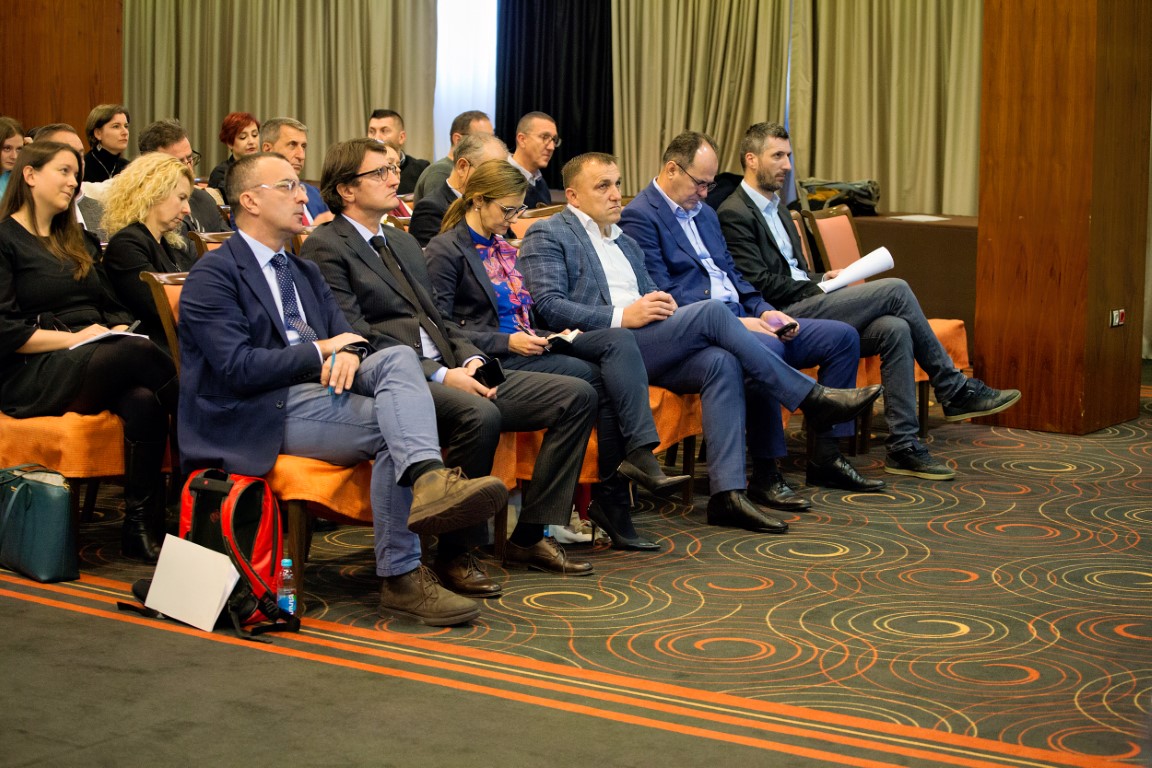
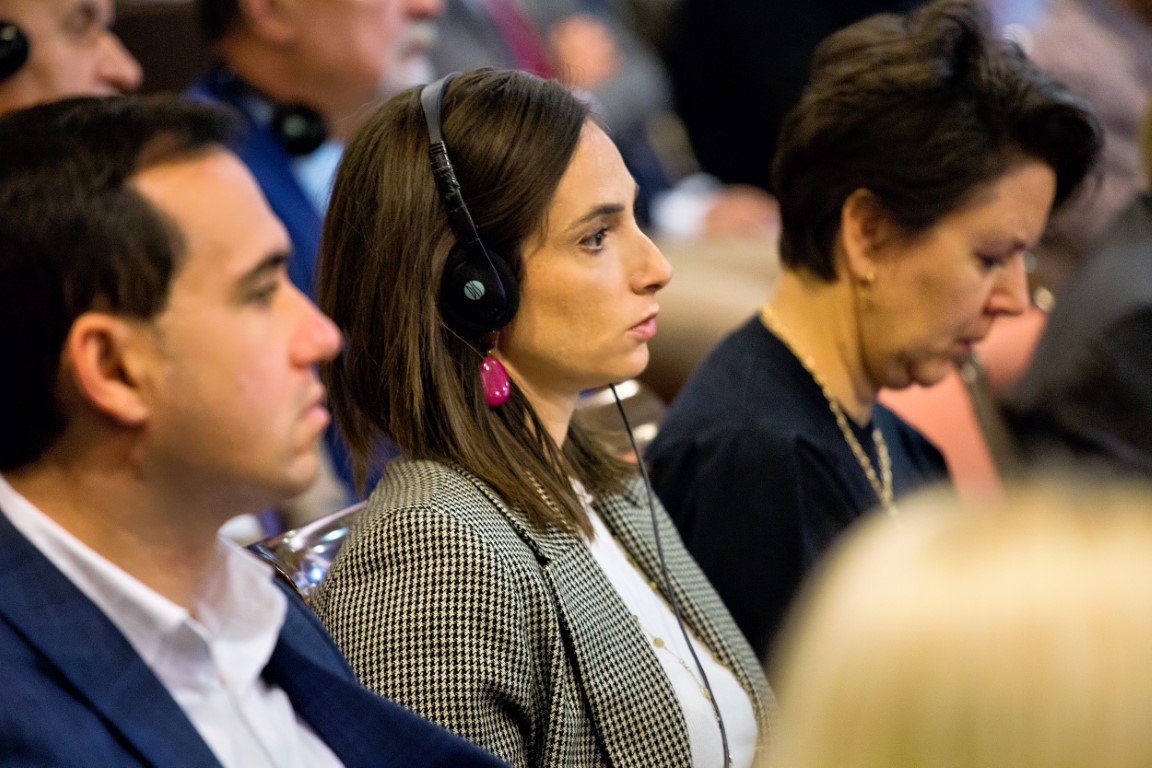
Forum participants emphasized that the aforementioned funds from the Growth Plan are not a reward for declarative commitment to the European path, but support for countries that demonstrate political will, capacity, and responsibility to implement reforms. Therefore, BiH must appoint a national coordinator, establish a secretariat, a monitoring committee, and contact points for each reform step, so that it is clear who is responsible for implementation, monitoring, and reporting.

In addition, it was emphasized, the implementation process must be more open to the public, which means that the authorities must publish the Reform Agenda in the official languages of BiH together with a list of infrastructure projects to be financed from the Growth Plan, so that citizens know what the state has promised and where it plans to direct the available funds.

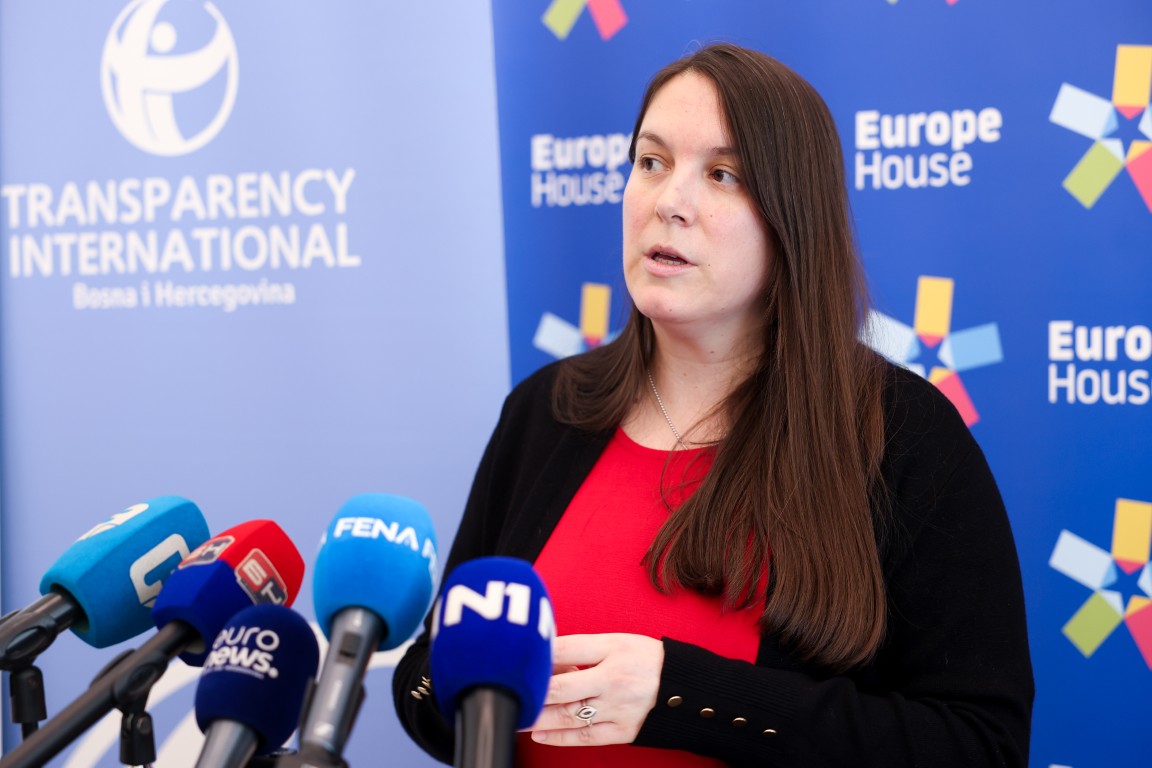
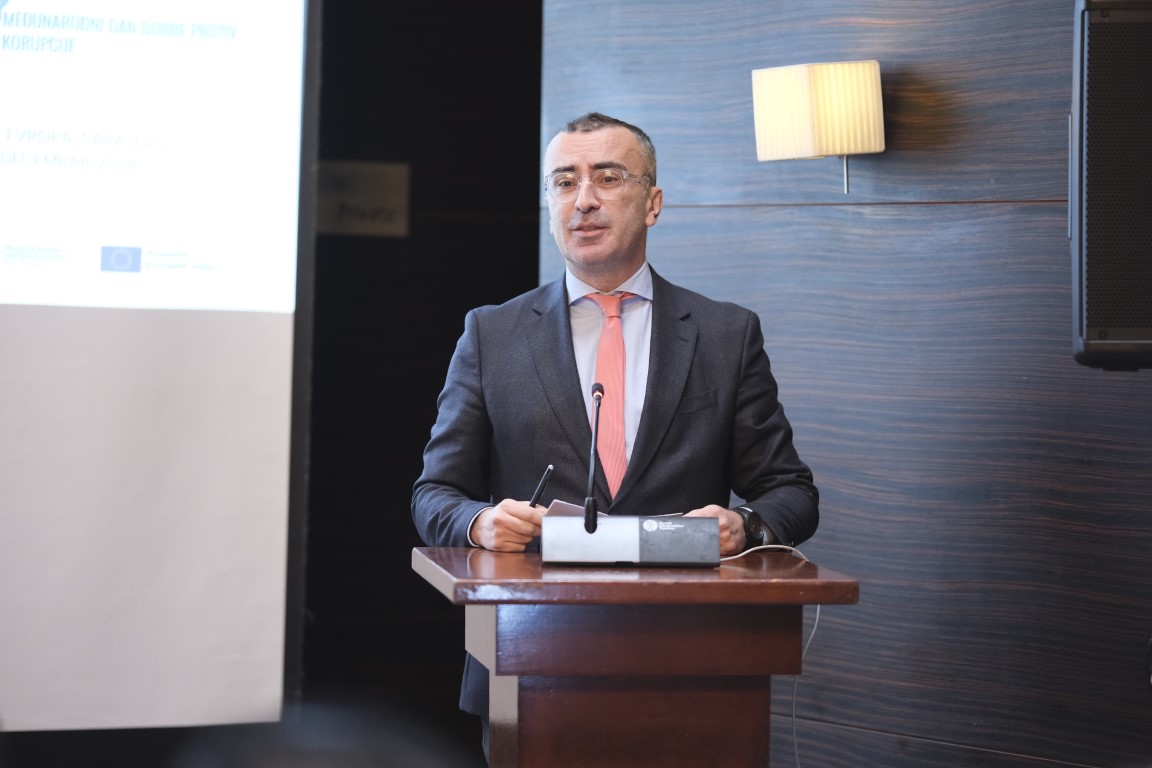
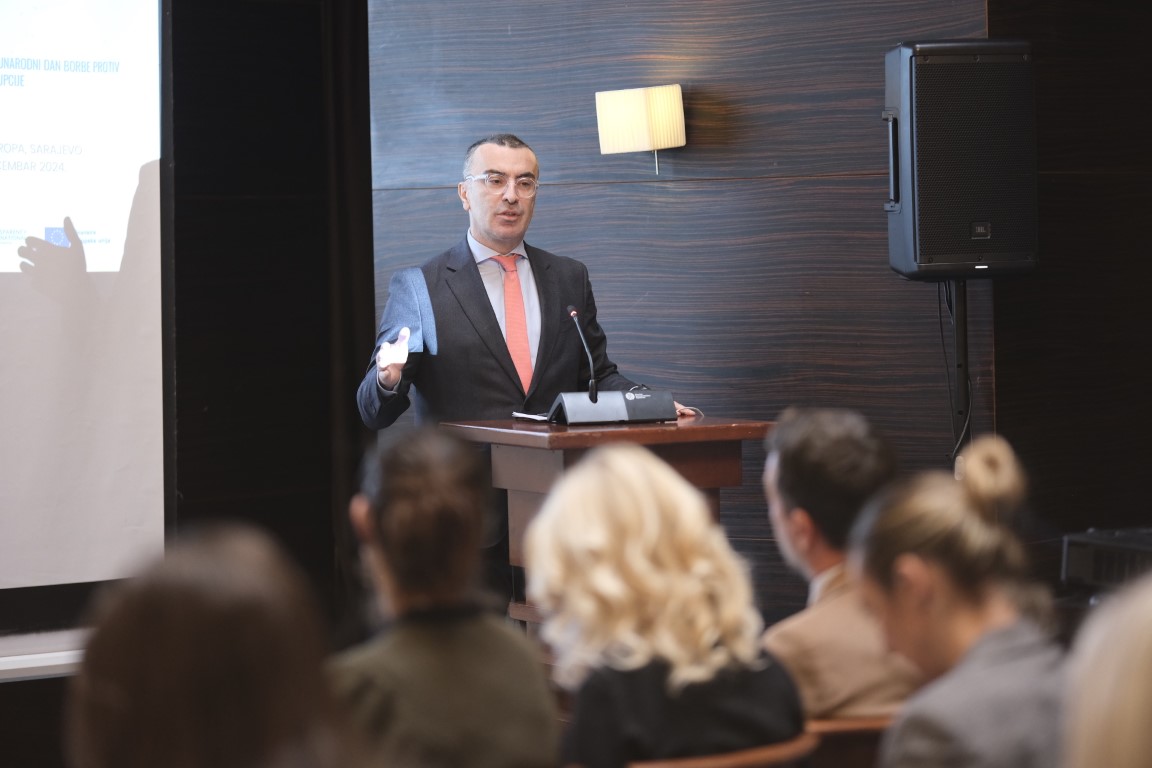
“The Growth Plan is a test of institutional responsibility, not just a financial opportunity. If the authorities in BiH are not prepared to implement the reforms they themselves undertook, then the problem is not only in the lost funds, but in the message that political representatives are sending to the EU and citizens. The attitude toward the Growth Plan today shows the real attitude toward BiH’s European path “, stated Ivana Korajlić, Executive Director of TI BiH.

TI BiH warns that when establishing the institutional framework, lessons learned from a decade of a dysfunctional coordination mechanism must be utilized. Through the new system, it is necessary to define clear responsibilities, deadlines, and mechanisms for overcoming blockages, so that the implementation of the Reform Agenda does not turn into another captured process.

Civil society and other relevant actors need to be included in the work of the monitoring committee through a transparent process and clear criteria, based on expertise, experience, and proven results. Only in this way can the monitoring and reporting process be of higher quality, more open, and focused on real results.

Continued delays and political blockages do not only mean the loss of available funds. They directly harm BiH’s credibility before the European Union and member states, and reduce the chances that the country will make a serious step forward toward opening negotiations in the near future. Therefore, TI BiH calls on the authorities to open the implementation process of the Reform Agenda to civil society and to use CONFRA BiH as a space for regular dialogue, monitoring progress, and addressing obstacles in fulfilling undertaken obligations.

Press rls_29_04_2026

Video message, Marta Kos, European Commissioner for Enlargement

Photo gallery
See also:

TI BiH: Fight against corruption is deliberately obstructed – Authorities’ priority is to maintain control over institutions

Bosnia and Herzegovina has still not made significant progress in the fight against corruption, and it remains a serious concern, requiring intensified efforts to achieve a...

TI BiH
Izvještaji za Mediae

TI BiH: Fight against corruption is deliberately obstructed – Authorities’ priority is to maintain control over institutions

Bosnia and Herzegovina has still not made significant progress in the fight against corruption, and it remains a serious concern, requiring intensified efforts to achieve a consistent track record in combating corruption. The lack of harmonization of the legal framework areas of the country continues to hamper the fight against corruption. The legal framework for preventing corruption is still incomplete, and the adopted anti-corruption laws are not consistently and efficiently implemented, while key mechanisms and bodies for the prevention and fight against corruption at various levels remain fragmented and uncoordinated.

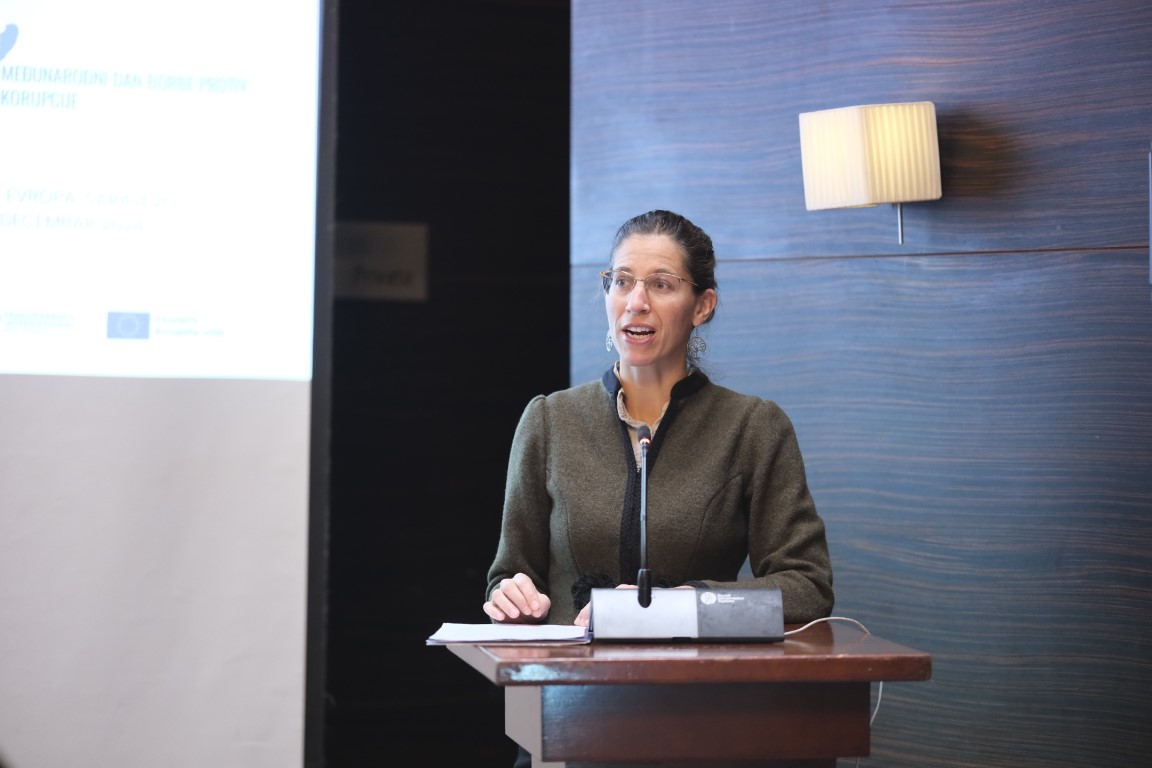
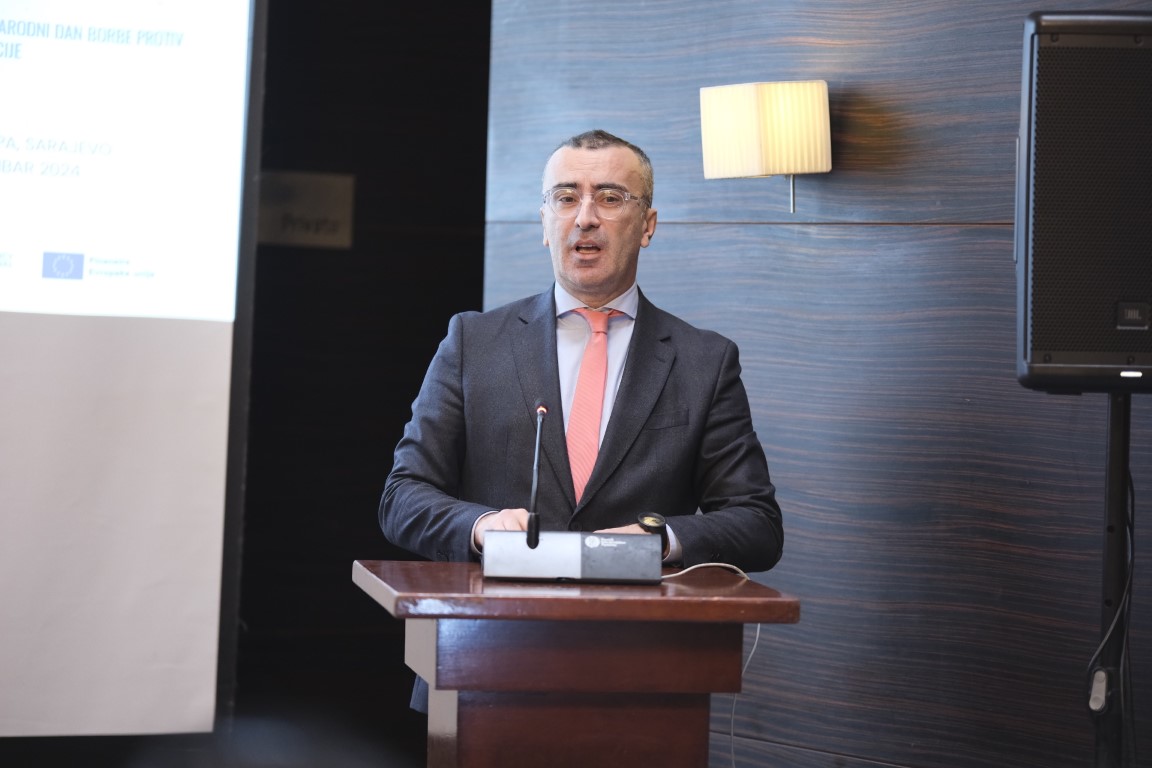
While citizens of Bosnia and Herzegovina expect the results in fighting corruption, especially high-level corruption, drafts of important laws have been waiting for adoption for years and the authorities in BiH show little will to establish independent and effective institutions for their implementation. These were the topics discussed at the conference “Strengthening Integrity and Accountability in the Fight Against Corruption in BiH.”
“Tackling corruption is vital primarily for Bosnia and Herzegovina and its citizens. On the other side, there can also be no progress towards EU membership without progress in the rule of law. Despite progress in strategies and investigations, the low number of final convictions in high-level corruption cases remains a serious issue. Institutional reforms, professionalizing anti-corruption bodies, and harmonizing efforts are critical for sustainable results. The EU will continue to support BiH’s efforts in strengthening the rule of law and fight against corruption,” said Aurelie Valtat, Head of European Integration, Political, Press and Information Section at the EU Delegation to BiH.
‘’Corruption remains one of the greatest threats to the progress of Bosnia and Herzegovina. But corruption is not an unavoidable component of governance, it can be combated with the correct strategies, policies, and leadership. Today’s decisions will shape the future of the generations to come, and it is imperative that those decisions are made with the highest ethical standards. Together with our partner Transparency International, Sweden supports Bosnia and Herzegovina to build alliances, share best practices, harmonize Anti-Corruption efforts, and support transparency and accountability’’, Ambassador of Sweden in BiH, H.E. Helena Lagerlöf, said.

The conference specifically highlighted the need for establishing efficient conflict of interest prevention system, aligned with international standards. There are delays in applying the law at the level of BiH institutions, which means that conflicts of interest at this level of government remains unaddressed. There has been no improvement in entity-level laws, with the situation remaining most alarming in the Federation of BiH, where for over ten years there has been no body responsible for deciding on conflicts of interest. As a result, more than 230 officials in the Federation are currently holding multiple positions, often presenting conflicts of interest, while institutions make contracts with the family businesses of public officials or appoint their family members to key positions without any responsibility or consequences. In Republika Srpska, recent amendments to the law have failed to improve the existing framework, while major shortcomings in the work of the competent Commission have further highlighted the urgency of comprehensive reforms to establish a consistent and efficient conflict of interest prevention system.
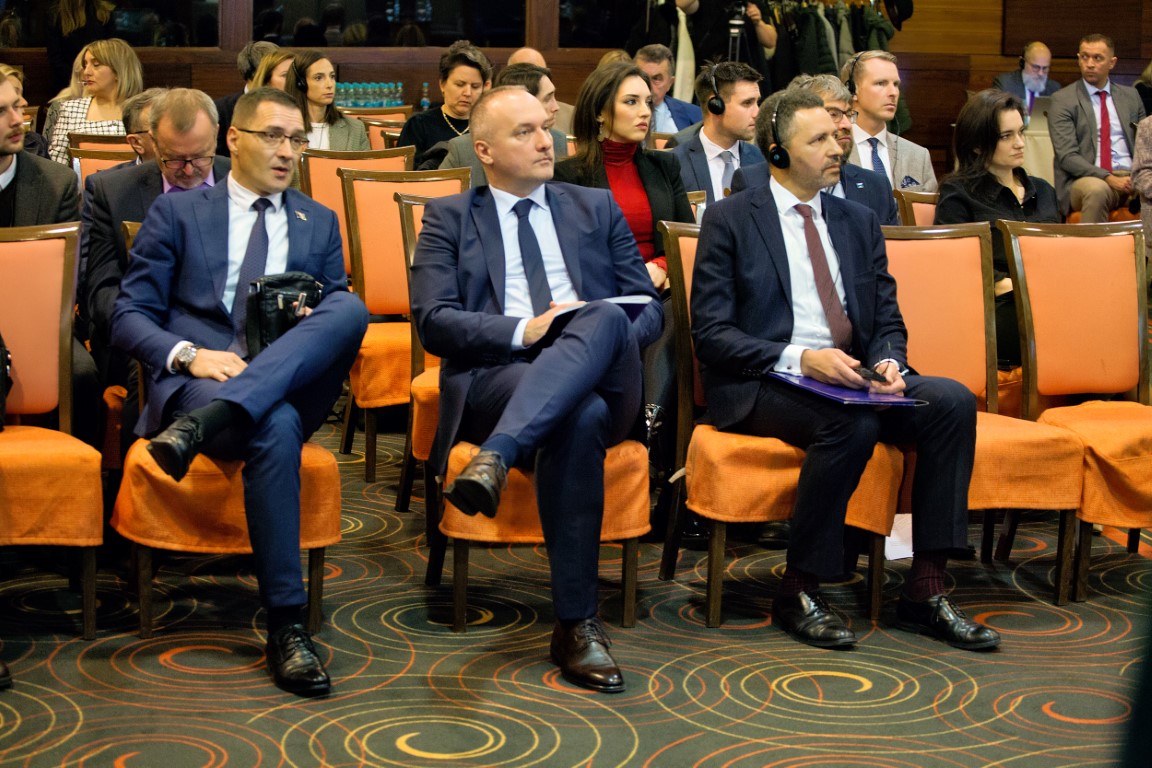
Deficiencies have also been identified in other areas, which, despite certain changes in the previous period, still hinder effective corruption prevention. A prerequisite for quality decision-making processes and efficient institutional oversight is the improvement and harmonization of freedom of information laws at all levels. It is also necessary to adopt a whistleblower protection law in the Federation of BiH, while at other levels of government, mechanisms for their protection need to be strengthened. This would provide better support for whistleblowers and more efficient detection of irregularities. The new provisions of the Election Law have not achieved their goal of preventing the abuse of public resources, highlighting the need for stronger control and accountability.

“The long-standing trend of worsening corruption in BiH, in addition to the devastating social and economic consequences, is also leading to paralysis and dysfunctionality within the institutional framework. This situation undoubtedly also has security implications, making the country a fertile ground for organized criminal groups and various extremist organizations. The standard of living of citizens is also strongly conditioned by the level of corruption, which is confirmed by the fact that GDP per capita in BiH is only 36% of the EU 27 average, which is even lower than the regional average of the Western Balkans,” said Srđan Blagovčanin, Chairman of the Board of TI BiH.
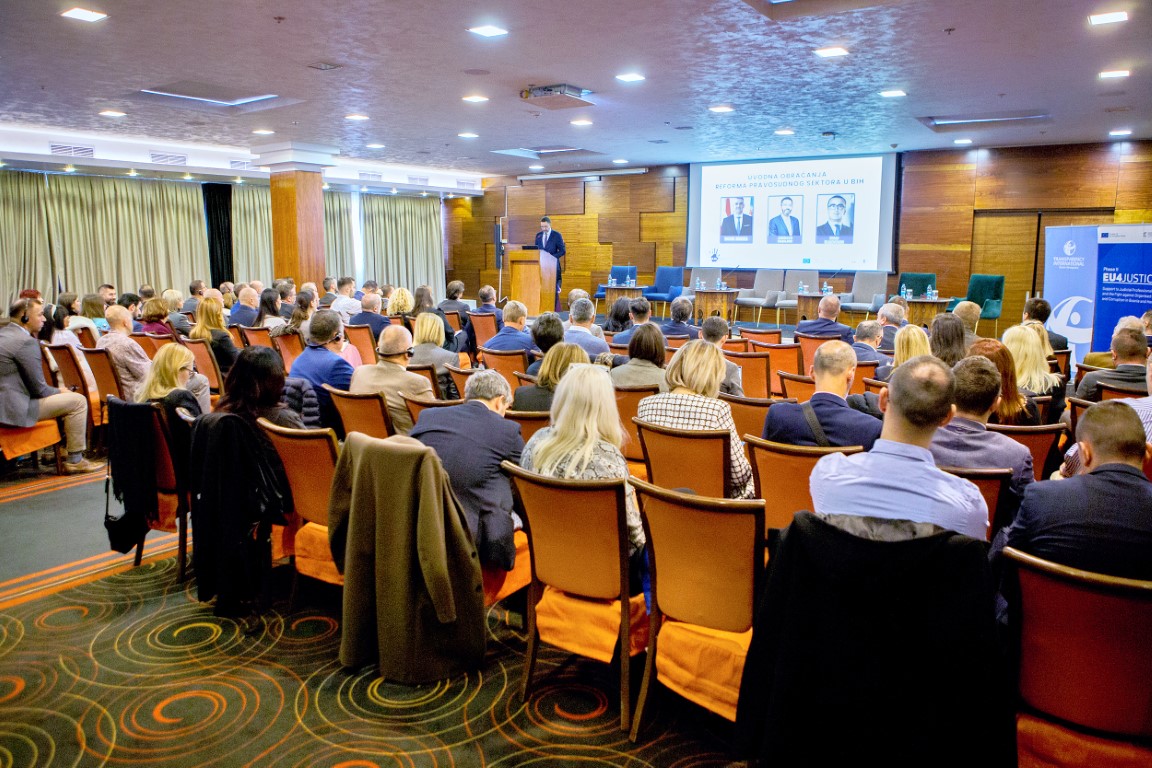
Press rls_12.12.24

Judicial reform key to fight against corruption

Sarajevo, decembar 9th 2024 – December 9th, International Anti-Corruption Day was marked in Sarajevo today, which was an opportunity to emphasize the urgent need to enhance the...

TI BiH
Izvještaji za Mediae

Judicial reform key to fight against corruption

Sarajevo, decembar 9th 2024 – December 9th, International Anti-Corruption Day was marked in Sarajevo today, which was an opportunity to emphasize the urgent need to enhance the fight against corruption and strengthen the rule of law. The conference provided a platform for key institutions to engage in a dialogue on the state and possible solutions in the field of justice sector reform.

Corruption in Bosnia and Herzegovina remains a serious concern, requiring intensified efforts to achieve a consistent track record in combating corruption. Judicial reforms addressing systemic challenges, restoring public trust, and upholding the rule of law are needed. To this end, BiH must establish an effective Justice Sector Reform Strategy as soon as possible. Furthermore, key legislation – i.e. the Law on the HJPC and the Law on Courts of BiH – are expected to be aligned with the EU standards. The civil society has an important role in providing suggestions to policymakers on how to shape future judicial reform. Thhese are some of the messages from the conference organized by Transparency International in Bosnia and Herzegovina (TI BiH) and the EU4Justice project, with the support of the European Union.

“For Bosnia and Herzegovina there can be no progress towards EU membership without progress in the rule of law and fight against corruption. This is not only essential on the EU path but will also improve the quality of life for people in Bosnia and Herzegovina and foster long-term development. We will continue to be a loyal partner to Bosnia and Herzegovina by supporting efforts to strengthen the rule of law and the fight against corruption. The citizens of this country expect that this will be a top priority for political actors, and they can count on our support,” said Adebayo Babajide, Deputy Head of the EU Delegation to Bosnia and Herzegovina.

The conference, which brought together representatives of institutions from all levels of government, international and regional organizations, discussed the current state of the judicial reform, the consequences of the lack of reforms on widespread corruption in the country, within two panels.

Minister of Justice of BiH, Davor Bunoza, one of the keynote speakers and panelists, said:”Reform of judiciary is a difficult road that we have to cross on the way to the EU. We must adopt and apply laws for our own sake. Harmonization of regulations with the EU acquis will always result in a higher degree of rule of law. The judicial reform has started, the results will not come overnight.”

At the conference, the importance was pointed out that reforms must lead to the independence, efficiency and integrity of the judiciary, which will be able to process high-level corruption cases and respond to the key challenges facing BiH. Also, it was stressed that it is necessary to strengthen the mechanisms of integrity and accountability of judicial office holders, as well as to reduce inappropriate influences by improving the process of appointing judges and prosecutors.
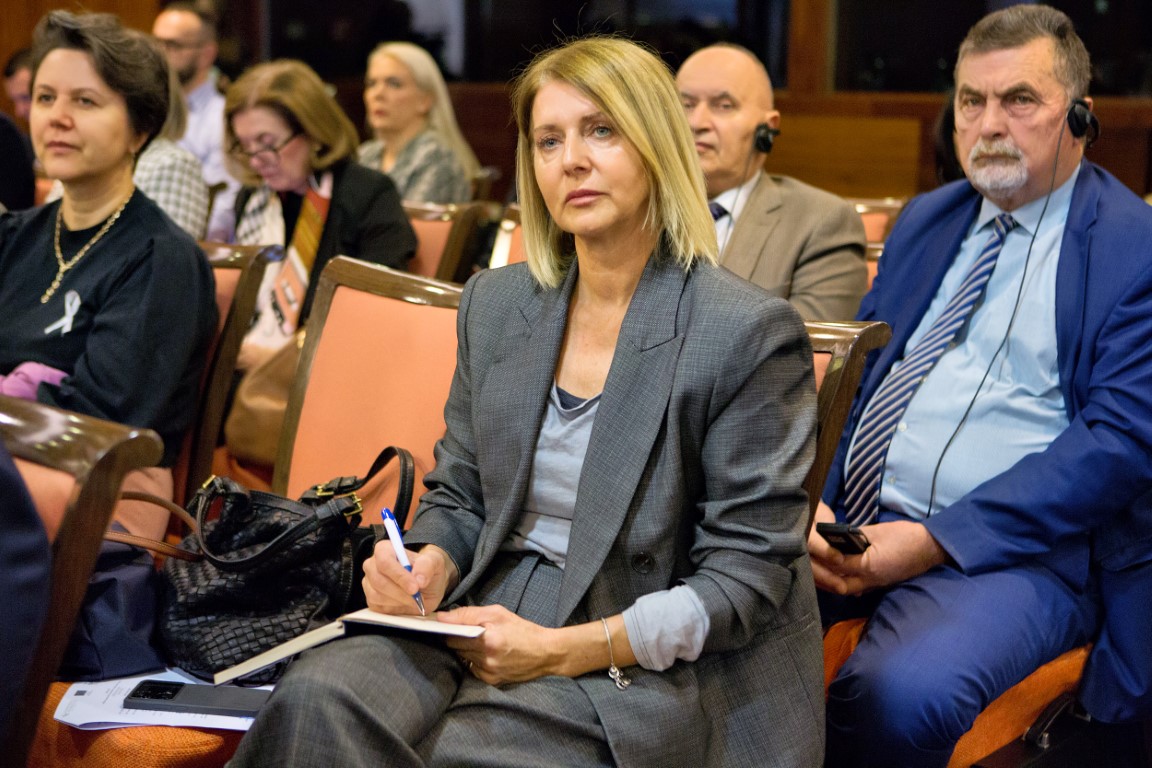
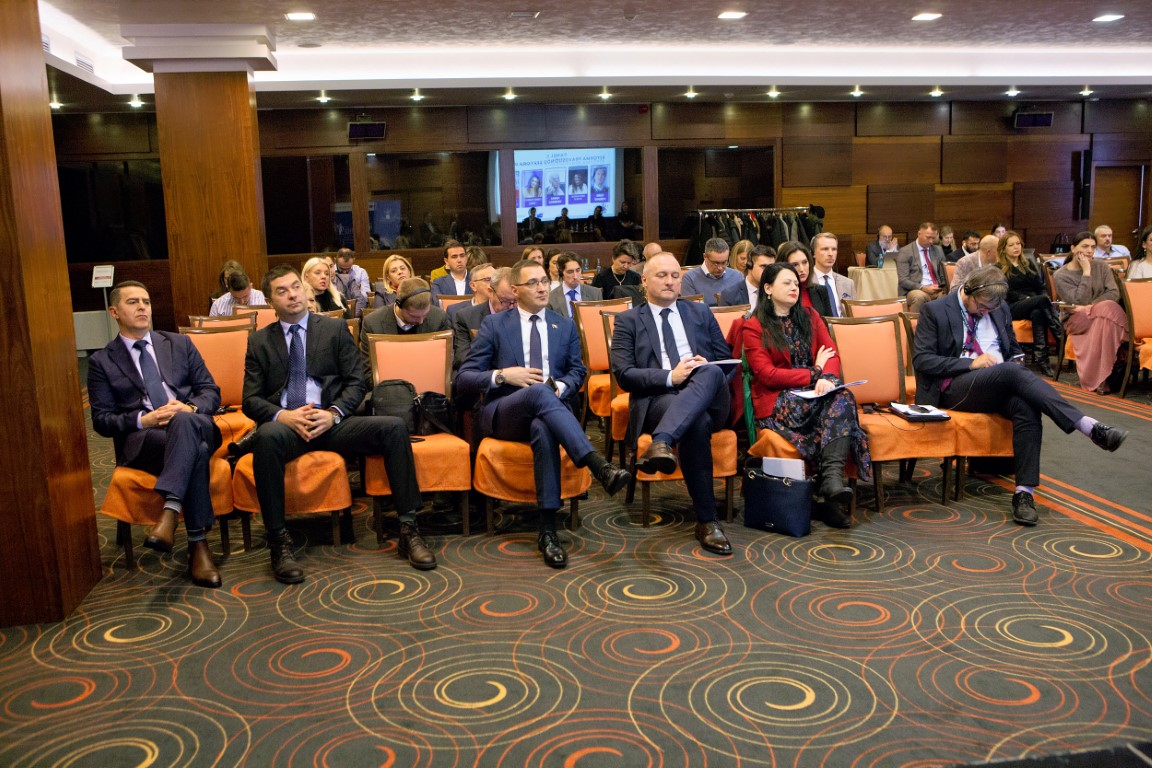
“The judiciary in BiH is in a state of complete institutional captivity, which results in impunity for political corruption, and often in the instrumentalization of the judiciary to achieve the particular interests of the ruling oligarchy itself. Unfortunately, despite the fact that reforms to strengthen the rule of law and strengthen integrity in the judiciary itself are highly prioritized in the European integration process, their effects so far could hardly be characterized as anything other than a farce,” said Srđan Blagovčanin, Chairman of the Board of Directors of TI BiH.

The need to ensure both transparency of the process and a quality systemic solution regarding the new Law on the HJPC was emphasized, and comments and suggestions for improvement were addressed, especially when it comes to specifying provisions on preventing conflicts of interest, the appointment of prosecutors and judges, as well as members of the Council, and the criteria for selecting members of the Council were discussed. The importance of inter-institutional cooperation, asset forfeiture, and financial investigations as prerequisites for a more efficient fight against corruption was also discussed.

„Although we ourselves are not entirely satisfied with what has been achieved, we expect the efforts made so far to be recognized, as well as the results that no one can ignore. Among other things, we have a former Prime Minister of the FBiH government, a former state minister, who have been convicted of high-level corruption, and one of them is currently on trial before the Court of BiH. Through the investigations launched at the end of last year and this year which have resulted with the deprivation of liberty of the former President of the Court of BiH and former Director of the Intelligence and Security Agency, as well as with the investigation against the former Director of the Border Police, who is on the run, we have shown our determination to prosecute all those for whom we find evidence, regardless of their status or the function they perform,“ highlited Milanko Kajkanić, Chief Prosecutor of the Prosecutor’s Office of BiH.

With EU support, economic advisors have been vital in assisting prosecutors’ offices with financial investigations into economic crimes, organized crime, and corruption. Their efforts have resulted in 91 first-instance convictions, 13 second-instance convictions, 15 final acquittals, and 16 first-instance acquittals. This highlights the need for a systemic solution to ensure their permanent role and continued support for prosecutors, enabling effective handling of complex cases.

„The EU4Justice Project contributed to articulate concete activities and relevant indicators of the Action Plan with measures of the Reform Programme concerning the fight against corruption and organised crime. Recently, on 26 September 2024, the Project was involved in drafting the ‘Guidelines for Chief Prosecutors on Establishing Internal Coordination System of Forfeiting Proceeds of Crime’ that was adopted by the HJPC BiH. The Guidelines will ensure consistent and harmonized practice throughout BiH and facilitate prioritization of Organised crime and Corruption cases that contain proceeds of crime,“ cocluded Isabelle Arnal, EU4Justice Team Leader.

Press rls_9.12.24

TI BIH ANALYSIS: REFORM LAWS ADOPTED THROUGH EU INTEGRATION DID NOT GIVE RESULTS, NEGATIVE EFFECTS VISIBLE IN SOME AREAS

No positive developments were recorded after the adoption of four reform laws significant for Bosnia and Herzegovina’s European path. Some provisions are not implemented,...

TI BiH
Izvještaji za Mediae

TI BIH ANALYSIS: REFORM LAWS ADOPTED THROUGH EU INTEGRATION DID NOT GIVE RESULTS, NEGATIVE EFFECTS VISIBLE IN SOME AREAS

No positive developments were recorded after the adoption of four reform laws significant for Bosnia and Herzegovina’s European path. Some provisions are not implemented, while some already have negative effects, which civil society warned about before the adoption of the law. The analysis of Transparency International in BiH (TI BIH) showed that the new Law on Freedom of Access to Information at the BiH level did not accelerate the publication of data of public interest.

“According to the experience of TI BIH, the waiting time for the decision of the second instance authority is longer than during the application of the old law.” Although the Appeals Chamber at the Council of Ministers in most cases made decisions on appeals within the legally prescribed time limit, some first-instance bodies did not submit their decisions to the TI BIH within the legally prescribed time limit. In addition, a long list of exceptions allows the authorities to hide numerous information of public interest and thus prevent the media and civil society from monitoring the work of institutions and uncovering irregularities.”

In addition, a long list of exceptions allows the authorities to hide numerous information of public interest, thus preventing the media and civil society from monitoring the work of institutions and uncovering irregularities.

The amendments to the Law on the HJPC did not improve the integrity of the holders of judicial offices in practice, and the Department for checking property records of judges and prosecutors has not yet been established. Also, not all the recommendations of the EU and the Venice Commission were followed, and non-implementation of the new provisions called into question the functioning of the umbrella institution of the BiH judiciary. Immediately before the implementation of the law, the HJPC appointed a number of holders of judicial positions, and new appointments are made without checking reports on assets and interests. Due to political obstructions related to the adoption of the budget, the Department will carry out checks of property records retroactively only from February 2025. In addition to these urgent changes, the goal of which should have been to strengthen the integrity of the judiciary, Bosnia and Herzegovina must also adopt a new law on the HJPC. The recently prepared preliminary draft does not meet the necessary standards, which TI BiH has already warned about and which was confirmed by the opinion of the Venice Commission.

The new law on the Prevention of Conflict of Interest brought significant improvements, but its implementation was postponed for 6 months, i.e. until September of this year. The competition for the appointment of members of the new independent Commission that will decide on the conflict of interest was announced only at the end of May and it is unlikely that it will be completed on time. The commission will have a short deadline to adopt a large number of by-laws, which could further delay the implementation of the law due to the current work dynamics. It is important to note that the focus of the reforms is placed only on the state level, while the law regulating this issue is still not applied in the Federation of Bosnia and Herzegovina, and the Republic of Srpska adopted harmful changes last year and practically legalized the conflict of interest. The Law on Prevention of Money Laundering and Financing of Terrorist Activities still does not meet all international standards and recommendations. TI BiH appeals to the Ministry of Security of BiH to speed up work in order to meet the deadline for the adoption of by-laws by the end of August 2024, without which the implementation of the law is not possible.

Although the adoption and implementation of these laws are necessary for the effective fight against corruption, which is a key priority for BiH on the European path, TI BiH points out that the authorities in BiH did not perform the quality work when it comes to this task. The process was non-transparent, with no opportunity for meaningful public participation, and civil society proposals submitted during public consultations were generally not adopted. Before the vote, the Council of Ministers changed the essential provisions of the reform laws, thus rendering the process meaningless. Due to all of the above, the citizens of Bosnia and Herzegovina who suffer the consequences of widespread corruption on a daily basis have not yet felt the positive effects of the reforms. The European Commission will publish its assessment of the quality of the content and application of the aforementioned laws in the Expansion Package, i.e. the report on Bosnia and Herzegovina, which is expected to be published in October this year.

Press rls_22.07.24.

* Addendum published on July 26, 2024: Transparency International in BiH, after the publication of the analysis and announcement, received the reaction of the Appeals Council at the BiH Council of Ministers about the part related to the implementation of the Law on Freedom of Access to Information at the level of BiH institutions. In the original version of the analysis and announcement, it was announced that the Appeals Council at the Council of Ministers of BiH did not comply with the legal deadline for dealing with appeals in the second instance procedure. An additional check established that the Appeals Council of the BiH Council of Ministers made decisions within the legal deadline, but that the first-instance authorities did not submit a decision on the appeal to the applicant, that is, TI BIH.

“According to the experience of TI BIH, the waiting time for the decision of the second instance authority is longer than during the application of the old law.” Although the Appeals Chamber at the Council of Ministers in most cases made decisions on appeals within the legally prescribed time limit, some first-instance bodies did not submit their decisions to TI BIH within the legally prescribed time limit. In addition, a long list of exceptions allows the authorities to hide numerous information of public interest and thus prevent the media and civil society from monitoring the work of institutions and uncovering irregularities.”

This version of the analysis and announcement has been modified in accordance with the results of the review.

The Law on the Prevention of Conflict of Interest is important for the prevention of corruption, the adoption procedure is not transparent

.

Banja Luka, March 8, 2024 – Transparency International in BiH (TI BiH) welcomes the adoption of the new Law on Prevention of Conflicts of Interest in BiH, which represents...

TI BiH
Izvještaji za Mediae

The Law on the Prevention of Conflict of Interest is important for the prevention of corruption, the adoption procedure is not transparent

Banja Luka, March 8, 2024 – Transparency International in BiH (TI BiH) welcomes the adoption of the new Law on Prevention of Conflicts of Interest in BiH, which represents an important mechanism for the prevention of corruption. The adoption of this law as well as other anti-corruption reforms have been obstructed by the ruling structure for years, and during that time BiH became the second worst ranked country in Europe in terms of corruption.

The law brings numerous qualitative improvements, such as the establishment of an independent Commission that will replace the current political way of making decisions on conflicts of interest, as well as the establishment of a public register of state officials’ assets.

At the same time, TI BiH warns that important provisions of this law were changed at the last minute, which explicitly stipulated the obligation of all institutions in BiH to submit data on assets to the Commission for deciding on conflicts of interest, which is necessary to control the accuracy of the information provided by officials in the asset registers. Instead, the adopted version tentatively emphasizes that the institutions will cooperate, which again leaves room for possible obstructions of this mechanism for controlling the assets of public officials. In the same way, the Council of Ministers recently weakened the amendments to the Law on the High Judicial and Prosecutorial Council, which is why representatives of relevant international organizations, including the EU, reacted.

Also, the method of decision-making in the Commission on the dismissal of officials, which foresees the consensus of all members, i.e. a two-thirds majority, in practice can lead to the fact that sanctions that foresee dismissal or resignation are not pronounced at all. This is not equivalent to the way decisions are made by other institutions at the state level. The law mostly maintains the existing restrictions regarding the performance of multiple functions and the financing of private enterprises run by public officials and their family members. The threshold of allowed income from the budget for citizens’ associations led by officials has been increased from the current ten to twenty thousand, that is, from 50,000 to 70,000 for sports associations.

TI BiH considers completely unacceptable that laws, especially those of great importance for the prevention of corruption, but also for the further progress of BiH in the process of EU integration, are passed in complete contradiction to the regulations for the adoption of laws. It should be pointed out that the whole process went beyond basic international standards such as conducting consultations, making an assessment of the impact of regulations and basic transparency of the process through extra-institutional arrangements, which is inherent in authoritarian regimes, and certainly not to a country that needs to start negotiations on joining the European Union.


TI BiH reported the new director of BH Telecom due to conflict of interest

TI BiH sent a report to the Commission for Deciding on the Conflict of Interest of BiH against the new director of BH Telecom Amel Kovačević, who until recently served as an adviser to the Minister of Foreign Affairs of BiH Elmedin Konaković.

Banja Luka, October 12, 2023 – Transparency International in Bosnia and Herzegovina sent a report to the BiH Conflict of Interest Commission against the new director of BH...

TI BiH
Izvještaji za Mediae

TI BiH reported the new director of BH Telecom due to conflict of interest

Banja Luka, October 12, 2023 – Transparency International in Bosnia and Herzegovina sent a report to the BiH Conflict of Interest Commission against the new director of BH Telecom, Amel Kovačević, former advisor to the Minister of Foreign Affairs of Bosnia and Herzegovina, Elmedin Konaković. Kovačević was appointed general director even though the BiH Law on Prevention of Conflict of Interest does not allow advisers of elected officials to manage public enterprises six months after the end of their term in office.

According to media reports, Kovačević held an advisory function until recently, and the Government of the Federation of Bosnia and Herzegovina confirmed the decision of the Supervisory Board of the public company BH Telecom JSC, Sarajevo at the session held on September 21, which elected the acting directors of this company, among them Kovačević.

Amel Kovačević is a member of NiP, and his appointment from a political position directly to the position of a director of one of the most important public companies is contrary to both the Law on Conflict of Interest of BiH and the declarative determination of the new government in FBiH to fulfill the conditions from 14 priorities, among which a particularly emphasized the need for depoliticization of public enterprises.

It should also be recalled that the work of the Commission for Deciding on the Conflict of Interest at the BiH level, which should make a decision in this case, is often blocked due to the political way of decision-making and that numerous infringements from an earlier period have not yet been resolved. This was confirmed recently when the session of this commission was canceled due to lack of quorum, and the agenda included draft decisions on sanctions against several officials, including those against the current Prime Minister of the Federation of Bosnia and Herzegovina, Nermin Nikšić, and the Director of the Communications Regulatory Agency (RAK), Draško Milinović, while a decision has been pending against Milorad Dodik and other politicians who were reported by TI BiH for conflict of interest.

Conflicts of interest passes unhindered even at lower levels because in the Federation of BiH the existing law in this area is not applied and the draft of the new one has been withdrawn from the procedure, while the new amendments to the law in the Republic of Srpska have practically legalized conflict of interests, which indicates that politicians in Bosnia and Herzegovina, despite their proclaimed support for the European path of Bosnia and Herzegovina, are moving in exactly the opposite direction.

TI BIH reminds that the process of European integration requires BiH to improve key anti-corruption laws, among which is the one that regulates conflict of interest, and that this issue can be solved by thoroughly harmonizing laws at all levels of government in BiH and by establishing bodies that are politically and in every other way independent for deciding on the conflict of interest of public officials.

TI BiH: The work of the Commission for Deciding on Conflict of Interest is blocked again. Sanctions against Nermin Nikšić and Draško Milinović were on the agenda

Transparency International in BiH (TI BIH) condemns the continuation of the blockade of BiH Commission for Deciding on Conflicts of Interest, which could not hold a session today...

TI BiH
Izvještaji za Mediae

TI BiH: The work of the Commission for Deciding on Conflict of Interest is blocked again. Sanctions against Nermin Nikšić and Draško Milinović were on the agenda

Transparency International in BiH (TI BIH) condemns the continuation of the blockade of BiH Commission for Deciding on Conflicts of Interest, which could not hold a session today due to lack of a quorum, and it is a continuation of a practice that has been happening for years due to political way of making decisions in this Commission. On the agenda were draft decisions on sanctions against several officials, including those against the current Prime Minister of the Federation of BiH, Nermin Nikšić, and the Director of the Communications Regulatory Agency (RAK), Draško Milinović, who were reported by TI BiH for a conflict of interest.

TI BiH filed the complaint against Nikšić in October of last year while he was a member of the House of Representatives of Parliamentary Assembly of BiH, because his son is the director of the company that did business with the public company “Igman” d.d. Konjic, which is clearly prohibited by the Law on Prevention of Conflicts of Interest in Bosnia and Herzegovina. The situation did not change even after Niksic became the Prime Minister of the Federation of Bosnia and Herzegovina, and this practice is also prohibited by the federal law, but since 2013 there has been no competent body to which a report can be submitted, and the new government withdrew from the procedure the law that would have resolved this issue.

Also, proceedings were initiated against RAK director Draško Milinović, who was previously reported by TI BiH because he is the head of the Tennis Association of the Republic of Srpska, which received millions of dollars from several levels of government for the construction of tennis courts in Banja Luka, even though state officials are prohibited to lead associations that are financed from the budget. Today, the commission had ready draft decisions on sanctions against SNSD MP Obren Petrović and former director of the Agency for Medicines and Medical Devices BiH Aleksandar Zolak. It is interesting that there is still no decision on the report by TI BiH against Milorad Dodik, a member of the BiH Presidency at the time, who was also reported due to the situation in which the private companies of members of his immediate family had business with the state.

TI BIH has been insisting for years on the adoption of a new Law on Conflict of Interest in the Institutions of BiH, which would, among other things, enable an independent commission to determine a conflict of interest, because the current practice of political decision-making through members that are mostly representatives of the Parliament, has shown that numerous decisions against influential officials cannot be made, because political blockades. Apart from the fact that the work of the Commission at the state level is completely ineffective and often blocked, the law is not applied in the FBiH, and the Government of the FBiH withdrew the draft of the new law from the procedure, while in the Republic of Srpska this week a law which practically legalizes the occurrence of conflicts of interest should be adopted .

In addition, activists, journalists and civil society organizations who indicate a conflict of interest are exposed to the risk of criminal prosecution in the Republic of Srpska for “revealing the personal and family circumstances” of public officials, whose close relatives do business with the state, because the amendments to the Criminal Code in the RS stipulate this as a criminal offense, where the truth of the claims is irrelevant. Therefore, it should be recalled that BiH, through the process of European integration, has committed itself to improving the legislation on conflict of interest and that this issue will not be resolved until the laws at all levels are harmonized and independent bodies for deciding on conflict of interest are established.

Analysis of TI BiH: BiH Took a Step Back in Relation to 14 Priorities in Numerous Segments

Banja Luka, July 26, 2023 – Only one of the 14 priorities from the European Commission’s Opinion on Bosnia and Herzegovina’s application for EU membership has...

TI BiH
Izvještaji za Mediae

Analysis of TI BiH: BiH Took a Step Back in Relation to 14 Priorities in Numerous Segments

Banja Luka, July 26, 2023 – Only one of the 14 priorities from the European Commission’s Opinion on Bosnia and Herzegovina’s application for EU membership has been fully met, namely the one related to the formation of the Parliamentary Committee for Stabilization and Association, which does not meet, while only five priorities were realized partially, with a general deterioration in many issues concerning democracy, human rights and the functioning of institutions, shows the analysis conducted by Transparency International in Bosnia and Herzegovina.

The report Process of BiH Integration into the EU, which analyzes the implementation of reforms, shows that, since the adoption of the Opinion in 2019, BiH has regressed in many segments that are contained in the 14 priorities from the Opinion of the European Commission for EU membership, and the most worrying is the regression in the area of basic rights, especially on issues related to the creation of a favorable environment for civil society, the provision of guarantees and protection of journalists and the financing of public broadcasting services.

Regression in many areas

BiH has not only regressed in certain segments relevant to the fulfillment of priorities on the path to EU membership, but institutions at all levels have initiated processes of denying basic human rights, the consequences of which will be suffered by all citizens, which is most clearly illustrated by the changes to the Criminal Code of the Republic of Srpska which, in an atmosphere of lynching, verbal and physical attacks against journalists and through problematic procedures, once again recognized defamation as a criminal offense in this entity.

Similar negative tendencies are also visible in the rest of the country, in the form of the Draft Law on offenses against public order and peace of Sarajevo Canton, which if adopted under the pretext of fighting fake news, could open up space for restrictions on freedom of speech and censorship, exposing the government’s intentions throughout Bosnia and Herzegovina to suppress criticism and silence citizens, the media, the opposition and non-governmental organizations that point to corruption.

In the area of democracy and functioning of the government, one priority related to the formation of the Parliamentary Committee for Stabilization and Association has been achieved, while in other segments this area has significantly regressed due to political obstructions. This primarily refers to the problem of non-implementation of the decisions of the Constitutional Court, questioning of its competences, threats of a complete suspension of the dialogue with the EU and the application of the SAA, and blocking of the work of institutions thanks to political decisions that come mainly from the Republic of Srpska.

Some progress has been recorded in the areas of border and migration management capacities, while the adoption of amendments to the Law on Public Procurement of BiH is often mentioned as the one priority fulfilled, although these amendments did not ensure the strengthening of competences and capacities for the supervision of public procurement, which is the essence of this proposal that the EU insists on. However, in the area of the rule of law and the fight against corruption there is generally a noticeable setback, and key laws have not only not been adopted yet, but attempts are being made to adopt solutions that are worse than the existing ones.

In this segment, the Law on the Conflict of Interests of BiH has not yet been adopted, and the fact that the protection of individual interests and not the progress on the European path is the main goal of the authorities in BiH, is most blatantly shown by the express adoption of amendments to the Law on the Prevention of Conflicts of Interests of the RS, which actually legalize certain forms of conflicts of interest, and which occurred after TI BiH reported the adviser to the President of the RS, Milan Tegeltija, for a conflict of interest.

Funds for the Indirect Taxation Authority building approved, laws not

Yesterday’s decision of the BiH Council of Ministers, which, according to the media, withdrew the Draft Law on Prevention of Conflicts of Interest in the Institutions of BiH and the Draft Law on the Courts of BiH, while the decision was made to approve the funds for the ITA building in Banja Luka, only confirms the allegations of the analysis and shows the attitude of the ruling coalition at the BiH level towards key reforms, which have been marked as urgent for years.

In addition, the proposed solutions also showed shortcomings, so the Draft Law on Conflict of Interest does not provide an adequate status and independence of the Commission and leaves a wide space for the interpretation of sanctions for certain misdemeanors, while the Law on Courts seeks to narrow the jurisdiction of the Court of Bosnia and Herzegovina for the prosecution of corruption and organized crime. On top of all that, the Law on Freedom of Access to Information, which is in parliamentary procedure, does not guarantee the independence of the Appeals Council, and its application will be meaningless with a large number of exceptions.

All the examples stated above serve as an indicator that the authorities in Bosnia and Herzegovina only show the appearance of progress and “reform momentum”, while real progress is not a priority, especially in relation to the interests of the parties, the personal interests of their leaders and the increasingly pronounced authoritarian tendencies and laws that deny freedom to citizens .

Press rls_26.07.23_

Republic of Srpska is Trying to Legalize the Conflict of Interests With a New Law

The draft amendments to the Law on Prevention of Conflicts of Interest established by the Ministry of Administration and Local Self-Government of the Republic of Srpska allows elected officials, holders of executive functions and advisors to perform additional functions in associations that are financed with public money if they do not receive compensation for this.

Banja Luka, May 26, 2023 – The authorities of the Republic of Srpska are trying to completely legalize this phenomenon with new amendments to the Law on Prevention of...

TI BiH
Izvještaji za Mediae

Republic of Srpska is Trying to Legalize the Conflict of Interests With a New Law

Banja Luka, May 26, 2023 – The authorities of the Republic of Srpska are trying to completely legalize this phenomenon with new amendments to the Law on Prevention of Conflict of Interest and enable public officials to be at the head of associations financed from the budget. Transparency International in Bosnia and Herzegovina sent comments on the draft amendments to this law established by the Ministry of Administration and Local Self-Government of the Republic of Srpska, where only one article is changed, which allows elected officials, holders of executive functions and advisors to perform additional functions in associations financed with public money if they do not receive compensation for it.

What is completely absurd is that changes to this law, the improvement of which the European Union has been seeking for years, were expressly referred to the procedure when the former president of the High Judicial and Prosecutorial Council and advisor to the President of the Republic of Srpska, Milan Tegeltija, found himself in a conflict of interest. This law currently prohibits public officials and their advisers from being the head of any association financed from the budget with more than BAM 100,000.

As Tegeltija was recently appointed as the head of the Football Club “Borac” Banjaluka, which, according to official information provided to TI BIH, received 2 million BAM from the Government of the Republic of Srpska this year alone, it is clear that he is in a conflict of interest, which is why TI BIH sent reports against him and five other leaders of football clubs in BiH to the authorities.

While making excuses to the media, Tegeltija reduced the appearance of a conflict of interest when financing the association to receiving a salary, stating that he does not receive compensation for working in the club, and therefore there are no “two conflicting interests”. Immediately after presenting this interpretation, the Ministry initiated a procedure to amend this law, in which only one article is changed and officials who do not receive compensation for their work in the association are exempted from the ban.

Such a provision, apart from not being harmonized with the laws on conflict of interest at any level in BiH, is also contrary to other provisions of this law which define that the private interest of an official includes any advantage for him or her or the organizations with which he or she had or has business, political and other connections. The goal of this law is to prevent officials from distributing money from the budget to their own associations and private companies, so the appearance of a conflict of interest cannot be reduced to receiving a salary.

TI BIH has been warning for a long time that it is unacceptable for the same people to be in the government distributing public funds and at the head of the association deciding on the ways to spend public money, and it should be remembered that the public has been listening for years about scandals surrounding the misuse of public funds for these purposes. It should also be noted that the public has no insight into how sports clubs and other associations spend the money they receive from the budget and that funds are distributed without a public call, established procedures and measurable criteria.

These changes open up space for additional abuse, and it must be said that the Republic of Srpska has the worst law in this segment because the prohibitions do not apply to double functions in numerous associations that receive less than BAM 100,000 per year, while, for example, in Brčko District, the prohibitions apply to all associations that receive over BAM 10,000.

This is why such changes are contrary to EU requirements set through 14 priorities, where all levels of government are asked to harmonize and improve laws on conflict of interest, and this is not the first time we have attempts to adopt solutions that are worse than the existing ones. TI BIH therefore calls on the authorities in Republic of Srpska to abandon the adoption of this law and finally introduce a law harmonized with international standards into the procedure.

Press rls_26.05.23_

TI BiH Wrote to the Government of the Federation of BiH: Inadmissible Decision to Withdraw From the Procedure Laws Necessary for the Fight Against Corruption

Transparency International in Bosnia and Herzegovina (TI BiH) sent a letter to the Government of the Federation of BiH due to the unacceptable decision to withdraw two important...

TI BiH
Izvještaji za Mediae

TI BiH Wrote to the Government of the Federation of BiH: Inadmissible Decision to Withdraw From the Procedure Laws Necessary for the Fight Against Corruption

Transparency International in Bosnia and Herzegovina (TI BiH) sent a letter to the Government of the Federation of BiH due to the unacceptable decision to withdraw two important anti-corruption laws from the procedure, which further delays the fulfillment of EU priorities and the implementation of important reforms in the fight against corruption. The FBiH government has withdrawn from the parliamentary procedure numerous laws that were not adopted in the previous mandate, including the Draft Law on the Prevention of Conflicts of Interest in Authorities in the FBiH as well as the Draft Law on the Protection Whistleblowers in FBiH.

Such a decision will additionally slow down the implementation of anti-corruption reforms because some of the laws have already undergone certain procedures and harmonization, and their withdrawal is contrary to the government’s declarative commitment to fulfill the 14 priorities set before the BiH authorities by the European Union.

We remind that the Draft Law on the Protection of Whistleblowers in the FBiH was already adopted by the House of Representatives in June 2018 and has been in the procedure since then, even though its urgent adoption is necessary because the Federation of BiH is the only level of government that has not yet legally protected “whistleblowers” – that is, persons who report corruption in the workplace. This law was submitted in the form of a proposal by the FBiH Government again in August 2022, and now, with the new convocation of the Government, it was withdrawn after so long. On the other hand, last year alone, TI BiH initiated 37 cases where the applicants fell into this category, and most of them came precisely from the Federation of BiH, which did not legally protect them. Please note that such a law exists at the state level, in the Republic of Srpska and Brčko District, and that the citizens of FBiH have been discriminated against for years due to numerous political obstructions.

It is especially inadmissible to withdraw the Proposal of the Law on the Prevention of Conflicts of Interest in Official Bodies in the FBiH from the procedure, and it has been 10 years since there is no competent authority in this entity to which conflicts of interest can be reported. According to the current law, that competence belongs to the Central Election Comission of BiH, which was deprived of those competences by changes to the law at the state level in 2013, and for ten years conflicts of interest in the Federation of BiH have gone unpunished. According to TI BIH data, currently 241 officials in FBiH perform more than one function in public enterprises and public institutions, and many have additional engagements in non-profit organizations financed from the budget. In addition to the fact that there is no body that determines the conflict of interest, other institutions completely ignore this law when appointing and allocating public funds to organizations led by officials in a conflict of interest. All of this represents an important source of corruption, and that is why it is necessary to urgently adopt a new law in the FBIH, which in the form of a proposal was sent to the procedure by the FBIH Government in August last year.

Its withdrawal will further slow down the resolution of this issue, so Transparency International in BiH calls on the FBiH Government to urgently return the mentioned laws to the procedure and notes that any further delays will have negative consequences on the fight against corruption.

Press rls_19.05.23_

The Ministry of Justice of BiH is trying to legalize the conflict of interest, the new law allows BiH MPs to perform dual functions

It is absurd that such a proposal, which will certainly worsen the state of corruption in Bosnia and Herzegovina, is trying to be adopted under the guise of meeting the requirements of the European Union for obtaining candidate status

Banja Luka, November 14, 2022 – Banja Luka, November 14, 2022 – The Ministry of Justice of Bosnia and Herzegovina is trying with the new Law on Conflict of Interest,...

TI BiH
Izvještaji za Mediae

The Ministry of Justice of BiH is trying to legalize the conflict of interest, the new law allows BiH MPs to perform dual functions

Banja Luka, November 14, 2022 – Banja Luka, November 14, 2022 – The Ministry of Justice of Bosnia and Herzegovina is trying with the new Law on Conflict of Interest, which has been submitted for consultation, to practically legalize the performance of dual functions and to adopt a solution that is worse than the existing one. Transparency International in BiH (TI BIH) warns that the proposed law exempts all elected MPs and delegates in the BiH Parliament from the restrictions related to the performance of dual functions in the management of public companies, and the proposal is that they will no longer be prohibited from having private companies that operate with the state and to sit in the management of associations and foundations financed from the budget.

It is absurd that such a proposal, which will certainly worsen the state of corruption in BiH, is trying to be adopted under the guise of meeting the requirements of the European Union for obtaining candidate status, which states that, as part of the fight against corruption, laws on preventing conflicts of interest at all levels must be improved.

In addition to proposing the abolition of numerous restrictions on elected officials, even fewer restrictions than existing ones are being introduced. According to the previous law, all holders of public offices were prohibited from being the head of associations or foundations that are financed from the budget of any level of government, and now the Ministry of Justice proposes that only financing of such associations from the BiH level is considered a conflict of interest. It is a big step back because officials in state institutions can exercise their influence for personal interests and at lower levels of government.

An additional problem with the proposed law is that it narrows the concept of close relatives compared to the existing law and narrowly treats the concept of related persons with formulations that will be difficult to prove. The proposed solution, apart from the fact that it is largely worse than the existing one, brings almost no improvements, and low fines remain in case of violation of the provisions of the law, which will not achieve their purpose.

A special problem is that the new law does not guarantee the independence of the Commission for deciding on conflicts of interest, and it introduces a complicated procedure for appointing members of the Commission as well as the method of determining conflicts of interest. In some cases, when a conflict of interest is determined, the person who is superior to the official is even given the opportunity to impose measures, which will lead to a completely uneven practice.

TI BIH submitted comments on the controversial provisions of the proposed law to the Ministry of Justice and requests its withdrawal from the procedure because numerous provisions, in addition to establishing lower standards than the existing ones, further complicate the process of determining conflicts of interest. Of particular concern is the fact that by submitting to the procedure of such a law, an attempt is made to fulfill the EU condition for obtaining candidate status.

TI BIH reminds that the Law on Prevention of Conflict of Interest, which is in line with international standards, has already been adopted in the House of Representatives and subsequently blocked in the House of Peoples of the BiH Parliament. For this reason, the attempts of the Ministry of Justice to delay the procedure by persistently proposing solutions that are worse than the existing ones and make meaningless the essence of reforms that should improve the mechanisms of the fight against corruption, are inadmissible.

Press rls_14.11.22_


After reporting to TI BiH, the inspection found: Zeljković does not meet the requirements to be an adviser to the director of Civil Protection of the RS

The Administrative Inspection of Republika Srpska determined that Branislav Zeljković does not meet the requirements to be an expert advisor in the Republican Administration of Civil Protection of the RS after the application submitted by Transparency International in BiH (TI BiH).

The former director of the Institute of Public Health of the RS, who was arrested due to an affair related to the procurement of equipment during the pandemic, got a job without a...

TI BiH
Izvještaji za Mediae

After reporting to TI BiH, the inspection found: Zeljković does not meet the requirements to be an adviser to the director of Civil Protection of the RS

The former director of the Institute of Public Health of the RS, who was arrested due to an affair related to the procurement of equipment during the pandemic, got a job without a competition as an expert advisor after being released from custody.

However, Zeljković did not meet the requirements regarding professional education for this position, because the Faculty of Pharmacy he graduated from is not intended for the position of expert advisor according to the Rulebook on Internal Organization and Systematization of Workplaces. TI BiH informed the Administrative Inspection about this, which then ordered the Director of Civil Protection to hand Zeljković a decision on termination of employment within 15 days.

Zeljković, as claimed by Civil Protection in the response to TI BiH, was employed in a specific position “due to the increased workload” for a certain period of time, and was previously dismissed from the position of director of the RS Public Health Institute due to his detention. Against him, and due to the conclusion of disputed contracts with the companies “Procontrol” and “Travel for fun”, TI BiH is still in 2020. filed a criminal complaint for illegal procurement of medical equipment during the pandemic. In that case, the Public Prosecutor’s Office of the Republic of RS is still conducting the investigation, and Zeljković was released from custody on the 16th. in February of this year after spending five months.

Already in April, the media announced that he was employed as an adviser to his party colleague Milan Novitović, who is the director of the Republican Administration of Civil Protection of the RS, and TI BiH sent the application to the inspection in May, because Zeljković did not meet the requirements for that position according to the regulations. A position in an administrative body can be filled only if it is provided for in the rulebook on internal organization and systematization of positions and if its filling corresponds to the personnel plan of the republican administrative body for the current year.

Furthermore, according to the same rulebook, the acting deputy director of Civil Protection, Nenad Ćuk, does not meet the requirements to be in that position, because he is a graduate economist. TI BiH also requested inspection supervision in this case, and the Administrative Inspection found that the Government of the RS appointed Nenad Ćuk to this position more than three times for a period of 90 days, which violated the Law on Civil Servants. In the notification of the inspection that was delivered to TI BiH, it is stated that the inspection informed the Government of RS about the irregularities found and called on it to act according to the law, that is, to dismiss Nenad Ćuk from this position. TI BiH calls on the RS Government to comply with the inspection order because this provision of the law is often not respected during the successive appointments of numerous heads of republican administrative bodies in Republika Srpska.

Press rls_01.07.22_

TI BiH reports Milorad Dodik due to conflict of interest: Companies of close relatives should not do business with the state

Transparency International in BiH has filed a complaint with the Commission for Deciding on Conflict of Interest against BiH Presidency member Milorad Dodik because companies owned by his family do business with the state and receive significant incentives from the budget.

Banja Luka, March 17, 2022 – Transparency International in BiH has filed a complaint with the Commission for Deciding on Conflict of Interest against BiH Presidency member...

TI BiH
Izvještaji za Mediae

TI BiH reports Milorad Dodik due to conflict of interest: Companies of close relatives should not do business with the state

Banja Luka, March 17, 2022 – Transparency International in BiH has filed a complaint with the Commission for Deciding on Conflict of Interest against BiH Presidency member Milorad Dodik because companies owned by his family do business with the state and receive significant incentives from the budget.

According to the provisions of the Law on Conflict of Interest in BiH Government Institutions, elected officials and their close relatives should not be part of the management of any private company that enters into contracts or otherwise operates with budget-funded institutions at any level of government. . Considering that Milorad Dodik’s son and daughter own private companies that do business with public institutions, and according to the provisions of this law, they are considered close relatives, the member of the Presidency of BiH is in a situation of conflict of interest.

Namely, Article 8a of the Law prescribes that the engagement of close relatives of elected officials in companies that do business with the state, leads to a situation in which these officials are in a conflict of interest.

According to data from a recent survey by the Capital.ba portal, companies owned by the Dodik family won in 2021. about 370,000 KM from the Agrarian Budget and the RS Compensation Fund. Specifically, according to the data of the Agency for Agrarian Payments of RS, legal entities “Fruit Eco” from Gradiška, and “Agro Voće” and “Global Liberty” from Laktaši, during 2021. They received aid for repairing frost damage, support for sold and produced fruit, regressed diesel fuel, anti-hail nets, etc.

Also, the legal entity “Ugostiteljstvo Agape” sp, owned by Dodik’s daughter, received jobs from the Catering Service of the Government of Republika Srpska in the past period in amounts exceeding the legally allowed threshold of 5,000 KM per year.

Due to all this, TI BiH calls on the Commission for Deciding on Conflict of Interest of Bosnia and Herzegovina, whose work was often blocked due to political obstructions in the previous mandate, to conduct a procedure and investigate the conflict of interest of one of the highest officials of BiH.

Also, TI BiH again calls on the delegates in the House of Peoples of the Parliamentary Assembly of BiH to stop the obstruction of the adoption of the new Law on Conflict of Interest in BiH government institutions, which should ensure the independence of the commission that will decide on conflicts of interest.

Press rls_17.03.2022_

TI BIH Welcomes Adoption of New Conflict of Interest Law: Appeal to House of Peoples Delegates to Unblock Reform Processes

Transparency International in Bosnia and Herzegovina (TI BiH) welcomes the adoption of the Law in the House of Representatives of the BiH Parliamentary Assembly and appeals to the delegates in the House of Peoples to adopt this law in the same form in line with international standards.

Banja Luka, March 10, 2022 – The decision of the House of Representatives of the Parliamentary Assembly of Bosnia and Herzegovina to adopt a new Law on the Prevention of...

TI BiH
Izvještaji za Mediae

TI BIH Welcomes Adoption of New Conflict of Interest Law: Appeal to House of Peoples Delegates to Unblock Reform Processes

Banja Luka, March 10, 2022 – The decision of the House of Representatives of the Parliamentary Assembly of Bosnia and Herzegovina to adopt a new Law on the Prevention of Conflicts of Interest in BiH Institutions is an important step in preventing corruption in this area and Bosnia and Herzegovina’s European path. Transparency International in Bosnia and Herzegovina (TI BiH) welcomes the adoption of the Law in the House of Representatives of the BiH Parliamentary Assembly and appeals to the delegates in the House of Peoples to adopt this law in the same form in line with international standards.

TI BiH, in cooperation with international organizations, initiated the adoption of this law, which has been in the procedure since 2017. It has been adopted in the House of Representatives for the third time, but so far there has been no support in the House of Peoples or readiness to accept proposals for its substantial improvement. For the past 5 years, TI BiH has been working with the authorities at all levels to improve the legislation in this area, and the law that was adopted yesterday contains key proposals that would enable the prevention of corruption.

This primarily refers to the establishment of an independent commission that will decide on conflicts of interest instead of the previous one, which was mostly made up of parliamentarians from both houses of the BiH PA. The law expanded the definition of “close relatives” and “related persons” and finally prescribed the control of property records, which should include information on the property of family members of public office holders. Also, this law would prohibit officials from performing more than one public function, as well as from being owners of private companies that do business with the state.

Enormous progress has also been made in the article banning officials from using public functions or public resources for party and election promotion. We remind you that during the monitoring of the election campaign, TI BiH recorded over 2,500 examples of misuse of public resources and functions for the promotion of political parties and candidates.

In order to significantly improve the situation in this area, it is necessary for the authorities at all levels to adopt laws in line with international standards, because so far only the Brcko District government has done so. In the Federation of BiH, the law has not been applied since 2013. In the Republika Srpska, due to numerous vaguenesss in the law, a large number of officials perform several functions without hindrance.

Improving conflicts of interest law is one of the 14 key priorities the EU has set for BiH, but has been blocked for years as many decision-makers find themselves in conflict of interest or unwilling to deny themselves the potential for undue influence. .

Press rls_10.03.2022

RS Airports concluded a contract with a company owned by the Chairman of the Supervisory Board of this company

Airports of the Republic of Srpska violated the Law on Public Procurement of BiH and the Law on Public Enterprises of RS for concluding a contract regarding the creation of the...

TI BiH
Izvještaji za Mediae

RS Airports concluded a contract with a company owned by the Chairman of the Supervisory Board of this company

Airports of the Republic of Srpska violated the Law on Public Procurement of BiH and the Law on Public Enterprises of RS for concluding a contract regarding the creation of the Development Strategy of the International Airport Trebinje with a company owned by Zoran Injac, the Chairman of the Supervisory Board of the RS Airports (more…)

Member of the Supervisory Board of the Development Bank of FBiH resigned in exchange for the appointment to the position of Acting Executive Director

Mersiha Slipicevic, member of the Supervisory Board of the Development Bank of FBiH resigned from her position in the Supervisory Board in exchange for the position of a member of...

TI BiH
Izvještaji za Mediae

Member of the Supervisory Board of the Development Bank of FBiH resigned in exchange for the appointment to the position of Acting Executive Director

Mersiha Slipicevic, member of the Supervisory Board of the Development Bank of FBiH resigned from her position in the Supervisory Board in exchange for the position of a member of the Managing Board. (more…)

Get involved

Don't miss it

If you want to receive our announcements immediately after the publication, leave your e-mail address in the field below.