PRESS RELEASES AND ANNOUNCEMENTS

Key dates

Whistleblowers in BiH Without Real Protection: Institutions Received Three Times Fewer Reports Than TIBiH

Sarajevo, 26 February 2025 June 2026. year – In the period from 2022 to 2025, competent institutions in Bosnia and Herzegovina received a total of 44 requests for protection of...

TI BiH
Izvještaji za Mediae

Whistleblowers in BiH Without Real Protection: Institutions Received Three Times Fewer Reports Than TIBiH

Sarajevo, 26 February 2025 June 2026. year – In the period from 2022 to 2025, competent institutions in Bosnia and Herzegovina received a total of 44 requests for protection of corruption whistleblowers, while during the same period, 133 individuals who can be classified as whistleblowers contacted Transparency International in BiH (TI BiH). These data show that citizens who report corruption still have more trust in civil society organizations than in formal institutional protection mechanisms.

The data were presented at the round table “Strengthening the Framework and Practices for Whistleblower Protection in Bosnia and Herzegovina,” organized by TI BiH on the occasion of World Whistleblower Day, where it was emphasized that whistleblower reports are one of the most important ways to detect corruption, abuse of office, and other irregularities. However, unclear, inconsistent, and in some cases non-existent protection mechanisms, fear of retaliation and job loss, distrust in institutions, and the belief that reports do not lead to sanctions continue to deter citizens from reporting corruption.

At the BiH level, the Agency for Prevention of Corruption and Coordination of the Fight Against Corruption received six requests for protected whistleblower status over a four-year period, while status was granted in only one case. In Brčko District, seven requests were recorded and all were approved, while in Republika Srpska, four judicial proceedings for the protection of corruption whistleblowers were recorded. The Federation of BiH, except for Sarajevo Canton, still does not have a law that would specifically regulate the protection of corruption whistleblowers, although the draft law passed public consultation and the procedure in both houses of the FBiH Parliament, after which it was returned to the Federal Ministry of Justice for the adoption of amendments and preparation of the Proposed Law.

Sarajevo Canton, which after adopting the law in 2023 became the only jurisdiction in the Federation of BiH with a special protection mechanism, is recording progress in this area, as the Anti-Corruption Office of Sarajevo Canton received 27 requests from 2023 to 2025, of which 21 were approved.

At the same time, TI BiH received 133 reports from whistleblowers through the Center for Providing Free Legal Aid in the Fight Against Corruption during the same period, while in 2025 alone, 35 such reports were received, representing significant growth compared to 2024, when 21 reports were recorded. This number is also higher than the total number of requests received by competent institutions in 2025, which further confirms that citizens who report corruption have more trust in civil society organizations than in official protection mechanisms.

The round table also presented the regional report “Protected or Exposed? Whistleblower Protection in the Western Balkans: Progress and Challenges ” (Protected or Exposed? Whistleblower Protection in the Western Balkans: Progress and Challenges ), which shows that adopting laws alone is not sufficient if their effective implementation does not exist. Findings from Western Balkan countries indicate that in certain systems, the standard of “good faith” is still applied instead of “reasonable belief that the information is true,” while practice shows that even formally recognized whistleblower status often does not prevent retaliation.

An additional problem is the weak institutional response to corruption, so according to TI BiH findings for 2025, only 1.4% of all indictments filed in that year related to corruption. Of a total of 144 indictments for corruption criminal offenses, only five related to high-level corruption, namely abuse of office by the highest officials through which multi-million benefits are gained at the expense of the state.

Of 28 court decisions rendered in high-level corruption cases, 17 were convictions, while nearly 40% consist of acquittals or dismissals. Such indicators further affect citizens’ trust and send a message to potential whistleblowers that reporting corruption often carries greater risk for the whistleblower than for those who committed the corruption.

TI BiH warns that whistleblowers in Bosnia and Herzegovina remain exposed to pressure, retaliation, and professional consequences, while institutions do not provide sufficiently fast and effective protection, which is why many do not decide to report corruption or, instead of institutions, turn to the non-governmental sector.

On the occasion of World Whistleblower Day, TI BiH appeals to the competent authorities in the Federation of BiH to adopt the Law on Protection of Whistleblowers in FBiH as soon as possible and calls on institutions at all levels of government to improve the implementation of existing laws and ensure real protection for persons who report corruption, because without whistleblower protection, there is no effective fight against corruption.
Press rls_26_06_2026

It is time to unblock public administration reform and strengthen capacities for EU negotiations

Sarajevo, 18. June 2026. year – Transparency International in Bosnia and Herzegovina (TI BiH) organized a conference today in Sarajevo titled “Public Administration Reform...

TI BiH
Izvještaji za Mediae

It is time to unblock public administration reform and strengthen capacities for EU negotiations

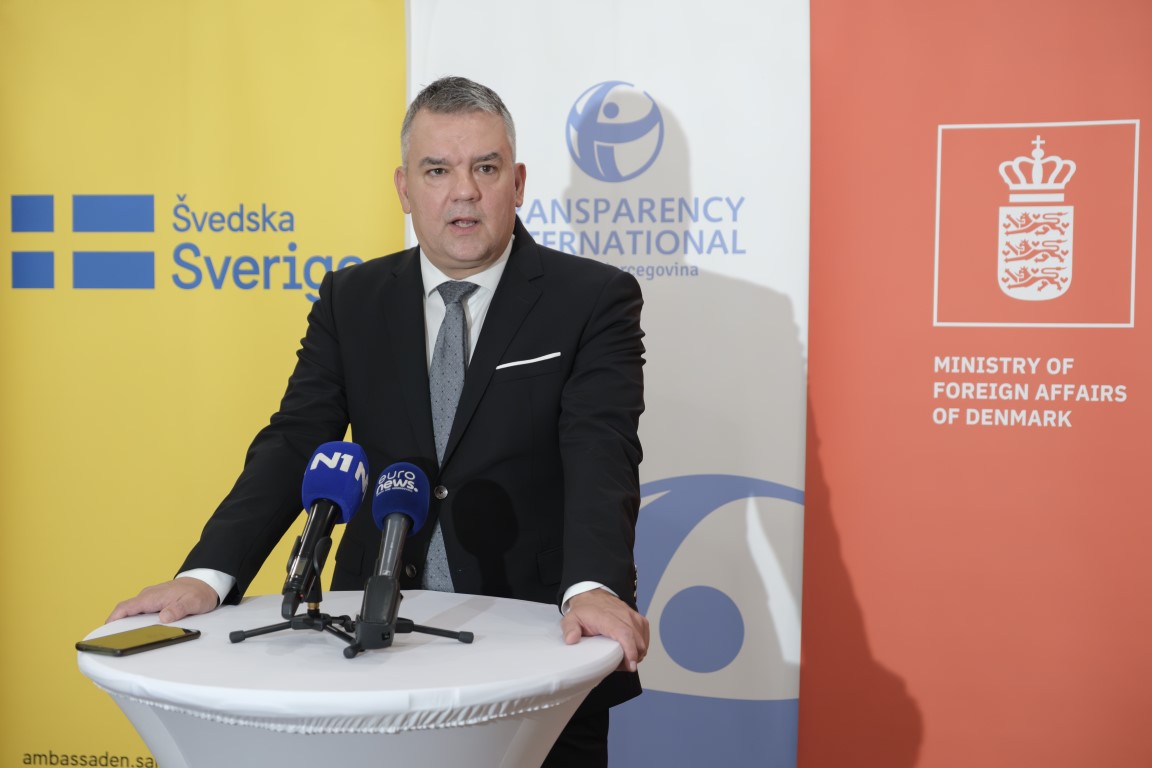
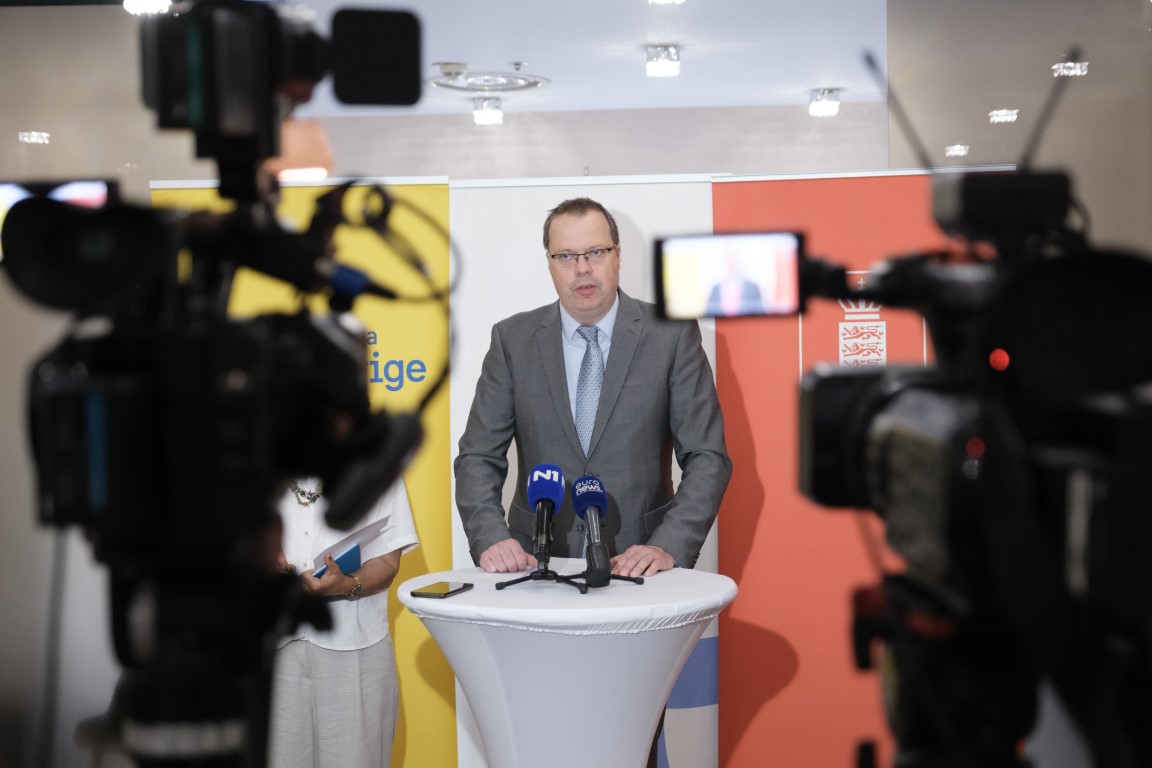
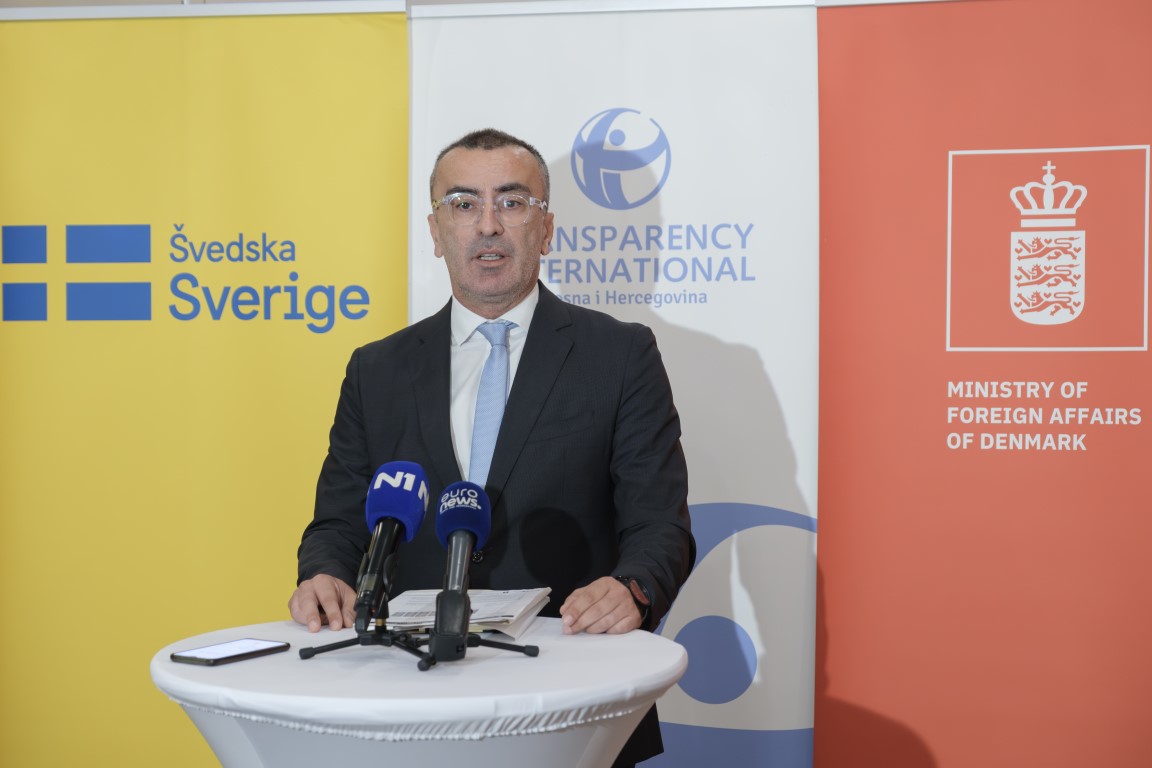
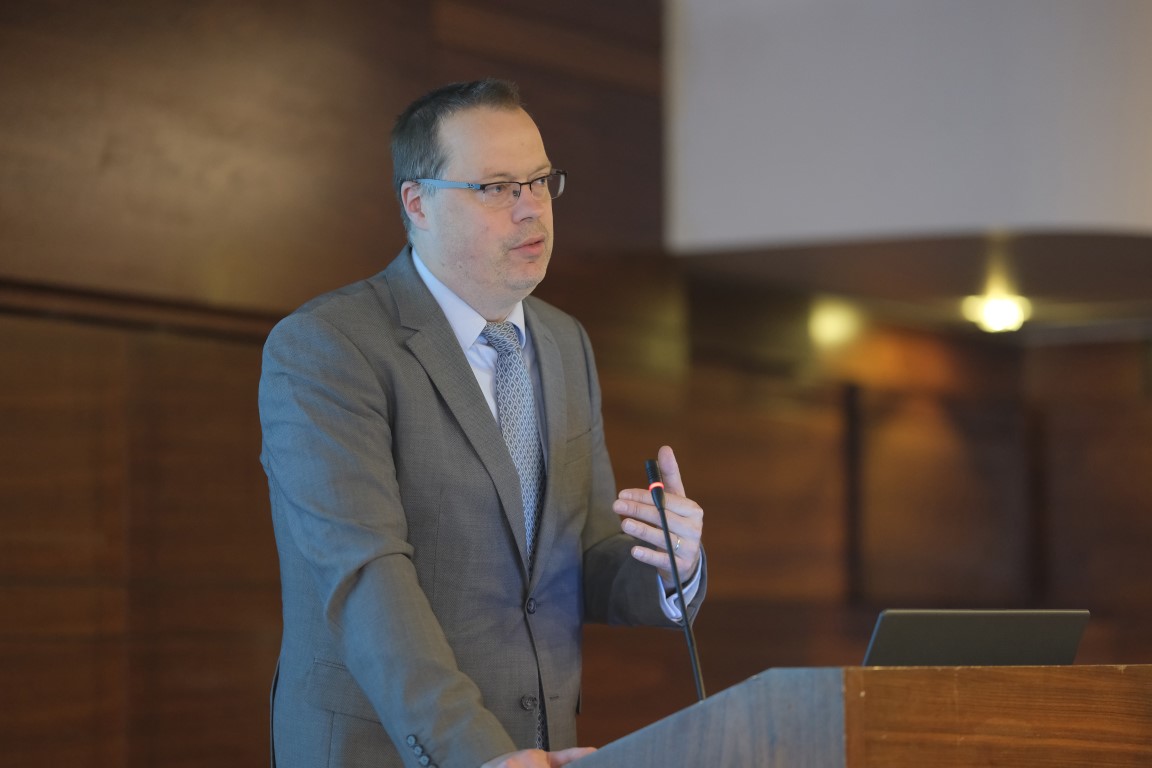
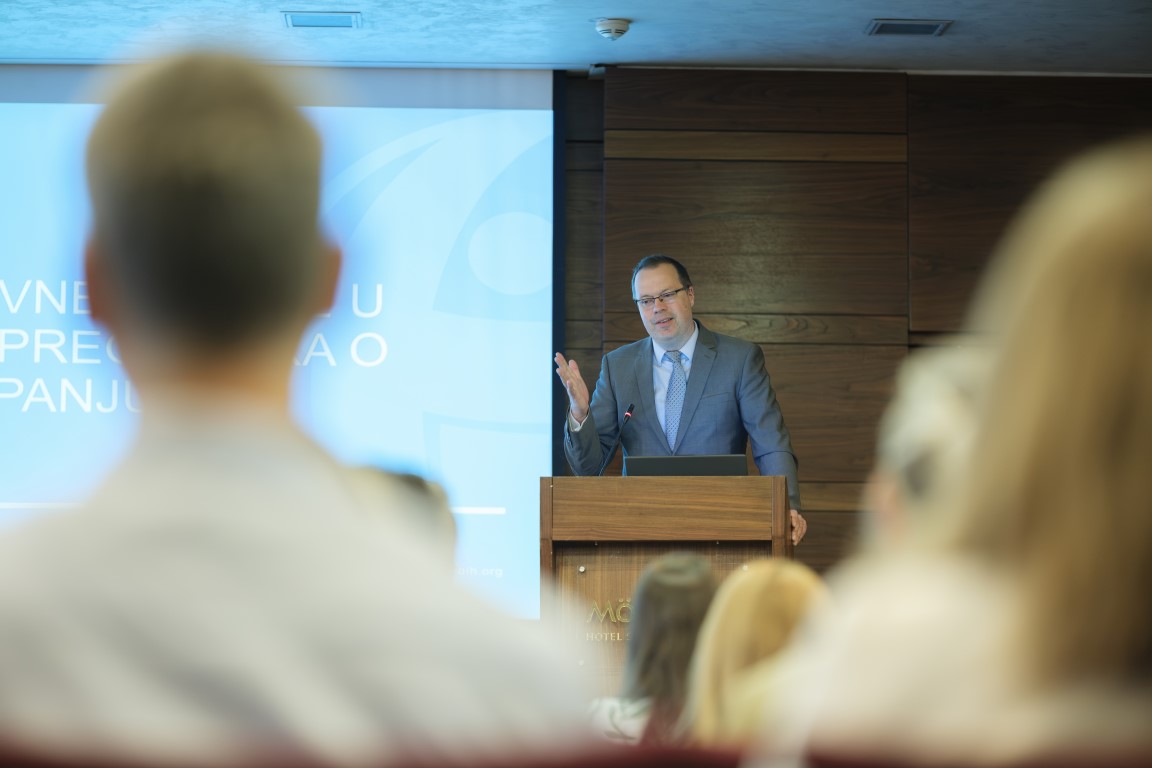
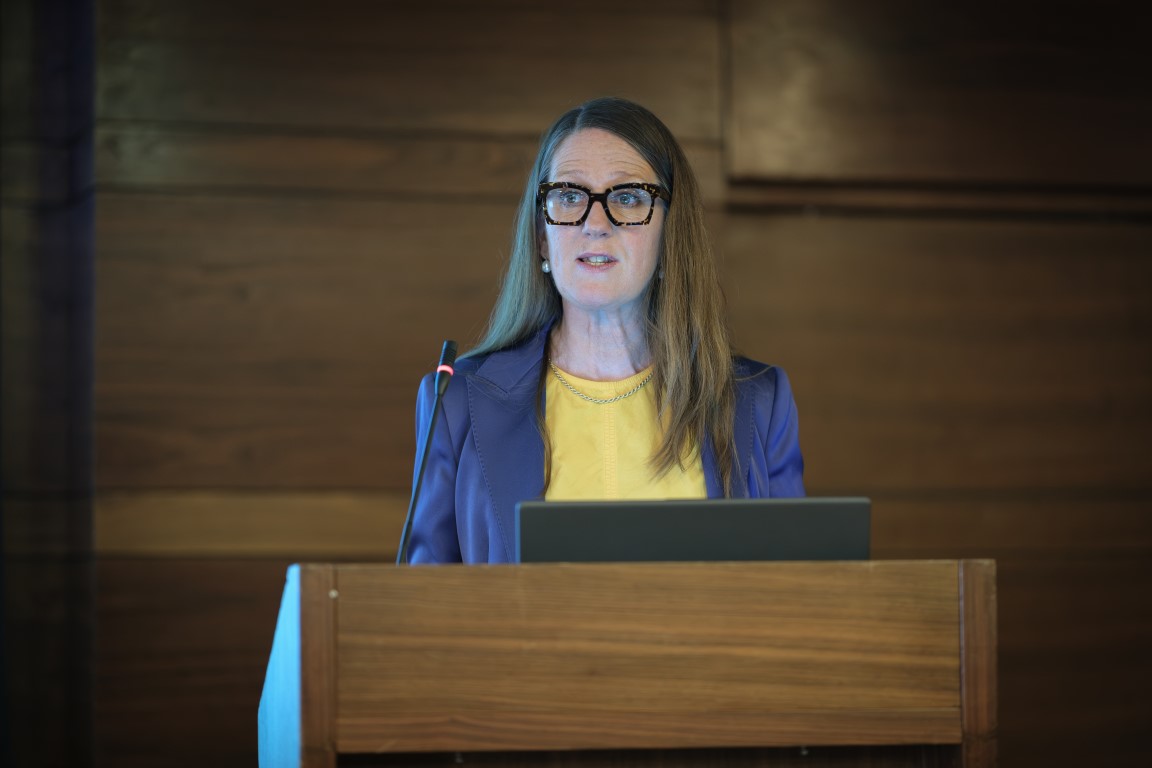
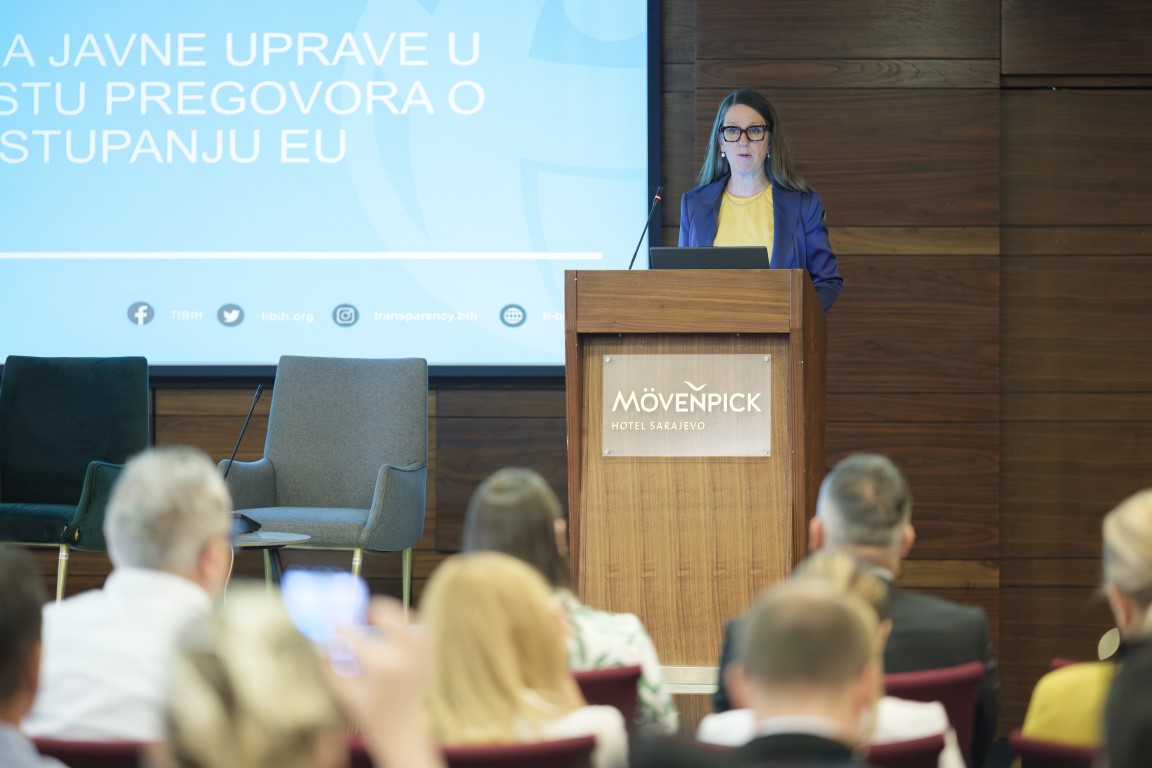
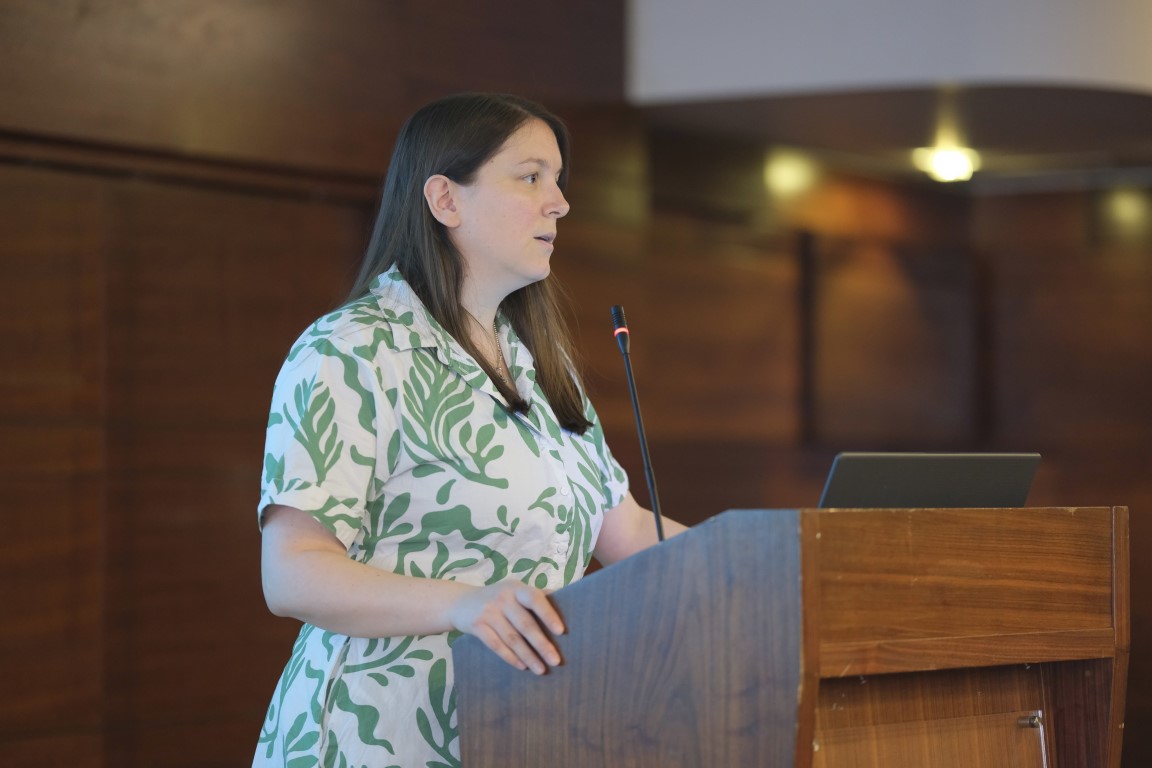
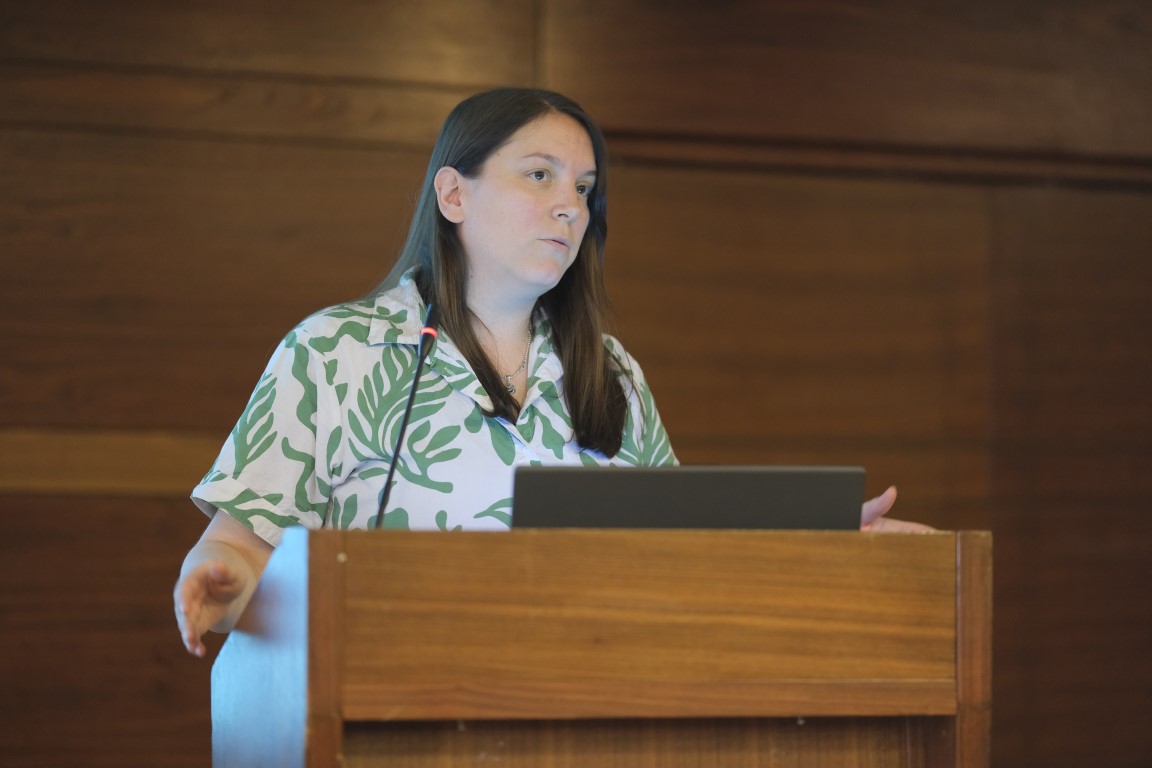
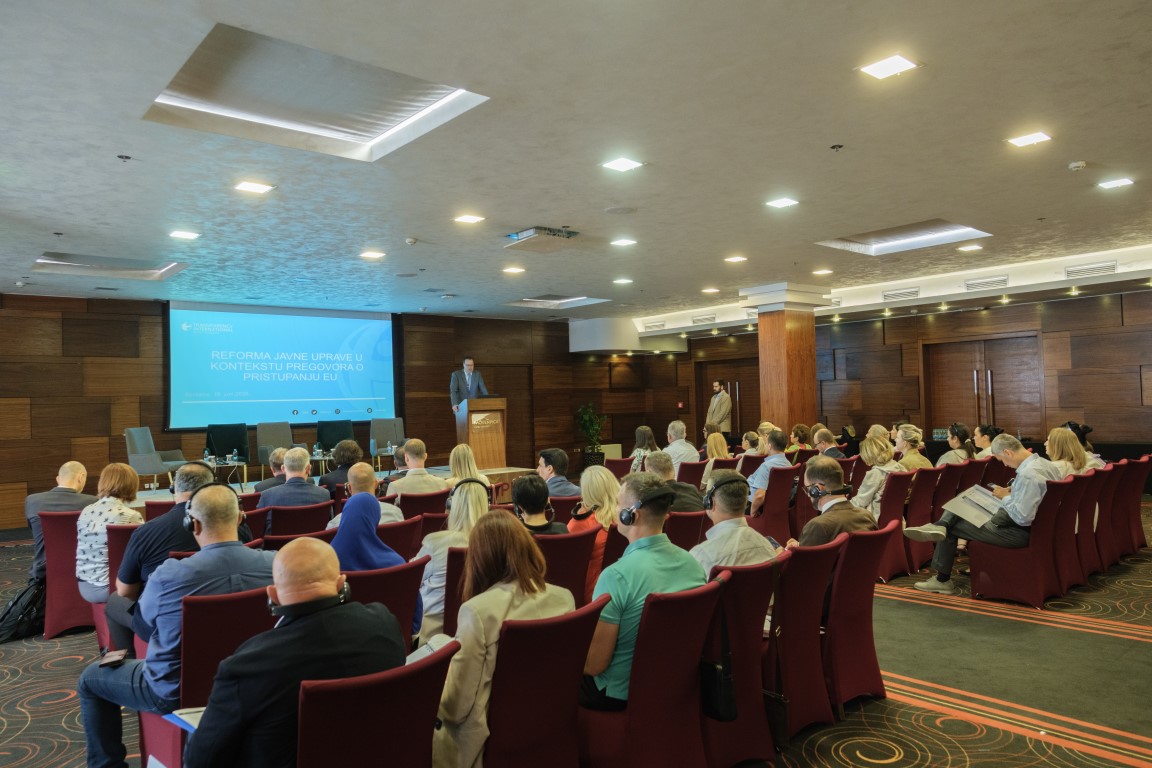
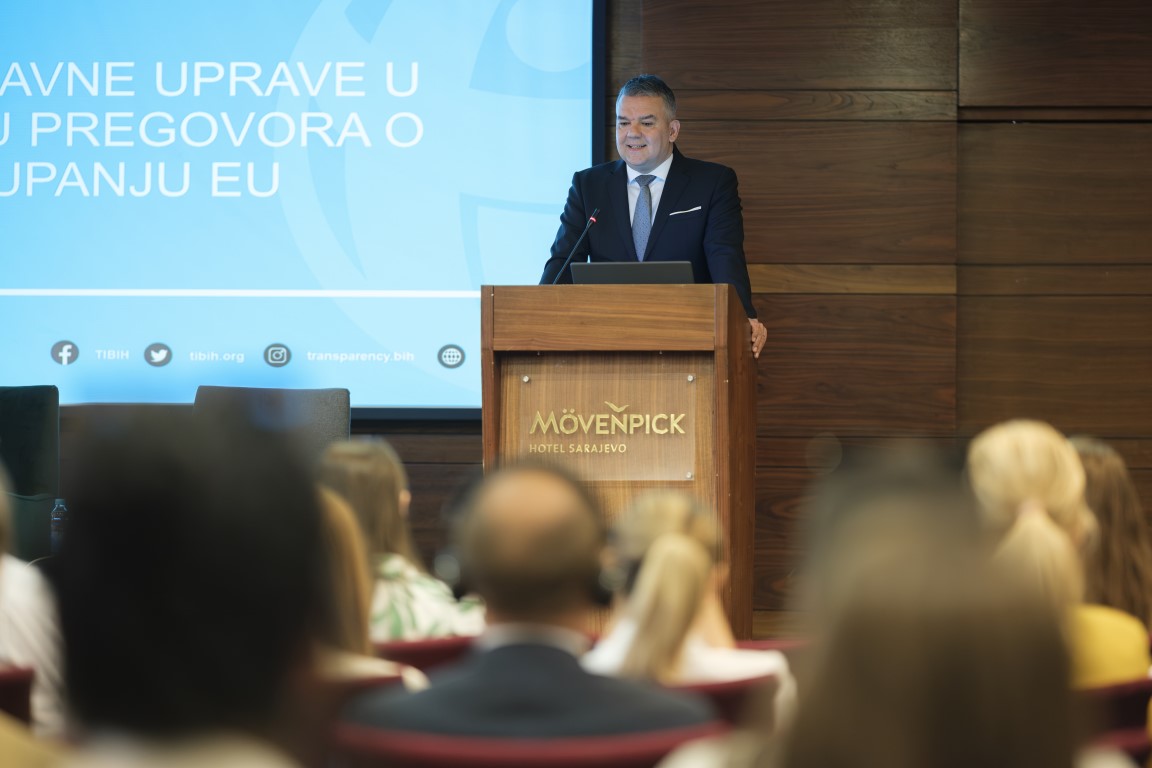
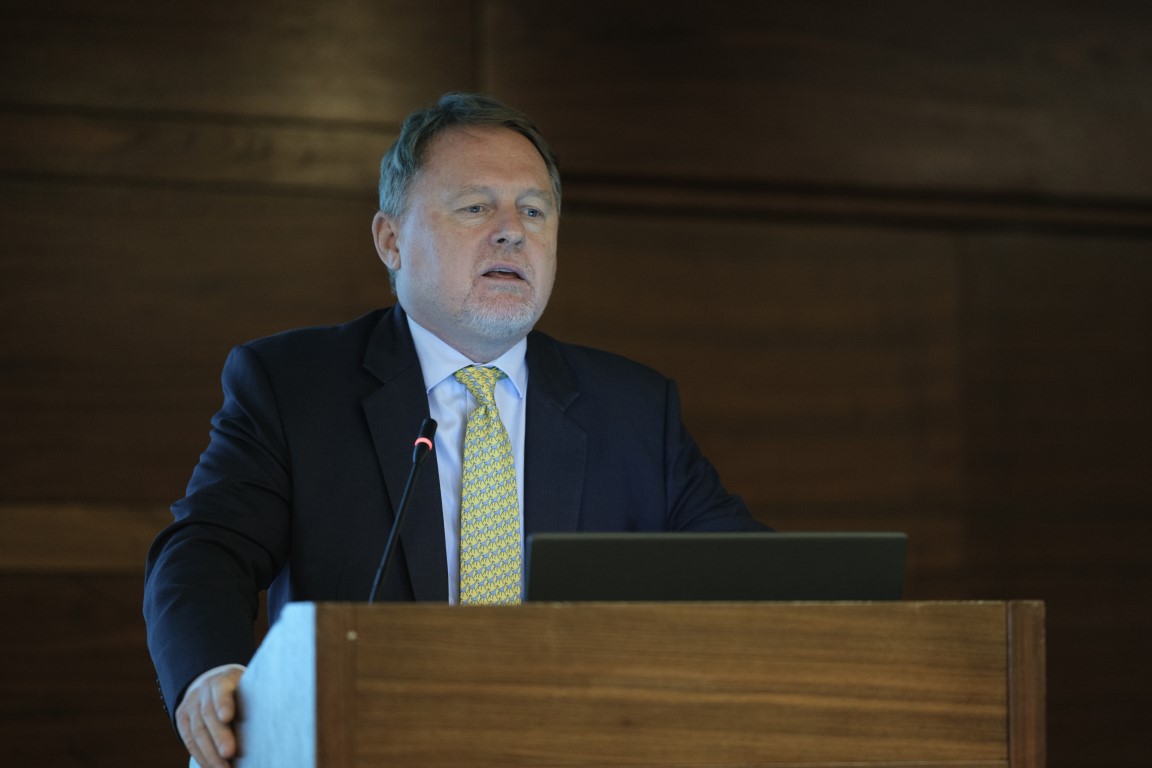
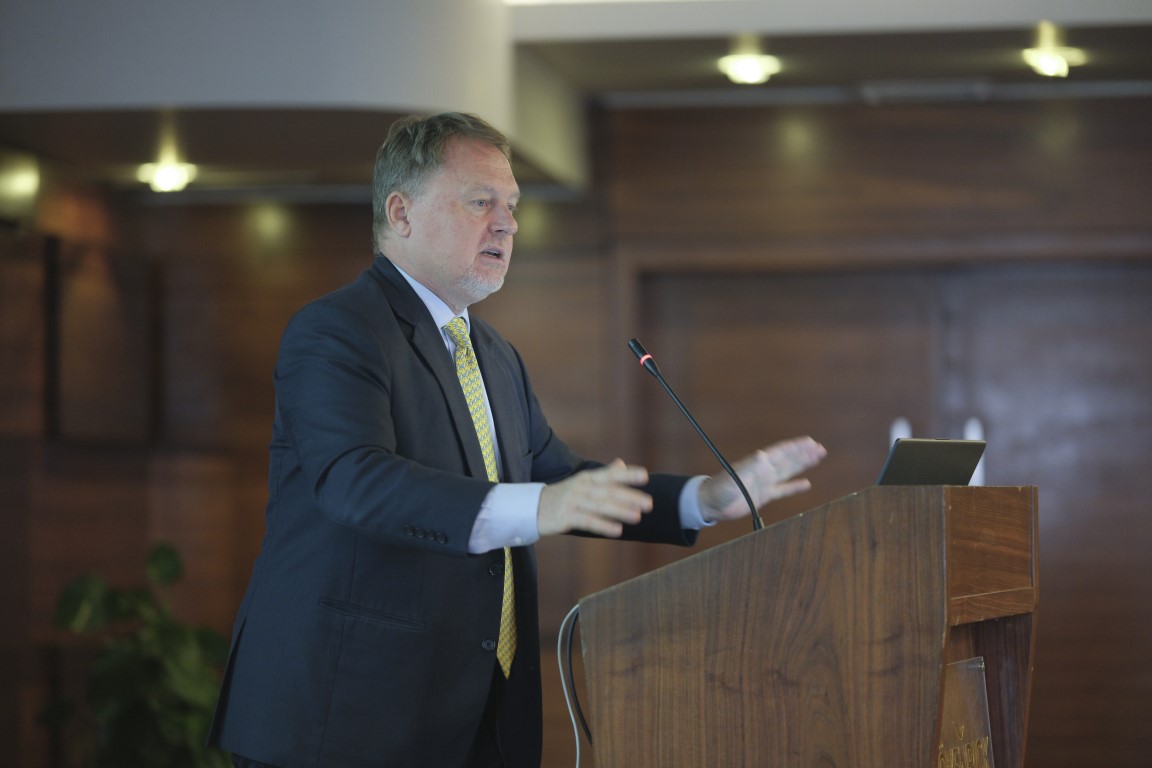
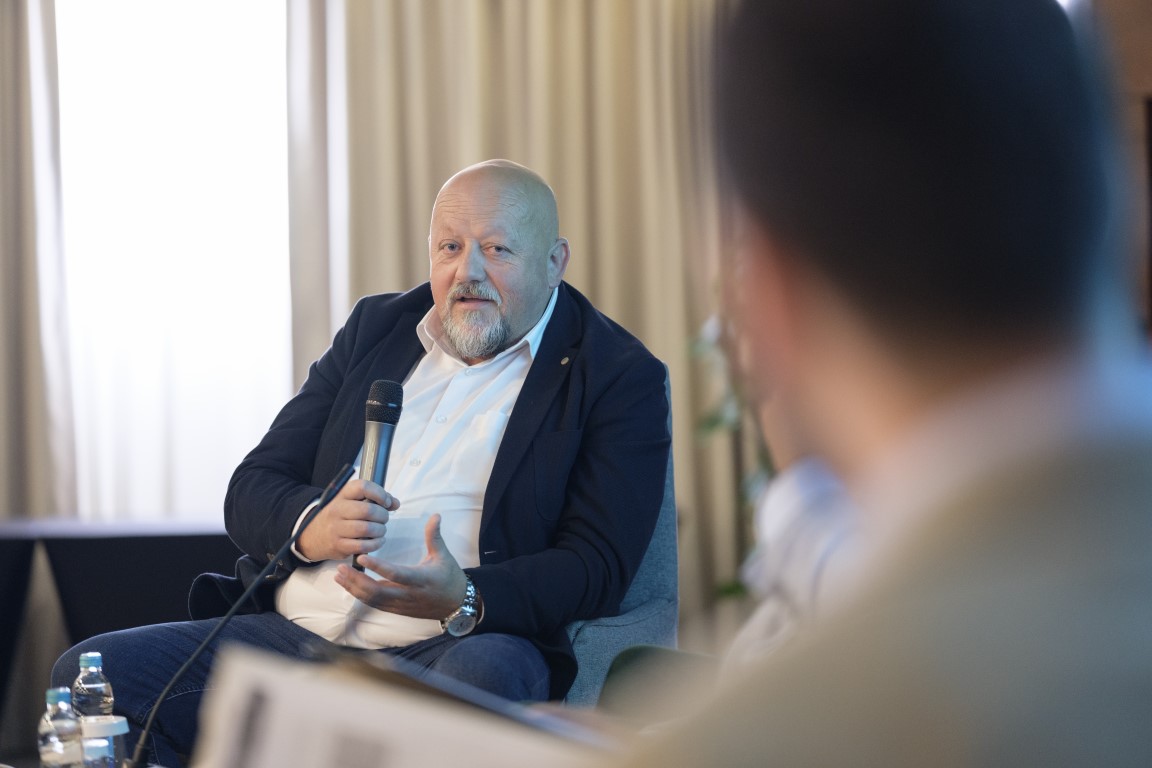
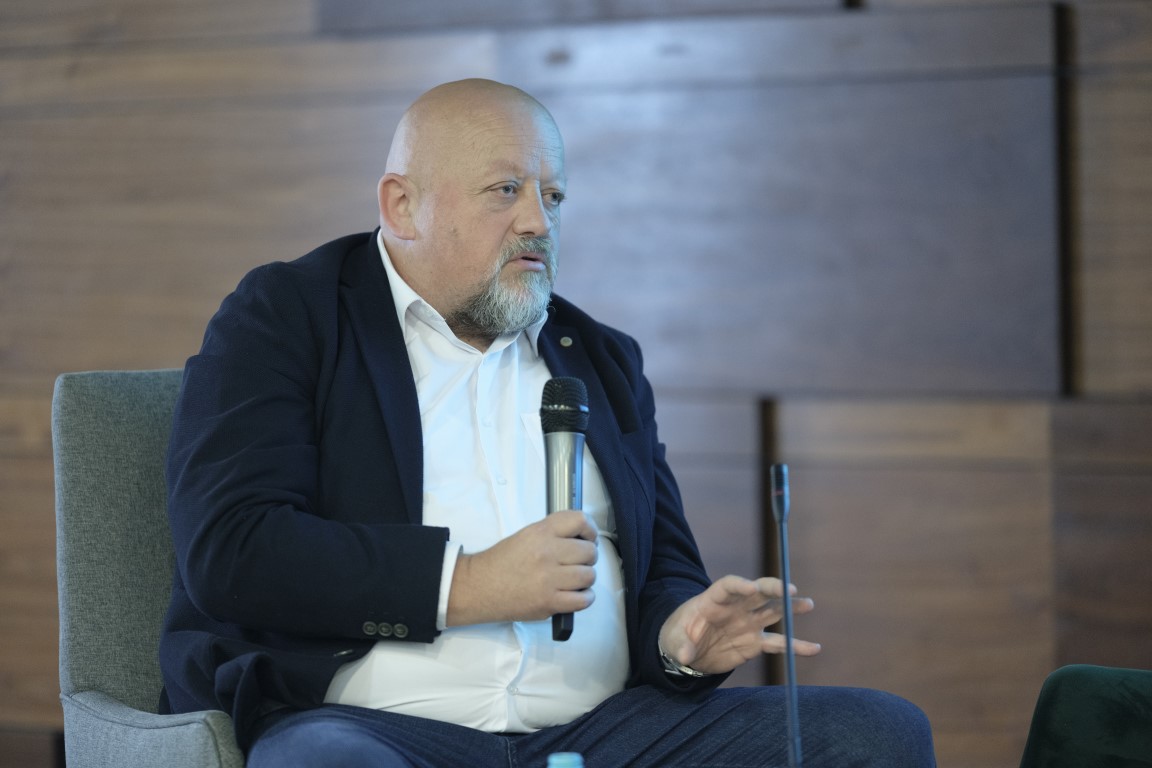
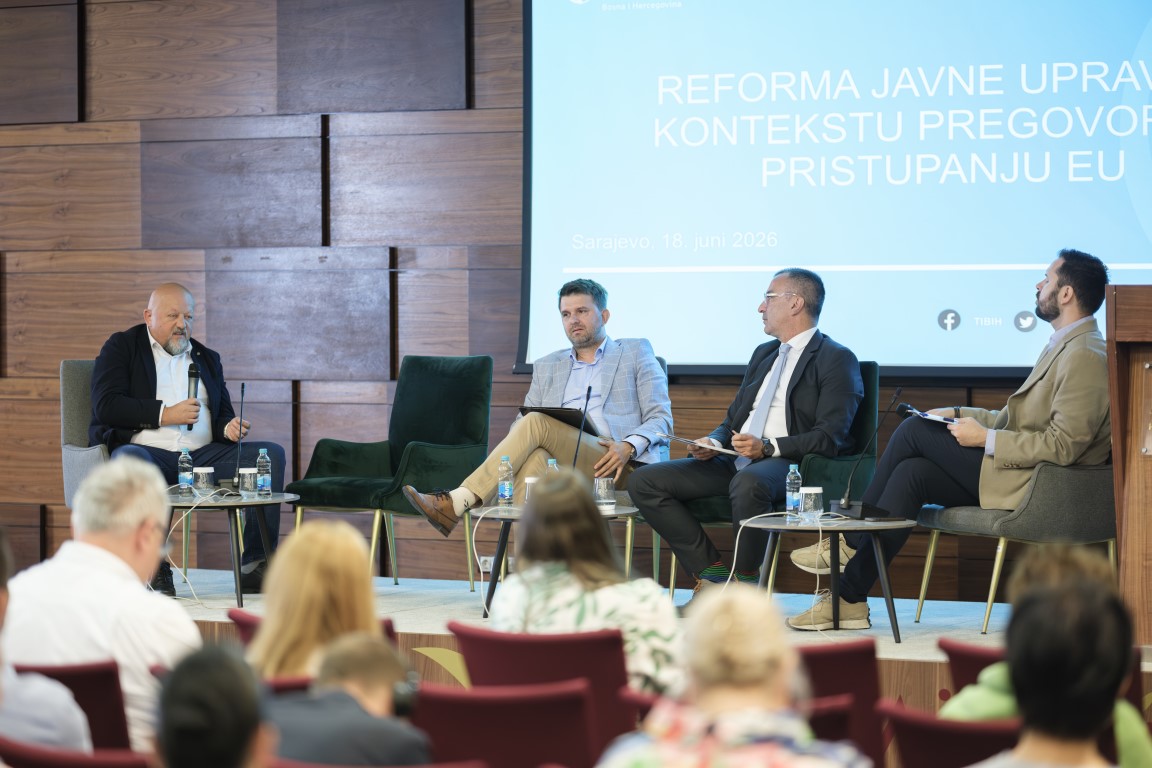
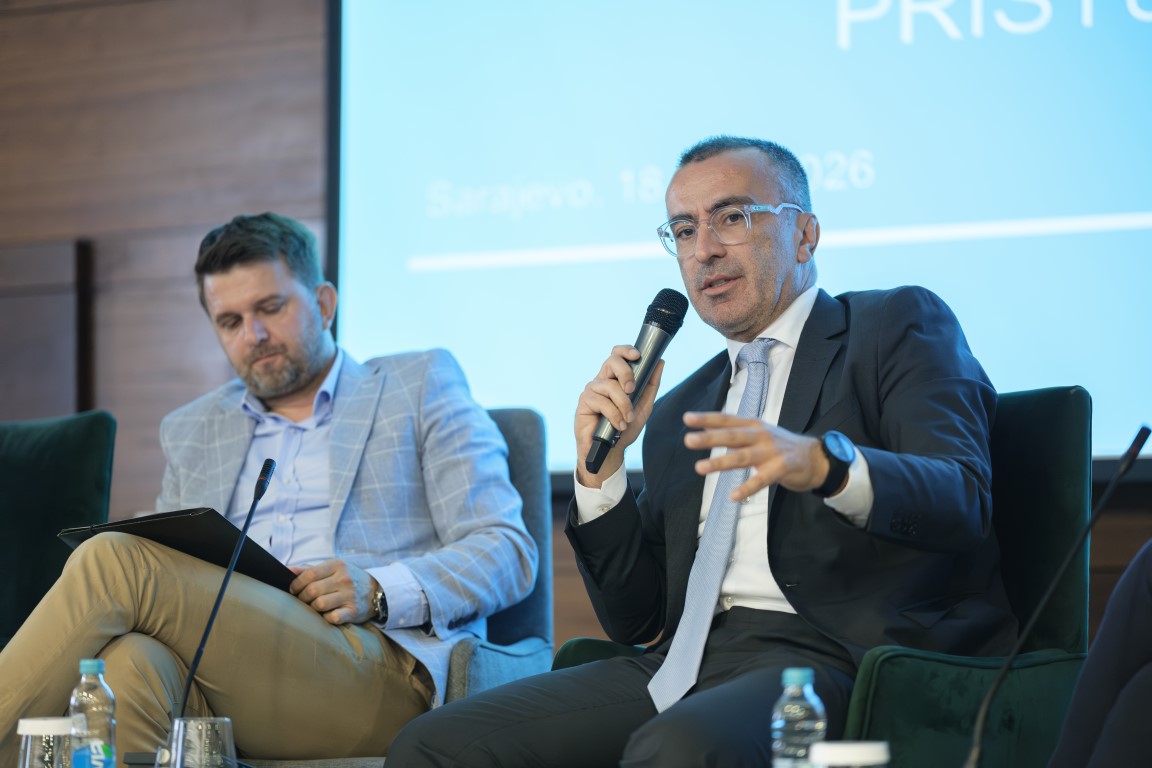
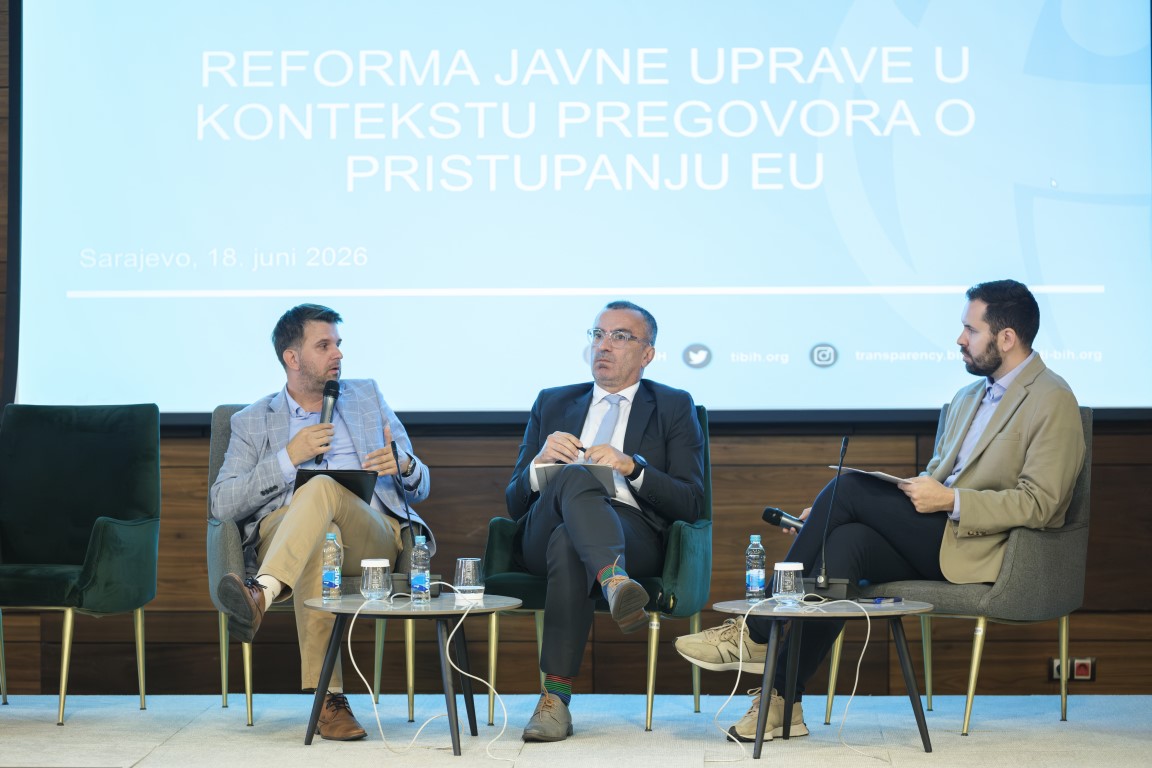
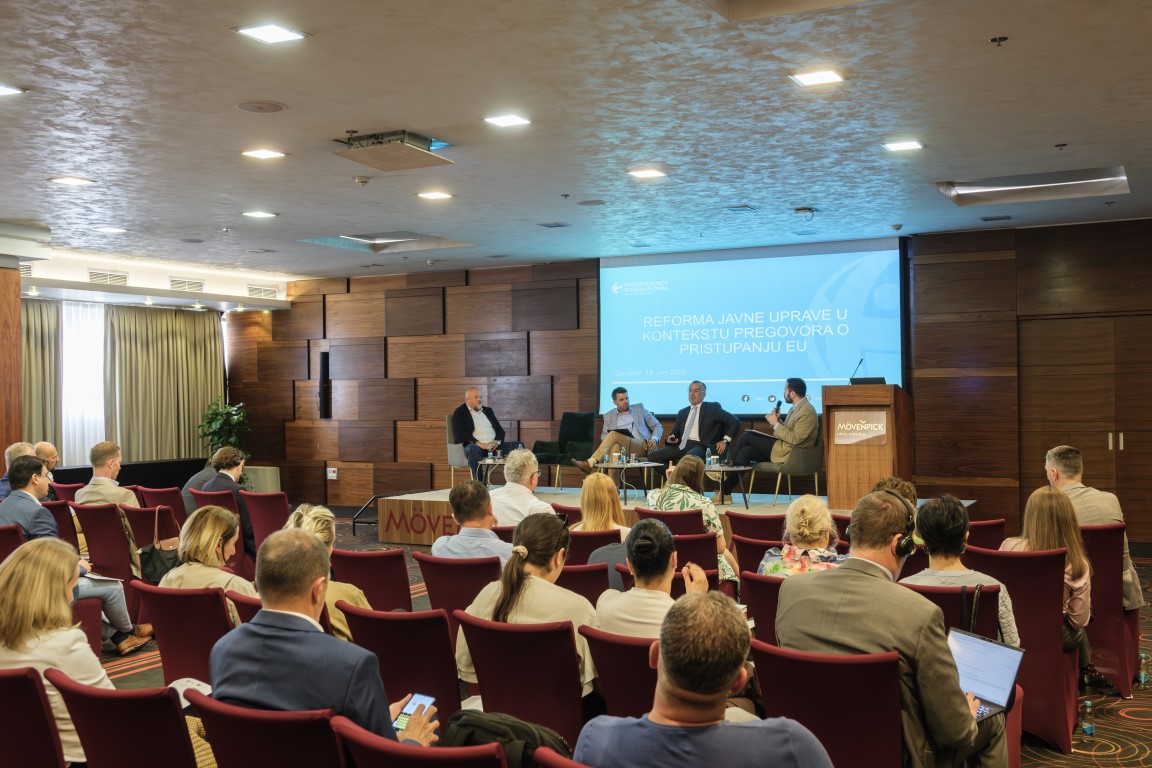
Sarajevo, 18. June 2026. year – Transparency International in Bosnia and Herzegovina (TI BiH) organized a conference today in Sarajevo titled “Public Administration Reform in the Context of European Union Accession Negotiations”, with the support of the governments of the Kingdom of Sweden and the Kingdom of Denmark. The conference brought together representatives of institutions from all levels of government in Bosnia and Herzegovina (BiH), civil service agencies, international organizations, and experts in public administration reform and European integration, with the aim of examining the current state of public administration reform and its role in the European Union (EU) accession process.

The starting point of the discussion was that public administration reform represents one of the key areas of the European integration process and an integral part of the “Fundamentals” Cluster, which is the first to open and the last to close during accession negotiations. As a horizontal reform, public administration affects the ability of institutions to design and implement public policies, manage reforms, and apply the EU acquis in all areas. Therefore, its success directly impacts the success of all other reform processes necessary for EU membership.

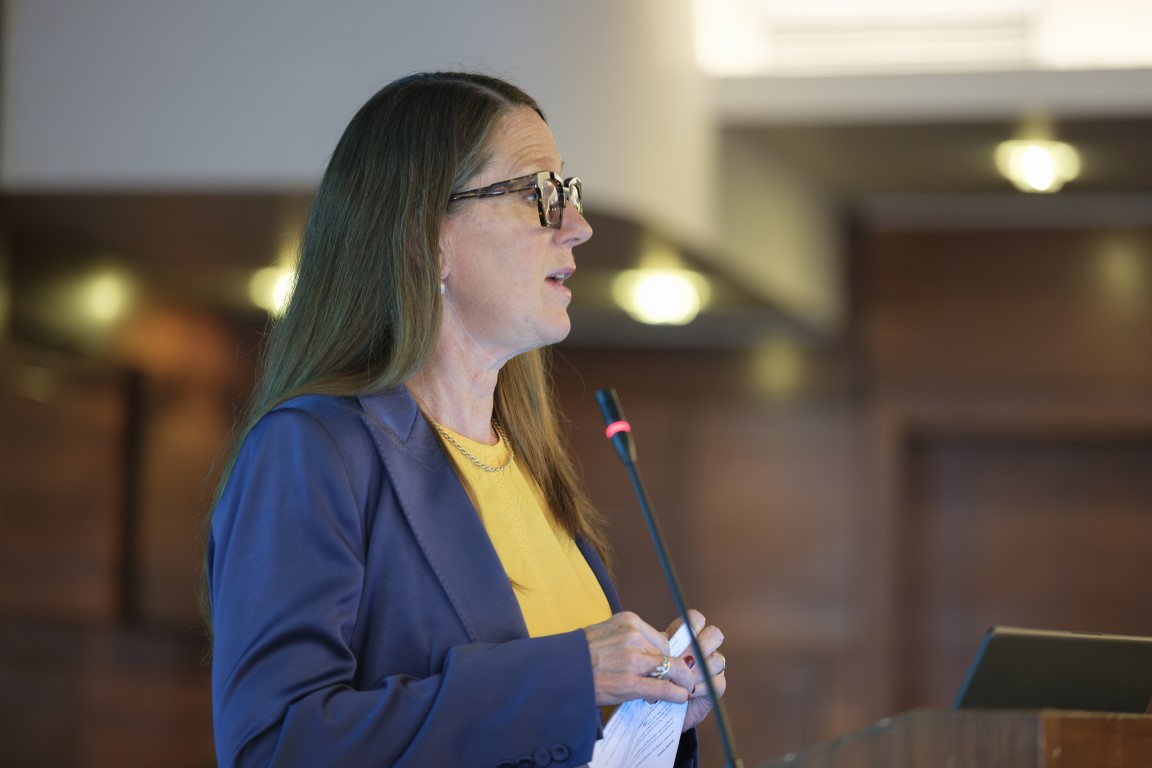
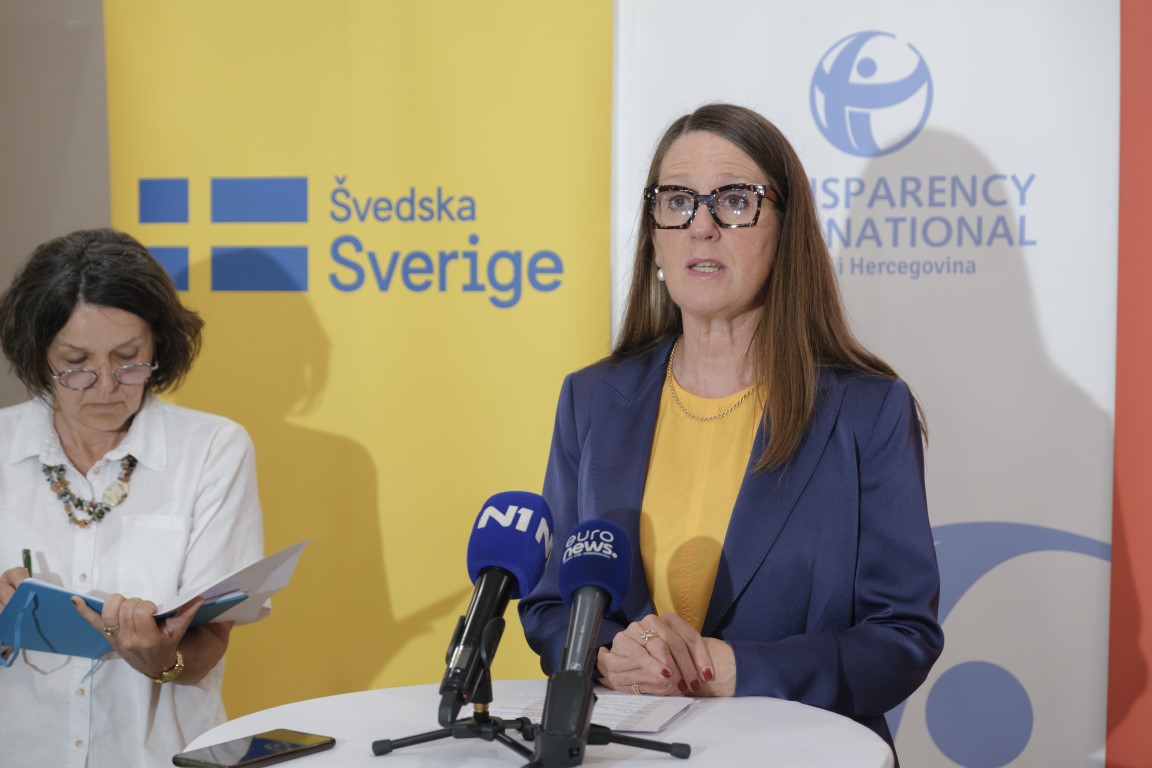
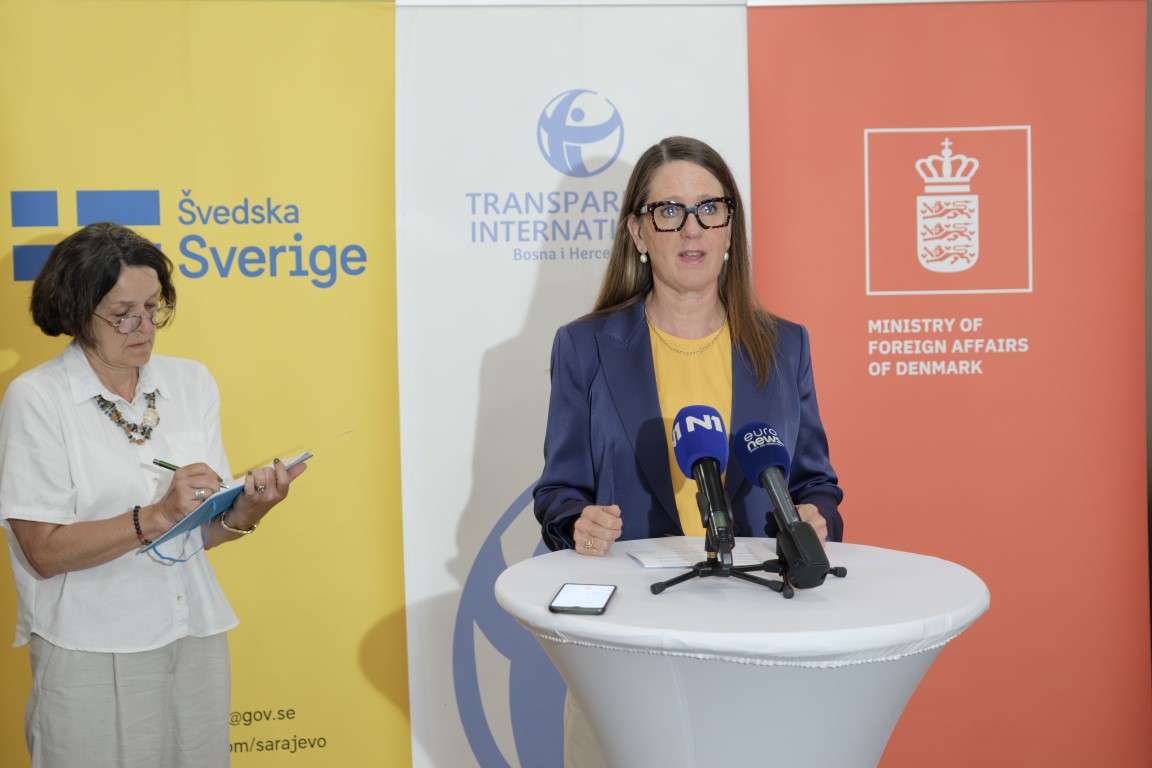
Speaking at the opening of the conference, Ambassador of the Kingdom of Sweden to Bosnia and Herzegovina Helena Lagerlöf emphasized that public administration reform is one of the key prerequisites for improving the quality of life of citizens and BiH’s progress on the European path:

“Public administration reform means real changes in the everyday lives of citizens—better quality public services, more efficient institutions, and building citizens’ trust in the public sector. Based on relevant reports and statistics, BiH is still in the early stages of public administration reform development and is ranked lowest among the Western Balkan countries. At the same time, building a modern, professional, and accountable public administration is crucial for BiH’s sustainable progress toward EU membership. We call on all levels of government to take concrete and coordinated steps to initiate the reform process and achieve visible progress.”

Particular attention was devoted to the concerning state of the reform process in BiH. According to the latest assessments by the European Commission and SIGMA, BiH is between the early stage of preparation and a certain level of preparation for public administration reform, while in most reform areas it ranks last among the Western Balkan countries. At the same time, the public administration reform process faces a serious standstill due to a lack of political support and the non-adoption of key strategic documents. The Revised Action Plan for Public Administration Reform 2023–2027 has been adopted only at the level of the Federation of BiH and Brčko District, while it has not yet been adopted at the BiH and RS levels. As a consequence, further development of the reform process has been blocked, including the operationalization of the Public Administration Reform Fund, which currently holds approximately 10 million BAM intended to support reforms.

During the first panel, dedicated to the readiness of public administration for accession negotiations, participants discussed the administrative capacities needed to conduct the complex process of negotiations with the European Union, including institutional coordination, public policy development, and reform management. It was particularly emphasized that the success of the negotiation process will largely depend on the ability of institutions to coordinate and implement the obligations arising from EU membership.

The second panel was dedicated to the professionalization of the civil service and the importance of recruitment, promotion, and human resource management based on merit principles. Participants emphasized that a professional, competent, and politically neutral civil service represents one of the fundamental prerequisites for efficient public administration, quality public policy design, and successful implementation of reforms.

The conference also presented TI BiH’s proposed initiative “EU Readiness Facility for Public Administration Reform”, which envisages unblocking and re-operationalizing the Public Administration Reform Fund and directing it toward strengthening the administrative capacities needed to conduct accession negotiations. Special focus was placed on developing the competencies of senior civil servants, who will play a key role in coordinating reforms, harmonizing legislation with the EU acquis, and managing the complex processes of European integration.

Conference participants agreed that it is necessary to urgently restore the political momentum of public administration reform, ensure political leadership, adopt the Revised Action Plan, and secure adequate financial and institutional preconditions for continuing the reform process.

Among the key recommendations highlighted were:

  • adoption of the Revised Action Plan for Public Administration Reform 2023–2027 at all levels of government;
  • unblocking and operationalization of the Public Administration Reform Fund;
  • strengthening administrative capacities for conducting EU accession negotiations;
  • development of special programs to strengthen the capacities of senior civil servants;
  • improvement of the recruitment, promotion, and management system in the civil service in accordance with merit principles and European standards.

It was concluded that the success of the European integration process will not depend solely on political decisions and the adoption of regulations, but primarily on the ability of institutions to implement reforms in practice. Therefore, public administration reform must be returned to the priorities of all levels of government in BiH, so that the country is prepared to meet the obligations arising from the EU accession process.

Press rls_18_06_2026

TI BiH Organizes Conference “Public Administration Reform in the Context of European Union Accession Negotiations”

Sarajevo, 17 June 2026. – Transparency International in Bosnia and Herzegovina (TI BiH) is organizing a conference entitled “Public Administration Reform in the Context of...

TI BiH
Izvještaji za Mediae

TI BiH Organizes Conference “Public Administration Reform in the Context of European Union Accession Negotiations”

Sarajevo, 17 June 2026. – Transparency International in Bosnia and Herzegovina (TI BiH) is organizing a conference entitled “Public Administration Reform in the Context of European Union Accession Negotiations“, which will be held on Thursday, 18 June 2026 in Sarajevo, Mövenpick Hotel (Bristol), starting at 10:00 a.m.

The conference will present key aspects of public administration reform in Bosnia and Herzegovina in the context of the European Union accession process, with particular focus on readiness for opening accession negotiations, the functioning and efficiency of reform coordination structures, and the implementation of the Public Administration Reform Strategy in BiH. In addition, the discussion will cover the organization and performance of ministries, as well as the role of competency-based human resource management in building a professional, depoliticized, and efficient public administration.

Furthermore, the discussion will address the importance of strengthening administrative capacities and leadership in the civil service, including priorities from the Reform Agenda and the Growth Plan, as well as the role of civil servants in improving the overall performance of public administration.

The conference aims to contribute to addressing these challenges by encouraging and enabling public debate among key institutions from all levels of government, renowned domestic and international experts, civil society representatives, and international institutions.

Media statements are scheduled for 09:40 a.m.

Media Announcement – 17.06.2026

Conference

Public Administration Reform in the Context of European Union Accession Negotiations

Mövenpick Hotel (Bristol), Sarajevo

18 June 2026.

Agenda:

09:30 – 09:45 – Participant Registration

09:40 – 10:00 – Media Statements

10:00 – 10:25 – Opening Remarks

  • E. Helena Lagerlöf, Ambassador of Sweden to BiH
  • Davor Bunoza, Minister of Justice of Bosnia and Herzegovina
  • Wojciech Zieliński, Senior Policy Adviser, SIGMA
  • Ivana Korajlić, Executive Director, Transparency International in BiH

10:25 – 10:40 – Introductory Presentation

The Importance of Public Administration Reform in the Context of European Union Accession Negotiations

Primož Vehar, Expert in Public Administration, EU Integration and Governance

10:40 – 12:00 – Panel I: Aligning Public Administration with EU Accession Negotiation Requirements

Introductory Presentation: Comparison of Ministries in Bosnia and Herzegovina with Other Countries in the EU Accession Process, Wojciech Zieliński, Senior Policy Adviser, SIGMA

Panelists:

  • Darko Kasap, Public Administration Reform Coordinator of BiH
  • Željko Škarica, Public Administration Reform Coordinator of FBiH
  • Esed Kadrić, Chief Coordinator, Government of Brčko District
  • Srdjan Blagovcanin, TI BiH

12:00 – 12:30 – Coffee Break

12:30 – 14:00 – Panel II: Competency-Based Human Resource Management as the Foundation of Efficient Public Administration

Introductory Presentation: Senior Civil Servants as the Driving Force for Improving Public Administration Performance – Diagnosis and Further Directions for BiH, Dawid Sześciło, TI BiH Expert

Panelists:

  • Samra Ljuca, Assistant Director of the Civil Service Agency of the Federation of BiH
  • Aleksandar Radeta, Director of the Public Administration Agency of Republika Srpska
  • Wojciech Zieliński, Senior Policy Adviser, SIGMA
  • Miloš Davidović, TI BiH

14:00 – 14:15 – Closing Remarks

14:15 – Lunch


Get involved

Don't miss it

If you want to receive our announcements immediately after the publication, leave your e-mail address in the field below.