Press releases

Key dates

Whistleblowers in BiH Without Real Protection: Institutions Received Three Times Fewer Reports Than TIBiH

Sarajevo, 26 February 2025 June 2026. year – In the period from 2022 to 2025, competent institutions in Bosnia and Herzegovina received a total of 44 requests for protection of...

Izvještaji za Mediae

Whistleblowers in BiH Without Real Protection: Institutions Received Three Times Fewer Reports Than TIBiH

Sarajevo, 26 February 2025 June 2026. year – In the period from 2022 to 2025, competent institutions in Bosnia and Herzegovina received a total of 44 requests for protection of corruption whistleblowers, while during the same period, 133 individuals who can be classified as whistleblowers contacted Transparency International in BiH (TI BiH). These data show that citizens who report corruption still have more trust in civil society organizations than in formal institutional protection mechanisms.

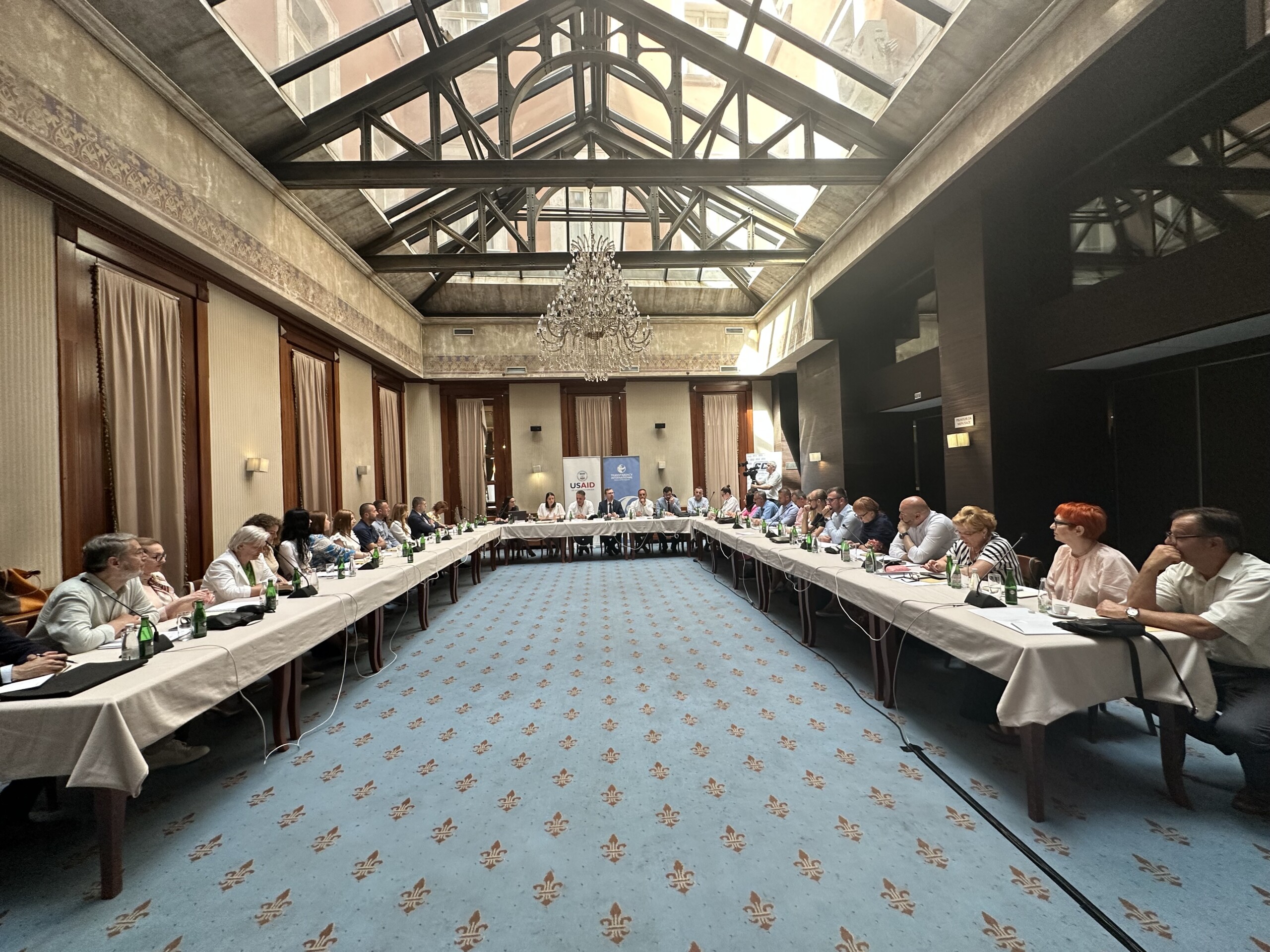
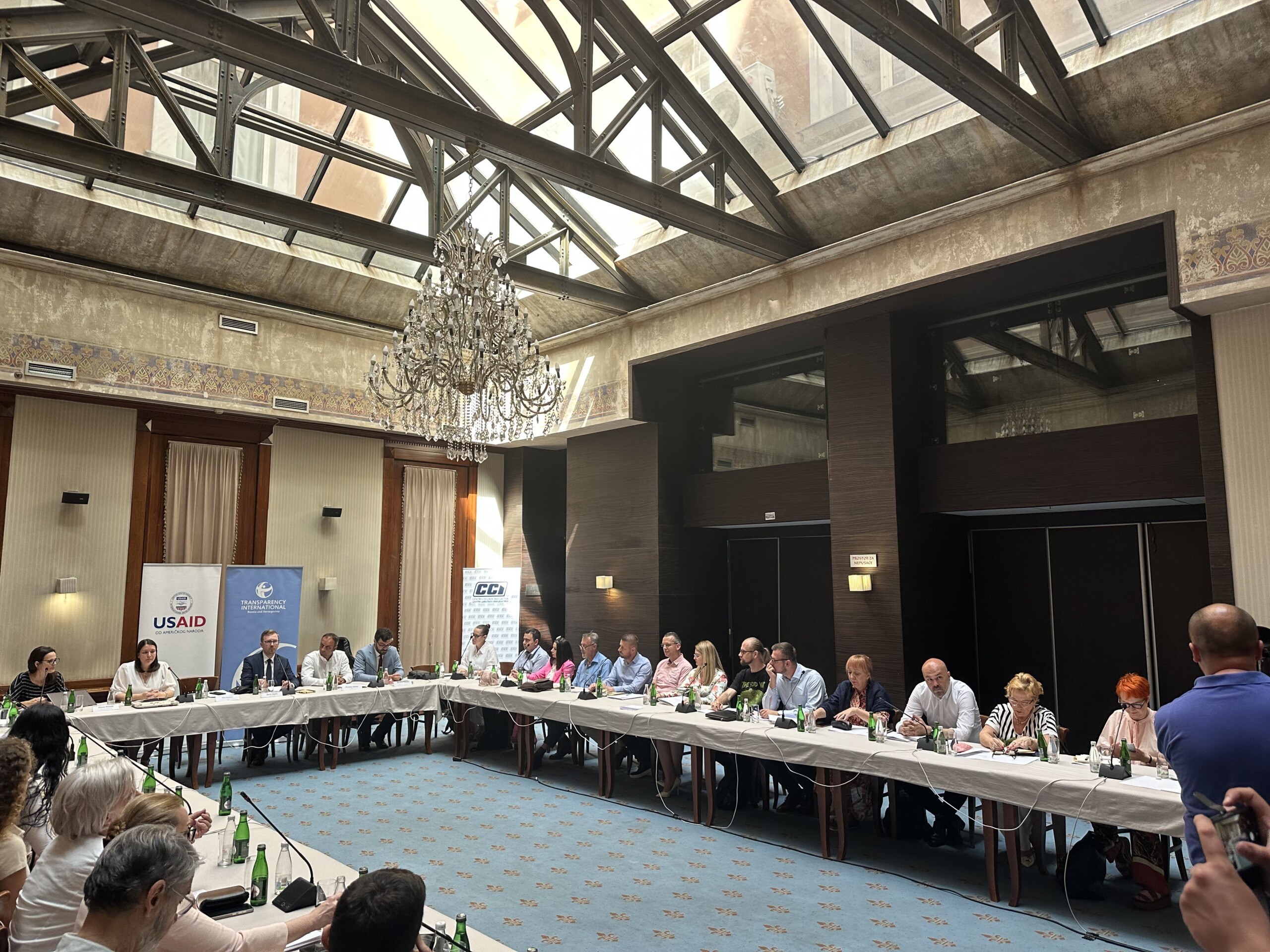
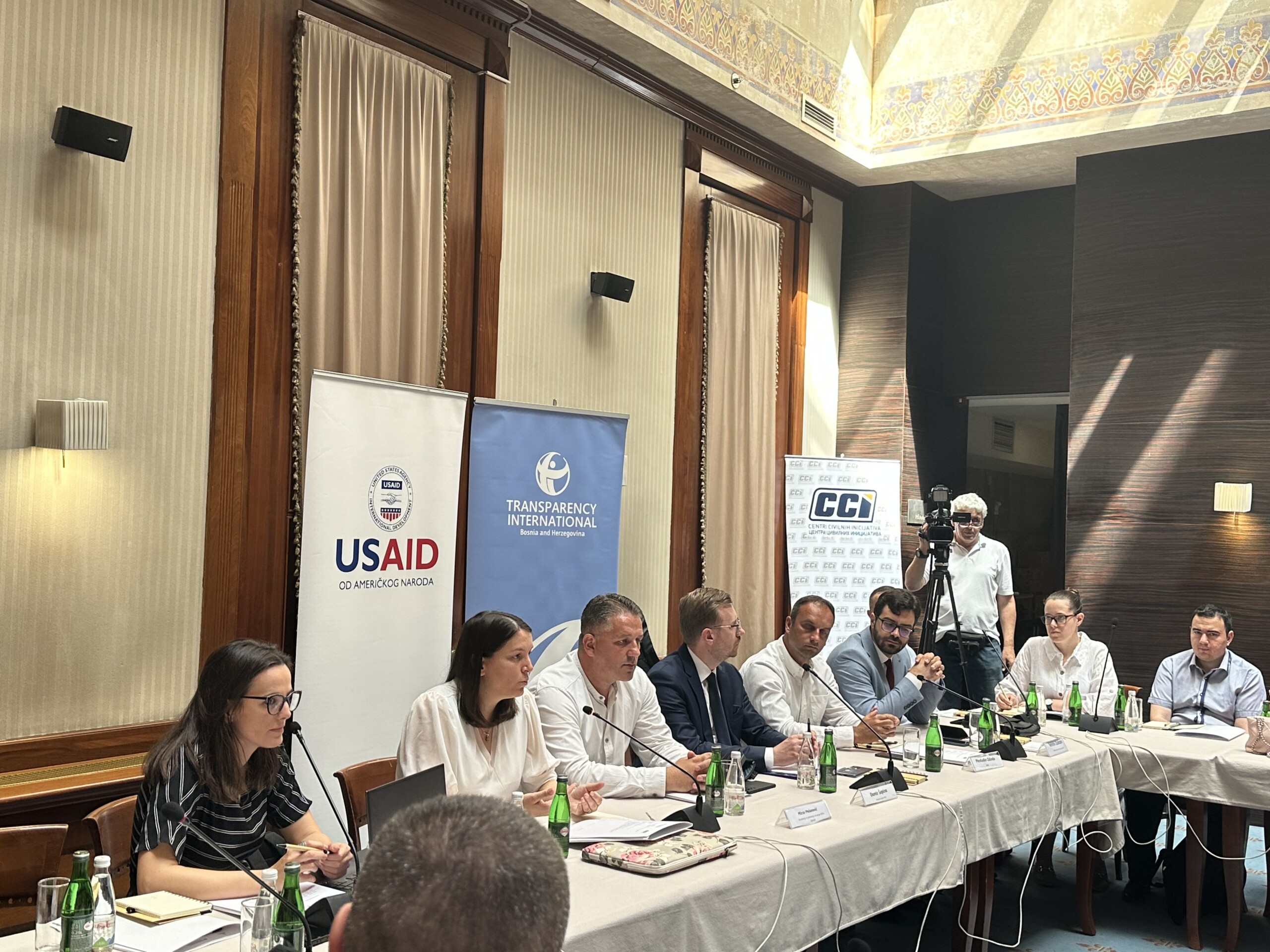
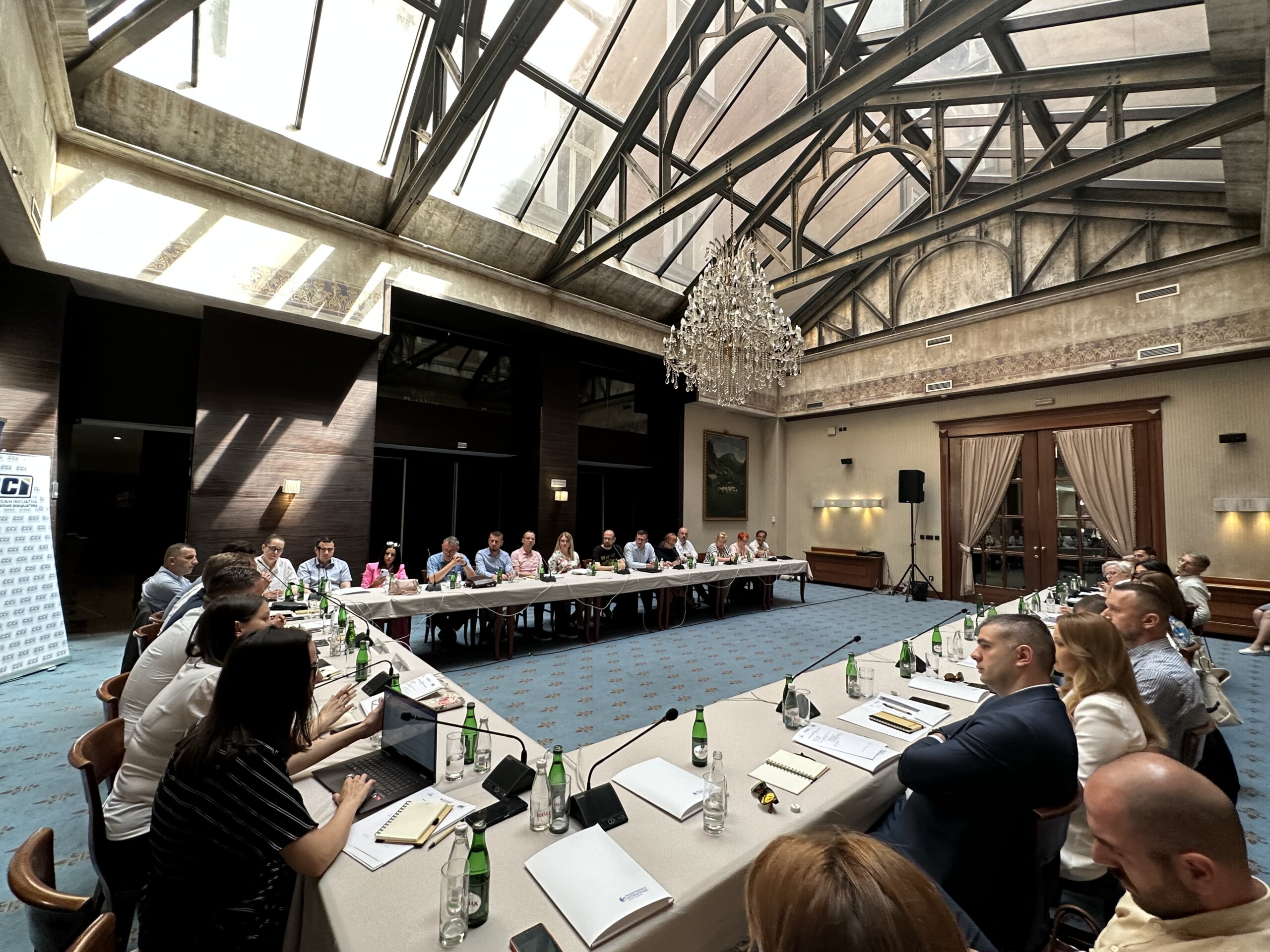
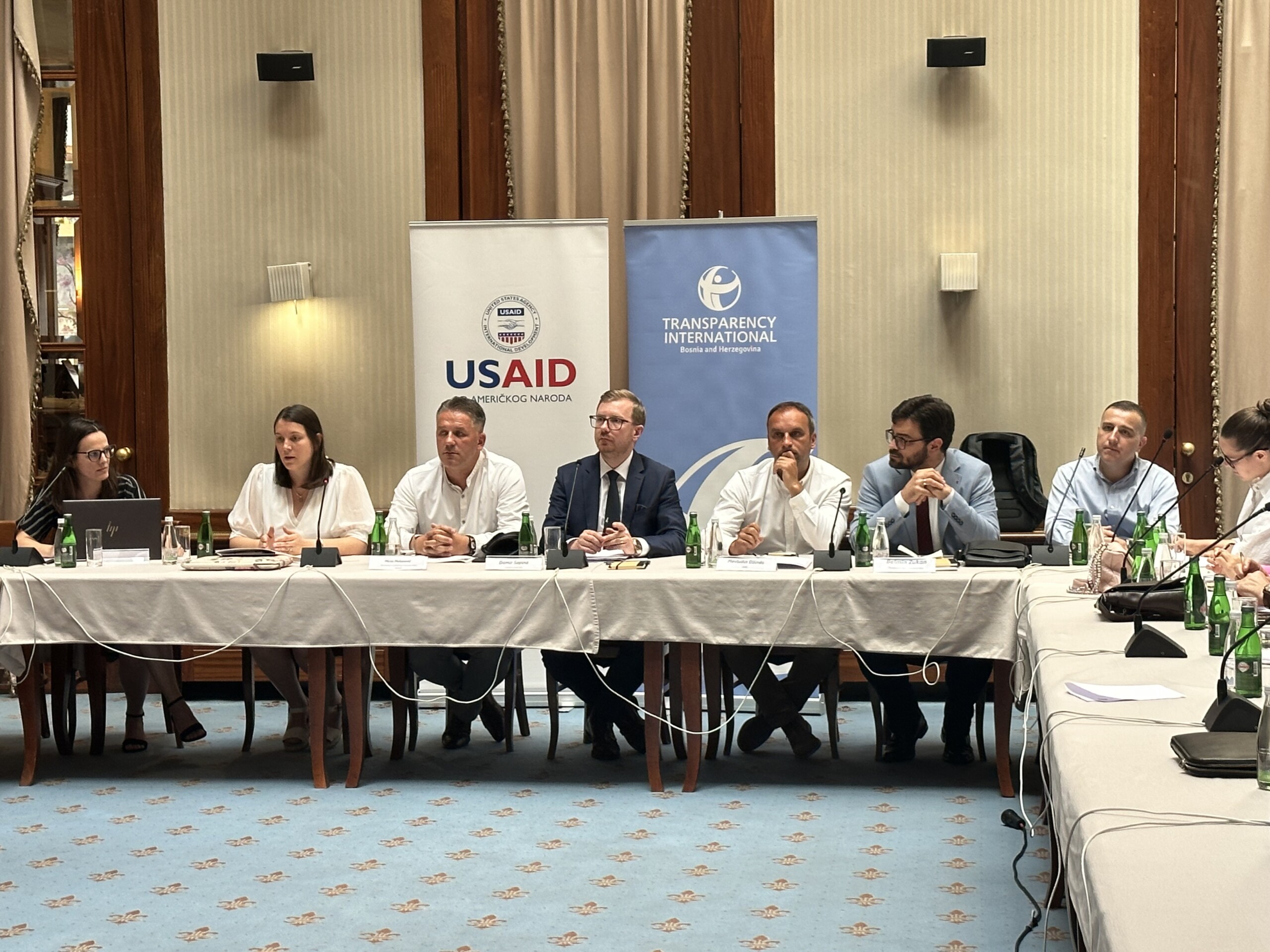
The data were presented at the round table “Strengthening the Framework and Practices for Whistleblower Protection in Bosnia and Herzegovina,” organized by TI BiH on the occasion of World Whistleblower Day, where it was emphasized that whistleblower reports are one of the most important ways to detect corruption, abuse of office, and other irregularities. However, unclear, inconsistent, and in some cases non-existent protection mechanisms, fear of retaliation and job loss, distrust in institutions, and the belief that reports do not lead to sanctions continue to deter citizens from reporting corruption.

At the BiH level, the Agency for Prevention of Corruption and Coordination of the Fight Against Corruption received six requests for protected whistleblower status over a four-year period, while status was granted in only one case. In Brčko District, seven requests were recorded and all were approved, while in Republika Srpska, four judicial proceedings for the protection of corruption whistleblowers were recorded. The Federation of BiH, except for Sarajevo Canton, still does not have a law that would specifically regulate the protection of corruption whistleblowers, although the draft law passed public consultation and the procedure in both houses of the FBiH Parliament, after which it was returned to the Federal Ministry of Justice for the adoption of amendments and preparation of the Proposed Law.

Sarajevo Canton, which after adopting the law in 2023 became the only jurisdiction in the Federation of BiH with a special protection mechanism, is recording progress in this area, as the Anti-Corruption Office of Sarajevo Canton received 27 requests from 2023 to 2025, of which 21 were approved.

At the same time, TI BiH received 133 reports from whistleblowers through the Center for Providing Free Legal Aid in the Fight Against Corruption during the same period, while in 2025 alone, 35 such reports were received, representing significant growth compared to 2024, when 21 reports were recorded. This number is also higher than the total number of requests received by competent institutions in 2025, which further confirms that citizens who report corruption have more trust in civil society organizations than in official protection mechanisms.

The round table also presented the regional report “Protected or Exposed? Whistleblower Protection in the Western Balkans: Progress and Challenges ” (Protected or Exposed? Whistleblower Protection in the Western Balkans: Progress and Challenges ), which shows that adopting laws alone is not sufficient if their effective implementation does not exist. Findings from Western Balkan countries indicate that in certain systems, the standard of “good faith” is still applied instead of “reasonable belief that the information is true,” while practice shows that even formally recognized whistleblower status often does not prevent retaliation.

An additional problem is the weak institutional response to corruption, so according to TI BiH findings for 2025, only 1.4% of all indictments filed in that year related to corruption. Of a total of 144 indictments for corruption criminal offenses, only five related to high-level corruption, namely abuse of office by the highest officials through which multi-million benefits are gained at the expense of the state.

Of 28 court decisions rendered in high-level corruption cases, 17 were convictions, while nearly 40% consist of acquittals or dismissals. Such indicators further affect citizens’ trust and send a message to potential whistleblowers that reporting corruption often carries greater risk for the whistleblower than for those who committed the corruption.

TI BiH warns that whistleblowers in Bosnia and Herzegovina remain exposed to pressure, retaliation, and professional consequences, while institutions do not provide sufficiently fast and effective protection, which is why many do not decide to report corruption or, instead of institutions, turn to the non-governmental sector.

On the occasion of World Whistleblower Day, TI BiH appeals to the competent authorities in the Federation of BiH to adopt the Law on Protection of Whistleblowers in FBiH as soon as possible and calls on institutions at all levels of government to improve the implementation of existing laws and ensure real protection for persons who report corruption, because without whistleblower protection, there is no effective fight against corruption.
Press rls_26_06_2026

Corruption and lack of transparency continue to dominate institutional operations

Banja Luka, 7. April 2026 . During 2025, the Advice and Legal Aid Centre of Transparency International in BiH (ALAC) handled 364 new cases, while 1,027 calls from citizens who...

Izvještaji za Mediae

Corruption and lack of transparency continue to dominate institutional operations

Banja Luka, 7. April 2026 . During 2025, the Advice and Legal Aid Centre of Transparency International in BiH (ALAC) handled 364 new cases, while 1,027 calls from citizens who were witnesses or victims of corruption were received through the toll-free hotline 0800 55555.

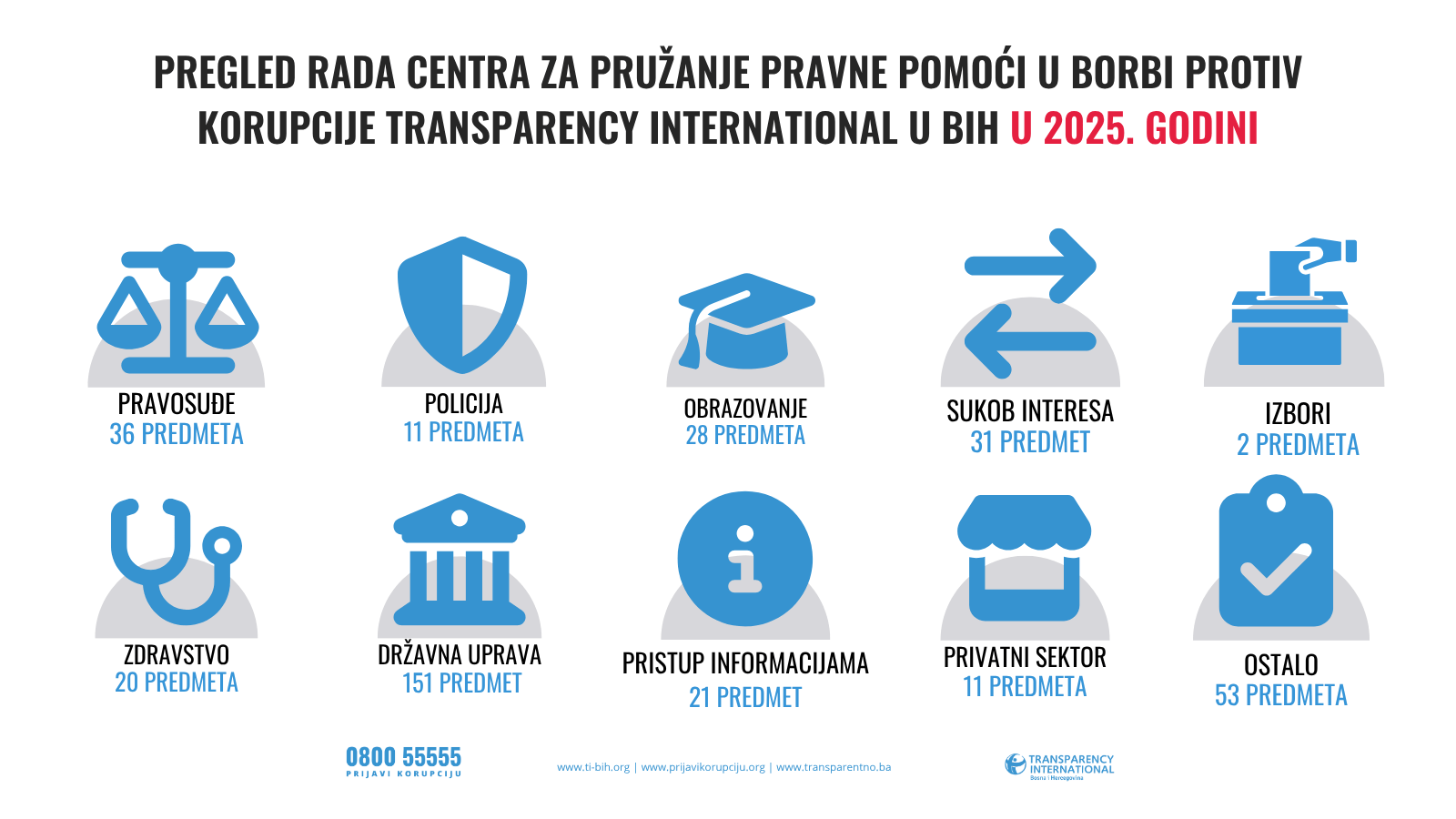
As in previous years, the largest number of reports concerned public administration (151 cases), confirming that employment, appointments, and management of public resources remain the highest-risk areas for corruption, according to the ALAC Annual Report for 2025 year.

A significant number of reports were also recorded in the areas of the judiciary (31), education (28), and conflict of interest (31), where a clear increase in the number of cases is evident, confirming that this phenomenon is becoming increasingly widespread and that TI BiH’s warnings about the normalization of conflicts of interest due to the absence of sanctions were justified.

These very trends were confirmed through specific cases, as following ALAC reports, the Central Election Commission of BiH revoked the mandate of the President of the Municipal Assembly of Gacko and an advisor to the then-President of Republika Srpska, Milorad Dodik, for holding incompatible positions. During the past year, a total of 13 cases were referred to the competent institutions for action, and such examples simultaneously indicate growing awareness of the importance of integrity in the public sector, as well as serious shortcomings in the consistent application of the law.

During the year, TI BiH initiated 24 administrative disputes due to denial of access to information, while 24 cases from previous years were resolved in favor of the Centre, indicating systematic violations of this right by institutions.

The fact that the lack of transparency and accountability of institutions is an increasingly serious problem is confirmed by decisions of the highest domestic and international courts. The Court of Bosnia and Herzegovina upheld TI BiH’s lawsuit against the Ministry of Justice of BiH for unlawfully denying access to the Draft Law on the Court of BiH, thereby preventing the public from participating in the adoption process of one of the key judicial regulations.

At the same time, the European Court of Human Rights has taken under consideration cases concerning denial of access to information by the Federal Ministry for Veterans and Disabled Veterans of the Defensive-Liberation War, as well as ALAC’s application on behalf of a citizen who, despite numerous court decisions in his favor, has been unable to establish employment with the Tax Administration of Republika Srpska for several years.

In addition to insufficient openness and lack of accountability, institutions in Bosnia and Herzegovina are under increasing political influence, which is particularly evident in appointment procedures, where processes are often annulled or adapted to political interests. For example, TI BiH filed a criminal complaint against officials at multiple levels of government in the Federation of BiH for unjustified annulment of an already completed procedure for appointing members of the Management Board of the Federal Pension and Disability Insurance Institute, thereby highlighting serious abuses and political influence on institutional operations.

These cases, along with the fact that during 2025 journalists requested and received free legal assistance from the Centre 57 times, while an increasing number of cases in which citizens and media must seek judicial protection due to continuous violations of their rights by institutions, further confirm the scale of the problem.

The complex political structure, frequent blockages in institutional operations, and the absence of key legal solutions, such as the law on conflict of interest in the Federation of BiH and adequate whistleblower protection, not only significantly hinder the fight against corruption but also deny citizens fundamental rights, primarily to legal protection, employment, and access to information of public importance.

Problems such as lack of transparency, unlawful appointments, conflicts of interest, and restrictions on access to information are deeply rooted in institutions at all levels of government. Nevertheless, the work of the Centre for Free Legal Aid to Citizens through initiating administrative disputes, appeals, criminal complaints, and other legal mechanisms before domestic and European courts, as well as decisions in favor of the Centre, demonstrate that persistent and strategic legal action can lead to concrete changes.

Transparency International in BiH will continue to provide free legal assistance to citizens and advocate for the improvement of the legal and institutional framework to ensure greater transparency, accountability, and more effective fight against corruption in Bosnia and Herzegovina.

Press rls_7_4_2026

Para-intelligence services as a sign of open dictatorship: The government introduces parallel institutions to maintain the regime

Banja Luka, 30. June 2025. year – The Draft Law on the Protection of the Constitutional Order, through which the government in the Republic of Srpska seeks to establish...

Izvještaji za Mediae

Para-intelligence services as a sign of open dictatorship: The government introduces parallel institutions to maintain the regime

Banja Luka, 30. June 2025. year – The Draft Law on the Protection of the Constitutional Order, through which the government in the Republic of Srpska seeks to establish para-intelligence services with the aim of intimidation, represents the official transition of this entity into an open form of dictatorship where the persecution of political dissenters is legalized.

The law, which ironically deals with the protection of the constitutional order, contains numerous provisions that are questionable in terms of constitutionality, such as the establishment of a special “Service for the Protection of the Constitutional Order” under the direct control of the President, which has a wide range of competencies, such as “researching, collecting, processing, and analyzing intelligence data and information relevant to the security of the Republic of Srpska.” This leaves room for arbitrary persecution of individuals deemed to be a threat to the ruling system in RS.

Furthermore, the mentioned service would be headed by a director appointed by the President of the Republic of Srpska himself, which actually shows that the law is being enacted solely to maintain the regime of Milorad Dodik, under the guise of protecting the constitutional order, which is a characteristic of a military junta, not a democratic regime.

The law also provides for the establishment of a Special Prosecutor’s Office of the Republic of Srpska for the protection of the constitutional order of the Republic of Srpska, responsible for prosecuting a range of criminal offenses already defined by the Criminal Code of RS, while the prosecutors would be appointed by the National Assembly of RS. In addition to overlapping competencies and legal uncertainty, this contradicts the existing legal framework that regulates the appointment of holders of judicial functions and creates a parallel judicial system open to direct political influence and party control over the prosecution of these criminal offenses.

The ruling coalition, led by the political goals of Milorad Dodik, already attempted to pass this law in March, which was voted on in the National Assembly of the Republic of Srpska, but the Constitutional Court of RS decided that the law does not provide for proportional representation of all constituent peoples, which is why it was returned for revision.

TI BiH reminds that the current government in the Republic of Srpska has enacted a series of laws that suppress media freedom, expression, association, and public assembly, all with the aim of stifling criticism and dissent, as well as those who point out abuses and potential cases of corruption.

This has demonstrated, and the latest proposal of the Law on the Protection of the Constitutional Order of RS confirms, the unequivocal intention of the regime in RS to use all means, even unconstitutional ones, to establish complete control over all institutions and segments of society and ensure the absolute power of the regime.

TI BiH particularly emphasizes that in the Republic of Srpska there has long been an atmosphere of lynching, persecution of the opposition, independent media, and civil society, accompanied by direct calls for violence, and the instrumentalization of the judiciary to deal with the opposition, thereby creating an environment of insecurity for dissenters and those who criticize the public authorities.

Transparency International in BiH therefore calls for an urgent abandonment of the adoption of this and similar legal solutions, and to ensure the fundamental protection of the basic rights of all citizens.


Press rls_30_6_2025

World Whistleblower Day in BiH: Fewer Reports, Citizens Without Protection and Trust in Institutions

Banja Luka, 23. June 2025 – Only one person decided to seek protection from the Agency for the Prevention of Corruption and Coordination of the Fight Against Corruption (APIK),...

Izvještaji za Mediae

World Whistleblower Day in BiH: Fewer Reports, Citizens Without Protection and Trust in Institutions

Banja Luka, 23. June 2025 –

Only one person decided to seek protection from the Agency for the Prevention of Corruption and Coordination of the Fight Against Corruption (APIK), but even that request was rejected, which clearly illustrates the state of protection for individuals reporting corruption, the so-called “whistleblowers” in Bosnia and Herzegovina.

The situation in the entities is even more unfavorable – in the Republic of Srpska, not a single request for whistleblower protection was submitted last year, while steps were taken to reduce the already limited scope of protection for potential whistleblowers.

The situation is no better in the Federation of BiH, although TI BiH receives most reports from this entity where the biggest problem is the absence of a law protecting potential whistleblowers. An exception is the Sarajevo Canton, which enacted its law in 2023, resulting in 6 individuals receiving protected whistleblower status out of a total of 8 submitted requests, placing other citizens of this entity in a discriminatory position.

The urgent need for changes is also highlighted by the fact that Transparency International BiH received 21 reports from individuals who can be classified as whistleblowers in 2024, while in the first five months of this year, there were as many as 16 reports, indicating that citizens place more trust in non-governmental organizations than in institutions when it comes to fighting corruption, which should not be surprising given that civil society organizations currently provide the highest level of protection to whistleblowers in BiH.

Among the key steps is the drafting of a new Law on the Protection of Whistleblowers at the BiH level, on which the Ministry of Justice of BiH is working, and to which TI BiH has submitted proposals to ensure full and effective protection of whistleblowers. These proposals, among other things, envisage the right of citizens to choose to report irregularities within the institution or outside it, including the possibility of addressing the media, without fear of retaliation. Special attention needs to be paid to preventing pressure on whistleblowers when seeking protection and eliminating the possibility of questioning the “good faith” or motives of the reporters, which has often deterred reporters from seeking protection and reporting corruption.

In addition to these provisions, the new Law must clearly recognize situations where whistleblowers suffer harmful consequences despite having protected whistleblower status and ensure effective institutional action in such situations.

The low level of trust among citizens in the legal protection of witnesses and victims of corruption stems not only from the lack of laws but also from their weak implementation, as well as the atmosphere of public condemnation, intimidation, and open threats from the highest political officials directed at anyone who dares to criticize the work of institutions and publicly point out corruption.

The effectiveness of the fight against corruption in Bosnia and Herzegovina is also diminished by the inadequate response of the courts in BiH, which have increased the number of acquittals in corruption cases by 20% in 2024 compared to the previous year. At the same time, prosecutors have reduced the number of open investigations, while the lowest number of indictments for corruption offenses in the last four years has been recorded, despite the fact that BiH, according to CPI findings, is the second most corrupt country in Europe.

Although whistleblower reports are the most effective way to detect, prosecute, and prevent corruption, the lack of positive examples and sanctions for corruption, the absence of laws, and their weak implementation are additional signals to citizens not to report it.

Therefore, TI BiH appeals to the Ministry of Justice of BiH to ensure full compliance with international conventions and EU directives that guarantee full and effective protection of whistleblowers when drafting the new Law on the Protection of Whistleblowers. In addition, Transparency International in BiH expresses hope that the Parliament of the Federation of BiH will recognize this issue as crucial and adopt the Law currently in procedure as soon as possible to ensure adequate protection for all citizens who report corruption in the Federation of BiH.


Press rls_23_6_2025

The Ministry of Transport and Communications of the Republic of Srpska Continues to ignore court decisions, despite the fourth verdict in favor of TI BiH

The District Court in Banja Luka has upheld the fourth lawsuit filed by Transparency International in BiH (TI BiH) against the Ministry of Transport and Communications of...

Izvještaji za Mediae

The Ministry of Transport and Communications of the Republic of Srpska Continues to ignore court decisions, despite the fourth verdict in favor of TI BiH

The District Court in Banja Luka has upheld the fourth lawsuit filed by Transparency International in BiH (TI BiH) against the Ministry of Transport and Communications of Republika Srpska, once again ordering the Ministry to clearly explain why the concession contract for the Banja Luka–Prijedor highway was classified as exempt from disclosure. The ruling emphasized that the Ministry prioritized the commercial interests of the Chinese investor over the public interest, without conducting a public interest test or providing specific evidence of commercial harm from disclosing information from the Financial Model, thus misapplying the Law on Freedom of Access to Information.
According to the Court, even if the commercial interests of the Chinese company were at risk, the Ministry was still obligated to assess whether disclosing details of the contract – such as financing methods and projected toll revenues – would serve a greater public benefit than protecting the concessionaire’s confidential business interests.
Despite clear legal obligations and four court rulings, the Ministry continues to deny access to key information from the highway construction contract, relying on vague claims of business secrecy.
In addition to these violations, the Ministry also denied the right to appeal its decision, thereby breaching not only the Law on Freedom of Access to Information, but also the Law on Administrative Procedure and the Constitution of Republika Srpska, which guarantees the right to appeal. TI BiH recalls that in this case, the Institution of Human Rights Ombudsman also issued a recommendation in 2022, ordering the Ministry to act on the submitted appeal.
Since 2021, TI BiH has been seeking access to all essential elements of the contract for one of the most important infrastructure projects in RS, citing public interest and suspicions that the deal was concluded under detrimental conditions for the entity.
In this case, TI BiH has been denied access to information despite four administrative disputes resolved in its favor and the annulment of all Ministry decisions. TI BiH requested that the Court notify the Republic’s Administrative Inspectorate due to the Ministry’s continued non-compliance and asked the Court to resolve the matter itself, but the Court refused, even though it is evident that the Ministry is abusing procedural powers to the detriment of TI BiH.

Press rls_29.11.24

The Prosecutor’s Office of Bosnia and Herzegovina suspended the investigation against Milorad Dodik, even though he publicly admitted that he was eavesdropping on the opposition

Banja Luka, November 26, 2024 – The Prosecutor’s Office of Bosnia and Herzegovina passed an Order on the suspension of the investigation against Milorad Dodik, even...

Izvještaji za Mediae

The Prosecutor’s Office of Bosnia and Herzegovina suspended the investigation against Milorad Dodik, even though he publicly admitted that he was eavesdropping on the opposition

Banja Luka, November 26, 2024 – The Prosecutor’s Office of Bosnia and Herzegovina passed an Order on the suspension of the investigation against Milorad Dodik, even though he publicly stated that he was eavesdropping on the opposition. This statement was made at the session of the 13th Special National Assembly of the Republic of Srpska (NSRS) on May 20, 2020. Nine days later, after the complaint of Transparency International in BiH and the representative of the opposition, the Prosecutor’s Office of Bosnia and Herzegovina requested the first checks be carried out, but the Order on the implementation of the investigation was passed in September 2022, after Dodik declared that he was also eavesdropping on the US ambassador to Bosnia and Herzegovina.

Since the order to conduct the investigation was passed too late, that is, two years after this criminal offense was reported, in the opinion of the TI BIH, significant time was lost for gathering evidence. It follows from the prosecutor’s decision that certain pieces of evidence could not even be collected, because they are kept for a maximum of one year, which raises the question of why it took two years to issue an order to conduct the investigation? The Prosecution states that cooperation with the Intelligence and Security Agency of Bosnia and Herzegovina (OSA) was established, and the agency was given the opportunity to verify these allegations without detailed explanation.

Also, checks were carried out in order to determine the possibility of expertise of a certain server through which legal interceptions of telecommunications are carried out, and in order to determine whether there is recorded communication on it that indicate possible illegal interception. The aforementioned checks showed that the data is stored on the server for a maximum of one year, and that it is almost impossible to remove the server for inspection or expert examination, as this would jeopardize all investigations in which special investigative actions are being carried out. Namely, the legal interception of communications would have to be terminated, and there is no other server, according to the prosecutor’s decision.

It also follows from the decision of the Prosecutor’s Office of Bosnia and Herzegovina that numerous witnesses were heard in this case, but not the suspect Milorad Dodik. It should be emphasized that the acting prosecutor had the opportunity to conduct special investigative actions against the suspect, bearing in mind that he was charged with the criminal offense of Unauthorized eavesdropping and sound or optical recording, however, the decision did not state that these actions were undertaken. TI BiH sent a complaint to the Chief Prosecutor of the Prosecutor’s Office of BiH, and pointed out the shortcomings of the specific procedure.

It should be noted that numerous witnesses testified in this case, the then opposition MPs Nebojša Vukanović, Draško Stanivuković, Ivanka Marković, Miladin Stanić, Nedeljko Glamočak, Davor Šešić, Milan Tubin, Zoran Vidić and Tomica Stojanović and Branislav Borenović. The then Minister of Internal Affairs of the Republic of Srpska, Dragan Lukač, whom Dodik addressed at the disputed session when he publicly stated that he was eavesdropping on opposition MPs, and even provided details of allegedly recorded phone conversations, also testified.

SIPA was also engaged in the investigation by the order of the Prosecutor’s Office of BiH, which checked, as stated, the activities of the Ministry of Interior of the RS related to the use of equipment used to carry out special investigative actions “surveillance and recording of technical communications”.

Given that Dodik specifically claimed to have a phone recording of Nebojša Vukanović and Draško Stanivuković, in March of this year the Prosecutor’s Office of Bosnia and Herzegovina issued orders to the Border Police of Bosnia and Herzegovina, SIPA and the Ministry of Internal Affairs of the RS, to check whether the phones of the two then MPs were the subject of special investigative actions from November 2018 until the session in 2020. However, it is not clear from the Decision whether the Prosecution checked if the disputed telephone conversation was audible recorded.

These three institutions informed the Prosecutor’s Office that their telephones were not the subject of special investigative actions, and from the testimonies of the two MPs, the Prosecution could not conclude whether Dodik’s claims refer to the content of the telephone conversations between Stanivuković and Vukanović.

From the above, the Prosecutor’s Office concluded that there is not enough evidence that Dodik committed the criminal offense of Unauthorized eavesdropping and sound or optical recording, which is why the investigation was suspended.

TI BiH: The arbitrariness of the authoritarian regime in the Republic of Srpska is leading the country into dangerous uncertainty

Banja Luka, April 19, 2024 – Transparency International in BiH believes that the ruling majority in Republic of Srpska, by adopting the Election Law of RS, which is contrary...

Izvještaji za Mediae

TI BiH: The arbitrariness of the authoritarian regime in the Republic of Srpska is leading the country into dangerous uncertainty

Banja Luka, April 19, 2024 – Transparency International in BiH believes that the ruling majority in Republic of Srpska, by adopting the Election Law of RS, which is contrary to the Constitution of BiH, the Election Law of BiH and Annex 3 of the Dayton Peace Agreement, is trying to create a parallel election administration and prevent the conduct of legal elections. Such a move creates legal uncertainty and chaos and endangers stability in order to preserve one’s own control over the electoral process and institutions.

By adopting the Election Law of the RS, the authoritarian regime left the framework of the legal order of BiH, and with the Law on Immunity, it legalized the placing of key executive and legislative function holders above the law, thus completely threatening the fundamental principle of the rule of law.

Instead of improving the existing legal framework and eliminating the shortcomings that in the previous period enabled systemic electoral theft, now on the scene are not only the blockades of the electoral reform, but also the introduction of a parallel electoral system and the passing of laws, the sole aim of which is the survival of the ruling structure in power and ensuring complete impunity in that process. Due to all of the above, the adoption of the RS Election Law represents an attempt to use legal violence to prevent the holding of legal elections and the expression of citizens’ electoral will.

Last night, the National Assembly of the RS also adopted the proposal of the Law on Immunity of the RS, and TI BiH warned even earlier that such a solution opens up a huge space for crime and impunity for criminal acts of corruption committed by the highest officials. Such a law would grant amnesty to the holders of the most responsible executive functions of criminal prosecution for any acts they commit “within their jurisdiction”, which is contrary to all international standards.

Both laws can have unfathomable consequences on the elementary human rights of citizens to vote and be elected, but also consequences in the sense of legalizing the unlimited arbitrariness of the holders of executive and legislative power. The consequences of these laws are no less dangerous from the aspect of legal security and disruption of the country’s stability.

Press rls_19.04.24_

Over 1,300 witnesses and victims of corruption requested legal assistance from TI BIH, most complaints against the state administration and judiciary

Banja Luka, March 26, 2024 – During the past year, Transparency International’s Legal Aid Center in Bosnia and Herzegovina received 1,337 calls from citizens and...

Izvještaji za Mediae

Over 1,300 witnesses and victims of corruption requested legal assistance from TI BIH, most complaints against the state administration and judiciary

Banja Luka, March 26, 2024 – During the past year, Transparency International’s Legal Aid Center in Bosnia and Herzegovina received 1,337 calls from citizens and handled 317 cases related to specific cases of corruption. Among the reporting structure, there were mostly witnesses (42.2%) and victims of corruption (28.3%), followed by public sector employees or so-called whistleblowers (12.6%) who reported corruption in the workplace. The number of whistleblowers (a total of 40 in 2023) who turn to TI BiH is again far, far greater than the number of persons who receive the status of protected corruption whistleblowers from the competent institutions, which clearly shows that citizens still do not have enough trust in the system.

As in previous years, the largest number of cases was relating to the state administration sector (135), where citizens reported the most irregularities in the field of employment. In one of the cases, the Institution of the Ombudsman for the Protection of Human Rights of Bosnia and Herzegovina made a recommendation to the Railways of the Republic of Srpska and the Ministry of Transport and Communications of the RS to remove discriminatory treatment during employment in this public company. Also, acting on the TI BIH repoert, the Public Procurement Agency of BiH submitted a request for the initiation of misdemeanor proceedings to the misdemeanor department of the competent Municipal Court in Sarajevo against “Lutrije BiH” because this contracting authority in the procurement of advertising on web portals referred to precisely specified portals, among which there are even some without advertising space.

Last year, there is also a case in which, after the action of TI BiH, the Federal Ministry of Labor and Social Policy determined that the competent service of the Zenica-Doboj Canton is obliged to pay one-time assistance to 3,043 unemployed persons who were initially denied this assistance.

After public administration, the largest number of proceedings of TI BiH was recorded in the field of justice (38), and in one of the most significant cases, TI BiH filed a disciplinary report against the Chief Prosecutor of BiH Milanko Kajganić, who assigned most of the cases outside the TCMS automatic management system, which is why his predecessor in this position, Gordana Tadić, was dismissed. Last year, TI BiH initiated 30 cases related to conflict of interest before the competent institutions, and after the State Commission was recently unblocked, the first sanctions were imposed against the director of the Communications Regulatory Agency of BiH, Draško Milinović, while proceedings were initiated against State Minister Sevlid Hurtić and the new director of BH Telekom, Amel Kovačević.

2023 marks the 20th anniversary of the Center for Providing Legal Aid in the fight against corruption, which stood by numerous citizens whose rights were threatened, or who witnessed corrupt acts. It is important to point out that the trends have changed and that in previous years, reports were mainly related to doctors and police officers receiving bribes. Now, citizens report more abuse of official positions by holders of judicial functions, as well as violations of the law by police authorities, which is particularly controversial because these are institutions that should have a leading role in the fight against corruption.

In the coming period, TI BiH will continue to provide legal assistance to citizens who are facing corruption, who can contact us anonymously via the free number 0800 55555 and the online platform prijavikorupciju.org. TI BiH especially invites whistleblowers, or persons who report corruption from their immediate work environment, to contact us in case they need legal support.


The Law on the Prevention of Conflict of Interest is important for the prevention of corruption, the adoption procedure is not transparent

.

Banja Luka, March 8, 2024 – Transparency International in BiH (TI BiH) welcomes the adoption of the new Law on Prevention of Conflicts of Interest in BiH, which represents...

Izvještaji za Mediae

The Law on the Prevention of Conflict of Interest is important for the prevention of corruption, the adoption procedure is not transparent

Banja Luka, March 8, 2024 – Transparency International in BiH (TI BiH) welcomes the adoption of the new Law on Prevention of Conflicts of Interest in BiH, which represents an important mechanism for the prevention of corruption. The adoption of this law as well as other anti-corruption reforms have been obstructed by the ruling structure for years, and during that time BiH became the second worst ranked country in Europe in terms of corruption.

The law brings numerous qualitative improvements, such as the establishment of an independent Commission that will replace the current political way of making decisions on conflicts of interest, as well as the establishment of a public register of state officials’ assets.

At the same time, TI BiH warns that important provisions of this law were changed at the last minute, which explicitly stipulated the obligation of all institutions in BiH to submit data on assets to the Commission for deciding on conflicts of interest, which is necessary to control the accuracy of the information provided by officials in the asset registers. Instead, the adopted version tentatively emphasizes that the institutions will cooperate, which again leaves room for possible obstructions of this mechanism for controlling the assets of public officials. In the same way, the Council of Ministers recently weakened the amendments to the Law on the High Judicial and Prosecutorial Council, which is why representatives of relevant international organizations, including the EU, reacted.

Also, the method of decision-making in the Commission on the dismissal of officials, which foresees the consensus of all members, i.e. a two-thirds majority, in practice can lead to the fact that sanctions that foresee dismissal or resignation are not pronounced at all. This is not equivalent to the way decisions are made by other institutions at the state level. The law mostly maintains the existing restrictions regarding the performance of multiple functions and the financing of private enterprises run by public officials and their family members. The threshold of allowed income from the budget for citizens’ associations led by officials has been increased from the current ten to twenty thousand, that is, from 50,000 to 70,000 for sports associations.

TI BiH considers completely unacceptable that laws, especially those of great importance for the prevention of corruption, but also for the further progress of BiH in the process of EU integration, are passed in complete contradiction to the regulations for the adoption of laws. It should be pointed out that the whole process went beyond basic international standards such as conducting consultations, making an assessment of the impact of regulations and basic transparency of the process through extra-institutional arrangements, which is inherent in authoritarian regimes, and certainly not to a country that needs to start negotiations on joining the European Union.


TI BiH: opens up additional space for impunity for high-level corruption

Banja Luka, December 21, 2023 – Transparency International in BiH (TI BIH) warns that the Draft Law on Immunity of the Republic of Srpska, to be considered by the National...

Izvještaji za Mediae

TI BiH: opens up additional space for impunity for high-level corruption

Banja Luka, December 21, 2023 – Transparency International in BiH (TI BIH) warns that the Draft Law on Immunity of the Republic of Srpska, to be considered by the National Assembly of the Republic of Srpska, opens a huge space for crime and impunity of criminal acts of corruption committed by the highest officials.

Such a law would amnesty the holders of the most responsible executive functions of criminal prosecution for any acts they commit “within their jurisdiction”, which is contrary to all international standards, and the reason why TI BiH sent comments on this law and requested its withdrawal from further proceedings.

It should be reminded that this law, apart from MPs, also grants immunity to the holders of executive functions – the President and Vice-Presidents of the Republic of Srpska and members of the Government – which would lead to the loss of the essence of the immunity itself, since the general tendency is to narrow the scope of immunity. Particularly problematic is the retroactive application of the law, which is provided by the Constitution of the Republic of Srpska only as an exception, if the general interest is determined.

TI BiH reminds that the UN Convention Against Corruption (UNCAC) foresees the establishment of balance between the immunity given to the highest officials and their responsibility for possible criminal acts. A similar view is shared by the Venice Commission, which in its “Report on the Scope and Denial of Parliamentary Immunity” believes that this form of immunity is an old and traditional institution, not applicable in functional democracies, the misuse of which necessarily leads to violations of the law and obstruction of justice, undermining democratic capacity and trust in institutions.

Along with the comments on the draft, TI BiH warned the MPs about the potential harmful consequences for legal certainty and the rule of law, as well as the inconsistency of such a legal solution with international standards and called for such a legal solution to be withdrawn from the further procedure.


After the warning of TI BiH: Application of amendments to the Law on HJPC prevented, BiH judiciary blocked?

At the session held on October 18, the HJPC acknowledged the existence of problems regarding the verification of property records of judges and prosecutors, which confirmed the earlier warnings of TI BiH and which practically means that a blockade of the entire judiciary in Bosnia and Herzegovina is on the horizon, since it is not possible to appoint new judges and prosecutors.

By adopting the Action Plan for the Implementation of the Law on Amendments to the Law on the HJPC, requesting the extension of the application of the Law after December 23, the...

Izvještaji za Mediae

After the warning of TI BiH: Application of amendments to the Law on HJPC prevented, BiH judiciary blocked?

By adopting the Action Plan for the Implementation of the Law on Amendments to the Law on the HJPC, requesting the extension of the application of the Law after December 23, the members of the High Judicial and Prosecutorial Council (HJPC) showed that the earlier warnings, which Transparency International in Bosnia and Herzegovina (TI BiH ) referred to the content but also the problematic procedure of amending such important laws, was well founded.

HJPC at the session held on October 18, acknowledged problems when applying the new powers regarding the verification of property records of judges and prosecutors, as well as that they would not be implemented by the date when the law was supposed to enter into force because, among other things, a special reporting department that should implement those activities was not established. This practically means that it is not possible to appoint new judges and prosecutors, leading to a blockade of the entire judiciary in Bosnia and Herzegovina.

With this, the earlier warnings of TI BiH pointing to the changes in the law while they were in the procedure, indicating the possibility of blocking the procedure of delivery and exchange of property records and potentially making the verification process itself meaningless, and that the proposed changes to the Law on the HJPC do not allow for complete transparency and responsibility of institutions and holders of judicial functions, came true.

Of particular concern is the issue of the conflict of interests of holders of judicial functions and members of the Council, which remains unresolved, with an unjustified reduction in the scope of relatives and related persons to whom it applies, while inadequate sanctions, the possibility of refusing to declare assets or the absence of the obligation to declare assets of close relatives, and the danger of selective access to checks, are only some of the problematic things that Transparency International pointed out in its comments.

TI BIH also warned that during the drafting of this law, numerous recommendations of the Venice Commission were ignored and that the ad hoc corrections that the Council of Ministers of BiH made to the draft law were criticized by numerous international organizations, including the Delegation of the European Union to BiH, while the transparency of the process itself, from which both the professional public and civil society organizations were excluded, was extremely damaged.

The last session of the HJPC, i.e. the proposal to extend the application of the Law due to the problems the proponent was warned about, and which were ignored, is proof that the BH judiciary is in complete institutional captivity, while, thanks to the actions of the Ministry of Justice and the Council of Ministers, Bosnia and Herzegovina found itself on the verge of complete legal uncertainty and a chaotic state.

The Law on the HJPC is one of the key reform laws, the adoption of which conditions fulfillment of 14 priorities that stand in the way of further integration of BiH to the EU, which is why TI BiH once again warns that inadequate or truncated legal solutions not only call into question the purpose of existence of the law, confirming the suspicions that the government’s intention is to present a semblance of progress on the European path, while avoiding the implementation of essential reforms necessary for the establishment of a minimum of responsibility and the rule of law in BiH.

Transparency International calls on the HJPC, the Ministry of Justice of Bosnia and Herzegovina, the Council of Ministers of Bosnia and Herzegovina, as well as all relevant actors to take, without delay, all measures and actions to establish the necessary institutional and legal mechanisms, and ensure appropriate resources, in order to facilitate the process of appointing judges and prosecutors, that is, to prevent the blockade of BH judiciary.


INTERNATIONAL DAY FOR UNIVERSAL ACCESS TO INFORMATION MARKED: A CHALLENGE THAT LASTS FOR 22 YEARS

Sarajevo, September 28, 2023 – The new Law on Freedom of Access to Information, which was adopted in the Parliament of Bosnia and Herzegovina, reduces the range of acquired...

Izvještaji za Mediae

INTERNATIONAL DAY FOR UNIVERSAL ACCESS TO INFORMATION MARKED: A CHALLENGE THAT LASTS FOR 22 YEARS

Sarajevo, September 28, 2023 – The new Law on Freedom of Access to Information, which was adopted in the Parliament of Bosnia and Herzegovina, reduces the range of acquired rights and achievements present in the upcoming laws, while in certain aspects the new solution is not in accordance with international standards and practices, is the message of the conference “The new Law on Freedom of Access to Information – Progress or new challenges in access to information” organized by Transparency International in Bosnia and Herzegovina today in Sarajevo.

Marking September 28, the International Day for Universal Access to Information, the conference was an opportunity to review the news brought by the new Law on Freedom of Access to Information at the BiH level, as well as the process that preceded its adoption, and an overview of the previous experience in the implementation of the law in this area at all levels in Bosnia and Herzegovina.

The adopted law significantly restricts access to information of public interest, given that it contains a long list of exceptions or possible restrictions on access to information in the possession of public authorities, which turned the European standard of open and free access to public information into an exception rather than a rule, conference participants agreed.

The fact that the application of the right to access public information is potentially worsened by the new law is also indicated by the reduction of the competence of the Institution of the Ombudsman for Human Rights, which by no means represents a movement in the right direction, and the decision that the Appeals Council at the Council of Ministers of BiH receives the role of a second-level body is especially worrying, bearing in mind the experience with the work and functioning of the Council of Ministers, which was directly reflected in the stagnation of procedures, the violation of deadlines, and therefore the violation of human rights.

In addition, one of the shortcomings of the new law is reflected in the fact that it does not provide for sufficiently severe sanctions, and the participants of the conference emphasized that it was necessary to go in the direction of a solution that foresees that sanctions are imposed in case of violation of the law itself, and not only in situations where one does not comply with the order of the administrative inspector.

Addressing the participants of the conference on behalf of the Embassy of the Kingdom of Sweden, which supported the event, Birgitta Jansson emphasized that the principles of openness and transparency lie within the basic principle of human rights, with the message that “It is the duty holder’s obligation to respect and implement these principles, and the right of citizens to access to information is fundamental in every democratic society”.

The conference marked 22 years of the existence and application of the law that guarantees freedom of access to information in Bosnia and Herzegovina, and was an opportunity to present a cross-section of research on transparency  in the work of public bodies and the application of the Law on Freedom of Access to Information in Bosnia and Herzegovina, which the TI BiH Center for Providing Free Legal Aid has been implemented continuously since 2011.

Analysis of TI BiH: BiH Took a Step Back in Relation to 14 Priorities in Numerous Segments

Banja Luka, July 26, 2023 – Only one of the 14 priorities from the European Commission’s Opinion on Bosnia and Herzegovina’s application for EU membership has...

Izvještaji za Mediae

Analysis of TI BiH: BiH Took a Step Back in Relation to 14 Priorities in Numerous Segments

Banja Luka, July 26, 2023 – Only one of the 14 priorities from the European Commission’s Opinion on Bosnia and Herzegovina’s application for EU membership has been fully met, namely the one related to the formation of the Parliamentary Committee for Stabilization and Association, which does not meet, while only five priorities were realized partially, with a general deterioration in many issues concerning democracy, human rights and the functioning of institutions, shows the analysis conducted by Transparency International in Bosnia and Herzegovina.

The report Process of BiH Integration into the EU, which analyzes the implementation of reforms, shows that, since the adoption of the Opinion in 2019, BiH has regressed in many segments that are contained in the 14 priorities from the Opinion of the European Commission for EU membership, and the most worrying is the regression in the area of basic rights, especially on issues related to the creation of a favorable environment for civil society, the provision of guarantees and protection of journalists and the financing of public broadcasting services.

Regression in many areas

BiH has not only regressed in certain segments relevant to the fulfillment of priorities on the path to EU membership, but institutions at all levels have initiated processes of denying basic human rights, the consequences of which will be suffered by all citizens, which is most clearly illustrated by the changes to the Criminal Code of the Republic of Srpska which, in an atmosphere of lynching, verbal and physical attacks against journalists and through problematic procedures, once again recognized defamation as a criminal offense in this entity.

Similar negative tendencies are also visible in the rest of the country, in the form of the Draft Law on offenses against public order and peace of Sarajevo Canton, which if adopted under the pretext of fighting fake news, could open up space for restrictions on freedom of speech and censorship, exposing the government’s intentions throughout Bosnia and Herzegovina to suppress criticism and silence citizens, the media, the opposition and non-governmental organizations that point to corruption.

In the area of democracy and functioning of the government, one priority related to the formation of the Parliamentary Committee for Stabilization and Association has been achieved, while in other segments this area has significantly regressed due to political obstructions. This primarily refers to the problem of non-implementation of the decisions of the Constitutional Court, questioning of its competences, threats of a complete suspension of the dialogue with the EU and the application of the SAA, and blocking of the work of institutions thanks to political decisions that come mainly from the Republic of Srpska.

Some progress has been recorded in the areas of border and migration management capacities, while the adoption of amendments to the Law on Public Procurement of BiH is often mentioned as the one priority fulfilled, although these amendments did not ensure the strengthening of competences and capacities for the supervision of public procurement, which is the essence of this proposal that the EU insists on. However, in the area of the rule of law and the fight against corruption there is generally a noticeable setback, and key laws have not only not been adopted yet, but attempts are being made to adopt solutions that are worse than the existing ones.

In this segment, the Law on the Conflict of Interests of BiH has not yet been adopted, and the fact that the protection of individual interests and not the progress on the European path is the main goal of the authorities in BiH, is most blatantly shown by the express adoption of amendments to the Law on the Prevention of Conflicts of Interests of the RS, which actually legalize certain forms of conflicts of interest, and which occurred after TI BiH reported the adviser to the President of the RS, Milan Tegeltija, for a conflict of interest.

Funds for the Indirect Taxation Authority building approved, laws not

Yesterday’s decision of the BiH Council of Ministers, which, according to the media, withdrew the Draft Law on Prevention of Conflicts of Interest in the Institutions of BiH and the Draft Law on the Courts of BiH, while the decision was made to approve the funds for the ITA building in Banja Luka, only confirms the allegations of the analysis and shows the attitude of the ruling coalition at the BiH level towards key reforms, which have been marked as urgent for years.

In addition, the proposed solutions also showed shortcomings, so the Draft Law on Conflict of Interest does not provide an adequate status and independence of the Commission and leaves a wide space for the interpretation of sanctions for certain misdemeanors, while the Law on Courts seeks to narrow the jurisdiction of the Court of Bosnia and Herzegovina for the prosecution of corruption and organized crime. On top of all that, the Law on Freedom of Access to Information, which is in parliamentary procedure, does not guarantee the independence of the Appeals Council, and its application will be meaningless with a large number of exceptions.

All the examples stated above serve as an indicator that the authorities in Bosnia and Herzegovina only show the appearance of progress and “reform momentum”, while real progress is not a priority, especially in relation to the interests of the parties, the personal interests of their leaders and the increasingly pronounced authoritarian tendencies and laws that deny freedom to citizens .

Press rls_26.07.23_

TI BiH filed a report against the Chief BIH prosecutor: Kajganić assigned most of the cases outside the TCMS, which is why Gordana Tadić was dismissed.

Transparency International in Bosnia and Herzegovina submitted a report to the Disciplinary Prosecutor’s Office against Milanko Kaganić, the Chief prosecutor of the...

Izvještaji za Mediae

TI BiH filed a report against the Chief BIH prosecutor: Kajganić assigned most of the cases outside the TCMS, which is why Gordana Tadić was dismissed.

Transparency International in Bosnia and Herzegovina submitted a report to the Disciplinary Prosecutor’s Office against Milanko Kaganić, the Chief prosecutor of the Prosecutor’s Office of Bosnia and Herzegovina, who assigned the vast majority of cases outside the TCMS automatic management system during the past year, the same reason his predecessor in this position, Gordana Tadić, was dismissed.

After the appeal procedure, the Prosecutor’s Office of Bosnia and Herzegovina submitted to Transparency International the data on the number of cases in which the chief prosecutor made presignations, i.e., assigned cases outside of the automatic management system, and the data show that in 2022 the number of presignations is greater than the total number of cases that this prosecution worked on.

This practically means that TCMS is rarely used and that subjects are almost never assigned automatically. Specifically, in 2021, in which Gordana Tadić was dismissed due to bypassing the TCMS, the Prosecutor’s Office of Bosnia and Herzegovina had 1,499 cases and a total of 1,434 presignations, although multiple presignations in one case are possible, if several prosecutors are working on it. During 2022, the Prosecutor’s Office of Bosnia and Herzegovina had 1,473 cases and a total of 2,276 presignations, i.e., cases in which the chief prosecutor assigned a case to the prosecutor bypassing the automatic management system.

TI BiH reminds that Article 8 of the Rulebook on the System for Automatic Case Management in Prosecutor’s Offices (TCMS) stipulates that the distribution of cases to prosecutors is to be conducted automatically, as a measure to reduce corruption risks. Also, according to the conclusion of the High Judicial and Prosecutorial Council of Bosnia and Herzegovina from 2014, all chief prosecutors were tasked to ensure the assignment of cases through TCMS in their institutions. The chief prosecutor has the right to assign a case to another prosecutor if there are reasons for it, granting this as an exception and not a rule, meaning the fact that the number of assignments is greater than the total number of cases in the work may indicate serious omissions in the work of the chief prosecutor.

Also, there is a reason to suspect that the Chief Prosecutor of BiH acted contrary to the provisions of the Rulebook and the Conclusion of the HJPC and committed the disciplinary offenses of “negligence or inattention in the performance of official duties” and “failure, for unjustified reasons, to act in accordance with the decisions, orders or requests of the Council” from the Law on the HJPC.

This behavior is contrary to the provisions of the Code of Ethics for Prosecutors, and it should also be recalled the Joint Opinion of the Venice Commission and the Council of Europe – Directorate for Human Rights (DHR) of the General Directorate for Human Rights and the Rule of Law, which emphasizes that, in order to protect the right to independent and impartial judicial and prosecutorial action, the allocation of cases within courts and prosecutor’s offices should follow objective, predetermined criteria.

Transparency International BiH reminds that the Disciplinary Commission of the HJPC of BiH has already conducted and legally concluded disciplinary proceedings against the former Chief Prosecutor Gordana Tadić, as well as against some other Chief Prosecutors in BiH for the same offenses in which disciplinary measures were imposed.

It is important to note that the Prosecutor’s Office of Bosnia and Herzegovina repeatedly refused to provide TI BIH with data on the number of presignations, as it was the case in 2018 and 2019 when in was claimed that the accurate statistics was not kept, so the information was provided only after the Court of Bosnia and Herzegovina passed judgments in favor of TI BiH. This year, the data on presignatures was submitted only after a complaint was filed, because the Prosecutor’s Office of BiH initially claimed that the request was not precisely formulated.

World Whistleblower Day: Only One Whistleblower Sought Protection from APIK Last Year

Sarajevo, June 23, 2023 – During the last year, only one person requested protection from the Agency for Prevention of Corruption and Coordination of the Fight Against...

Izvještaji za Mediae

World Whistleblower Day: Only One Whistleblower Sought Protection from APIK Last Year

Sarajevo, June 23, 2023 – During the last year, only one person requested protection from the Agency for Prevention of Corruption and Coordination of the Fight Against Corruption (APIK), but he/she was not granted the status of a protected corruption reporter, and this data best illustrates citizens’ trust in institutions that should protect whistleblowers.

This devastating statistic is no better in the Republic of Srpska, where last year not a single internal report for the protection of whistleblowers was recorded, while in this entity only three cases from the area regulated by the Law on the Protection of Corruption Whistleblowers are being handled. In the Federation of Bosnia and Herzegovina, there is still no law that protects public sector employees who decide to report corruption in the workplace, while in Brčko District last year, four applicants received protection.

On the other hand, public sector employees are far more likely to report corruption to non-governmental organizations, which shows that, where laws do exist, their implementation is at a low level, which is why “whistleblowers” are victims of persecution, discrimination and often intimidation, is the message of the round table“Defiance of Corruption Despite Retaliation: How to Better Protect Whistleblowers in Bosnia and Herzegovina?”which marked World Whistleblower Day, on June 23, organized by Transparency International in Bosnia and Herzegovina (TIBiH).

The participants of the round table pointed to the fact that in the course of 2022, TI BiH had 37 cases based on reports of “whistleblowers”, and a significant number came from the Federation of BiH, which is the only part of BiH where there is no law on the protection of persons who report corruption. Such laws exist at all other levels in BiH and since the beginning of this year also in the Sarajevo Canton, which is why persons who report corruption in the rest of the Federation of BiH are discriminated against in terms of the legal protection they can receive.

In the Republic of Srpska, the mere existence of a law that protects corruption whistleblowers is not enough for its implementation, and it is prevented due to the atmosphere of public condemnation, intimidation and even open threats by the highest political officials addressed to anyone who dares to criticize the work of institutions and publicly point to corruption. Because of this, as well as the fact that citizens are insufficiently familiar with the method of reporting and the scope of protection offered by the law, as well as the general distrust of citizens in the judiciary, there were no reports for the protection of whistleblowers in this entity last year.

The situation is no better when it comes to the institutions of Bosnia and Herzegovina, so only one person approached the Agency for Prevention of Corruption and Coordination of the Fight Against Corruption (APIK) in 2022 with a request to be granted the status of “whistleblower”, but that request was rejected, due to, in the opinion of the Agency, “failure to meet the conditions for awarding whistleblower status”. The most adequate protection is available to persons who report corruption in the Brčko District, where all four applicants were given the status of “whistleblower”, thus realizing the possibility of legal protection.

The participants of the round table recalled the case of Emir Mešić, a whistleblower who was fired after speaking about corruption in the Indirect Taxation Authority, where the APIK did not fulfill its part and did not provide him with protection from disciplinary prosecution, which is the best demonstration of the institution’s handling of to persons who report corruption. The fear of consequences and possible retaliation is the reason why the number of “whistleblowers” who turn to TI BiH far exceeds the number of those who receive the status of protected corruption informants from the competent institutions.

In contrast to official institutions, citizens of BiH who are witnesses or victims of corruption are increasingly turning to non-governmental organizations, which is confirmed by the devastating fact that APIK received 33 reports from 2014 to 2022 and granted protection to the applicants in only 11 cases, while TI BiH registered 29 such applications in just the first five months of this year. The number of reports indicates that citizens place a greater degree of trust in non-governmental organizations than in institutions when it comes to the fight against corruption, which should not be surprising since the greatest degree of protection for whistleblowers in BiH is currently provided by civil society organizations.

The inefficiency of the judiciary, which mostly resolves minor cases while major corruption scandals go unpunished, as well as the disproportionately light punishments for criminal acts of corruption, do not seem encouraging, and the lack of positive examples that received a judicial epilogue further deters citizens from reporting corruption to competent institutions.

Reports by “whistleblowers” are the most effective way to detect, process and prevent corruption, which is why TI BiH appeals to the institutions and representatives of legislative bodies in the Federation of BiH to urgently initiate procedures for passing laws that contain support measures for persons who point out abuses, providing them with all possible protection from retaliation, discrimination and unfair treatment.

TI BiH also calls on political actors throughout BiH to ensure and enable the implementation of existing laws and to prevent unacceptable pressure from top officials that has a negative impact on corruption whistleblowers, in order to provide whistleblowers with the support that the honest and uncompromising fight against corruption deserves, and which the citizens of Bosnia and Herzegovina have been waiting for years.

Press rls_23.06.23_

TI BiH Wrote to the Government of the Federation of BiH: Inadmissible Decision to Withdraw From the Procedure Laws Necessary for the Fight Against Corruption

Transparency International in Bosnia and Herzegovina (TI BiH) sent a letter to the Government of the Federation of BiH due to the unacceptable decision to withdraw two important...

Izvještaji za Mediae

TI BiH Wrote to the Government of the Federation of BiH: Inadmissible Decision to Withdraw From the Procedure Laws Necessary for the Fight Against Corruption

Transparency International in Bosnia and Herzegovina (TI BiH) sent a letter to the Government of the Federation of BiH due to the unacceptable decision to withdraw two important anti-corruption laws from the procedure, which further delays the fulfillment of EU priorities and the implementation of important reforms in the fight against corruption. The FBiH government has withdrawn from the parliamentary procedure numerous laws that were not adopted in the previous mandate, including the Draft Law on the Prevention of Conflicts of Interest in Authorities in the FBiH as well as the Draft Law on the Protection Whistleblowers in FBiH.

Such a decision will additionally slow down the implementation of anti-corruption reforms because some of the laws have already undergone certain procedures and harmonization, and their withdrawal is contrary to the government’s declarative commitment to fulfill the 14 priorities set before the BiH authorities by the European Union.

We remind that the Draft Law on the Protection of Whistleblowers in the FBiH was already adopted by the House of Representatives in June 2018 and has been in the procedure since then, even though its urgent adoption is necessary because the Federation of BiH is the only level of government that has not yet legally protected “whistleblowers” – that is, persons who report corruption in the workplace. This law was submitted in the form of a proposal by the FBiH Government again in August 2022, and now, with the new convocation of the Government, it was withdrawn after so long. On the other hand, last year alone, TI BiH initiated 37 cases where the applicants fell into this category, and most of them came precisely from the Federation of BiH, which did not legally protect them. Please note that such a law exists at the state level, in the Republic of Srpska and Brčko District, and that the citizens of FBiH have been discriminated against for years due to numerous political obstructions.

It is especially inadmissible to withdraw the Proposal of the Law on the Prevention of Conflicts of Interest in Official Bodies in the FBiH from the procedure, and it has been 10 years since there is no competent authority in this entity to which conflicts of interest can be reported. According to the current law, that competence belongs to the Central Election Comission of BiH, which was deprived of those competences by changes to the law at the state level in 2013, and for ten years conflicts of interest in the Federation of BiH have gone unpunished. According to TI BIH data, currently 241 officials in FBiH perform more than one function in public enterprises and public institutions, and many have additional engagements in non-profit organizations financed from the budget. In addition to the fact that there is no body that determines the conflict of interest, other institutions completely ignore this law when appointing and allocating public funds to organizations led by officials in a conflict of interest. All of this represents an important source of corruption, and that is why it is necessary to urgently adopt a new law in the FBIH, which in the form of a proposal was sent to the procedure by the FBIH Government in August last year.

Its withdrawal will further slow down the resolution of this issue, so Transparency International in BiH calls on the FBiH Government to urgently return the mentioned laws to the procedure and notes that any further delays will have negative consequences on the fight against corruption.

Press rls_19.05.23_

Get involved

Don't miss it

If you want to receive our announcements immediately after the publication, leave your e-mail address in the field below.