Press releases

Key dates

CEC BiH hides data from election technologies: TI BiH and the Koalicija Pod lupom demand disclosure of information that could help uncover possible election manipulations

Sarajevo, November 14, 2026 – The Central Election Commission (CEC) rejected requests from the Koalicija Pod lupom and Transparency International in BiH to provide information...

Izvještaji za Mediae

CEC BiH hides data from election technologies: TI BiH and the Koalicija Pod lupom demand disclosure of information that could help uncover possible election manipulations

Sarajevo, November 14, 2026 – The Central Election Commission (CEC) rejected requests from the Koalicija Pod lupom and Transparency International in BiH to provide information recorded on voter identification devices and scanners that could help uncover possible election manipulations. The requested data included voter turnout figures by polling station, as well as the number of people who could not be identified via fingerprint. Also requested was a list of polling stations where any of the technologies could not be used, as well as those where discrepancies were observed between electronic and manual vote counts.

The CEC refused to provide this information, the election results were confirmed, and at the session where the request for access to information was decided, it was stated that the requested data could be misinterpreted.

“These are individual data points which, if taken out of context, can be interpreted in various ways and could create a completely false impression among the public,” said CEC member Suad Arnautović, adding that the data would not be provided before the Parliamentary Assembly of BiH had discussed the matter in full.

TI BiH and the Koalicija Pod lupom consider this to be unlawful conduct, which is why legal proceedings will be initiated, as this concerns the protection of the integrity of the electoral process. It should be noted that the new election technologies were introduced precisely because, in the previous period, independent election observation, numerous court proceedings, and graphological analyses had proven widespread manipulation of voters’ ballots. The irregularities established included voting on behalf of other persons (most often deceased individuals or those who did not turn out to vote), double voting, abuse of assisted voting, violations of ballot secrecy, and election theft – adding votes to blank ballots, adding preferential votes, and/or deliberately invalidating valid ballots.

The electronic voter identification and authentication system was meant to prevent identity abuse, while the scanners were meant to prevent manipulation of ballots and vote counting. The non-use or incorrect application of either of these technologies could have enabled new manipulations, and suspicion that such manipulations occurred is raised not only by media reports but also by certain official data.

For example, officially published voter turnout data show an unnatural increase in turnout between 5 p.m. and 7 p.m. in numerous local communities. Data from the Koalicija Pod lupom, based on a representative sample of polling stations, show that in only 55.8% of the observed polling stations did the number of ballots for the BiH Presidency level match the number of voters identified via the identification devices. Discrepancies greater than +/-3 votes were recorded at 6.5% of the observed polling stations.

In addition, TI BiH’s analysis identified more than 500 polling stations where indicators were observed that, according to international practice and electoral analytics, point to the existence of potential election irregularities. These are polling stations that reported turnout higher than 80% (almost double the average), a share of invalid ballots higher than 15%, or a concentration of votes for a single candidate higher than 80%.

Additionally, the process of introducing the new election technologies was highly non-transparent. To this day, it remains unclear how the process of determining the election results unfolded, which results were publicly published, whether they were changed relative to the preliminary results, and why there is no comparison of the official turnout from the new election technologies with the number of ballots, nor a comparison of the electronic results with the manual vote-counting results. It is also unclear which turnout figure was displayed on the results website – the one from the identification devices or the number of ballots processed by the scanners.

Since the election results have been confirmed and the elections were not annulled at any polling station, we believe that all obstacles to the publication of all information regarding the functioning and use of the new election technologies, turnout at individual polling stations, and voting samples and methods have been removed – that is, all information that the CEC undoubtedly possesses and that could help in the analysis of the electoral process itself.

TI BiH and the Koalicija Pod lupom urge the CEC to immediately provide all the requested data, as refusal to disclose all information on the electoral process in its possession may further raise suspicion and trigger speculation about new potential irregularities.
Press release 11/14/2026

TI BiH Warns of Mass Pre-Election Cash Distribution and Indirect Vote Buying

Sarajevo, September 3, 2026 – Transparency International in BiH warns that one month before the General Elections in Bosnia and Herzegovina, there is a concerning trend of...

Izvještaji za Mediae

TI BiH Warns of Mass Pre-Election Cash Distribution and Indirect Vote Buying

Sarajevo, September 3, 2026 – Transparency International in BiH warns that one month before the General Elections in Bosnia and Herzegovina, there is a concerning trend of increasing cases of indirect vote buying through legally prohibited one-time cash payments to various categories of the population. TI BiH data shows that approximately 68 million KM has been distributed since the elections were called, with the largest portion (31 million) allocated by the RS Government for one-time assistance to pensioners before the elections in amounts of 80 and 120 KM.

After the CEC refused to sanction RS Prime Minister Sava Minić in this case, explaining that the decision was made by the RS Government as a collective decision-making body, a new distribution of 16 million KM to students and pupils in amounts of 100 and 150 KM followed. This measure was announced at an SNSD press conference, even though it involves taxpayer money being distributed before elections, was not planned in the budget, and was not paid out in previous years. The Election Law prohibits indirect vote buying with public funds, which includes providing one-time assistance to citizens, except for assistance planned within regular budget subsidies.

However, due to the lack of sanctions, this trend continues—pensioners in Tuzla Canton and Brčko District will also receive one-time assistance before the elections, while the mayor of Zenica awarded one-time assistance to heating plant workers, and there are numerous other examples that TI BiH has published on the pre-election public spending counter.

TI BiH has so far documented over 2,200 potential misuses of public resources, of which approximately 63 percent relate to the intensification of public works during the pre-election period, most often used for political promotion. Throughout BiH, 370 infrastructure projects have been opened with a value of approximately 156 million KM, while the value of projects initiated during this period is 510 million. Although at the very beginning individual cases went unsanctioned, as TI BiH warned, in several recent decisions the CEC has begun sanctioning examples where infrastructure projects are promoted on the social media of political parties.

Thus, a sanction was issued against the director of Banja Mlječanica and NPS president Darko Banjac, who attributed credit to his party for the construction of a local water supply system. Since campaigning is prohibited by law at the opening events of these infrastructure projects, TI BiH conducted field monitoring and has so far attended 49 such public events. Candidates in the elections were present at 75%, while political messages were recorded at 41% of events, for which the CEC issued sanctions based on evidence collected by TI BiH. In the CEC’s most recent decisions, Zenica mayor Fuad Kasumović and his party were each fined 4,000 KM for campaigning at the opening of a new family medicine clinic, while SNSD was fined 12,000 due to Milorad Dodik’s political speech at the opening of a local road in Srpac. A fine was also issued to Vlado Đajić and his party for campaigning at a series of public events called “Krajina Evening,” which have traditionally served as cover for holding his pre-election rallies during a period when this is not permitted.

In a similar case, PSS was fined for political promotion at a pensioners’ gathering, but in an almost identical case the CEC previously refused to fine SNSD because the political messages of this party’s leaders were deemed jokes and observations. PSS was also fined for misuse of public resources, namely involving Banja Luka city civil servants in campaigning during working hours.

So far, over 90 cases of premature campaigning have been documented, most often on social media, and most concerning is that mass billboard campaigns promoting candidates without party symbols go unsanctioned. There have also been 16 cases of paid advertising by institutions promoting election candidates, with the most radical example being the RS President’s campaign called “Srpska Loves You,” where a large portion of billboard advertising space was purchased and the current government is credited for existing budget allocations and acquired rights of various population categories.

There have also been 84 documented cases of one-time non-cash distributions to various categories of the population, most often through free medical examinations and other benefits, which are usually accompanied by some form of political promotion. The CEC fined DNS 3,000 KM for distributing free makeup vouchers. There have also been 44 cases of increased pre-election hiring, for which there is unfortunately no legal restriction in BiH.

TI BiH particularly warns of a systematic campaign of spreading false information about the electoral process, where despite monetary sanctions, political leaders continue to misinform voters about the introduction of new electoral technologies.

In the last two months, TI BiH has forwarded 55 complaints to the CEC, and so far over 102,000 KM in sanctions have been issued to political entities and officials based on TI BiH complaints. Most relate to premature campaigning and partially to resource misuse, and as the elections approach, it is noticeable that the CEC is tightening sanctions. However, most concerning is the lack of sanctions for the most radical examples of public resource misuse and indirect vote buying, which is why fair electoral conditions for all participants still cannot be discussed.

TI BiH continues to monitor misuse of public resources and other forms of Election Law violations, aided by citizen reports received through the Reflektor application, which is designed for simple and anonymous reporting of electoral irregularities.
Press rls_06_08_2026

Presentation Second MONITORING OF PRE-ELECTION ACTIVITIES ELECTIONS 2026 (Presentation (43))

Public Spending and Public Works Counter

TI BiH: Massive misuse of public resources recorded before elections, CEC increasingly fails to penalize key violations

Sarajevo, August 6, 2026 – Misuse of public resources, premature campaigning, and spreading false information about electoral technologies are the most common violations...

Izvještaji za Mediae

TI BiH: Massive misuse of public resources recorded before elections, CEC increasingly fails to penalize key violations

Sarajevo, August 6, 2026 – Misuse of public resources, premature campaigning, and spreading false information about electoral technologies are the most common violations documented by Transparency International in BiH during the first month of monitoring the electoral period. To date, 26 complaints have been submitted to the competent institutions for violations of multiple provisions of electoral legislation, but the Central Election Commission has changed its approach compared to previous electoral cycles and no longer penalizes the most frequent abuses.

The CEC refused from the outset to impose sanctions on parties that had not been certified to participate in the elections, even though most prohibitions apply from the date the elections were called, i.e., May 7 of this year. After certification, the CEC raised the tolerance threshold for premature campaigning, lowered the criteria in interpreting political messages, and further narrowed the understanding of misuse of public resources, which is why numerous cases went without sanctions.

TI BiH has documented over 1,200 cases that can be considered misuse of public resources for electoral campaigning, with 70% of them relating to the intensification of public works during the electoral period. The public spending counter before the elections published on Transparentno.ba shows that the value of works initiated in the past month amounts to 120 million BAM, while the start of construction of 173 infrastructure projects across BiH has been announced, with a stated value of 450 million BAM. The CEC previously penalized cases where parties promoted these works on social media, but for now such cases are passing without sanctions if the posts do not mention elections and campaigning, thereby opening space for parties to claim credit for projects financed with public funds.

The second most frequent abuse is the distribution of one-time budget payments to citizens before elections, which is clearly prohibited by the Election Law. TI BiH has documented that through 108 examples, over 45 million BAM has been distributed. The largest portion (31 million) relates to one-time assistance to pensioners in Republika Srpska of 80 and 120 BAM that will be paid before the elections, although the law clearly prohibits indirect vote-buying, which includes providing one-time assistance to citizens unless it is planned within regular budget subsidies. This involves money that was not even planned in the budget, but only in a recently adopted rebalance, and we have seen a similar scenario of vote-buying in previous electoral cycles.

One-time assistance to pensioners before elections is also being paid by the authorities of Brčko District, for which 1.4 million has been allocated, while the mayor of Novo Sarajevo Municipality, Benjamina Karić, promoted the payment of one-time payments to pensioners of 70 BAM as well as 1,000 BAM assistance to families with three or more children. The payment of 100 BAM to high school graduates in Bratunac was promoted on the party’s profile, and in a similar case where SNSD boasted about one-time payments before elections, the CEC did not impose a sanction, although even the members themselves interpreted these issues differently. TI BiH has also documented 33 cases of non-monetary payments to various categories of the population, which are also prohibited by the same provision of the law, most often involving free medical examinations, public transportation, etc. There have also been 23 recorded cases of salary increases and various social payments during this period.

Public events organized by institutions or financed with public funds are also being systematically misused. Of 33 public events monitored by TI BiH field observers, 70% were attended by election candidates, while political messages were sent at 32%, which is clearly prohibited by electoral law. However, as the CEC has narrowed its interpretation of political messages, numerous cases have gone without sanctions. Thus, the complaint against SNSD was rejected due to a gathering of the Pensioners’ Association at which Željka Cvijanović and Savo Minić sent pre-election messages that were interpreted as “jokes and observations.”

Although this party was penalized after a TI BiH complaint for Milorad Dodik’s speeches in which he spread false information about electoral technologies, most abuses are so far going without sanctions. Thus, Dodik freely uses institutional premises for his activities, the RS Government helicopter for field visits, speaks at institutional events, at the opening of public works where he promotes his policies, but he goes without sanctions because he holds no public office, and the CEC does not penalize the officials who enable this. Thus, the complaint was rejected regarding Dodik’s speech at the opening of an infrastructure project in Sokolac, because the CEC determined that the mere presence of the SNSD president at a public event is not a violation, especially since he “did not present these works as a project backed by a political entity.”

TI BiH has recorded 39 cases of premature campaigning, which mostly relates to paid advertising before the official start of the campaign and holding party gatherings during this period. However, due to the CEC’s new interpretation, this too is passing without sanctions, so complaints against SDA for a series of gatherings at schools in Travnik and PSS for dozens of billboards with the message “Be in Motion” were dismissed, where it was concluded that a call to join the party is not a form of campaigning. Likewise, a series of SNSD events in Banja Luka in various neighborhoods that had the characteristics of classic pre-election gatherings during the prohibited period were not sanctioned because voters in social media posts were not called to vote and programmatic goals were not presented.

In numerous cases, TI BiH complaints were not even considered at sessions, because the CEC did not initiate proceedings ex officio, which also indicates a change from previous practice. Despite this, TI BiH continues to monitor misuse of public resources and other forms of electoral law violations, aided by citizen reports received through the “Reflektor” application, which is designed for easy and anonymous reporting of electoral irregularities.
 

Press rls_06_08_2026

Additional:

Election monitoring on Transparentno.ba

Interactive election monitoring map:

TI BiH: The proposed Law on Financing Political Organizations of RS undermines the institutional order and legalizes extortion and corruption.

Banja Luka, 20. May 2025: The Law on Financing Political Organizations, which the parliamentary majority in the Republic of Srpska has submitted for urgent procedure, will create...

Izvještaji za Mediae

TI BiH: The proposed Law on Financing Political Organizations of RS undermines the institutional order and legalizes extortion and corruption.

Banja Luka, 20. May 2025: The Law on Financing Political Organizations, which the parliamentary majority in the Republic of Srpska has submitted for urgent procedure, will create a parallel system and open up significant space for corruption. This will allow public money to be siphoned into party coffers through privileged private companies, while on the other hand, it will severely impact all parties that do not have control over public resources.

This undermines the institutional order and creates legal uncertainty, as it introduces the jurisdiction of the Republican Election Commission, even though the control of financing is prescribed by the Election Law and the Law on Financing Political Parties of BiH and is under the jurisdiction of the Central Election Commission of BiH.

The proposed Law abolishes budget financing for all parties in response to the OHR’s decision to suspend budget payments to SNSD and United Srpska, as its adoption nullifies the Law on Financing Political Parties from the budgets of the Republic, city, and municipality. The effects of this will be felt most by parties not in power, which will lose the largest portion of their income in this way, and the primary intention is to enable ruling parties to compensate for these revenues through donations from privileged private companies.

This solution allows them to donate up to 100,000 KM to the party, which directly contradicts the state law regulating this area. Additionally, higher limits are set on donations from party members and individuals, which is in complete opposition to the state law.

Furthermore, unlike the current BiH Law, no bans are foreseen on party donations from companies doing business with the state, which practically means the legalization of corruption and a form of extortion.

How this looks in practice is well known to the public from the “corona contracts” affair, where one of the accused in this case admitted in court that he allegedly took 250,000 KM of public money obtained through a tender to United Srpska. TI BiH has repeatedly warned about such occurrences because the reported election campaign expenses are much lower than the actual ones, and just for the last elections the parties reported at least 2.6 million KM lower expenses than TI BiH’s estimate.

From all this, it is clear that the ultimate goal of this proposal is to enable additional sources of funding for parties that have already been abusing public funds, and whose budget financing has now been abolished. What remains unclear is how the proposed law would even be enforceable, given that all issues of revenue, expenses, reporting, oversight, and auditing of parties are already regulated at the BiH level. Therefore, TI BiH calls on deputies to reject this solution because, apart from undermining the institutional order, it also introduces complete chaos in the area of political party financing.

Press rls_20.05.2025.

TI BiH: Fight against corruption is deliberately obstructed – Authorities’ priority is to maintain control over institutions

Bosnia and Herzegovina has still not made significant progress in the fight against corruption, and it remains a serious concern, requiring intensified efforts to achieve a...

Izvještaji za Mediae

TI BiH: Fight against corruption is deliberately obstructed – Authorities’ priority is to maintain control over institutions

Bosnia and Herzegovina has still not made significant progress in the fight against corruption, and it remains a serious concern, requiring intensified efforts to achieve a consistent track record in combating corruption. The lack of harmonization of the legal framework areas of the country continues to hamper the fight against corruption. The legal framework for preventing corruption is still incomplete, and the adopted anti-corruption laws are not consistently and efficiently implemented, while key mechanisms and bodies for the prevention and fight against corruption at various levels remain fragmented and uncoordinated.

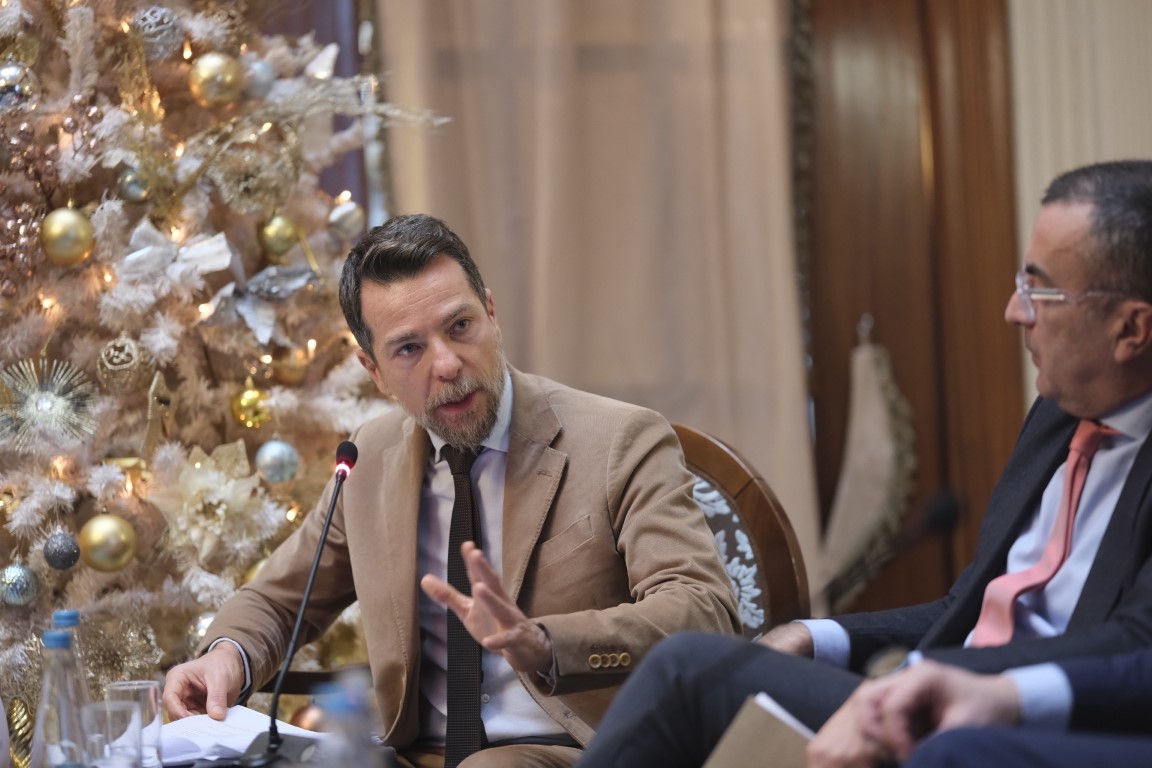
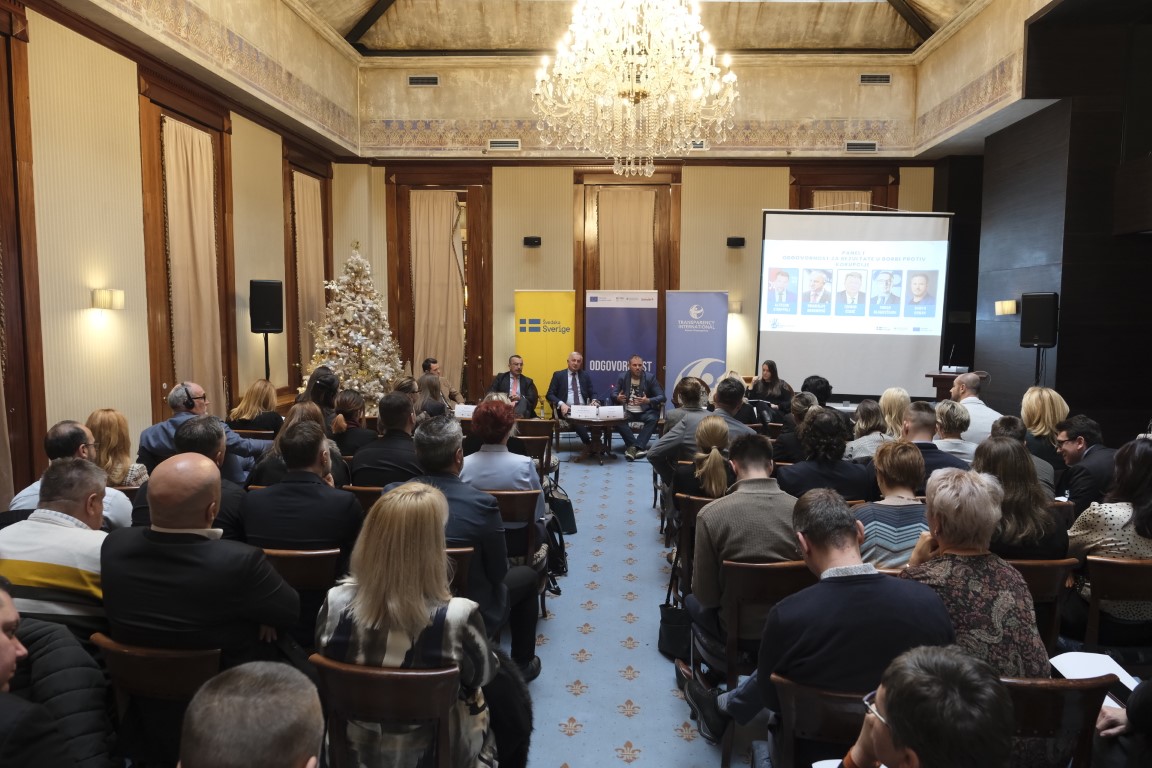
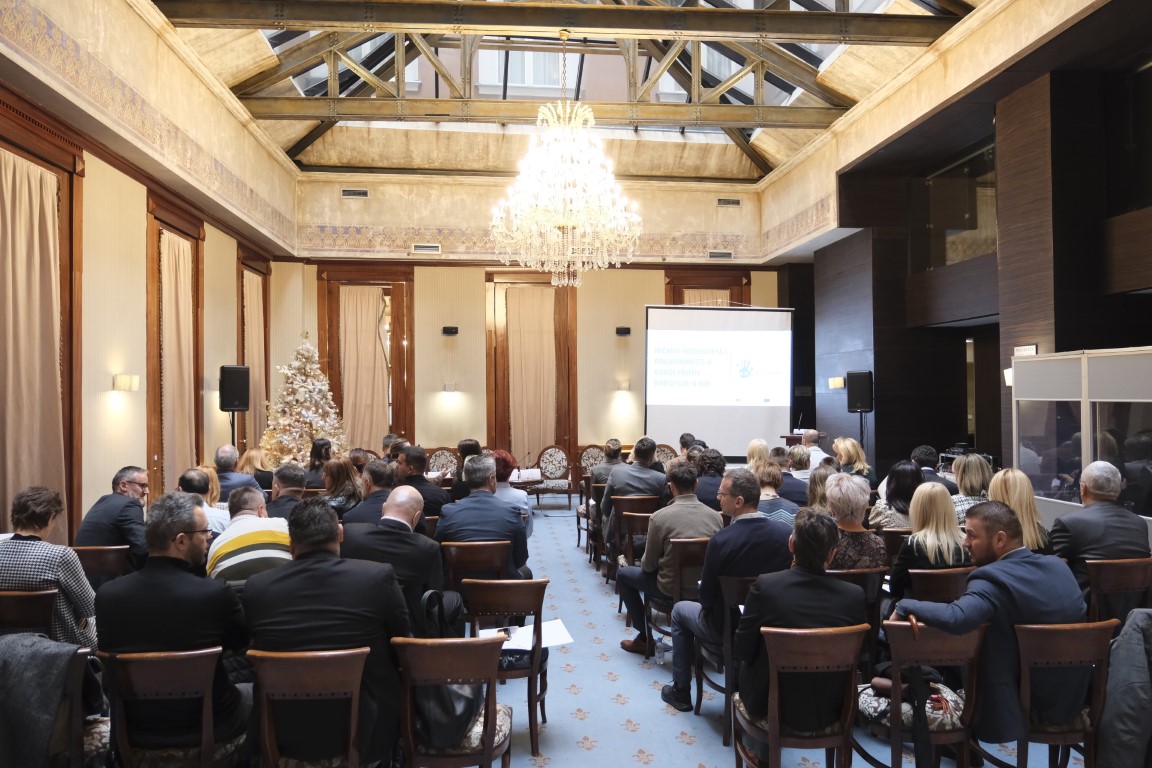
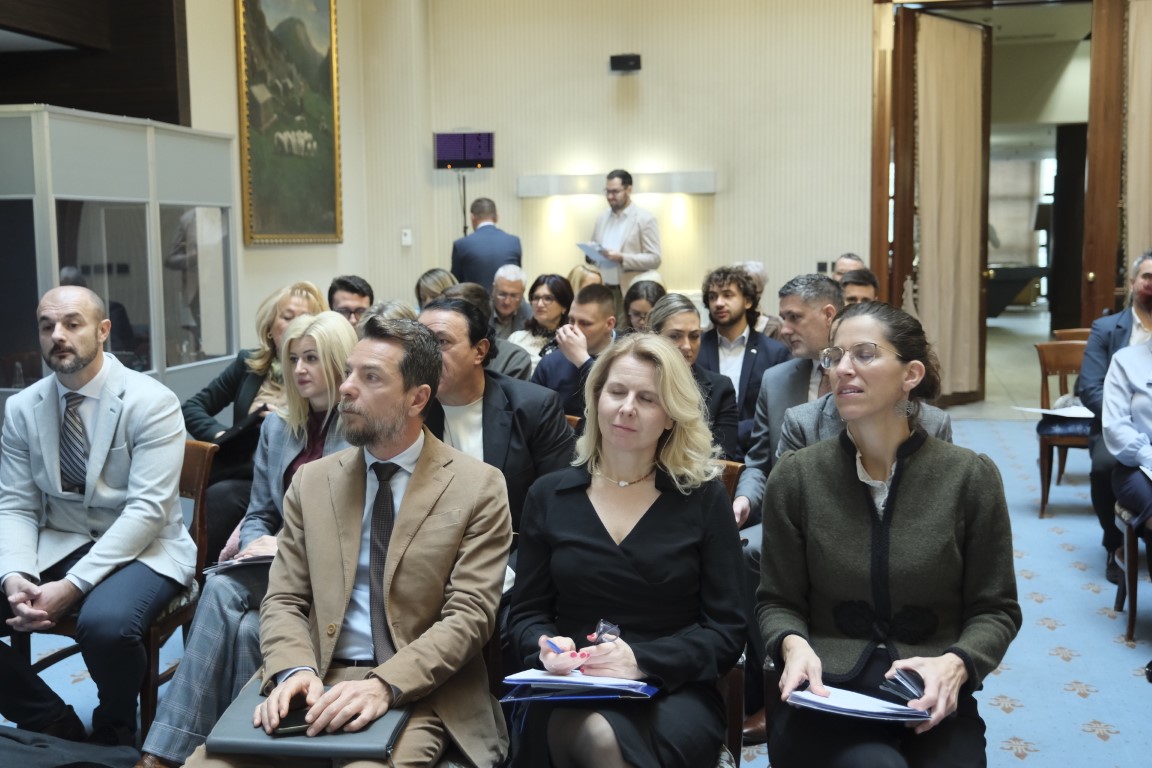
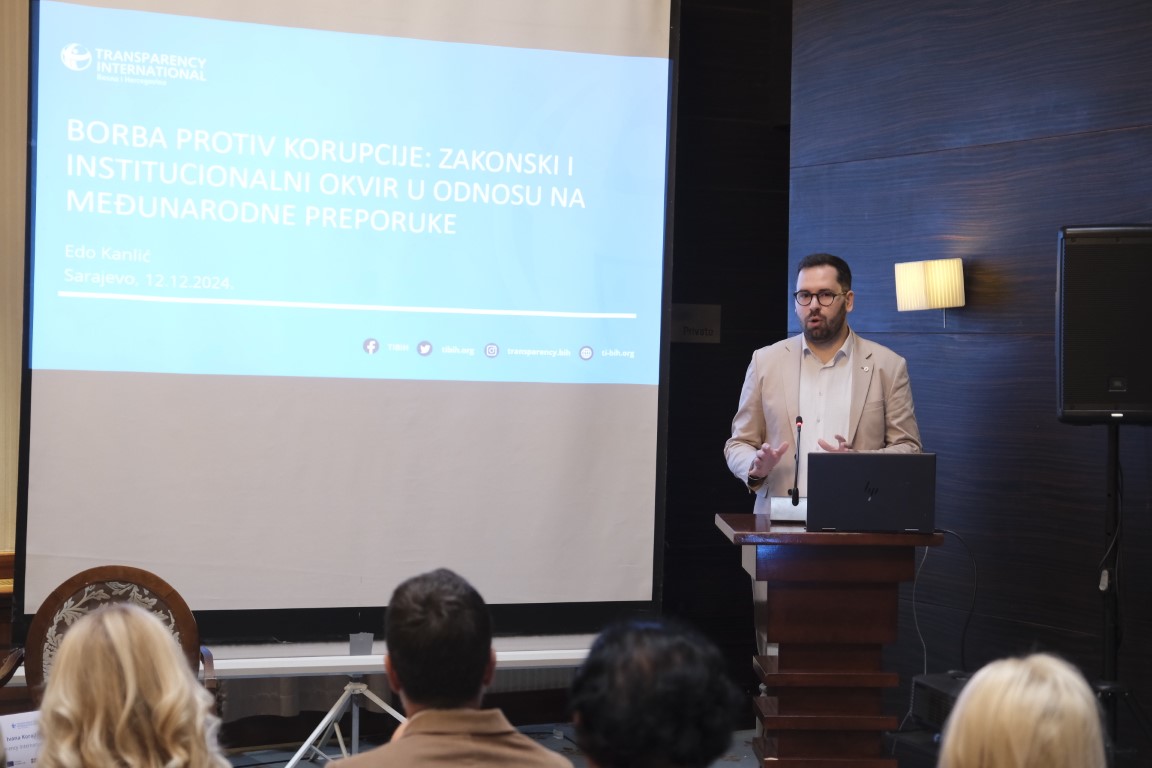
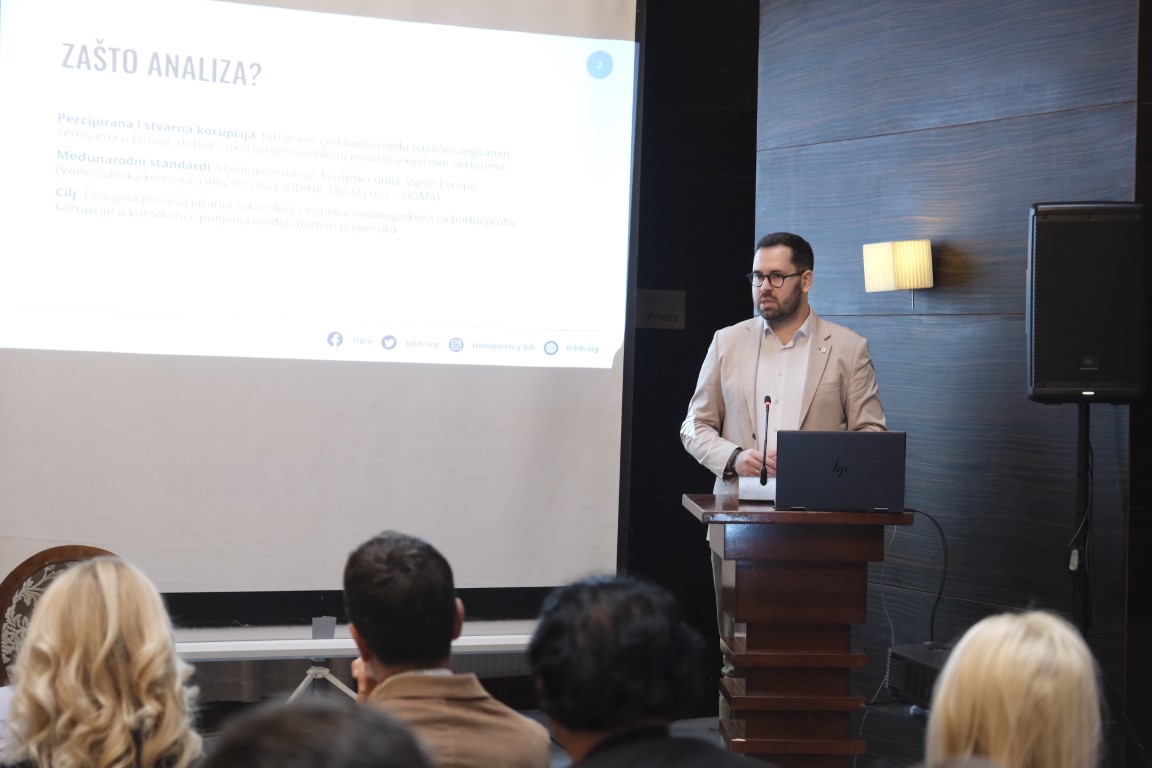
While citizens of Bosnia and Herzegovina expect the results in fighting corruption, especially high-level corruption, drafts of important laws have been waiting for adoption for years and the authorities in BiH show little will to establish independent and effective institutions for their implementation. These were the topics discussed at the conference “Strengthening Integrity and Accountability in the Fight Against Corruption in BiH.”

“Tackling corruption is vital primarily for Bosnia and Herzegovina and its citizens. On the other side, there can also be no progress towards EU membership without progress in the rule of law. Despite progress in strategies and investigations, the low number of final convictions in high-level corruption cases remains a serious issue. Institutional reforms, professionalizing anti-corruption bodies, and harmonizing efforts are critical for sustainable results. The EU will continue to support BiH’s efforts in strengthening the rule of law and fight against corruption,” said Aurelie Valtat, Head of European Integration, Political, Press and Information Section at the EU Delegation to BiH.

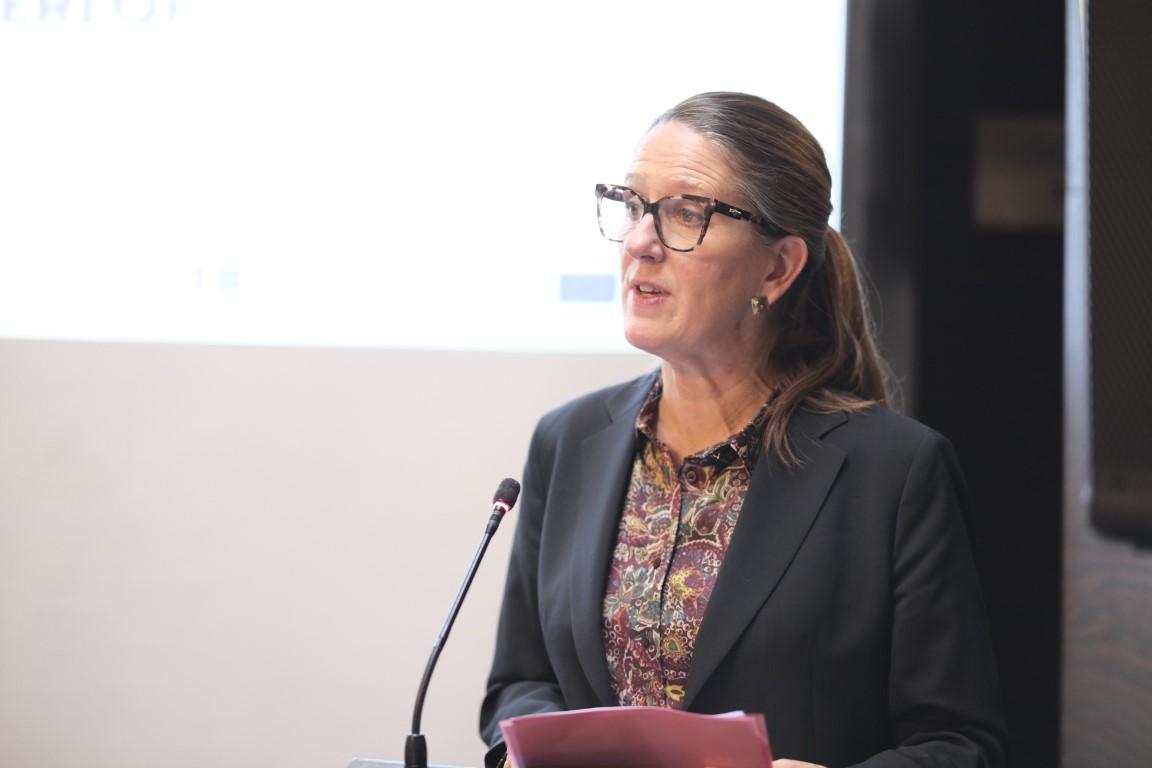
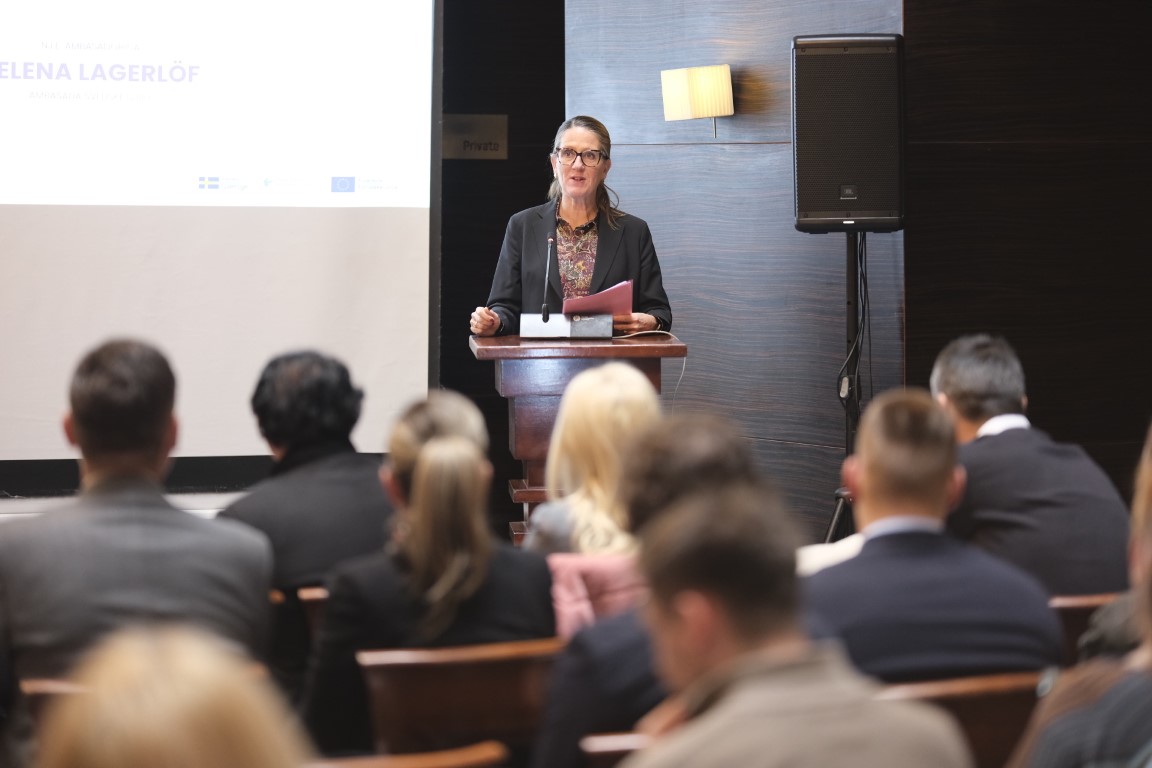
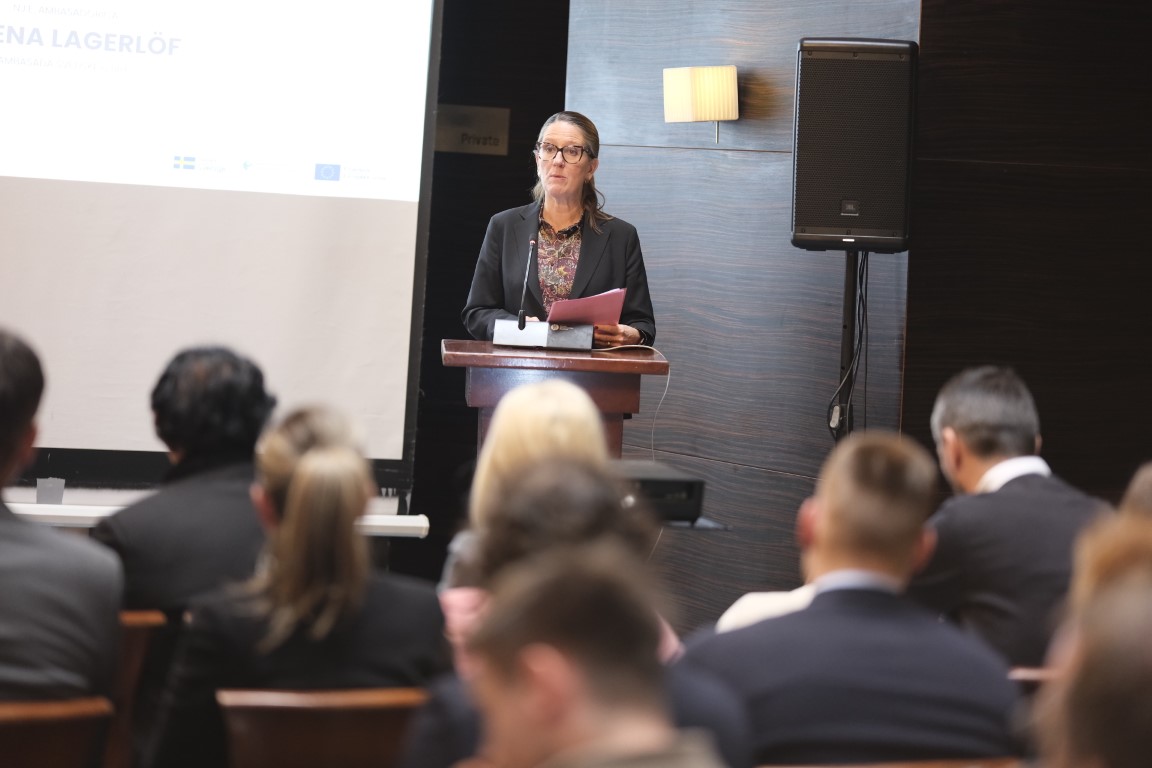
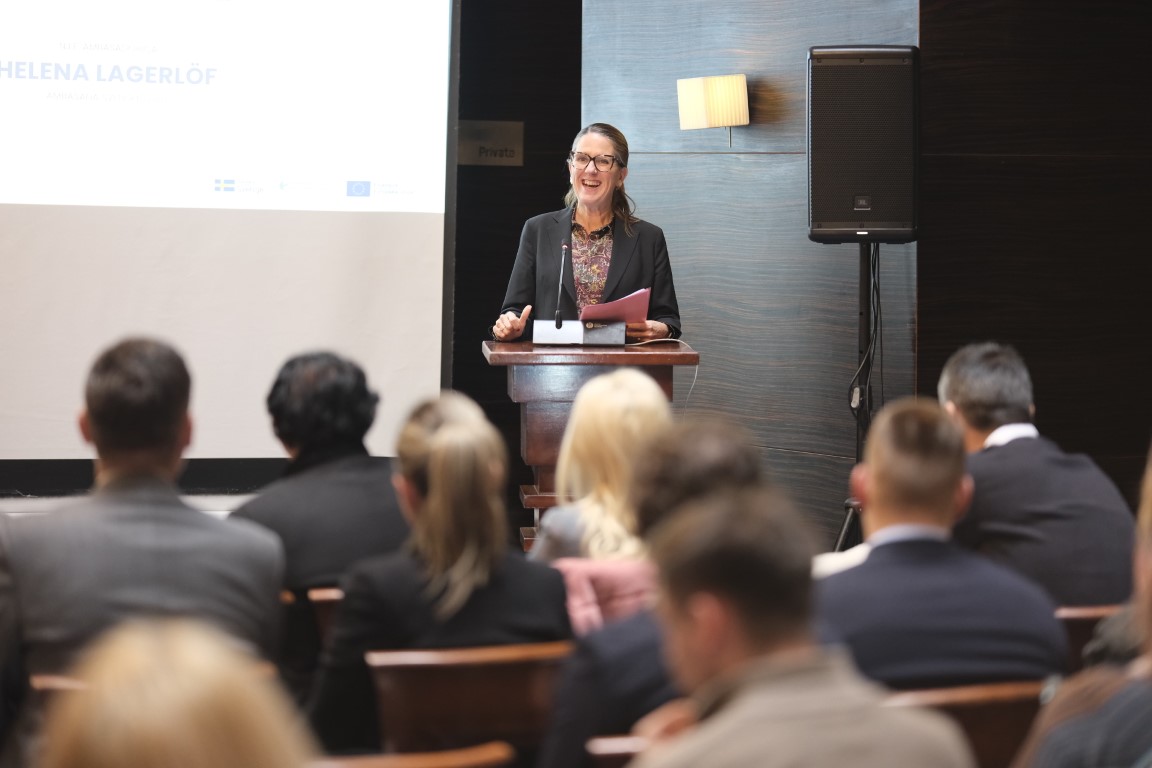
‘’Corruption remains one of the greatest threats to the progress of Bosnia and Herzegovina. But corruption is not an unavoidable component of governance, it can be combated with the correct strategies, policies, and leadership. Today’s decisions will shape the future of the generations to come, and it is imperative that those decisions are made with the highest ethical standards. Together with our partner Transparency International, Sweden supports Bosnia and Herzegovina to build alliances, share best practices, harmonize Anti-Corruption efforts, and support transparency and accountability’’, Ambassador of Sweden in BiH, H.E. Helena Lagerlöf, said.

The conference specifically highlighted the need for establishing efficient conflict of interest prevention system, aligned with international standards. There are delays in applying the law at the level of BiH institutions, which means that conflicts of interest at this level of government remains unaddressed. There has been no improvement in entity-level laws, with the situation remaining most alarming in the Federation of BiH, where for over ten years there has been no body responsible for deciding on conflicts of interest. As a result, more than 230 officials in the Federation are currently holding multiple positions, often presenting conflicts of interest, while institutions make contracts with the family businesses of public officials or appoint their family members to key positions without any responsibility or consequences. In Republika Srpska, recent amendments to the law have failed to improve the existing framework, while major shortcomings in the work of the competent Commission have further highlighted the urgency of comprehensive reforms to establish a consistent and efficient conflict of interest prevention system.

Deficiencies have also been identified in other areas, which, despite certain changes in the previous period, still hinder effective corruption prevention. A prerequisite for quality decision-making processes and efficient institutional oversight is the improvement and harmonization of freedom of information laws at all levels. It is also necessary to adopt a whistleblower protection law in the Federation of BiH, while at other levels of government, mechanisms for their protection need to be strengthened. This would provide better support for whistleblowers and more efficient detection of irregularities. The new provisions of the Election Law have not achieved their goal of preventing the abuse of public resources, highlighting the need for stronger control and accountability.
“The long-standing trend of worsening corruption in BiH, in addition to the devastating social and economic consequences, is also leading to paralysis and dysfunctionality within the institutional framework. This situation undoubtedly also has security implications, making the country a fertile ground for organized criminal groups and various extremist organizations. The standard of living of citizens is also strongly conditioned by the level of corruption, which is confirmed by the fact that GDP per capita in BiH is only 36% of the EU 27 average, which is even lower than the regional average of the Western Balkans,” said Srđan Blagovčanin, Chairman of the Board of TI BiH.

Press rls_12.12.24

TI BiH: 10.8 million BAM was spent on the election campaign. Parties continue to misuse public resources with impunity

Sarajevo, October 3, 2024 – Transparency International in Bosnia and Herzegovina presented results of the monitoring of election campaign expenses, which show that until...

Izvještaji za Mediae

TI BiH: 10.8 million BAM was spent on the election campaign. Parties continue to misuse public resources with impunity

Sarajevo, October 3, 2024 – Transparency International in Bosnia and Herzegovina presented results of the monitoring of election campaign expenses, which show that until October 1, the parties spent about 10.8 million BAM on billboards, advertisements in the media (television and print media), Meta companies ads and election rallies. The largest amount was spent by SNSD (1.6 million BAM), followed by SDA (1.3 million BAM), SDP BiH (1 million BAM), PDP (713 thousand BAM) and HDZ (643 thousand BAM). Most was spent on advertising on billboards (about 6.2 million), followed by pre-election rallies (2.6 million), while the value of advertising in the largest media is 1.6 million BAM. Additionally, according to data from the company Meta, 254,000 BAM have been spent on online ads through Facebook, Instagram, and Whatsapp so far.

These amounts represent only part of the costs, as they do not include the costs of advertising and pre-election rallies at the end of the election campaign, as well as other forms of advertising that cannot be estimated, such as the costs of Google ads, for which there is no open data. According to the new provisions of the Election Law, the parties were obliged to transfer all funds for campaign financing through a special account, and three days before the day of the election, submit to the CEC a final report on all transactions from that account, which includes sources of funding. TI BIH previously indicated that in previous years the parties reported significantly lower campaign expenses than those determined on the ground, because most did not have legal sources with which they could justify the millions.

More on the topic of financing and campaign costs in the dedicated text on Transparentno.ba

Party characteristics and signs on road opening, over 2,500 examples of misuse of public resources

In the last 3 months TI BIH observers recorded  over 2570 examples that can be characterized as the use of public resources for the election campaign or as a direct violation of the election legislation. 123 complaints were submitted to the competent institutions, and the Central Election Commission has so far imposed 18 sanctions in the total amount of 115,500 BAM, based on the complaints of TI BiH. These fines mostly relate to the premature campaign, part of the reports have not yet been acted upon, while numerous cases of misuse of public resources continue to go unpunished.

TI BIH already pointed to numerous examples of indirect vote buying through the distribution of one-time subsidies, through which approximately 60 million marks were distributed in the last three months, from all levels of government. Nevertheless, the CEC took the position that all one-time payments before the elections, which the government claims were planned in the budget, do not represent misuse of public resources, so numerous applications to TI BiH were rejected. In the campaign itself, the Government of the Brčko District allocates a one-time aid of 100 BAM to all pensioners, while the Government of Herzegovina-Neretva Canton gave 1,000 BAM to 5,700 budget beneficiaries. During the campaign itself, the President of the Republic of Srpska distributed 56 contracts on the allocation of small livestock to returnees in the Una-Sana Canton, while the Government of the Zenica-Doboj Canton allocated 200 BAM for over 8,100 budget beneficiaries.

The CEC has so far received a total of 140 reports for misuse of public resources, and by the beginning of the last week of the campaign, only 7 sanctions were issued, most of which were for misuse of means of communication and posting on social networks. In one of the most recent cases, the Mayor of Banja Luka was fined for promoting the distribution of cards for free transport to pensioners, although on the same basis the CEC had previously rejected the TI BIH complaint, and then conducted proceedings again for the same matter upon the application of another entity and imposed a sanction of 15,000 BAM.

The CEC also made a controversial decision on the complaint of TI BiH against SNSD, contested by the Court of Bosnia and Herzegovina, relating to promotion of the party at a series of gatherings near Banja Luka called “Krajiško veče”. In the original decision, the CEC thought it is not problematic that the speakers at these gatherings called for voting for the candidates of this party, but after the court’s decision, in a repeated procedure, a sanction was imposed for premature campaigning. It is particularly controversial that we do not know who pays for these manifestations, held before every election and represent a standard form of SNSD campaign.

In the campaign itself, the practice of electoral promotion through infrastructure projects continued, and the value of the started and completed works in addition to several larger projects in this pre-election period amounted to 589 million BAM. TI BiH also submitted new complaints to the CEC in numerous cases where these works were presented as a success of a party, but sanctions were imposed only because of a premature campaign. One of the recent reports refers to the NES candidate in Zavidovići, whose election poster was on the trucks paving the local roads. The Mayor of Žepče opened a local road before the pre-election rally, and at the event itself there were numerous HDZ symbols, even though the Election Law clearly prohibits campaigning at institutional events.

A complaint was filed against the Minister of Health of the Bosnian-Podrinje Canton, who is also a NIP candidate for the mayor of Goražde, for promoting free examinations with the logo of a political party, while a case from the Hospital “Srbija” in Stanari was reported to the CEC, where pre-election materials of the Ujedinjena Srpska were distributed at the patient reception desk. TI BiH has already informed the public about the reports against BiH Minister of Security Nenad Nešić because of the video in which he promises the voters in Visegrad to help candidates from this municipality in competition in police agencies “regardless of whether they are from SNSD or DNS. ” The report was also filed against Milorad Dodik for his speech at a pre-election rally in which he warned voters who do not vote for his party’s candidate “that they will have reduced life chances if they need surgery.”

47 examples of abuse of children for political purposes, 79 cases of increased employment before the elections, 77 examples of providing special benefits in the form of free examinations, public transport or other public services in the pre-election period were recorded. According to TI BiH reports, 41 persons were removed from the list of presidents of election committees and their deputies who were found to be connected to political parties, while the CEC refused to remove over 160 persons for whom TI BiH submitted evidence of their connection with political parties. It is evident that technical changes to the Election Law alone did not give the expected results in practice, both in punishing the abuse of public resources and in preventing the establishment of party control over election committees.


“TI BiH: The Central Election Commission (CEC) does not penalize the misuse of public resources, the Office of the High Representative (OHR) refuses to provide an authentic interpretation of the Election Law.”

Sarajevo, September 5, 2024 – In the past two months, Transparency International in Bosnia and Herzegovina (TI BiH) has submitted 90 reports related to violations of election...

Izvještaji za Mediae

“TI BiH: The Central Election Commission (CEC) does not penalize the misuse of public resources, the Office of the High Representative (OHR) refuses to provide an authentic interpretation of the Election Law.”

Sarajevo, September 5, 2024 – In the past two months, Transparency International in Bosnia and Herzegovina (TI BiH) has submitted 90 reports related to violations of election legislation. So far, the Central Election Commission (CEC) has imposed 14 sanctions based on TI BiH’s reports, totaling BAM 59,500 , mostly concerning premature campaigning, while sanctions for the misuse of public resources are still lacking. During the two-month pre-election period, through one-time payments to pensioners and other categories, typically of BAM 50, 100, or 200, all levels of government distributed around 53 million BAM, according to TI BiH data.

Despite the fact that the law has, for the first time, prohibited the indirect buying of votes through this type of one-time assistance to citizens, no one has yet been sanctioned under this provision. Only regular budget subsidies are exempt from this ban, but CEC has taken the position that all subsidies are considered regular if ‘paid from budgeted items,’ making it unlikely anyone will be sanctioned if this practice continues.

Since the announcement of the elections, the CEC has received a total of 70 reports from TI BiH and other entities regarding the misuse of public resources, many of which remain unresolved, and only two sanctions have been imposed, both for the misuse of communication resources. Because of this, TI BiH requested an authentic interpretation from the Office of the High Representative (OHR) back in July, which responded by stating that the interpretation of the law falls under the jurisdiction of the CEC.”

“Although we do not believe that the institute of authentic interpretation should be used in democratic systems, we remind that the amendments to the Election Law were imposed and not adopted through democratic processes and public discussions. Therefore, the OHR should show a minimum level of responsibility to ensure their adequate interpretation and application. Otherwise, it opens the door to inappropriate influences on the application of the law and arbitrary interpretations of these provisions, which significantly undermines their purpose and effectiveness,” stated Ivana Korajlić, Executive Director of TI BiH.

TI BiH has already pointed out numerous examples of one-time payments before elections, with the most recent examples including one-time assistance of BAM 100 to pensioners in Tuzla Canton and Bratunac, aid to students in Foča, Ljubuški and Ugljevik, as well as the distribution of ‘friendship cards’ for pensioners and free land plots for young people by the Mayor of Banja Luka. It should also be noted that the Government of the Federation of Bosnia and Herzegovina (FBiH) has announced a budget rebalancing during the election campaign and one-time assistance of BAM 100 and 200 to all pensioners, which was also done before the General Elections in 2022.

TI BiH has also published an interactive map identifying 593 examples of pre-election activities that started or were opened in the past two months, with a total value of 569 million BAM. The CEC has so far imposed sanctions on parties that boasted about pre-election works in the context of premature campaigning, while TI BiH is still awaiting decisions on a complaint against the state minister Sevlid Hurtić, who conducted an election campaign and took photos of public works financed at the local level in Doboj. Additionally, the CEC has been notified of a case involving the paving of local roads using funds from Forestry Romanija Sokolac, as these public works are being used for direct election campaigning by the company’s director, Strahinja Bašević, who is a candidate for mayor.

The practice of incumbency campaigning has continued, with TI BiH observers monitoring 350 events organized by public institutions over the past two months. At more than 75% events, election candidates were present, and 14% of the events featured political messages, which, according to the law, is also considered misuse of public resources. Decisions are still pending on complaints against the representative in the National Assembly of the Republic of Srpska (NSRS) and the SNSD list leader in Banja Luka, Vlado Đajić, who sent out pre-election messages at several public events. This candidate, as in the previous election cycles, has begun premature campaigning through billboards offering free medical check-ups to pensioners.

There have also been recorded cases of pre-election promotion, including the mayor of Vukosavlje at the ‘Gastro Fest’ in this municipality, the mayor of Ustikolina at a concert marking the municipality’s day, and the mayor of Gornji Vakuf and a minister from the Government of the Central Bosnia Canton (SBK) through the placement of posters at a football tournament.

There have been 41 documented cases of the misuse of children for political purposes, with 21 cases on the first day of school alone, where officials misused primary school students for their own promotion and election campaigning. Additionally, there have been 72 cases of increased hiring before the elections, 101 examples of premature campaigning, and 67 cases of providing special benefits in the form of free medical check-ups or other public services during the pre-election period.

There are also 14 examples of paid advertising by institutions promoting candidates, as well as the use of communication resources for election campaigning, which is prohibited by law. Notable examples include the mayors of Gradiška and Konjic, who use videos and other forms of campaigning to promote the achievements of their current city administrations.

TI BiH has long highlighted the problem of electoral conditions in Bosnia and Herzegovina, as the unpunished misuse of public resources gives a significant advantage to incumbent candidates. The recent amendments imposed by the High Representative have only partially sanctioned these abuses, but due to the lack of interpretation and narrow application, these provisions have not yet produced the expected results.

One positive aspect to mention is the increased interest of citizens in the electoral process. TI BiH has received 878 citizen reports through the Reflektor app regarding attempts to establish political control over election boards, premature campaigning, and misuse of public funds.


TI BIH PRESENTED A REPORT: SIGNIFICANT INCREASE IN PUBLIC SPENDING BEFORE THE ELECTIONS, AMENDMENTS TO THE ELECTION LAW DID NOT PREVENT ABUSE OF PUBLIC RESOURCES

Sarajevo, August 7, 2024: In the last month, Transparency International in Bosnia and Herzegovina submitted 50 reports to the competent institutions due to irregularities in the...

Izvještaji za Mediae

TI BIH PRESENTED A REPORT: SIGNIFICANT INCREASE IN PUBLIC SPENDING BEFORE THE ELECTIONS, AMENDMENTS TO THE ELECTION LAW DID NOT PREVENT ABUSE OF PUBLIC RESOURCES

Sarajevo, August 7, 2024: In the last month, Transparency International in Bosnia and Herzegovina submitted 50 reports to the competent institutions due to irregularities in the pre-election period, which mostly relate to misuse of public resources and premature campaigning. Based on reports from TI BiH, 11 sanctions in the amount of BAM 43,000 have been imposed on parties and candidates so far, but they mostly relate to the early campaign. On the other hand, the timing and opening of public works before the elections and the distribution of one-time financial aid to citizens are still the dominant form of behavior of public officials in the pre-election period, and the changes to the electoral law imposed by the OHR, which were supposed to prevent the abuse of public resources in practice, until now they did not give results.

By the TI BiH data all levels of government distributed over 29 million BAM to different categories of population in the past month through one-time aid. On the other hand, TI BIH published an interactive map where locating 350 examples of pre-election works that started or ended in the past month, the value of which is 139 million BAM. However, the Central Election Commission (CEC) has so far imposed only two sanctions for the abuse of public resources, related to the illegal use of means of communication, while no one has been sanctioned under the provision that prohibits the indirect purchase of votes through one-time monetary or non-monetary aid to citizens.

The reason is that the CEC considers all payments from the budget, which the authorities claim are planned because they were paid from budget, as “regular subsidies” and sees nothing objectionable in that, regardless of the fact that they are not regular monthly or annual payments, but one-time payments, usually from 50 or 100 BAM timed before the elections. Because of this, numerous applications of TI BIH for abuse of public resources were rejected, even though the CEC was provided with clear evidence that these were benefits that were timed before elections and were not paid earlier on a regular basis, said Ivana Korajlić, executive director of TI BIH.

TI BiH has already pointed to numerous examples where the payment of one-time aid to social categories in Nevesinje and East Novi Sarajevo, the organization of a free excursion for pensioners by the mayor of Sarajevo, and the distribution of cards for free public transportation to pensioners by the mayor of Banja Luka, are not considered misuse of public resources. In cases where parties promoted themselves on social networks through infrastructure projects and social benefits, sanctions were imposed against SDA, Nasa stranka, SDP and SNSD, but only for early campaigning, while it is difficult to expect, with this kind of practice, that someone will be sanctioned for the misuse of resources.

A decision is still awaited on the application against the mayor of Lukavac, who before these elections for the first time introduced one-time aid for veterans of BAM 100, while Ljubuski and Tomislavgrad introduced one-time benefits for students of BAM 200 each. In addition, the practice of official campaign continued, and of the 161 events of public institutions or institutions monitored by TI BiH observers, over 73% were attended by candidates for local elections, while at 16% of events political messages were presented, which is prohibited by law. We highlight the example of a concert organized for the Čelinac municipality day, where the SNSD candidates for the mayor of Banja Luka and the party’s list bearer addressed the gathered citizens, and a report was sent to the CEC due to the political messages they expressed.

18 examples of abuse of children for political purposes were also recorded, and in one of the decisions of the CEC, the application of TI BiH against the SNSD in Prnjavor was rejected with the claim that the materials distributed in the premises of the association of children with special needs did not contain party symbols, although clearly visible in the photos.

Also, 12 examples of paid advertising by institutions promoting candidates and the use of communication tools for the election campaign were recorded. In addition, TI BiH recorded 21 examples of providing special benefits to citizens, mostly related to free public services, examinations, concerts, trips and the like. Based on the TI BiH application, the CEC imposed a sanction against the Ujedinjena Srpska because the councilor of this party organized an action of free screenings with the political party’s logo displayed.

Two cases were reported to the Communication Regulatory Agency and the Press Council due to the publication of pre-election polls that do not contain relevant data, as well as the creation of street polls by the media, presented as a representative opinion of voters about the candidates, which is prohibited by law.

TI BiH has been pointing out for a long time that the misuse of public resources gives an inappropriate advantage to certain candidates in the elections, but for years the authorities have not had the ear to adequately sanction this phenomenon through changes in the legal regulations. The latest changes imposed by the High Representative introduced new provisions concerning the behavior of parties and officials in the pre-election period and the misuse of public resources, but due to different interpretations of the provisions themselves and the unwillingness to sanction these phenomena, the misuse of resources still remains a dominant feature of the campaign.

TI BIH invites citizens to get involved and report cases of violations of the electoral law or abuse of public resources in the campaign through the Reflektor application.

Initiative for changes to the law: Proposals for more transparent financing of political parties presented

Sarajevo, December 13, 2023 – Establishment of clear competences of the Central Election Commission of BiH (CEC BiH) for the supervision of party expenses, the obligation to...

Izvještaji za Mediae

Initiative for changes to the law: Proposals for more transparent financing of political parties presented

Sarajevo, December 13, 2023 – Establishment of clear competences of the Central Election Commission of BiH (CEC BiH) for the supervision of party expenses, the obligation to use unique bank accounts, the prohibition of receiving donations in cash with the obligation to pay donations to the party’s bank account, the expansion of prohibited sources of financing and the increase in sanctions are some of the proposals for increasing the transparency of political financing contained in the initiative to amend the law on political financing in BiH.

Proposals for amendments to the Law on Political Parties Financing were presented at the conference “Integrity of Political Financing in the Region” organized by Transparency International in BiH (TI BiH) in cooperation with the Central Election Commission of BiH in Sarajevo and contain recommendations from relevant international institutions such as GRECO, OSCE/ODIHR and EU as well as international standards for increasing the transparency and integrity of political funding.

The initiative contains proposals made by the Central Election Commission of BiH on the basis of continuous campaign monitoring and analysis of the political parties financing carried out by the TI BiH during several election cycles, indicating a large number of abuses and inadequate control mechanisms, as well as mild sanctions for political entities that violate laws.

TI BiH also highlighted additional changes that must be included, primarily relating to reporting on the financing and costs of independent campaigns of party candidates, financing by “third parties”, i.e. running campaigns through intermediaries and preventing misuse of public resources for the purpose of financing campaigns.

The conference, organized as part of USAID’s support to citizens in the fight against corruption, was opened by the US ambassador to Bosnia and Herzegovina, H.E. Michael Murphy stating that the campaign financing system in Bosnia and Herzegovina is marked by corruption because it was designed by politicians who try to stay in power at all costs.

“Bosnia and Herzegovina’s campaign finance system requires urgent, fundamental reforms as part of a broader effort to restore people’s faith in the country’s democratic institutions, especially as voters prepare to elect their local governments next fall,” Ambassador Murphy said in a message welcoming the recommendations for legislative reforms that TI BiH and CEC presented today.

President of the CEC BiH, Suad Arnautović, particularly emphasized the need for harmonization of regulations in the field of political parties financing and election campaigns, given that existing regulations at all levels of government regulate the distribution of budget funds and campaign financing differently.

Ivana Korajlić from TI BiH emphasized that the parties have a huge space for non-transparent financing and that they receive and spend much more for campaigns than reported, which was shown by TI BiH monitoring, showing a difference of 1.7 million BAM in reported expenses, in relation to what is real, as well as that out of 170 companies that donated funds to political entities in 2022, 70 of them won public procurement contracts in that year.

“We have no insight into the individual expenses of the parties, we don’t know who they pay and how much, which makes it difficult to monitor the actual costs of the campaign. 20 million BAM are allocated annually for financing parties from the budgets of all levels of government, without adequate mechanisms for auditing expenses,” Korajlić said, adding that the issue of political parties financing remained outside of the government’s priorities, and expressing the hope that this issue will come into the focus of decision-makers in order to prevent the misuse of public resources for campaign financing.

Representatives of competent institutions of the countries of the region also participated in the conference, presenting the best practices and procedures for preventing the misuse of public resources during the election process, as well as the supervision of the financing of political campaigns.

BIH Needs an Urgent Reform of the Electoral Legislation: Prevent Manipulations with the Counting of Votes, Trafficking in Election Committees, Misuse of Public Resources

Bosnia and Herzegovina needs an urgent reform of the electoral legislation in order to strengthen integrity and restore citizens’ trust in the electoral process before...

Izvještaji za Mediae

BIH Needs an Urgent Reform of the Electoral Legislation: Prevent Manipulations with the Counting of Votes, Trafficking in Election Committees, Misuse of Public Resources

Bosnia and Herzegovina needs an urgent reform of the electoral legislation in order to strengthen integrity and restore citizens’ trust in the electoral process before holding local elections. That is why it is necessary to solve the issue of manipulation with the counting of votes and voter lists, trade in election committees, misuse of public resources and illegal financing of political parties. These are the key messages of the “Improving Electoral Integrity” conference organized by Transparency International in BiH (TI BiH), where the final report of the monitoring of the 2022 election process was presented.

TI BiH data showed a huge increase in public spending during the election period, where over 313 million marks were spent on one-time social benefits before the elections, which can be directly attributed to indirect vote buying. TI BiH report also showed that key parties in BiH covered up at least 1.7 million BAM in election campaign expenses. It was also noted that BiH is significantly behind the neighboring countries that have regulated the issue of misuse of public resources and increase in public spending during the election period. This issue is still not regulated by the Electoral Law of BiH, which only partially sanctioned the abuse of public resources with the changes made by the High Representative in July last year.

At the conference, members of the Central Electoral Commission presented an overview of judicial practice which showed that the sanctions imposed by this institution for the misuse of public resources were largely overturned due to the inadequate legal definition and interpretation adopted by the Court of Bosnia and Herzegovina. The report of the CEC also showed that due to court practice, numerous sanctions for election committees were eventually canceled by court decisions, which is why this problem continues to represent one of the key shortcomings of the electoral process.

It was concluded that it is necessary to reform the electoral administration in order to put an end to the trade in election committees, and pointed out was the need to introduce electronic voter identification, scanners and other solutions preventing the theft of votes and other irregularities that characterized the election process. It is also necessary to regulate the behavior of parties and candidates in the election campaign, in order to sanction threats to voters and all other forms of pressure on officials and employees in the public sector.

Press rls_06.07.2023_

Conference on the Integrity of Political Parties Held, a Call for the Democratization of Political Parties

“Bearing in mind the importance of the parties themselves and their influence, as well as the fact that BiH is a country whose institutions are captured by the interests of...

Izvještaji za Mediae

Conference on the Integrity of Political Parties Held, a Call for the Democratization of Political Parties

“Bearing in mind the importance of the parties themselves and their influence, as well as the fact that BiH is a country whose institutions are captured by the interests of political leaders, key changes towards the democratization of political parties are necessary.“, is the message of the conference “Lack of integrity and ethics in political parties” which was organized today in Sarajevo by Transparency International in BiH (TI BiH) and the OSCE Mission in Bosnia and Herzegovina. The conference was attended by representatives of relevant international and civil society organizations, political parties, legislative authorities and the Central Election Commission of Bosnia and Herzegovina, and the common conclusion is that the intra-party structures and procedures by which they are guided have created a unique political system that has led to

a crisis in the legitimacy of state institutions and the lack of public trust in the democratic process.

Bosnia and Herzegovina, in addition to being rated as the country with the highest level of corruption in the Western Balkans and the third most corrupt in Europe, is increasingly described as a captive state and a hybrid regime, which is why it is necessary to limit the power and influence of political leaders. One of the ways to achieve this is the democratization of political parties.

“In Bosnia and Herzegovina, clientelism is a way for parties to mobilize voters and capture institutions, while the same parties are recognized in the eyes of citizens as the most corrupt social institutions,” said Srđan Blagovčanin, president of the TI BiH Board of Directors, during the presentation of the research results at the topic “Internal functioning and integrity of political parties: laws and practice”, which he concluded with the call that: “It is necessary to establish minimum standards of intra-party democracy with the aim of strengthening transparency, responsibility and integrity.”

In this direction, TI BiH has proposed a package of measures to improve this area, especially the Law on the Financing of Political Parties, which, among other things, includes the establishment and use of unique bank accounts for all parties, increasing the competence of the Central Election Commission in the process of auditing expenses, the obligation to publish financial plans, reports and all transactions, expansion of prohibited sources of financing, contributions and donations, more detailed definition of related persons and stricter and more detailed definition of offenses and sanctions.

A similar approach is advocated by the OSCE Mission in Bosnia and Herzegovina, reminding that the recommendations of ODIHR and GRECO, which refer to a clearer definition of rules in the field of campaign financing, have not yet been implemented.

“Introduction of effective, proportional and discouraging punishment for violations of campaign financing rules is necessary,” said Ahmed Rifatbegović, advisor for political issues of the OSCE Mission to Bosnia and Herzegovina, noting that “in order to ensure an adequate system of control, it is necessary to strengthen capacities of the Central Election Commission of Bosnia and Herzegovina, especially the Audit Service.”

Existing legal frameworks for functioning and financing of political parties, were discussed at the conference, as well as proposals for further steps and recommendations for improving the situation in this area.

“There is no single register of political organizations and their exact number is almost impossible to determine, and the laws on party financing are imprecise, outdated, unharmonized and vaguely prescribe the method of control,” said Nenad Simović, director NDI BiH adding that they have been working for some time to involve as many parties as possible in the process of defining a new, harmonized legal framework, expressing the hope that the parties in both entities in BiH will show interest in this process.

The conference, which represents the beginning of a dialogue on integrity and ethical standards in political parties, sent a clear message that further work on the integral and comprehensive regulation of the activities of political parties is necessary, first through laws that would additionally regulate the minimum standards of intra-party democracy, the way of their financing and introduced mechanisms of more effective control and more rigorous sanctioning.

At the conference organized by Transparency International in BiH (TI BiH) and the OSCE Mission in Bosnia and Herzegovina, Ahmed Rifatbegović spoke on behalf of the OSCE Mission to BiH, Radivoje Grujić on behalf of ODIHR, as well as Nenad Simović, director of NDI for BiH, representatives of the Central Election Commission of BiH and Srđan Blagovčanin, president of the TIBiH Board of Directors.

Press rls_01.06.23_

Before the elections, 278 million BAM from the budget was distributed to voters. The parties have spent 9.6 million BAM on the campaign

In the past three months, through one-time aid to different categories of population, according to TI BIH, 278 million was distributed, and 334 cases of ceremonies for completed public works before the elections were recorded, the value of which is about BAM 266 million, and 345 started projects worth BAM 1.1 billion .

Sarajevo, September 29, 2022 In the past three months, Transparency International in Bosnia and Herzegovina (TI BiH) recorded over two thousand examples of the use of public funds...

Izvještaji za Mediae

Before the elections, 278 million BAM from the budget was distributed to voters. The parties have spent 9.6 million BAM on the campaign

Sarajevo, September 29, 2022 In the past three months, Transparency International in Bosnia and Herzegovina (TI BiH) recorded over two thousand examples of the use of public funds for election promotion, and the Central Election Commission (CIK) received the first reports regarding this occurrence, which is prohibited by the latest amendments to the Election Law. TI BiH has so far submitted 70 reports to CIK, of which 16 refer to the misuse of public resources, which are regulated by the newly imposed provisions of the Election Law, which apply only during the official election campaign.

The reports mostly relate to the abuse of public institution events where some candidates campaigned, and how widespread this phenomenon is shows the fact that 76% of the 532 monitored public events involved candidates participating in the elections.

Two reports refer to the mayor of Zenica, who gave a pre-election speech during the official presentation of the new bus line to the citizens, while at the opening of a new playground, after the official ceremony and football tournament, he continued with the pre-election rally and concert where the candidates of his list were presented. Due to a similar case, the mayor of Laktaši, who organized a ceremony for the beginning of infrastructure works, where the city and SNSD were listed as organizers of the event, was also reported. HDZ was reported because officials of this party had party signs during an official visit to the hospital in Novi Travnik.

Also, the use of public companies’ equipment during the campaign was reported to CIK, and we single out examples from Drvar, where Public Company “Elektroprivreda HZ HB” put up pre-election posters of SNSD, while at the “Food Festival in Derventa” organized by this party, a vehicle from the fire department in Derventa was used. PDP was reported for misuse of a city billboard on which a poster promoting the mayor of Banja Luka and the candidate of that party was placed, promising citizens free legalization of residential facilities. Due to a similar situation, director of the University Clinical Center of the RS was also reported after placing dozens of billboards with his image promoting the RTRS film “From Vision to Victory”.

However, CIK rejected this report because the University Clinical Center stated that it did not pay for the billboards, but that they were rather donated by three companies that provide services for this type of advertising. The report was also rejected in the context of an early campaign with the explanation that it does not contain a pre-election message that could influence voters, even though CIK punished for similar cases in the previous period. That is why TI BiH also reported this case in the context of the Law on Financing of Political Parties.

Unfortunately, what TI BIH considers to be the biggest abuse of public resources, and is related to the increase in public spending before the elections, is still not punishable by the Election Law. In the past three months, according to TI BIH data, BAM 278 million was distributed through one-time aid to different categories of population, and among the most recent examples we single out the donation of 100 BAM from the Government of Federation of BIH at the end of the campaign to all unemployed persons, one-time aid to all employees of the Federation of BIH Railway in the amount of BAM 800, as well as two new tranches of BAM 100, to war veterans and youth in the Republic of Srpska. The SNSD president even directly admitted, at one of the pre-election rallies, that this money was given for the sake of the election, which was also reported to CIK in the context of misuse of public resources for election purposes.

Also, TI BIH published a map of pre-election works which shows that in the past three months, 334 opening ceremonies for completed public works before the elections were recorded, the value of which is about BAM 266 million. In the same period, 345 new projects worth BAM 1.1 billion were recorded, of which over 900 million refer to two sections of the highway, where start of construction is timed before the elections.

Election campaign costs

TI BIH also published the results of monitoring of the election campaign expenses, which show that the parties spent about BAM 9.6 million in the first three weeks of campaign. This amount was spent on billboards, advertisements in the media (television and print media), Facebook advertising and pre-election rallies, and by far the largest amounts were spent by SNSD (BAM 1.6 million ) and SDA (BAM 1.5 million ), followed by PDP and SDP, which have spent BAM 600,000 each on the campaign so far.

These amounts do not sum up to a total, because they do not include the costs of advertising and pre-election rallies in this last week of the election campaign, as well as the other forms of advertising that TI BiH did not monitor, but it can already be said that this is one of the most expensive election campaigns in BiH, because according to CIK data, the parties have never reported larger amounts.

Press rls_29.09.22_

See more

More on the costs of party promotion in the election campaign at Transparentno.ba: The most expensive election campaign – Parties have spent 9.6 million so far


More on the field and media monitoring process of pre-election activities of political subjects in BiH


Interactive map for monitoring the activities of political entities in the pre-election period


An overview of the placed advertising areas for external advertising of political entities during the 2022 election campaign.


TI BiH: Misuse of public resources for the election campaign is still dominant, a map of pre-election works and spending is also presented

During two months of monitoring the behavior of political parties and candidates, over 1,300 examples of the use of public resources for promotion were recorded with a significant increase in public spending, while 36 reports were sent to the Central Election Commission due to early campaigning, violations of the Law on Financing Political Parties and misuse of public resources.

Sarajevo, August 31, 2022 In the past two months, Transparency International observers in Bosnia and Herzegovina (TI BiH) recorded over 1,300 examples of the use of public...

Izvještaji za Mediae

TI BiH: Misuse of public resources for the election campaign is still dominant, a map of pre-election works and spending is also presented

Sarajevo, August 31, 2022 In the past two months, Transparency International observers in Bosnia and Herzegovina (TI BiH) recorded over 1,300 examples of the use of public resources for the promotion of parties and candidates and a significant increase in public spending in the pre-election period. 36 reports were sent to the Central Election Commission due to early campaigning, violation of the Law on Financing Political Parties and abuse of public resources, which unfortunately is not adequately regulated even by the latest amendments to the Election Law imposed by the OHR.

Thus, Central Election Commission rejected the first charges of TI BIH, because the ban on abuse of public resources only applies to the period of the official election campaign that starts on September 2, and everything that happened in the past period will go unpunished. For now, Comission has sanctioned only instances of early campaigning, and eight sanctions have been issued based on the charges of TI BIH.

TI BIH has been warning for a long time that the election campaign is being conducted with public funds, and one of the most recent examples is the paid promotion of the documentary movie “From vision to victory” broadcast by RTRS for the promotion of which dozens of billboards were placed with the image of the director of the University Clinical Center of the RS, Vlado Dajic, who is also a candidate for parliament. The same case applies to the paid billboards of the Public Institution “Drina National Park” promoting the director of this institution, Radomir Pavlovic, who is also a candidate for parliament, and both cases were reported to Central Election Commission. Although the campaign lasts 30 days, political parties have long since started holding open pre-election rallies, the largest number of which was held by the SDA. In a large number of them, the participation of employees in public institutions and even police officers was noticed.

In the past period, a large number of examples of abuse of events organized by public institutions for the promotion of parties and candidates have been recorded, but unfortunately this phenomenon is prohibited by law only during the official election campaign. TI BIH observed 350 public events organized by institutions, and 67 percent were attended by candidates in the elections. As many as 32 events in the past two months refer to concerts organized by local communities, and at one of them, during the “Zenica Summer Fest”, Mayor Fuad Kasumovic gave political speeches and indirectly called for voting.

At concerts at “Zvornik Summer”, graphic solutions in the colors of the SNSD were used, while at one of the concerts in Banja Luka, the audience was shown a video with the fulfilled pre-election promises of the current mayor. In Banja Luka and the surrounding local communities, a series of “Krajisko vece” events were held, where SNSD candidates were directly promoted, and these events are organized by an agency that receives significant public funds through a tender.

Unfortunately, unlike neighboring countries, Bosnia and Herzegovina did not introduce a limit on public spending in the pre-election period, which is again this year a key resource that is being misused when buying votes and promoting candidates.

That is why TI BIH has published an online map of pre-election works, the beginning or end of which has been promoted in the past two months. The data show that in the entire BiH from July 1st, 249 works worth BAM 845 million started, 227 works worth BAM 175 million were completed, and the total value of public works in these two months has already exceeded the annual value of all works that, according to the data of the Public Procurement Agency, were contracted all last year. An additional practice that has been introduced is the presentation of construction plans for infrastructure facilities, for which procedures have not yet been initiated, and in the previous two months the value of such promised projects is over BAM 500 million.

A significant increase in one-time financial help aimed at various population groups was also recorded, where in most cases it was done as the indirect purchase of voter support with public funds. Thus, since July 1, over BAM 200 million have been distributed to citizens through one-time grants from all levels of government, and the most significant are the entity governments’ allocations of over 100 million for one-time aid to pensioners, veterans, youth and social categories. In addition to these, which TI BiH has already reported, one-time electricity subsidies of BAM 100 are issued for 70,000 users in FBIH, assistance from the Government of Tuzla Canton to all pensioners in the amount of BAM 100 each, assistance from the Government of Herzegovina-Neretva Canton to the unemployed in the amount of BAM 100, assistance from the Municipality of Prnjavor for young people going on excursion and one-time help to medical workers in Banja Luka, Drvar and Prijedor. There were also 17 cases of salary increases for employees in the public sector, as well as 41 examples of increased employment in public institutions and companies.

TI BiH points out that all these examples, as well as the significant increase in public spending in the pre-election period, show that the conditions for fair and honest elections have not been created in BiH, because candidates and parties with public resources have a significant advantage. Even after the official start of the election campaign, TI BiH will continue to monitor the activities of officials, parties and candidates, especially focusing on violations of the rules of conduct in the campaign, abuse of public resources, pressure on voters and other phenomena, and will also monitor the campaign expenses of individual parties.

TI BiH therefore once again invites citizens to report all these irregularities via the mobile application Reflektor: Izbori 2022, which enables quick and easy registration, and which can be downloaded via the link: https://reflektor.ba/

Press rls_31.08.22_


TIBIH published monitoring results: Huge increase in pre-election public spending, numerous examples of abuse of public resources for electoral purposes

Over the past month, Transparency International observers in Bosnia and Herzegovina (TI BiH) recorded over 690 examples of the use of public resources for the promotion of parties and candidates and a significant increase in public spending in the pre-election period.

Sarajevo, August 2, 2022: Political parties have already started holding pre-election rallies and paid election campaigns, which are prohibited by the Election Law before the...

Izvještaji za Mediae

TIBIH published monitoring results: Huge increase in pre-election public spending, numerous examples of abuse of public resources for electoral purposes

Sarajevo, August 2, 2022: Political parties have already started holding pre-election rallies and paid election campaigns, which are prohibited by the Election Law before the official start of the election campaign, which is why TI BIH sent 22 reports to the Central Election Commission. In addition to the premature campaign, abuses of voter list as well as violations of the Law on Financing Political Parties were reported to the Central Election Commission.

However, the key abuses of public resources that take place in the election campaign are not prohibited by law, or even by the imposed amendments to the Election Law by the OHR, which, as it was said, were supposed to improve election integrity. With these changes, among other things, running a campaign at events organized by public institutions is also considered abuse of public resources, and in the past period, a large number of examples of official campaigns and abuse of institutions’ events for the promotion of candidates have been recorded.

Of the 175 public events monitored by TI BiH observers, which were organized by public institutions and companies and financed with public funds, 76% featured candidates in the General Elections, and in many cases, it was about their direct promotion. We highlight the example of the “spectacular concert” on the occasion of the Day of the Municipality of Čelinac , where the concert of five pop artists was paid for with public funds, and before their performance, four SNSD candidates appeared on stage and sang, gave speeches and invited the gathered citizens to vote.

A similar thing happened at the Days of Return event supported by the FBiH Government, where their names were highlighted on the ice billboard behind the podium where Bakir Izetbegović and Edin Ramić were speaking, along with a graphic solution similar to the one under which the SDA had already started the election campaign. Through the monitoring of public events, TI BiH observers also recorded cases of hate speech.

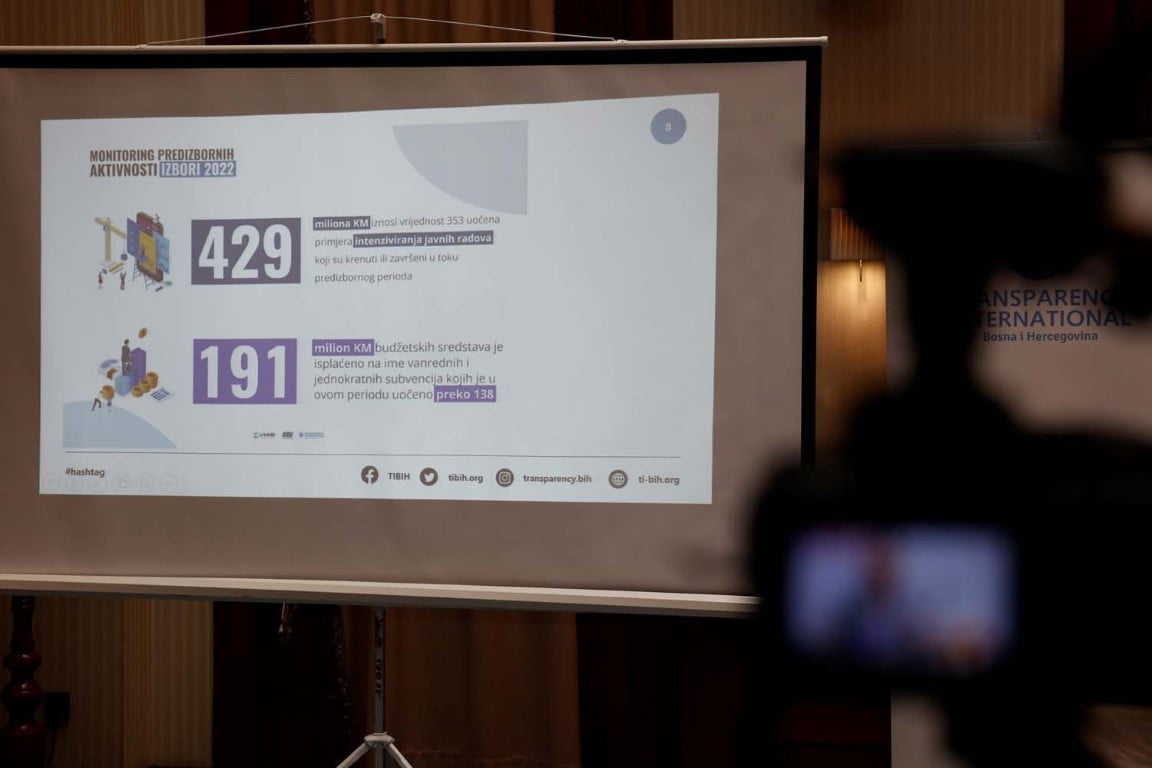
Unfortunately, unlike neighboring countries, BiH did not introduce a limit on public spending in the pre-election period, which is a key resource that is misused to buy votes and promote parties and candidates. TI BiH observers recorded 353 public works that were started or finished in the past month, and their value is 429 million KM. This is about 20 million more than was spent on public works, according to the data of the Public Procurement Agency, in the second and third quarters of last year.

Also, 138 cases of extraordinary and one-time budget payments to certain categories of the population were recorded, where in most cases it is indirect vote buying. For this purpose, just for the recorded examples, 191 million KM was distributed, which includes two large cases where entity governments allocated over 100 million KM for one-time assistance to pensioners, veterans and young people, and everything will be realized before the elections.

In addition, an additional 90 million KM was distributed through other benefits, and among the most significant benefits are the assistance of the Government of Tuzla Canton to pensioners of 100 KM (a total of 3.5 million), the assistance of the Government of Zenica-Doboj Canton to mothers in labor of 1000 KM (a total of 11 million KM) and a one-time assistance to the unemployed persons of 100 KM in the Herzegovina-Neretva canton. This canton also provided payment of health insurance to religious officials, while something similar was announced in the Republic of Srpska.

There were also 11 cases of salary increases or one-time payments to employees in public institutions and companies, as well as 19 cases of increased employment in the public sector. Although it is not in dispute that the salaries and incomes of budget beneficiaries are increased, in a large number of cases, these are one-time benefits and are used to collect electoral support.

In addition, 24 cases of providing special benefits and providing numerous public services that became free before the elections were recorded. We single out examples where UKC RS organized a free trip for retired workers of this institution, where the director, who is also a candidate for parliament, distributed cards offering priority during medical examinations.

The municipality of Jablanica provided free transportation for young people to the Jablanica lake, the municipality of Kozarska Dubica stopped charging for parking, municipality of Zavidovići formed a team for free verification of documents for educators without permanent employment, etc. There were also 19 cases of increased employment of workers in the public sector before the elections.

At the press conference in Sarajevo, TI BiH also presented the mobile application Reflektor: Izbori 22 , with which all citizens can report election irregularities, violations of the law and misuse of public resources in the campaign, and specifically appealed to citizens to report all forms of pressure on voters, vote buying and threats to voters.

Press rls_02.08.22_ (en)

TI BiH strongly condemns the imposition of amendments to the Election Law

The decision of the High Representative to impose amendments to the Election Law two months before the elections is unacceptable, undemocratic and inexplicable.

Banja Luka, 28 July 2022 – TI BiH feels that the imposition of amendments to the Election Law by the High Representative is completely unacceptable, and strongly condemns...

Izvještaji za Mediae

TI BiH strongly condemns the imposition of amendments to the Election Law

Banja Luka, 28 July 2022 – TI BiH feels that the imposition of amendments to the Election Law by the High Representative is completely unacceptable, and strongly condemns this step, considering it to be irreconcilable with the principles of democracy.

The imposition of amendments to the Election Law, even if they are only “technical”, a mere two months prior to election day, is a breach of the fundamental principle that legislation impacting the holding of elections should not be changed after the call for elections has been issued, and is instead a total suspension of democratic procedures, public debate and participation of relevant institutions which are normally involved when devising solutions so pertinent to the integrity of the election process. In addition, if the imposed amendments are expected to be implemented during the current election cycle, they can seriously jeopardize the ability of the election administration to hold the elections, which can cause legislative uncertainty and bring about additional issues in holding the elections.

Unfortunately, this practice is just a continuation of electoral reform processes previously set in motion by the international community in BiH, which have proven to be highly non-transparent and exclusive, leaving room for manipulation and raising tensions.

Furthermore, the imposed amendments, except in the segment on penal provisions, do not bring any essential improvements to the election process, but instead represent merely superficial and partial solutions, not even including proposals already made by the relevant institutions and organizations. For example, the imposed amendments cover the issue of trading in seats on election boards, but do not in any way address the manner of selection of members to the election boards and to municipal election committees.

Provisions on preventing the misappropriation of public resources do not cover key forms of misuse through employment and public expenditure, nor do they address other issues relevant to monitoring the behaviour of political subjects, independence of the election administration, and transparency and objectivity of the election process. Having in mind the nature of the imposed amendments, which do not essentially resolve key issues, it even less clear that why such amendments should be imposed by a decision from the High Representative.

In addition, announcements of impositions and other amendments to the Election Law and FBiH Constitution, which would endanger the core rights of BiH citizens and work towards ethnic nationalist policies, have only served to needlessly open up room for destabilization and raising tensions in the already strained political situation in BiH. This is contrary to the very role originally assigned to the institution of the High Representative, and seriously endangers the credibility and justifiability of the continued existence of the Office of the High Representative as an institution, since it is becoming part of the problem, instead of the solution, for issues of the utmost importance to the citizens of BiH.

TI BiH would like to reiterate that as far back as in 2004, the Parliamentary Assembly of the Council of Europe warned that the fact that the High Representative has a broad mandate and yet is not accountable to the citizens of BiH is contrary to basic democratic principles, while the 2005 Opinion of the Venetian Commission warned that the longer such mandate remains in place, the more problematic it becomes, because it leaves long-lasting effects on the development of democracy, i.e. it fosters a situation in which local institutions and political parties shy away from assuming responsibility for reforms, let alone making compromises.

Press rls_28.07.22_en

TI BIH has started monitoring the pre-election process: Invitation to citizens to report election irregularities

Transparency International in Bosnia and Herzegovina (TI BIH) has started monitoring the pre-election process, which it will conduct in the next three months through field observers in more than 80 local communities.

The focus of the monitoring will be the behavior of parties and candidates, misuse of public resources for party promotion, assessment of election campaign costs, as well as the...

Izvještaji za Mediae

TI BIH has started monitoring the pre-election process: Invitation to citizens to report election irregularities

The focus of the monitoring will be the behavior of parties and candidates, misuse of public resources for party promotion, assessment of election campaign costs, as well as the behavior of public institutions and companies in the pre-election process. Also, all violations of the rules of conduct in the pre-election period, as well as threats to voters and all forms of pressure on voters, will be monitored.

TI BiH will report all observed irregularities to the competent institutions, and based on the first reports from the field, the Central Election Commission has already been sent the first reports about potential irregularities regarding voter lists as well as premature campaigns by parties and candidates. In addition to field observation, this year special attention will be paid to monitoring the digital and online space, and in order to determine violations of the rules of conduct in the pre-election period, the costs of online advertising will be calculated and all examples of premature or inappropriate paid advertising will be recorded.

During the monitoring of the pre-election process in 2020, Ti BiH recorded over 2,400 examples of abuse of public resources for the election campaign, and during the monitoring of only two forms of advertising, it was determined that the parties concealed at least 1.6 million KM of election campaign costs. In that period, TI BiH sent more than 120 reports to the institutions, and based on numerous reports, the CEC imposed penalties on political entities under its jurisdiction.

That is why TI BIH calls on citizens to report all cases of irregularities, which includes buying votes and offering public services in exchange for votes, manipulation of voter lists and election engineering, threats to voters, misuse of public funds for party promotion, paid advertising before the start of the election campaign and all other election irregularities.
TI BIH has also developed the free application “Reflektor: Elections 22” for easier registration, with which citizens can quickly, easily and

anonymously report all irregularities and abuses during the election process. The application is adapted for all Android and Apple smart devices, it can be downloaded from this link as well as from the website reflektor.ba.
TI BiH hereby appeals to all participants in the election process to adhere to the rules and laws that define the behavior of political subjects in the period from the day of the announcement to the holding of the election itself, in order to enable the elections to be held in a just and fair atmosphere.

Monitoring of pre-election activities is carried out by TI BiH within the framework of the project “Support to citizens in the fight against corruption”, which is financially supported by the United States Agency for International Development (USAID), which is carried out together with partner organizations, the Centers for Civil Initiatives (CCI) and the Center for Media Development and Analysis (CRMA).

Press rls_07.07.22_

Get involved

Don't miss it

If you want to receive our announcements immediately after the publication, leave your e-mail address in the field below.