Press releases

Key dates

Conversion decisions covered nearly 29 km² of forests; the public often does not know why or in whose favor

Sarajevo, 23 September 2026 – In Bosnia and Herzegovina (BiH), during the period from 2014 to 2024, a total of 2,863.46 hectares of forests and forest land—equivalent to 29...

Izvještaji za Mediae

Conversion decisions covered nearly 29 km² of forests; the public often does not know why or in whose favor

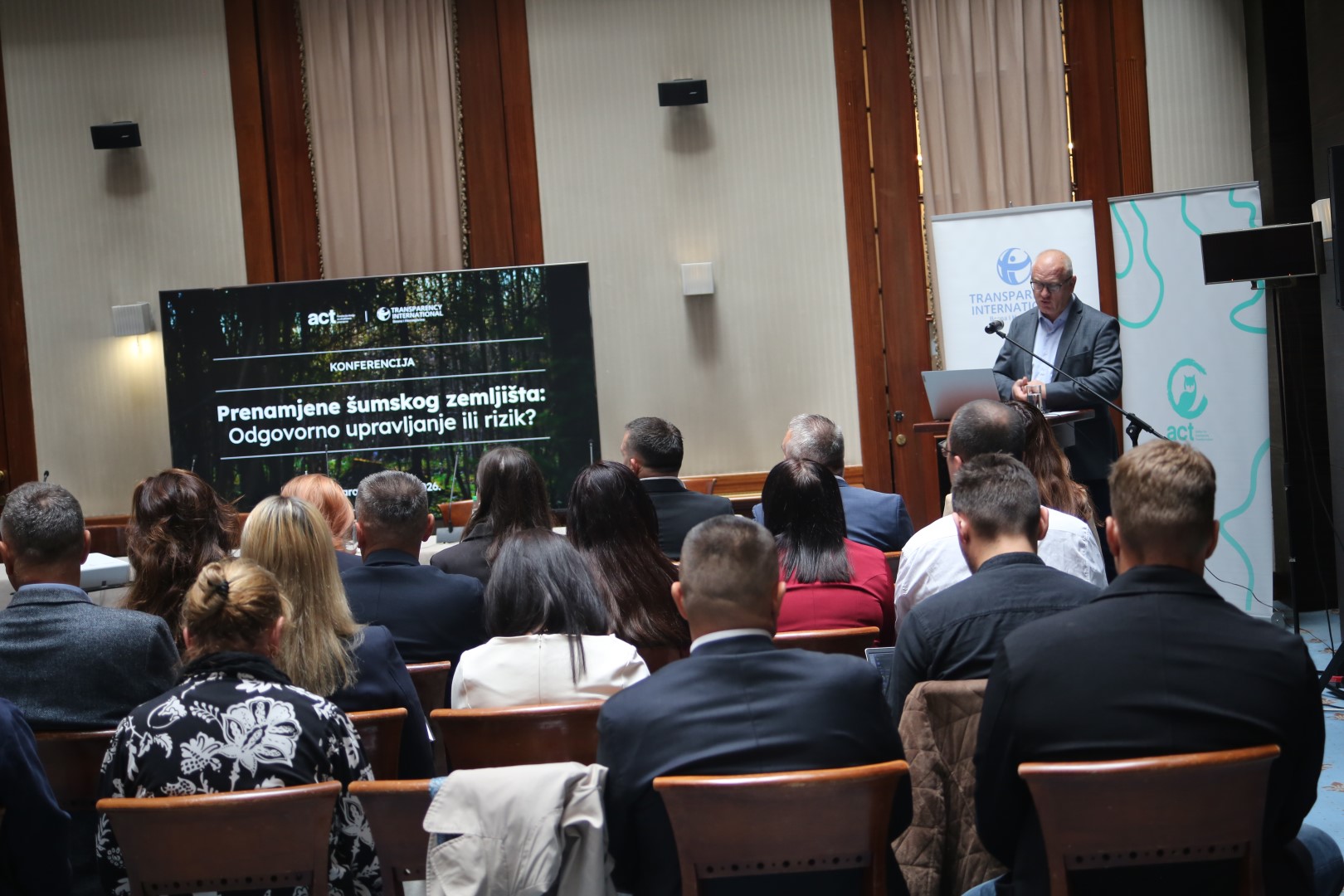
Sarajevo, 23 September 2026 – In Bosnia and Herzegovina (BiH), during the period from 2014 to 2024, a total of 2,863.46 hectares of forests and forest land—equivalent to 29 square kilometers—were covered by 1,398 recorded conversion permits. Of this, 18.6 km2 pertains to Republika Srpska, where 977 permits were recorded, and 10 km2 to the Federation of BiH, where 421 permits were recorded, according to research by the Foundation Atelier for Social Change – ACT and Transparency International in Bosnia and Herzegovina (TI BiH).

More than half of the recorded area—approximately 1,645 hectares or 57 percent—was converted for the realization of concession agreements, and the research shows that the public often lacks access to decisions, expert documentation, and justifications from which it could be determined why the conversion was approved, who benefits from it, and what obligations the investor assumes.

In Republika Srpska, 1,072 hectares of forest were cut down for concession purposes, while in the Federation of BiH that area is half as large, approximately 573 hectares over ten years. An interesting finding is that the area covered by decisions in FBiH grew from 87.19 ha in 2017 to 163.1 ha in 2018, which is nearly a doubling, for which two wind farms in Canton 10 are primarily responsible. These are the “Široka Draga” facilities on the territories of the municipalities of Livno, Tomislavgrad, and Posušje, and “Slovinj” near Glamoč, for the construction of which 70% of the total forest territory ceded for the realization of concession agreements in BiH in 2018 was converted.

The data also show pronounced territorial concentration: around 85 percent of the recorded area converted in the Federation of BiH is located in three cantons—namely, Zenica-Doboj Canton (ZDK), Herzegovina-Neretva Canton (HNK), and West Herzegovina Canton (HŽ).

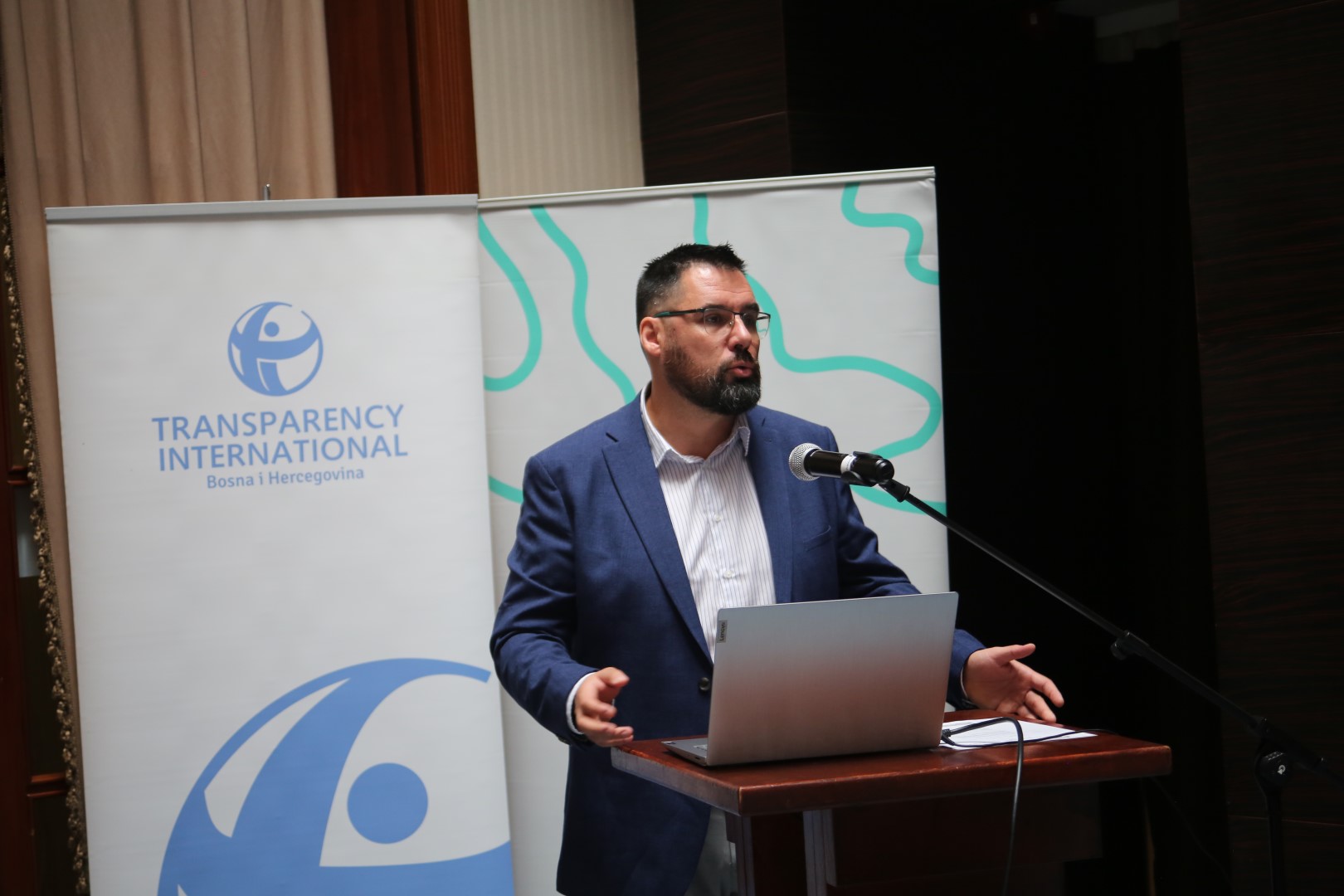
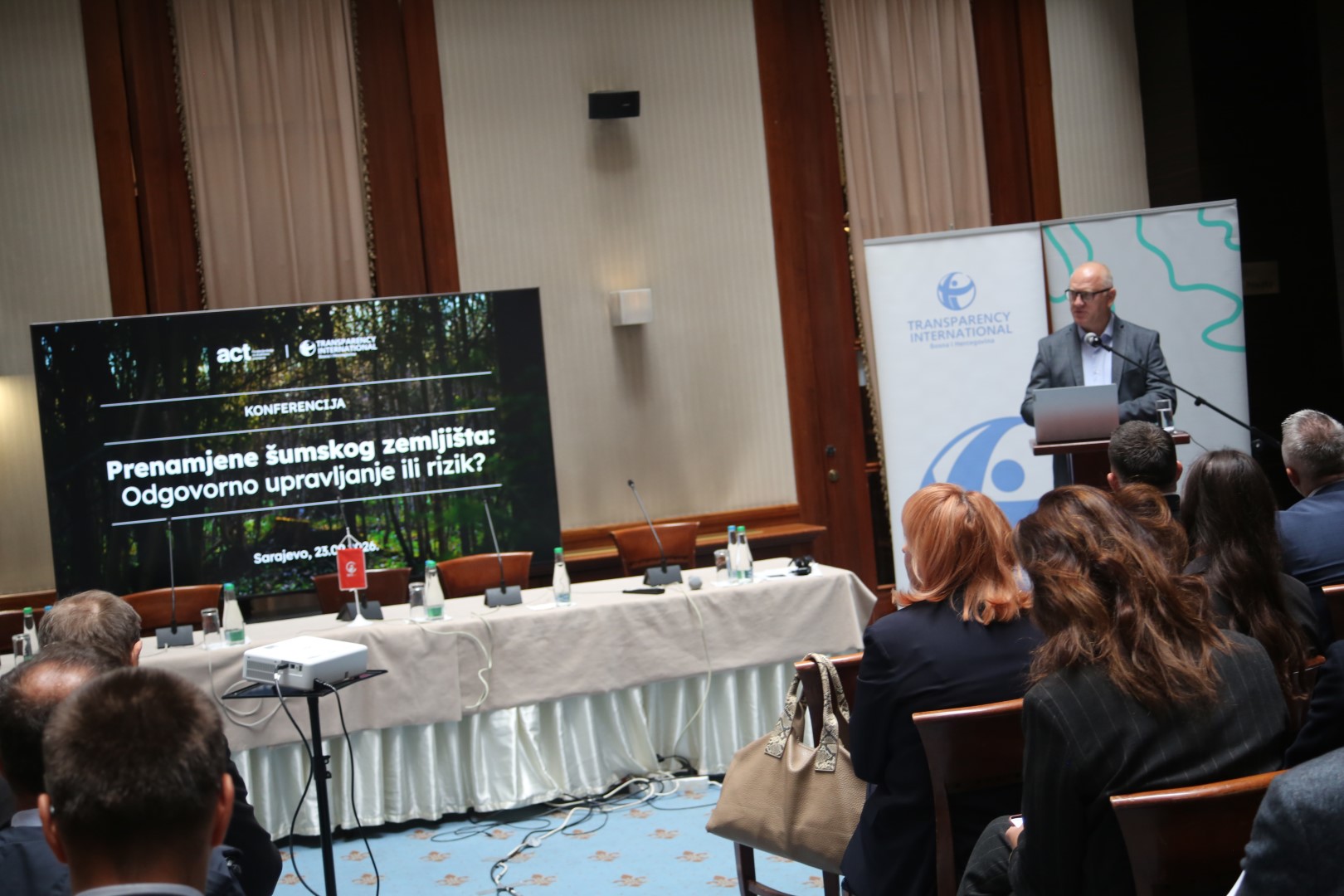
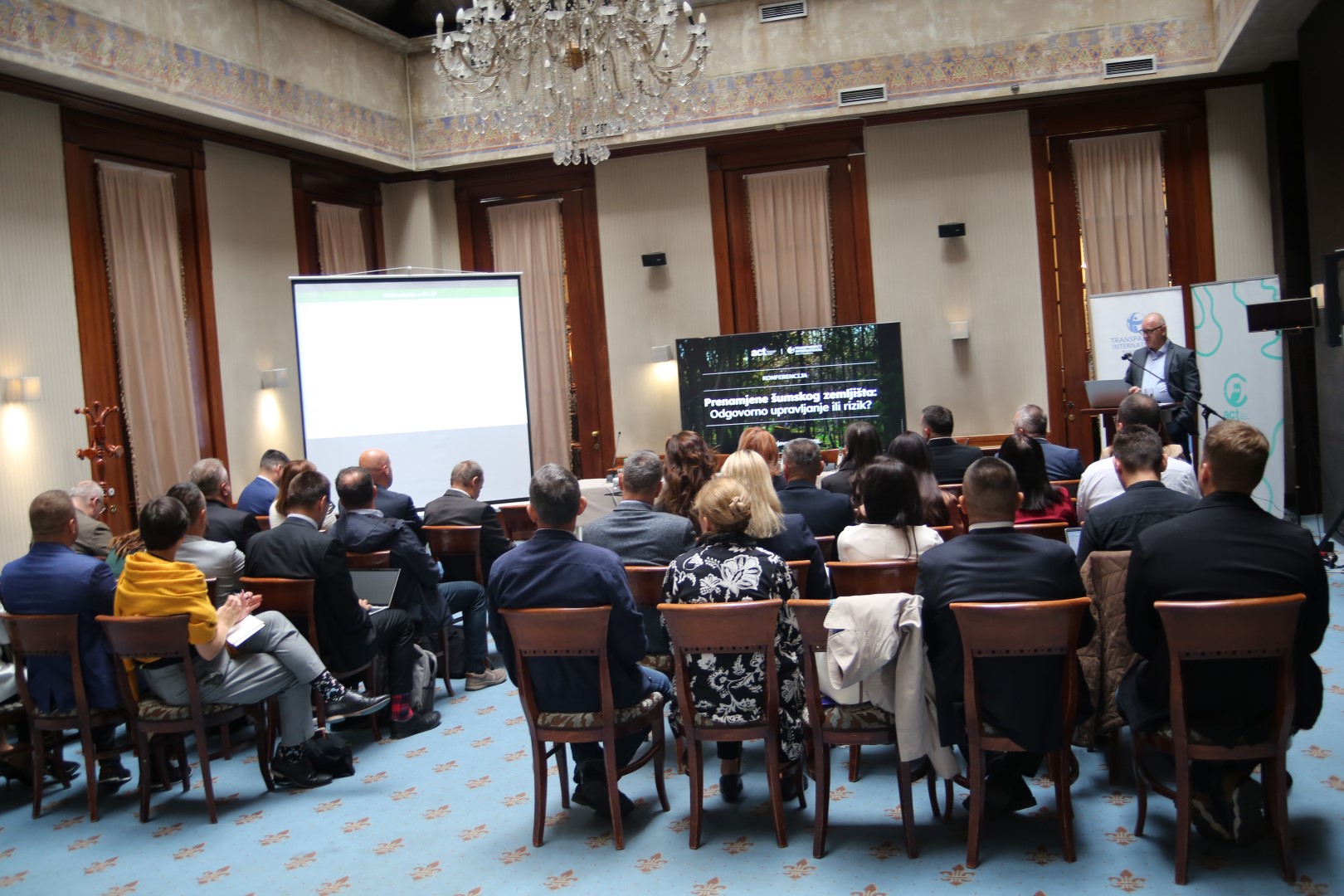
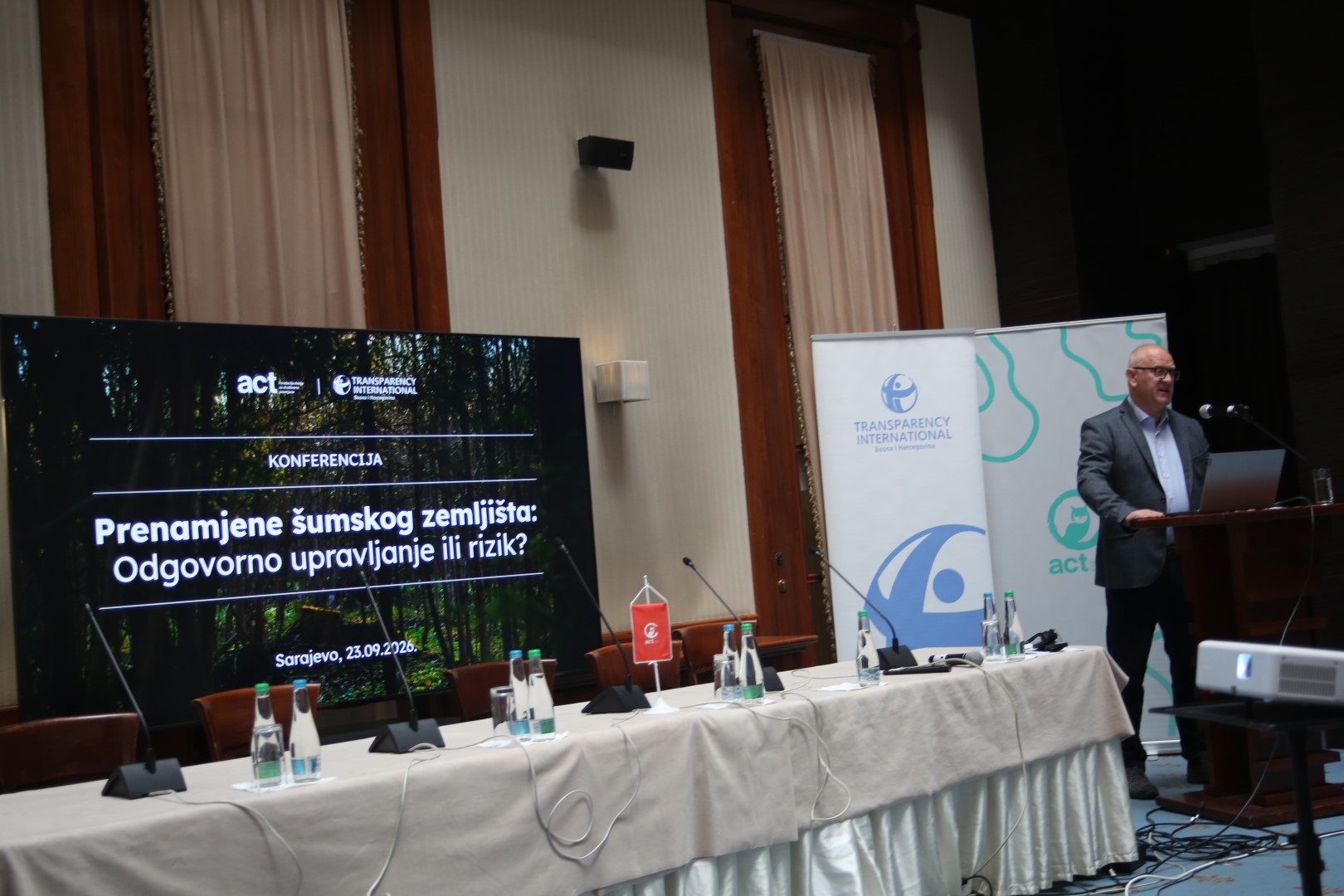
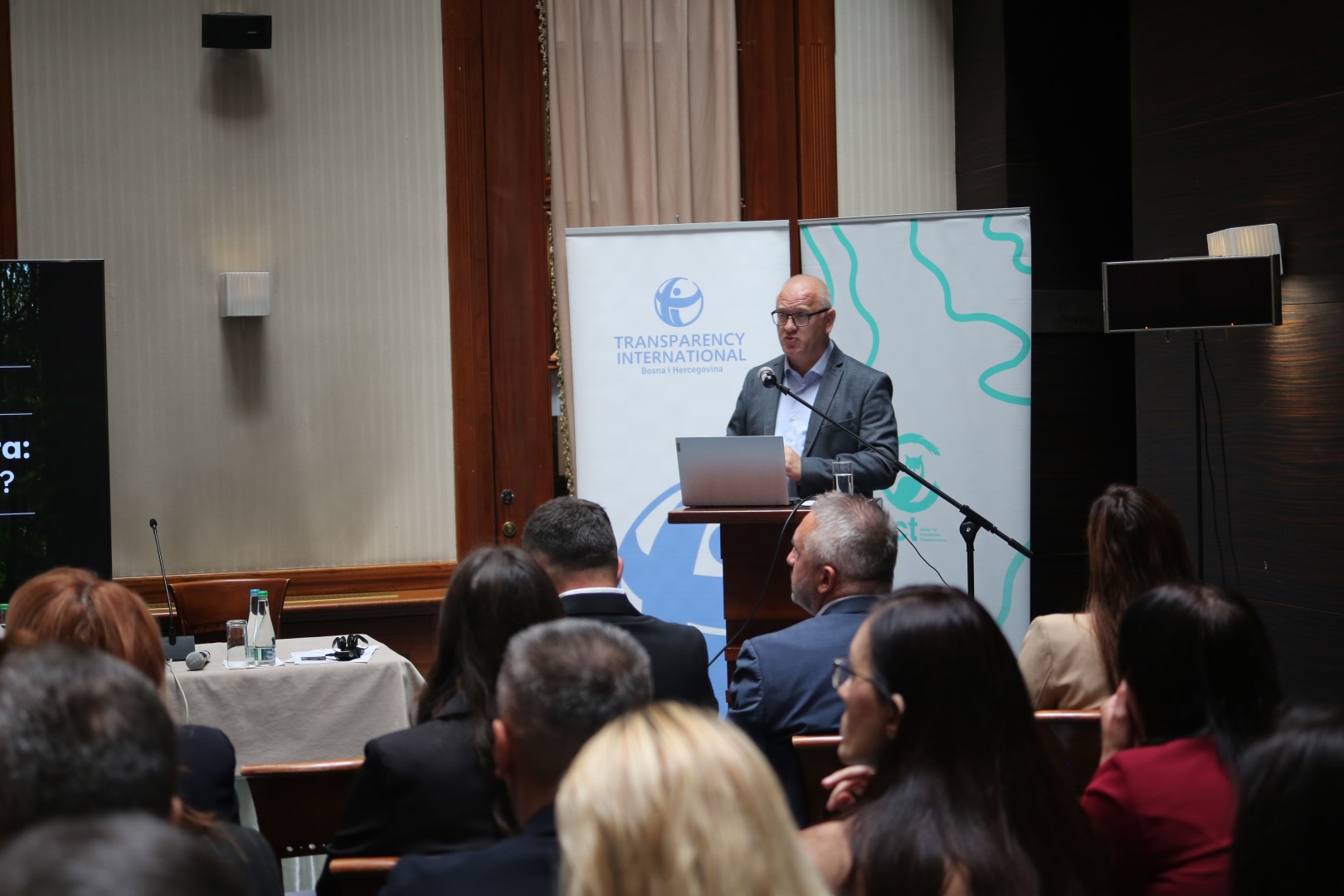
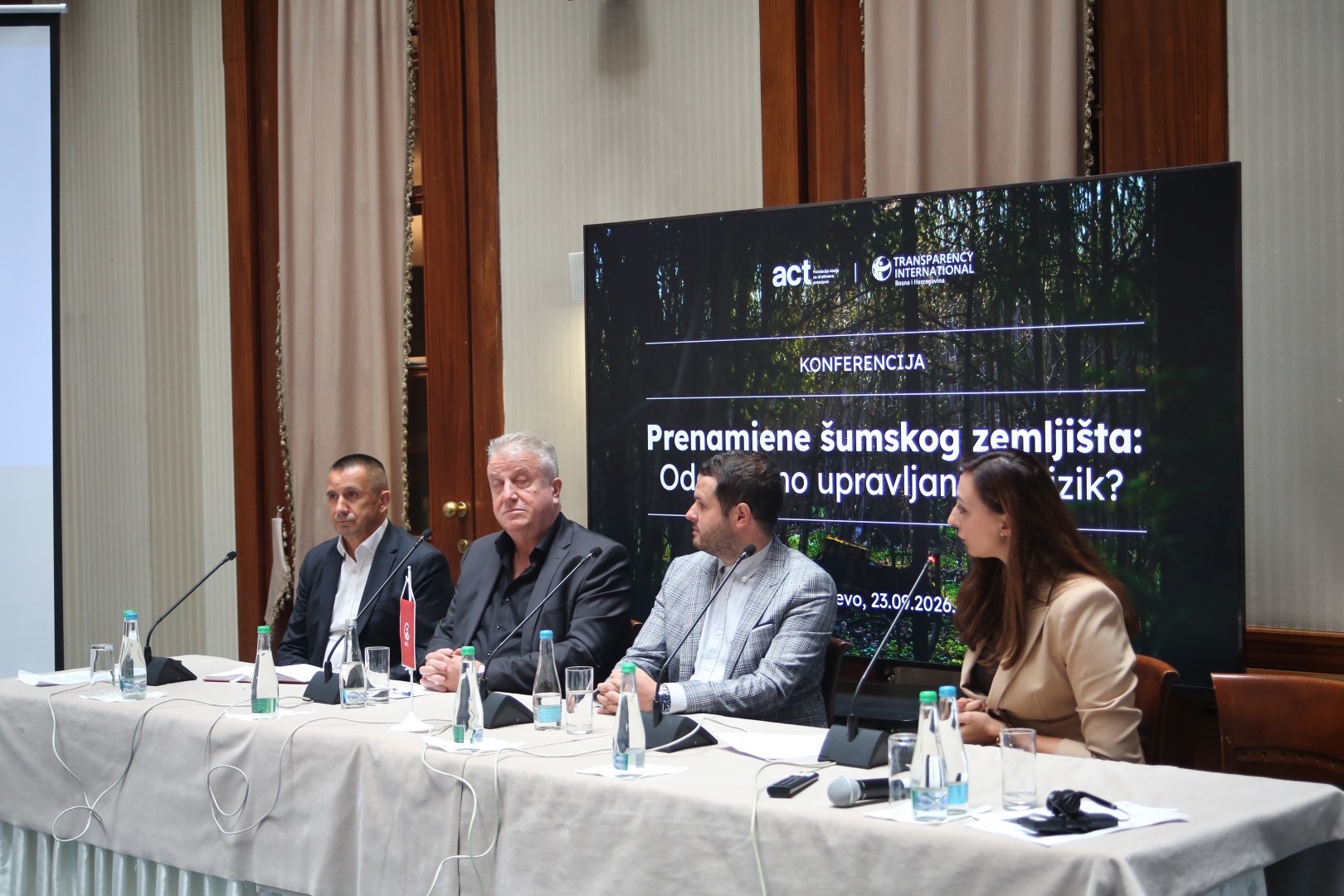
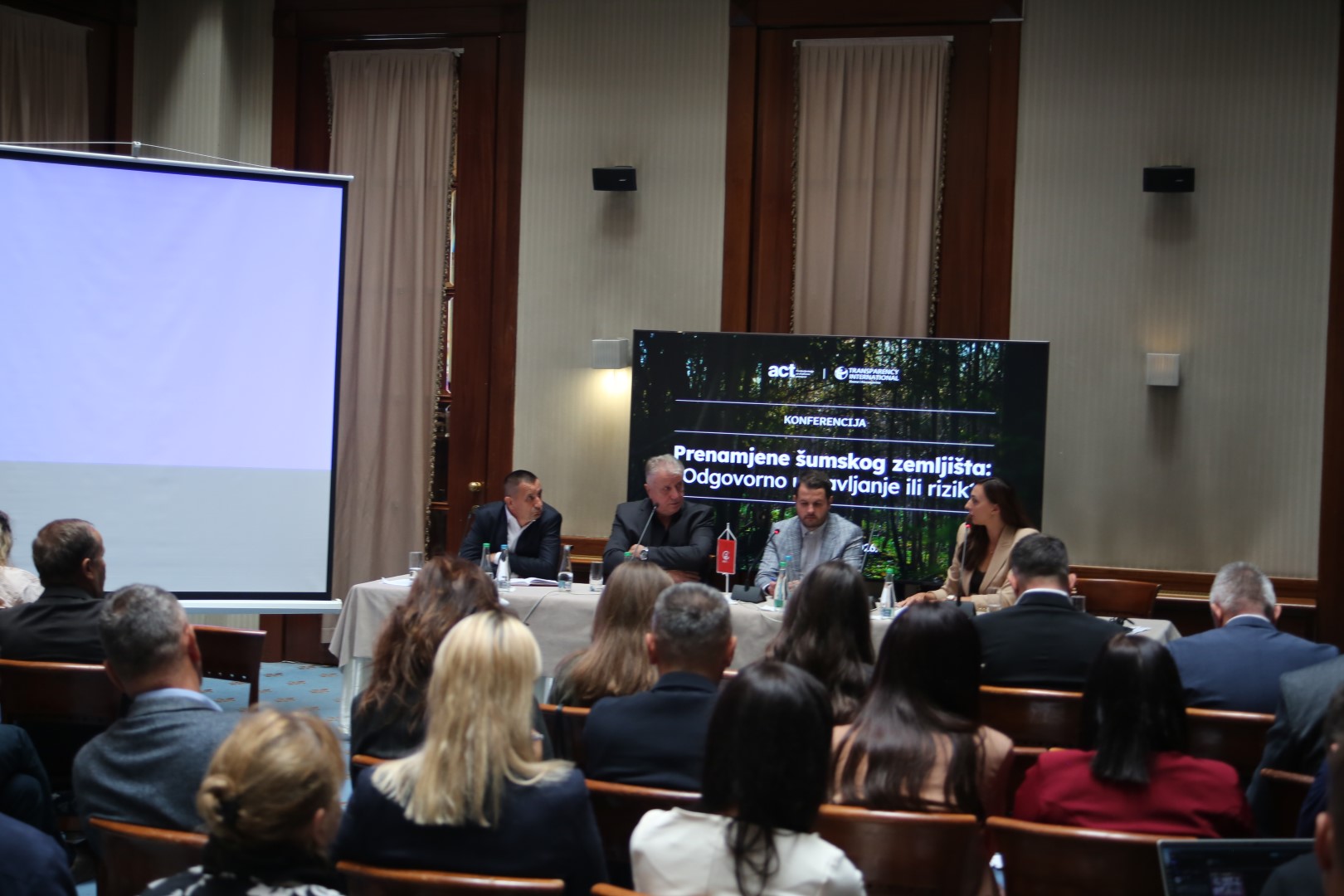
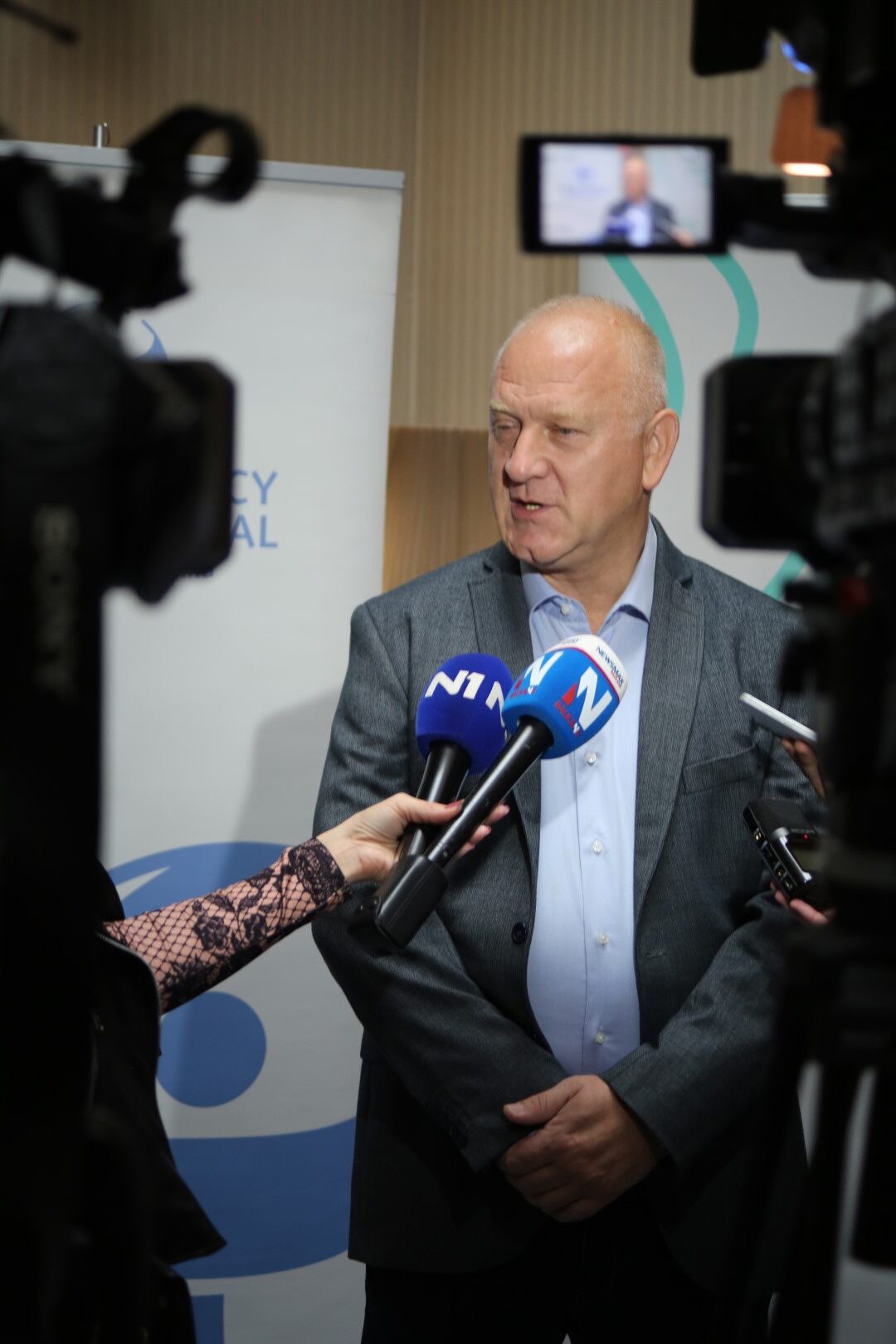
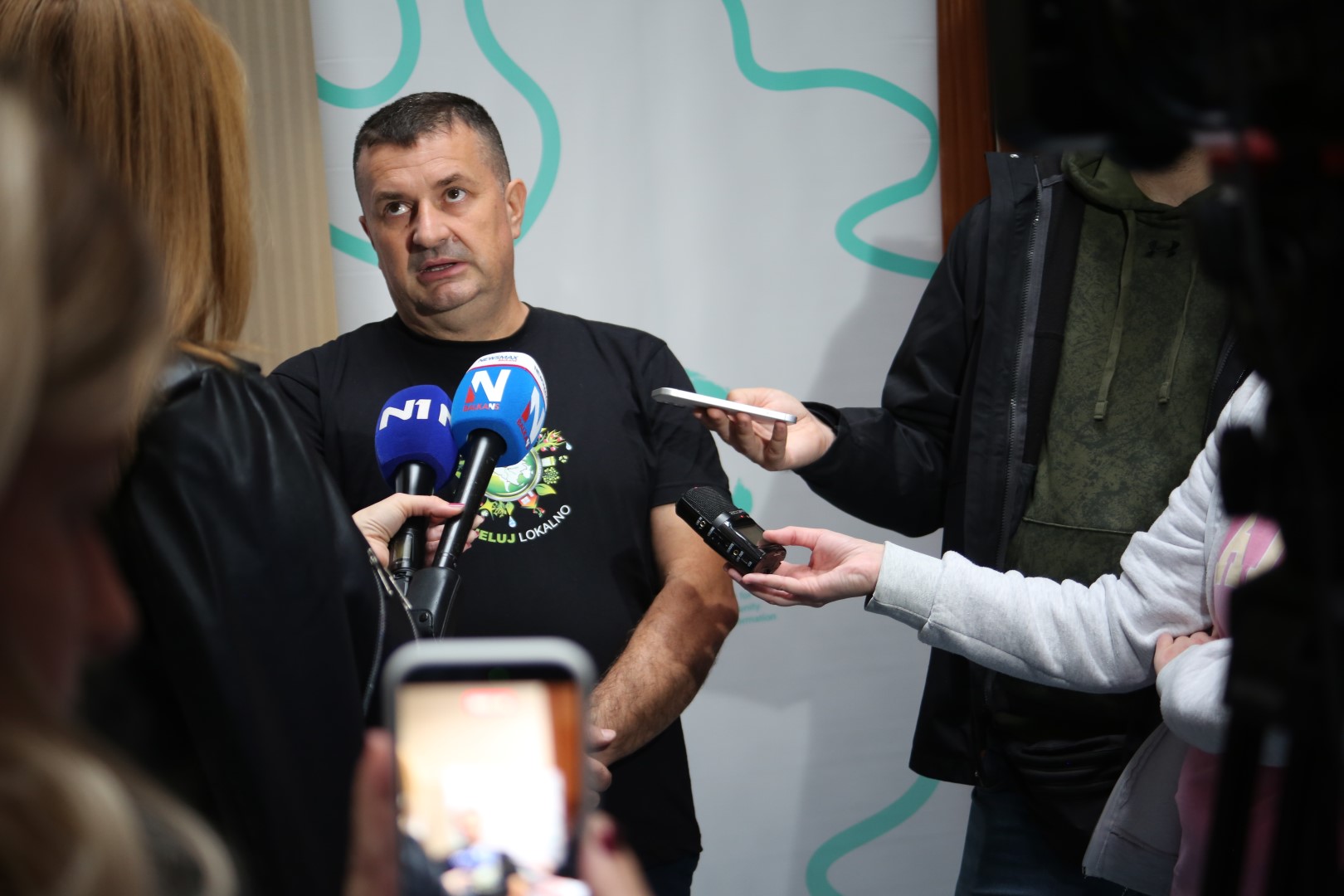
The research, which was presented at the conference “Conversion of Forest Land: Responsible Management or Risk?” in Sarajevo, in addition to areas, also states that conversion procedures are regulated by different regulations and practices, while citizens and local communities are not enabled to familiarize themselves with the future intervention and its consequences before a decision is made and to submit objections to the planned projects.

Bosnia and Herzegovina is a complex state in which we have 3.3 million hectares under forests and forest land, yet we do not have a state-level forestry law that would, in accordance with the principles of forestry science and practice, establish at least basic and common principles for forest management and administration. Instead, we have two parts: one in which a forestry law exists and which is fully centralized, and another in which there is no law and which is decentralized in the sense of forestry legislation existing at the cantonal level , stated Mersudin Avdibegović, who presented the Analysis of Forestry Legislation, adding that, although the data on conversion do not show that BiH stands out from the average of countries in the region or beyond, public participation in these processes is not at a level that satisfies legitimate interest, which is further aggravated by the absence of a methodology for calculating the value of forests, forest land, and all ecosystem functions.

The problem is particularly pronounced in the case of concessions realized on territory covered by forest, given that this area in BiH is regulated by 14 different laws and where earlier research has shown that institutions do not maintain complete and up-to-date registers nor publish sufficient data on contracts, fees, arrears, and the fulfillment of concessionaires’ obligations. When a concession project also requires the conversion of forest land, the public’s ability to gain insight into the economic benefit of the project and its ecological and social consequences is significantly diminished, while transparency is virtually nonexistent.

The need for clearer rules is also highlighted by the case of land conversion connected to the “Rupice” mine in Vareš, a project that has attracted significant public attention and concern due to its impact on the environment and water sources as well as human health. The Constitutional Court of BiH determined in 2024 that the decision of the Government of FBiH on the temporary use of forest land for the realization of the concession agreement is not in accordance with the Constitution of BiH because the Government was not competent to dispose of state property.

That decision, however, did not resolve the broader problem of informing the public in individual forest conversion procedures and their inclusion in the process itself.

In order to make part of the information available, TI BiH has developed a Concessions Register, which, in addition to data on concessions, also displays collected data on acts approving the conversion of forest land, the areas affected, and the scope of conversion by entity and year, enabling genuine public oversight and the beginning of strengthened transparency in this area.

ACT and TI BiH call on the competent institutions to publish all conversion decisions, data on the area, ownership, and future purpose of the land, justification of the public interest, the amounts of fees, and the obligations of investors. Citizens and local communities must be enabled to participate before a decision is made, and regulations should establish clear criteria for conversion and effective oversight of the fulfillment of obligations.

In addition, it is urgently necessary to adopt forestry laws in the Federation of BiH and in the Herzegovina-Neretva Canton, so that the area of forest management in this BiH entity and canton is brought under legal frameworks and harmonized with the rest of BiH.
press-release-23-09-2026


Possible Suspension of Timber Exports to the EU: Forests of Una-Sana Canton Victims of Devastation and Poor Laws

Bihać, 24. February 2026. year – While logging plans in Una-Sana Canton are fulfilled at 98%, forest restoration is realized at only 41%, which in the long term leads to the...

Izvještaji za Mediae

Possible Suspension of Timber Exports to the EU: Forests of Una-Sana Canton Victims of Devastation and Poor Laws

Bihać, 24. February 2026. year – While logging plans in Una-Sana Canton are fulfilled at 98%, forest restoration is realized at only 41%, which in the long term leads to the destruction of this resource, Transparency International in BiH (TI BiH) warned today. At the conference on forest law reform, it was emphasized that public enterprises, of which 88% of directors are politically connected, prioritize short-term exploitation over biological sustainability, while the canton, due to outdated fee calculations, loses millions.

Such practices not only devastate forests but also place Bosnia and Herzegovina in real danger of losing the European Union market. Unless digital traceability systems are urgently established and legislation is harmonized with the new EU Regulation on Deforestation-Free Products (EUDR), domestic timber products will not be able to cross the border—this was the key message from the conference “Cantonal Forest Laws: Between Reform and EUDR Requirements”, organized today in Bihać by TI BiH

At the conference, which brought together representatives of the Government and Assembly of Una-Sana Canton (USK), the management of Forest Enterprise “Unsko-sanske šume,” and experts, the concerning effects of the new EU regulation coming into force were presented, expected by the end of 2026. It requires that every timber product possess precise geolocation coordinates (WGS84) of the plot from which the wood originates, as well as proof that there has been no forest degradation at that location since 2020. . This requirement cannot be met from a legal, technical, and operational standpoint, which calls into question timber exports from Bosnia and Herzegovina to the EU, thereby jeopardizing the entire forestry sector.

“Domestic exporters face operational risk because, without a unified information system, they cannot provide valid data on origin to their EU partners. If BiH is classified as a ‘high-risk’ country due to corruption and lack of data, our trucks will undergo rigorous inspections, which threatens the closure of jobs in the timber industry,” emphasized Prof. Dr. Dženan Bećirović from the Faculty of Forestry in Sarajevo, who warned that the current fragmentation of the sector, where the Federation of BiH has no forest law and the cantons have inconsistent regulations and disconnected information systems, prevents the fulfillment of these conditions.

Special focus was placed on the situation in Una-Sana Canton, and TI BiH’s analysis showed that public enterprises in this sector often prioritize short-term revenues over long-term sustainability. Data for 2023. shows that Forest Enterprise “Unsko-sanske šume” realized its logging plan at 98%, while the realization of the reforestation plan amounted to only 41%.

It was also pointed out that the calculation of forest-use fees is problematic. USK charges a fee of 9% on the stumpage price of timber, while in Republika Srpska 10% is charged on a higher base (truck-road price). Due to these differences in calculation and the absence of a federal law, the entire Federation of BiH collects three times less revenue from forest fees compared to RS, although the volume of logging is nearly identical (about 15.8 million KM in the Federation of BiH versus 48.4 million KM in RS in 2023).

TI BiH reiterated the finding that 88% of directors of forest enterprises in BiH are politically connected, which makes this sector prey to party interests instead of a resource for economic development.

Mustafa Ružnić, Prime Minister of USK, underscored that the data on political influence in the forestry sector are unambiguous and represent a clear call for serious action: “It is high time we turned to the profession and put forest management in the service of its sustainability rather than exploitation. That is why we should see the EUDR as an opportunity, not a threat,” he added.

During the panel discussion, it was emphasized that the new Forest Law of USK must also resolve the issue of jurisdiction in the area of forest protection as well as the manner of spending budgetary funds for these purposes, which is currently an open question since the complete transfer of authority to the Cantonal Forestry Administration has not been carried out.

Edvin Alijanović, Minister of the Ministry of Agriculture, Water Management and Forestry of USK, concluded that “our political responsibility is decision-making, but it is equally a professional responsibility to adopt the best solutions that will ensure transparent, accountable, and long-term forest management.”

Recommendations were issued from the conference for the urgent adoption of harmonized regulations, particularly the new Forest Law of USK, which will enable digitalization and timber traceability, depoliticization of management structures in public enterprises, and clear jurisdiction regarding forest protection and control of earmarked spending for forest restoration, in order to prevent further devastation of this resource and ensure the survival of exports.


Press rls_24_02_2026

TI BiH: Systemic corruption prevents development of renewable energy sector

Sarajevo, February 5, 2026. year – “Systemic corruption and non-transparent occupation of grid capacities by privileged investors have directly pushed numerous citizens...

Izvještaji za Mediae

TI BiH: Systemic corruption prevents development of renewable energy sector

Sarajevo, February 5, 2026. year – “Systemic corruption and non-transparent occupation of grid capacities by privileged investors have directly pushed numerous citizens out of the energy transition and prevented investments in electricity production from renewable energy sources” is the key message from the conference dedicated to corruption prevention in this field, organized today in Sarajevo by Transparency International in BiH.

The analysis presented by TI BiH showed that in recent years, numerous privileged investors have occupied available dynamic quotas, negotiated high purchase prices, and received incentives from funds collected from citizens through electricity bills. The extent to which the struggle for quotas has paid off is demonstrated by the fact that privileged investors who entered the system earlier receive almost six times higher incentives for the same amount of electricity produced than other producers. In the Federation of BiH, only one producer receives about 20% of the total incentives paid annually, and large investors in this field have largely reserved capacities and pushed out small producers.

Corruption risks in this field have now shifted to the grid connection process, where non-transparent capacity reservation for fictitious projects and lack of state planning create new “bottlenecks” that block fair competition and market access. The problem of fictitious projects that “reserve” grid capacities for years by those with privileged information is particularly emphasized, which directly blocks serious investments and threatens the stability of the entire system.

Furthermore, the new entity laws regulating electricity production from renewable sources have not fully resolved the problem of artificial project fragmentation, where large solar parks are divided on paper into numerous small power plants to avoid concluding concession agreements and entering a more favorable incentive system.

To stop this degradation of the sector, conference participants emphasized that the solution lies in urgently introducing aggregation rules into entity laws on renewable energy sources, whereby all connected projects would be treated as one unified facility. This would force investors to assume concession obligations and pay a realistic price for resource use.

Finally, complete digitalization of the process and publication of transparent waiting lists and grid capacities are possible ways to prevent corruption in this field that can protect public interest, bring direct benefits to a greater number of citizens, and enable BiH to achieve strategic goals of increasing electricity production from renewable energy sources.


Press rls_5_02_2026

Politics and Private Business: Nearly 20% of Companies Owned by Elected Officials Do Business with the State

Banja Luka, 30. December 2025. year – Institutions at all levels of government in Bosnia and Herzegovina have awarded over 27,000 public procurement contracts to companies that...

Izvještaji za Mediae

Politics and Private Business: Nearly 20% of Companies Owned by Elected Officials Do Business with the State

Banja Luka, 30. December 2025. year – Institutions at all levels of government in Bosnia and Herzegovina have awarded over 27,000 public procurement contracts to companies that supported political parties with donations in some election cycles from 2018 to the present. The total value of these tenders exceeds one billion convertible marks, most commonly awarded in areas such as alarm system monitoring services, security services, restaurant and catering services, and the organization of educational seminars.

Cross-referencing the asset declarations of politicians submitted to the Central Election Commission and public procurement data shows that 19.8% of elected officials, who declare ownership of private companies in their asset declarations, have conducted business with the state through awarded tenders. This percentage is 36.4% for officials elected in 2022, indicating a systemic conflict of interest problem that deepens during their term. The data available on the “Integrity Watch BiH” platform illustrate the high degree of connection between political parties, their donors, and the institutions managing the distribution of public funds.

One example of a contract that clearly illustrates this practice is the case of the Minister for Human Rights and Refugees of BiH, Sevlid Hurtić, against whom Transparency International in BiH (TIBiH) filed a complaint for conflict of interest because his private company received multimillion-dollar contracts from budget-funded institutions. The Commission for Deciding on Conflicts of Interest determined only two years after the complaint that Minister Hurtić was in a conflict of interest and imposed a sanction, although in the meantime, his company continued to indirectly participate in public procurements through other legal entities.

An analysis of over 930,000 public procurement procedures in recent years conducted by TI BiH shows that companies owned by some elected officials in BiH received 2,450 contracts, while more than two-thirds or 76.9% of all tenders were awarded through direct agreements with suppliers, without the possibility of competition and participation from competitors.

Political parties record the most donations precisely in election years, while companies that received tenders account for about 10% of total donations to parties. This is only a small portion of the funds that parties report, given that previous research by TI BiH has shown that parties largely do not report donations.

What is particularly important to emphasize is that the data on ownership of business entities by politicians are limited to elected officials who submitted asset data to the Central Election Commission and do not include appointed individuals and all companies over which politicians have beneficial ownership, transferring ownership to third parties.

These phenomena are monitored by the “Integrity Watch BiH” platform, which provides a visual and analytical overview of public procurement procedures, searches for donations to political parties, and insight into the asset declarations of elected officials, all of which provide an overview of the mechanisms through which public resources are put at the service of private and party interests.

These findings are just another of many pieces of evidence that in BiH, as an example of a state whose institutions are captured, business success depends solely on connections with political parties and their leaders, who enable their donors – clients – unrestricted access to contracts through the public procurement system.

TI BiH calls on the media, researchers, and citizens to use Integrity Watch BiH as a tool that, by connecting three different data sources: reports from the Public Procurement Agency of BiH, financial reports of political parties, and asset declarations of elected officials, enables the detection of corrupt patterns and connections that have been capturing institutions and undermining the budget of BiH for decades.

14 LEVELS OF NON-TRANSPARENCY: INFORMATION ABOUT CONCESSIONS IS HIDDEN FROM THE PUBLIC, THE CONSEQUENCES ARE CORRUPTION AND ENVIRONMENTAL DESTRUCTION

Sarajevo, June 25, 2024 – In Bosnia and Herzegovina, there are 14 different laws that regulate the field of concessions, and most authorities do not have established public...

Izvještaji za Mediae

14 LEVELS OF NON-TRANSPARENCY: INFORMATION ABOUT CONCESSIONS IS HIDDEN FROM THE PUBLIC, THE CONSEQUENCES ARE CORRUPTION AND ENVIRONMENTAL DESTRUCTION

Sarajevo, June 25, 2024 – In Bosnia and Herzegovina, there are 14 different laws that regulate the field of concessions, and most authorities do not have established public registers, do not publish data on collection and debts of concessionaires, which is why there are huge corruption risks and, in many cases, modest incomes from concessions do not justify the damage caused to the environment.

At today’s professional discussion in Sarajevo, organized by Transparency International in BiH (TI BIH) and the ACT Foundation, activists, experts and representatives of relevant institutions concluded that a serious damage to the public interest exists due to the lack of transparency in allocation, control and collection of public revenues from concessions.

“Laws on concessions at all levels do not ensure the principles of transparency, non-discrimination, integrity, nor protect the public interest, and the significant benefits that concessions can bring to society are mostly absent, while the consequences of harmful contracts are suffered by citizens and the environment. The reform of the entire BH system of concessions entails harmonizing legislation at all levels with the EU Directive on concessions, as well as with each other, while respecting other international obligations, it was stated by Aleksandra Martinovic, Chairperson of the Assembly of Transparency International in BiH, adding that “all principles and provisions of the Law on Public Procurement in terms of transparency, e-procurement, conflict of interest and legal protection should also apply to concessions.”

Lejla Kusturica, director of the ACT Foundation, emphasized the importance of public participation in the decision-making processes on concessions. “We do not want to become a concession colony of either the East or the West, and we believe that the state and all administrative levels must urgently improve the concession legislation in such a way that the concession contracts also protect the public interest, and not, as a rule, exclusively the interest of investors. The first and most important step is the recognition of citizens and civil society organizations as interested parties in concession contracts”, said Lejla Kusturica.

During the discussion, it was said that registers of concession contracts, which are a legal obligation, are generally not up-to-date, incomplete or do not exist at all, and the conditions for obtaining concession rights and performing activities are generally non-transparent, which further complicates monitoring and control.

In this way, the public in BiH is generally deprived of information on what benefits budgets and society have from the exploitation of natural resources, which is why TI BiH created the Register of Concessions, which includes data on concessionaires, concession contracts, the method of calculating fees, paid obligations and debts concessionaires have towards entities, cantons and local communities.

Activists and citizens are faced with great problems in trying to protect the public interest and the environment, especially after the conclusion of the concession contract. This was pointed out by Robert Oroz, an activist from the Ecological and Humanitarian Association “Gotuša”, Fojnica, who said that it is almost impossible to cancel a contract if you are not one of the contracting parties. “That must change, and I am of the opinion that the concession fees are generally very poor in relation to the damage caused to nature,” said Oroz.

Due to the lack of transparency in the allocation, control and collection of public revenue from concessions, it is necessary to urgently integrate the concession system into a unified system of public procurement and that all principles and provisions of the Law on Public Procurement, including transparency, e-procurement, conflict of interest and legal protection, are also refer to concessions. This approach would enable the management of a single electronic register, the creation of unique concession plans and the introduction of standardized fee calculation methods, in order to ensure the effective protection of the public interest and the preservation of the natural environment in Bosnia and Herzegovina.

Court decided: Ministry of Transport and Communications of the RS is illegally hiding the contract on the construction of the Banja Luka – Prijedor highway

The verdict states that the government's task is to serve the interests of citizens and not to worry about business secrets and financial combinations of investors.

Banja luka, October 19, 2022 Transparency International in Bosnia and Herzegovina (TI BIH) won a court case against the Ministry of Transport and Communications of the Republic of...

Izvještaji za Mediae

Court decided: Ministry of Transport and Communications of the RS is illegally hiding the contract on the construction of the Banja Luka – Prijedor highway

Banja luka, October 19, 2022 Transparency International in Bosnia and Herzegovina (TI BIH) won a court case against the Ministry of Transport and Communications of the Republic of Srpska, which illegally hid the concession contract for the construction of Banja Luka – Prijedor highway. The District Court in Banja Luka issued a verdict ordering the Ministry to deliver to TI BIH the contract concluded in 2018 with the Chinese company Shandong Hi-Speed International (SDHS).

According to the information published by the portal Capital.bathe concession contract, which should last for 30 years, defines that the Chinese company will invest about 297 million euros in the construction of the highway, and should earn about 975 million euros through toll collection and the missing funds that will be settled from the budget of the Republic of Srpska. Due to the suspicion that this contract was concluded under harmful conditions for the Republic of Srpska, TI BiH asked the Ministry for a copy of the contract, but this request was rejected with the explanation that the publication of the contract could harm the commercial interests of the Chinese company.

As the government in this case clearly put the interest of the private investor above the interest of public, TI BIH filed a lawsuit with the District Court in Banja Luka, which accepted the lawsuit and ordered the Ministry to re-conduct the procedure with a very clear instruction that its task is to serve the interests of the citizens, and not to worry about the trade secrets or any other financial combinations of the contracting party which is given to exploit and collect public revenues for 30 years.

The judgment also states that the Ministry has replaced the role of a public body that disposes of public money and acts to protect the public interest, with the role of a protector of a business partner.

“It is undoubtedly in the public interest to have complete insight and knowledge on whether favorable conditions have been agreed for the Republic of Srpska and its citizens, whether the conditions are in accordance with the public interest, and to compare whether better conditions could have been agreed; on the contrary, the interest of the public is not concerned with the protection of the legal entity business with whom the contract was concluded, i.e. whether its business will be profitable in a period of three decades or not” the judgment states. The court accepted the argumentation of TI BiH stating that the Ministry did not specify what damage would result from publishing the requested information.

When the Ministry refused TI BIH’s request to publish the contract, it stated that it contains confidential information about the methods of collecting toll revenue, formulas for calculating cash flows, and the concessionaire’s financial plan. They also state that the economic value of this data lies precisely in the fact that it is not widely known to the public.

The court states that the decision has nothing to do with the law, but is based on the defendant’s need to put himself in the service of protecting the concessionaire and reminds that one of the basic principles of the Law on Concessions is transparency, market competition, equal treatment for everyone. The contract with the company SDHS was not concluded through a public invitation, but through a negotiation procedure, which the Government of the RS has often used so far, bypassing public bidding, and such contracts often caused damage to public finances.

TI BiH reminds that a similar practice has been observed with other authorities when concluding contracts with Chinese companies, where they offered us almost the same reasons for not submitting the contract, and this court decision confirms the warnings of TI BiH that the commercial interests of Chinese companies should not be placed above the interests of the citizens of BiH .

Press rls_19.10.22_

Criminal Charges Against Minister Vojin Mitrović: Illegal Regulations Enable Millions from Vehicle Registration to be Directed to a Private Company

Adaptation of such a legal act is an obvious example of how a captive state functions, where laws and rules are enacted to serve the interests of individuals

Banja Luka, September 16, 2022 – Transparency International in BiH (TI BIH) filed a criminal complaint against the Minister of Transport and Communications of BiH, Vojin...

Izvještaji za Mediae

Criminal Charges Against Minister Vojin Mitrović: Illegal Regulations Enable Millions from Vehicle Registration to be Directed to a Private Company

Banja Luka, September 16, 2022 – Transparency International in BiH (TI BIH) filed a criminal complaint against the Minister of Transport and Communications of BiH, Vojin Mitrović, two days ago, for illegal adoption of a new Rulebook on Vehicle Registration, which opens up the possibility of directing significant revenues charged by the state to private companies in the future.

With this Rulebook, which came into force on September 1, Mitrović enabled the Ministry to hand over the work of purchasing stickers, which until now had been handled by state institutions, to an “expert institution” that would be selected through a public competition.

For drivers in BiH, it is now also possible, when registering their vehicles in the future, to pay the fee to that “expert institution” chosen by the Ministry, which practically means that significant public funds would be diverted to a private company.

Everything was done illegally, because the minister with a rulebook, which is an act of lower legal force, can only prescribe provisions on the appearance and content of the sticker, and only the law can give public powers. However, not a single article of the Law on the Basics of Traffic Safety on Roads in Bosnia and Herzegovina stipulates that the minister has the authority to prescribe who will procure stickers and collect public revenues.

That is why TI BIH believes that Mitrović committed the criminal offense of abuse of official position or authority from Article 220 of the Criminal Code of BiH, which can be committed by an official if he/she exceeds his/her authority in order to obtain benefits for himself/herself or others. The proof that there is a clear intention to benefit others is reflected in the very precisely set conditions in the Rulebook that must be met by the “expert institution”. As one of the conditions, it is stated that persons employed as team members in a “expert institution” must possess certain certificates, which a few years ago, during the million-dollar procurement of software for the company Forests of the Republic of Srpska, awarded by only one company, which in recent years received tens of millions of marks in tenders in the Republic of Srpska.

Also, this Rulebook requires the bidder to possess the ISO standard 18000-63, which is stated on the website of the International Organization for Standards ISO as a standard withdrawn from use. By setting such conditions, they are obviously trying to favor certain bidders and limit competition, and a particular problem is that a private company is given the competences already held by the state Agency for Identification Documents, Records and Data Exchange (IDDEEA). The Agency previously announced that the Ministry ignored their opinion, which states that the introduction of new stickers with RFID technology is unnecessary because the competent Ministries of the Interior have already acquired a large number of cameras that check whether the vehicle is registered via license plates. For this reason, IDEEA states that the introduction of expensive new technology, that would do the same thing, is unnecessary and will cost drivers more, but will also require additional investment in equipment for reading new chips. Additional problems are seen in security

issues, because the Rulebook allows a private company to dispose of citizens’ data, and this can lead to the misuse of technology that allows locating and tracking vehicles.

Bearing in mind all of the above, it is evident that this is again about passing regulations tailored to individuals, as we already had the opportunity to see, with the passing of the Law on Games of Chance in the Republic of Srpska, where the exclusive right to organize games was given to a private company connected to the persons at the top of the government.

This move is an obvious example of how a captive state functions, where institutions serve the interests of individuals and the ruling elite instead of the public.

Press rls_16.09.22_ (en)

TI BiH: Such changes to the Law on Public Procurement will not fundamentally advance the fight against corruption, even though it was a priority of the EU

Despite certain improvements brought by the Law on Amendments to the Law on Public Procurement, which primarily relate to the segment of conflicts of interest, collusion and transparency, some of the key mechanisms for the prevention and fight against corruption did not find their place in this regulation.

Banja Luka, August 30, 2022 The agreed text of amendments to the Law on Public Procurement of BiH, which was confirmed by the House of Peoples of the Parliamentary Assembly in...

Izvještaji za Mediae

TI BiH: Such changes to the Law on Public Procurement will not fundamentally advance the fight against corruption, even though it was a priority of the EU

Banja Luka, August 30, 2022 The agreed text of amendments to the Law on Public Procurement of BiH, which was confirmed by the House of Peoples of the Parliamentary Assembly in BiH, will not fundamentally improve the fight against corruption in this area, which was a key requirement that the European Union set for Bosnia and Herzegovina through 14 priorities.

Despite certain improvements brought by the Law on Amendments to the Law on Public Procurement, which primarily relate to the segment of conflicts of interest, collusion and transparency, some of the key mechanisms for the prevention and fight against corruption did not find their place in this regulation.

Thus, after five years of work on amendments to this law and international pressures, the mechanisms for sanctioning law breakers, both in the area of misdemeanor and criminal liability, have not been improved, the possibilities of protecting the public interest by the competent bodies were not expanded, political influences on the appointments and work of the members of the Appeals Review Office were not eliminated, and the further development of the e-procurement system and the accompanying transparency were extended for another year by changes in the law.

In addition, capacities and mechanisms of supervision of the public procurement institutions system in BiH have not been strengthened, which is particularly problematic from the point of view of the latest amendments that were adopted in the Parliamentary Assembly of BiH and which will allow contracting authorities to increase their value during the duration of the contract, due to unforeseen circumstances for an additional 30% without conducting a new procedure.

Bearing in mind the numerous abuses that occur in practice in the segment of contract implementation, as the most non-transparent phase of the public procurement cycle, Transparency International in BiH warns that these changes, although under the auspices of reforms, could open up additional space for corruption and extraction of public money through privileged companies . Also, with the agreed amendments, the annual threshold for awarding contracts through direct agreements without public bidding increases from BAM 6,000 to BAM 10,000.

In this way, through the long-term procedure of adopting these changes, and especially through the amendments made by the representatives in the Parliament, under the pretext of implementing reforms and fulfilling the priorities of the EU, which states that BiH will strengthen the prevention and fight against corruption in the field of public procurement and strengthen the capacities for public procurement, there were changes to the Law that open up additional space for corruption.

TI BiH reminds that the amendments to the Law on Public Procurement should have been adopted a few years ago, and only as a temporary solution until the adoption of a new, complete Law and accompanying by-laws, which would be harmonized to the maximum extent with EU directives, and significantly improve transparency, prevention and fight against corruption. Therefore, after 5 years of work on reforms in this area, these changes can be considered not only cosmetic, but in certain segments encouraging for potential abuses and corruption. In this way, the representatives of the ruling parties in BiH once again showed that they use the so-called reform processes to introduce harmful provisions, while at the same time presenting them as great progress and fulfillment of EU priorities.

TI BiH once again warns that adoption of any solutions under the excuse of fulfilling EU priorities it must not be allowed, but that it must be ensured that they really go in the direction of preventing corruption and meeting international standards.

Press rls_30.08.22_

Get involved

Don't miss it

If you want to receive our announcements immediately after the publication, leave your e-mail address in the field below.