Press releases

Key dates

It is time to unblock public administration reform and strengthen capacities for EU negotiations

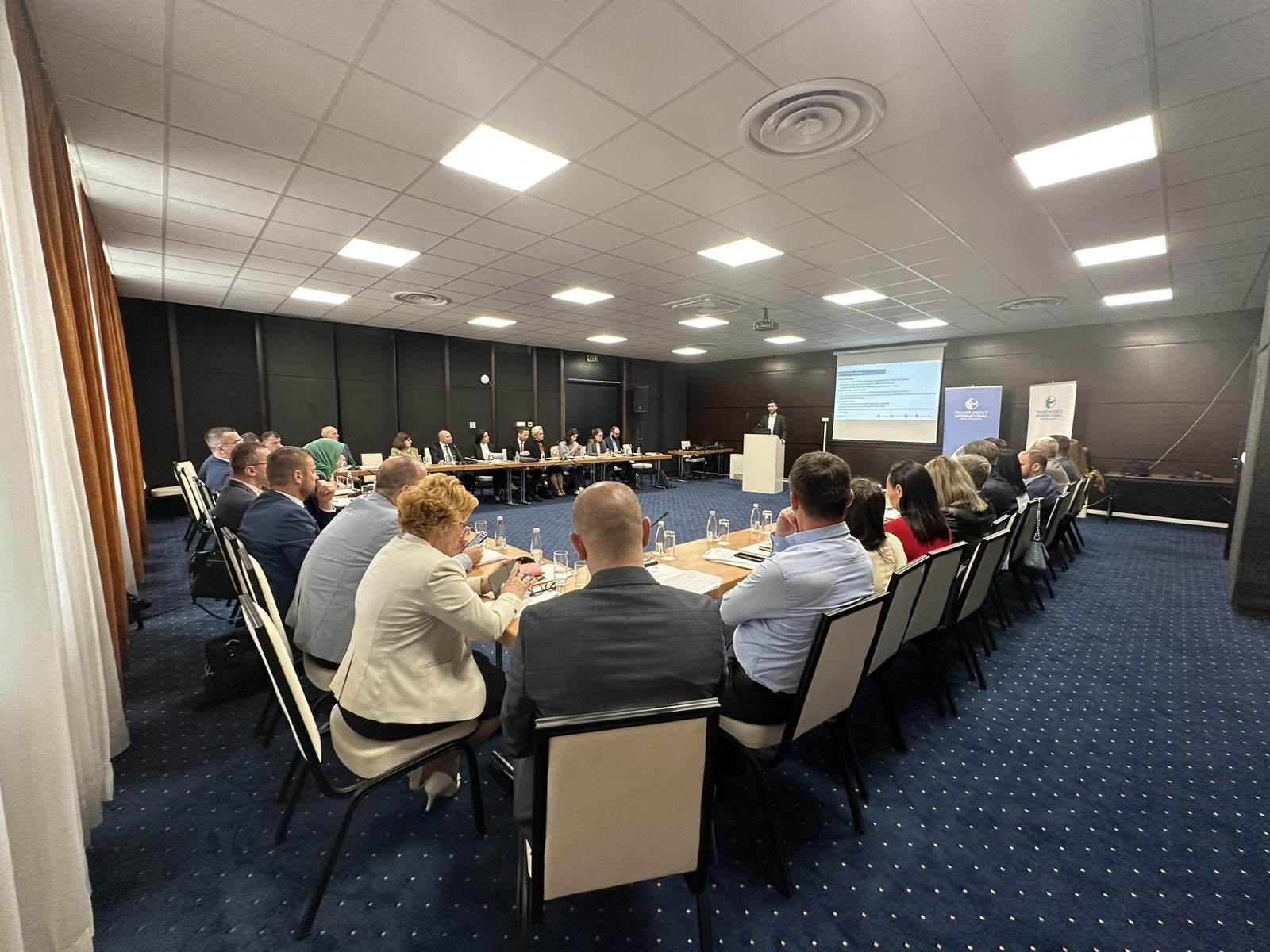
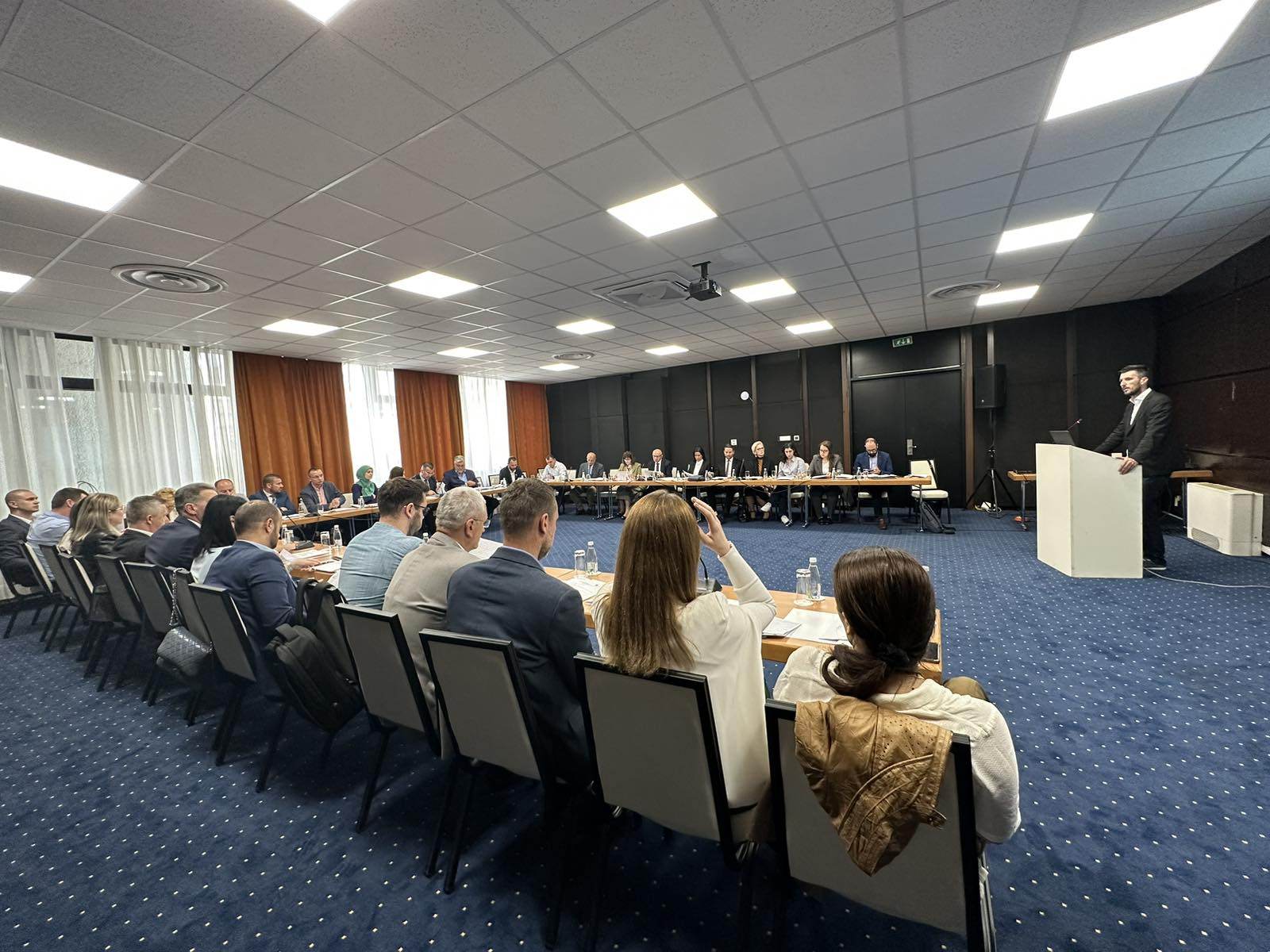
Sarajevo, 18. June 2026. year – Transparency International in Bosnia and Herzegovina (TI BiH) organized a conference today in Sarajevo titled “Public Administration Reform...

Izvještaji za Mediae

It is time to unblock public administration reform and strengthen capacities for EU negotiations

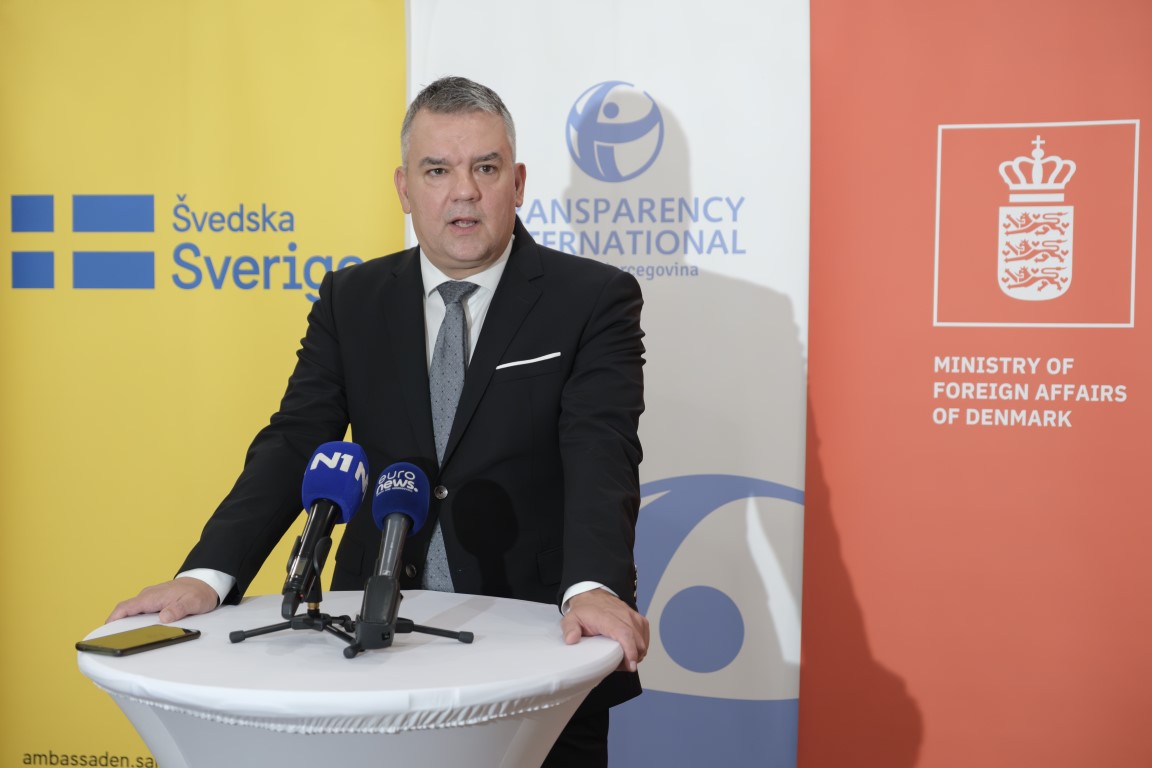
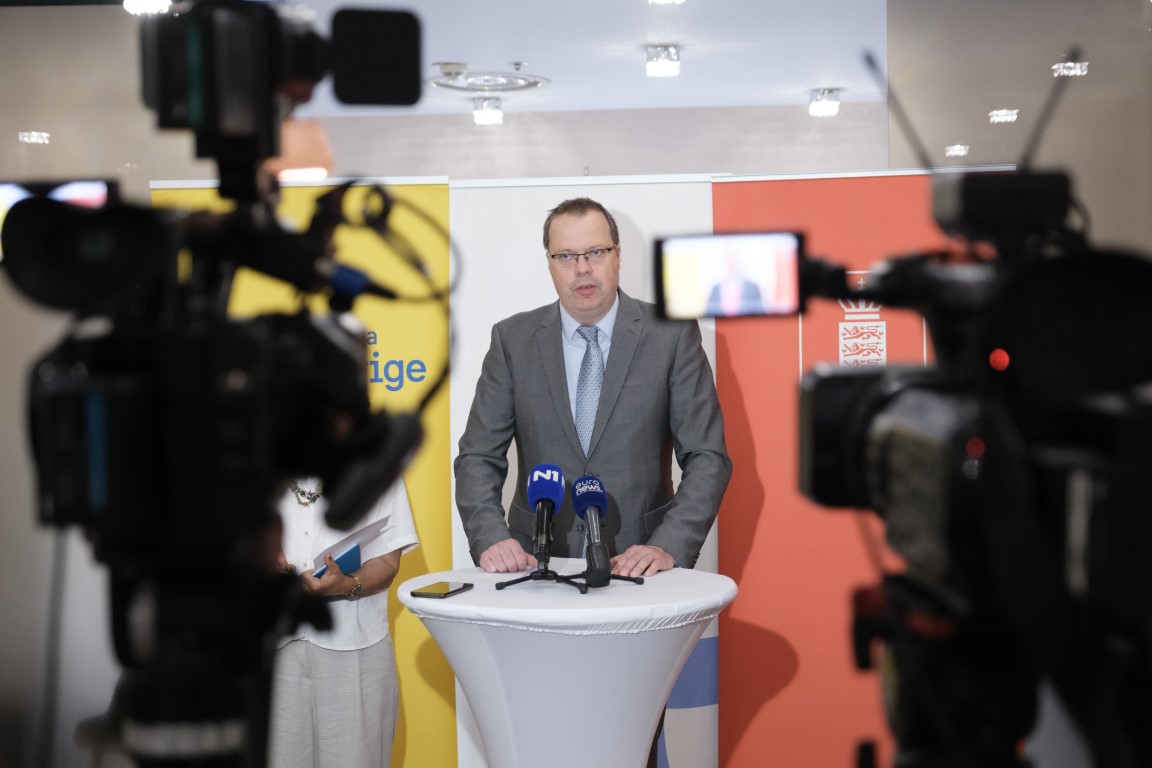
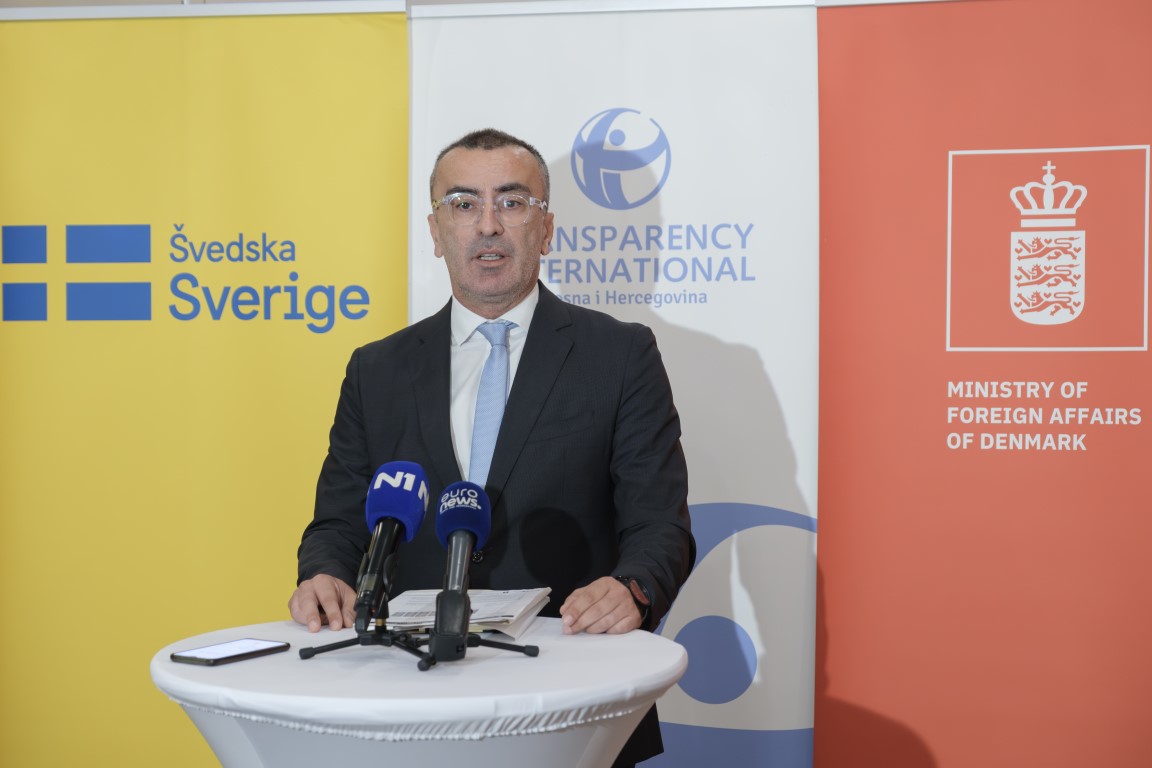
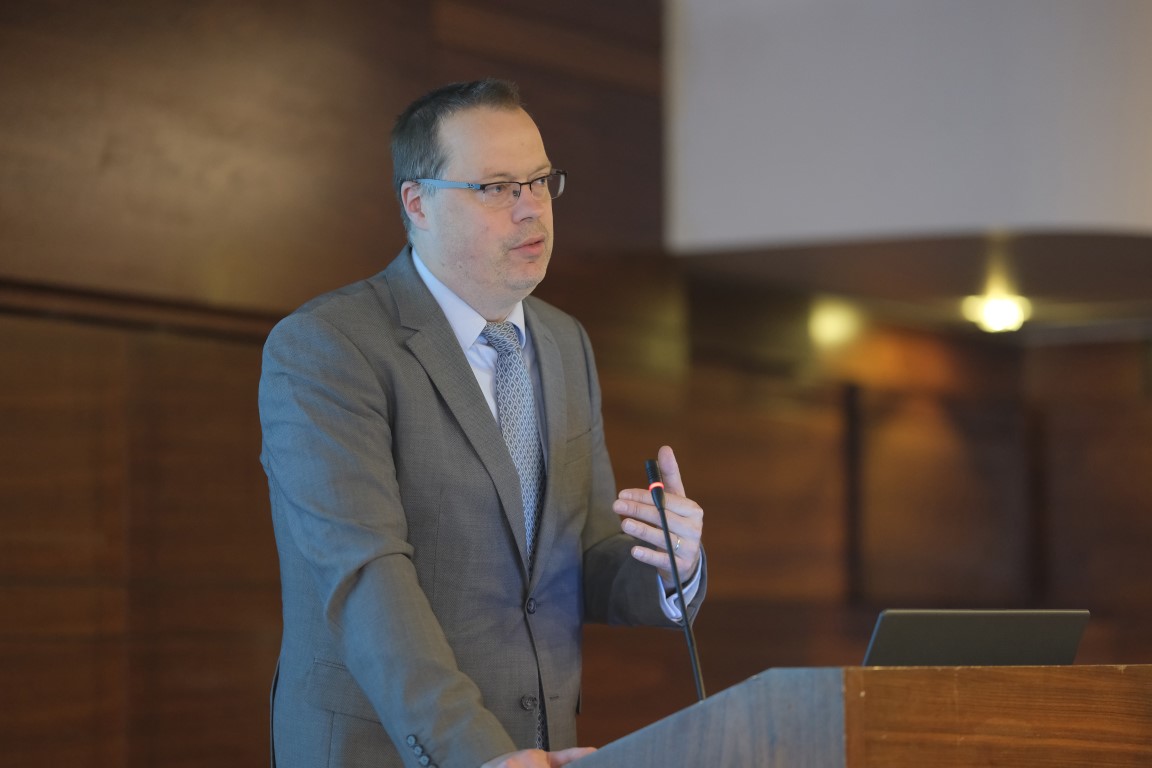
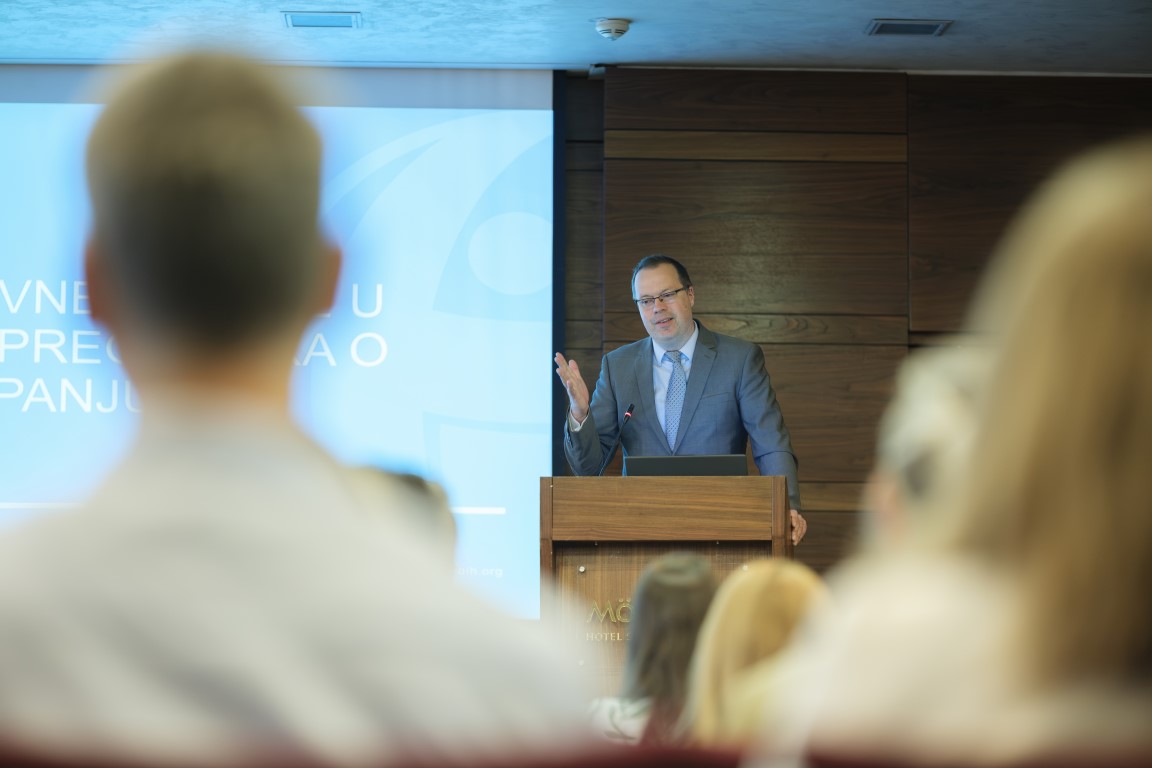
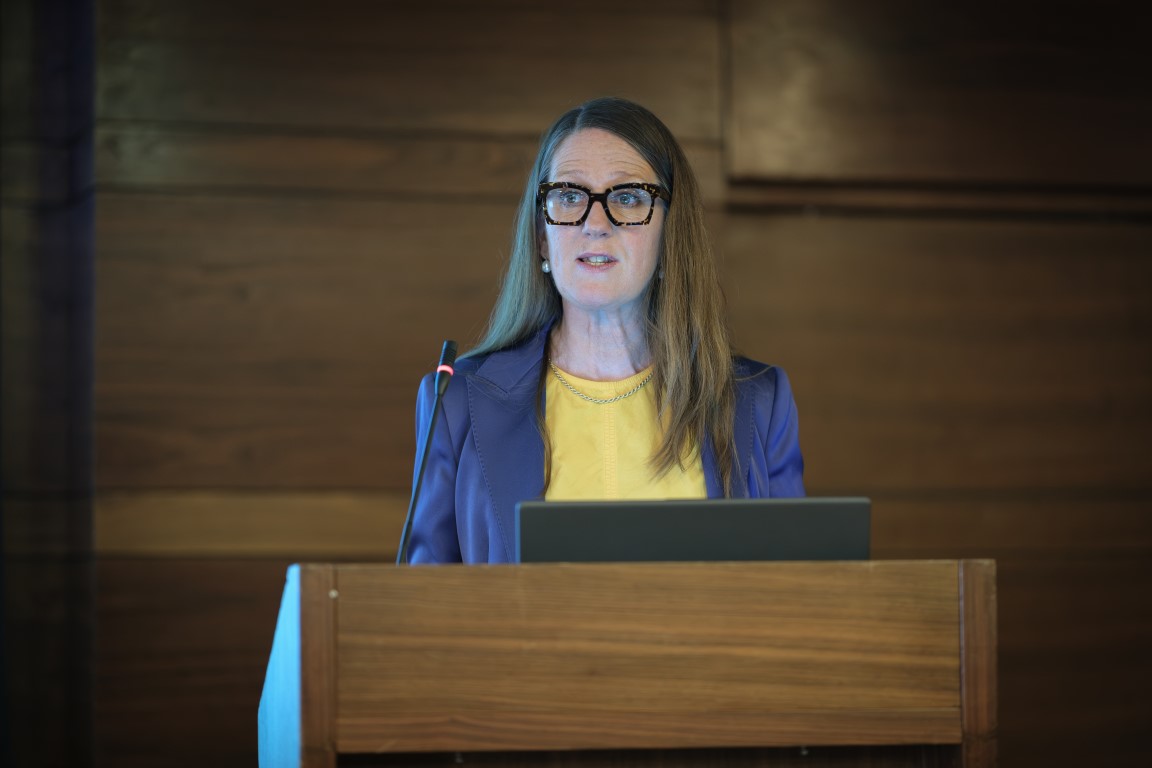
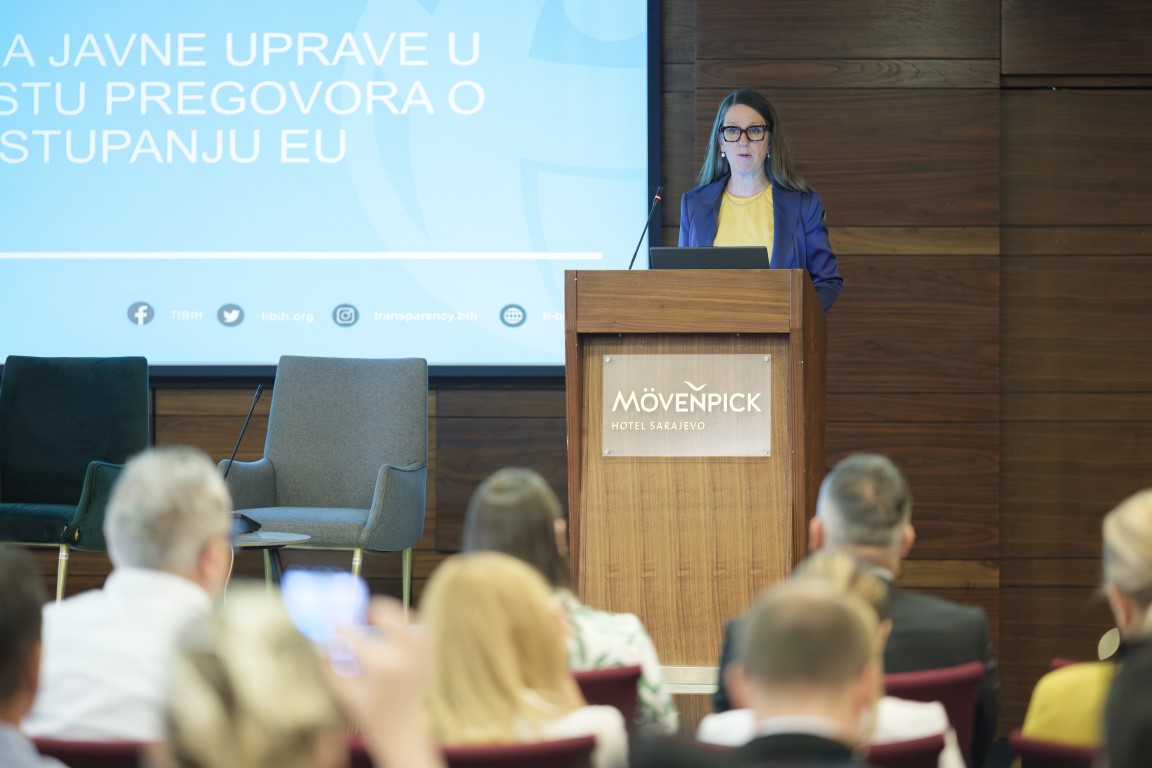
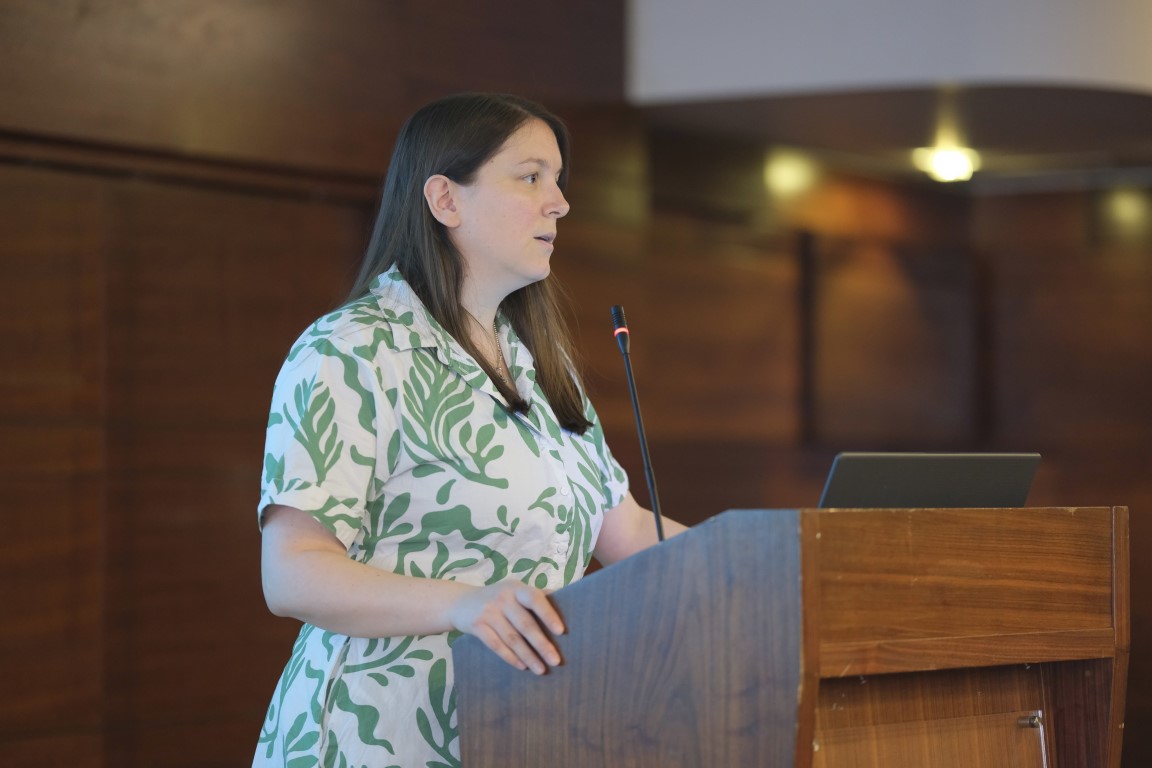
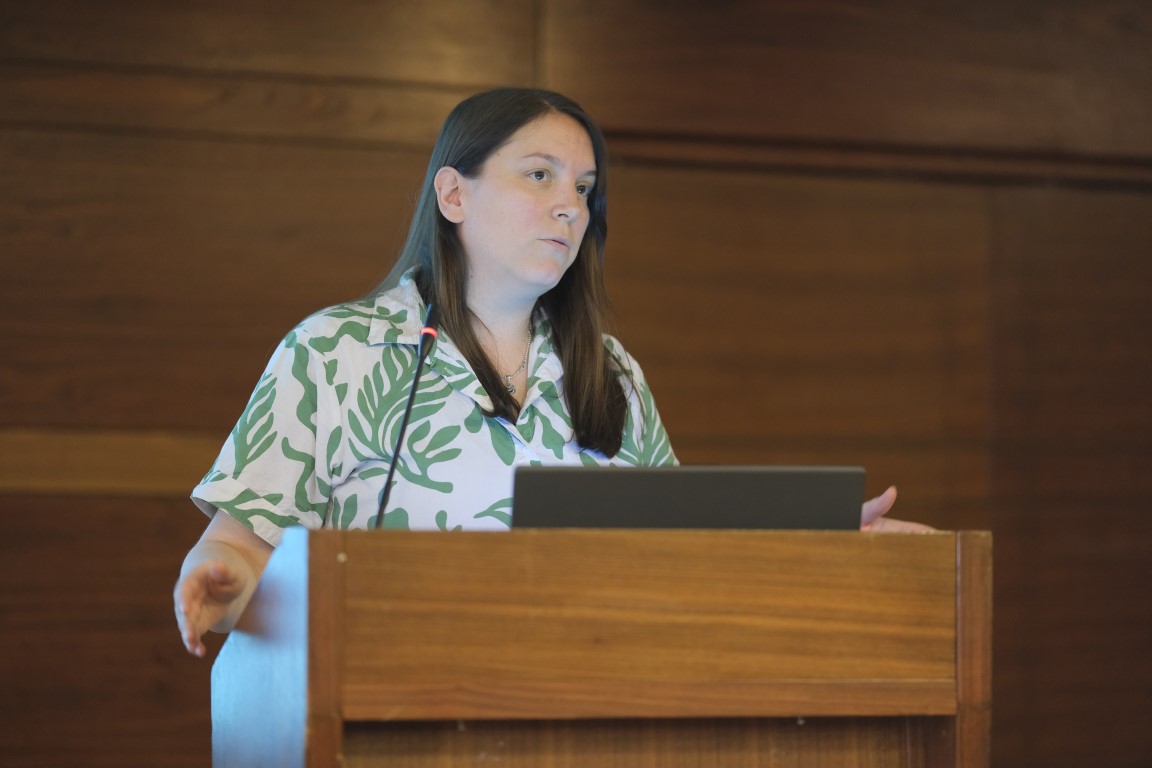
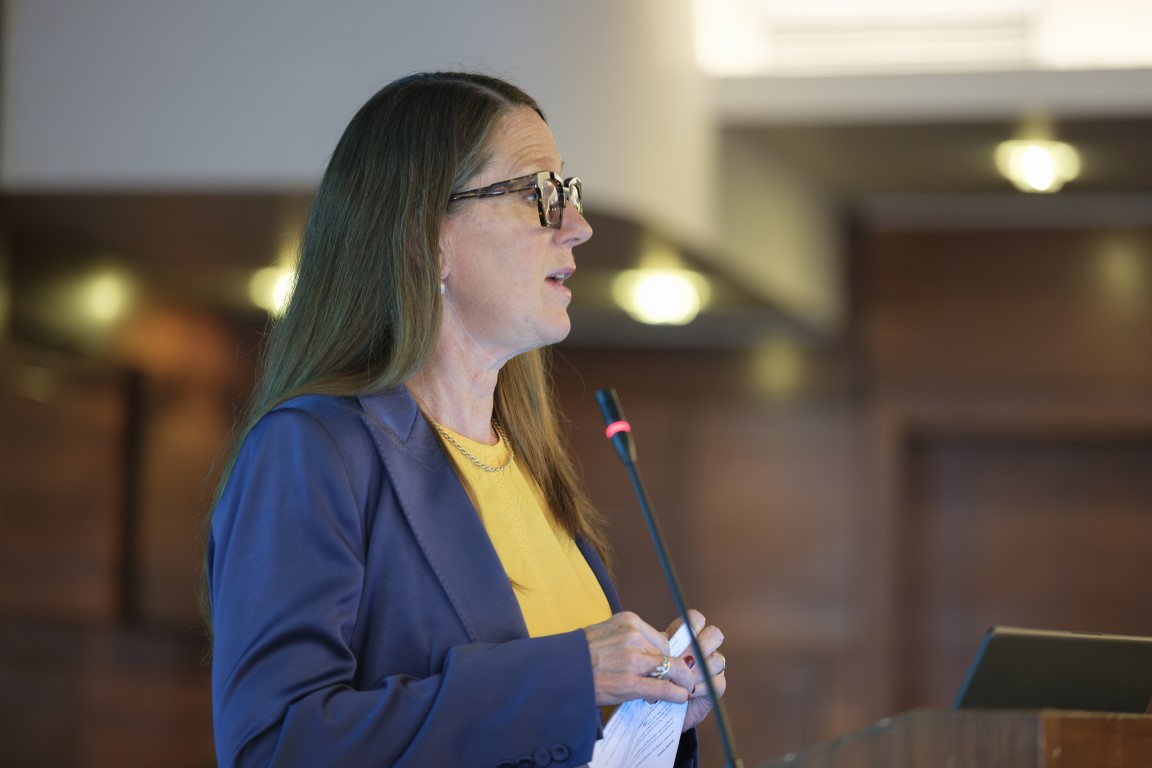
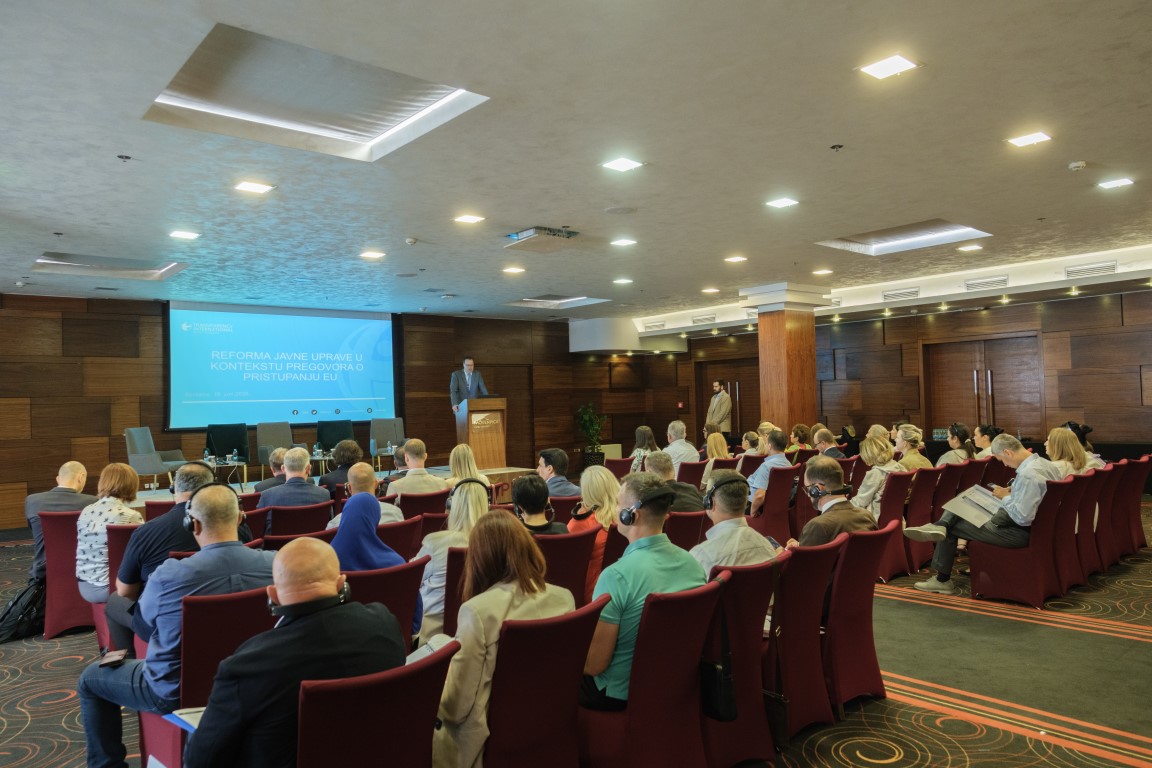
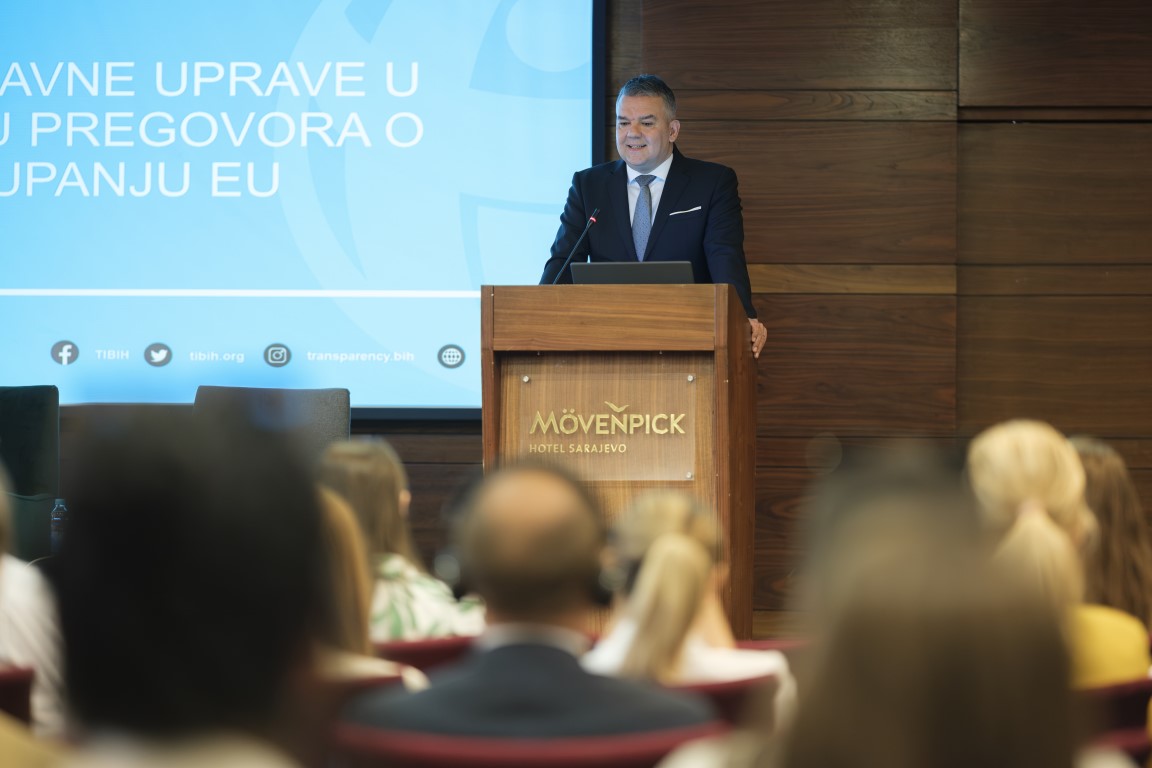
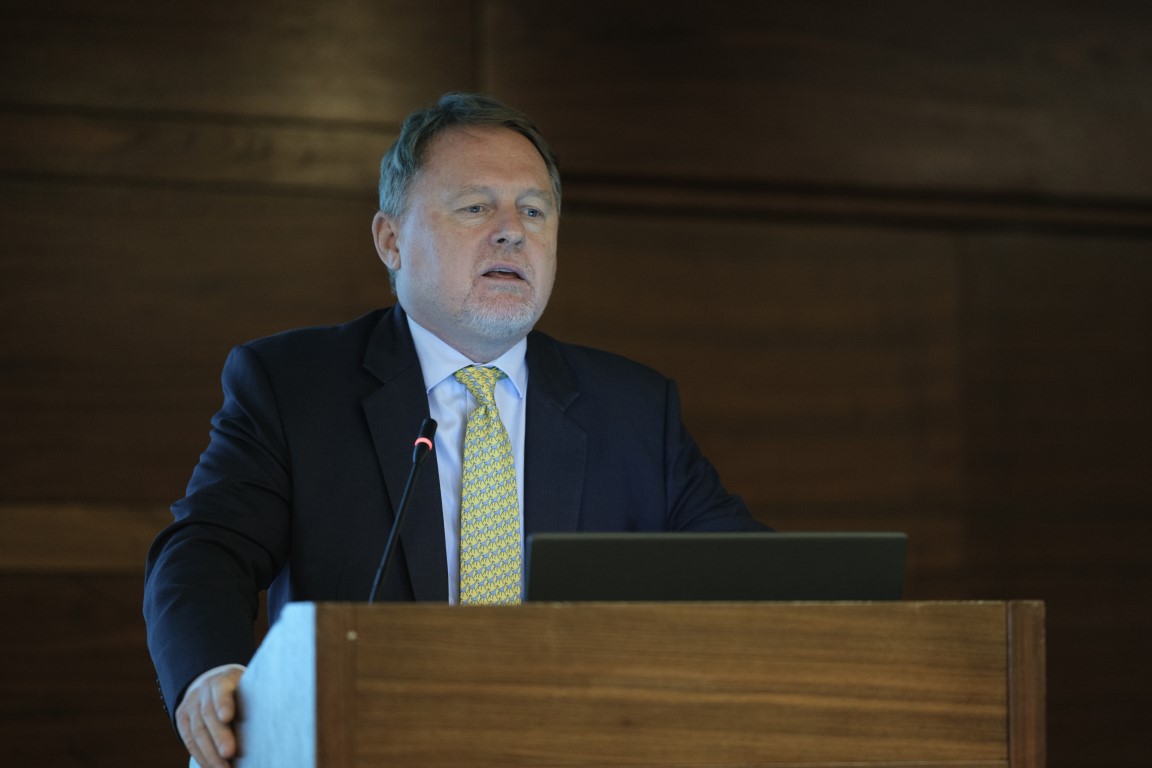
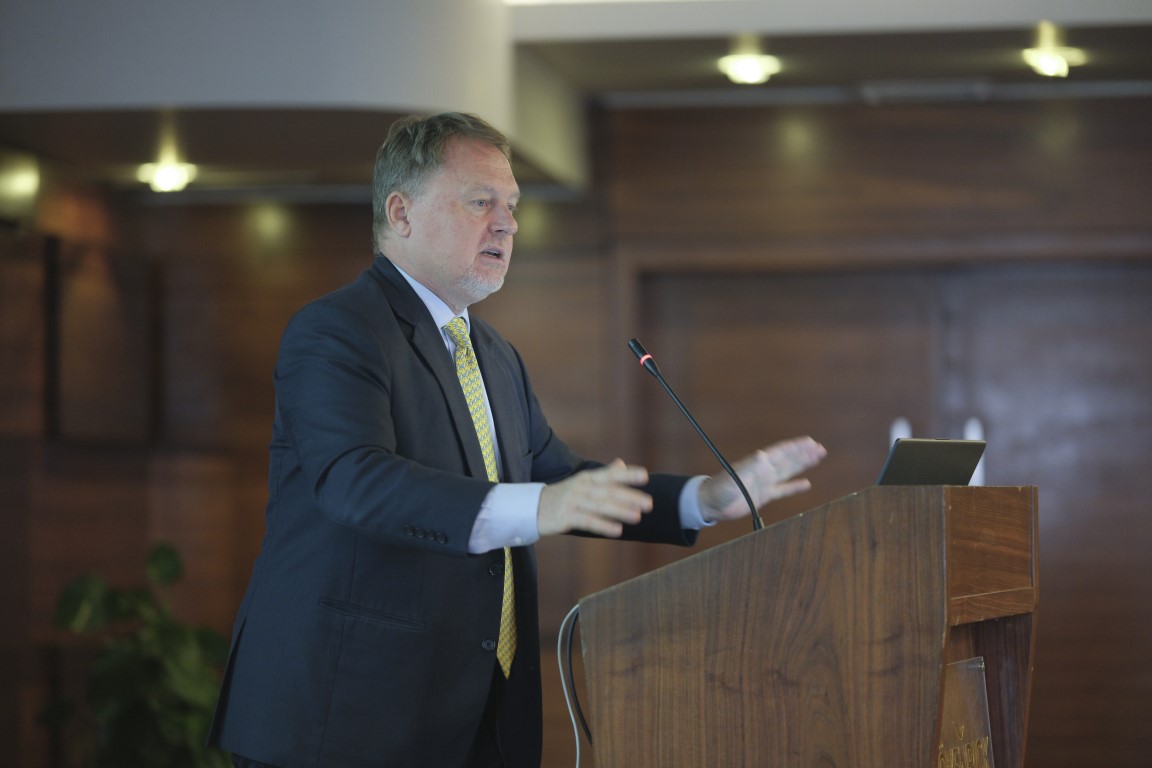
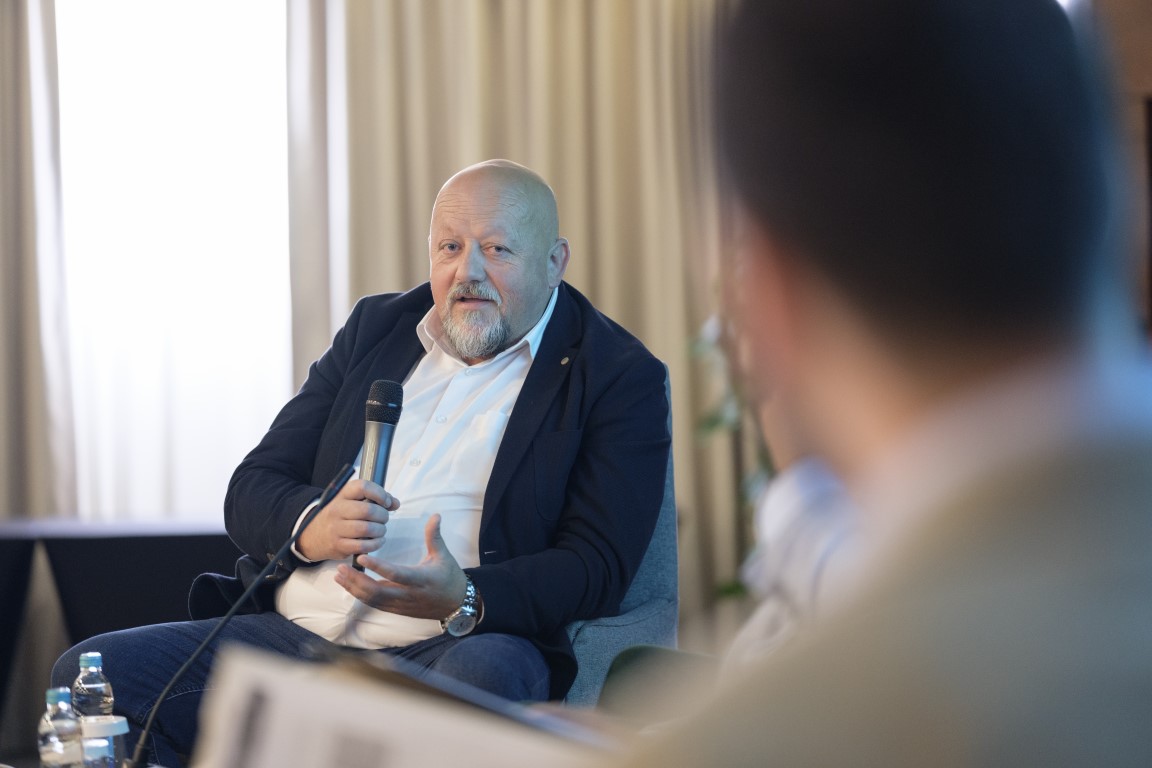
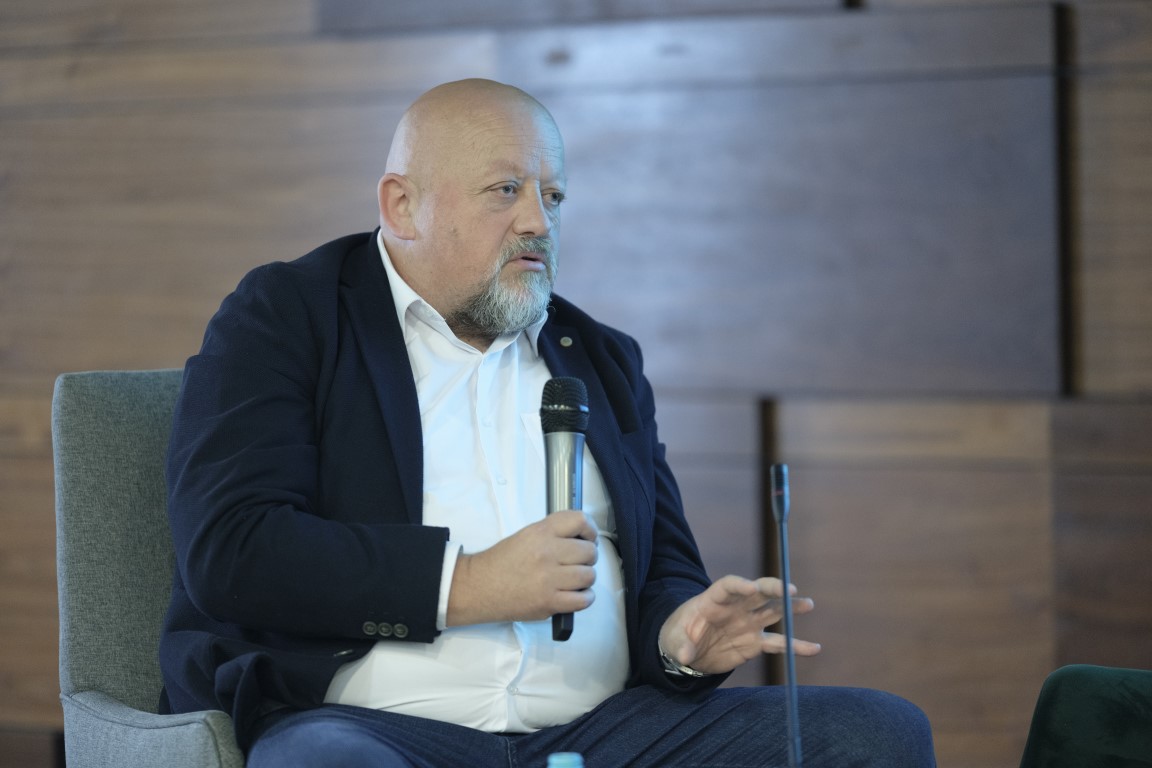
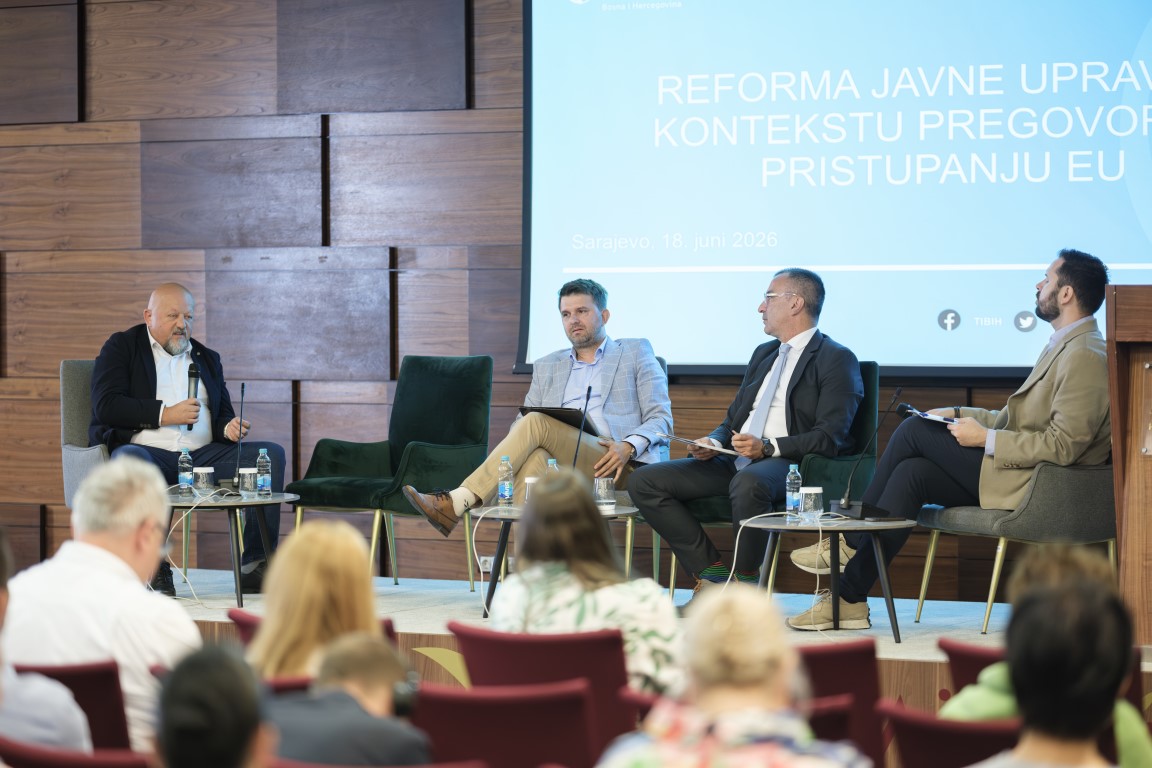
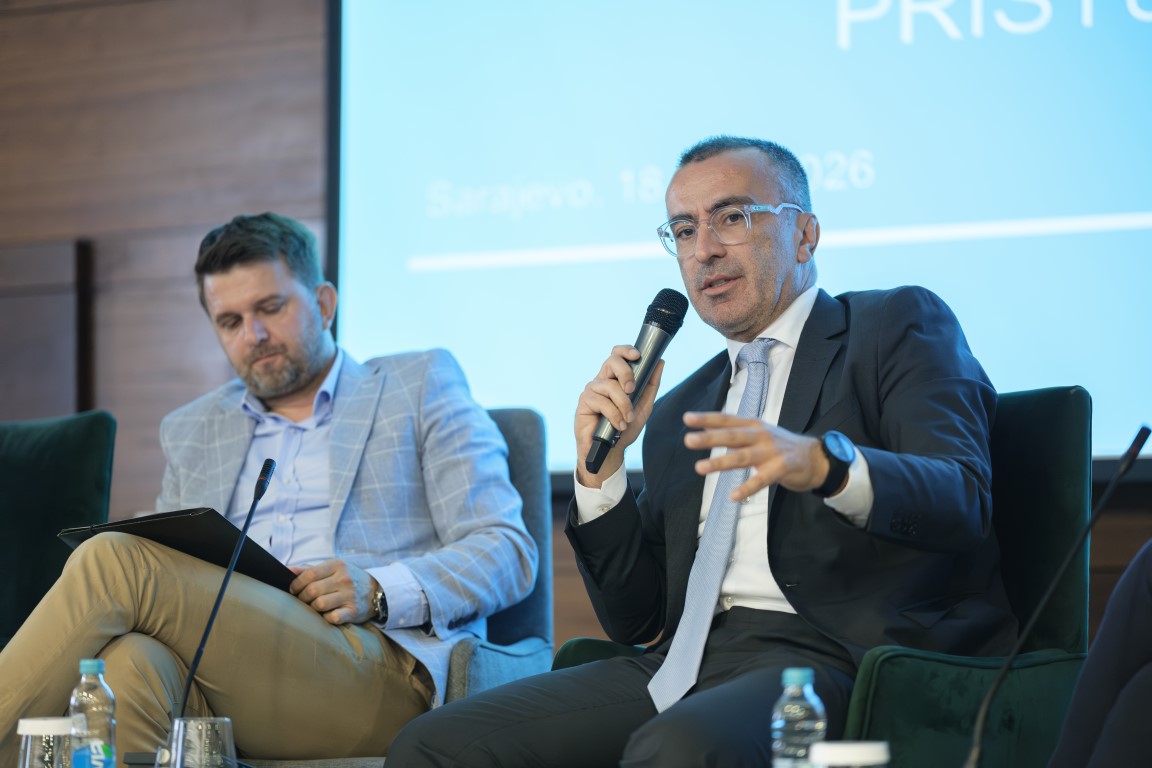
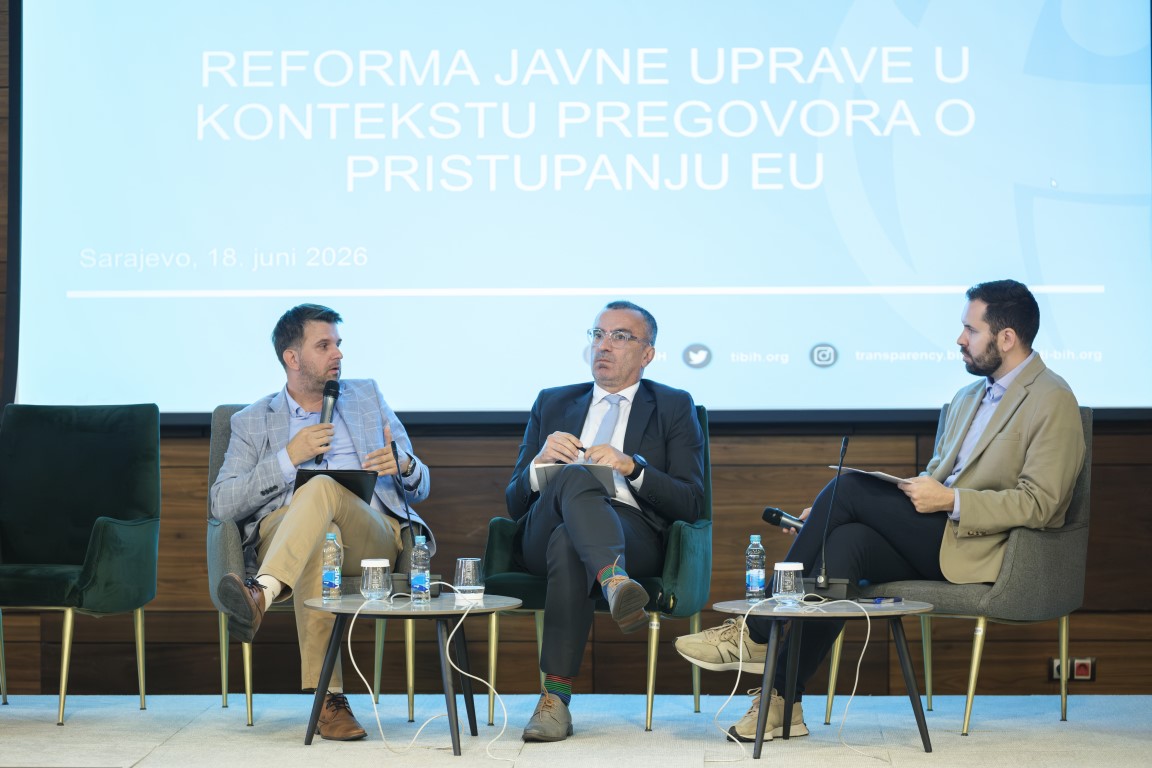
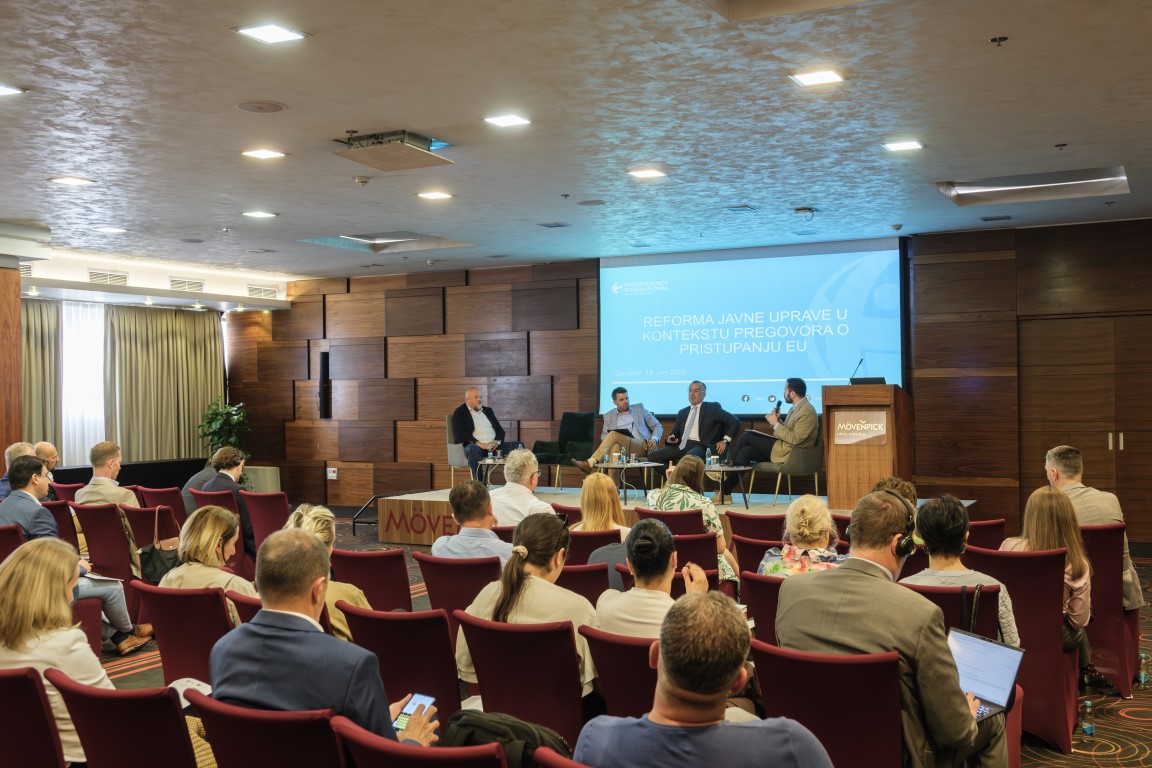
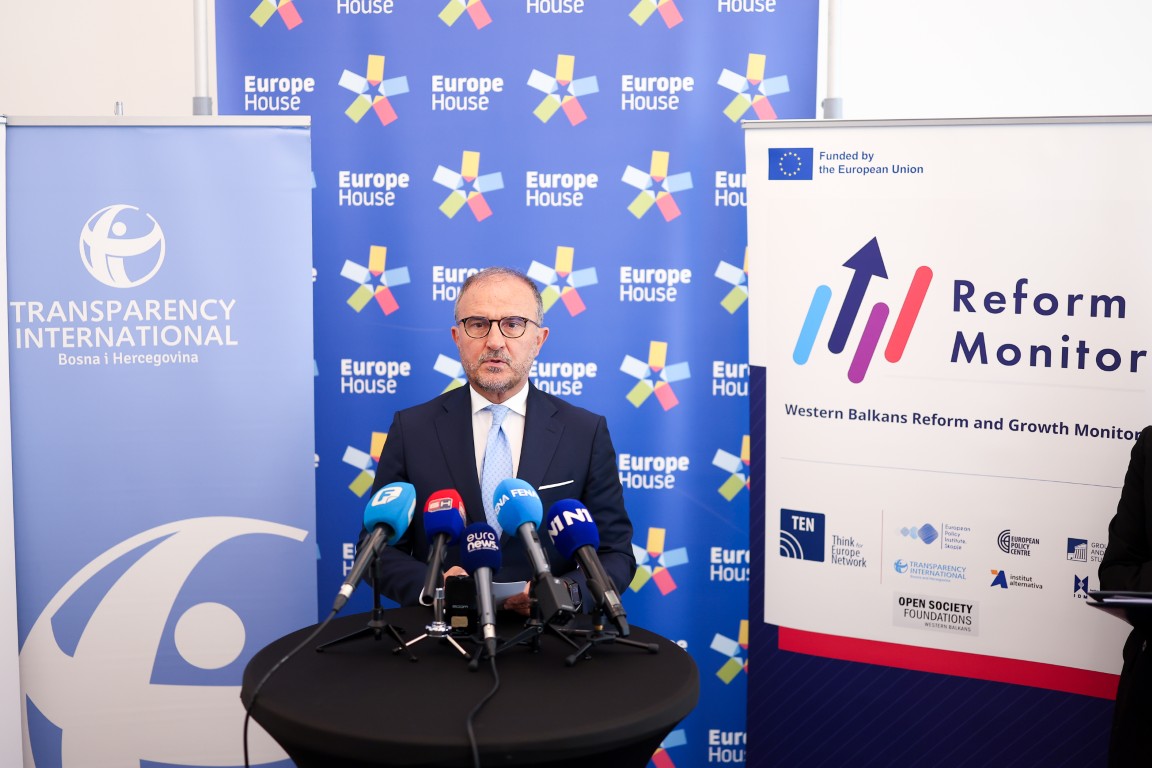
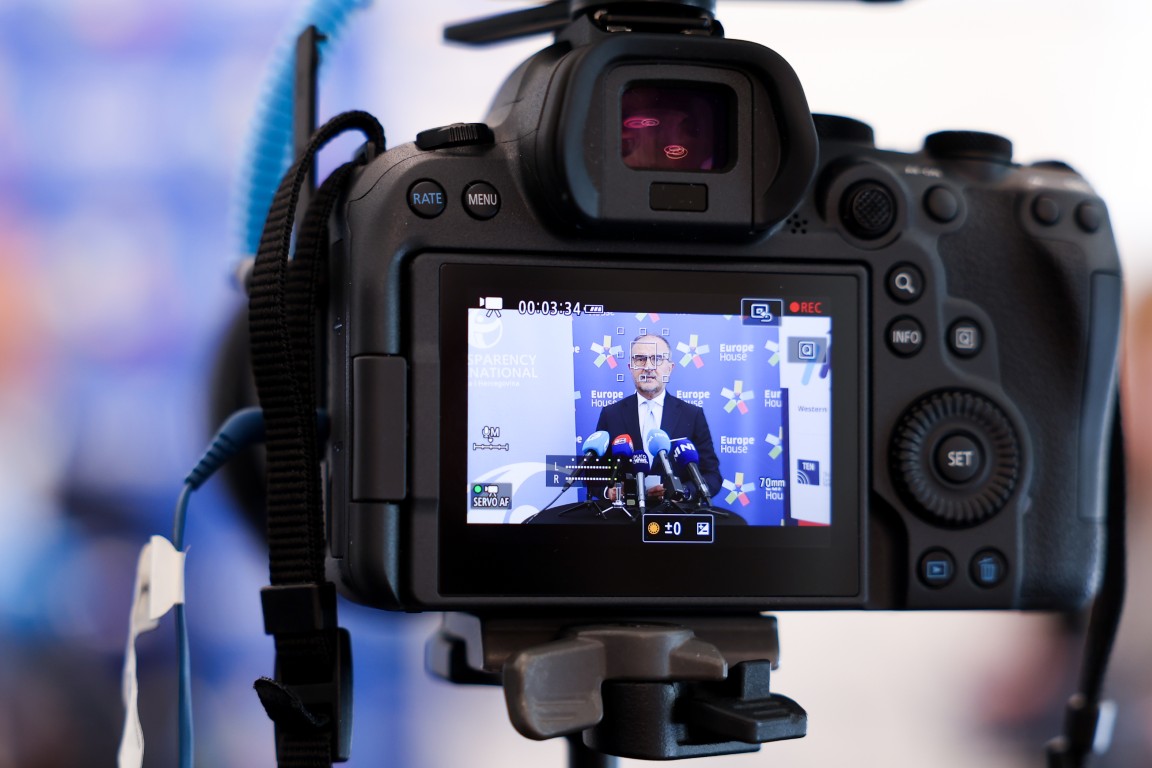
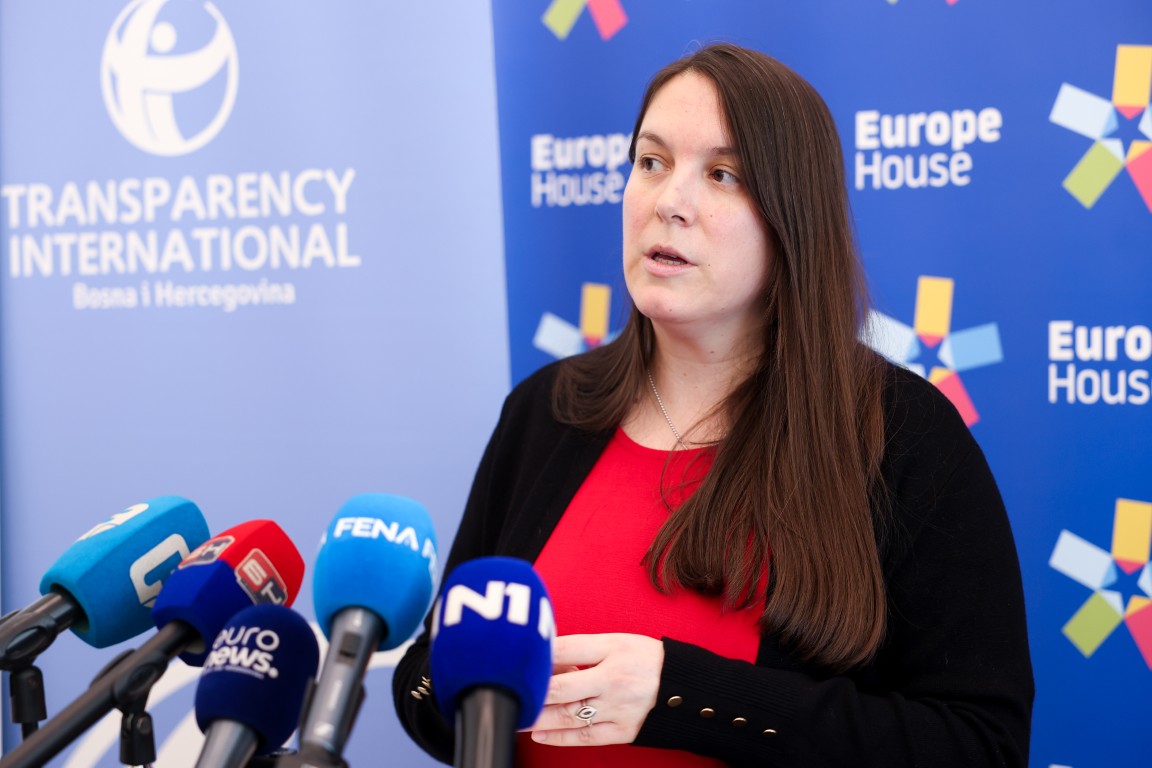
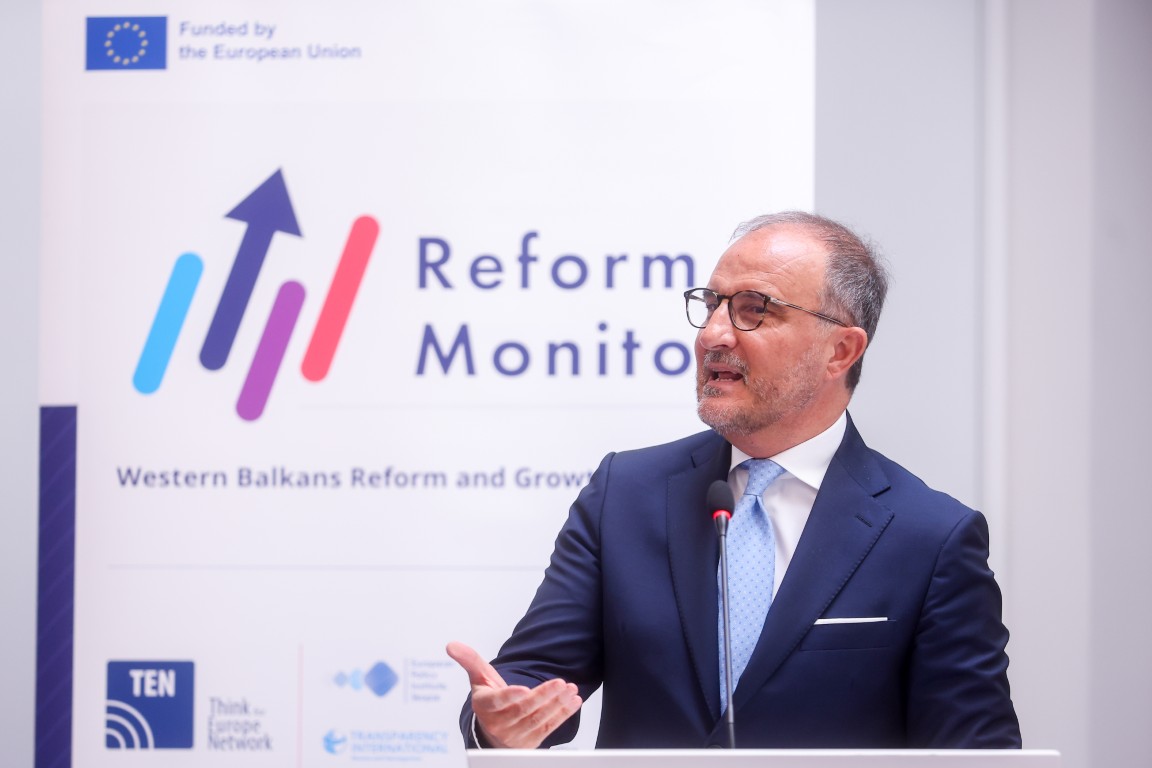
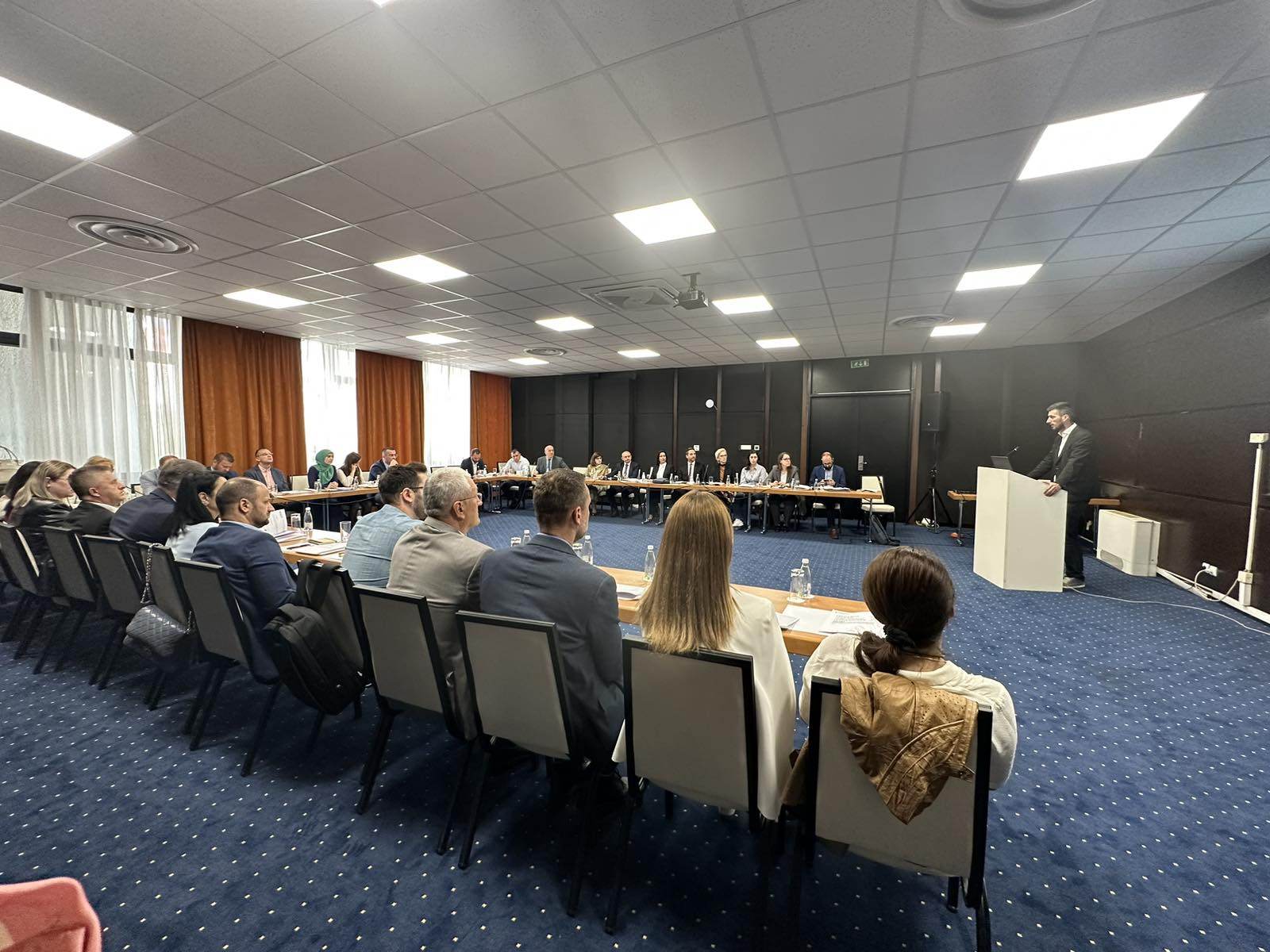
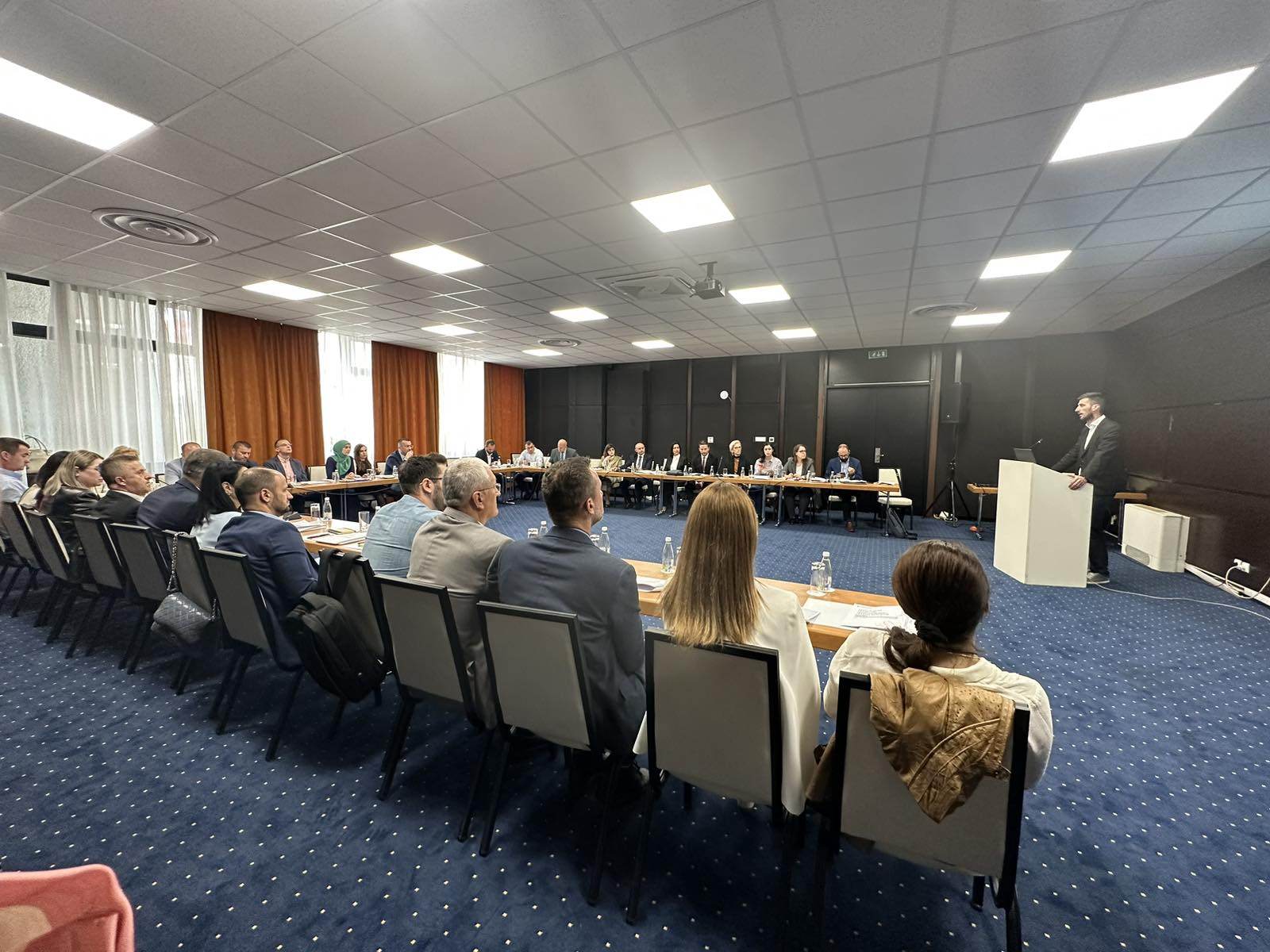
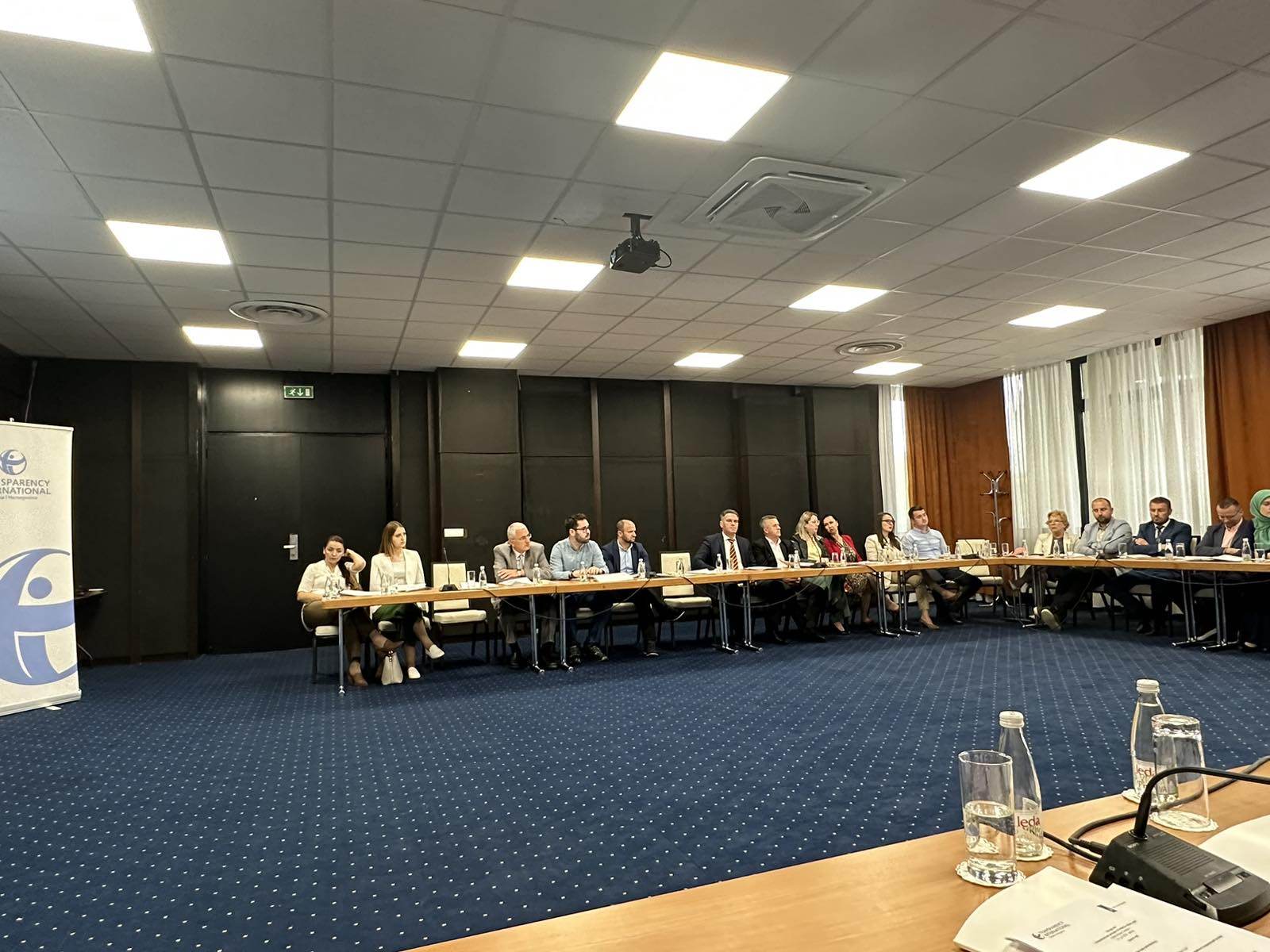
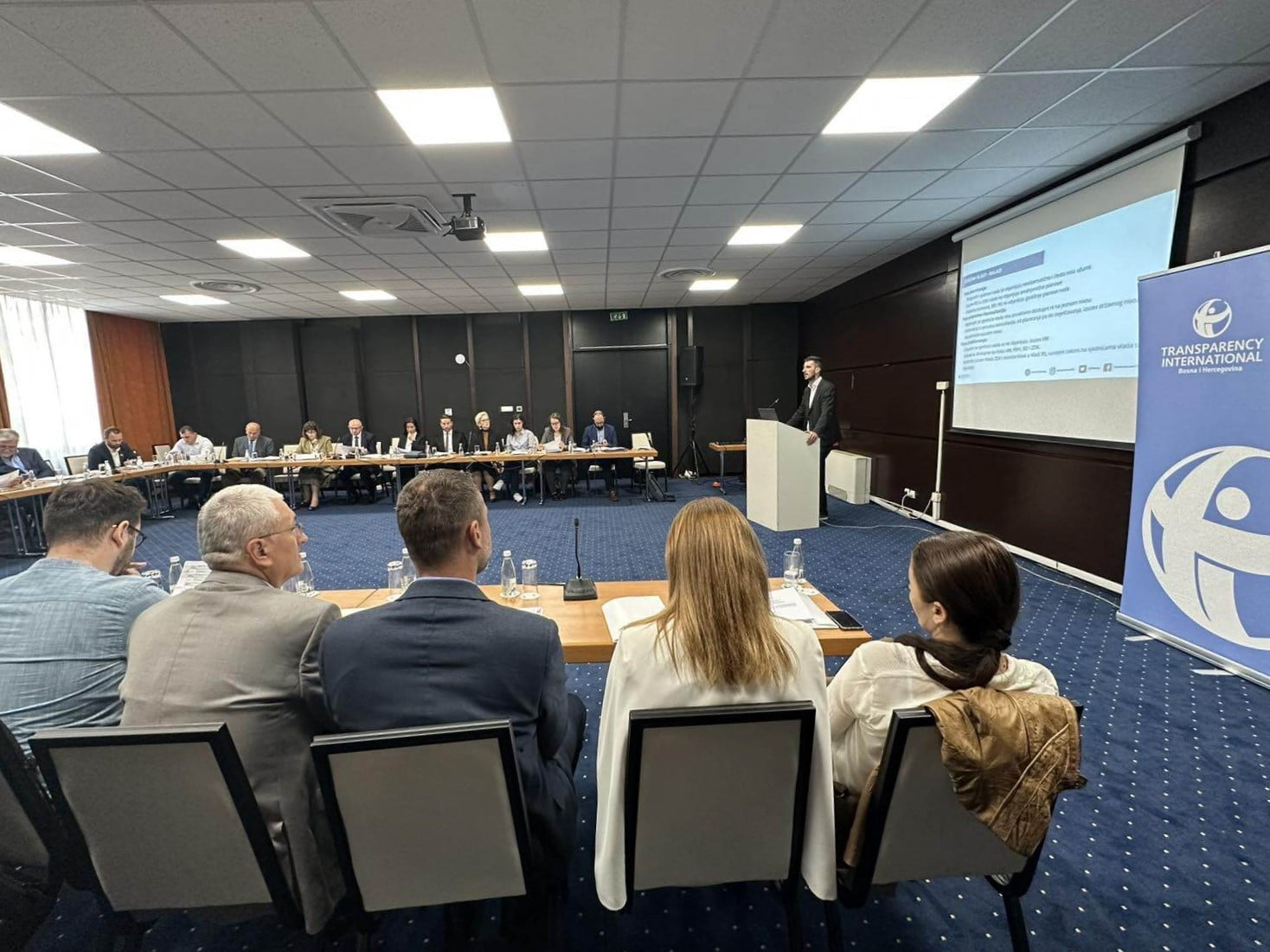
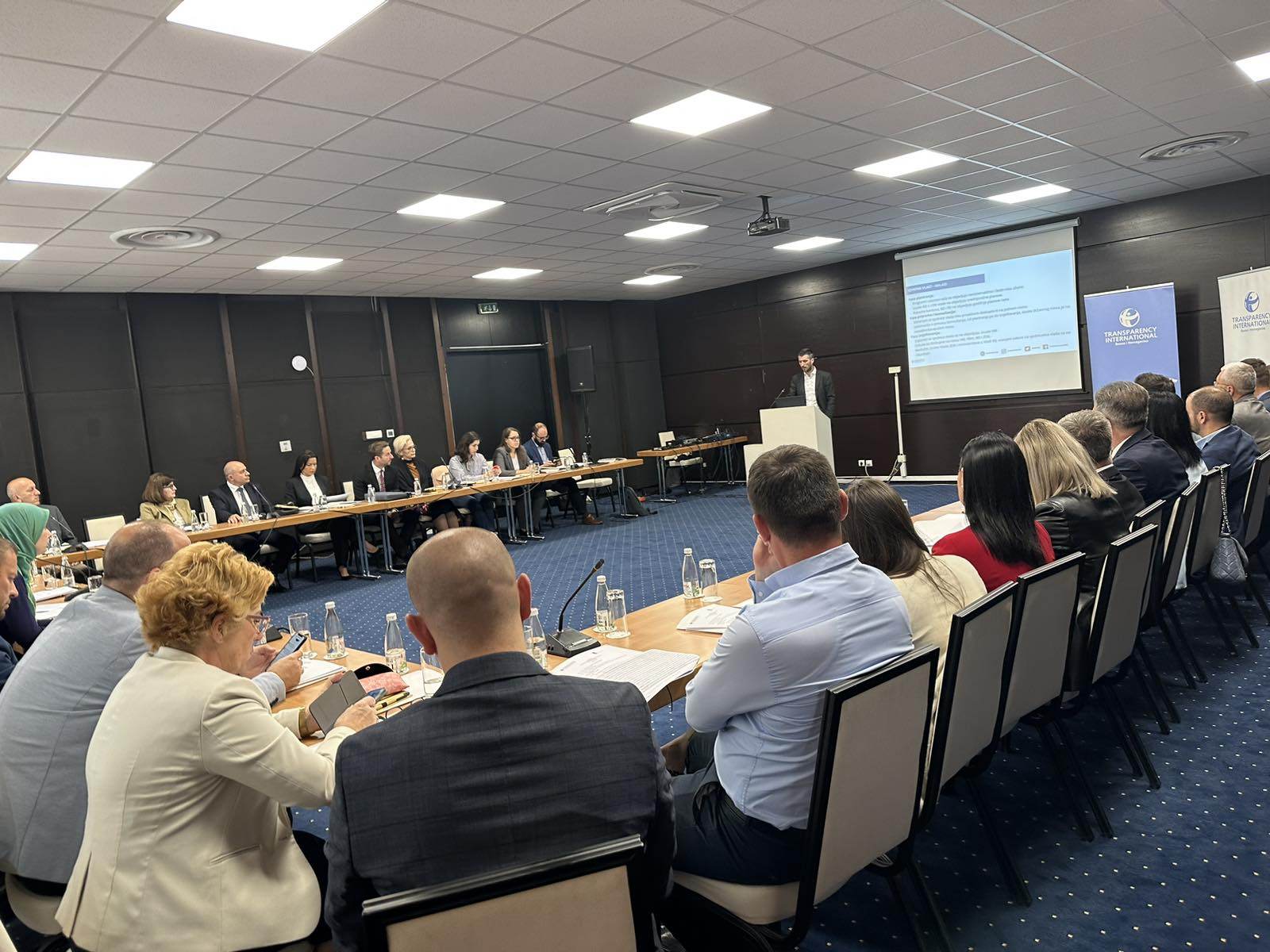
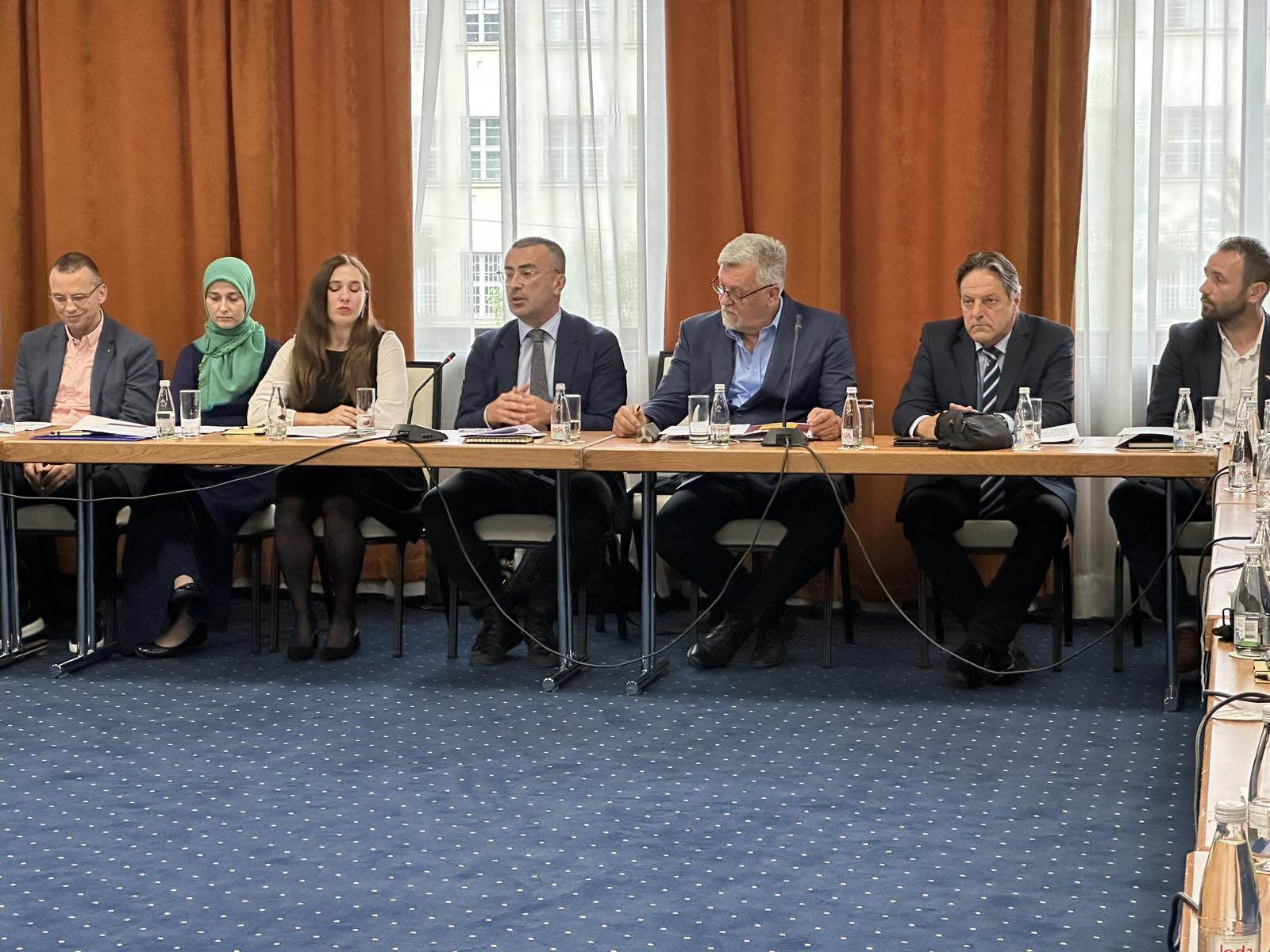
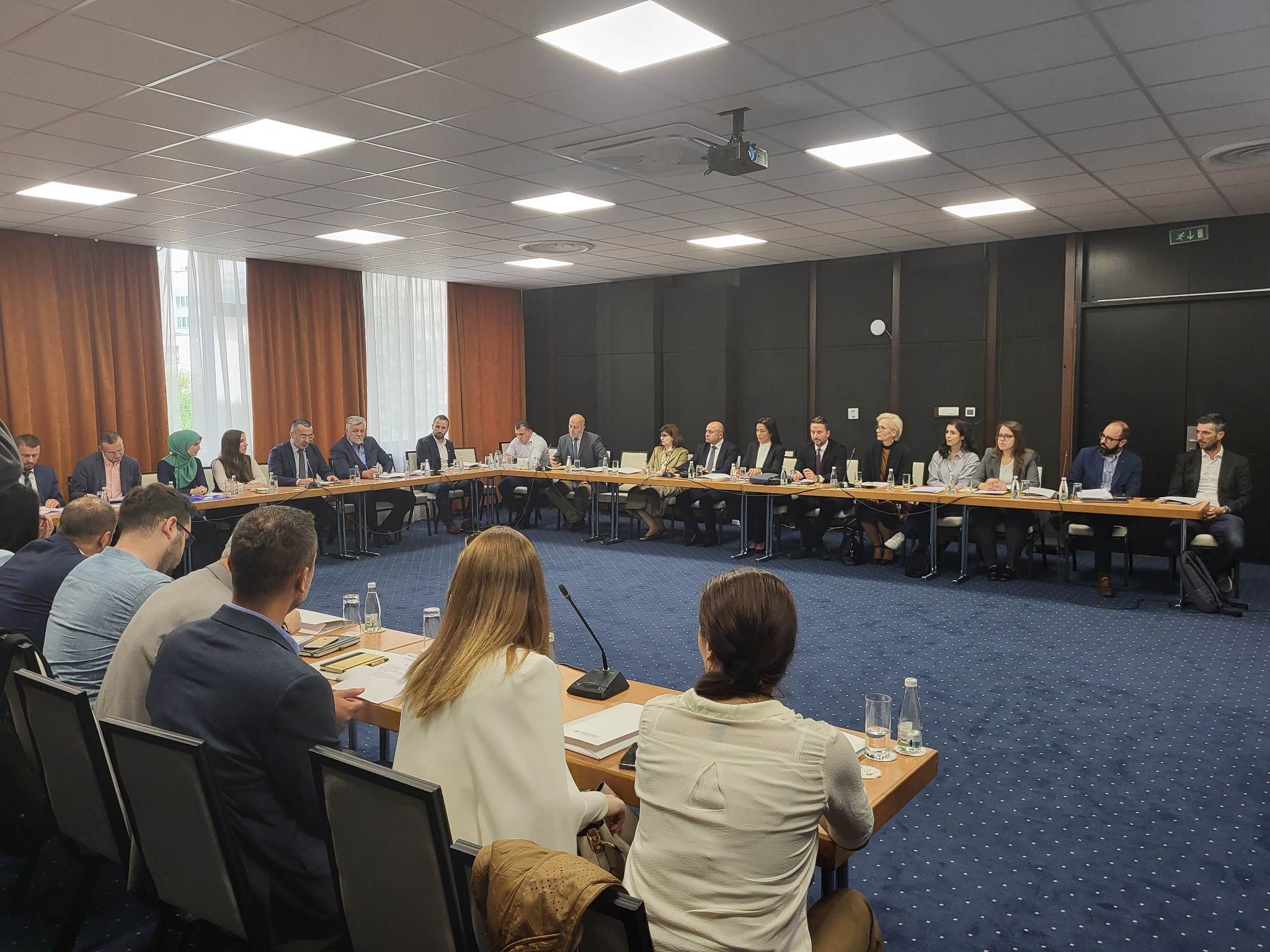
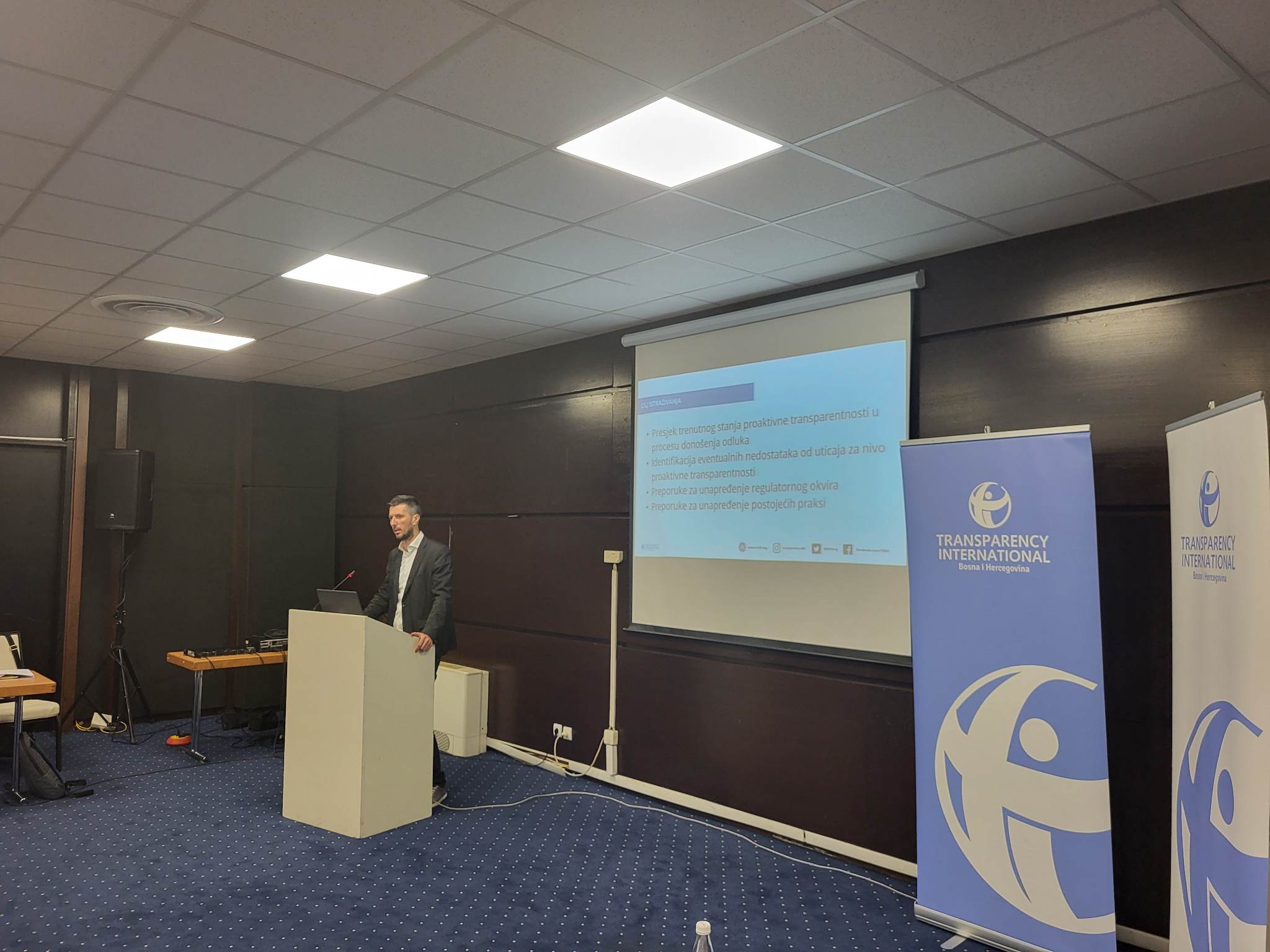
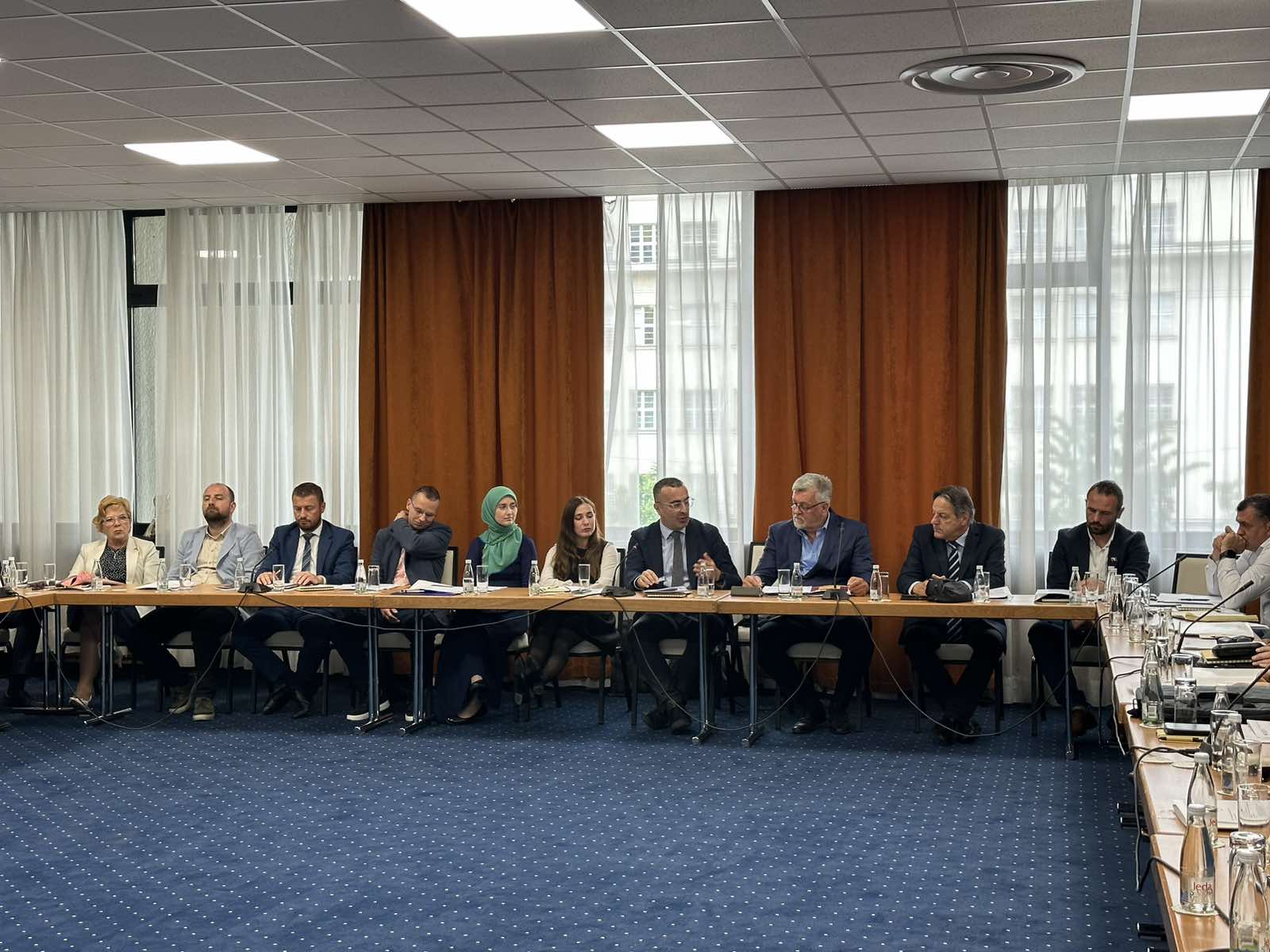
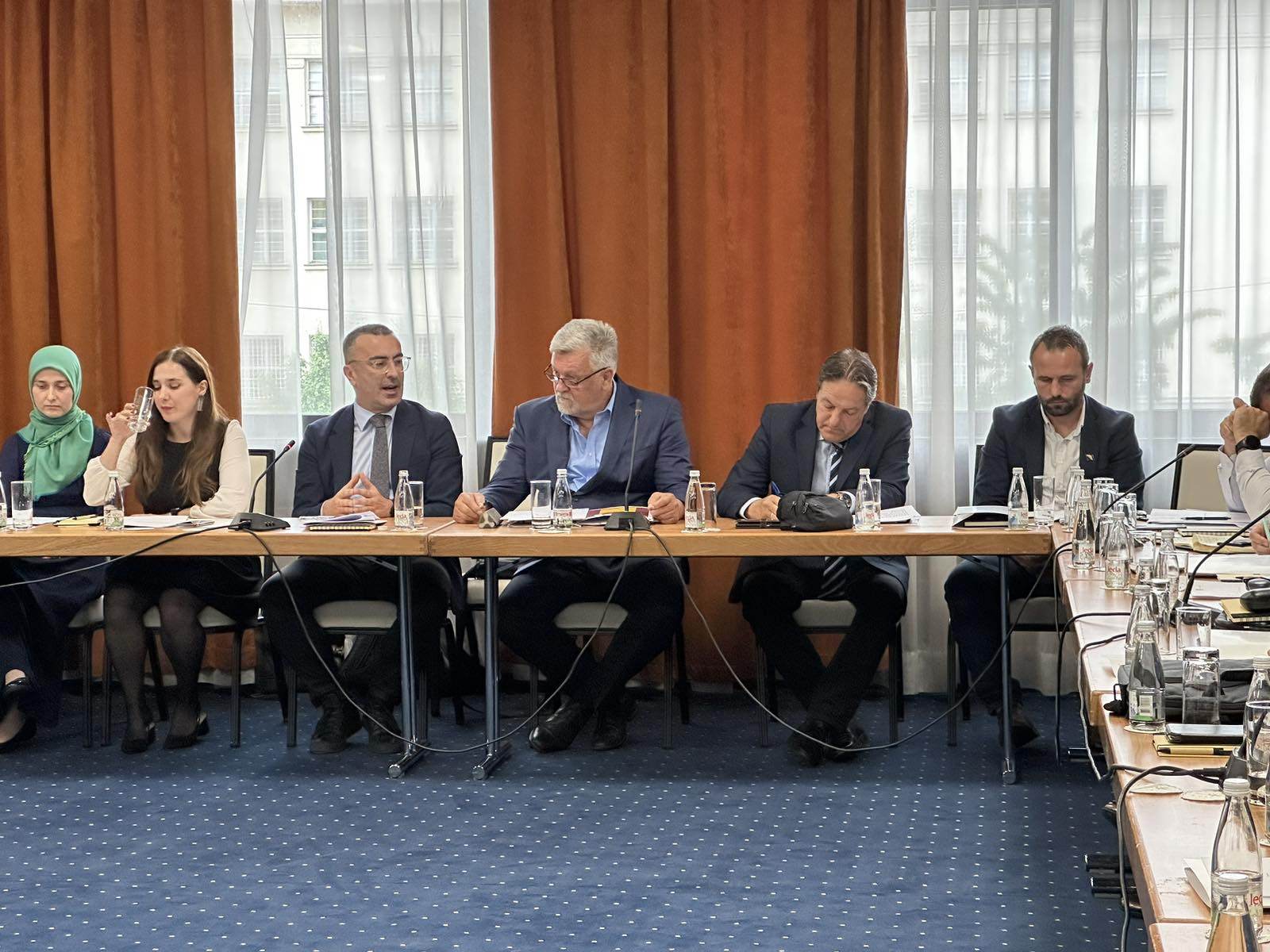
Sarajevo, 18. June 2026. year – Transparency International in Bosnia and Herzegovina (TI BiH) organized a conference today in Sarajevo titled “Public Administration Reform in the Context of European Union Accession Negotiations”, with the support of the governments of the Kingdom of Sweden and the Kingdom of Denmark. The conference brought together representatives of institutions from all levels of government in Bosnia and Herzegovina (BiH), civil service agencies, international organizations, and experts in public administration reform and European integration, with the aim of examining the current state of public administration reform and its role in the European Union (EU) accession process.

The starting point of the discussion was that public administration reform represents one of the key areas of the European integration process and an integral part of the “Fundamentals” Cluster, which is the first to open and the last to close during accession negotiations. As a horizontal reform, public administration affects the ability of institutions to design and implement public policies, manage reforms, and apply the EU acquis in all areas. Therefore, its success directly impacts the success of all other reform processes necessary for EU membership.

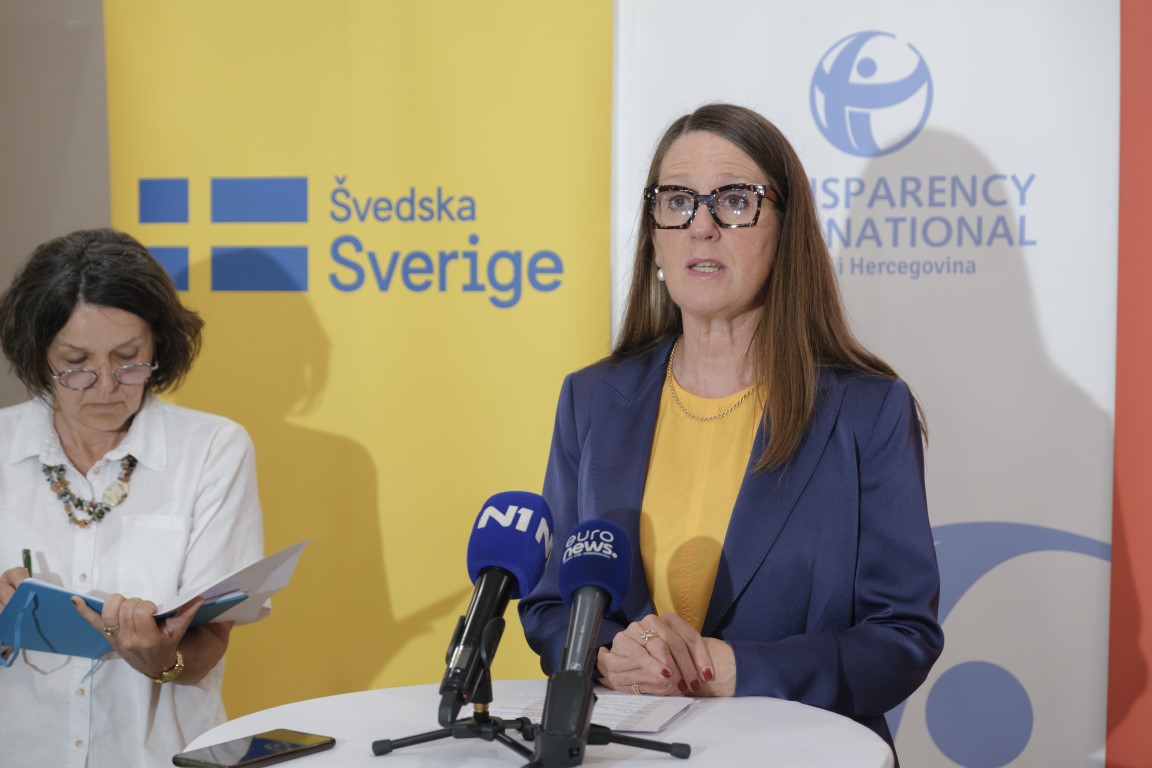
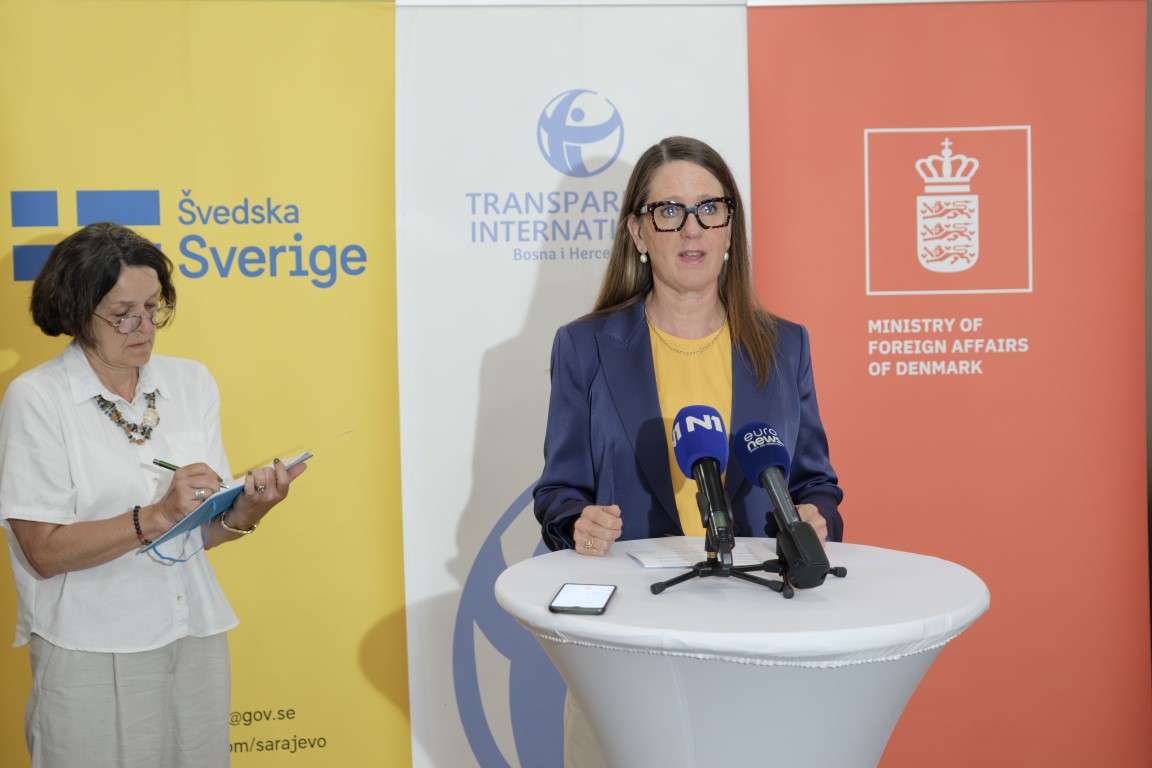
Speaking at the opening of the conference, Ambassador of the Kingdom of Sweden to Bosnia and Herzegovina Helena Lagerlöf emphasized that public administration reform is one of the key prerequisites for improving the quality of life of citizens and BiH’s progress on the European path:

“Public administration reform means real changes in the everyday lives of citizens—better quality public services, more efficient institutions, and building citizens’ trust in the public sector. Based on relevant reports and statistics, BiH is still in the early stages of public administration reform development and is ranked lowest among the Western Balkan countries. At the same time, building a modern, professional, and accountable public administration is crucial for BiH’s sustainable progress toward EU membership. We call on all levels of government to take concrete and coordinated steps to initiate the reform process and achieve visible progress.”

Particular attention was devoted to the concerning state of the reform process in BiH. According to the latest assessments by the European Commission and SIGMA, BiH is between the early stage of preparation and a certain level of preparation for public administration reform, while in most reform areas it ranks last among the Western Balkan countries. At the same time, the public administration reform process faces a serious standstill due to a lack of political support and the non-adoption of key strategic documents. The Revised Action Plan for Public Administration Reform 2023–2027 has been adopted only at the level of the Federation of BiH and Brčko District, while it has not yet been adopted at the BiH and RS levels. As a consequence, further development of the reform process has been blocked, including the operationalization of the Public Administration Reform Fund, which currently holds approximately 10 million BAM intended to support reforms.

During the first panel, dedicated to the readiness of public administration for accession negotiations, participants discussed the administrative capacities needed to conduct the complex process of negotiations with the European Union, including institutional coordination, public policy development, and reform management. It was particularly emphasized that the success of the negotiation process will largely depend on the ability of institutions to coordinate and implement the obligations arising from EU membership.

The second panel was dedicated to the professionalization of the civil service and the importance of recruitment, promotion, and human resource management based on merit principles. Participants emphasized that a professional, competent, and politically neutral civil service represents one of the fundamental prerequisites for efficient public administration, quality public policy design, and successful implementation of reforms.

The conference also presented TI BiH’s proposed initiative “EU Readiness Facility for Public Administration Reform”, which envisages unblocking and re-operationalizing the Public Administration Reform Fund and directing it toward strengthening the administrative capacities needed to conduct accession negotiations. Special focus was placed on developing the competencies of senior civil servants, who will play a key role in coordinating reforms, harmonizing legislation with the EU acquis, and managing the complex processes of European integration.

Conference participants agreed that it is necessary to urgently restore the political momentum of public administration reform, ensure political leadership, adopt the Revised Action Plan, and secure adequate financial and institutional preconditions for continuing the reform process.

Among the key recommendations highlighted were:

  • adoption of the Revised Action Plan for Public Administration Reform 2023–2027 at all levels of government;
  • unblocking and operationalization of the Public Administration Reform Fund;
  • strengthening administrative capacities for conducting EU accession negotiations;
  • development of special programs to strengthen the capacities of senior civil servants;
  • improvement of the recruitment, promotion, and management system in the civil service in accordance with merit principles and European standards.

It was concluded that the success of the European integration process will not depend solely on political decisions and the adoption of regulations, but primarily on the ability of institutions to implement reforms in practice. Therefore, public administration reform must be returned to the priorities of all levels of government in BiH, so that the country is prepared to meet the obligations arising from the EU accession process.
Press rls_18_06_2026

Without reforms, BiH loses one billion marks from the Growth Plan by the end of the year. Marta Kos: There will be no extension of this deadline

Sarajevo, 29. April 2026 . Bosnia and Herzegovina faces the risk of permanently losing 373.9 of the total 976.6 million euros available to it through the Growth Plan for the...

Izvještaji za Mediae

Without reforms, BiH loses one billion marks from the Growth Plan by the end of the year. Marta Kos: There will be no extension of this deadline

Sarajevo, 29. April 2026 . Bosnia and Herzegovina faces the risk of permanently losing 373.9 of the total 976.6 million euros available to it through the Growth Plan for the Western Balkans if it does not implement reforms in the areas of strengthening the rule of law, judicial integrity, preventing conflicts of interest, and protecting whistleblowers by the end of the year, as it committed to under the Reform Agenda.

While warnings from the EU indicate that deadlines will no longer be extended, BiH has already been sanctioned with a 10% reduction in available funds due to delays, meaning that 108 million euros will be invested elsewhere instead of in development and infrastructure projects in BiH, and further procrastination means not only the loss of nearly one billion marks, but also further erosion of credibility on the European path.

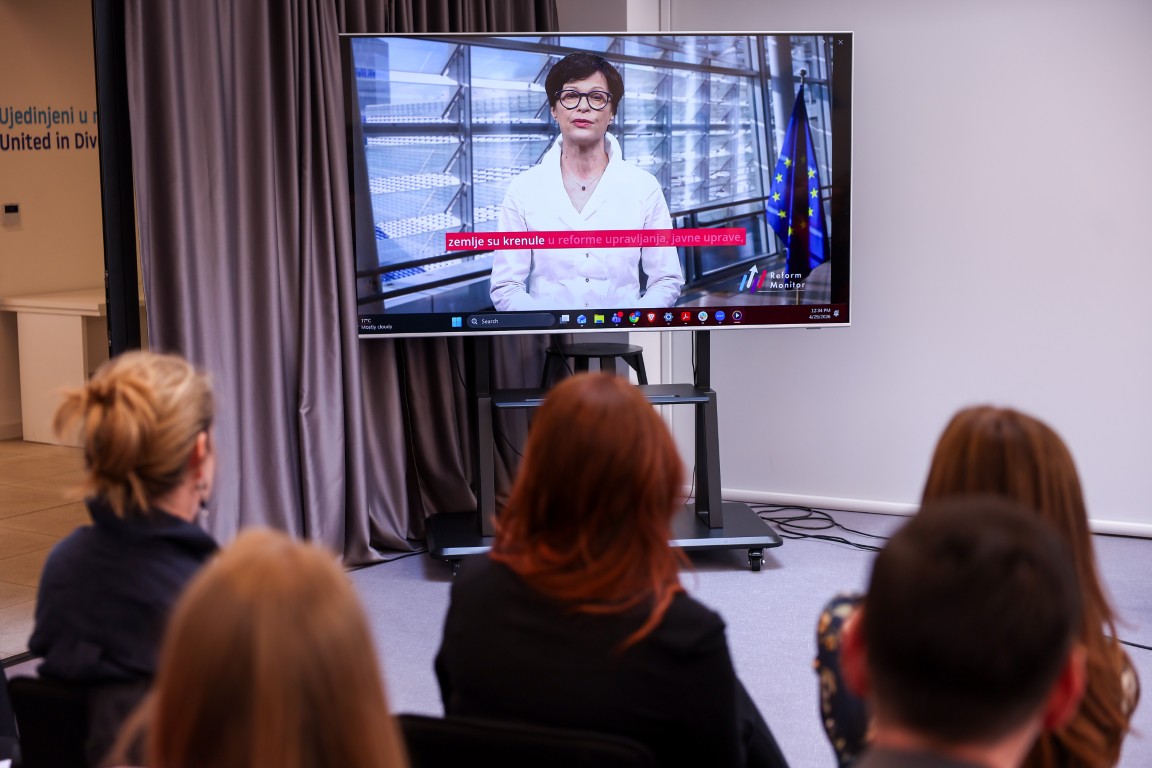
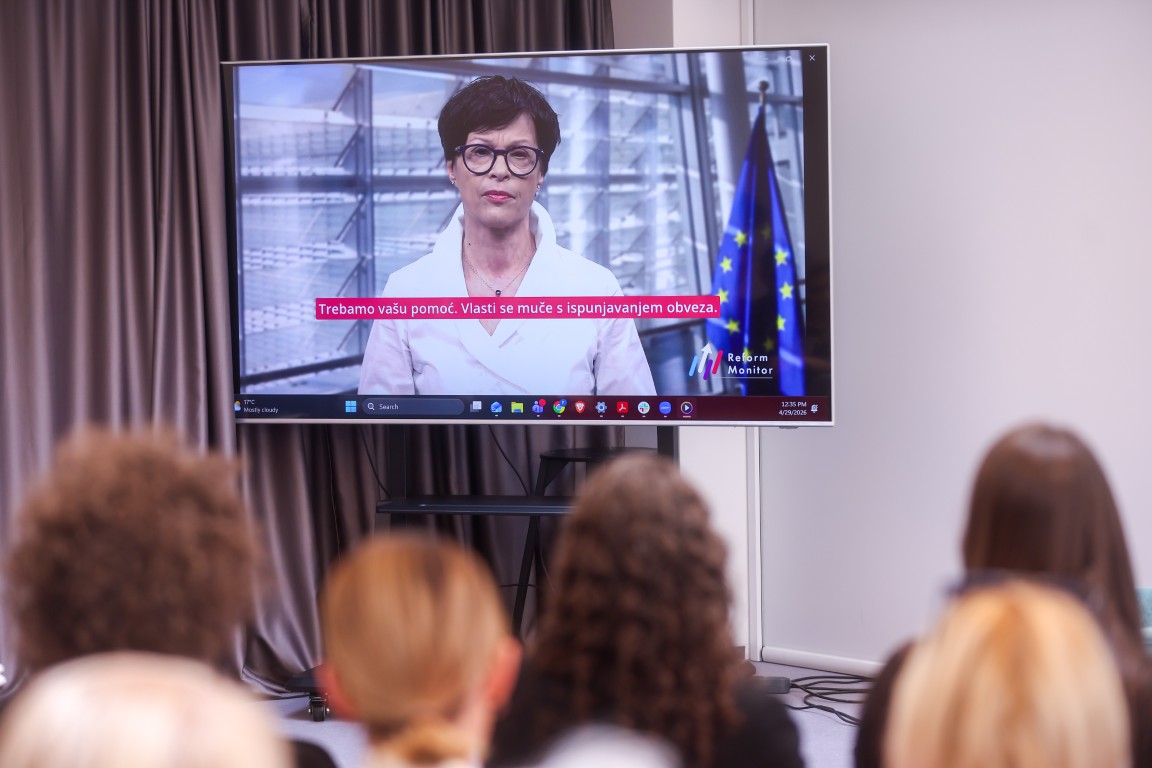
“Just last week, I sent a letter to the authorities, warning that Bosnia and Herzegovina risks losing hundreds of millions of euros if the necessary reforms are not implemented by December 2026. years” emphasized Marta Kos, European Commissioner for Enlargement, in a video message at the opening of the First Consultative Forum on the Implementation of the Reform Agenda in BiH (CONFRA BiH), organized today in Sarajevo by Transparency International in Bosnia and Herzegovina (TI BiH).

She added that there will be no extension of this deadline, warning that “almost 50 percent of the funds (977 million convertible marks) could be lost” and reminded that countries in the region have launched necessary reforms in governance, public administration, the private sector, energy, human capital, and the rule of law, after which the promised funds followed.

Unlike them, Bosnia and Herzegovina, where public focus has been too long on the amount of available funds rather than on the obligations that must be fulfilled, has still not signed and ratified the agreement on accession to the Reform and Growth Instrument and the loan agreement, which are prerequisites for using the 976.6 million euros.

However, inaction also carries its own cost. Namely, in the absence of reforms, Bosnia and Herzegovina risks losing 373 million euros from the funds allocated under the Growth Plan, in addition to the 108 million euros it lost last year.

“The reforms in the Reform Agenda are the blueprint for an economic transformation in this country – one that will help it to use its considerable economic potential. This country has an educated population, a proud industrial tradition and is geographically located in the heart of Europe close to the European Single Market.” stated Luigi Soreca, Head of the EU Delegation to Bosnia and Herzegovina, adding that these advantages are not being utilized sufficiently.

“The education system needs urgent reform. Much of BiH’s industry relies on ageing technology, and needs to be modernised, including to take advantage of the clean energy revolution. BiH may be geographically close to the European Single Market, but barriers still exist to accessing it. The reforms in the Reform Agenda help bring these barriers down and move this country closer to receiving the benefits of EU membership. There is however also a cost to inaction – in the absence of reforms, regrettably, Bosnia and Herzegovina is at risk of losing EUR 373 million from its allocation under the Growth Plan, in addition to the EUR 108 million it lost last year” Soreca added.

Forum participants emphasized that the aforementioned funds from the Growth Plan are not a reward for declarative commitment to the European path, but support for countries that demonstrate political will, capacity, and responsibility to implement reforms. Therefore, BiH must appoint a national coordinator, establish a secretariat, a monitoring committee, and contact points for each reform step, so that it is clear who is responsible for implementation, monitoring, and reporting.

In addition, it was emphasized, the implementation process must be more open to the public, which means that the authorities must publish the Reform Agenda in the official languages of BiH together with a list of infrastructure projects to be financed from the Growth Plan, so that citizens know what the state has promised and where it plans to direct the available funds.

“The Growth Plan is a test of institutional responsibility, not just a financial opportunity. If the authorities in BiH are not prepared to implement the reforms they themselves undertook, then the problem is not only in the lost funds, but in the message that political representatives are sending to the EU and citizens. The attitude toward the Growth Plan today shows the real attitude toward BiH’s European path “, stated Ivana Korajlić, Executive Director of TI BiH.

TI BiH warns that when establishing the institutional framework, lessons learned from a decade of a dysfunctional coordination mechanism must be utilized. Through the new system, it is necessary to define clear responsibilities, deadlines, and mechanisms for overcoming blockages, so that the implementation of the Reform Agenda does not turn into another captured process.

Civil society and other relevant actors need to be included in the work of the monitoring committee through a transparent process and clear criteria, based on expertise, experience, and proven results. Only in this way can the monitoring and reporting process be of higher quality, more open, and focused on real results.

Continued delays and political blockages do not only mean the loss of available funds. They directly harm BiH’s credibility before the European Union and member states, and reduce the chances that the country will make a serious step forward toward opening negotiations in the near future. Therefore, TI BiH calls on the authorities to open the implementation process of the Reform Agenda to civil society and to use CONFRA BiH as a space for regular dialogue, monitoring progress, and addressing obstacles in fulfilling undertaken obligations.

Press rls_29_04_2026

Video message, Marta Kos, European Commissioner for Enlargement

Photo gallery

See also:

TI BIH ANALYSIS: REFORM LAWS ADOPTED THROUGH EU INTEGRATION DID NOT GIVE RESULTS, NEGATIVE EFFECTS VISIBLE IN SOME AREAS

No positive developments were recorded after the adoption of four reform laws significant for Bosnia and Herzegovina’s European path. Some provisions are not implemented,...

Izvještaji za Mediae

TI BIH ANALYSIS: REFORM LAWS ADOPTED THROUGH EU INTEGRATION DID NOT GIVE RESULTS, NEGATIVE EFFECTS VISIBLE IN SOME AREAS

No positive developments were recorded after the adoption of four reform laws significant for Bosnia and Herzegovina’s European path. Some provisions are not implemented, while some already have negative effects, which civil society warned about before the adoption of the law. The analysis of Transparency International in BiH (TI BIH) showed that the new Law on Freedom of Access to Information at the BiH level did not accelerate the publication of data of public interest.

“According to the experience of TI BIH, the waiting time for the decision of the second instance authority is longer than during the application of the old law.” Although the Appeals Chamber at the Council of Ministers in most cases made decisions on appeals within the legally prescribed time limit, some first-instance bodies did not submit their decisions to the TI BIH within the legally prescribed time limit. In addition, a long list of exceptions allows the authorities to hide numerous information of public interest and thus prevent the media and civil society from monitoring the work of institutions and uncovering irregularities.”

In addition, a long list of exceptions allows the authorities to hide numerous information of public interest, thus preventing the media and civil society from monitoring the work of institutions and uncovering irregularities.

The amendments to the Law on the HJPC did not improve the integrity of the holders of judicial offices in practice, and the Department for checking property records of judges and prosecutors has not yet been established. Also, not all the recommendations of the EU and the Venice Commission were followed, and non-implementation of the new provisions called into question the functioning of the umbrella institution of the BiH judiciary. Immediately before the implementation of the law, the HJPC appointed a number of holders of judicial positions, and new appointments are made without checking reports on assets and interests. Due to political obstructions related to the adoption of the budget, the Department will carry out checks of property records retroactively only from February 2025. In addition to these urgent changes, the goal of which should have been to strengthen the integrity of the judiciary, Bosnia and Herzegovina must also adopt a new law on the HJPC. The recently prepared preliminary draft does not meet the necessary standards, which TI BiH has already warned about and which was confirmed by the opinion of the Venice Commission.

The new law on the Prevention of Conflict of Interest brought significant improvements, but its implementation was postponed for 6 months, i.e. until September of this year. The competition for the appointment of members of the new independent Commission that will decide on the conflict of interest was announced only at the end of May and it is unlikely that it will be completed on time. The commission will have a short deadline to adopt a large number of by-laws, which could further delay the implementation of the law due to the current work dynamics. It is important to note that the focus of the reforms is placed only on the state level, while the law regulating this issue is still not applied in the Federation of Bosnia and Herzegovina, and the Republic of Srpska adopted harmful changes last year and practically legalized the conflict of interest. The Law on Prevention of Money Laundering and Financing of Terrorist Activities still does not meet all international standards and recommendations. TI BiH appeals to the Ministry of Security of BiH to speed up work in order to meet the deadline for the adoption of by-laws by the end of August 2024, without which the implementation of the law is not possible.

Although the adoption and implementation of these laws are necessary for the effective fight against corruption, which is a key priority for BiH on the European path, TI BiH points out that the authorities in BiH did not perform the quality work when it comes to this task. The process was non-transparent, with no opportunity for meaningful public participation, and civil society proposals submitted during public consultations were generally not adopted. Before the vote, the Council of Ministers changed the essential provisions of the reform laws, thus rendering the process meaningless. Due to all of the above, the citizens of Bosnia and Herzegovina who suffer the consequences of widespread corruption on a daily basis have not yet felt the positive effects of the reforms. The European Commission will publish its assessment of the quality of the content and application of the aforementioned laws in the Expansion Package, i.e. the report on Bosnia and Herzegovina, which is expected to be published in October this year.

Press rls_22.07.24.

* Addendum published on July 26, 2024: Transparency International in BiH, after the publication of the analysis and announcement, received the reaction of the Appeals Council at the BiH Council of Ministers about the part related to the implementation of the Law on Freedom of Access to Information at the level of BiH institutions. In the original version of the analysis and announcement, it was announced that the Appeals Council at the Council of Ministers of BiH did not comply with the legal deadline for dealing with appeals in the second instance procedure. An additional check established that the Appeals Council of the BiH Council of Ministers made decisions within the legal deadline, but that the first-instance authorities did not submit a decision on the appeal to the applicant, that is, TI BIH.

“According to the experience of TI BIH, the waiting time for the decision of the second instance authority is longer than during the application of the old law.” Although the Appeals Chamber at the Council of Ministers in most cases made decisions on appeals within the legally prescribed time limit, some first-instance bodies did not submit their decisions to TI BIH within the legally prescribed time limit. In addition, a long list of exceptions allows the authorities to hide numerous information of public interest and thus prevent the media and civil society from monitoring the work of institutions and uncovering irregularities.”

This version of the analysis and announcement has been modified in accordance with the results of the review.

TI BIH: A DRASTIC INCREASE IN THE NUMBER OF REPORTS OF CORRUPTION IN STATE ADMINISTRATION

In the first six months of this year, 194 corruption-related cases were initiated, of which 87 relate to irregularities in state administration, according to the semi-annual...

Izvještaji za Mediae

TI BIH: A DRASTIC INCREASE IN THE NUMBER OF REPORTS OF CORRUPTION IN STATE ADMINISTRATION

In the first six months of this year, 194 corruption-related cases were initiated, of which 87 relate to irregularities in state administration, according to the semi-annual report of the Center for Providing Free Legal Aid in the Fight Against Corruption, Transparency International in BiH for the year 2024.

The number of cases related to state administration has increased by 26% compared to the same period last year (69), confirming the findings of another research conducted by TI BiH, stating that citizens encounter corruption most often in public administration.

Citizens report to the Center pointing out irregularities in public administration at all levels in Bosnia and Herzegovina, most often reporting irregularities in employment and appointment in public bodies, favoritism and illegalities in the distribution of public funds, the performance of works on the construction and maintenance of local infrastructure, access to health services, and discrimination and violation of rights from labor relations, etc.

Overall, in the first part of this year, citizens made 1,227 calls at the Center’s free line for corruption 0800 55555, twice as much as in the first half of 2023.

In addition to administration, education (18), private sector (17) and judiciary (17) are the areas in which the largest number of cases were recorded, while in health there was a deterioration after 14 cases were initiated this year compared to 8 last year.

The largest number of cases, as many as 100, were initiated based on the reports of persons witnessing corruption, and that number is higher than last year, when 71 cases were reports of witnesses. Similarly, the number of cases reported by victims of corruption increased from 70 cases this year compared to 56 in the same period last year.

What is certainly worrying is the drop in the number of cases reported by so-called “whistleblowers”, i.e. persons who report corruption in their work environment, as only 7 such cases were initiated this year compared to 29 in the first half of 2023. One of the reasons for this decline can certainly be insufficient protection resulting from the absence of relevant laws, such as the case in the Federation of Bosnia and Herzegovina, or the creation of an atmosphere of public condemnation, intimidation and even open threats by the highest political officials addressed to persons who report corruption.

In the same period, 9 administrative disputes were initiated against public authorities due to failure to provide information of public importance, and competent courts issued 9 verdicts, 8 of which were in favor of Transparency International BiH.

Apart from the area of ​​freedom of access to information, the TI BiH Center also acted in the field of human rights protection, and the Institution of the Ombudsman for Human Rights of BiH made 2 recommendations based on the petitions of TI BiH, among which was the confirmation that the railways in both entities discriminated against people without having passed professional exam during employment.

TI BiH continued to act in the direction of suppressing conflicts of interest, and after TI BiH reporting, the Commission for deciding on conflicts of interest of BiH determined that the director of the Regulatory Agency for Communications of BiH, Draško Milinović, was at the same time the head of the Tennis Association of the RS, which received significant funds from the budget for the construction of tennis courts in Banja Luka, for which he was punished by suspending 10% of his salary for the next 6 months.

In a similar way, TI BiH protected public interest in the field of natural resources protection, and the Federal Prosecutor’s Office of the Federation of BiH overturned the decision of the Cantonal Prosecutor’s Office of the Central Bosnia Canton and ordered an investigation against the persons responsible for non-payment of concession fees worth over 1.7 million BAM.

TI BiH Center for Providing Legal Assistance in the Fight Against Corruption provides advisory legal assistance to citizens, who can contact the Center via the toll-free number 0800 55555 or via the platform prijaviikorupciju.org.

TI BiH reported the new director of BH Telecom due to conflict of interest

TI BiH sent a report to the Commission for Deciding on the Conflict of Interest of BiH against the new director of BH Telecom Amel Kovačević, who until recently served as an adviser to the Minister of Foreign Affairs of BiH Elmedin Konaković.

Banja Luka, October 12, 2023 – Transparency International in Bosnia and Herzegovina sent a report to the BiH Conflict of Interest Commission against the new director of BH...

Izvještaji za Mediae

TI BiH reported the new director of BH Telecom due to conflict of interest

Banja Luka, October 12, 2023 – Transparency International in Bosnia and Herzegovina sent a report to the BiH Conflict of Interest Commission against the new director of BH Telecom, Amel Kovačević, former advisor to the Minister of Foreign Affairs of Bosnia and Herzegovina, Elmedin Konaković. Kovačević was appointed general director even though the BiH Law on Prevention of Conflict of Interest does not allow advisers of elected officials to manage public enterprises six months after the end of their term in office.

According to media reports, Kovačević held an advisory function until recently, and the Government of the Federation of Bosnia and Herzegovina confirmed the decision of the Supervisory Board of the public company BH Telecom JSC, Sarajevo at the session held on September 21, which elected the acting directors of this company, among them Kovačević.

Amel Kovačević is a member of NiP, and his appointment from a political position directly to the position of a director of one of the most important public companies is contrary to both the Law on Conflict of Interest of BiH and the declarative determination of the new government in FBiH to fulfill the conditions from 14 priorities, among which a particularly emphasized the need for depoliticization of public enterprises.

It should also be recalled that the work of the Commission for Deciding on the Conflict of Interest at the BiH level, which should make a decision in this case, is often blocked due to the political way of decision-making and that numerous infringements from an earlier period have not yet been resolved. This was confirmed recently when the session of this commission was canceled due to lack of quorum, and the agenda included draft decisions on sanctions against several officials, including those against the current Prime Minister of the Federation of Bosnia and Herzegovina, Nermin Nikšić, and the Director of the Communications Regulatory Agency (RAK), Draško Milinović, while a decision has been pending against Milorad Dodik and other politicians who were reported by TI BiH for conflict of interest.

Conflicts of interest passes unhindered even at lower levels because in the Federation of BiH the existing law in this area is not applied and the draft of the new one has been withdrawn from the procedure, while the new amendments to the law in the Republic of Srpska have practically legalized conflict of interests, which indicates that politicians in Bosnia and Herzegovina, despite their proclaimed support for the European path of Bosnia and Herzegovina, are moving in exactly the opposite direction.

TI BIH reminds that the process of European integration requires BiH to improve key anti-corruption laws, among which is the one that regulates conflict of interest, and that this issue can be solved by thoroughly harmonizing laws at all levels of government in BiH and by establishing bodies that are politically and in every other way independent for deciding on the conflict of interest of public officials.

The Low Level of Transparency of Institutions Undermines Citizens’ Confidence in their Work

Sarajevo, June 14, 2023 – The work of governments and assemblies of cantons, entities and parliaments at the state level in Bosnia and Herzegovina is insufficiently public,...

Izvještaji za Mediae

The Low Level of Transparency of Institutions Undermines Citizens’ Confidence in their Work

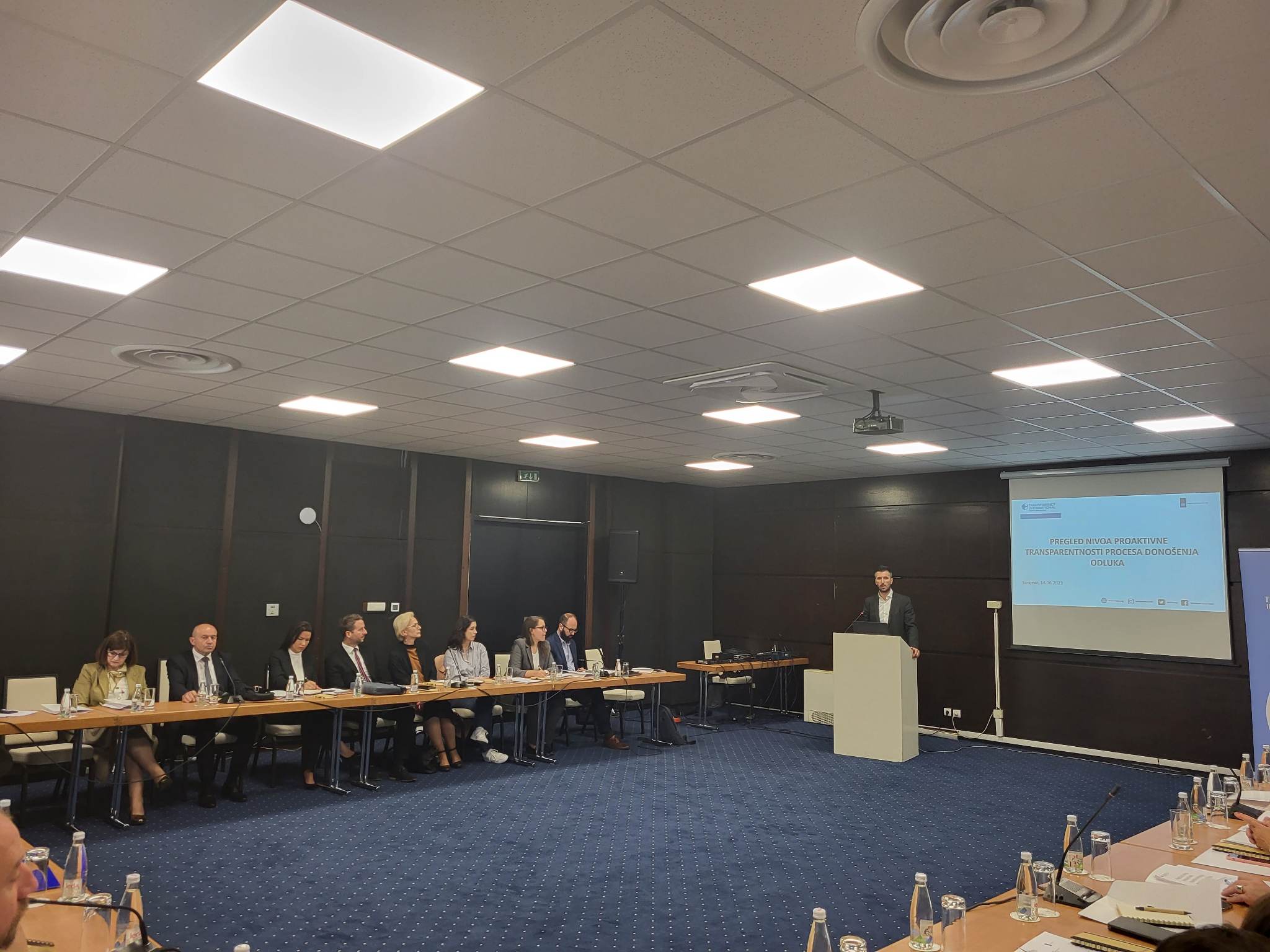
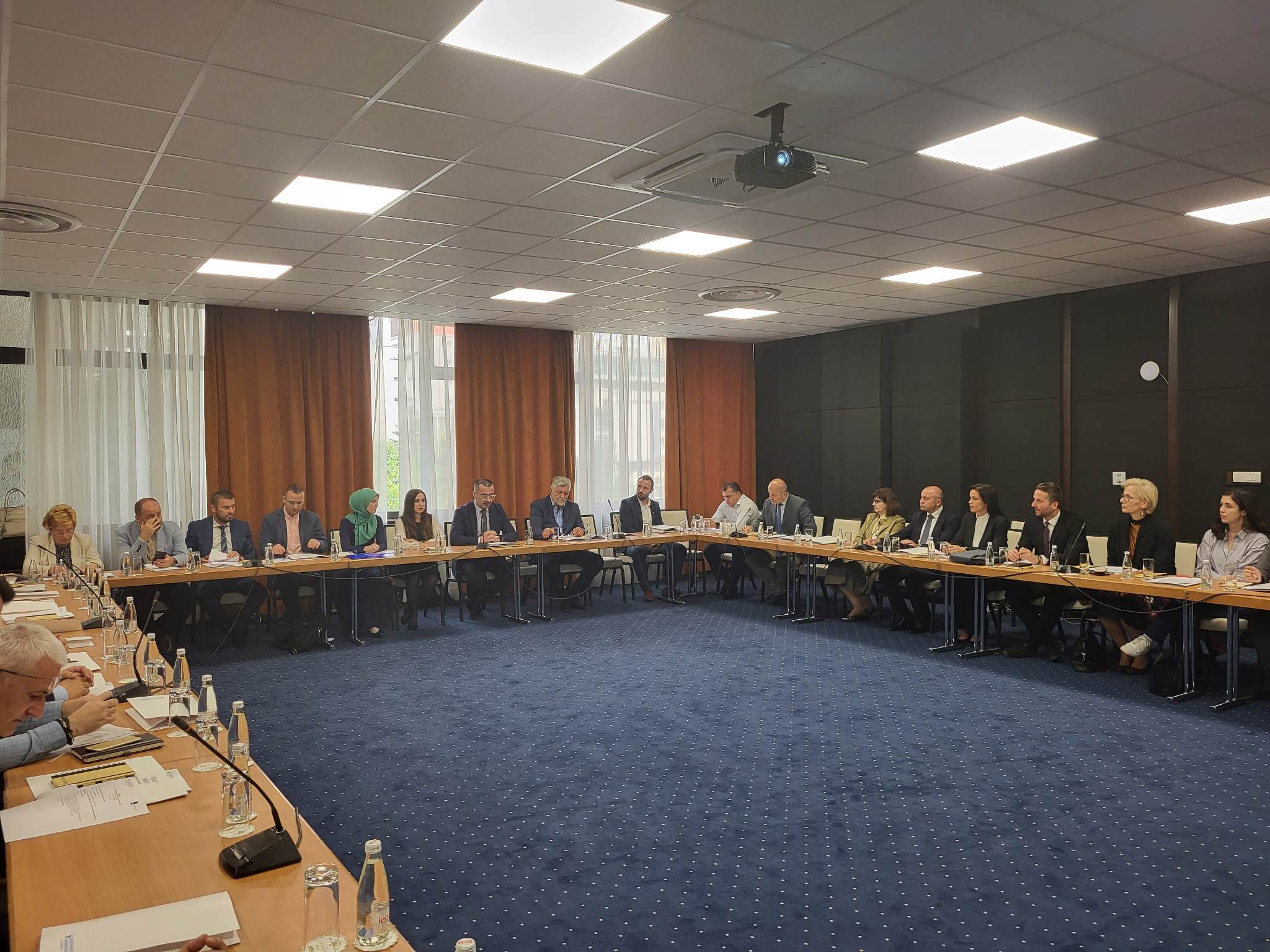
Sarajevo, June 14, 2023 – The work of governments and assemblies of cantons, entities and parliaments at the state level in Bosnia and Herzegovina is insufficiently public, which denies the possibility of citizens’ participation in the control of their work and the decision-making process,which is why there is growing distrust in the work of institutions as well as room for corruption, is the message of the round table entitled“Transparency of the decision-making process in BiH”held today in Sarajevo in the organization of Transparency International in BiH.

At the round table, which was organized with the support of the Embassy of the Kingdom of the Netherlands, presented are the results of the research published as part of the analysis entitled“Overview of the Level of Proactive Transparency of the Decision-Making Process” which included the institutions of the executive and legislative authorities at the cantonal, entity and BiH levels, indicating the worrying lack of transparency of public bodies throughout Bosnia and Herzegovina.

The research showed that no government in Bosnia and Herzegovina regularly publishes materials from the held sessions on its internet presentations, while the Council of Ministers and the Government of the Posavina Canton are one of the two institutions of executive power whose minutes from the held sessions are published in a timely manner and are available to citizens.

This data, as well as the fact that only 5 out of 14 governments in Bosnia and Herzegovina regularly announce decisions on their official sites, indicates that citizens in Bosnia and Herzegovina are not adequately informed about the decisions of the executive authorities that directly affect them, which reduces the degree of public trust in their work.

Legislative bodies throughout BiH do not show any better state of proactive transparency either, since the research showed that the assemblies of cantons, entities, as well as both houses of the Parliament of BiH do not regularly publish plans or reports on public debates, i.e. hearings, and reports on their work are regularly published by only 5 of 16 legislative bodies at the observed levels of government in BiH.

An overview of the level of proactive transparency of the decision-making process shows that in BiH there are governments whose activities the public is insufficiently familiar with, while citizens are denied information on key stages in the work of parliaments, which adversely affects citizens’ trust in institutions and reduces their ability to protect their interests, which in total increases the space for corruption.

“The publication of data and reports on the work of institutions, but also on decision-making processes is what is disputed,”said Srđan Blagovčanin, Chairman of the Board of Directors of Transparency International in Bosnia and Herzegovina, noting that it should not be emphasized how important proactive transparency is for strengthening political responsibility at all levels in Bosnia and Herzegovina, but also for enabling citizens to participate in decision-making processes.

“We have a glaring example at the state level, which is actually the practice, that the proposed laws, when they pass the Council of Ministers, are not actually published, and there we have a situation where the public practically has no insight into the form and in which text these laws were adopted. An example is the recently adopted Law on the High Judicial and Prosecutorial Council of Bosnia and Herzegovina, which is among 14 priorities, and we, as a public, still have no insight into the text in which it was adopted”, explained Blagovčanin, adding that such practice must be changed.

To this end, TI BiH put forward proposals for strengthening the standards of proactive transparency, which include the improvement of the legal framework that treats the area of access to information at all levels in BiH, the recognition of examples of good practice in the application of proactive transparency standards and their implementation, and the establishment of various electronic tools and open standards data for all levels of government in Bosnia and Herzegovina.

The round table brought together representatives of relevant institutions from all levels of government in BiH, international institutions, civil society organizations and the media, who were presented with the importance of proactive transparency as a way for citizens to achieve a greater degree of participation in the work of the legislative and executive authorities, but also to strenghten the responsibility and integrity of the public sector as key assumptions for combating corruption.

Press rls_14.06.23_

TI BIH Asked the Ministry of Security of Bosnia and Herzegovina to Declare Whether Žarko Laketa Passed the Security Checks During the Appointment

If it turns out that the Council of Ministers ignored warnings and positions of official institutions and despite this made an illegal appointment, there are indications that those responsible committed acts that fall under the sphere of criminal responsibility.

Transparency International in BiH asked for information on the appointment of the new director of the Service for Foreigners’ Affairs from the Ministry of Security of Bosnia...

Izvještaji za Mediae

TI BIH Asked the Ministry of Security of Bosnia and Herzegovina to Declare Whether Žarko Laketa Passed the Security Checks During the Appointment

Transparency International in BiH asked for information on the appointment of the new director of the Service for Foreigners’ Affairs from the Ministry of Security of Bosnia and Herzegovina and the related Inspectorate, Žarko Laketa, who, according to media reports, did not pass security checks and does not have the necessary work experience to perform this function.

The Ministry, as well as other representatives of the Council of Ministers, have not yet denied the allegations that the Inspectorate informed them before the appointment that Laketa does not meet the requirements, because he has a final conviction for a criminal offense, does not have a permit to access classified information marked “highly confidential” and does not have at least three years of experience in jobs related to the movement and residence of foreigners.

Since the controversial appointment was still made at the last session of the Council of Ministers, TI BiH requested a statement from these institutions believing it is an unacceptable practice for potentially ineligible persons to head law enforcement agencies. If it turns out that the Council of Ministers ignored the warnings and positions of official institutions and despite this made an illegal appointment, there are indications that those responsible committed acts that fall under the sphere of criminal responsibility.

Another problem is that the new composition of the Council of Ministers, in addition to continuing the practice of public party distribution of positions in institutions that should be independent, enters the new mandate with a series of controversial decisions and appointments without implementing procedures prescribed by law, which once again sends the message to citizens that state institutions are the prey of political parties and interest groups and their mutual agreements.

Press rls_13.02.22_

Get involved

Don't miss it

If you want to receive our announcements immediately after the publication, leave your e-mail address in the field below.